Individual variation in behaviour is the substrate for selection. In bottlenose dolphins, individuals have been shown to have repeatable behavioural strategies that persist over decades. To what extent might such persistent individual differences impact maternal care (i.e. the presence of maternal style), or is care instead determined more by calf characteristics? Based on 40+ years of study of Indo-Pacific bottlenose dolphins, Tursiops aduncus, in Shark Bay, Australia, we investigated the repeatability and demographic drivers of maternal care and their impact on postweaning survival. Using focal follow data (N = 428 follows) of 22 mothers of 68 calves, we examined maternal behaviour when calves were <2 years old. Behavioural metrics included infant position, a type of mother–infant contact and a ‘carrying’ behaviour used as a proxy for direct maternal care, time spent together (within 10 m) and behaviour while together. Maternal care metrics were not individually repeatable; rather, calf characteristics such as age and condition were more important in determining the amount of maternal care. Calves that did not survive to age 4 (average age of weaning in this population) and those who weaned later than average received more direct maternal care than those who survived, suggesting mothers try to compensate for calf condition with increased care. In summary, unlike altricial mammals where mothers have direct control over offspring (by carrying and caching), patterns of maternal care are largely driven by the attributes of the calf in this precocial species.
Darwin ascribed fitness to individuals with a “better chance of surviving and propagating their kind”1. Subsequently, the search for the genetic basis of fitness focused on traits of the generation that had been genotyped. However, there is only scant, indirect evidence for genetic variation conferring transgenerational fitness effects to subsequent generations2-5. Specifically, there is no direct evidence for a link between parental genetic variation and offspring fitness in long-lived, natural populations. Here we show transgenerational fitness effects mediated by adaptive genetic variation of the major histocompatibility complex (MHC) in a natural population of bottlenose dolphins. Our study, spanning nearly four decades of research (19842022), revealed that offspring of MHC-heterozygous mothers were twice as likely to survive. The mother’s age and MHC-heterozygosity were strong predictors of offspring viability. In contrast, we found no association between neutral genetic diversity and fitness. Interestingly, MHC-heterozygous females were less sociable, perhaps an indirect effect of them being more successful mothers that prioritize offspring investment over social bonds—in contrast to other social mammals that rely on female relationships to mediate fitness6. To our knowledge, this is the first study that offers empirical evidence for MHC diversity conferring a fitness advantage across generations. This is in line with theorized, but rarely tested expectations for MHC-dependent mate choice4. Our study also underscores the crucial role of long-term studies7 in revealing the genetic basis of fitness in long-lived, natural populations.
Infectious diseases cause mass mortalities in wildlife populations globally, but the impact of host sociality on the spread of pathogens is often unknown. While host behaviors drive pathogen transmission, these behaviors vary individually which impacts both individual- and population-level disease outcomes. For example, delphinid species are regularly affected by serious respiratory diseases, but a lack of social behavior data means the structure of vulnerability in these ecosystem sentinels is poorly understood. To assess the role of variable social behavior on disease risk empirically, we collected behavioral data from two wild bottlenose dolphin populations (Tursiops spp.), developed network models that synthesize transmission contacts, and used an epidemiological model to predict disease consequences. We find that contacts are highly structured by age and sex, and that individuals preferentially contact others in their own demographic group. These patterns, in turn, drive heterogeneity in infection risk, which we support using empirical data from a past disease outbreak. Our work characterizes the impact of social dynamics on infectious disease risk, which can inform the structure of vulnerability for future epizootics across diverse delphinid species.
Recent work has unearthed strong relationships between aging and average sociability. Clear patterns of decreases in average sociability are observed across taxa, many of these are sex-specific. Individuals, however, generally deviate from population averages, and discounting individual variance in behaviour could disguise mechanisms of adaptation, selection, and developmental stability. Here, we leverage four decades of behavioural data on a population of Indo-Pacific bottlenose dolphins to bring new perspectives on social aging by exploring individual differences in sociability (repeatability, i.e. personality), its variance (predictability), and how sociability changes (plasticity) and its variance changes (malleability) with age. Novel analytical methods reveal a multidimensional response: individual sociability (group size) changes significantly throughout life, both in average response and underlying variance. Sociability increases for the first two decades of life, then declines with age, a trend more pronounced with males. Predictability of individual sociability, however, increases throughout life, indicating that individual social preferences strengthen (despite oscillations) with age. These patterns suggest that individuals develop social competence, defined as accruing social information via experience, presumably optimising their social relationships for a net fitness benefit. These findings provide novel insights into sex-specific social aging and illustrate how studying variance can reveal processes of competence, selection, and adaptation.
Social learning, information transmission and culture play vital roles in the lives of social animals, influencing their survival, reproduction and ability to adapt to changing environments. However, the effect of anthropogenic disturbances on these processes is poorly understood in free-living animals. To investigate the impact of anthropogenic disturbance on social learning and information transmission, we simulated individual removal from contact networks derived from long-term behavioural datasets. We simulate the effects of individual removal on network efficiency and social learning for three group-living species-yellow baboons (Papio cynocephalus), African savanna elephants (Loxodonta africana) and Indo-Pacific bottlenose dolphins (Tursiops aduncus). We reveal how removals of key network positions reduce network efficiency. However, groups with high levels of innovation may cope with changing social network structures. These findings highlight the importance of protecting key individuals to preserve group structure and the role of innovation in possibly mitigating the fitness costs of removals. Identifying and safeguarding individuals that drive innovation can reduce a group's susceptibility to anthropogenic threats and promote cultural resilience in social animals in a changing world. These emerging trends contribute to a growing understanding of the role of conservation interventions in protecting critical individuals in group-living animals.This article is part of the theme issue 'Animal culture: conservation in a changing world'.
Theory predicts that high population density leads to more strongly connected spatial and social networks, but how local density drives individuals' positions within their networks is unclear. This gap reduces our ability to understand and predict density-dependent processes. Here we show that density drives greater network connectedness at the scale of individuals within wild animal populations. Across 36 datasets of spatial and social behaviour in >58,000 individual animals, spanning 30 species of fish, reptiles, birds, mammals and insects, 80% of systems exhibit strong positive relationships between local density and network centrality. However, >80% of relationships are nonlinear and 75% are shallower at higher values, indicating saturating trends that probably emerge as a result of demographic and behavioural processes that counteract density's effects. These are stronger and less saturating in spatial compared with social networks, as individuals become disproportionately spatially connected rather than socially connected at higher densities. Consequently, ecological processes that depend on spatial connections are probably more density dependent than those involving social interactions. These findings suggest fundamental scaling rules governing animal social dynamics, which could help to predict network structures in novel systems.
High population density should drive individuals to more frequently share space and interact, producing better-connected spatial and social networks. Despite this widely-held assumption, it remains unconfirmed how local density generally drives individuals' positions within wild animal networks. We analysed 34 datasets of simultaneous spatial and social behaviour in >55,000 individual animals, spanning 28 species of fish, reptiles, birds, mammals, and insects. >80% of systems exhibited strongly positive relationships between local density and network centrality, providing broad empirical evidence that local density increases connectedness at the individual level. However, >75% of density-connectedness relationships were nonlinear, and density's importance declined at higher values in >70% of systems, signifying saturating effects. Density's effect was much stronger and less saturating for spatial than social networks, suggesting population density drives individuals to become disproportionately spatially connected rather than socially. These findings reveal fundamental trends underlying societal structuring, with widespread behavioural, ecological, and evolutionary implications. ### Competing Interest Statement The authors have declared no competing interest.
Assessing trends in population abundance and demographics is crucial for managing long-lived and slow-reproducing species. Obtaining demographic data, and age-structure information, is challenging, notably for cetaceans. To address this, we combined Unoccupied Aerial System (UAS; drone) photogrammetry data with long-term (>20 years) photo identification data to assess the age-structure of the critically endangered sub-population of common bottlenose dolphins (Tursiops truncatus) of the Gulf of Ambracia, Greece. We compared our findings with two extensively studied non-endangered bottlenose dolphin populations (T. aduncus in Shark Bay, Australia, and T. truncatus in Sarasota Bay, USA). Using a log-linear model, we estimated the total body lengths (TL) of 160 known-aged dolphins between 2021 and 2023 from blowhole-to-dorsal-fin distance (BHDF) measurements collected during surfacing. Subsequently, we tested four growth models to establish an age-length growth curve. We assessed the sub-population's age-structure using three methods: (1) UAS-derived TL estimates, (2) age-length growth curve and (3) long-term monitoring data (i.e. actual age-structure). UAS-measured TL (247.6 +/- 32.2 cm) and UAS-estimated TL (246.0 +/- 34.7 cm) of the Greek sub-population showed no differences. The Richards Growth model suggested an asymptotic length of 258.5 cm. In Greece, resulting age-structure estimates across the three methods revealed no significant differences (P > 0.1). The Gulf of Ambracia and Shark Bay populations shared similar age-structures, while Sarasota had higher proportions of 2-10 year-olds and lower proportions of 10+ year-olds. All populations had a comparable proportion of 0-2 year-olds (similar to 14%), indicating a similar reproductive rate. Our findings suggest stability in the Greek sub-population; however, additional monitoring of reproductive parameters is essential before concluding its status. We demonstrated the effectiveness of UAS-photogrammetry in rapidly quantifying population age-structure, including scenarios with limited or no demographic data. This technique shows promise for enhancing precision, timeliness, cost-effectiveness and efficiency in population monitoring and informing timely conservation management decisions.
The quantity and quality of individual social relationships is a fundamental feature of social structure for group-living species. In many species, individuals preferentially associate with close relatives, which can amplify social benefits through inclusive fitness. Reproductive variation, dispersal and other factors may nevertheless impact relative kin availability, especially for species with slow life histories. As such, variation in family size can affect the social integration of the individual. Here, we investigated the effects of family size on female sociality in a population of Indo-Pacific bottlenose dolphins, Tursiops aduncus, in Shark Bay, Australia. This population exhibits high fission–fusion dynamics, with females varying widely in gregariousness and both sexes remaining philopatric, providing females with both matrilineal and nonmatrilineal kin as potential associates. We used genetic relatedness data obtained from a large single nucleotide polymorphism (SNP) panel and a spatially explicit null model to measure females' propensities to form affiliations with both related and unrelated individuals. We found that females had strong social preferences for matrilineal close (first, second and third degree) kin, but also significant preferences for nonmatrilineal close and more distant kin compared to unrelated individuals. Despite these preferences, we found only small effects of kin availability on individual social position. Stronger and more consistent effects were attributable to individual foraging ecology, although much of the variation remains unexplained. Overall, our models suggest that while female dolphins have strong kin preferences, their social connectivity is not determined by family size; rather, individual foraging strategies and high fission–fusion dynamics enable a diverse repertoire of social strategies to coexist within a population.
Dolphin morbillivirus has caused mass mortalities in dolphin populations globally. Given their role as ecosystem sentinels, mass mortalities among these populations can be detrimental. Morbillivirus is transmitted through respiratory droplets and occurs when dolphins breathe synchronously, a variable social behavior. To assess the role of variable social behavior on disease risk empirically, we collected behavioral data from wild bottlenose dolphins ( Tursiops erebennus ), develop network models that synthesize transmission contacts, and use an epidemiological model to predict disease consequences. We find that juveniles have more contacts than adults, adult males have more contacts than adult females, and that individuals preferentially contact others in their own demographic group. These patterns translate to higher infection risk for juveniles and adult males, which we validate using data from a morbillivirus outbreak. Our work characterizes the impact of bottlenose dolphin social dynamics on infectious disease risk and informs the structure of vulnerability for future epizootics.### Competing Interest StatementThe authors have declared no competing interest.
1.Researchers in ecology and evolutionary biology are increasingly dependent on computational code to conduct research. Hence, the use of efficient methods to share, reproduce, and collaborate on code as well as document research is fundamental. GitHub is an online, cloud-based service that can help researchers track, organize, discuss, share, and collaborate on software and other materials related to research production, including data, code for analyses, and protocols. Despite these benefits, the use of GitHub in ecology and evolution is not widespread. 2.To help researchers in ecology and evolution adopt useful features from GitHub to improve their research workflows, we review twelve practical ways to use the platform. 3.We outline features ranging from low to high technical difficulty, including storing code, managing projects, coding collaboratively, conducting peer review, writing a manuscript, and using automated and continuous integration to streamline analyses. Given that members of a research team may have different technical skills and responsibilities, we describe how the optimal use of GitHub features may vary among members of a research collaboration. 4.As more ecologists and evolutionary biologists establish their workflows using GitHub, the field can continue to push the boundaries of collaborative, transparent, and open research.
Barnacles can reveal much about the physiology, health, and spatial ecology of their cetacean hosts. Here, we examine how temperature and hydrodynamic factors impact presence of Xenobalanus globicipitis, a pseudo-stalked barnacle that attaches exclusively to cetaceans. We hypothesized that temperature is a key environmental factor (i.e., water temperature) and physiological factor, in that X. globicipitis prefers the warmest skin temperature for attachment, possibly as a mechanism for survival in colder waters. First, we demonstrate a global relationship between spatial ecology of host species and presence of X. globicipitis. Notably, X. globicipitis is absent in the four species occupying waters with the lowest sea surface temperature (SST) year-round, but present in migratory species that likely acquire the barnacle in waters with higher SST. Second, barnacle attachment location on common bottlenose dolphin (Tursiops truncatus) dorsal fins corresponds with fin temperature and hydrodynamics. Although body temperature may influence attachment location on the body of the animal, hydrodynamic forces, as previously proposed, determine how well barnacles can remain attached during the adult stage. X. globicipitis prevalence likely provides important bioindicator, ecological, and physiological information about its host. As parasitic infestation has some cost, these results have implications for cetacean health in warming seas.
Research on sex biases in longevity in mammals often assumes that male investment in competition results in a female survival advantage that is constant throughout life. We use 35 years of longitudinal data on 1003 wild bottlenose dolphins (Tursiops aduncus) to examine age-specific mortality, demonstrating a time-varying effect of sex on mortality hazard over the five-decade lifespan of a social mammal. Males are at higher risk of mortality than females during the juvenile period, but the gap between male and female mortality hazard closes in the mid-teens, coincident with the onset of female reproduction. Female mortality hazard is non-significantly higher than male mortality hazard in adulthood, resulting in a moderate male bias in the oldest age class. Bottlenose dolphins have an intensely male-competitive mating system, and juvenile male mortality has been linked to social competition. Contrary to predictions from sexual selection theory, however, male–male competition does not result in sustained male-biased mortality. As female dolphins experience high costs of sexual coercion in addition to long and energetically expensive periods of gestation and lactation, this suggests that substantial female investment in reproduction can elevate female mortality risk and impact sex biases in lifespan.
In mammals, reproductive success can often be directly observed for females, but not males. Early-life correlates of female reproductive success can also be easier to observe due to higher rates of philopatry. Though relatively uncommon, populations in which both sexes remain in their natal home ranges can facilitate studies of mate choice and sex-specific drivers of reproductive success. Genetic parentage assessment in these systems should be more complete due to spatial philopatry since the pool of potential mothers and fathers should be equally accessible for sampling. Nevertheless, many studies still report more maternities than paternities even when individuals are randomly sampled with respect to age and sex. This discrepancy is often attributed to unobserved outbreeding. Here, we investigate two potential drivers for biased genetic parentage assignment in a bisexually philopatric community of bottlenose dolphins in which twice as many maternities as paternities are assigned to randomly sampled adults. We examine whether this pattern can best be explained by (1) sex differences in reproductive timing or (2) high levels of extra-community mating. We use long-term data on female calving success to search for biases in our genetic data collection and to constrain simulations of male reproductive timing patterns that could generate our observed data. We find that the majority of the skew in parentage assignment could be explained by differences in reproductive timing, with a smaller putative role of extra-community mating. We discuss how explicitly considering age effects as well as outbreeding can improve our understanding of sex-specific drivers of reproductive success. Significance statement In most mammals, mothers are easy to identify because they provide extended parental care to their offspring, but fathers can be absent in space or time. In a resident population of Indo-Pacific bottlenose dolphins, twice as many mothers as fathers are detected with random genetic sampling. We tested whether we failed to detect paternities because fathers were outside of our main study area or if they were simply older than mothers and likely died before they could be genetically sampled. We found evidence that fathers could be much older on average than mothers. We show that comparing maternities to paternities can reveal potential sources of bias when estimating reproductive success from genetic samples, and our results can be used to target more efficient sampling in future studies.
The biological sciences community is increasingly recognizing the value of open, reproducible and transparent research practices for science and society at large. Despite this recognition, many researchers fail to share their data and code publicly. This pattern may arise from knowledge barriers about how to archive data and code, concerns about its reuse, and misaligned career incentives. Here, we define, categorize and discuss barriers to data and code sharing that are relevant to many research fields. We explore how real and perceived barriers might be overcome or reframed in the light of the benefits relative to costs. By elucidating these barriers and the contexts in which they arise, we can take steps to mitigate them and align our actions with the goals of open science, both as individual scientists and as a scientific community.
Competition for resources (such as food, water, and mates) is a main driver of group-living because the extent of competition can either positively or negatively affect social interactions. We show that the differences in resource competition and habitat that individual dolphins experience correlates with the number and type of relationships they have and that this differs between males and females. These findings highlight how different environmental conditions can drive variation in individual's long-term social relationships. Resource competition among conspecifics is central to social evolution, as it serves as one of the primary selective pressures of group living. This is because the degree of competition for resources impacts the costs and benefits of social interactions. Despite this, how heterogeneity in resource competition drives variation in the type and quantity of long-term social relationships individuals foster has been overlooked. By measuring male mating competition and female foraging competition in a highly social, long-lived mammal, we demonstrate that individual variation in long-term intrasexual social relationships covaries with preferred habitat and experienced resource competition, and this effect differs based on the sex of the individual. Specifically, greater resource competition resulted in fewer social preferences, but the magnitude of the effect varied by both habitat and sex, whereas for social avoidances, both the directionality and magnitude of the effect of resource competition varied by habitat and sex. Together our work shows how fine-scale variation in individual socioecological niches (i.e., unique physical and social environments) can drive extensive variation in individual social behavior (here long-term relationships) within a population, thereby broadening current theories of social evolution.
1 Abstract Social bonds and social structure are important features of animal systems that impact individual fitness. Few studies have examined how temporal dynamics in individual social bonds predict fitness outcomes. This is critical to understand given the high variation in types of social structures and strategies within populations of social mammals, both across time and among individuals. If individually-differentiated social bonds are important, it might be the change in bonds which has fitness consequences, not the absolute number of bonds nor their strength. We investigated how network dynamics predict survival in a wild population of bottlenose dolphins using a 35-year longitudinal study. In particular, we were interested in two sex-specific measures of the “widowhood effect”, as well as a more general investigation into the predictability of mortality from changes in higher-order social network metrics. We used two inferential frameworks to provide complimentary evidence for or against hypotheses; namely, a gradient-boosting predictivist approach with relative importance measures, and an inclusion probabilities approach based on stability-selection. We found evidence of a widowhood effect among males but not females. Surprisingly, the most robust predictor of survival was closeness-centrality, whereby the loss of closeness centrality preceded death. This finding, that absolute network position may not be as relevant to survival as changes in network status, is consistent with a large social-psychological literature in humans on the impacts of loss of social capital, dissolution of close friendships, and loss through death of partners (widowhood effect). This study highlights the critical nature of social connections and how its disruption can be a matter of life and death.
The niche describes the ecological and social environment that an organism lives in, as well as the behavioural tactics used to interact with its environment. A species niche is key to both ecological and evolutionary processes, including speciation, and has therefore been a central focus in ecology. Recent evidence, however, points to considerable individual variation in a species' or population's niche use, although how this variation evolves or is maintained remains unclear. We used a large longitudinal dataset to investigate the drivers and maintenance of individual variation in bottlenose dolphins' Tursiops aduncus niche. Specifically, we (a) characterised the extent of individual differences in habitat use, (b) identified whether there were maternal effects associated with this variation and (c) investigated the relationship between habitat use and calving success, a component of reproductive fitness. By examining patterns of habitat use, we provide evidence that individual dolphins vary consistently between one another in their niche. We further show that such individual variation is driven by a strong maternal effect. Finally, habitat use and calving success were not related, suggesting that use of different habitats results in similar fitness outcomes. Niche partitioning, maintained by maternal effects, likely facilitates the coexistence of multiple ecotypes within this population.
As demands for wildlife tourism increase, provisioning has become a popular means of providing up-close viewing to the public. At Monkey Mia, Shark Bay, Australia, up to five adult female Indo-Pacific bottlenose dolphins (Tursiops aduncus) visit a 100 m stretch of beach daily to receive fish handouts. In 2011, a severe marine heatwave (MHW) devastated seagrass and fish populations in Shark Bay. Offspring survival declined precipitously among seagrass specialists (dolphins that forage disproportionately in seagrass habitat). As all provisioned dolphins at the site are seagrass specialists, we examined how provisioned and non-provisioned seagrass specialists responded to the MHW. Using 27 years of data we compare habitat use, home range size, calf mortality, and predation risk between provisioned and non-provisioned females and their offspring before and after the MHW. Our results show that provisioned females have extremely small home ranges compared to non-provisioned females, a pattern attributable to their efforts to remain near the site of fish handouts. However, weaned offspring (juveniles) born to provisioned females who are not provisioned themselves also had much smaller home ranges, suggesting a persistent maternal effect on their behavior. After the MHW, adult females increased their use of seagrass habitats, but not their home range size. Provisioned females had significantly lower calf mortality than non-provisioned females, a pattern most evident pre-MHW, and, in the first 5 years after the MHW (peri-MHW, 2011–2015), calf mortality did not significantly increase for either group. However, the ecosystem did not recover, and post-MHW (2016–2020), calf mortality was substantially higher, regardless of provisioning status. With few survivors, the impact of the MHW on juvenile mortality post-weaning is not known. However, over three decades, juvenile mortality among offspring of provisioned vs. non-provisioned females did not statistically differ. Thus, the survival benefits accrued to calves in the provisioned group likely cease after weaning. Finally, although shark attack rates on seagrass specialists did not change over time, elevated predation on calves cannot be ruled out as a cause of death post-MHW. We discuss our results as they relate to anthropogenic influences on dolphin behavioral plasticity and responses to extreme climate events.
The juvenile period is a challenging life-history stage, especially in species with a high degree of fission–fusion dynamics, such as bottlenose dolphins, where maternal protection is virtually absent. Here, we examined how juvenile male and female bottlenose dolphins navigate this vulnerable period. Specifically, we examined their grouping patterns, activity budget, network dynamics, and social associations in the absence of adults. We found that juveniles live in highly dynamic groups, with group composition changing every 10 min on average. Groups were generally segregated by sex, and segregation was driven by same-sex preference rather than opposite-sex avoidance. Juveniles formed strong associations with select individuals, especially kin and same-sex partners, and both sexes formed cliques with their preferred partners. Sex-specific strategies in the juvenile period reflected adult reproductive strategies, in which the exploration of potential social partners may be more important for males (which form long-term alliances in adulthood) than females (which preferentially associate with kin in adulthood). Females spent more time alone and were more focused on foraging than males, but still formed close same-sex associations, especially with kin. Males cast a wider social net than females, with strong same-sex associations and many male associates. Males engaged in more affiliative behavior than females. These results are consistent with the social bonds and skills hypothesis and suggest that delayed sexual maturity in species with relational social complexity may allow individuals to assess potential associates and explore a complex social landscape without the risks associated with sexual maturity (e.g., adult reproductive competition; inbreeding).
 Janet Mann合作论文数26
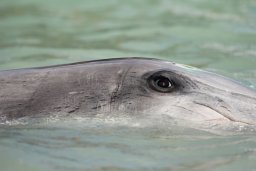 Ewa Krzyszczyk合作论文数15
 Celine Frere合作论文数School of the Environment, Faculty of Science, The University of Queensland;Centre for Marine Science, Faculty of Science, The University of Queensland12Alexis L. Levengood合作论文数6
 Eric M. Patterson合作论文数6
 Shweta Bansal合作论文数Computational and Applied Mathematics;Institute for Computational Engineering Sciences;Section of Integrative Biology and Institute for Cellular and Molecular Biology;University of Texas at Austin;Section of Integrative Biology and Institute for Cellular and Molecular Biology, University of Texas at Austin5
 Melissa Collier合作论文数4
 Madison L Miketa合作论文数The Humane Society of the United States4
 Ann-Marie Jacoby合作论文数3
 Molly McEntee合作论文数Georgetown University3
 Caitlin Karniski合作论文数Communications Biology, . caitlin.karniski@us.nature.com.3
 Megan M. Wallen合作论文数Dept Biol Sci, Wayne State Univ3
 Strickland Kasha合作论文数GeneCology Research Centre, University of the Sunshine Coast3
 Lars Bejder合作论文数Department of Biology;Dalhousie University;Department of Biology, Dalhousie University3Daniel J. Becker合作论文数2
 Michael G Gardner合作论文数2Mike Begon合作论文数2
 Kaitlyn Gaynor合作论文数Department of Zoology, Faculty of Science, University of British Columbia2Alexis S Chaine合作论文数2
 Francesco Ferretti合作论文数2Courtney A Thomason合作论文数Virginia Tech, Dept Biol Sci, Blacksburg, VA 24061 USA2Eric Payne合作论文数2Elodie Wielgus合作论文数2
 David Tickler合作论文数Univ Western Australia, Sch Biol Sci, Marine Futures Lab, Crawley, WA 6009, Australia2Emma J. Hudgins合作论文数University of New Brunswick2Richard J. Delahay合作论文数National Wildlife Management Centre, Animal and Plant Health Agency2
 Dylan G. E. Gomes合作论文数Biol Sci, Boise State Univ2
 Robert Crystal-Ornelas合作论文数Ecology, Evolution, and Natural Resources, Rutgers University2
 Joachim Marien合作论文数Dept Biomed Sci, Virol Unit2
 Sahas Barve合作论文数Smithsonian Natl Museum Nat Hist2
 kevin morelle合作论文数Department of Migration, Max Planck Institute of Animal Behaviour2
 Klara Wanelik合作论文数Institute of Infection, Veterinary and Ecological Sciences, University of Liverpool2
 Noa Pinter Wollman合作论文数Department of Ecology and Evolutionary Biology, College of Life Sciences, University of California, Los Angeles2
 Pratha Sah合作论文数UnitedHealth Group2
 Andrea Graham合作论文数Department of Ecology and Evolutionary Biology, Princeton University2
 Lee Koren合作论文数Department of Comparative Biology &and Hotchkiss Brain Institute, University of Calgary;and Hotchkiss Brain Institute, University of Calgary2
 Aaron B Carlisle合作论文数Hopkins Marine Station, Stanford University2
 David Macdonald合作论文数Department of Biology, University of Oxford2
 Andy Fenton合作论文数Institute of Infection, Veterinary and Ecological Sciences, University of Liverpool;Faculty of Health & Life Sciences, University of Liverpool2Bradley J E合作论文数2
 Kirkpatrick Lucinda合作论文数School of Biological and Ecological Sciences, University of Stirling Bridge of Allan2
 Bruce E Lyon合作论文数Division of Physical & Biological Sciences, Department of Ecology & Evolutionary Biology, University of California, Santa Cruz2
 Damien Farine合作论文数Division of Ecology and Evolution, Research School of Biology, Australian National University;Department of Collective Behavior, Max Planck Institute of Animal Behavior;Department of Evolutionary Biology and Environmental Studies, University of Zurich2
 Milos Jezek合作论文数2
 Josh A Firth合作论文数Department of Zoology, University of Oxford2
 Luna Luisa Sanchez Reyes合作论文数2
 Andy Sih合作论文数Department of Environmental Science & Policy, University of California, Davis2
 Johann Mourier合作论文数LabEx “CORAIL” — USR 3278 CNRS-EPHE-UPVD, Centre de Recherche Insulaire et Observatoire de l'Environnement (CRIOBE), BP 1013 — 98 729, Papetoai, Moorea, French Polynesia2
 Tom Tregenza合作论文数Centre for Ecology and Conservation, University of Exeter2




