ABSTRACT:Fanconi anemia (FA) is a rare genetic disorder causing the progressive loss of hematopoietic stem cells (HSCs) and bone marrow failure. Most cases result from deficient monoubiquitination of FANCD2 by the FA core complex. However, given that additional functions for the complex have been proposed, it remains unclear whether loss of FANCD2 monoubiquitination is the sole cause of all FA phenotypes. Here, we generated a murine allele (FanclTATΔ) that mimics an allele from a patient with FA. This 3-bp deletion removes a catalytic cysteine in the E3 RING ligase domain of the FANCL subunit. Biochemical assays show that the mutant FA core complex retains structural integrity but lacks FANCD2 monoubiquitination activity. Homozygous FanclTATΔ/TATΔ mice phenocopy classical human FA features, including infertility, craniofacial anomalies, DNA damage hypersensitivity, and progressive HSC loss with age. Correcting the mutation using CRISPR-Cas9 or prime editing technology restores FANCD2 monoubiquitination and normal DNA damage resistance in myeloid cells. Collectively, our mouse model demonstrates that loss of RING E3 ubiquitin ligase activity of the FA core complex explains developmental defects and hematopoietic failure in FA and provides a new animal model for testing potentially therapeutic gene editing.
The ATR-CHK1 DNA damage response pathway becomes activated by the exposure of RPA-coated single-stranded DNA (ssDNA) that forms as an intermediate during DNA damage and repair, and as a part of the replication stress response. Here, we identify ZNF827 as a component of the ATR-CHK1 kinase pathway. We demonstrate that ZNF827 is a ssDNA binding protein that associates with RPA through concurrent binding to ssDNA intermediates. These interactions are dependent on two clusters of C2H2 zinc finger motifs within ZNF827. We find that ZNF827 accumulates at stalled forks and DNA damage sites, where it activates ATR and promotes the engagement of homologous recombination-mediated DNA repair. Additionally, we demonstrate that ZNF827 depletion inhibits replication initiation and sensitizes cancer cells to the topoisomerase inhibitor topotecan, revealing ZNF827 as a therapeutic target within the DNA damage response pathway.
Circular RNAs (circRNAs), which are increasingly being implicated in a variety of functions in normal and cancerous cells(1-5), are formed by back-splicing of precursor mRNAs in the nucleus(6-10). circRNAs are predominantly localized in the cytoplasm, indicating that they must be exported from the nucleus. Here we identify a pathway that is specific for the nuclear export of circular RNA. This pathway requires Ran-GTP, exportin-2 and IGF2BP1. Enhancing the nuclear Ran-GTP gradient by depletion or chemical inhibition of the major protein exporter CRM1 selectively increases the nuclear export of circRNAs, while reducing the nuclear Ran-GTP gradient selectively blocks circRNA export. Depletion or knockout of exportin-2 specifically inhibits nuclear export of circRNA. Analysis of nuclear circRNA-binding proteins reveals that interaction between IGF2BP1 and circRNA is enhanced by Ran-GTP. The formation of circRNA export complexes in the nucleus is promoted by Ran-GTP through its interactions with exportin-2, circRNA and IGF2BP1. Our findings demonstrate that adaptors such as IGF2BP1 that bind directly to circular RNAs recruit Ran-GTP and exportin-2 to export circRNAs in a mechanism that is analogous to protein export, rather than mRNA export.
FANCM is a DNA repair protein that recognizes stalled replication forks, and recruits downstream repair factors. FANCM activity is also essential for the survival of cancer cells that utilize the Alternative Lengthening of Telomeres (ALT) mechanism. FANCM efficiently recognizes stalled replication forks in the genome or at telomeres through its strong affinity for branched DNA structures. In this study, we demonstrate that the N-terminal translocase domain drives this specific branched DNA recognition. The Hel2i subdomain within the translocase is crucial for effective substrate engagement and couples DNA binding to catalytic ATP-dependent branch migration. Removal of Hel2i or mutation of key DNA-binding residues within this domain diminished FANCM's affinity for junction DNA and abolished branch migration activity. Importantly, these mutant FANCM variants failed to rescue the cell cycle arrest, telomere-associated replication stress, or lethality of ALT-positive cancer cells depleted of endogenous FANCM. Our results reveal the Hel2i domain is key for FANCM to properly engage DNA substrates, and therefore plays an essential role in its tumour-suppressive functions by restraining the hyperactivation of the ALT pathway.
Significance Bloom syndrome complex (BS complex) is necessary for maintenance of genome stability and suppression of cancer-causing mutations. Composed of a helicase, a topoisomerase, and two scaffolds, the BS complex is implicated in several steps that ensure the high fidelity of DNA repair by recombination. One step, called “double Holliday junction dissolution,” ensures untangling of DNA at the conclusion of repair. Here, we used cross-link mass spectrometry to show how the BS complex assembles. Using biochemical reactions and cell complementation with mutant proteins, our results reveal an important role of helicase dimerization (and tight coupling of proteins within the complex) for double Holliday junction dissolution and genome stability.
Co-transcriptional R loops arise from stalling of RNA polymerase, leading to the formation of stable DNA:RNA hybrids. Unresolved R loops promote genome instability but are counteracted by helicases and nucleases. Here, we show that branchpoint translocases are a third class of R-loop-displacing enzyme in vitro. In cells, deficiency in the Fanconi-anemia-associated branchpoint translocase FANCM causes R-loop accumulation, particularly after treatment with DNA:RNA-hybrid-stabilizing agents. This correlates with FANCM localization at R-loop-prone regions of the genome. Moreover, other branchpoint translocases associated with human disease, such as SMARCAL1 and ZRANB3, and those from lower organisms can also remove R loops in vitro. Branchpoint translocases are more potent than helicases in resolving R loops, indicating their evolutionary important role in R-loop suppression. In human cells, FANCM, SMARCAL1, and ZRANB3 depletion causes additive effects on R-loop accumulation and DNA damage. Our work reveals a mechanistic basis for R-loop displacement that is linked to genome stability.
Site-specific conjugation of ubiquitin onto a range of DNA repair proteins regulates their critical functions in the DNA damage response. Biochemical and structural characterization of these functions are limited by an absence of tools for the purification of DNA repair proteins in purely the ubiquitinated form. To overcome this barrier, we designed a ubiquitin fusion protein that is N-terminally biotinylated and can be conjugated by E3 RING ligases onto various substrates. Biotin affinity purification of modified proteins, followed by cleavage of the affinity tag leads to release of natively-mono-ubiquitinated substrates. As proof-of-principle, we applied this method to several substrates of mono-ubiquitination in the Fanconi anemia (FA)-BRCA pathway of DNA interstrand crosslink repair. These include the FANCI:FANCD2 complex, the PCNA trimer and BRCA1 modified nucleosomes. This method provides a simple approach to study the role of mono-ubiquitination in DNA repair or any other mono-ubiquitination signaling pathways.
DNA interstrand crosslinks (ICLs) are a physical barrier to replication and therefore toxic to cell viability. An important mechanism for the removal of ICLs is the Fanconi Anemia DNA repair pathway, which is initiated by mono-ubiquitination of FANCD2 and its partner protein FANCI. Here, we show that maintenance of FANCD2 and FANCI proteins in a monoubiquitinated form is regulated by the ATR-kinase. Using recombinant proteins in biochemical reconstitution experiments we show that ATR directly phosphorylates FANCI on serine 556, 559, and 565 to stabilize its association with DNA and FANCD2. This increased association with DNA stimulates the conjugation of ubiquitin to both FANCI and FANCD2, but also inhibits ubiquitin deconjugation. Using phosphomimetic and phosphodead mutants of FANCI we show that S559 and S565 are particularly important for protecting the complex from the activity of the deubiquitinating enzyme USP1:UAF1. Our results reveal a major mechanism by which ATR kinase maintains the activation of the FA pathway, by promoting the accumulation of FANCD2 in the ubiquitinated form active in DNA repair.
DNA inter-strand crosslinks (ICLs) threaten genomic stability by creating a physical barrier to DNA replication and transcription. ICLs can be caused by endogenous reactive metabolites or from chemotherapeutics. ICL repair in humans depends heavily on the Fanconi Anaemia (FA) pathway. A key signalling step of the FA pathway is the mono-ubiquitination of Fanconi Anaemia Complementation Group D2 (FANCD2), which is achieved by the multi-subunit E3 ligase complex. FANCD2 mono-ubiquitination leads to the recruitment of DNA repair proteins to the site of the ICL. The loss of FANCD2 mono-ubiquitination is a common clinical feature of FA patient cells. Therefore, molecules that restore FANCD2 mono-ubiquitination could lead to a potential drug for the management of FA. On the other hand, in some cancers, FANCD2 mono-ubiquitination has been shown to be essential for cell survival. Therefore, inhibition of FANCD2 mono-ubiquitination represents a possible therapeutic strategy for cancer specific killing. We transferred an 11-protein FANCD2 mono-ubiquitination assay to a high-throughput format. We screened 9,067 compounds for both activation and inhibition of the E3 ligase complex. The use of orthogonal assays revealed that candidate compounds acted via non-specific mechanisms. However, our high-throughput biochemical assays demonstrate the feasibility of using sophisticated and robust biochemistry to screen for small molecules that modulate a key step in the FA pathway. The future identification of FA pathway modulators is anticipated to guide future medicinal chemistry projects with drug leads for human disease.
Fanconi anemia (FA) is the most common genetic cause of bone marrow failure and is caused by inherited pathogenic variants in any of 22 genes. Of these, only FANCB is X-linked. We describe a cohort of 19 children with FANCB variants, from 16 families of the International Fanconi Anemia Registry. Those with FANCB deletion or truncation demonstrate earlier-than-average onset of bone marrow failure and more severe congenital abnormalities compared with a large series of FA individuals in published reports. This reflects the indispensable role of FANCB protein in the enzymatic activation of FANCD2 monoubiquitination, an essential step in the repair of DNA interstrand crosslinks. For FANCB missense variants, more variable severity is associated with the extent of residual FANCD2 monoubiquitination activity. We used transcript analysis, genetic complementation, and biochemical reconstitution of FANCD2 monoubiquitination to determine the pathogenicity of each variant. Aberrant splicing and transcript destabilization were associated with 2 missense variants. Individuals carrying missense variants with drastically reduced FANCD2 monoubiquitination in biochemical and/or cell-based assays tended to show earlier onset of hematologic disease and shorter survival. Conversely, variants with near-normal FANCD2 monoubiquitination were associated with more favorable outcome. Our study reveals a genotype-phenotype correlation within the FA-B complementation group of FA, where severity is associated with level of residual FANCD2 monoubiquitination.
FANCI:FANCD2 monoubiquitination is a critical event for replication fork stabilization by the Fanconi anemia (FA) DNA repair pathway. It has been proposed that at stalled replication forks, monoubiquitinated-FANCD2 serves to recruit DNA repair proteins that contain ubiquitin-binding motifs. Here, we have reconstituted the FA pathway in vitro to study functional consequences of FANCI:FANCD2 monoubiquitination. We report that monoubiquitination does not promote any specific exogenous protein:protein interactions, but instead stabilizes FANCI:FANCD2 heterodimers on dsDNA. This clamping requires monoubiquitination of only the FANCD2 subunit. We further show using electron microscopy that purified monoubiquitinated FANCI:FANCD2 forms filament-like arrays on long dsDNA. Our results reveal how monoubiquitinated FANCI:FANCD2, defective in many cancer types and all cases of FA, is activated upon DNA binding.
Fanconi anemia (FA) is the most common genetic cause of bone marrow failure, and is caused by inherited pathogenic variants in any of 22 genes. Of these, only FANCB is X-linked. We describe a cohort of 19 children with FANCB variants, from 16 families of the International Fanconi Anemia Registry (IFAR). Those with FANCB deletion or truncation demonstrate earlier than average onset of bone marrow failure, and more severe congenital abnormalities compared to a large series of FA individuals in the published reports. This reflects the indispensable role of FANCB protein in the enzymatic activation of FANCD2 monoubiquitination, an essential step in the repair of DNA interstrand crosslinks. For FANCB missense variants, more variable severity is associated with the extent of residual FANCD2 monoubiquitination activity. We used transcript analysis, genetic complementation, and biochemical reconstitution of FANCD2 monoubiquitination to determine the pathogenicity of each variant. Aberrant splicing and transcript destabilization was associated with two missence variants. Individuals carrying missense variants with drastically reduced FANCD2 monoubiquitination in biochemical and/or cell-based assays showed earlier onset of hematologic disease and shorter survival. Conversely, variants with near-normal FANCD2 monoubiquitination were associated with more favorable outcome. Our study reveals a genotype-phenotype correlation within the FA-B complementation group of FA, where severity is linked to the extent of residual FANCD2 monoubiquitination. KEY POINTS
Rothmund-Thomson syndrome (RTS) is a rare autosomal recessive disorder characterized by skin rash (poikiloderma), skeletal dysplasia, small stature, juvenile cataracts, sparse or absent hair, and predisposition to specific malignancies such as osteosarcoma and hematological neoplasms. RTS is caused by germ-line mutations in RECQL4, a RecQ helicase family member. In vitro studies have identified functions for the ATP-dependent helicase of RECQL4. However, its specific role in vivo remains unclear. To determine the physiological requirement and the biological functions of Recql4 helicase activity, we generated mice with an ATP-binding-deficient knock-in mutation (Recql4K525A). Recql4K525A/K525A mice were strikingly normal in terms of embryonic development, body weight, hematopoiesis, B and T cell development, and physiological DNA damage repair. However, mice bearing two distinct truncating mutations Recql4G522Efs and Recql4R347*, that abolished not only the helicase but also the C-terminal domain, developed a profound bone marrow failure and decrease in survival similar to a Recql4 null allele. These results demonstrate that the ATP-dependent helicase activity of Recql4 is not essential for its physiological functions and that other domains might contribute to this phenotype. Future studies need to be performed to elucidate the complex interactions of RECQL4 domains and its contribution to the development of RTS.
Co-transcriptional R-loops arise from physiological or aberrant stalling of RNA polymerase, leading to formation of stable DNA:RNA hybrids. Unresolved R-loops can promote genome instability. Here, we show that the Fanconi anemia- and breast cancer-associated FANCM protein can directly unwind DNA-RNA hybrids from co-transcriptional R-loops in vitro. FANCM processively unwinds both short and long R-loops, irrespective of sequence, topology or coating by replication protein A. R-loops can also be unwound in the same assay by the yeast and bacterial orthologs of FANCM, Mph1 and RecG, indicating an evolutionary conserved function. Consistent with this biochemical activity of FANCM, we show that FANCM deficient cells are sensitive to drugs that stabilize R-loop formation. Our work reveals a mechanistic basis for R-loop metabolism that is critical for genome stability.
Monoubiquitination and deubiquitination of FANCD2: FANCI heterodimer is central to DNA repair in a pathway that is defective in the cancer predisposition syndrome Fanconi anemia (FA). The `` FA core complex'' contains the RING-E3 ligase FANCL and seven other essential proteins that are mutated in various FA subtypes. Here, we purified recombinant FA core complex to reveal the function of these other proteins. The complex contains two spatially separate FANCL molecules that are dimerized by FANCB and FAAP100. FANCC and FANCE act as substrate receptors and restrict monoubiquitination to the FANCD2: FANCI heterodimer in only a DNAbound form. FANCA and FANCG are dispensable for maximal in vitro ubiquitination. Finally, we show that the reversal of this reaction by the USP1: UAF1 deubiquitinase only occurs when DNA is disengaged. Our work reveals the mechanistic basis for temporal and spatial control of FANCD2: FANCI monoubiquitination that is critical for chemotherapy responses and prevention of Fanconi anemia.
Activation of the main DNA interstrand crosslink repair pathway in higher eukaryotes requires mono-ubiquitination of FANCI and FANCD2 by FANCL, the E3 ligase subunit of the Fanconi anemia core complex. FANCI and FANCD2 form a stable complex; however, the molecular basis of their ubiquitination is ill defined. FANCD2 mono-ubiquitination by FANCL is stimulated by the presence of the FANCB and FAAP100 core complex components, through an unknown mechanism. How FANCI mono-ubiquitination is achieved remains unclear. Here, we use structural electron microscopy, combined with crosslinkcoupled mass spectrometry, to find that FANCB, FANCL, and FAAP100 form a dimer of trimers, containing two FANCL molecules that are ideally poised to target both FANCI and FANCD2 for mono-ubiquitination. The FANCC-FANCE-FANCF subunits bridge between FANCB-FANCL-FAAP100 and the FANCI-FANCD2 substrate. A transient interaction with FANCC-FANCE-FANCF alters the FANCI-FANCD2 configuration, stabilizing the dimerization interface. Our data provide a model to explain how equivalent mono-ubiquitination of FANCI and FANCD2 occurs.
Several merozoite surface proteins are being assessed as potential components of a vaccine against Plasmodium falciparum, the cause of the most serious form of human malaria. One of these proteins, merozoite surface protein 2 (MSP2), is unusually hydrophilic and contains tandem sequence repeats, characteristics of intrinsically unstructured proteins. A range of physicochemical studies has confirmed that recombinant forms of MSP2 are largely unstructured. Both dimorphic types of MSP2 (3D7 and FC27) are equivalently extended in solution and form amyloid-like fibrils although with different kinetics and structural characteristics. These fibrils have a regular underlying beta-sheet structure and both fibril types stain with Congo Red, but only the FC27 fibrils stain with Thioflavin T. 3D7 MSP2 fibrils seeded the growth of fibrils from 3D7 or FC27 MSP2 monomer indicating the involvement of a conserved region of MSP2 in fibril formation. Consistent with this, digestion of fibrils with proteinase K generated resistant peptides, which included the N-terminal conserved region of MSP2. A monoclonal antibody that reacted preferentially with monomeric recombinant MSP2 did not react with the antigen in situ on the merozoite surface. Glutaraldehyde cross-linking of infected erythrocytes generated MSP2 oligomers similar to those formed by polymeric recombinant MSP2. We conclude that MSP2 oligomers containing intermolecular beta-strand interactions similar to those in amyloid fibrils may be a component of the fibrillar surface coat on P. falciparum merozoites.
 Robin Anders合作论文数La Trobe Institute of Molecular Sciences, Biochemistry Department, La Trobe University22
 Gerard Parkin合作论文数Department of Chemistry, Columbia University18
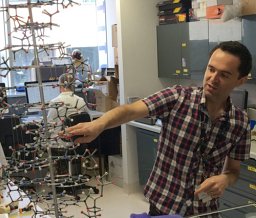 Andrew J. Deans合作论文数Clare Hall Laboratories, London Research Institute18
 Sylvie van Twest合作论文数11Christopher G. Adda合作论文数9
 Michael Foley合作论文数9
 Winnie Tan合作论文数Genome Stability Unit, St. Vincent's Institute of Medical Research8
 Daniel Rabinovich合作论文数Joint School of Nanoscience and Nanoengineering7Tony Hascall合作论文数7Adrian H Batchelor合作论文数5
 Charlotte Hodson合作论文数St Vincents Inst, Genome Stabil Unit, Fitzroy, Vic 3065, Australia5Bythell-Douglas Rohan合作论文数School of Chemistry and Biochemistry, The University of Western Australia5
 Dermot O'Hare合作论文数Department of Chemistry, Balliol College, University of Oxford5Andrew M. Coley合作论文数4
 Julienne O'Rourke合作论文数Genome Stability Unit, St. Vincent’s Institute of Medical Research, Fitzroy, VIC 3065, Australia4
 Aditi Gupta合作论文数Univ Kansas, Med Ctr, Dept Hypertens & Nephrol, Kansas City, KS 66160 USA4
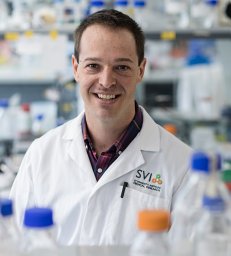 Wayne Crismani合作论文数Institut National de la Recherche Agronomique (INRA),, Institut Jean-Pierre Bourgin;AgroParisTech, Institut Jean-Pierre Bourgin;Institut Jean-Pierre Bourgin, Institut Jean-Pierre Bourgin4
 David G. Churchill合作论文数Department of Chemistry, Korea Advanced Institute of Science and Technology4
 Raymond S. Norton (Raymond Norton)合作论文数Monash Institute of Pharmaceutical Sciences, Monash University4Rosella Masciantonio合作论文数4Howard W. Turner合作论文数4Jessica Desogus合作论文数3
 Joanne L Casey合作论文数3A. M. Coley合作论文数3
 Greg Goodall合作论文数Centre for Cancer Biology, University of South Australia3Tobias Williams合作论文数3Wanqiu Li合作论文数3
 Linh Ngo合作论文数Greater Brisbane Clin Sch, Univ Queensland3
 Michael F Sharp合作论文数Melbourne Veterinary School, The University of Melbourne;DNA Repair and Recombination Laboratory, St. Vincent’s Institute of Medical Research;St. Vincent’s Institute of Medical Research, The University of Melbourne3
 Graham Baldwin合作论文数Melbourne Medical School, The University of Melbourne;Department of Surgery, The University of Melbourne3
 Vihandha Wickramasinghe合作论文数3Swuec Paolo合作论文数Department of Pharmaceutical Science, University of Padova3Toubia John合作论文数Centre for Cancer Biology, University of South Australia3
 Pillman Katherine A合作论文数Centre for Cancer Biology, University of South Australia3Dredge B Kate合作论文数School of Molecular and Biomedical Science, The University of Adelaide3
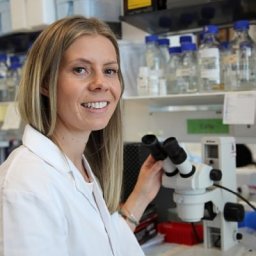 Kirstyn Carey合作论文数Centre for Genetic Diseases, MIMR-PHI Institute of Medical Research Melbourne;Centre for Cancer Research, MIMR-PHI Institute of Medical Research Melbourne;MIMR-PHI Institute of Medical Research Melbourne, MIMR-PHI Institute of Medical Research Melbourne3
 Michael Parker合作论文数Department of Biochemistry and Pharmacology, The University of Melbourne;St Vincent’s Institute of Medical Research3Tao Bai合作论文数3Victor A. Streltsov合作论文数CSIRO Molecular and Health Technologies3T Bai合作论文数3
 David Keizer合作论文数The Walter and Eliza Hall Institute of Medical Research3Peter Strike合作论文数3Jeffrey A. Chao合作论文数Department of Chemistry and The Skaggs Institute for Chemical Biology, The Scripps Research Institute3Jeffrey B. Bonanno合作论文数Department of Biochemistry, Albert Einstein College of Medicine3
 Andrew G Bert合作论文数3
 Shenggen Yao合作论文数The Walter and Eliza Hall Institute of Medical Research3
 Matthew A Perugini合作论文数Department of Biochemistry and Molecular Biology, University of Melbourne3Jörg Heierhorst合作论文数St. Vincent’s Institute of Medical Research, and Department of Medicine SVH, The University of Melbourne3




