This study explores a pathway to decarbonising biofuel production by comparing hybrid renewable configurations, incorporating solar and geothermal energy, with a grid electricity scenario to identify the most environmentally sustainable approach. Five biodiesel production methods- alkaline-catalysed, acid-catalysed, two-step transesterification, electrolysis, and supercritical transesterification-were assessed for producing biodiesel from 1 kg of Chlorella vulgaris oil using the Australian Life Cycle Assessment Society (ALCAS) method, validated through ReCiPe 2016 Midpoint and Endpoint approaches. Among all methods, hybrid supercritical transesterification demonstrated the lowest environmental impact, achieving a global warming potential of 0.49 kg CO2 eq, marking a 98.4 % reduction compared to grid-powered acid transesterification, the most emission-intensive process. Single score results further confirmed these benefits, showing substantial improvements across human health, ecosystem, and resource impact categories. Uncertainty analysis validated the consistency of these findings, demonstrating that the hybrid energy system outperformed grid electricity across all production methods, emphasising the critical role of renewable energy integration in reducing emissions and environmental burdens. Moreover, full adoption of the hybrid biodiesel system could contribute 6.4 % toward Australia's 2030 climate target, avoiding 2.9 million tons CO2 eq annually. If implemented from 2025 to 2050, cumulative reductions could reach 72.5 million tons CO2 eq, significantly supporting Australia's net-zero goals.
Increasing trends of global hydrogen demand necessitate practical information for the upcoming hydrogen projects. This review aims to update knowledge about hydrogen supply chains by providing practical information about its economic and environmental sustainability, focusing on announced hydrogen projects. Trade-offs were found between production costs and environmental benefits, with the hydrogen produced by renewable-powered electrolysis presenting higher costs between $3–10/kg H2 compared to $0.7–2.3 kg H2 from natural gas-produced hydrogen. However, renewable hydrogen had significantly lower life cycle emissions, between 0.2 and 3.5 kg CO2 eq/kg H2 compared with 6.5–14.5 kg CO2 eq/kg H2 from natural gas produced hydrogen, indicating the origin of hydrogen is key to better sustainability. Hydrogen production by electrolysis and its distribution via pipelines were the most popular pathways among the hydrogen projects. A range of hydrogen energy carriers for transportation of hydrogen at varying distances and modes of transportation were further reviewed and compared to transportation of compressed and liquified hydrogen. Distribution of compressed and liquefied hydrogen by pipelines and trucks presented slightly lower emissions for 100 km transport, although the transport pathways were less economic than transport using liquid organic hydrogen carriers (LOHC) and ammonia. The transport of liquid hydrogen and ammonia by ships had lower cost per kg of delivered hydrogen for 5000 km transport, whereas the same distance transport via pipelines had significantly higher cost due to capital cost and cost for hydrogen compression. The pipeline distribution, especially using repurposed pipelines, can be more economical for large-scale and long-distance transmission, however, energy consumption for hydrogen recompression can incur additional costs and emissions. Energy consumption for hydrogen compression, liquefaction and reconversion had a significant contribution to the total emissions with potential emissions reduction by using renewable energy and renewable hydrogen carriers. Although there are emission standards for ensuring sustainability of hydrogen supply chain, lack of targeted policies and technological standards for promoting renewable hydrogen are some of the challenges.
The global transition to renewable energy technologies and electric vehicles has significantly increased the demand for lithium-ion batteries. This study evaluates the environmental impacts of producing alpha-spodumene from hard-rock sources in eight Australian facilities using plant emission data. Life Cycle Impact Assessment (LCIA) results indicate an average global warming potential (GWP) of 0.4 kg CO2 eq/kg alpha-spodumene, primarily from diesel-powered mining and processing. Beyond GWP, significant contributions were identified for terrestrial ecotoxicity, human health impacts from fine particulate matter (PM2.5) formation, and non-carcinogenic toxicity attributed to the release of heavy metals and chemical reagents during ore beneficiation, the generation of contaminated dust and tailings, and the potential for leaching into adjacent soils. These findings highlight the need to reduce emissions of CO2, NOx, PM2.5, and toxic metals in upstream lithium extraction, as they represent the most critical environmental and human health burdens associated with lithium ore mining.
Risk assessment frameworks identify when particulate matter (PM) exposure exceeds safety thresholds, but policy implementation requires economic quantification of health impacts to guide resource allocation and intervention prioritization. The economic burden of PM2.5 and PM10 health impacts was quantified across the Bangkok Metropolitan Area using Life Cycle Impact Assessment (LCIA) methodology to complement established risk-based frameworks. The ReCiPe 2016 impact assessment methodology was applied using 5 years (2020-2024) of PM data from government monitoring stations across Bangkok, Nonthaburi, and Samut Prakan provinces. Health impacts were quantified using Disability-Adjusted Life Years (DALYs) for cardiopulmonary disease and lung cancer. Economic valuation was based on the Thailand-specific Value of Statistical Life. The annual health burden totaled 146,838 DALYs, with economic costs of $1.26 billion USD (95% CI: $0.99-1.57 billion). The winter season imposed the highest burden (67,255 DALYs, $578 million), followed by the summer (48,120 DALYs, $413 million) and the rainy season (31,461 DALYs, $271 million). Bangkok had the highest economic burden ($863 million), although per-capita impacts ($141-158) remained equitable across provinces. Extended-season interventions achieved optimal cost-effectiveness ($849-1189 per DALY) with benefit-cost ratios of 7.3:1 to 10.2:1. Economic burden showed moderate correlation with Hazard Index (r = 0.391, p < 0.001). This economic quantification transforms prior risk identification into actionable policy guidance, showing that winter health burdens cost 2.1 times as much as those in the rainy season, thereby justifying meteorologically informed seasonal targeting. Extended-season strategies are more cost-effective than annual-average approaches. Results provide essential economic evidence for coordinated air quality management in tropical monsoon climates.
Critical metals (CMs) are indispensable to advanced manufacturing, underpinning catalytic, metallurgical, electrical, magnetic, and luminescent functions. This review provides a comprehensive assessment of CM characterization in secondary resources and evaluates recent advances in recovery technologies. Its objectives are to: (i) analyse CM distribution across diverse secondary resources, (ii) summarize progress in state-of-the-art recovery methods, (iii) examine major challenges to effective recovery, and (iv) identify research gaps and future directions. The results show that metallurgical waste, spent catalysts, spent batteries, and electroplating waste contain the highest CM concentrations, up to 10 - 60 % Co and Ni, and 5-30 % rare earth elements such as Nd, Dy, and Pr. Among recovery technologies, green solvents show the strongest potential, achieving up to 100 % of Ni, Co, and Li recovery under optimized conditions. Flotation and nanotechnology perform strongly for Ni, Co, and Li (80 - 100 %), whereas membranes show inconsistent and lower median recoveries, indicating limited efficiency. Current development is increasingly focused on selectivity, sustainability, and scalability to address complex waste matrices. Significant potential exists for the advancement of hybrid systems designed to optimize process efficiency, including bioleaching, solvent extraction, membranes, and adsorbents with 99 % recovery efficiency. Integrating Artificial Intelligence and Machine Learning improves the extraction of rare earth elements to 98.6 %. Furthermore, extraction techniques can be integrated with electrochemical systems to significantly reduce the generation of liquid waste. Integrating CM recovery into circular economy strategies and industrial symbiosis is strongly recommended to maximize efficiency and sustainability.
Piezo-photocatalytic upcycling of plastic waste into added-value hydrocarbon fuel leverages mechanical and solar energy to reintegrate end-of-life plastics into the carbon cycle. This work reports a process that converts PET-derived ethylene glycol (EG) into syngas under ambient conditions using defect-engineered BaxSr1-xTiO3-y (BSTO) catalysts. A three-stage process produces graded oxygen-vacancy and Ti3 + surface concentrations. Combination with optimized band structure yields catalysts of strong piezo-photo responses. Photoelectrochemical measurements confirm accelerated light-induced charge separation and transfer, while Kelvin probe force microscopy and DFT simulations corroborate defect-amplified piezoelectric polarization. Using this catalyst, EG solutions derived from PET microplastics and textile fibers demonstrate selective syngas compositions, confirming applicability to real-world PET waste. Mechanistic studies show that piezo-photo-reforming of EG achieves respective H-2 and CO evolution rates of 1062 and 646 mu mol/g/h, > 90% syngas selectivity, and an H-2/CO ratio (similar to 1.6), representing nearly a 20-fold increase in gas yield over photocatalysis alone. Control experiments demonstrate that catalyst composition and activation govern both catalytic activity and syngas ratio tunability. In situ ATR-FTIR identifies surface formate as a key intermediate, while H-1 NMR detects glycolic acid/glycolate in the liquid phase. DFT calculations indicate that lattice-oxygen-assisted C-C bond cleavage is significantly promoted within the reaction pathways.
Fine particulate matter (PM2.5) poses significant health and economic burdens, particularly in developing regions, such as Southeast Asia. This study assesses the health impacts and economic costs of PM2.5 formation in Thailand and evaluates mitigation policies to reduce these effects by 2037. Analyses at the city to national level examine major emission sources, including road transport, industry, power generation, household activities, open burning of agricultural waste, livestock, fertilizer application, and forest fires. Without intervention, health impacts are projected to increase by 22 % from 2022 levels, reaching 403,373 disability-adjusted life years (DALYs) annually and resulting in an economic burden of 301 billion Thai Baht (THB) per year. Scenario analysis identifies the best integrated mitigation strategy, which includes E-Buses, reducing energy consumption in industry and power generation, banning agricultural residue open burning, and decreasing forest fire hotspots. This strategy could reduce health impacts by up to 70 % and could yield an economic benefit of approximately 211 billion THB annually. A ban on agricultural burning is identified as one of the most effective interventions, potentially eliminating 38 % of the health burden in Thailand. Findings highlight the urgency of comprehensive, multi-sectoral policies to mitigate PM2.5 pollution, with emphasis on agricultural waste management and enhanced emission controls. These insights provide a framework for other Southeast Asian countries facing similar air pollution challenges.
Recycling of Li-ion batteries (LiBs) for metal recovery has gained increasing attention in recent years. Batteries contain per- and polyfluoroalkyl substances (PFAS), however, their behaviour during battery recycling is still not well understood. This study aims to (i) characterise the presence of PFAS in LiBs black mass collected from various recycling factories in Australia, and (ii) investigate the fate of PFAS during the metal recovery process. The concentration of bis-perfluoromethanesulfonimide (bis-FMeSI) (C2) in the black mass was up to 51,000 µg kg-1. Other emerging and legacy PFAS were present, with concentrations varying from 0.1 to100 µg kg-1. The complementary analysis results of extractable organically bound fluorine and Fluorine K-edge X-ray adsorption near-edge structure indicates that the LiBs black mass mainly consists of bis-FMeSI (C2) and LiPF6 as the main PFAS analytes (40 - 80% fluorine equivalent), however other unknown PFAS may also be present. The long-chain PFAS are more difficult to leach compared to the short-chain PFAS. H2SO4 leaches 58% bis-FMeSI which is the highest compared to HNO3 (51%) and HCl (40.4%). During the precipitation stage, adding H2O2 to the H2SO4 (5% v/v) leaching agent increased bis-FMeSI adsorption onto metal precipitates by 40%. Using PiFM analysis, PFAS are found predominantly present as surface-associated species within binder- and carbon-rich domains, and the leaching mechanism is strongly attributable to the disruption of these surface-accessible phases. This work constructs the first baseline for the relevant research about the trade-off between metal recovery and PFAS pollutants in the LiBs recycling process.
Copper resources are widely used in power networks and clean energy tech like PV panels, wind turbines, and new energy vehicles (NEVs). Due to limited domestic resource endowments, China’s copper supply chain exhibits a relatively high degree of vulnerability. Based on six supply chain stages, this study constructs an assessment system for China’s copper supply chain risks and adopts an improved Benefit of Doubt (BOD) model to evaluate risk levels and their evolution. The findings of this study reveal that: (1) The risk values of China’s copper supply chain have shown a significant upward trend in the past 15 years, with the largest increase in 2015 and 2020; (2) The current supply chain risks in copper are mainly concentrated at the stages of import, production, and application; and the recycling risk has a great potential for reducing the copper supply chain risks in the future. Based on these findings, this paper proposes two policy recommendations: (1) Develop diversified channels for importing copper resources and optimize overseas investment patterns; (2) Improve the domestic supply capacity of secondary copper resources and reduce the risks at the recycling stage.
Urban air pollution contributes to approximately 8.5 million premature deaths annually. Outdoor air purification technologies have emerged as near-term complements to source emission controls. However, there is still no comprehensive cross-domain synthesis of evidence on their efficiency, sustainability, and health impacts. A structured search of Scopus, Embase, and PubMed databases was conducted in this study. A total of 266 records were retrieved. After PRISMA-ScR screening, 28 studies that met the full inclusion criteria were included in this comprehensive review. Five technology domains were identified, with the following being the best examples of specific outdoor air purification technologies. Smog towers achieved PM2.5 and PM10 removal efficiencies of 97.8% and 98.4%, respectively, under optimal conditions. Solar-chimney hybrids delivered air purification within 2 to 4% of dedicated systems whilst simultaneously generating electricity. TiO2-modified cementitious composites demonstrated a possibly carbon-negative lifecycle through simultaneous NOx and ozone removal. A roadside hedge applied as an indirect proxy reduced leaf-surface PM2.5 magnetic loading by 82% in a near-school environment. Health-economic modelling of indoor air cleaners targeting outdoor-origin PM2.5, used as the closest available analogue for outdoor systems, estimated 93,200 deaths averted in China at a 35 μg/m3 indoor PM2.5 target, with positive net monetary benefit in 93% of evaluated cities. Hence, the integration of active and passive outdoor purification technologies within urban air quality management frameworks can reduce population-level exposure. Priority research needs to include standardised performance metrics, long-term field validation, and equity analysis of technology deployment.
Fine particulate matter (PM2.5) poses a significant health risk to residents of Bangkok and its surrounding provinces, yet many do not consistently adopt protective behaviors, such as wearing masks or limiting outdoor activities, even when pollution levels are high. This “adoption gap” between awareness of a risk and acting on it is not well understood. This study examined this gap by developing and testing an integrated behavioral model combining the Protective Action Decision Model (PADM), which explains how people come to recognize and appraise an environmental hazard, and the Theory of Planned Behavior (TPB), which explains how attitudes, social pressures, and perceived control shape behavior. A cross-sectional study was conducted among 1214 adults across Bangkok, Nonthaburi, and Samut Prakan provinces from April to May 2025. Structural Equation Modeling (SEM) was used to examine the pathways among knowledge, perceived threat, attitudes, subjective norms, perceived behavioral control, and preventive behaviors. The integrated model showed excellent fit to the data (CFI = 0.955, TLI = 0.947, RMSEA = 0.056) and explained 21.3% of the variance in preventive behavior. Three findings stood out. First, perceived behavioral control was the strongest correlate of preventive behavior (β = 0.386, p < .001), more important than attitudes or social norms. Second, while perceived threat was positively associated with attitudes (β = 0.857) and subjective norms (β = 0.424), perceived threat itself showed a negative direct association with behavior (β = −0.209, p = .005), suggesting that fear about a health risk, without a corresponding sense that protective action will help, can be associated with avoidance rather than action. Third, knowledge about PM2.5 showed a positive direct association with behavior (β = 0.106, p < .001) but a negative association with perceived threat (β = −0.121, p < .001), indicating knowledge operates through multiple pathways. These findings suggest that public health messaging that emphasizes PM2.5 dangers without building residents' confidence and practical capacity to protect themselves may be insufficient and, in some cases, counterproductive for closing the gap between awareness and protective action in urban Southeast Asia.
This study develops a comprehensive framework for evaluating the environmental impacts of municipal solid waste (MSW) management in Thailand using Life Cycle Assessment (LCA). The framework covers collection, transportation, treatment, and avoided product utilization, considering different cluster sizes and technologies. Four conceptual scenarios were modeled: reference, current, waste management master plan, and improvement scenarios incorporating centralized and on-site systems. Results show that landfilling and incineration are major contributors to global warming, acidification, and eutrophication, while recycling and energy recovery technologies, including refuse-derived fuel (RDF) with waste-to-energy (WTE), substantially reduce impacts. Effective strategies vary by cluster size. For large clusters, optimal integration includes anaerobic digestion, composting, RDF with WTE, recycling, and landfilling. Medium clusters benefit from composting, RDF with WTE, recycling, and landfilling, whereas small clusters are best served by on-site home composting, incineration with WTE, recycling, and landfilling. A diversion of 95% of waste from landfills, combined with a 30% recycling rate, can lower climate change impacts by nearly 200%. Sensitivity analysis indicates that reducing MSW transport distances further decreases impacts. Applying spatial differentiation in Life Cycle Impact Assessment (LCIA) and using different LCIA methods yielded consistent trends. Overall, the proposed framework supports the development of carbon-neutral MSW management systems by optimizing technology integration, maximizing recycling and energy recovery, and minimizing landfill disposal. The cluster-based approach offers tailored solutions for developing countries, significantly mitigating greenhouse gas emissions and other environmental impacts.
Establishing an efficient biomass supply chain is important to meet the increasing demand for biofuels and bio-products. However, optimisation of the biomass supply chain is a complex issue due to the multiple layers of elements in the chain and the interactions between these elements. This review includes various elements, such as biomass supply and pre-treatment, in biomass supply chain, and discusses the optimisation strategies for the supply chain. Different types of biomass pre-treatment and conversion technologies with the effect on the supply chain costs, environmental sustainability, and biomass properties, as well as utilisation options for treated biomass and byproducts are also discussed. Biomass treatment technologies reviewed include biomass densification through biochemical, physicochemical, thermochemical and hydrothermal treatments. Cost reduction in biomass transport was found in cases with densified biomass, however, densification and other treatment processes increased carbon equivalent emissions due to additional energy consumption. Advantages exist in biomass pre-treatment, including higher calorific value, and higher bulk and energy density with better combustion behaviour. Biochar obtained from thermochemical decomposition of biomass can be utilised in existing systems, such as substitution of coal with biochar for iron processing, which presented favourable efficiency with lower emissions than coal. Additional costs of biomass-integrated systems, quality of final product and optimal co-feeding ratio of biomass are identified as areas for further study.
This study investigates a decarbonising pathway to meet Australia's emission reduction target through the integration of a hybrid renewable energy system for microalgae-based biodiesel production. Carbon hot spots were quantified by integrating a hybrid renewable configuration combining photovoltaic panels, parabolic trough collectors, solar stills, and geothermal technologies to produce 1 MJ of biodiesel from microalgae. A cradle-to-gate life cycle assessment was conducted using the ALCAS Best Practice LCIA carbon neutral V2.05 and ReCiPe 2016 methods to compare the hybrid configuration with a conventional grid-powered system. The hybrid system, applied across all stages from cultivation to transesterification, achieved an 86.7 % reduction in carbon emissions, lowering from 0.6 to 0.08 kg CO2 eq per MJ of biodiesel. Endpoint assessment revealed a 92.8 % decrease in ecosystem impacts, an 88.5 % reduction in human health damage, and a 14.3 % decline in resource depletion, including fossil and mineral resources. Uncertainty analysis confirmed consistent environmental advantages of the hybrid system across key impact categories. If implemented nationally, the proposed system could reduce annual emissions by 1.9 Mt CO2 eq, contributing 4.2 % to Australia's 2030 reduction target and saving 47.5 Mt CO2 eq cumulatively by 2050. These findings highlight the novel potential of hybrid renewable integration to accelerate decarbonised biodiesel production and strengthen Australia's long-term sustainability strategy, with the added advantage of enabling off-grid operation in remote regions.
Co-gasification represents a viable method for addressing the challenges posed by the rapid accumulation of plastic and biomass waste. The present study advances the thermodynamic modeling of plastic and biomass cogasification using the Aspen Plus simulation tool. The predictions from the non-modified original Aspen Plus model (which utilizes the Gibbs free energy minimization approach to simulate the gasifier) and the modified Aspen Plus model (enhanced with super-equilibrium conditions and multiple constraints) are compared with existing models. These modifications account for the interactions and synergistic effects between plastic and biomass during the decomposition phase, enabling the prediction of char and tar yields, tar composition, and hydrocarbon concentrations in the gas stream. Projected outcomes from the modified model closely match experimental findings, with the majority of variances falling within a +/- 5 % margin of error. On comparing root mean squared error (RMSE) values for various plastic/biomass co-gasification scenarios, under the worst-case circumstances, the maximum deviation in gas composition by the model was 1.93 vol% and 4.45 wt% for product yields relative to experimental results. An analysis of RMSE values indicated that the modified model offered at least a 95 % improvement to the accuracy of gas composition predictions compared to the original thermodynamic Aspen Plus model. The modified model also more accurately forecast char, tar, and hydrocarbon yields, which is often unattainable in thermodynamic-based models. The results of sensitivity analysis performed with predictive tools aligned well with the experimental observations. A higher co-gasification temperature, reduced equivalence ratio (ER) and lower plastic-to-biomass ratio (P/B) were identified by the modified model as favourable conditions for enhancing hydrogen production while simultaneously minimizing char and tar formation. These findings enhance simulation accuracy, supporting future economic and environmental assessments for waste management.
Agricultural productivity relies on several factors where soil fertility and health are some of the vital concerns that need to be addressed. Excessive use of chemical fertilizers can result in significant contamination of soil and other environmental media. The use of organic amendments, such as biochar, compost, manure and their combination, can serve as cost effective and environmentally friendly strategy for healthy soil management. The present study was designed to evaluate the impact of different organic amendments on canola growth and yield. Four soil types, namely loamy sand (LS), sandy loam (SL), silty clay (SC) and loam were used for cultivation of canola. Silty clay was found to produce the highest flower count and seeds’ weight, while slightly higher number of seeds per pod were detected in loam. Biochar alone produced better results on flower count and 100 seeds weight, while among the combination treatments manure + compost + biochar, manure + biochar and compost + biochar showed positive impact on the number of pods and 100 seeds weight. Organic treatments, soil types and their interaction significantly impacted carbon, nitrogen (N), potassium (K) and phosphorus (P) concentrations in all soil types compared to controls. pH was found to be a limiting factor affecting shoot length, canola pods and 100 seeds weight.
This study explored a low-carbon pathway for Australia’s biofuel sector by assessing microalgae-based biodiesel production using a hybrid renewable energy system. A life cycle analysis using the CML-IA method identified carbon-intensive stages and compared hybrid and grid-powered scenarios. The study covered all stages from cultivation to transesterification. The hybrid system achieved an $89.8 \%$ reduction in carbon emissions per MJ of biodiesel, with uncertainty analysis confirming its environmental benefits. Normalization results showed that marine aquatic ecotoxicity was the highest contributing impact category, while ozone layer depletion was the lowest across both systems. Scaled implementation could cut 1.86 Mt CO2 eq annually, contributing $4.1 \%$ to Australia’s 2030 target and saving $\mathbf{4 6 . 5} \mathrm{Mt} \mathrm{CO}_{2}$ eq by 2050.
This study proposed country-specific characterisation factors (CFs) for Thailand by modifying the Thai Spatially Differentiated Life Cycle Impact Assessment (ThaiSD) method and introducing monetary conversion factors to express environmental impacts in Thai Baht. Five impact categories were fully parameterised, including fine particulate matter formation (PMF), human toxicity (both cancer and non-cancer) (HTc and HTnc), freshwater ecotoxicity (FET), and water scarcity (WS). Other spatialised CFs were selected from regionalisation models in ReCiPe2016 and IMPACT World+. When comparing the use of country-specific CFs with global average, the impact scores for PMF, HTc, HTnc, FET, photochemical ozone formation and terrestrial acidification demonstrated notably different levels, ranging from +/- 25 to +/- 50 %. The developed method was then applied to assess environmental impacts and costs of Thailand's transport sector, encompassing freight and passenger transport across roadway, railway, waterway, and aviation. Climate change (CC) was significantly attributed to human health and ecosystem quality impacts, while the major contributor to resource scarcity impact was fossil resource scarcity (FS). In some scenarios, non-exhaust emissions, particularly from freight trucks, accounted for 40-60 % of the total PMF impacts. Environmental costs of freight and passenger transport in Thailand were 0.08-3.64 Thai Baht per tonne-kilometre and 0.01-0.81 Thai Baht per passenger-kilometre, respectively. Among transport modes, trains were found to be the most environmentally favourable option for both passenger and freight transport, while aviation had the highest environmental impact for freight transport. In contrast, passenger aviation had a comparable environmental burden to passenger cars due to optimised occupancy rates. Despite the efficiency of modern internal combustion engine vehicles (ICEVs), particularly Euro 5 and 6, employing blended biodiesel was less effective in comparison to conventional diesel. Battery electric and fuel cell electric vehicles offered advantages in mitigating CC, PMF, and FS compared to ICEVs, although trade-offs remained across other impact categories.
BACKGROUND:Particulate matter (PM) exposure poses significant health risks in rapidly urbanizing Southeast Asian regions, yet comprehensive assessments integrating meteorological influences and age-specific health risks remain limited. OBJECTIVES:This study evaluated spatiotemporal variations of PM2.5 and PM10 concentrations and associated non-carcinogenic health risks across Bangkok, Nonthaburi, and Samut Prakan, Thailand. METHODS:We analyzed five years (2020-2024) of daily PM data from government monitoring stations and meteorological variables using Generalized Additive Models (GAMs). Health risks were assessed using Hazard Quotient (HQ) and Hazard Index (HI) frameworks for three age groups: children (<14 years), adults (15-64 years), and the elderly (≥65 years). RESULTS:Distinct seasonal patterns emerged with winter showing the highest pollution levels (PM2.5: 32.4-33.4 μg/m3; PM10: 56.6-61.7 μg/m3) compared to the rainy season (PM2.5: 11.7-16.1 μg/m3; PM10: 24.1-31.4 μg/m3). GAM performance varied by province, with Nonthaburi showing the best model fit (PM2.5: R2 = 0.623; PM10: R2 = 0.679). All HI values exceeded safe thresholds (>1), with adults showing the highest risks (winter HI: 9.05-9.28), followed by the elderly (6.79-6.96) and children (4.52-4.64). Spatial analysis revealed geographic heterogeneity with the highest health risks in Bangkok's central urban areas and Samut Prakan's industrial zones. CONCLUSIONS:This study demonstrates consistently elevated health risks from PM exposure across all demographics and provinces, with pronounced seasonal variations driven by meteorological factors. Results support urgent implementation of targeted air quality management strategies, particularly during winter.
Mining activities significantly contribute to soil contamination, posing risks to the environment and human health. This study evaluates the environmental and health impacts of four non-ferrous mining types, which have been rarely examined globally. It highlights gaps in existing datasets from selected mining sites and sampling practices, correlating soil pollutants with atmospheric variables. Overall, the geoaccumulation index (Igeo) of all mine soil types were in the order Hg > Cd > As>Cu > Pb > Zn > Ni > Cr > Mn > Co indicating that Hg and Cd are the main metals posing risks from soil pollution associated with all mining activities. Notably, the highest As contamination (Igeo: class 6) occurs in copper mines in China, Russia, and Portugal, and in lead‑zinc mines in Sweden and Mexico. Cd contamination (Igeo: class 6) was most severe in lead‑zinc mine soils across Tunisia, China, Ireland, Spain, Slovenia, Mexico, France, North Macedonia, Bulgaria, and Egypt, while uranium mines in the USA showed notably lower levels of Cd contamination (Igeo: class 2). Hg contamination levels were higher in gold mine-associated soils in Iran, China, Myanmar, Brazil and Nigeria. About half of the sites faced the highest ecological risks from lead‑zinc mining areas in Vietnam, Tunisia, and Sweden, while copper mines in Cyprus, China, and Portugal had only 8 % in that category. Gold mines in China, Nigeria, and Brazil showed considerable risks from As and Hg, whereas uranium mines in Germany and Bulgaria had a lower ecological risk, due to better environmental management. The primary exposure route for heavy metals is ingestion, with the hazard index (HI) for non-carcinogenic impacts being acceptable for most elements, except for As. Carcinogenic risks are notably present in Brazil, Spain, Slovenia, Mexico, China, and the UK. Hence, this review underscores the urgent need to address heavy metal pollution from global metal mining and offers policy recommendations for effective environmental management and restoration efforts.
 Tim Evans合作论文数64
 Tao Kan合作论文数Laboratory of Biomass Clean Energy, University of Science & Technology of China55
 Peter Nelson合作论文数School of Natural Sciences, Macquarie University41
 Ravinder Kumar合作论文数College of Science & Engineering, James Cook University25
 Haftom Weldekidan合作论文数Bioproducts Discovery and Development Centre, University of Guelph21
 Pushan Shah合作论文数Graduate School of the Environment, Macquarie University21
 John A Lucas合作论文数19Jing He合作论文数19
 Md Anawar Hossain合作论文数Ariban Agrienviro Engineering Ltd.16
 Xiaoteng Zhou合作论文数15Annette Evans合作论文数14Les Strezov合作论文数School of Chemical Engineering, University of Newcastle14
 Hannah Hyunah Cho合作论文数13
 Behnam Dastjerdi合作论文数Dept Earth & Environm Sci, Macquarie Univ12
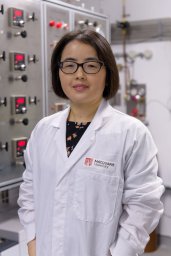 Yijiao Jiang合作论文数Institute of Chemical Technology, University of Stuttgart12
 Samuel Asumadu Sarkodie合作论文数Nord University10Sayka Jahan合作论文数Dept Environm Sci, Macquarie Univ10
 Graham E. Town合作论文数School of Engineering, Macquarie University10
 Jason Anthony Scott合作论文数University of New South Wales9
 Mark Taylor合作论文数School of Natural Sciences, Macquarie University8
 Mohiuddin Kazi合作论文数Graduate School of the Environment, Macquarie University8
 Nazmul Huda合作论文数7
 Mojtaba Ajorloo合作论文数7Suraj Adebayo Opatokun合作论文数Faculty of Science, Macquarie University7Xiaoxia Yang合作论文数7
 Maryam Ghodrat合作论文数School of Engineering & Information Technology, The University of New South Wales Canberra7
 Masud Behnia合作论文数Graduate School of Management, Macquarie University6
 Scott Grierson合作论文数6Xiaofeng Li合作论文数5Khushbu Salian合作论文数5Mustafa K. Hossain合作论文数5
 Trakarn Prapaspongsa合作论文数Department of Biotechnology, Chemistry, and Environmental Engineering, Aalborg University5
 Chuanmin Shuai (帅传敏)合作论文数中国地质大学(武汉)经济管理学院5
 Scott P Wilson合作论文数4Artur Ziolkowski合作论文数4
 Chaofan Wang合作论文数4
 Sara Yasipourtehrani合作论文数4
 Prapat Pongkiatkul合作论文数4
 Ranjna Jindal合作论文数4
 Suwanna Boontanon合作论文数Department of Civil Engineering, Mahidol University4
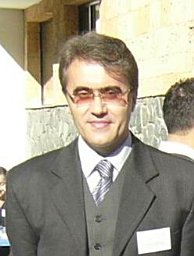 Risto Filkoski合作论文数4
 Narin Boontanon合作论文数4J. Takos合作论文数3
 Aale Ali合作论文数3
 Mauricio Covcevich Bagatini合作论文数Dept Met, Univ Fed Minas Gerais3
 Shabbir Gheewala合作论文数Department of Environmental Sciences and Engineering, Gillings School of Global Public Health, University of North Carolina Chapel Hill;Joint Graduate School of Energy and Environment, King Mongkut’s University of Technology, Thonburi3
 Jing Shuai合作论文数3
 Anthony P. Morrison合作论文数Department of Clinical Psychology, University of Manchester3
 Sicong Tian (田思聪)合作论文数College of Engineering, China Agricultural University3




