Oral Submucous Fibrosis is a potentially malignant disorder caused by habitual areca nut chewing, which contributes to the dispersion of active alkaloids into subepithelial tissues, stimulating excessive extracellular matrix deposition. Various treatment modalities are available; however, their efficacy in inhibiting fibrosis progression remains limited. Sulforaphane (SFN), an isothiocyanate found abundantly in cruciferous plants, is known to have effective antifibrotic properties. Objective: The present study investigated the antifibrotic effect of SFN via phosphatidylinositol 3 kinase (PI3K), Serine/Threonine Kinase 1 (AKT-1), mammalian target of rapamycin (mTOR) pathway in arecoline (AER) induced fibrosis in human gingival fibroblasts [HGFs]. Material and Methods: MTT assay determined the half-maximal inhibitory concentration of AER and SFN at 24h in the HGF cell line. Expression levels of transforming growth factor B1 (TGFB1), collagen type 1 alpha 2 (COL1A2), hydroxyproline (HYP), PI3, AKT, mTOR, and nuclear factor erythroid 2–related factor 2 (NRF2) were assessed post-AER and SFN treatment using qPCR and western blot analysis. Results: The findings of the study revealed that AER elicited a stimulatory effect, upregulating TGFB1, COL1A2, HYP, PI3K, AKT, and mTOR and downregulating NRF2 expression. Conversely, SFN treatment significantly upregulated NRF2, inhibiting TGFB1 mediated PI3/ AKT/mTOR pathway. Conclusion: These observations suggest that SFN can be used as a promising synergistic antifibrotic agent to combat fibrogenesis via the non-Smad pathway. KEYWORDS Arecoline; NRF2; Oral submucous fibrosis; PI3/AKT/mTOR; Sulforaphane.
Aim: Evaluation of the antibacterial and cytotoxic properties of TotalFill and NeoSEALER Flo bioceramic sealers compared to AH Plus resin sealer. Materials and Methods: Modified direct contact test was used on three sets of sealers: Freshly mixed sealers, sealers that were 1-day old, and sealers that were 7-day old. After 24 h of incubation, the colony-forming units were digitally counted using Promega Colony Counter after 30 and 60 min of exposure to Enterococcus faecalis. For cytotoxic effect evaluation, 3-(4,5-dimethylthiazol-2-yl)-2-5-diphenyltetrazolium bromide assay was performed at three different time points: 24 h, 48 h, and 120 h after adding the sealer eluates to human gingival fibroblasts, to assess cell viability. Data were analyzed using mixed model analysis of variance followed by post hoc test. Results: TotalFill bioceramic sealer showed the highest bacterial reduction against E. faecalis throughout all intervals. AH Plus showed great antibacterial activity initially which reduced drastically after 7 days. All the sealers showed a reduction in their antibacterial activity with time. TotalFill and NeoSEALER Flo showed very high cell viability in contrast to AH Plus. Conclusion: TotalFill and NeoSEALER Flo demonstrate superior antimicrobial properties against E. faecalis which reduces with time. TotalFill and NeoSEALER Flo demonstrate acceptable biocompatibility against human gingival fibroblasts, which decreased over time.
Objectives The objectives of this study were to evaluate the accuracy of morphometry of skull base and palate in gender discrimination using cone beam computed tomography (CBCT) scanning and to assess the accuracy of the results among a sample of the Arab population Materials & Methods Using CBCT scans, a cross-sectional analysis was conducted on 142 consented patients who underwent various dental procedures at the University Dental Hospital, Sharjah (UDHS). Of these patients, 70 were females and 72 were males, with respective means of 38.5 and 36.2 years. Eleven parameters related to skull base and palatal region were measured on the CBCT scans by two expert radiologists followed by statistical analysis. Results There was significant gender-based difference in the mean palatal width (PW) (p = 0.001), mean palatal height (PH) (p = 0.005). Among other skull base region parameters that were significant in term of gender-based difference like; the clivus length (CL) (p < 0.001), occipital condyle height (OCH) (p < 0.001), basal angle (BA) (p = 0.006) and transverse diameter of foramen magnum (p = 0.003). Only palate variables showed a significant age difference. Discriminant analysis related to gender showed that occipital condyle height was the most accurate and best discriminator among the skull base region parameters. Conclusion The use of discriminant analysis in CBCT based on skull base and palatal region variables provides an efficient method for determining gender, which is particularly valuable in forensic science and anthropological research. Significance of study Accurate gender identification is crucial in forensic investigations, and the skull base region, being a stable and sexually dimorphic anatomical feature, can serve as a reliable marker for this purpose.
OBJECTIVES:The aim of this study was to determine the value of immune expression of p63 and cyclin D1 in the prediction of lymphovascular invasion (LVI) and perineural invasion (PNI) in oral squamous cell carcinoma (OSCC). MATERIALS AND METHODS:Clinical and histopathologic features of 65 subjects with histologically confirmed OSCC were collected. Tissue microarray blocks representing all subjects were prepared for the immunohistochemical quantification of the nuclear expression of p63 and cyclin D1 using immune ratio plugin of image J software. Image analysis was performed by two independent pathologists. Independent samples t-test, analysis of variance, and receiver operating characteristic curve tests were used for statistical analysis. The level of significance was set at p≤ 0.05. RESULTS:The optimum cutoff value for the prediction of LVI for p63 and cyclin D1 was found to be 100 and 93.2, respectively, while the optimum cutoff value for the prediction of PNI for p63 and cyclin D1 was found to be 95.9 and 94, respectively. p63 and cyclin D1 expression correlated with several clinicopathologic features of the studied population. p63 expression was a significant predictor of moderate/poorly differentiated OSCC compared with well-differentiated OSCC. A parallel combination of positive p63 and cyclin D1 increased the specificity of predicting LVI from 89.1% and 67.4% for either p63 or cyclin D1, respectively, to 93.5% with a positive predictive value of 92.5%. Similarly, the parallel combination of the two markers raised the specificity of predicting PNI from 70% and 77.5% for either p63 or cyclin D1, respectively, to 90% with a positive predictive value of 86.3%. CONCLUSION:Combined overexpression of nuclear markers p63 and cyclin D1 can be considered as a valuable independent predictor of LVI and PNI, and hence tumor progression, in OSCC.
Student engagement is a complex multidimensional construct that has attained great interest in health professions education (HPE). Definition and conceptualization of student engagement is an important step that should drive the development of the instruments for its measurement. We have recently proposed a comprehensive framework for student engagement in HPE with a definition of engagement as student investment of time and energy in academic and non-academic experiences that include learning, teaching, research, governance, and community activities. The dimensions of student engagement in this framework included the cognitive, affective, behavioral, agentic, and socio-cultural. Guided by the student engagement framework, this non-systematic review aims to identify, critically appraise, and summarize the existing methods for measuring student engagement in HPE. Extrapolating from higher education literature, we attempted to link the theoretical perspectives of student engagement with the published methods of its measurement in HPE context. In addition, we have described the different methods of measuring student engagement including self-report surveys, real time measures, direct observation, interviews/focus groups, and the use of multiple instruments. The span of engagement dimensions measured by self-report surveys ranges from one to five dimensions. However, measurement of agentic and sociocultural dimensions of engagement in HPE is still limited and further research is required. We have also reflected on the existing methods of measuring engagement of students as active partners in HPE. The review also describes the advantages, limitations, and psychometric properties of each method for measuring student engagement. We ended the review with a guiding conclusion on how to develop and select an instrument for measuring student engagement in HPE. Finally, we addressed the gaps in the literature about measuring engagement of HPE students and future research plans.
Background:It has been confirmed that bacterial biofilm covering dental implants is the main microbial source causing preimplant infectious and inflammatory diseases. The purpose of this study was to evaluate the antibacterial/antibiofilm effect of chlorhexidine, incorporated into a sustained-release varnish of chlorhexidine (SRV-CHX) coating, on dental abutments.Materials and Methods:Three kinds of dental abutments were used: a high-performance semi-crystalline engineering thermoplastic polyetheretherketone (PEAK) healing abutment, a titanium healing abutment, and a titanium permanent abutment. These abutments were coated with SRV-CHX or SRV-placebo and exposed daily to fresh cultures of Streptococcus mutans. The effect of SRV-CHX on S. mutans growth on agar plates was studied by measuring the zone of inhibition (ZOI) around each tested abutment every day for a period of 36 days. Biofilm formation on the SRV-CHX/placebo-coated abutments was detected using confocal laser scanning microscopy (CLSM) and high-resolution scanning electron microscopy (HR-SEM), energy dispersive X-ray analysis (EDX), and monitored by crystal violet (CV) staining.Results:SRV-CHX-coated abutments 2 and 3 were able to inhibit S. mutans growth for 34 days, while abutment 1 inhibited growth for 32 days. Abutment-associated biofilm formation was notably inhibited by SRV-CHX coating after 13 days of incubation with S. mutans. Finally, the biofilm formed around SRV-CHX-coated abutments was completely inhibited up to 12 days of abutment exposure to S. mutans.Conclusion:Coating of dental abutments with SRV-CHX demonstrated long-term effective inhibition of S. mutans growth and biofilm formation on the abutment surface.
Background Virtual Patients (VPs) have been receiving considerable attention in medical education as an authentic learning and teaching approach. The study aimed to evaluate the effect of using different approaches of conduction of virtual patients (VPs) on students' cognitive load and situational interest. Methods The study is an experimental study. Two different cohorts have participated during the academic year 2019/2020 and 2020/2021. The first cohort (Group 1) was exposed to a lecture followed by an independent VPs session, and the second cohort (Group 2) was exposed to a collaborative VPs session. The situational interest and Cognitive load were compared between the two groups. All sessions are about one topic related to maxillofacial trauma. Results Findings showed that there was no significant difference between the median score of the situational interest at repeated time points during the Collaborative VPs (Group 2). However, in group 1, there was a significant difference between the median score of situational interest at repeated time points during independent VPs where the lowest score was found to be at the end of the session. Also, results showed that the collaborative VPs (Group 2) showed a high median score of situational interest than both lecture and independent VPs (Group 1). Furthermore, the study showed that there is no significant difference in the intrinsic cognitive load among the three sessions. However, the extraneous cognitive load was low in collaborative VPs (Group 2) than in both lecture and independent VPs sessions (Group 1). Conclusion The use of VPs in a collaborative interactive learning activity is more effective than its use as an independent learning activity in enhancing students' situational interest and reducing cognitive load. However, giving independent VPs after the lecture with the same topic is considered a limitation of the study as this can affect the situational interest of the students by filling their gab of knowledge.
INTRODUCTION:Student engagement is defined as behavioural, cognitive and emotional aspects of students' academic experience in teaching, learning and research through interacting with other students, faculty and community. Despite the growing interest in the field of student engagement, medical education research in this area is still fragmented. This scoping review aims to contribute to the understanding of measurements, drivers and outcomes of medical student engagement. METHODS:The authors searched MEDLINE, PubMed, ProQuest, SCOPUS, ERIC, Science Direct and EBESCO for English articles published from 1990 until October 2021. In addition, we hand-searched key medical education journals and references in recently published articles. Using specific selection criteria, two authors independently reviewed the articles for eligibility, followed by data extraction using both quantitative and qualitative analysis. RESULTS:Of the 2136 retrieved articles, 51 studies were selected for the review, and 94% of them were published in the past 8 years. The prevailing measures of student engagement failed to cover the multidimensionality of the construct with more focus on the behavioural dimension. Quantitative methods represented two thirds of the studies with a higher frequency of cross-sectional designs and using self-reports. The identified drivers of medical students' engagement are directed mainly to modifying the context of the learning environment. These factors increased student engagement by fostering relevance of learning, positive student relationships with peers and faculty, and enhancing student agency, and sense of competence. Cognitive engagement appears to be a positive predictor of academic achievement, but the relationship with other dimensions of engagement is controversial. CONCLUSIONS:Student engagement in undergraduate medical education is an important, yet under-researched construct. The research that does exist suggests engagement to be malleable, something that can be modified by different types of interventions taking into consideration the context of education and practice. Further research is required, however, to address the gaps identified in this review.
Background:Over the past decade, higher education has made significant progress in the Gulf Corporation Council Region (GCC) due to the promotion and investments made by the local governments. Medical and dental higher education has undergone massive transformation across all the universities in the United Arab Emirates (UAE) due to the implementation of innovative educational policies.Objectives:The objective of the survey was to determine the career choices and assess the perspectives on higher education among dental students of a medical university in the UAE.Methodology:Structured closed-ended survey questionnaire was provided to 377 respondents at a dental school of a private medical university in UAE.Results:The results of the survey revealed that 51% of the respondents wanted to pursue specialization in dentistry. Orthodontics (33%), endodontics (28%) and oral surgery (16%) were the most preferred branches for specialization. UAE was the most preferred destination for pursuing specialization. Quality of education and proximity to the family were the most common reasons for selecting UAE as the destination for specialization. 36% of the survey respondents wanted more dental post-graduate seats to be available in the UAE. 57% of the survey respondents felt that the cost of post-graduation is comparable to other countries. 64% of the survey respondents felt that Doctor of Philosophy(PhD) program should be offered by medical universities in the UAE.Conclusion:To conclude it can be stated that dental undergraduate students in the UAE prefer to pursue specialization in clinical branches like orthodontics, endodontics and oral surgery. Majority of the respondents prefer to pursue their specialization in the UAE due to the quality of education. Survey respondents felt that there was a need to offer more dental post-graduation and dental PhD programs by UAE universities.
Hypoxia in the tumor microenvironment has been shown to be a strong indicator of tumor aggressiveness, metastases, and promotes cancer progression.1 Several studies have indicated that tumor hypoxi...
BACKGROUND:Gingival hyperpigmentation, "black gum," refers to black discrete single or multiple pigments on the gingiva. Several factors may play a role in gingival hyperpigmentation ranging from physiologic pigmentation to manifestations of systemic diseases. Several techniques have been used for gingival depigmentation to lighten its color.METHODS:Fifteen patients exhibiting nonsmoking melanin hyperpigmentation, with the mean age of 28.6 ± 7.8 years, were recruited. The facial gingiva of the anterior teeth and premolars of each jaw was divided into two halves. The right or left side of each jaw quadrant randomly received either diode laser operating at 980 nm wavelength or erbium-YAG laser at 2940 nm. Parameters such as degree of gingival depigmentation, bleeding, pain, patient satisfaction, and wound healing were assessed and compared between the two techniques. The subjects were followed up to six months for melanin pigmentation recurrence.RESULTS:Both techniques were efficient for gingival depigmentation. Nevertheless, bleeding during surgery was statistically higher for Er:YAG laser technique as compared to diode laser. Wound healing showed statistically nonsignificant differences between the two lasers, although Er:YAG seems to give better outcomes than the diode. The patients were satisfied with both laser techniques during and after gingival depigmentation. However, the pain score was higher for Er:YAG laser than for diode laser.CONCLUSION:This study demonstrated that both lasers' techniques are efficient for gingival depigmentation. However, diode laser seems to show less painful experience and relatively better bleeding control.
 Hesham Marei合作论文数13
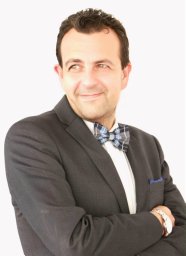 Dusan Surdilovic合作论文数10
 Lubna Abdel Jawad合作论文数9Sreelekshmi Vivek Bekal合作论文数9
 Khalid Shaikh合作论文数9Mighell Alan J合作论文数9
 Chris F Inglehearn合作论文数School of Medicine, Faculty of Medicine and Health, University of Leeds;Division of Molecular Medicine, University of Leeds9
 David Alasdair Parry合作论文数7
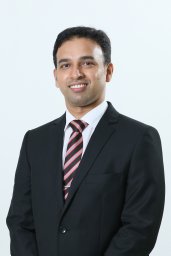 Shishir Shetty合作论文数AB Shetty Memorial Institute of Dental Sciences, Nitte University6Shore Roger C合作论文数5Hossam Abdelatty Abdelmagyd合作论文数4Jennifer Kirkham合作论文数4
 Goutham Hassan Venkatesh合作论文数School of Life Sciences, Manipal University4Salem Chouaib合作论文数4
 Pooja Adtani合作论文数Dept Basic Med & Dent Sci, Gulf Med Univ3Stéphane Terry合作论文数INSERM, Univ Paris Saclay3
 Colin Johnson合作论文数University of Nottingham3
 Clare V Logan合作论文数3R.C. Shore合作论文数3
 James A Poulter合作论文数Leeds Institute of Molecular Medicine, St. James's University Hospital3Ghada Hamed合作论文数2Sura F Al-Bayati合作论文数2Fatiha Hammed合作论文数2Ik Jalili合作论文数2Sura Ali Ahmed Fuoad合作论文数2
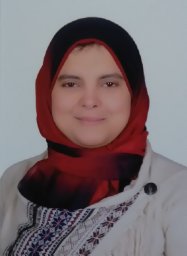 Rasha Mosa Allam合作论文数Pharmacology Department, National Research Centre2Pamela Bravo合作论文数2
 Mohamed Hamed合作论文数Faculty of Veterinary Medicine, Aswan University2
 Shetty Raghavendra M合作论文数Department of Paediatric Dentistry, Chhattisgarh Dental College and Research Institure2
 Stephanie Buart合作论文数2
 Rania F Zaarour合作论文数2
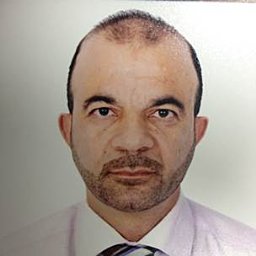 Natheer Hashim Al-Rawi合作论文数College of Dentistry, University of Sharjah2
 Raefa abou khouzam合作论文数EDST, Lebanese University2
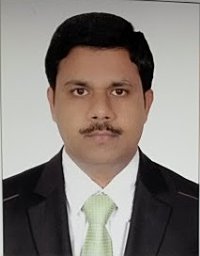 Manchala Sesha Reddy合作论文数Department of Periodontics, Vishnu Dental College2
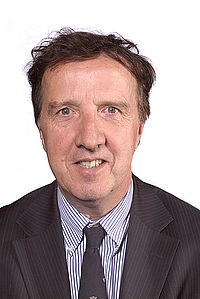 Tony Moore合作论文数Institute of Ophthalmology, Faculty of Brain Sciences, University College London;European Vision Institute2
 Ian Carr合作论文数Mechanical, Materials and Aerospace Engineering, Illinois Institute of Technology;Mechanical, Materials and Aerospace Engineering, Illinois Institute of Technology2Abdelhameid Mohammed Kamal合作论文数2
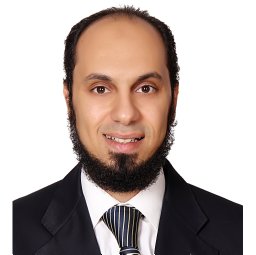 Negmeldin Ahmed T合作论文数2
 Mushtaq Ahmed合作论文数University of Science and Technology Bannu2Sharifa Al Harasi合作论文数2Suhaila Al-Bahlani合作论文数Al-Nahda Hospital2Katharine M. Blain合作论文数2
 Ahmed M. Al-Abd合作论文数College of Medicine, Catholic University2Hossam Hamdy合作论文数2Hussain Jafri合作论文数2
 Salah Kassab合作论文数College of Medicine and Medical Sciences, Arabian Gulf University2Jerome Thiery合作论文数2
 Hélène Dollfus合作论文数Institut de Génétique Médicale d’Alsace, Les Hôpitaux Universitaires de Strasbourg2Román Carlos合作论文数Head, Centro Clínico de Cabeza y Cuello2




