The Jiangmen Underground Neutrino Observatory (JUNO) collaboration has completed the construction of the 20,000-ton liquid scintillator detector and the associated muon veto detector system. To meet the physics objectives, the materials used in the detector must exhibit low radioactive contamination. The single-event rate in the fiducial volume (R < 17.2 m) of the scintillator is required to be approximately 7 Hz for energies above 0.7 MeV, resulting in an accidental coincidence background of about 1 event per day for reactor neutrino physics analyses. Since the beginning of the construction phase, we have screened the natural radioactivity content of thousands of materials, to select those that meet the design background budget. The radioactive impurity concentrations of the materials ultimately used in the JUNO detector are summarized in this paper. The construction of the entire detector and the subsequent filling of the liquid scintillator were completed in August 2025. From the initial data, the total count rate of natural radioactivity within the detector's fiducial volume has met the requirements and is sufficient to support the reactor antineutrino analysis.
While Fgf and Hippo-Yap signaling are fundamental for proper development, homeostasis, and disease, their crosstalk remains largely unknown. Here, we identified that Yap and Taz, canonical Hippo effectors, function as noncanonical effectors of Fgf signaling to maintain the proper function of neural crest (NC) lineages. NC cells are a multipotent stem cell population during vertebrate embryogenesis that contribute to numerous structures and diverse cell lineages, including craniofacial and cardiac tissues, neurons, and suture mesenchymal cells (SMCs), a specified cell population required for cranial bone growth and repair. We observed that activation of Fgf signaling in NC cells and NC-derived SMCs inhibited osteogenesis while simultaneously enhancing stemness and proliferation. Interestingly, these effects were reversed by inhibition of either Yap/Taz or phosphorylated Erk1/2 (pErk1/2). Mechanistically, Fgf signaling promotes the interaction of Yap and pErk1/2, increasing the chromatin occupancy of Yap at genes regulating stemness, proliferation, and osteogenesis. We further show that pERK1/2 phosphorylates YAP at the noncanonical S128 site, enhancing YAP's nuclear localization. This mechanism is conserved across mouse and human cells and is active in Apert syndrome-associated FGF gain-of-function models, revealing a previously unrecognized FGF-YAP axis in stem cell regulation.
The Jiangmen Underground Neutrino Observatory (JUNO) is a 20-kiloton liquid scintillator neutrino detector, located 650 meters (1800 m.w.e.) underground in Jiangmen, Guangdong, China. JUNO is primarily designed for reactor neutrino measurements and has been taking data since 2025. With the largest mass of its kind and an excellent energy resolution, JUNO is a leading observatory for high-precision measurements of MeV neutrinos. The standard global trigger system serves as the primary trigger for JUNO. We present a newly developed multi-messenger trigger system that extends the capabilities of the global trigger by providing a lower energy threshold and an independent monitoring capability. During the 2025 operation, it achieved an effective energy threshold of approximately 110 +/- 10 keV, providing a lower threshold configuration suitable for low-energy event analysis. The system shows the potential to further reduce the threshold to well below 100 keV. Based on the multi-messenger trigger system, an astrophysical monitor has been developed to receive and process external alerts from other messengers, such as gravitational-wave observations. A Transient Neutrino Burst Monitor is integrated to detect short-time-scale neutrino burst events and enables real-time monitoring of transient astrophysical phenomena. The system is sensitive to neutrino bursts from core-collapse supernovae within a distance of about 250 kpc.
Adult mammalian hearts exhibit limited regenerative capacity because of the restricted renewal of cardiomyocytes. Recent studies reveal that mammalian hearts exhibit transient regenerative potential within a short time frame after birth, suggesting a regulatory mechanism that prevents adult hearts from initiating a regenerative response to cardiac injury. Here, we discovered that an active form of YAP, named YAP6SA, which is not inhibited by the Hippo signaling pathway and does not interact with TEADs, induces cardiomyocyte cell cycle reentry. In addition, YAP6SA interacts with scaffold protein MPDZ to regulate Rho GTPases and promote cell cycle progression in cardiomyocytes (CMs). Importantly, YAP6SA overexpression is well tolerated in mammalian hearts. These findings provide new insights into YAP function in cardiomyocytes.
Over 25,600 3-inch photomultiplier tubes (PMTs) have been instrumented for the central detector of the Jiangmen Underground Neutrino Observatory. Each PMT is equipped with a high-voltage divider and a frontend cable with waterproof sealing. Groups of sixteen PMTs are connected to the underwater frontend readout electronics via specialized multi-channel waterproof connectors. This paper outlines the design and mass production processes for the high-voltage divider, the cable and connector, as well as the waterproof potting of the PMT bases. The results of the acceptance tests of all the integrated PMTs are also presented.
BACKGROUND: The Hippo pathway effector YAP (Yes-associated protein) plays an essential role in cardiomyocyte proliferation and heart regeneration. In response to physiological changes, YAP moves in and out of the nucleus. The pathophysiological mechanisms regulating YAP subcellular localization after myocardial infarction remain poorly defined. METHODS: We identified YAP acetylation at site K265 by in vitro acetylation followed by mass spectrometry analysis. We used adeno-associated virus to express YAP-containing mutations that either abolished acetylation (YAP-K265R) or mimicked acetylation (YAP-K265Q) and studied how acetylation regulates YAP subcellular localization in mouse hearts. We generated a cell line with YAP-K265R mutation and investigated the protein-protein interactors by YAP immunoprecipitation followed by mass spectrometry, then validated the YAP interaction in neonatal rat ventricular myocytes. We examined colocalization of YAP and TUBA4A (tubulin alpha 4A) by superresolution imaging. Furthermore, we developed YAP-K265R and alpha MHC-MerCreMer (MCM); Yap-loxP/K265R mutant mice to examine the pathophysiological role of YAP acetylation in cardiomyocytes during cardiac regeneration. RESULTS: We found that YAP is acetylated at K265 by CBP (CREB-binding protein)/P300 (E1A-binding protein P300) and is deacetylated by nicotinamide phosphoribosyltransferase/nicotinamide adenine dinucleotide/sirtuins axis in cardiomyocytes. After myocardial infarction, YAP acetylation is increased, which promotes YAP cytoplasmic localization. Compared with controls, mice that were genetically engineered to express a K265R mutation that prevents YAP K256 acetylation showed improved cardiac regenerative ability and increased YAP nuclear localization. Mechanistically, YAP acetylation facilitates its interaction with TUBA4A, a component of the microtubule network that sequesters acetylated YAP in the cytoplasm. After myocardial infarction, the microtubule network increased in cardiomyocytes, resulting in the accumulation of YAP in the cytoplasm. CONCLUSIONS: After myocardial infarction, decreased sirtuin activity enriches YAP acetylation at K265. The growing TUBA4A network sequesters acetylated YAP within the cytoplasm, which is detrimental to cardiac regeneration.
Bipolar disorder (BD) is a common and yet poorly elucidated psychiatric disorder, with emerging evidence implicating a role for epigenetic mechanisms, including microRNAs (miRNAs), in its pathophysiology. These molecules are secreted from cells in extracellular vesicles (EVs), which can be isolated from bodily fluids and tested as potential biomarkers. In individuals with BD and control participants (CON), we characterized the miRNA expression profiles of peripheral blood EVs selected for L1CAM, a putative neuronal marker, as well as bulk peripheral blood EVs. Peripheral blood EVs were isolated from n=20 BD and 20 CON (L1CAM) and n=21 BD and 20 CON (bulk). Within each study, analyses identified miRNAs that were differentially expressed between BD and CON, followed by functional interrogation and testing for associations with clinical features. Results were then compared to better understand the relative specificity of bulk and L1CAM EV analyses. Thirty-four miRNAs were differentially expressed between groups in L1CAM EVs, whereas 10 differentially expressed miRNAs were identified in bulk EVs. Across both analyses, biological pathways attributed to the differentially expressed miRNAs included insulin receptor pathway and type II diabetes mellitus. Importantly, associations of differentially expressed miRNAs with clinical features were only significant in L1CAM EVs. Our results reiterate a crucial role for miRNAs in the pathophysiology of BD and suggest that miRNA signatures of putative neuronal origin more closely correspond to clinical features.
Background: Long noncoding RNA (lncRNA) CASC, crucial in colorectal cancer (CRC) progression, remains largely unexplored despite its potential. Methods: The CRC data comes from The Cancer Genome Atlas (TCGA) database. The limma package was used to screen differentially expressed genes (DEGs), intersecting with CASC genes that yielded key hub lncRNAs. Next, the lncRNA-protein interaction network was developed applying Cytoscape software. The association between immune cell infiltration and lncRNAs was calculated using the ESTIMATE package, CIBERSORT package, and ssGSEA. Based on the survminer package to assess the correlation between hub gene expression levels and clinicopathologic features of CRC patients, cellular models were utilized to assess the mRNA expression levels and potential biological functions of the screened markers. Results: We filtered 2326 DEGs that were notably enriched in pathways related to metastasis, cell growth, and EMT. This study found six hub lncRNAs (CASC15, CASC16, CASC8, CASC9, CASC19, and CASC18) showed a high diagnostic accuracy, with the area under the curve (AUC) values all exceeding 0.7. There were 44 proteins in the lncRNA-protein interaction network that interact with hub lncRNAs, among which both LIN28B and IGF2BP2 interact with six hub lncRNAs. Immune infiltration analysis indicated that the six hub lncRNAs were significantly correlated with the multiple types of immune cells. Pathological analysis demonstrated that the expression of CASC15 elevated with the progression of TNM staging. Cellular assays had revealed that all are significantly associated with CRC; particularly, CASC15 knockdown repressed the in vitro metastasis of CRC cells. Conclusion: We constructed and validated a robust signature of six lncRNA CASC for predicting survival of CRC patients and characterizing the immune infiltration landscape. These results reveal that the CASC gene family could be a therapeutic target for CRC patients.
Smooth muscle cell-specific myosin heavy chain, encoded by MYH11, is selectively expressed in smooth muscle cells (SMCs). Pathogenic variants in MYH11 predispose to a number of disorders, including heritable thoracic aortic disease associated with patent ductus arteriosus, visceral myopathy, and megacystis-microcolon-intestinal hypoperistalsis syndrome. Rare variants of uncertain significance occur throughout the gene, including MYH11 p.Glu1892Asp, and we sought to determine if this variant causes thoracic aortic disease in mice. Genomic editing was used to generate Myh11E1892D/E1892D mice. Wild-type (WT) and mutant mice underwent cardiovascular phenotyping with and without transverse aortic constriction (TAC). Myh11E1892D/E1892D and WT mice displayed similar growth, blood pressure, root and ascending aortic diameters, and cardiac function up to 13 months of age, along with similar contraction and relaxation on myographic testing. The hypertension induced by TAC was similarly in Myh11E1892D/E1892D and WT mice, but mutant mice showed augmented ascending aortic enlargement and increased elastic fiber fragmentation on histology. Unexpectedly, male Myh11E1892D/E1892D mice undergoing TAC had decreased ejection fraction, stroke volume, fractional shortening, and cardiac output compared to similarly treated male WT mice. Importantly, left ventricular mass increased significantly due to primarily posterior wall thickening, and cardiac histology confirmed cardiomyocyte hypertrophy and increased collagen deposition in the myocardium and surrounding arteries. These results further highlight the phenotypic heterogeneity associated with MYH11 rare variants. Given that MYH11 is selectively expressed in SMCs, these results implicate a role of SMCs in the arteries of the heart contributing to cardiac hypertrophy and failure with pressure overload.
Alzheimer’s disease (AD) is the leading dementia among the elderly with complex origins. Despite extensive investigation into the AD-associated protein-coding genes, the involvement of noncoding RNAs (ncRNAs) and posttranscriptional modification (PTM) in AD pathogenesis remains unclear. Here, we comprehensively characterized the landscape of ncRNAs and PTM events in 1460 samples across six brain regions sourced from the Mount Sinai/JJ Peters VA Medical Center Brain Bank Study and Mayo cohorts, encompassing 33,321 long ncRNAs, 92,897 enhancer RNAs, 53,763 alternative polyadenylation events, and 900,221 A-to-I RNA editing events. We additionally identified 25,351 aberrantly expressed ncRNAs and altered PTM events associated with AD traits and further identified the corresponding protein-coding genes to construct regulatory networks. Furthermore, we developed a user-friendly data portal, ADatlas, facilitating users in exploring our results. Our study aims to establish a comprehensive data platform for ncRNAs and PTMs in AD to advance related research.
The main goal of the JUNO experiment is to determine the neutrino mass ordering with a 20 kt liquid-scintillator detector. The 20-inch PMT and its 1F3 (one for three) electronics are crucial to realize the excellent energy resolution of at least 3% at 1 MeV. The knowledge on the PMT and 1F3 electronics response is critical for detector performance understanding. A study of the JUNO 20-inch PMT and 1F3 electronics system characterization is presented using large pulses of PMT dark count at the Pan-Asia testing platform in China. Thanks to its broad amplitude range and high rate, the large pulse signals are also used to investigate the PMT after pulse response.
BACKGROUND:Separation of the pulmonic and systemic circulation is essential for terrestrial life, and mammals have evolved distinct cardiac chambers with specialized structures and functions. Transcriptomics profiling revealed cellular heterogeneity between heart chambers. However, the mechanisms underlying chamber-specific transcriptomic and metabolic differences-and their functional significance-remain poorly understood. The Hippo/YAP (yes-associated protein) pathway is a conserved signaling network that regulates diverse cellular processes. The Hippo kinases inhibit YAP in cardiac fibroblasts (CF) to restrict fibrosis and inflammation. Nonetheless, how YAP regulates the metabolic microenvironment during homeostasis and fibroinflammation remains unclear. METHODS:We investigated YAP and glycolysis activity in the 4 cardiac chambers by scoring the expression of YAP target genes and glycolysis genes in human single-nucleus RNA sequencing data. To compare glucose uptake between the left and right atria, we measured isotope-labeled glucose uptake in isolated mouse atria. To study the role of YAP in CFs, we inactivated the Hippo kinases, Lats1 and Lats2, in mouse CFs and performed metabolic studies, snRNA-seq, single-nucleus assay for transposase-accessible chromatin with sequencing, and spatial transcriptomics. RESULTS:Metabolic and sequencing approaches revealed that Hippo-deficient CFs activated glycolysis to promote fibroinflammation. Inhibition of glycolysis or lactate production suppressed Hippo-deficient CF-induced fibrosis. Elevated YAP activity disrupted fibroblast lineage fidelity by inducing an osteochondroprogenitor cell state. Blocking macrophage expansion pharmacologically reduced Hippo-deficient CF proliferation and fibrosis. Sequencing and functional studies showed that macrophages secreted IGF1 (insulin-like growth factor 1) to activate IGF1 signaling in Hippo-deficient CFs to increase cell proliferation and fibrosis. CONCLUSIONS:We discovered that right atrial CFs are more glycolytic and have higher YAP activity than CFs in other heart chambers. YAP activation in CFs induces glycolysis to drive fibrosis. YAP disrupts fibroblast lineage fidelity, driving them to a SOX9 (SRY-box transcription factor 9)-expressing osteochondroprogenitor cell state. Mechanistically, YAP activates the secretion of CSF1 (colony-stimulating factor 1) to promote macrophage expansion. Blocking macrophage expansion reduces Hippo-deficient CF proliferation, osteochondroprogenitor differentiation, and fibrosis, revealing that macrophages signal reciprocally to regulate CF cell states. Genomic and functional studies revealed that the upregulated IGF1 receptor in Hippo-deficient CFs enables them to receive macrophage-secreted IGF1, thereby further enhancing CF proliferation and fibrosis.
Key PointsAtrophied muscle-derived myostatin stimulated mesenchymal stem cell differentiation and adverse arteriovenous (AV) fistula remodeling through yes-associated protein 1 (YAP1) activation.Treatment with myostatin peptibody inhibited muscle wasting and blocked mesenchymal stem cell activation and AV fistula fibrosis.A light-sensitive drug-release strategy was engineered for the periadventitial delivery of verteporfin to improve AV fistula patency.BackgroundArteriovenous (AV) fistulas are the preferred access for dialysis but have a high incidence of failure. The aim of this study was to understand the crosstalk between skeletal muscle catabolism and AV fistula maturation failure.MethodsSkeletal muscle metabolism and AV fistula maturation were evaluated in mice with CKD. The roles of myostatin and yes-associated protein 1 (YAP1) in regulating the transdifferentiation of adventitial mesenchymal stem cells (MSCs) and intima hyperplasia in AV fistula were investigated. Nanoparticles carrying a YAP1 inhibitor, verteporfin, with light irradiation-controlled release were synthesized and applied to AV fistula.ResultsIncreased trichrome signals and stenosis were observed in AV fistulas from mice treated with myostatin and from mice with CKD. By contrast, blocking myostatin function with an anti-myostatin peptibody not only improved body weight and muscle size in CKD mice but also decreased neointima formation in AV fistulas. In cultured MSCs, myostatin induced YAP1 expression, promoting the differentiation of MSCs into myofibroblasts and inducing extracellular matrix deposition. Red light irradiation-controlled release of verteporfin from nanoparticles blocked YAP1 activation and alleviated myostatin-induced MSC activation. Periadventitial application and red light irradiation of nanoparticles carrying verteporfin significantly suppressed stiffening and neointima formation in AV fistula.ConclusionsCKD induced muscle wasting, leading to increased production of myostatin, which stimulated MSC activation and vascular fibrosis linked to AV fistula stenosis. YAP1 signaling was activated in these processes. Red light irradiation-controlled release of verteporfin offered a feasible approach for local vascular drug intervention to improve AV fistula maturation.
The Jiangmen Underground Neutrino Observatory (JUNO) is a multi-purpose neutrino experiment under construction in South China. This paper presents an updated estimate of JUNO's sensitivity to neutrino mass ordering using the reactor antineutrinos emitted from eight nuclear reactor cores in the Taishan and Yangjiang nuclear power plants. This measurement is planned by studying the fine interference pattern caused by quasi-vacuum oscillations in the oscillated antineutrino spectrum at a baseline of 52.5 km and is completely independent of the CP violating phase and neutrino mixing angle theta(23). The sensitivity is obtained through a joint analysis of JUNO and Taishan Antineutrino Observatory (TAO) detectors utilizing the best available knowledge to date about the location and overburden of the JUNO experimental site, local and global nuclear reactors, JUNO and TAO detector responses, expected event rates and spectra of signals and backgrounds, and systematic uncertainties of analysis inputs. We find that a 3 sigma median sensitivity to reject the wrong mass ordering hypothesis can be reached with an exposure of about 6.5 years x 26.6 GW thermal power.
The Hippo pathway controls organ development, homeostasis, and regeneration primarily by modulating YAP/TEAD-mediated gene expression. Although emerging studies report Hippo-YAP dysfunction after viral infection, it is largely unknown in the context of severe acute respiratory syndrome coronavirus 2 (SARS-CoV-2). Here, we analyzed RNA sequencing data from human-induced pluripotent stem cell-derived cardiomyocytes (iPSC-CMs) and SARS-CoV-2-infected human lung samples, and observed a decrease in YAP target gene expression. In screening SARS-CoV-2 nonstructural proteins, we found that nonstructural protein 13 (NSP13), a conserved coronavirus helicase, inhibits YAP transcriptional activity independent of the upstream Hippo kinases LATS1/2. Consistently, introducing NSP13 into mouse cardiomyocytes suppresses an active form of YAP (YAP5SA) in vivo . Subsequent investigations on NSP13 mutants revealed that NSP13 helicase activity, including DNA binding and unwinding, is crucial for suppressing YAP transactivation in HEK293T cells. Mechanistically, TEAD4 serves as a platform to recruit NSP13 and YAP. NSP13 likely inactivates the YAP/TEAD4 transcription complex by remodeling chromatin to recruit proteins, such as transcription termination factor 2 (TTF2), to bind the YAP/TEAD/NSP13 complex. These findings reveal a novel YAP/TEAD regulatory mechanism and uncover molecular insights into Hippo-YAP regulation after SARS-CoV-2 infection in humans.
Myocardial infarction (MI) affects millions of people worldwide, causing irreversible injury to the heart and impairing cardiac function1. In both mouse and pig MI models, activating YAP in cardiomyocytes (CMs) stimulates regenerative repair2,3. Here we develop an adeno-associated virus 9-based therapy, termed CM-YAPon, which enables transient expression of an active YAP variant (YAP5SA) in CMs after exposure to the small molecule LMI070. A single LMI070 dose in mice triggers YAP5SA expression, CM cell cycle reentry and reprogramming of the cardiac microenvironment. YAP5SA induction after MI rapidly improves cardiac function while pre-MI induction confers cardioprotection and reduces cell death across multiple cardiac cell types. These findings reveal the therapeutic potential of reversible gene activation for ischemic heart disease. Meng et al. develop the adeno-associated virus 9-based therapy CM-YAPon to transiently and inducibly express YAP in the heart. In mice, CM-YAPon promoted cardiomyocyte cell cycle reentry and reprogrammed the cardiac microenvironment. The CM-YAPon gene therapy improved cardiac function after myocardial infarction (MI) and conferred cardioprotection before MI.
 James F Martin合作论文数Department of Molecular Physiology, Baylor College of Medicine;Cardiomyocyte Renewal Laboratory, Texas Heart Institute, Texas Medical Center49
 Zhimin Wang (王志民)合作论文数The Institute of High Energy Physics, Chinese Academy of Sciences;University of Chinese Academy of Sciences30
 Nikolay Anfimov合作论文数Joint Institute for Nuclear Research (JINR) Dubna29
 Zhonghua Qin (秦中华)合作论文数中国科学院高能物理研究所29
 Meihang Xu (徐美杭)合作论文数University of Chinese Academy of Sciences;Institute of High Energy Physics, Chinese Academy of Sciences27Denis Korablev合作论文数27Alexander Olshevskiy合作论文数27Narongkiat Rodphai合作论文数26
 Xiaoyan Ma (马骁妍)合作论文数Institute of High Energy Physics, Chinese Academy of Sciences;University of Chinese Academy of Sciences26
 Zhe Ning (宁哲)合作论文数University of Chinese Academy of Sciences;Institute of High Energy Physics, Chinese Academy of Sciences25
 Si Ma (马斯)合作论文数University of Chinese Academy of Sciences;Institute of High Energy Physics, Chinese Academy of Sciences25Shaojing Hou合作论文数25Guanghua Gong (龚光华)合作论文数25Xiaoshan Jiang (江晓山)合作论文数25Xiaolu Ji (季筱璐)合作论文数25
 Xiongbo Yan (严雄波)合作论文数Institute of High Energy Physics, Chinese Academy of Sciences;University of Chinese Academy of Sciences25Kai Loo合作论文数24
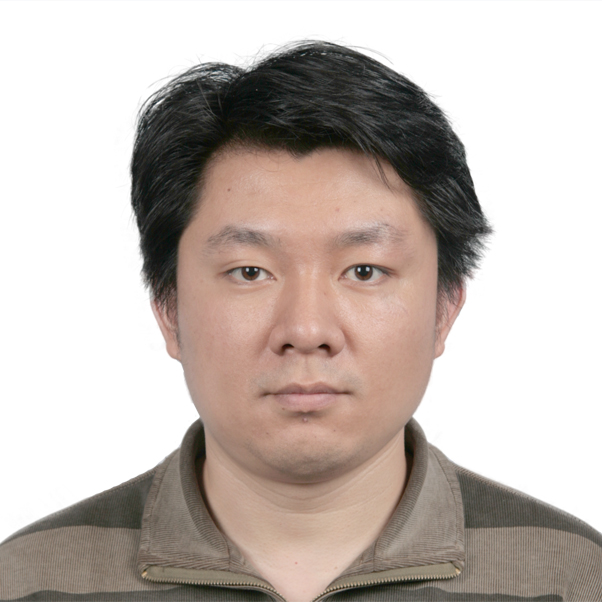 Xilei Sun (孙希磊)合作论文数Institute of High Energy Physics, Chinese Academy of Sciences;University of Chinese Academy of Sciences24A. Romani合作论文数24Alberto Garfagnini合作论文数24
 Fabrizio Petrucci合作论文数Dipartimento di Matematica e Fisica, Università Roma Tre24Pascal Poussot合作论文数24Abdel Rebii合作论文数24Konstantin Schweizer合作论文数24Jaruchit Siripak合作论文数24Julanan Songwadhana合作论文数24Matthias Raphael Stock合作论文数Technische Universität München24Caishen Wang合作论文数24
 J. Steinmann合作论文数Phys Inst 3, Rhein Westfal TH Aachen24Hang Hu合作论文数24Xiao Tang合作论文数24Qun Wu合作论文数24
 Andrea Serafini合作论文数INFN24
 Virginia Strati合作论文数Department of Physics and Earth Sciences, University of Ferrara, Via Saragat 1, 44121, Ferrara, Italy24
 Yury Malyshkin合作论文数Joint Inst Nucl Res24A. Sotnikov合作论文数24
 Jingyan Shi (石京燕)合作论文数中国科学院大学高能物理研究所24
 Michele Montuschi合作论文数Laboratori Nazionali del Gran Sasso, Laboratori Nazionali del Gran Sasso24
 Shu Luo (罗舒)合作论文数College of Physical Science and Technology, Xiamen University24
 Lucia Votano合作论文数CERN Geneva24Fausto Ortica合作论文数24
 Yue Meng (孟月)合作论文数Institute of Nuclear and Particle Physics, School of Physics and Astronomy, Shanghai Jiao Tong University24
 Yu Chen (陈羽)合作论文数School of Physics, Sun Yat-sen University24Lino Miramonti合作论文数Università di Milano and Sezione INFN24
 Mariangela Settimo合作论文数24
 Fabio Mantovani合作论文数Centro di GeoTecnologie CGT, I-52027 San Giovanni Valdarno, Italy24
 Igor Tkachev合作论文数Institute of Nuclear Research, Russian Academy of Sciences24
 Xubo Ma (马续波)合作论文数School of Nuclear Science and Engineering, North China Electric Power University24
 Wladyslaw Trzaska合作论文数Department of Physics, Faculty of Mathematics and Science, University of Jyväskylä24




