Topoisomerase poisons are clinically used anticancer drugs that can induce DNA cleavage complexes to block replication. TOP3B is the only topoisomerase that can catalyze topological changes on either DNA or RNA and induce cleavage complexes on both nucleic acids. We proposed that TOP3B poisons may inhibit coronavirus RNA genome replication and tested this hypothesis by using mouse hepatitis coronavirus (MHV). We found that one of the two types of reported TOP3B poisons, thiacyanine dyes, possess potent inhibitory activities for MHV. Interestingly, the antiviral activity of the thiacyanine dyes is unaltered in Top3b-KO cells, suggesting that these dyes inhibit viral replication independent of TOP3B. Subsequent screening revealed that multiple members of the thiacyanine dye family have antiviral activity comparable to or stronger than remdesivir, the U.S. Food and Drug Administration (FDA)-approved drug for coronavirus, in an MHV-infected cell line model. One thiacyanine dye (NSC93472) significantly inhibits MHV replication in mouse lungs, showing its potential as an anticoronavirus drug. Mechanistic studies showed that NSC93472 preferentially binds two RNA fragments derived from SARS-CoV-2 genome over random ssRNA, interferes with assembly of an elongation-competent complex between the viral RNA-dependent RNA polymerase and the RNA template, and inhibits the RNA synthesis mediated by the RNA-dependent RNA polymerase. Moreover, NSC93472 can inhibit RNA synthesis by the reverse transcriptase of Moloney murine leukemia virus. Our studies demonstrate that thiacyanine dyes represent a new family of coronavirus inhibitors and suggest that TOP3B poisons and anti-RNA virus drugs share common characteristics in RNA binding and inhibition of enzymatic reactions on RNA.
Renal ischemia-reperfusion (IR) injury is a major cause of acute kidney injury (AKI), with limited specific therapies. Recombinant human brain natriuretic peptide (rhBNP) shows potential renal protective effects, but its role and mechanism in IR-induced AKI is unclear. The present study showed rhBNP improved renal function recovery and reduced AKI progression in ICU patients. In rat IR models, rhBNP alleviated tubular injury and enhanced kidney function. Selenocysteine lyase (SCLY), an enzyme critical for selenium recycling and selenoprotein synthesis, was identified as the hub gene associated with rhBNP treatment by transcriptome sequencing. rhBNP treatment markedly upregulated the expression of SCLY in rat kidneys with elevated selenium levels. rhBNP also inhibited ferroptosis and apoptosis in the kidney, which was significantly reversed by the knockdown of SCLY. SCLY silencing blocked the protective effect of rhBNP on human HK2 cells subjected to CCCP-R (carbonyl cyanide 3-chlorophenylhydrazone induced ATP depletion-repletion), while SCLY overexpression enhanced it. rhBNP modulated SCLY expression likely through inhibiting the binding of active GTPase RhoA to SCLY protein. In conclusion, rhBNP prevented IR-induced AKI through inhibiting ferroptosis by upregulating SCLY level and promoting selenium recycling, presenting a potentially new target for AKI treatment.
The Fanconi anemia/breast cancer (FA/BRCA) DNA repair network promotes the removal of DNA interstrand crosslinks (ICLs) to counteract their devastating consequences, including oncogenesis. Network signaling is initiated by the FA core complex, which consists of 7 authentic FA proteins and an FA-associated protein, FAAP100, with incompletely characterized roles and unknown disease associations. Upon activation, the FA core complex functions as a multiprotein E3 ubiquitin ligase centered on its catalytic module, the FANCB-FANCL-FAAP100 (BLP100) subcomplex, for FANCD2 and FANCI monoubiquitylation. Here, we identified a homozygous variant in FAAP100, c.1642A>C, predicting p.(T542P), in a fetus with malformations suggestive of FA. The mutation caused sensitivity to ICL-inducing agents in cells from the affected individual and genetically engineered, FAAP100-inactivated human, avian, zebrafish, and mouse cells. All FAAP100-deficient cell types were rescued by ectopic expression of WT FAAP100, but not FAAP100T542P. In a confirmatory animal model, customized Faap100-/- mice exhibited embryonic lethality, microsomia, malformations, and gonadal atrophy resembling mice with established FA subtypes. Mechanistically, FAAP100T542P impaired ligase activity by preventing BLP100 subcomplex formation, resulting in defective FAAP100T542P nuclear translocation and chromatin recruitment. FAAP100 dysfunction that disrupted the FA pathway and impaired genomic maintenance, together with FA-consistent human manifestations, recommends FAAP100 as a legitimate FA gene, alias FANCX.
Topoisomerases typically function in the nucleus to relieve topological stress in DNA. Here, we show that a dual-activity topoisomerase, Top3b, and its partner, TDRD3, largely localize in the cytoplasm and interact biochemically and genetically with PIWI-interacting RNA (piRNA) processing enzymes to promote piRNA biogenesis, post-transcriptional gene silencing (PTGS) of transposons, and Drosophila germ cell development. Top3b requires its topoisomerase activity to promote PTGS of a transposon reporter and preferentially silences long and highly expressed transposons, suggesting that RNAs with these features may produce more topological stress for topoisomerases to solve. The double mutants between Top3b and piRNA processing enzymes exhibit stronger disruption of the signatures and levels of germline piRNAs, more de-silenced transposons, and larger defects in germ cells than either single mutant. Our data suggest that Top3b can act in an RNA-based process-piRNA biogenesis and PTGS of transposons-and this function is required for Top3b to promote normal germ cell function.
FANCM is branchpoint DNA translocase essential for cellular response to replication stress. Here, we show that replication stress stimulates FANCM and the TONSL-MMS22L heterodimer bound to histones H3-H4 to form an interdependent complex on chromatin. TONSL-MMS22L recruits FANCM and Fanconi anemia (FA) core complex to stalled and collapsed forks, maintains FANCM on replication-stressed chromatin, promotes FANCD2 monoubiquitination, facilitates both repair and replication traverse of DNA interstrand crosslinks (ICLs), and suppresses sister chromatid exchanges, through its interactions with FANCM and H3-H4. Reciprocally, both DNA translocase activity and phosphorylation of FANCM facilitate recruitment of TONSL-MMS22L and RAD51 to perturbed forks. Moreover, TONSL-MMS22L and FANCM function together to promote activation of the FA pathway, ICL repair, homologous recombination and replication traverse. Cancer patients with tumors with wildtype FANCM and low expression of TONSL-MMS22L have a more favorable prognosis than those with high expression. Thus, FANCM-TONSL-MMS22L acts coordinately as a complex on chromatin that resolves replication stress, and this complex may present a therapeutic target for wildtype FANCM-linked cancer.
The Topoisomerase 3B (Top3b) - Tudor domain containing 3 (Tdrd3) protein complex is the only dual-activity topoisomerase complex that can alter both DNA and RNA topology in animals. TOP3B mutations in humans are associated with schizophrenia, autism and cognitive disorders; and Top3b-null mice exhibit several phenotypes observed in animal models of psychiatric and cognitive disorders, including impaired cognitive and emotional behaviors, aberrant neurogenesis and synaptic plasticity, and transcriptional defects. Similarly, human TDRD3 genomic variants have been associated with schizophrenia, verbal short-term memory and educational attainment. However, the importance of Tdrd3 in normal brain function has not been examined in animal models. Here we generated a Tdrd3-null mouse strain and demonstrate that these mice display both shared and unique defects when compared to Top3b-null mice. Shared defects were observed in cognitive behaviors, synaptic plasticity, adult neurogenesis, newborn neuron morphology, and neuronal activity-dependent transcription; whereas defects unique to Tdrd3-deficient mice include hyperactivity, changes in anxiety-like behaviors, olfaction, increased new neuron complexity, and reduced myelination. Interestingly, multiple genes critical for neurodevelopment and cognitive function exhibit reduced levels in mature but not nascent transcripts. We infer that the entire Top3b-Tdrd3 complex is essential for normal brain function, and that defective post-transcriptional regulation could contribute to cognitive and psychiatric disorders.
Topoisomerases are required to release topological stress generated by RNA polymerase II (RNAPII) during transcription. Here, we show that in response to starvation, the complex of topoisomerase 3b (TOP3B) and TDRD3 can enhance not only transcriptional activation, but also repression, which mimics other topoisomerases that can also alter transcription in both directions. The genes enhanced by TOP3B-TDRD3 are enriched with long and highly-expressed ones, which are also preferentially stimulated by other topoisomerases, suggesting that different topoisomerases may recognize their targets through a similar mechanism. Specifically, human HCT116 cells individually inactivated for TOP3B, TDRD3 or TOP3B topoisomerase activity, exhibit similarly disrupted transcription for both starvation-activated genes (SAGs) and starvation-repressed genes (SRGs). Responding to starvation, both TOP3B-TDRD3 and the elongating form of RNAPII exhibit concomitantly increased binding to TOP3B-dependent SAGs, at binding sites that overlap. Notably, TOP3B inactivation decreases the binding of elongating RNAPII to TOP3B-dependent SAGs while increased it to SRGs. Furthermore, TOP3B-ablated cells display reduced transcription of several autophagy-associated genes and autophagy per se. Our data suggest that TOP3B-TDRD3 can promote both transcriptional activation and repression by regulating RNAPII distribution. In addition, the findings that it can facilitate autophagy may account for the shortened lifespan of Top3b-KO mice.
RNA-binding proteins (RBPs) with intrinsically disordered regions (IDRs) are linked to multiple human disorders, but their mechanisms of action remain unclear. Here, we report that one such protein, Nocte, is essential for Drosophila eye development by regulating a critical gene expression cascade at translational level. Knockout of nocte in flies leads to lethality, and its eye-specific depletion impairs eye size and morphology. Nocte preferentially enhances translation of mRNAs with long upstream open reading frames (uORFs). One of the key Nocte targets, glass mRNA, encodes a transcription factor critical for differentiation of photoreceptor neurons and accessory cells, and re-expression of Glass largely rescued the eye defects caused by Nocte depletion. Mechanistically, Nocte counteracts long uORF-mediated translational suppression by promoting translation reinitiation downstream of the uORF. Nocte interacts with translation factors eIF3 and Rack1 through its BAT2 domain, and a Nocte mutant lacking this domain fails to promote translation of glass mRNA. Notably, de novo mutations of human orthologs of Nocte have been detected in schizophrenia patients. Our data suggest that Nocte family of proteins can promote translation reinitiation to overcome long uORFs-mediated translational suppression, and disruption of this function can lead to developmental defects and neurological disorders.
Arginine vasopressin (AVP) plays a crucial role in various physiological processes including water reabsorption, cardiovascular homeostasis, hormone secretion, and social behavior. AVP acts through three distinct receptor subtypes, i.e., V1a, V1b, and V2. Among them, the vasopressin V2 receptor (V2R) was initially discovered in the principal cells of renal collecting ducts, where it is primarily involved in regulating water reabsorption. However, in recent years, with the advancement of imaging and bioinformatics techniques, there has been a deeper understanding of the microstructure, protein binding capacity, and specific tissue distribution of V2R. Additionally, the pathogenic roles and target effects of V2R in various diseases have been uncovered through ectopic overexpression, activation, or antagonism. This paper aims to provide a brief overview of current research status on the physiological functions, pathophysiological mechanisms, and drug development related to V2R in recent years.
Aquaporins (AQPs) are water channel proteins that facilitate the transport of water molecules across cell membranes. To date, seven AQPs have been found to be expressed in mammal kidneys. The cellular localization and regulation of the transport properties of AQPs in the kidney have been widely investigated. Autophagy is known as a highly conserved lysosomal pathway, which degrades cytoplasmic components. Through basal autophagy, kidney cells maintain their functions and structure. As a part of the adaptive responses of the kidney, autophagy may be altered in response to stress conditions. Recent studies revealed that autophagic degradation of AQP2 in the kidney collecting ducts leads to impaired urine concentration in animal models with polyuria. Therefore, the modulation of autophagy could be a therapeutic approach to treat water balance disorders. However, as autophagy is either protective or deleterious, it is crucial to establish an optimal condition and therapeutic window where autophagy induction or inhibition could yield beneficial effects. Further studies are needed to understand both the regulation of autophagy and the interaction between AQPs and autophagy in the kidneys in renal diseases, including nephrogenic diabetes insipidus.
Background Transcription factors (TFs) play central roles in maintaining “stemness” of embryonic stem (ES) cells and their differentiation into several hundreds of adult cell types. The regulatory competence of TFs is routinely assessed by detecting target genes to which they bind. However, these data do not indicate which target genes are activated, repressed, or not affected by the change of TF abundance. There is a lack of large-scale studies that compare the genome binding of TFs with the expression change of target genes after manipulation of each TF. Results In this paper we associated human TFs with their target genes by two criteria: binding to genes, evaluated from published ChIP-seq data ( n = 1868); and change of target gene expression shortly after induction of each TF in human ES cells. Lists of direction- and strength-specific regulated target genes are generated for 311 TFs (out of 351 TFs tested) with expected proportion of false positives less than or equal to 0.30, including 63 new TFs not present in four existing databases of target genes. Our lists of direction-specific targets for 152 TFs (80.0%) are larger that in the TRRUST database. In average, 30.9% of genes that respond greater than or equal to twofold to the induction of TFs are regulated targets. Regulated target genes indicate that the majority of TFs are either strong activators or strong repressors, whereas sets of genes that responded greater than or equal to twofold to the induction of TFs did not show strong asymmetry in the direction of expression change. The majority of human TFs (82.1%) regulated their target genes primarily via binding to enhancers. Repression of target genes is more often mediated by promoter-binding than activation of target genes. Enhancer-promoter loops are more abundant among strong activator and repressor TFs. Conclusions We developed an atlas of regulated targets of TFs (ART-TF) in human ES cells by combining data on TF binding with data on gene expression change after manipulation of individual TFs. Sets of regulated gene targets were identified with a controlled rate of false positives. This approach contributes to the understanding of biological functions of TFs and organization of gene regulatory networks. This atlas should be a valuable resource for ES cell-based regenerative medicine studies.
Abstract Topoisomerase 3b (TOP3B)-TDRD3 is a dual-activity topoisomerase complex in animals that can change topology for both DNA and RNA. A current hypothesis proposes that this complex interacts with Fragile X mental retardation protein, FMRP, to regulate mRNA translation. Here we examined this hypothesis by identifying TOP3B-TDRD3-bound mRNAs in human HCT116 cells; and analyzing the effect of inactivating TOP3B, TOP3B catalytic activity, TDRD3, and FMRP, on translation and abundance of these mRNAs. We found that TOP3B-TDRD3 resembles FMRP in preferentially binding to coding regions of long mRNAs. Complete inactivation of TOP3B protein, but not a point mutation that only disrupts TOP3B catalytic activity, preferentially reduced the abundance of the TOP3B-TDRD3-bound mRNAs. Moreover, ablation of the complex or inactivation of TOP3B catalytic activity alters translation for some but not all TOP3B-TDRD3 bound mRNAs, suggesting that TOP3B-TDRD3 may solve topological problems for specific mRNAs. Finally, several schizophrenia and autism-risk genes are bound and regulated by TOP3B-TDRD3 in mRNA translation and abundance by topoisomerase activity dependent and independent manners. Our data suggest that TOP3B-TDRD3 can regulate mRNA translation and abundance by topoisomerase activity dependent or independent mechanisms; and disruption of this function could contribute to pathogenesis of psychiatric disorders in TOP3B mutation carriers.
Additional file 1: ChIP-seq data used for identifying regulated targets of human transcription factors.
A recent study demonstrated that a DNA-RNA dual-activity topoisomerase complex, TOP3B-TDRD3, is required for normal replication of positive-sense RNA viruses, including several human flaviviruses and coronaviruses; and the authors proposed that TOP3B is a target of antiviral drugs. Here we examined this hypothesis by investigating whether inactivation of Top3b can inhibit the replication of a mouse coronavirus, MHV, using cell lines and mice that are inactivated of Top3b or Tdrd3. We found that Top3b-KO or Tdrd3-KO cell lines generated by different CRISPR-CAS9 guide RNAs have variable effects on MHV replication. In addition, we did not find significant changes of MHV replication in brains or lungs in Top3B-KO mice. Moreover, immunostaining showed that Top3b proteins are not co-localized with MHV replication complexes but rather, localized in stress granules in the MHV-infected cells. Our results suggest that Top3b does not have a universal role in promoting replication of positive-sense RNA virus, and cautions should be taken when targeting it to develop anti-viral drugs.
The present study demonstrates how TOP3B is involved in resolving R-loops. We observed elevated R-loops in TOP3B knockout cells (TOP3BKO), which are suppressed by TOP3B transfection. R-loop-inducing agents, the topoisomerase I inhibitor camptothecin, and the splicing inhibitor pladienolide-B also induce higher R-loops in TOP3BKO cells. Camptothecin- and pladienolide-B-induced R-loops are concurrent with the induction of TOP3B cleavage complexes (TOP3Bccs). RNA/DNA hybrid IP-western blotting show that TOP3B is physically associated with R-loops. Biochemical assays using recombinant TOP3B and oligonucleotides mimicking R-loops show that TOP3B cleaves the single-stranded DNA displaced by the R-loop RNA-DNA duplex. IP-mass spectrometry and IP-western experiments reveal that TOP3B interacts with the R-loop helicase DDX5 independently of TDRD3. Finally, we demonstrate that DDX5 and TOP3B are epistatic in resolving R-loops in a pathway parallel with senataxin. We propose a decatenation model for R-loop resolution by TOP3B-DDX5 protecting cells from R-loop-induced damage.
Topoisomerase 3β (TOP3B) and TDRD3 form a dual-activity topoisomerase complex that interacts with FMRP and can change the topology of both DNA and RNA. Here, we investigated the post-transcriptional influence of TOP3B and associated proteins on mRNA translation and turnover. First, we discovered that in human HCT116 colon cancer cells, knock-out (KO) of TOP3B had similar effects on mRNA turnover and translation as did TDRD3-KO, while FMRP-KO resulted in rather distinct effects, indicating that TOP3B had stronger coordination with TDRD3 than FMRP in mRNA regulation. Second, we identified TOP3B-bound mRNAs in HCT116 cells; we found that while TOP3B did not directly influence the stability or translation of most TOP3B target mRNAs, it stabilized a subset of target mRNAs but had a more complex effect on translation-enhancing for some mRNAs whereas reducing for others. Interestingly, a point mutation that specifically disrupted TOP3B catalytic activity only partially recapitulated the effects of TOP3B-KO on mRNA stability and translation, suggesting that the impact of TOP3B on target mRNAs is partly linked to its ability to change topology of mRNAs. Collectively, our data suggest that TOP3B-TDRD3 can regulate mRNA translation and turnover by mechanisms that are dependent and independent of topoisomerase activity.
Topoisomerases solve topological problems for DNA, but whether they function similarly for RNA remains unclear. Here we show that the Topoisomerase 3b (TOP3B)-TDRD3 complex acts on both DNA and RNA. On DNA, TOP3B-TDRD3 binds transcription start or termination regions; and inactivation of TOP3B topoisomerase activity decreases expression of some though not all genes downregulated in TOP3B-KO and TDRD3-KO cells. On mRNA, TOP3B-TDRD3 preferentially binds coding regions of long mRNAs and stabilizes them independently of TOP3B topoisomerase activity. Moreover, ablation of the complex or inactivation of TOP3B catalytic activity alters translation for some mRNAs, suggesting that TOP3B-TDRD3 may solve RNA topological problems. Finally, several schizophrenia and autism-risk genes are bound and regulated by TOP3B-TDRD3 at either transcription or translation. Our data suggest that TOP3B-TDRD3 can regulate transcription and translation by topoisomerase activity dependent or independent mechanisms; and disruption of either function could contribute to pathogenesis of psychiatric disorders in TOP3B mutation carriers.
Cell type-specific enhancers are activated by coordinated actions of lineage-determining transcription factors (LDTFs) and chromatin regulators. The SWI/SNF chromatin remodeling complex BAF and the histone H3K4 methyltransferase MLL4 (KMT2D) are both implicated in enhancer activation. However, the interplay between BAF and MLL4 in enhancer activation remains unclear. Using adipogenesis as a model system, we identify BAF as the major SWI/SNF complex that colocalizes with MLL4 and LDTFs on active enhancers and is required for cell differentiation. In contrast, the promoter enriched SWI/SNF complex PBAF is dispensable for adipogenesis. By depleting BAF subunits SMARCA4 (BRG1) and SMARCB1 (SNF5) as well as MLL4 in cells, we show that BAF and MLL4 reciprocally regulate each other's binding on active enhancers before and during adipogenesis. By focusing on enhancer activation by the adipogenic pioneer transcription factor C/EBPβ without inducing cell differentiation, we provide direct evidence for an interdependent relationship between BAF and MLL4 in activating cell type-specific enhancers. Together, these findings reveal a positive feedback between BAF and MLL4 in promoting LDTF-dependent activation of cell type-specific enhancers.
Topoisomerase 3β (Top3β) is the only dual-activity topoisomerase in animals that can change topology for both DNA and RNA, and facilitate transcription on DNA and translation on mRNAs. Top3β mutations have been linked to schizophrenia, autism, epilepsy, and cognitive impairment. Here we show that Top3β knockout mice exhibit behavioural phenotypes related to psychiatric disorders and cognitive impairment. The mice also display impairments in hippocampal neurogenesis and synaptic plasticity. Notably, the brains of the mutant mice exhibit impaired global neuronal activity-dependent transcription in response to fear conditioning stress, and the affected genes include many with known neuronal functions. Our data suggest that Top3β is essential for normal brain function, and that defective neuronal activity-dependent transcription may be a mechanism by which Top3β deletion causes cognitive impairment and psychiatric disorders.
 Yutong Xue合作论文数37Zhijiang Yan (严志江)合作论文数20Chen Ling合作论文数19
 Dongyi Xu (徐冬一)合作论文数School of Life Sciences, Peking University16
 Michael M Seidman合作论文数13
 Alexei Sharov合作论文数National Institute on Aging13Seung Kyu Lee合作论文数12Hans Joenje合作论文数12Johan P. De Winter合作论文数12Amom Ruhikanta Meetei合作论文数12
 Rong Guo (郭荣)合作论文数School of Life Sciences, Peking University11Lei Li合作论文数10
 Yongqing Zhang合作论文数10Weiping Shen (沈卫平)合作论文数Tianjin College, University of Science & Technology Beijing10
 Maureen Hoatlin合作论文数Oregon Health & Science University10Jinhu Yin合作论文数9Shuaikun Su合作论文数9
 Chunling Li (李春凌)合作论文数Zhongshan School of Medicine, Sun Yat-sen University7
 Myriam Gorospe合作论文数Laboratory of Genetics and Genomics, National Institute on Aging, National Institutes of Health7
 Supriyo De合作论文数7Jennifer L Martindale合作论文数6Muzammil Ahmad合作论文数Genome Instability and Chromatin Remodeling Section, Lab of Genetics and Genomics, National Institute on Aging, National Institute on Health, 251 Bayview Boulevard, Baltimore, MD, 21224, USA.6Yongjiang Li合作论文数6
 Keji Zhao合作论文数Laboratory of Epigenome Biology, National Heart, Lung, and Blood Institute, National Institutes of Health6Stacie Stone合作论文数6Annette L Medhurst合作论文数5Df Yang合作论文数5Ku Wai Lim合作论文数5
 Minoru Takata (髙田穰)合作论文数Division of Systemic Life Science, Graduate School of Biostudies, Kyoto University;Radiation Biology Center, Kyoto University5Alexandra Sobeck合作论文数5
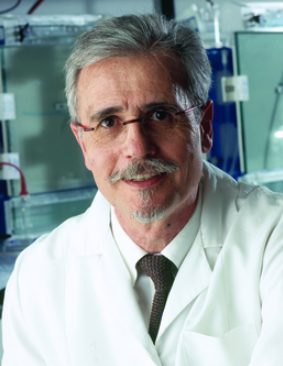 Yves Pommier合作论文数Developmental Therapeutics Branch and Laboratory of Molecular Pharmacology, National Cancer Institute, National Institutes of Health5
 Tianyi Zhang合作论文数National Institute on Aging, National Institutes of Health4Wen Li合作论文数4
 David Fox合作论文数Center for Global Infectious Disease Research, Seattle Children’s Research Institute4Muniandy Parameswary A合作论文数4
 Yuyoung Joo合作论文数College of Medicine, Seoul National University4Bellani Marina A合作论文数4
 Minoru S. H. Ko (洪実)合作论文数School of Medicine, Keio University4
 Jay Grall合作论文数David Geffen School of Medicine, University of California, Los Angeles4Detlev Schindler合作论文数4
 Søren Saxmose Nielsen合作论文数Department of Veterinary and Animal Sciences, University of Copenhagen4
 Sige Zou合作论文数4
 Bernard E Weissman合作论文数Department of Pathology and Laboratory Medicine, School of Medicine, The University of North Carolina at Chapel Hil4Yulan Piao合作论文数4Anneke B. Oostra合作论文数4Sharleen Zhou合作论文数4ME Hoatlin合作论文数3Kelly A. Hoadley合作论文数3M Nurul Islam合作论文数3




