Ionic liquids as templates or directing agents have attracted great attention for shaping-modulated synthesis of advanced nanomaterials. In this work, reduced graphene oxide supported uniform core-shell Au@Pt nanoparticles (Au@Pt NPs/rGO) were fabricated by a simple one-pot aqueous approach, using N-methylimidazolium-based dicationic ionic liquid (1,1-bis(3-methylimadazoilum-1-yl)butylene bromide, [C-4(Mim)(2)]2Br) as the shape-directing agent. The morphology evolution, structural information and formation mechanism of Au@Pt NPs anchored on rGO were investigated by a series of characterization techniques. The obtained nanocomposites displayed superior electrocatalytic features toward hydrogen evolution reaction (HER) and oxygen reduction reaction (ORR) compared with commercial Pt/C catalyst. This approach provides a novel route for facile synthesis of nanocatalysts in fuel cells. (C) 2018 Elsevier B.V. All rights reserved.
In this report, N, S-codoped fluorescent carbon nanodots (NSCDs) were prepared by a facile, simple, low-cost, and green thermal treatment of ammonium persulfate, glucose, and ethylenediamine. The as-prepared NSCDs displayed bright blue emission with a relatively high fluorescent quantum yield of 21.6%, good water solubility, uniform morphology, and excellent chemical stability, compared to pure CDs. The fluorescence of NSCDs can be significantly quenched by methotrexate (MTX) via fluorescence resonance energy transfer (FRET) between NSCDs and MTX, which was used for highly selective and sensitive detection of MTX with a wide linear range up to 50.0 μM and a low detection limit of 0.33 nM (S/N=3). Moreover, this method was explored for practical detection of MTX in human serum with satisfied results.
In this report, a simple, low-cost, green, and solvent-free method was developed to prepare sulfur-and nitrogen-co-doped carbon nanoparticles (SNCNs) by one-pot solid-phase thermal treatment of glutathione, with the nitrogen and sulfur contents of 16.1% and 2.0%, respectively. SNCNs show bright blue photoluminescence with a high quantum yield of 39.9%, which is significantly quenched by trace Hg2+ via the Hg2+-thiol interactions and extended for label-free fluorescent detection of Hg2+ with high selectivity and sensitivity, even with high concentrations of interference (i.e., other metal ions). The fluorescence intensity increases linearly with Hg2+ from 1.0 nM to 50.0 mu M, with the detection limit of 0.05 nM (S/N= 3). (C) 2014 Elsevier B.V. All rights reserved.
A simple, facile and green hydrothermal method was developed in the synthesis of water-soluble nitrogen-doped carbon dots (N-CDs) from streptomycin. The as-prepared N-CDs displayed bright blue fluorescence under the irradiation of UV light, together with a high quantum yield of 7.6% and good biocompatibility as demonstrated by the cell viability assay. Thus, the N-CDs can be used as fluorescent probes for cell imaging, which have potential applications in bioimaging and related fields. This strategy opens a new way for the preparation of fluorescent carbon nanomaterials using small molecules as carbon sources.
A simple and sensitive method for detecting diprophylline (DPP) was developed based on the fluorescence quenching of glutathione-capped CdTe quantum dots (GSH–CdTe QDs) by using diprophylline in a KH2PO4–Na2HPO4 medium. Parameters affecting the quenching efficiency, including types and pH of buffer solutions as well as temperature, reaction time, adding sequence, and interfering substances, were investigated and optimized. In optimum conditions, the calibration plot of the quenched fluorescence intensity F0/F with a DPP concentration range of 1.67×10⁻⁶molL−1 to 1.33×10⁻⁵molL−1 was linear. The detection limit (with signal to noise ratio of 3) for DPP was 2.24×10⁻⁷molL−1. The proposed method was successfully applied for detecting DPP in human serum. The recovery of the method was in the range of 87.41% to 117.94%. Finally, the possible quenching mechanism of GSH–CdTe QDs and DPP was also discussed.
We developed a facile one-step route for the synthesis of blue fluorescent OS-GCNQDs, which exhibited improved selectivity and sensitivity for Hg2+ detection, and lower cytotoxicity for cell imaging.
AgI nanoparticle has been reported to exhibit size-dependent properties. In the paper, we reported the use of combinations of surfactants, such as AOT, SDS, PVP and TWEEN20, to control the AgI synthesis. AgI nanoparticles can be obtained with different sizes. Measured and confirmed by DLS and TEM, the nanoparticles can be massively and evenly prepared with the sizes less than 20nm. The post-processing of extraction for the nanoparticles is relatively simple and environmentally friendly. Further experimental results demonstrate that the stability of the nanoparticles is greatly dependent on the formula of the surfactant compositions. The method presented here is a potential high-throughput technique that could be applied to synthesize many other nanoparticles.
A numerical plate-fin heat exchanger (PFHE) model was proposed to investigate the hydrodynamic characteristics of a full-size PFHE by using the porous media approach. Based on the model, effects of the fluid dynamic viscosity and perforated fins on flow distribution and pressure drop of the PFHE were studied. The results showed that flow distribution of the PFHE was improved by increasing the fluid dynamic viscosity or adding perforated fins in each fin channel, but at the cost of an increased pressure drop. Therefore, the relationship between flow distribution and pressure drop was further analyzed under various Reynolds numbers. Based on the results, a correlation among flow distribution, pressure drop, and Reynolds number was derived. Finally, two strategies, the fin channel-based strategy and the header-based strategy were proposed and numerically verified to improve flow distribution of the PFHE. Our results indicate that the first strategy is better than the latter one.
This paper reports a microfluidic reactor for synthesizing micro- and nano-droplets using fluid shearing instability of immiscible flow in microchannels. Three factors, flow rate between the two inputs, spout geometry and surface tension are numerically studied. Based on the simulation, a device with the optimal parameters was fabricated and tested. Both computational fluid dynamics (CFD) simulation results and experimental results suggested that this technique is capable of conveniently controlling the droplets sizes from hundreds of micrometers down to several micrometers or even nanometers. This pilot research offers a proof-of-concept demonstration using instabilities in the microchannels to synthesize large quantity of microdroplets. Although the microdroplets in this study were formed by DI water containing Tween20 and silicon oil, the design with modification could be applied for synthesis of other types of micro- and nano-droplets.
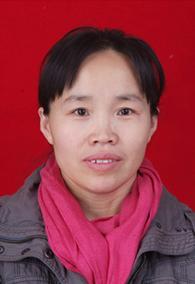 Jiuju Feng (冯九菊)合作论文数College Of Chemistry And Materials Science, Zhejiang Normal University6
 Ai-Jun Wang (王爱军)合作论文数College of Geography and Environmental Sciences, Zhejiang Normal University5
 Lu Yachun合作论文数4
 Jianrong Chen (陈建荣)合作论文数College of Geography and Environmental Sciences, Zhejiang Normal University4
) Jian Yang (杨健)合作论文数College of Energy Engineering, Zhejiang University3
Jian Yang (杨健)合作论文数College of Energy Engineering, Zhejiang University3 Xianting Ding (丁显廷)合作论文数School of Biomedical Engineering, Shanghai Jiao Tong University3
 Liu Dan-Dan合作论文数2
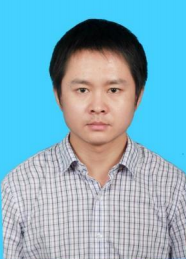 Zhijun Ma (马志军)合作论文数School of Materials Science and Engineering, South China University of Technology2Xuehua Zhan合作论文数1Ning Bao合作论文数1Ya-Cheng Shi合作论文数1Saisai Chen合作论文数1Jia Chen合作论文数1Xiao-Xiao Lin合作论文数1Zhang Shuwen (张淑文)合作论文数1
 matt barnes合作论文数Shining Horizons Land Management1Shumin Cui合作论文数1Jinxing Guo合作论文数1
 Jianjun Ye (叶建军)合作论文数China-EU Institute for Clean and Renewable Energy, Huazhong University of Science & Technology;School of Energy and Power Engineering, Huazhong University of Science and Technology1Suyan Ying (应素燕)合作论文数1
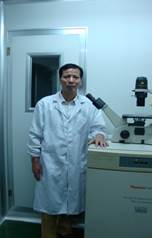 Linxiang Shao (邵邻相)合作论文数College of Chemistry and Life Sciences, Zhejiang Normal University1Ieong Wong合作论文数1




