The goal of patient risk prediction tasks is to predict a patient's future disease or mortality risk based on his/her historical electronic health record (EHR). Most prior works focus on learning patient evolution patterns from longitudinal EHR data, while ignoring the differences in temporal granularity in medical data, resulting in insufficient information exploitation. To address these limitations, we propose the Multi-Granularity Medical Pattern Fusion Network (MGFNet) for patient risk prediction based on temporal data. It learns the evolutionary patterns medical data at different temporal granularities (both at the vital sign-level and visit-level), and introduces gated filtering function and a contrastive learning strategy for multi-granularity fusion, which captures fused information from different temporal granularities and supervises each other to obtain a more effective information representation. In addition, for patients with variable visit lengths, we introduce a soft curriculum learning method to learn these patterns by assigning different weights to medical samples to improve prediction accuracy. The final experimental results demonstrate that MGFNet effectively improves the performance of risk prediction compared with state-of-the-art approaches.
The surge in the number of users and games in online game communities (e.g., Steam) has resulted in significant information overloading. With a vast array of games available, it becomes challenging for users to find ones they like. Existing recommendation methods are mostly designed for the fields of e-commerce and news, leaving the demand for game recommendation under-served. In this paper, we bridge this important gap by proposing the Multimodal contrastive learning with Hyperbolic geometry for KG-based Game Recommendation (McHKGR). Given that game items are multimodal (e.g., visual images, textual captions) and include numerous attributes, we construct a knowledge graph (KG) to store the complex interaction patterns between users and games as well as their multimodal features. Unlike existing methods that rely on Euclidean spaces or modality-agnostic representations, McHKGR encodes modality-specific views in hyperbolic space, enabling more expressive semantic alignment and better preservation of hierarchical user-game structures. Furthermore, we design a user co-occurrence graph with virtual relations based on the number of co-interaction items to enhance user representation. To bridge modality gaps, we also introduce a cross-modal contrastive learning strategy that unifies heterogeneous signals across modalities. Extensive experiments on our constructed real-world dataset Steam and public dataset MovieLens demonstrate that McHKGR outperforms fourteen state-of-the-art baselines, achieving up to 1.83
The goal of the multivariate time series classification task is to classify future time series data based on patterns and characteristics of historical data for prediction and decision making. Recently, as the Spatio-Temporal Graph Neural Network (STGNN) architecture has been increasingly used for Spatio-Temporal modeling, it has attracted many people to apply this framework to time series analysis. However, the Spatio-Temporal architecture still has a lot of room for improvement for time series modeling, especially in solving the Temporal Covariance Shift (TCS) problem and learning a better representation for classification. Additionally, most of the TCS problems and their solutions have been formulated for univariate time series, which, if not taken into account, would substantially degrade model performance. In this paper, we introduce a novel framework called MuPaST, which leverages a Multivariate Temporal Distribution Characterization (MTDC) module to split the time series into several suitable periods. Then we use a domain learning layer to exploit the intrinsic temporal nature and intricate inter-variable relationships. Experimental results demonstrate that our method leads to an increase in performance compared to existing methods evaluated on 26 UEA benchmark datasets. Furthermore, ablation study sheds light on the unique contributions of each component within MuPaST, elucidating its effectiveness in MTSC.
Opensource communities utilize issues to promote knowledge sharing and discussions among developers. However, as the community scales, the number of issues increases dramatically. To ensure efficient circulation of issues and improve issues utilization, it is crucial to recommend appropriate issues to the developers. Nevertheless, developers’ participation in resolving issues varies depending on their levels of expertise, leading to long-tail and cold-start problems. Additionally, interactions between developers and issues exhibit diverse topological modalities, which presents a challenge for existing recommendation models which are often built on a single type of embedding space, leading to suboptimal performance. To capture complex topological information, we propose the cross-space topological contrastive learning for knowledge graph-aware issue recommendation method. It combines different sparse interaction signals from collaborative filtering and knowledge graph information in Euclidean space and hyperbolic space for dual-space information aggregation. By performing intra-space contrastive learning between multi-hop subgraphs within each space, the contribution of CF signals and KG information can be effectively balanced. Cross-space contrastive learning avoids the occurrence of representation shift in a single space. CTCK alleviates the noise generated during KG propagation and increases consistency between the representations in both spaces. Its effectiveness is further enhanced with our proprietary issue knowledge graph (ISSUEKG), which can be used as auxiliary information to alleviate the long-tail problem. Through extensive experiments on a real-world dataset, we demonstrate that CTCK significantly outperforms 12 state-of-the-art baselines, beating the best method by 4.74, 7.36, and 2.86
Transformers based on Self-Attention (SA) mechanism have demonstrated unrivaled superiority in numerous areas. Compared to RNN-based networks, Transformers can learn the temporal dependency representation of an entire sequence in parallel, while efficiently dealing with long-range dependencies. However, the $\mathcal {O}(L^{2})$ ($L$ denotes the length of the sequence) computational complexity of the SA mechanism and the high memory usage make the construction cost of the Transformer-based model prohibitively expensive. To address these challenges, we propose a Transformer-like model, HPformer: Low-Parameter Transformer with Temporal Dependency Hierarchical Propagation. HPformer first chunks the sequence into $K$ ($K = \left\lceil \log {L} \right\rceil + 1$, $\left\lceil \cdot \right\rceil$ denotes ceiling operation) sequence segments, then leverages the hierarchical propagation mechanism with $\mathcal {O}(L)$ computational complexity to learn the temporal dependencies between the segments and within the segments, and ultimately generates $K$ vectors as $Key$ matrices. This reduces the complexity of the SA mechanism from $\mathcal {O}(L^{2})$ to $\mathcal {O}(L\log {L})$. In addition, we employ a strategy of sharing $Key$ and $Value$ matrices between layers to build the HPformer, thus reducing memory usage. Extensive experiments based on public health informatics benchmark and Long-Range Arena (LRA) benchmark have demonstrated that HPformer has advantages over Transformer-based models in terms of memory usage and efficiency.
Abnormal electricity usage detection is the process of discovering and diagnosing abnormal electricity usage behavior by monitoring and analyzing the electricity usage in the power system. How to improve the accuracy of anomaly detection is a popular research topic. Most studies use neural networks for anomaly detection, but ignore the effect of missing electricity data on anomaly detection performance. Missing value completion is an important method to improve the quality of electricity data and to optimize the anomaly detection performance. Moreover, most studies have ignored the potential correlation relationship between spatial features by modeling the temporal features of electricity data. Therefore, this paper proposes an electricity anomaly detection model based on multi-feature fusion and contrastive learning. The model integrates the temporal and spatial features to jointly accomplish electricity anomaly detection. In terms of temporal feature representation learning, an improved bi-directional LSTM is designed to achieve the missing value completion of electricity data, and combined with CNN to capture the electricity consumption behavior patterns in the temporal data. In terms of spatial feature representation learning, GCN and Transformer are used to fully explore the complex correlation relationships among data. In addition, in order to improve the performance of anomaly detection, this paper also designs a gated fusion module and combines the idea of contrastive learning to strengthen the representation ability of electricity data. Finally, we demonstrate through experiments that the method proposed in this paper can effectively improve the performance of electricity behavior anomaly detection.
Deep learning models have been widely applied in the field of long-term forecasting has achieved significant success, with the incorporation of inductive bias such as periodicity to model multi-granularity representations of time series being a commonly employed design approach in forecasting methods. However, existing methods still face challenges related to information redundancy during the extraction of inductive bias and the learning process for multi-granularity features. The presence of redundant information can impede the acquisition of a comprehensive temporal representation by the model, thereby adversely impacting its predictive performance. To address the aforementioned issues, we propose a De-Redundant Multi-Period Hybrid Modeling Network (DPHM-Net) that effectively eliminates redundant information from the series inductive bias extraction mechanism and the multi-granularity series features in the time series representation learning. In DPHM-Net, we propose an efficient time series representation learning process based on a period inductive bias and introduce the concept of de-redundancy among multiple time series into the representation learning process for single time series. Additionally, we design a specialized gated unit to dynamically balance the elimination weights between series features and redundant semantic information. The advanced performance and high efficiency of our method in long-term forecasting tasks against previous state-of-the-art are demonstrated through extensive experiments on real-world datasets.
The software system usually records important runtime information in the log for troubleshooting. Researchers mine large log data for anomalies. Many studies use log data to build deep-learning models for detecting system anomalies. Although progress has been made in log anomaly detection on high-performance computing platforms, it is still difficult to achieve real-time and accurate anomaly detection on mobile devices and Internet of Things devices, as these devices usually do not have high computational power. To solve the above limitations, we propose an efficient log anomaly detection based on dimension reduction and attention aware temporal convolutional network method, namely EfficientLog. The model achieves efficient and accurate log detection in two ways: (1) it reduces the communication cost between mobile devices and cloud computing platforms by reducing the log vector dimension through BERT-whitening, and (2) it detects log anomalies by using the attention aware temporal convolutional network to reduce model testing time and computational consumption. We evaluate the proposed method on two public datasets, and the experimental results show that EfficientLog can outperform existing popular log-based anomaly detection methods in terms of detection accuracy and computational consumption.
At present, the microservice architecture is widely used in modern software development for its flexibility and scalability. However, the huge data scale and complex invocation relationships between services make the root cause localization of faults in microservice systems extremely difficult. Some of the current root cause localization methods based on metrics data use history fault data to effectively improve the localization results, but there are challenges such as not representing history faults effectively and limiting the localization results to repetitive faults that have occurred in history. In this paper, we propose an automatic root cause localization framework MicroHFRCL based on the history fault library to address the above issues. MicroHFRCL constructs an instance causal graph based on metric data for causal analysis. The instance causal graph is weighted by encoding the anomalous subgraph and calculating the similarity of history faults. The PageRank algorithm is used to locate the root cause of faults. Among them, MicroHFRCL learns the structure and feature information of fault anomalous subgraphs through GCN and Transformer models, achieving effective representation of history faults and fast calculation of similarity in history fault codes, improving the efficiency of repetitive fault localization, and effectively solving the problem of the limitation of using history faults for root cause localization results. We implemented MicroHFRCL and tested it on the fault dataset collected by a benchmark microservice test system. Compared with the latest baseline models, MicroHFRCL has significantly improved the localization accuracy, and can also achieve good results in the case of small-scale history faults.
Knowledge graph (KG) has been widely used in the field of recommender systems. There are some nodes in KG that guide the occurrence of interaction behaviors. We call them guided nodes. However, the current application doesn’t take into account the guided nodes in KG. We explore the utility of guided nodes in KG. It is applied in repository recommendations. In this paper, we propose an end-to-end framework, namely Guided Node Graph Convolutional Network (GNGCN), which effectively captures the connections between entities by mining the influence of related nodes. We extract samples of each entity in KG as their guided nodes and then combine the information and bias of the guided nodes when computing the representation of a given entity. The guided nodes can be extended to multiple hops. We evaluate our model on a real-world Github dataset named Github-SKG and music recommendation dataset, and the experimental results show that the method outperforms the recommendation baselines and our model is much lighter than others.
As auxiliary collaborative signals, the entity connectivity and relation semanticity beneath knowledge graph (KG) triples can alleviate the data sparsity and cold-start issues of recommendation tasks. Thus many works consider obtaining user and item representations via information aggregation on graph-structured data within Euclidean space. However, the scale-free graphs (e.g., KGs) inherently exhibit non-Euclidean geometric topologies, such as tree-like and circle-like structures. The existing recommendation models built in a single type of embedding space do not have enough capacity to embrace various geometric patterns, consequently, resulting in suboptimal performance. To address this limitation, we propose a KG-aware recommendation model with mixed-curvature manifolds interaction learning, namely CurvRec. On the one hand, it aims to preserve various global geometric structures in KG with mixed-curvature manifold spaces as the backbone. On the other hand, we integrate Ricci curvature into graph convolutional networks (GCNs) to capture local geometric structural properties when aggregating neighbor nodes. Besides, to exploit the expressive spatial features in KG, we incorporate interaction learning to ensure the geometric message passing between curved manifolds. Specifically, we adopt curvature-aware geodesic distance metrics to maximize the mutual information between Euclidean space and non-Euclidean spaces. Through extensive experiments, we demonstrate that the proposed CurvRec outperforms state-of-the-art baselines.
An online service system may experience various performance faults during operation. Detecting and locating these faults after they occur can significantly impact the user experience and lead to significant losses. Therefore, it is necessary to predict faults before they occur. Existing methods for fault prediction typically only predict the possibility of fault, without providing more granular predictions, such as the type of fault. This can make troubleshooting more difficult for developers. In this paper, we propose a fine-grained fault prediction method called FSFP, which not only predicts the possibility of fault but also identifies the type of fault that may occur. The method initially collects performance monitoring metrics from the runtime system, including two types: normal operation and abnormal conditions. It then utilizes cross-attention to capture the interdependencies between these two types of monitoring metrics, followed by the construction of a multi-label classification model. We evaluated FSFP by injecting faults into a benchmark microservice system. In terms of predicting the possibility of fault, FSFP achieved a precision of 0.999, a recall of 0.998, and an F1 score of 0.999. In terms of predicting the type of fault, FSFP achieved an exact match ratio of 0.955 and a Hamming loss of 0.017. In terms of predicting six specific types of faults, FSFP achieved four optimal F1 scores.
Sequential recommendation (SR) provides personalized contents based on the user’s historical interactions. Previous SR methods focus on introducing temporal signals of interaction sequence into their sequence encoders without exploring the effect of temporal density information on user preferences. To bridge this gap, we propose the Temporal Density-aware Sequential Recommendation Networks with Contrastive Learning (TDSRec). The specifics of our research mainly consist of two parts. First, we integrate temporal density information into sequential recommendation when capturing user preferences. In detail, through our proposed Temporal KDE Module, we map timestamps into temporal density vectors aiming at improving the recommendation performance. Second, we introduce contrastive learning into TDSRec to alleviate the lack of supervised learning signals as a result of sparse user-item interactions. In detail, instead of directly editing the raw sequence, we leverage two base sequence encoders to derive self-supervision signals. In this way, our approach can naturally eliminate the interference of hand-crafted data augmentation strategies on the raw sequence data. Through extensive experiments on five test datasets, we find that our proposed TDSRec outperforms state-of-the-art baselines. NDCG@10 has been improved by 5.1%, 2.9%, 2.1%, 1.9%, and 1.4% on MovieLens, Beauty, Video Games, CDs&Vinyl, and Movies&TV, respectively.
Federated learning is a new type of artificial intelligence technology. During the training process, the client transmits model parameter information instead of local data to ensure their privacy and security. But it also incurs higher communication costs. This article proposes a new federated learning pruning method, FedADP, with the aim of adaptively determining pruning ratios for each layer in each client model without infringing on client privacy, and achieving more accurate pruning effects. Our method not only reduces communication costs during the training process, but also maintains accuracy similar to the original model. We conducted experimental validation using classic models and datasets, and evaluated our scheme and traditional federated learning scheme in terms of model accuracy, communication cost, and computational cost.
Text-to-SQL aims to parse natural language problems into SQL queries, which can provide a simple interface to access large databases enabling SQL novices a quicker entry into databases. As the Text-to-SQL field is intensively studied, more and more models use GNNs to encode heterogeneous graph information in this task, and how to better obtain path information between nodes in database schema heterogeneous graphs and question-database schema heterogeneous graphs will greatly affect the effectiveness of the model parsing. Our work intends to explore the problem of solving the encoding of heterogeneous graph meta-paths in the Text-to-SQL task. Previous approaches usually use multi-layer GNNs to aggregate topological structure information between nodes. However, they ignored the structural information embedded at the edges and also failed to obtain nodes that are not directly connected but can provide contextual information through meta-paths. To solve the above problem, we propose Multi-Hop Relational Graph Attention Network based Text-to-SQL Parsing Model (MHRGATSQL) for learning topological information between nodes while obtaining semantic information embedded in the edge topology. We use multi-hop attention to modify the relational graph attention network to diffuse the attention scores throughout the network, thus increasing the "receptive field" of each layer of RGAT. Experimental results on the large-scale cross-domain Text-to-SQL dataset Spider show that our model obtains an absolute improvement of 1.7% compared to the baseline and alleviates the over-smoothing problem in the deep network model.
The purpose of drug recommendation is to predict the effective and safe drug combinations required for the current visit based on the historical medical data of patients. How to better mine the hidden relationship in the medical data and effectively improve the accuracy of drug recommendation are research hotspots in the medical field. This paper proposes a Collaborative Cross-attention Drug Recommendation model (CCDR) based on patient and medical relationship representations, which mines medical data from two aspects to enhance the representation ability of the model. CCDR obtains patient representation vectors by modeling the patients’ historical sequence data using Bidirectional Gated Recurrent Unit. Meanwhile, CCDR designs a medical graph structure data learning method based on relationship division to better capture the complex association relationships among diagnoses, procedures, and drugs. Finally, the representation capability of the model is enhanced by introducing a collaborative cross-attention mechanism to fuse the information obtained from both medical sequence and graph structure data. The experimental results show that the CCDR model can effectively improve the performance of drug recommendation.
Approaches predicting the results of mutation testing by machine learning have been proposed to reduce the cost of mutation testing. The predictive approaches based on PIE theory and approaches based on natural language have been proposed. However, both PIE-based and natural language-based approaches have disadvantages, leading to a reduction in effectiveness at the test case level prediction. In order to predict at the test case level and improve the effectiveness of prediction, we propose Natural Language and PIE Predictive Mutation Testing (NLPIE-PMT), which combines advantages of PIE-based and natural language-based approaches and predict whether each test case kills each mutant in the cross-version scenario. The experimental results on subjects in Defects4J show that NLPIE-PMT can predict whether each test case kill each mutant with the average F1-score of 0.811, which is 0.135 and 0.046 higher than the PIE-based baseline and the natural language-based baseline respectively. NLPIE-PMT also performs better than the baselines in predicting mutation score.
Session-based recommendation aims to predict the next item based on users’ behavior sequence within a short time. Traditional session-based recommendation models usually assume that there exists only one type of interaction between users and items and fails to consider the impact of multiple types of behaviors. Although some recent studies have proposed to utilize different types of behaviors, they still have some challenges. First, they do not consider the impact of category information on user preferences. Secondly, they do not leverage the complementary information between multiple behaviors. To overcome the above challenges, we propose a novel Category Enhanced Dual View Contrastive Learning ( CaDVCL ) model, which explores the influence of item categories and multiple interaction behaviors on user interests. The model combines category sequence information and item sequence information to learn session representations through an attention mechanism and captures the correlation between different behaviors by maximizing the mutual information of session representations obtained from different behavioral views through contrastive learning. Extensive experiments on two public datasets show that CaDVCL can outperform the state-of-the-art models.
Drug recommendation task based on the deep learning model has been widely studied and applied in the health care field in recent years. However, the accuracy of drug recommendation models still needs to be improved. In addition, the existing recommendation models either give only one recommendation (however, there may be a variety of drug combination options in practice) or can not provide the confidence level of the recommended result. To fill these gaps, a Drug Recommendation model based on Message Propagation neural network (denoted as DRMP) is proposed in this paper. Then, the Drug-Drug Interaction (DDI) knowledge is introduced into the proposed model to reduce the DDI rate in recommended drugs. Finally, the proposed model is extended to Bayesian Neural Network (BNN) to realize multiple recommendations and give the confidence of each recommendation result, so as to provide richer information to help doctors make decisions. Experimental results on public data sets show that the proposed model is superior to the best existing models.
基本医疗保险作为一项治理贫困、促进社会公平正义的重要制度,对于巩固脱贫攻坚成果具有重要意义.基于2018年CFPS数据,采用IV-Probit模型并控制模型存在的内生性问题,探究基本医疗保险对城乡居民的扶贫绩效.结果发现:(1)基本医疗保险对城乡居民扶贫绩效显著.(2)基本医疗保险扶贫绩效存在异质性,对农村、西部地区、老年人等相对弱势群体扶贫绩效更高;然而,基本医疗保险保障水平相对较低,对于重大疾病冲击产生的高额医疗费用,基本医疗保险扶贫绩效有限.因此,应发挥基本医疗保险在防止因病致贫、因病返贫中的作用,同时逐步提高基本医疗保险保障水平和保障范围,对老年人等弱势群体适当倾斜医疗资源,促进社会公平.
 Yuliang Shi (史玉良)合作论文数Research Center of Software and Data Engineering, School of Software Science and Technology, Shandong University25
 Zhongmin Yan (闫中敏)合作论文数Research Center of Software and Data Engineering, School of Software, Shandong University21
 JianHua Wu (吴建华)合作论文数14Ying ZHANG (张颖)合作论文数12
 Zhiyong Chen (陈志勇)合作论文数Research Center of Software and Data Engineering, School of Software Science and Technology, Shandong University12
 Hui Li (李晖)合作论文数Research Center of Software and Data Engineering, School of Software, Shandong University11
 Haiyang Wang (王海洋)合作论文数School of Computer Science and Technology, Shandong University9
 Xiaoguang Hong (洪晓光)合作论文数Research Center of Software and Data Engineering, School of Software, Shandong University9
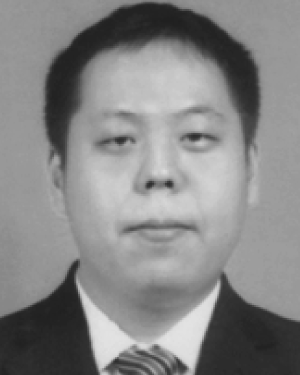 Hongchen Wu (吴泓辰)合作论文数9
 Zhaohui Peng (彭朝晖)合作论文数School of Computer Science and Technology, Shandong University9
 Fanyu Kong (孔凡玉)合作论文数School of Software, Shandong University8
 Lizhen Cui (崔立真)合作论文数School of Software, Shandong University8
 Chao Zheng (郑超)合作论文数School of Materials Science & Engineering, Shandong University8
 Lin Cheng (程林)合作论文数Institute of Thermal Science and Technology, Shandong University8
 Han Yu (于涵)合作论文数College of Computing and Data Science, Nanyang Technological University7Jihu Wang合作论文数Shandong Univ, Sch Software, Jinan, Peoples R China6
 Wei Guo (郭伟)合作论文数Research Center of Software and Data Engineering, School of Software, Shandong University;Joint SDU-NTU Centre for Artificial Intelligence Research6Hua Su合作论文数5
 Kun Zhang合作论文数5Xinyan Huang (黄新艳)合作论文数shandong university5Yu Zhang (张瑜)合作论文数4Zhiyuan Su合作论文数4Yaqiong Song (宋亚琼)合作论文数4
 Qingzhong Li (李庆忠)合作论文数School of Software, Shandong University4ChunLei Han (韩春蕾)合作论文数3
 Qiang Sun (孙强)合作论文数Center for Health Management and Policy Research, School of Public Health, Shandong University3
 Guozhen Ren (任国珍)合作论文数Research Center of Software and Data Engineering, School of Software, Shandong University3
 Shuai Li (李帅)合作论文数School of Control Science and Engineering, Shandong University3
 Lishan Liu (刘立山)合作论文数School of Mathematical Sciences, Qufu Normal University3
 Yang Liu (刘洋)合作论文数山东大学计算机科学与技术学院3Zhigang Gao (高志刚)合作论文数3
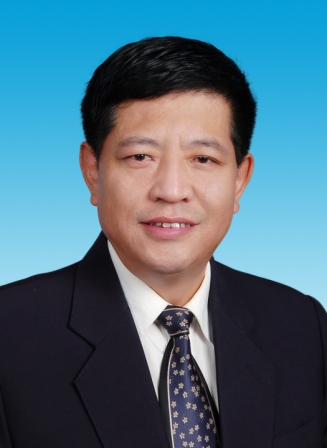 Jingchang Pan (潘景昌)合作论文数School of Airspace Science and Engineering, Shandong University3Kaiyuan Qi合作论文数2Jinxin Zhao合作论文数2Ming LI (李明)合作论文数2Hong LI (李红)合作论文数2Xianshuai Cao合作论文数2Wu Lee合作论文数2Lin Zhao合作论文数2xueyan li (李雪岩)合作论文数2Ying Zhang (张颖)合作论文数2KongLai Zhu (朱孔来)合作论文数2Zheng Wang (王征)合作论文数2Hong Zhao (赵红)合作论文数2
 Huaxiang Zhang (张化祥)合作论文数School of Information Science and Engineering, Shandong Normal University2
 Kejun Zhao (赵科军)合作论文数2
 Hongfeng Sun (孙洪峰)合作论文数School of Data and Computer Science, Shandong Women’s University2Zhan Li (李战)合作论文数2Weiwei Liu (刘玮玮)合作论文数2




