In practical applications of modern industry, the safe and reliable operation of rotating machinery is crucial. However, due to the domain shift problem caused by complex and variable working conditions, the generalization ability of Artificial Intelligence (AI)-based cross-domain fault diagnosis models is challenged. Traditional data-driven models rely on statistical associations and are prone to capturing non-causal spurious correlations, leading to performance degradation under various working conditions. To overcome this limitation, this paper proposes a novel Causal Prototypical Variational Information Bottleneck (CP-VIB) framework. The generation mechanism of vibration signals is modeled as a Structural Causal Model (SCM) to serve as a prior for feature decoupling, cutting off the non-causal confounding paths caused by working condition characteristics. By combining the information bottleneck principle with approximate causal intervention, working condition information is compressed while fault-related causal mutual information is retained. To implement this framework, the classification task is formulated as a Euclidean distance minimization problem between Monte Carlo sampled representations and causal prototypes. Experimental results on multiple datasets containing severe compound working condition shifts demonstrate that this AI diagnostic method can achieve robust fault diagnosis under varying working condition scenarios, possessing practical application value.
Wear-induced degradation is an unavoidable and widespread failure mechanism that significantly impacts the performance of components, especially in microelectromechanical systems (MEMS) like hard disk drives (HDDs). In industry, there is a concurrent desire not only to estimate degradation but also to obtain information regarding the uncertainty associated with these predictions. Neural Processes (NPs) combine neural networks with Gaussian process properties to produce predictions with quantified uncertainty; however, conventional NPs overlook temporal dependencies in wear sequences, limiting their ability to model sequential correlations. To address this, we propose a Physics-Informed Autoregressive Neural Processes (PIARNP) for wear degradation prediction in HDDs. PIARNP captures temporal wear dynamics by embedding a Gated Recurrent Unit (GRU)-based autoregressive mechanism within the NPs framework, forming the Autoregressive Neural Processes (ARNP). Building on ARNP, it integrates two modules derived from Barwell’s degradation equation as physics-informed priors, guiding the model to learn latent representations that are physically consistent. In addition, we introduce time-weighted performance metrics to evaluate the model’s performance from an engineering perspective. Evaluation results show that the proposed model achieves superior performance under multiple metrics, confirming its effectiveness in wear prediction. Furthermore, the distribution of the probabilistic integral transform (PIT) demonstrates the reliability of the proposed model.
In predicting the true remaining useful life (TRUL) of slurry pumps, directly adopting deep learning models faces several limitations: on one hand, the scarcity of degradation data requires the model to be trained and applied in a few-shot setting; on the other hand, due to the significant differences in degradation speed at different life cycles of slurry pumps, using TRUL as the direct label leads to a mismatch in the label ranges of the training and testing datasets, causing issues with label range extrapolation. To address these challenges, we present an innovative Meta-learning Wiener Framework (MW-F). This framework first introduces an adaptive meta-learning network (AMLN) for accurate prediction of the normalized remaining useful life (NRUL) in few-shot scenarios. Predictions from the AMLN are further integrated into a Wiener process-based state space model to track the trend of NRUL changes, deriving the probability density function for the time point at which NRUL first drops to zero, achieving effective estimation of TRUL and quantification of its uncertainty. Experiments on multiple industrial field datasets have verified the efficiency and accuracy of the proposed framework in predicting NRUL and TRUL in 0-shot, few-shot, and cross-machine few-shot scenarios. The results show that MW-F can effectively estimate NRUL and TRUL of slurry pumps in various scenarios, demonstrating its potential and practicality in complex industrial applications. Furthermore, test results on the Commercial Modular Aero-Propulsion System Simulation dataset demonstrate that MW-F is not limited to a specific equipment type and has the potential to serve as a more general RUL prediction tool.
Deep learning-based methods for Remaining Useful Life (RUL) prediction generally suffer from insufficient predictive dynamic stability and generalisation capability under real-world industrial conditions. To address this, this paper proposes the Degradation Manifold Dynamic Consistency Network (DMDCN). We initially define a differentiable embedded degradation manifold as the feature representation space. Addressing the limitation that existing embedding methods do not guarantee temporal evolution consistency, a dynamic consistency learning framework is devised to reframe RUL assessment as a joint inference problem of state estimation and dynamics estimation. Through the introduction of the manifold's local geometric derivatives as the input domain for the dynamics estimator, dynamic consistency between the system's state representation and its intrinsic evolutionary trend is achieved. Subsequently, this deterministic framework is extended to an approximate Bayesian paradigm, enabling uncertainty quantification via variational inference and Kernel Density Estimation. Empirical results on the public C-MAPSS dataset and a real-world industrial slurry pump dataset indicate that DMDCN improves prediction accuracy and dynamic stability compared to baseline models, validating the method's potential for applications in high-reliability industrial scenarios.
Expert-based and AI-based fault diagnosis methods have recently developed rapidly. Expert knowledge can used to more accurately and qualitatively diagnose mechanical faults, while intelligent networks (IN) adaptively learn data correlations without expert input. However, the accuracy of IN's learning and inference behaviors cannot be guaranteed without the expert's diagnostic experience. Without the assistance of IN, experts also cannot handle the increasing volume of big data. This paper addresses this gap by proposing an Expected Attribution Prior-guided Interpretable Framework (EAP-IF) to bridge expert knowledge and IN. Inspired by Expert Diagnostic Logic (EDL), a Disentangle-From-Normal (DFM) architecture is introduced to extract fault information representation in signals. Meanwhile, an expected attribution prior loss is introduced to penalize the improper attribution during learning to guarantee the rightness of network learning and inference. To further interpret network decisions, the framework decodes logical decision rules into more understandable representations. Experiments demonstrate that EAP-IF generalizes EDL across different speeds, loads, and bearings, while also generating terpretable fault information for experts to analyze.
Laser-Directed Energy Deposition (L-DED) has been demonstrated as a promising pathway for fabricating singlecrystal superalloys. However, achieving single track multilayer continuous epitaxial growth remains a formidable challenge due to the complex gas-powder-melt pool multiphase interactions. Existing approaches are often hindered by stray grain formation due to the presence of un-melted powder particles and the complexity thermal histories processes. Moreover, the excessively high computational cost of high-fidelity multiphysics simulations restricts the swift optimization of the process window. To overcome these challenges, this research demonstrates the application of in-situ remelting (ISR) technology in the single-crystal superalloys. By developing a dedicated laser-powder interaction model and a thermal-fluid-solid coupling model, we systematically reveal the regulatory mechanisms of in-situ remelting on thermal gradients, flow characteristics, and stress evolution during single-crystal superalloys fabricate. To address the efficiency bottleneck, a surrogate model based on deep neural networks (ResNet) was developed for the L-DED multi-physics simulation. Key findings demonstrate that the proposed strategy: 1) Eliminates un-melted powder particles interference and optimizes thermal gradients, increasing the single-crystal epitaxial growth zone ratio to over 50 %; 2) Suppresses flow field intensity (>70 % reduction) and vortex effects, thereby mitigating stray grain susceptibility induced by dendrite deflection; and 3) Reduces residual stress in deposited layers by over 25 %, effectively inhibiting high-layer cracking risks. Through this integrated analysis, we establish a robust L-DED process window incorporating flow/stress constraints and achieve the continuous epitaxial growth of a 20-layer DD432 single-crystal superalloy, validated by EBSD.
Remaining Useful Life (RUL) prediction is a critical task in the field of Prognostics and Health Management (PHM). However, in real industrial scenarios, the degradation processes of equipment often lack explicit descriptions through dynamical equations, making it challenging to incorporate physical laws into RUL prediction models. To address this, this paper proposes a Multi-Scale Attention-based Physics-Informed Neural Network (MSAPINN). It employs a Hidden State Mapper (HSM) to infer a differentiable latent state trajectory representing the equipment 's degradation from noisy observations and a Physics-Guided Regulator (PGR) is designed to approximate the implicit nonlinear dynamical operator of the degradation process by learning the nonlinear combination of temporal evolution terms, spatial derivatives, and higher-order derivatives. Furthermore, MSAPINN is extended into an approximate Bayesian framework, integrating Monte Carlo sampling and Kernel Density Estimation (KDE) to achieve uncertainty quantification (UQ) of RUL predictions, providing confidence intervals and probability distributions for RUL predictions. Experiments on real industrial slurry pump data and the CMAPSS public dataset validate the effectiveness and generalization capability of MSAPINN in probabilistic RUL prediction and UQ.
Meshing characteristics are crucial for the transmission performance of vibration noise and strength of gear systems. Gear transmission error has been acknowledged as a prominent excitation in vibration systems, but the surface waviness deviations that directly affect it in contact analysis are generally ignored. This study proposes a comprehensive model for quasi-static analysis of tooth surfaces with waviness error. The model reconstructs the actual tooth surface in reverse based on the gear Fourier measurement principle. Instead of solving the meshing equations to pre-assume contact position, the problem of normal contact between surfaces with deviations is solved by an innovative multiscale grid and a local iterative numerical algorithm. Combining the finite element numerical method and surface integral of the Boussinesq solution determines gear deformation and develops a loaded contact model. The validity of the model is verified through numerical examples. Furthermore, the proposed model is applied to discuss the tooth surfaces with different waviness amplitudes, frequencies, and distribution angles for the first time. It explains the interaction between local microscale and global scale introduced by waviness error on tooth surfaces and reveals the mechanism of the waviness error on meshing performance.
Domain adaptation in fault diagnosis can efficiently handle different data distributions by co-training source and target domain data. However, the source domain data may not be accessible due to privacy or memory issues. An effective solution is to perform unsupervised parameter tuning of the source model using unlabeled target domain data. The focus of this article is to perform unsupervised domain adaptation using the knowledge of multiple pretrained source models in Industrial Internet of Things (IIoT) without accessing source data. Almost all of the current researches in this setting requires tuning the entire backbone network, increasing computing costs as model size or source domains grow. To this end, this article proposes an efficient multidomain knowledge fusion adaptation (EMDKFA) method, applied to source free cross-domain fault diagnosis. Unlike previous methods, this method greatly reduces the number of trainable parameters and saves computational overhead via low-rank reparameterization strategy. To better fuse and transfer multiple pretrained models, we propose an unsupervised domain weight initialization method based on nuclear norm, initially focusing credible source models. Furthermore, the multidomain weighted entropy minimization penalty and noisy label learning are designed to promote correct allocation of target samples. Comprehensive cross-condition and cross-device experiments demonstrate the method's effectiveness.
Unsupervised domain adaptation (UDA), usually trained jointly with labeled source data and unlabeled target data, is widely used to address the problem of lack of labeled data for new operating conditions of rotating machinery. However, due to the expensive storage costs and growing concern about data privacy, source-domain data are often not available, leading to the inapplicability of UDA. How to perform domain adaptation in scenarios without access to the source data has become an urgent problem to be solved. To this end, we propose a robust source-free unsupervised domain adaptation method based on uncertainty measure and adaptive calibration for fault diagnosis. The method only requires the use of the lightweight source model and unlabeled target data, which provides a new possibility to deploy domain adaptation models on resource-limited devices with good protection of data privacy. Specifically, based on proposed channel-level and instance-level uncertainty measures, adaptive calibration of source-domain model knowledge and target-domain risk samples during domain transfer is performed to attenuate the effect of negative transfer. Then, entropy minimization and target-domain diversity loss are introduced to redistribute the target samples and realize domain adaptation. Extensive cross-domain diagnostic experiments on two datasets demonstrate the effectiveness of the proposed method.
To address the ‘domain drift’ issue causing degraded diagnostic model performance under variable operating conditions in diesel engines, this paper proposes an interpretable transfer learning diagnostic framework. Through an innovative four-layer feature engineering system, this framework deeply integrates mechanistic knowledge with data-driven methods, effectively tackling the challenge of ‘operating condition-fault coupling’. Core contributions include: (1) a knowledge-data dual-driven multi-level feature engineering approach embedding physical knowledge into the feature space, enhancing model robustness and interpretability; (2) a progressive transfer strategy based on Maximum Mean Discrepancy (MMD), guiding knowledge transfer sequence by quantifying domain similarity to effectively avoid negative transfer; (3) A unique feature mapping mechanism transforming high-dimensional engineered features into six-dimensional physical features with explicit physical meaning, achieving transparency in model decision-making. Through rigorous leave-one-out cross-validation, this framework elevated the average diagnostic accuracy across diverse operating conditions from 71.94% to 96.24%, while significantly reducing performance fluctuations. This demonstrates its efficacy, generalisation capability, and interpretability within complex scenarios.
Stochastic process-based models are extensively utilized in health assessments and Remaining Useful Life (RUL) predictions of bearings. Nevertheless, bearings in actual operation undergo multiple degradation stages, each characterized by a unique trend of degradation. The application of a singular stochastic process for RUL prediction falls short of achieving optimal performance. Consequently, this paper introduces a multi-stage Wiener process-based approach for the prediction of bearings' RUL. Initially, to address the challenge of imbalanced sample sizes across different degradation stages of bearings, an ensemble learning-based neural network, enhanced by ARIMA Residual Anomaly Detection for identifying bearing degradation stages, is proposed. Subsequently, considering the temporal, unit-to-unit, and nonlinear variabilities of the degradation process at each stage, a Wiener process-based multi-stage degradation model for bearings is developed. A method for parameter estimation and updating, utilizing Kalman filtering and Maximum Likelihood Estimation (K-M), is introduced. Finally, the proposed model is validated using both simulated data and the XJTU-SY bearing dataset. Experimental results from three RUL predictions show that the proposed method outperforms the benchmark model with root mean square error values of 3.61, 2.92 and 7.24, respectively, affirming that the proposed model can precisely classify equipment degradation stages and predict RUL with high accuracy and stability.
The application of multiple sensors significantly enhances the accuracy of industrial fault diagnosis, but existing algorithms are structurally complex and rely heavily on extensive training data. To optimize the efficiency of diagnosis, this article proposes a lightweight time-frequency-statistical domain fusion network. The model comprises three data streams that analyze the time-domain, frequency-domain, and statistical features of vibration signals, employing an improved channel attention mechanism for weighted fusion. In addition, two model-agnostic few-shot enhancement strategies are introduced, aiming to improve accuracy where training samples are scarce by reducing signal sample variations and optimizing the distribution of signals in the feature space. By combining these techniques, the proposed method exhibits superior performance in few-shot learning on two datasets compared to other multisensor fusion methods, while also achieving higher computational speed. The results of this research are of significant importance in enhancing the fault diagnostic capabilities of multisensor systems in practical industrial applications.
With the increasing demand for intelligent and efficient process monitoring in additive manufacturing (AM), multi-sensor data fusion has shown superior anomaly detection accuracy over single-modality sensor systems. However, cross-modal data exhibit substantial differences in feature distributions, presenting challenges for their fusion. To tackle these challenges, this paper proposes an anomaly detection method using multiple sensor modalities, integrating their data via a causal approach. First, a contrastive feature extraction method is introduced to identify anomaly-sensitive features within each sensor modality. Second, causal consistency alignment is utilized to exploit the causal relationships among cross-modal data, thereby facilitating collaborative learning across multi-sensor data during the AM process. Third, a collaborative fusion strategy based on global attention mechanisms using transformers is proposed to adaptively fuse multi-modal features for anomaly detection tasks. Finally, the real fused deposition modeling (FDM) dataset, sourced from an AM dataset platform with multiple sensor modalities, is utilized to validate the effectiveness of the proposed method. The experimental results demonstrate that the proposed method significantly enhances early anomaly detection and the identification of anomalous regions in comparison to existing methods.
Metal-oxide-semiconductor field-effect transistors (MOSFETs) are the core components of electronic devices. Implementing effective and accurate remaining useful life (RUL) prediction for such electronic devices is crucial for achieving prognostics and health management (PHM). Therefore, this study establishes a power cycling accelerated aging experimental platform based on constant junction temperature fluctuation, using the change in on-state voltage as the performance degradation indicator for RUL prediction. Subsequently, to make full use of historical data for MOSFET devices RUL prediction under partial information, a novel hybrid prediction framework, combining linear multi-fractional Levy stable motion (LMSM), gated recurrent unit (GRU), and transfer learning (TL), named GRU-TL-LMSM (GTLMSM) is proposed. In this framework, a degradation model based on LMSM is constructed to describe the long-range dependence, nonlinearity, multi-fractal, and incremental non-Gaussian distribution characteristics of the MOSFET degradation sequence. Unlike most stochastic process methods, to achieve adaptive fitting of the degradation trend and make full use of historical data under current partial information conditions, a degradation trend fitting method combining GRU network with similarity-based transfer learning is proposed. In this process, the optimal historical degradation trend similarity measurement method is constructed by combining dynamic time warping (DTW) and Wasserstein distance. By incrementally representing the degradation process of GTLMSM, the predicted RUL and corresponding probability density function (PDF) are obtained using Monte Carlo (MC) methods. The effectiveness and accuracy of the proposed prediction model for MOSFETs devices RUL prediction are validated through comparisons with existing methods and two datasets.
As a medium of information exchange between the network world and the physical world, the reliability of consumer electronics has been widely concerned by researchers. Maintenance support based on remaining useful life (RUL) prediction is an important means to protect consumer electronics. However, most existing deep learning-based RUL prognostic methods can only perform point prediction of RUL by simply establishing a regression mapping between monitoring data and RUL. The lack of quantifying the uncertainty of prediction and measuring the confidence of the prediction model in decision-making makes these existing methods unreliable to maintenance activities. To this end, this paper proposes a probabilistic deep learning-based RUL prediction method via Bayes by Backprop. In this method, a deep convolutional neural network is integrated with a bidirectional gated recurrent network to explore long-term dependence and nonlinear mapping relationship in degraded time-sequence data. A reparameterization strategy is derived to endow the neural network with varying weights based on Bayesian variational inference to capture epistemic uncertainty in prediction. In addition, l1 norm penalty is used as a constraint of variational loss function to make the network sparse and reduce the computational cost. The effectiveness of the proposed method is verified on hard disk datasets.
Power semiconductor devices, particularly MOSFETs, serve as critical components in contemporary electronic systems. Accurate prediction of their remaining useful life (RUL) is therefore essential for enhancing both the technical and economic value of remanufacturing processes. However, current efforts to predict the RUL of these devices are hindered by limited accuracy in capturing their nonlinear degradation behavior. To overcome this limitation, an experimental framework is first developed. A power cycle accelerated aging platform, operating under controlled constant-amplitude case temperature fluctuations, is employed to collect degradation parameter data. The variation in on-state voltage is selected as the indicator for RUL prediction. Based on the experimental data, a novel RUL prediction model, referred to as WMA-DELM, is proposed. In this model, the Deep Extreme Learning Machine (DELM) is optimized using the Whale Migrating Algorithm (WMA). The predictive performance of the WMA-DELM model is validated through comparative analysis with experimental datasets and alternative predictive approaches. The results confirm the model’s effectiveness and demonstrate its potential application in RUL estimation for MOSFETs. This methodology provides a reliable and practical solution for advancing reliability assessment in power electronic systems.
 Yanyang Zi (訾艳阳)合作论文数Institute of Intelligent Diagnosis and Control for Equipment, School of Mechanical Engineering, Xi'an Jiaotong University28
 Mingquan Zhang合作论文数26
 Kwok Tsui合作论文数Department of Industrial, Manufacturing, and Systems Engineering, The University of Texas at Arlington19
 Yizhen Peng (彭一真)合作论文数College of Mechanical and Vehicle Engineering, Chongqing University18
 Shujie Liu (刘淑杰)合作论文数School of Mechanical Engineering, Dalian University of Technology13
 Tommy Wai-Shing Chow (周偉誠)合作论文数Department of Electronic Engineering, College of Engineering, City University of Hong Kong13
 Xiongfei Wei合作论文数12Geng-shuo LIU (刘耕硕)合作论文数10Shuai Lv合作论文数9
 Junwei Gu合作论文数7
 Ang Yang合作论文数Sch Data Sci, City Univ Hong Kong6
 Shuai Wang合作论文数Chinese Academy of Sciences, Wuhan Institute of Virology Chinese Academy of Sciences6
 Xiaohang Jin合作论文数City University of Hong Kong, City University of Hong Kong6Yanzhuo Lin合作论文数5
 Fan Zhang (张凡)合作论文数School of Electric Power, Civil Engineering and Architecture, Shanxi University5Shengxiang Chen合作论文数5
 Baotong Li (李宝童)合作论文数School of Mechanical Engineering, Xi'an Jiao Tong University5
 Michael Pecht合作论文数Center for Advanced Life Cycle Engineering, A. James Clark School of Engineering, University of Maryland;Maryland Energy Innovation Institute, University of Maryland5
 Hongrui Cao (曹宏瑞)合作论文数School of Mechanical Engineering, Xi'an Jiaotong University4Liang, X.合作论文数4
 Guochao Wang合作论文数4
 Hongkun Li (李宏坤)合作论文数School of Mechanical Engineering, Dalian University of Technology4
 Tianwei Lai (赖天伟)合作论文数School of Energy and Power Engineering, Xi'an Jiaotong University4
 Yu Hou (侯予)合作论文数School of Energy and Power Engineering, Xi'an Jiaotong University4
 Bin Zhang合作论文数Department of Electrical Engineering, Molinaroli College of Engineering and Computing, University of South Carolina4
 Ying Yang (杨莹)合作论文数College of Engineering, Peking University4
 Zhengjia He (何正嘉)合作论文数School of Mechanical Engineering, Xi'an Jiaotong University4Eden Ma合作论文数Department of Computer Science and Engineering, The Chinese University of Hong Kong4
 Haijun Zhang (张海军)合作论文数Harbin Institute of Technology, Shenzhen4Wenjian Lu合作论文数3
 Linlin Kou合作论文数Beijing Jiaotong Univ, State Key Lab Rail Traff Control & Safety, Beijing, Peoples R China3
 Xiaojie Sun合作论文数3
 Shan Jiang合作论文数3
 Jin Xu (徐进)合作论文数School of Life Science and Technology, Xi'an Jiaotong University;Key Laboratory of Biomedical Information, Xi'an Jiaotong University3
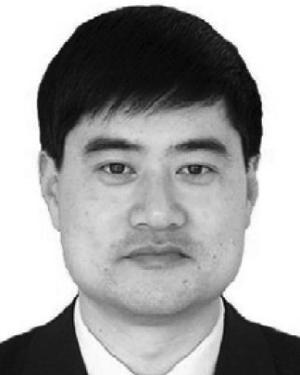 Jinsong Du合作论文数3
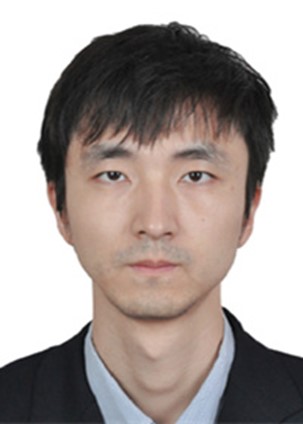 Yu Guo (郭宇)合作论文数College of Artificial Intelligence, Xi'an Jiaotong University3Bin Liu合作论文数3
 Jinglong Chen (陈景龙)合作论文数State Key Laboratory for Manufacturing Systems Engineering, Xi'an Jiaotong University;School of Mechanical Engineering, Xi'an Jiaotong University3
 Weiwei Liu (刘伟嵬)合作论文数School of Mechanical Engineering, Dalian University of Technology3
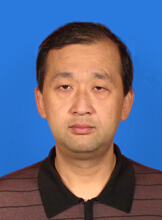 Wei Li (李卫)合作论文数Xi'an Jiaotong University3
 Wentao Mao合作论文数Henan Normal University, Henan Normal University3Fang-Ning Pang合作论文数2Yunpeng Teng合作论文数2Jinquan Jiang合作论文数2
 Zhenyi Chen (陈禛怡)合作论文数School of Mechanical Engineering, Xi'an Jiaotong University2
 Wei Wang (王伟)合作论文数Shenyang Institute of Automation, Chinese Academy of Sciences2Peng Yang合作论文数2
 Yong Ruan合作论文数2
 Yanxu Liu合作论文数2




