A series of semaglutide-loaded sustained-release formulations is developed using thermosensitive hydrogel as the release system. Micro-needle jet injection (MNJI) devices are used to deliver the highly viscous material and achieve a desired dispersion at delivery. Physicochemical properties, in vitro drug release behavior, and biocompatibility are systematically characterized. Therapeutic efficacy is evaluated in DIO rats, with non-sustained formulation as control to assess efficacy and sustainability. P407-based hydrogel has temperature-dependent sol-gel transition: at low temperature it is injectable, while at body temperature it becomes a solid gel to restrict semaglutide release. Drug incorporation did not interfere with this property. MNJI devices effectively delivered the formulation with consistency and showed favorable safety without severe inflammation. The system prolonged half-life to 15 h, extended Tmax from 8 to 24 h, and maintained effective levels to day 6. In DIO rats, GT10 50 achieved continuous weight loss over 20 days, overcoming the plateau of non-sustained formulations. Serum assays revealed significant reductions in TC (p < 0.01), ALT (p < 0.05), and AST (p < 0.01), indicating improved dyslipidemia and liver injury. Glucose tolerance tests confirmed alleviation of hyperglycemia without hypoglycemia. This study provides a strategy for obesity management with good efficacy and improved compliance via reduced dosing.
Hydrogen sulfide (H2S) is involved in diverse physiological processes as a signaling molecule and serves in food safety monitoring as an indicator of spoilage, while its accurate detection remains challenging owing to the low concentrations and sample complexity in the real world. Here, we report a novel photoactivatable fluorescent probe, Fl-F-Me, for H2S detection based on a nucleophilic reaction mechanism. Validated by single-crystal X-ray diffraction, this probe incorporates oxymethyl fluorescein, a fluorescein derivative with unconventional structure, as the fluorophore and pentafluorobenzenesulfonyl (PFBS), traditionally used for H2O2 detection, as the H2S recognition unit. Upon activation with 365 nm ultraviolet (UV) irradiation, Fl-F-Me exhibits excellent selectivity for H2S, anti-interference capability, rapid response in 7 min, and physiologically applicable sensitivity with a limit of detection (LOD) of 0.026 μM and a limit of quantitation (LOQ) of 0.086 μM over a pH range of 5 to 11. It has been successfully applied to quantify H2S levels in food and water samples, reveal H2S production in plant cells as a response to aluminum stress, and visualize endogenous and exogenous H2S dynamics in larval and adult zebrafish. These findings highlight Fl-F-Me as a versatile H2S sensor with promising applications in agricultural production, food industry, and biomedical research.
The rational design of small molecules is central to drug discovery, yet current artificial intelligence (AI) methodologies for generating three-dimensional (3D) molecules are often siloed, focusing on either de novo design or fragment-based design. The lack of a holistic framework limits AI’s application across the complex and multi-step pipeline spanning from novel scaffold identification to lead compound optimization, and prevents AI from effectively learning from the entire process. Here, we introduce UniLingo3DMol, a language model for 3D molecular generation, empowered by fragment permutation-capable molecular representation alongside multi-stage and multi-task training strategy. This integrated design enables UniLingo3DMol to seamlessly span both de novo and fragment-retained molecular design, demonstrating superior performance over existing generation models in in silico evaluations across more than 100 diverse biological targets. We further leveraged UniLingo3DMol in the design of inhibitors targeting CBL-B, a crucial immune E3 ubiquitin ligase and attractive immunotherapy target. This strategy led to a lead compound demonstrating excellent in vitro activity and robust in vivo anti-tumor efficacy. Our findings establish UniLingo3DMol as a generalized and powerful platform, showing the strong potential to advance AI-driven drug discovery.
Bone metastasis in breast cancer remains a major therapeutic challenge because current osteoclast-targeted therapies do not fully disrupt the tumor-bone vicious cycle. Osteocytes, the most abundant bone cells, are increasingly recognized as key regulators of bone-tumor crosstalk. Previous work has shown that osteocyte-specific overexpression of the Wnt co-receptor LRP5 inhibits breast cancer-induced osteolysis and generates conditioned medium (CM) with tumor-suppressive activity. Proteomic analysis identified LIM domain and actin-binding protein 1 (LIMA1) as a central mediator that interacts with Myosin Vb (MYO5B), suggesting the role of the LIMA1/MYO5B regulatory axis. This study demonstrates that CM derived from LRP5-overexpressing osteocytes suppresses EO771 breast cancer cell proliferation, migration, and invasion, and downregulates tumor-promoting proteins, including MMP9, Snail, IL-6, and TGF-β1, while upregulating the apoptosis-related protein cleaved caspase-3. These effects were largely reversed by knockdown of LIMA1 or MYO5B. In syngeneic mouse models of mammary tumors and bone metastasis, systemic administration of LRP5-overexpressing osteocyte-derived CM reduced tumor burden and osteolytic bone destruction, whereas genetic knockdown of LIMA1 in osteocytes or MYO5B in tumor cells abrogated these protective effects. Collectively, these findings indicate that LRP5 activation in osteocytes engages the LIMA1/MYO5B signaling axis that inhibits breast cancer progression and osteolysis, disrupts tumor-stromal interactions, and restores bone-tumor homeostasis, thereby providing a potential therapeutic strategy to break the vicious cycle of bone metastasis in breast cancer.
Purpose: Due to the lack of effective local therapeutic strategies for oral squamous cell carcinoma (OSCC), this study aimed to develop a novel gelatin/lignin hydrogel loaded with mesenchymal stem cell (MSC)-derived exosomes enriched in microRNA-185 (miR-185 EV) for intraoral delivery, followed by systematic evaluation of its therapeutic efficacy and underlying molecular mechanisms. Materials and Methods: The gelatin/lignin hydrogel was prepared and subsequently loaded with miR-185 EV. The physicochemical properties of the hydrogel, including microstructure, swelling behavior, chemical composition, and rheological characteristics, were systematically evaluated. Next, the stability, viscosity, biocompatibility, and exosome release kinetics of the hydrogel were further assessed. A 4-nitroquinoline-1-oxide (4NQO)-induced mouse tongue carcinogenesis model was established to assess the in vivo antitumor activity of the hydrogel via intraoral administration. Moreover, a proteomic analysis was conducted to investigate the molecular mechanisms of miR-185 EV on OSCC. Results: The miR-185 EV-loaded gelatin/lignin hydrogel exhibited favorable physicochemical properties, stability, and biocompatibility while prolonging the tissue retention time of miR-185 EV. In vivo antitumor efficacy experiments showed that the miR-185 EV-loaded hydrogel significantly inhibited tumor occurrence and alleviated epithelial dysplasia. Immunohistochemical analyses revealed significant suppression of tumor proliferation and epithelial-mesenchymal transition (EMT) of the hydrogel. Proteomic analysis indicated that miR-185 EV suppressed OSCC progression by downregulating interleukin-1β (IL-1β), consequently inhibiting the NF-κB signaling pathway. Conclusion: The findings demonstrate the successful development of the miR-185 EV-loaded gelatin/lignin hydrogel that represents an effective nanomedicine platform for intraoral drug delivery, providing a promising strategy for the clinical treatment of OSCC.
Generating molecules that simultaneously achieve optimal 3D pocket-binding conformations and chemically plausible topologies remains a central challenge in AI for Structure-Based Drug Design. Graph-based models excel in SE(3)-equivariant spatial reasoning but often struggle to ensure chemical validity, whereas language models capture discrete chemical syntax yet lack 3D spatial understanding. Here we introduce SE3-BiLingoMol, an SE(3)-equivariant language model for pocket-aware 3D ligand de novo generation and fragment-guided optimization. Built upon Geometric Algebra Transformers and a fragment-aware SMILES representation, our model enables SE(3)-equivariant modeling of continuous 3D geometry while ensuring chemically valid molecular topologies. To counteract cumulative 3D conformational errors inherent to autoregressive generation, we developed a bidirectional attention-based self-refinement mechanism as a key architectural component of SE3-BiLingoMol. Our model achieves state-of-the-art performance in an in-silico evaluation across over 100 diverse targets. Critically, application of SE3-BiLingoMol led to the discovery of a novel tetracyclic HPK1 inhibitor showing potent in vitro activity and robust in vivo anti-tumor efficacy. This work demonstrates a powerful and practical generative AI framework for accelerating structure-based drug design.
Aim: To develop a bioengineered nanomedicine integrating vascular regeneration and nitric oxide modulation for precision therapy of myocardial ischemia/reperfusion (I/R) injury. Materials and Methods: The nanomedicine (A-M@P-Q) was synthesized through mesoporous polydopamine/polydopamine (mPDA/PDA) coordination, functionalized with VEGF receptor (VEGFR)-targeting peptide (QK), and loaded with l-arginine. Therapeutic validation incorporated cellular hypoxia/reoxygenation (H/R) models and murine myocardial ischemia/reperfusion (I/R) studies, supported by in vivo biodistribution tracking and biosafety evaluation. Results: The A-M@P-Q nanomedicine demonstrated dual therapeutic efficacy: QK peptide promoted angiogenesis via VEGFR2 (Kdr) activation, while l-arginine restored NO homeostasis. In vitro studies revealed that both M@P-Q and A-M@P-Q enhanced NO production, downregulated cellular and mitochondrial ROS level, improved mitochondrial function, inhibited cell apoptosis, and promoted angiogenesis in H/R-triggered endothelial cells; however, A-M@P-Q exerted a stronger effect. Short-term in vivo studies found that A-M@P-Q enhanced phosphor-Kdr and NO level, inhibited cell apoptosis, and promoted early angiogenesis in myocardial I/R mice. Biodistribution study confirmed Kdr-targeted accumulation of M@P-Q nanoparticles in the infarcted myocardium. Systemic biocompatibility study showed negligible toxicity of the nanomedicine. Conclusion: This bifunctional nanosystem A-M@P-Q pioneers a coordinated therapeutic paradigm synchronizing neovascularization with NO promotion, establishing a clinically translatable strategy for I/R injury management through targeted myocardial repair.
The 7-oxa-2-azabicyclo[3.2.1]octane framework serves as a key structural motif in bioactive natural products, some of whose natural sources were historically used in traditional remedies. Despite this significance, synthetic routes, particularly enantioselective ones, remain highly underdeveloped, limiting broader pharmaceutical exploration. To address this issue, we report a novel organocatalyzed approach enabling highly diastereo- and enantioselective access to related 7-oxa-2-azabicyclo[3.2.1]oct-3-ene cores with modifiable C-C double bonds. This method exhibits broad functional group compatibility, efficiently generating diverse, multifunctional chiral bicyclic products. Successful chirality-preserving transformations into complex polycyclic and fused systems highlight the strategy's synthetic value for accessing drug-like scaffolds. Mechanistic investigations including DFT calculations provide valuable insight into the reaction pathway governing stereoselectivity control. This work significantly expands the accessible chemical space of chiral bicyclic N,O-acetals and establishes a reliable platform for synthesizing enantiopure bridged bicycles.
Oral squamous cell carcinoma (OSCC) features an immunosuppressive tumor microenvironment (TME) that compromises current therapies. While inducing pyroptosis ignites antitumor immunity, tumor cells resist this by exploiting endosomal sorting complex required for transport (ESCRT)-mediated membrane repair. To address this challenge, we construct a pH-responsive injectable hydrogel (GOCY) based on oxidized dextran and gelatin crosslinked via Schiff base, co-delivering the ESCRT inhibitor YM201636 and biomimetic triptolide-loaded liposomes (CLip). After intratumoral administration and in situ gelation, GOCY degrades in the acidic TME to release its payload. Mechanistically, CLip triggers GSDME-mediated pyroptosis, while YM201636 blocks ESCRTmediated membrane repair, synergistically intensifying pyroptosis. In an orthotopic OSCC model, GOCY provokes massive pyroptosis and damage-associated molecular patterns (DAMPs) release. This drives proinflammatory M1 macrophage repolarization and dendritic cell maturation to enhance cytotoxic CD8+ T-cell infiltration, ultimately reconfiguring the TME and achieving efficient tumor eradication. Collectively, this work establishes a hydrogel-driven strategy for immune reprogramming and offers a rational design framework to overcome immune tolerance in OSCC.
Background: Diabetic wound healing is hampered by persistent inflammation and excessive neutrophil extracellular traps (NET) formation. Peptidylarginine deiminase 4 (PAD4) is a key enzyme driving this pathology. This study developed a thermosensitive chitosan/β-glycerophosphate hydrogel for the local delivery of a novel PAD4 inhibitor, YJ-2, to promote diabetic wound repair. Methods: A YJ-2-loaded hydrogel (CGY) was synthesized and characterized. In vitro studies used HaCaT cells and macrophages to assess proliferation, migration, NETs (via H3cit), and polarization. Efficacy was evaluated in diabetic C57 mouse wound models. Results: CGY exhibited temperature-sensitive gelation and sustained YJ-2 release. In vitro, YJ-2 inhibited NETs formation, reduced pro-inflammatory markers, promoted HaCaT migration, and induced M2 macrophage polarization. In vivo, CGY treatment significantly accelerated wound closure. Conclusions: Local hydrogel delivery of the PAD4 inhibitor YJ-2 effectively mitigates inflammation and NETs, promoting healing in diabetic wounds. This strategy represents a promising targeted therapy for diabetic wounds.
Triple-negative breast cancer (TNBC) is an aggressive type of cancer with high metastatic potential and poor clinical outcomes. Although cisplatin remains a widely used first-line therapeutic agent, its lack of tumor selectivity and its propensity to induce severe systemic toxicity severely compromise its real-world efficacy. This study designed and synthesized a novel self-assembled flavonoid-Pt(IV) prodrug (FLP) as a multimodal therapeutic against TNBC. FLP spontaneously assembled into uniform nanospheres with a hydrodynamic diameter of 150 nm, significantly enhancing cellular uptake and tumor-targeted accumulation. FLP exhibited potent cytotoxicity with IC50 values ranging from 3.17 to 15.90 µM, substantially outperforming DFLP and cisplatin. Upon cellular internalization, reduction of the Pt(IV) scaffold consumed intracellular glutathione (GSH), directly disrupting redox homeostasis. This GSH depletion led to the inactivation of glutathione peroxidase 4 and triggered lipid peroxidation cascades, inducing ferroptosis. Concurrently, lipid peroxidation products and intracellular components released during ferroptosis served as damage-associated molecular patterns, activating immunogenic cell death (ICD). The flavonoid moiety further amplified oxidative stress, synergizing with the GSH-depleting property of the Pt(IV) scaffold. In vivo studies in a 4T1 orthotopic breast tumor model revealed that FLP achieved a tumor growth inhibition rate of 65.93
Objective To investigate the efficacy of needle-free injection(NFIT)through cervical lymph nodes as a novel strategy for drug delivery into the brain,and compare its efficiency for different drugs.Methods Using Evans blue as an injectant in vitro,the differences in drug diffusion between NFIT and needle-dependent injection were studied.By using sodium fluorescein as an injectant in vivo,the tissue distribution of sodium fluorescein in mice over time was evaluated after injection by different means before the dynamic changes of drug accumulation in the brain and lymphatic tissues were observed.Three representative drugs-cyanine5.5(Cy5.5,a small molecule compound),Cy5.5-bovine serum albumin(Cy5.5-BSA,a protein drug),and Cy5.5-hyaluronic acid(Cy5.5-HA,a high molecular weight polymer)were used to evaluate the brain delivery efficiency of different drugs via NFIT.Results In vitro diffusion experiments found a more rapid and uniform diffusion of drugs after NFIT while in vivo experiments showed that the delivery efficiency of fluorescein sodium through intracervical lymphatic NFIT was significantly higher in the cortex and hippocampus of mice than with traditional injection methods.A comparison of three representative drugs confirmed that intracervical lymphatic NFIT was an effective way to deliver small molecule compounds and protein drugs to the brain,but was not workable for polymers of high molecular mass.Conclusion Intracervical lymphatic NFIT can efficiently mediate the brain delivery of small molecules and protein drugs,which promises to be a drug delivery method for the application of such drugs to the brain.
Recent advancements in artificial intelligence (AI) have revolutionized the field of 3D molecule generation. However, the lack of effective evaluation methods for 3D conformations limits further improvements. Current techniques, in order to achieve the necessary speed for evaluating large number of AI-generated molecules, often rely on empirical geometric metrics that do not adequately capture various conformational anomalies, or on molecular mechanics energy metrics that exhibit low accuracy and lack atomic or torsional details. To address this gap, we propose a two-stage approach that achieves both high speed and quantum mechanical level accuracy. The first stage, termed the validity test, employs an AI-derived force field to identify atoms with elevated energy resulting from implausible neighboring environments. The second stage, known as the rationality test, utilizes a deep learning network trained on data with density functional theory accuracy to detect rotatable bonds with high torsional energies. To demonstrate the functionality of our evaluation system, we applied our approach to five recently reported 3D molecule generation AI models across 102 targets in Directory of Useful Decoys-Enhanced dataset. To facilitate accessibility for the academic community, our method is available as an open-source package.
The 2,7-dioxabicyclo[3.2.1]octane scaffold is a novel and pivotal structural motif found in many natural products and bioactive compounds. Despite its significance, efficient synthetic routes to this framework still remain underdeveloped. Herein, a Br & oslash;nsted acid catalyzed strategy enabling concise, highly stereo- and chemoselective synthesis of the 2,7-dioxabicyclo[3.2.1]octane scaffold from gamma-hydroxy enones with phenolic compounds and other enol partners using simple hydrochloric acid as the catalyst is reported. In this strategy, HCl might act as a bifunctional catalyst to suppress competing furan formation via alpha-addition to selectively generate the bridged ketal product. Utilizing this approach, a series of polysubstituted 2,7-dioxabicyclo[3.2.1]octanes were successfully synthesized, showcasing its broad substrate scope and functional group compatibility. Mechanistic studies support HCl's dual role in carbonyl activation by acidic proton and nucleophilic 1,4-addition ensured by chloride anion to afford the key 2,5-dihydrofuran-2-ol intermediate. Further stability test validated the scaffold's robustness, and bioactivity test disclosed an anti-proliferative activity against 4T1 cells in vitro with compound 3da showing an IC50 of 35.15 +/- 0.78 mu M. These findings motivate the ongoing design and application of ketal-bridged scaffolds in a more concise and efficient manner.
Triple-negative breast cancer (TNBC) remains challenging to treat because of its aggressiveness and poor response to chemotherapy. Although cisplatin is clinically used for TNBC, its therapeutic window is narrow due to severe systemic toxicity and rapid development of drug resistance, underscoring the need for new strategies. To address this, we developed LMCDPS, a molecular language-model platform that learns the structural grammar of natural compounds, predicts their compatibility for co-assembly with cisplatin, and uniquely traces active small molecules back to their botanical origins. Using LMCDPS, we identified persimmon leaf-derived flavonoids as optimal cisplatin partners and confirmed their ability to spontaneously form stable, excipient-free nanoparticles (PLF-Cis NPs) via π-π interaction and hydrogen bonding. These nanoparticles eliminate synthetic carriers, reduce impurities in crude extracts, and substantially enhance tumor delivery, achieving an 11.3-fold increase in intracellular platinum accumulation. PLF-Cis NPs exert potent anti-TNBC activity by coordinating cisplatin-induced apoptosis, flavonoid-mediated ferroptosis, and immunogenic cell death, thereby promoting dendritic-cell maturation and robust CD8+ T-cell infiltration. In an orthotopic 4T1 model, they achieved a 71.5% reduction in tumor growth. This study establishes a language-model-driven framework for designing natural product-based, excipient-free nanomedicines, offering a scalable path to enhance chemotherapy while mitigating systemic toxicity.
The rational design of small molecules is central to drug discovery, yet current artificial intelligence (AI) methodologies for generating three-dimensional (3D) molecules are often siloed, focusing on either de novo design or fragment-based design. The lack of a holistic framework limits AI’s application across the complex and multi-step pipeline spanning from novel scaffold identification to lead compound optimization, and prevents AI from effectively learning from the entire process. Here, we introduce UniLingo3DMol, a language model for 3D molecular generation, empowered by fragment permutation-capable molecular representation alongside multi-stage and multi-task training strategy. This integrated design enables UniLingo3DMol to seamlessly span both de novo and fragment-retained molecular design, demonstrating superior performance over existing generation models in in silico evaluations across more than 100 diverse biological targets. Moreover, its 3D language model formulation also enables order-of-magnitude faster inference than existing generation models. We further leveraged UniLingo3DMol in the design of inhibitors targeting CBL-B, a crucial immune E3 ubiquitin ligase and attractive immunotherapy target. This strategy led to a lead compound demonstrating excellent in vitro activity and robust in vivo anti-tumor efficacy. Our findings establish UniLingo3DMol as a generalized and powerful platform, showing the strong potential to advance AI-driven drug discovery.
Most tumors, such as >90% of pancreatic ductal adenocarcinoma (PDAC) and > 50% of triple-negative breast cancer (TNBC), are immunosuppressive, which are known as cold tumors and derive little benefit from emerging therapies. A photodynamic nanoparticle JFCN was developed to enable cold tumors to profit by immunotherapy, targeted extracellular matrix (ECM) modulation, and photodynamic therapy (PDT) simultaneously. To be more effective in forming three-component nanoparticle, an AI-driven-designed programmed cell death ligand-1 (PD-L1) inhibitor J30 was customized efficiently to self-assemble with photosensitizer Ce6 and fibroblast activation protein (FAP) inhibitor UAMC-1110. Contributed to passive targeting of nanoparticle and active targeting of FAP & PD-L1, JFCN demonstrated precise accumulation at the tumor site and achieved robust inhibition of tumor growth (TGI >85%) in both orthotopic 4 T1 TNBC model and PADC model (co-implanting Panc02+ NIH3T3 cells). The extracellular matrix (ECM) was remolded by reducing FAP, TGF-β and CXCL12, accompanied with photodynamic-induced immunogenic cell death (ICD) effect, which promoted the infiltration of oxygen and T cells, thereby facilitating PDT and immunotherapy. In addition, JFCN effectively counteracts the upregulation of PD-L1 induced by PDT to overcome adaptive immune resistance. Overall, JFCN, an AI-driven, de novo designed all-in-one nanoplatform, provides a new sight for the refractory cold tumor.
Hydroxysteroid 11-beta dehydrogenase 1 (11β-HSD1) plays a critical role in metabolic homeostasis by catalyzing the intracellular conversion of cortisone to cortisol. Dysregulated 11β-HSD1 activity is closely associated with metabolic disorders such as type 2 diabetes mellitus, obesity, and glucocorticoid-related inflammation. While small-molecule inhibitors of 11β-HSD1 have shown promise, they primarily suppress enzymatic activity without modulating protein abundance. Here, we report the development of the 11β-HSD1-targeting PROTAC degraders. A series of bifunctional molecules were synthesized based on CRBN- and VHL-recruiting ligands, with AZD8329-derived warheads linked via polyethylene glycol chains. Cellular assays demonstrated efficient, ubiquitin-proteasome-dependent degradation of 11β-HSD1, with H-3-V identified as the most potent degrader. In vivo, H-3-V treatment improved glucose tolerance and enhanced glucose-stimulated insulin secretion in a high-fat diet-induced T2DM mouse model. Molecular dynamics simulations revealed that the H-3-V ternary complex exhibited superior binding energy compared to less active analogs. Collectively, this study introduces a novel chemical modality for 11β-HSD1 modulation and lays the groundwork for future therapeutic development targeting metabolic diseases via protein degradation.
AIMS:To evaluate the neuroprotective potential of YJ-2, a novel peptidylarginine deiminase 4 (PAD4) inhibitor, against ischemia/reperfusion brain injury by targeting neutrophil extracellular trap (NET) formation. METHODS:In vitro, a NETs-induced injury model was established using SH-SY5Y and bEnd.3 cells. YJ-2's effects on viability, apoptosis, oxidative stress, and barrier permeability were assessed via CCK-8, flow cytometry, and FITC-dextran assays. In vivo, a rat middle cerebral artery occlusion/reperfusion (MCAO/R) model received YJ-2 (10 μmol/kg) intravenously. Outcomes included infarct volume (TTC staining), neurological score, neuronal apoptosis (TUNEL), and oxidative markers (ELISA). PAD4 activity and histone H3 citrullination (H3cit) were examined by western blot and immunofluorescence. RESULTS:YJ-2 reduced NET-mediated neuronal death and oxidative stress in vitro, and improved endothelial barrier integrity. In MCAO/R rats, YJ-2 significantly lowered infarct volume (44.2% → 30.6%), improved neurological function, and suppressed apoptosis. It also decreased PAD4 and H3cit expression in ischemic brain tissue, confirming target engagement. CONCLUSION:YJ-2, by preserving blood-brain barrier (BBB) integrity and reducing neuronal apoptosis, highlights its therapeutic potential for ischemic stroke.
Neural functional impairment following stroke is strongly linked to the loss of white matter (WM) integrity, a process critically dependent on the successful differentiation of oligodendrocyte precursor cells (OPCs). Given that hyperhomocysteine (HHcy) aggravates stroke prognosis, we hypothesized that it impairs OPCs differentiation during the recovery period. Using in vivo (MCAO) and in vitro (OGD/R) models, we showed that HHcy hinders functional recovery, impairs OPC differentiation, and compromises WM integrity. Mechanistically, HHcy acts by upregulating tumor necrosis factor-α (TNF-α), which subsequently promotes the nuclear translocation of protein arginine deiminase 4 (PAD4). This leads to the upregulation of nucleosomal citrullinated histone 3 (CitH3) and the subsequent downregulation of myelin regulatory factor (MyRF), resulting in the observed inhibition of OPCs differentiation. Crucially, pharmacological inhibition of PAD4 using the pharmacological inhibitor YW3-56 effectively promoted OPCs differentiation and enhanced WM repair after ischemic stroke. Therefore, our findings identify the TNF-α/PAD4 pathway as a novel therapeutic target for reversing HHcy-induced white matter impairment and improving neurological outcomes after stroke.
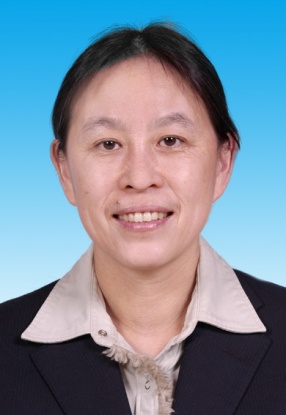 Ming Zhao (赵明)合作论文数School of Pharmaceutical Sciences, Capital Medical University97
 Shiqi Peng (彭师奇)合作论文数首都医科大学化学生物学与药学院88
 Jianhui Wu (吴建辉)合作论文数School of Pharmaceutical Sciences, Capital Medical University74Xiaoyi Zhang (张筱宜)合作论文数41YaoNan Wang (王耀楠)合作论文数39
 Haimei Zhu (朱海梅)合作论文数首都医科大学药学院27Shurui Zhao合作论文数24Jiawang Liu合作论文数24Meiqing Zheng合作论文数20Wenjing Wang (王文敬)合作论文数Beijing Youan Hospital, Capital Medical University19Yijia Jiang合作论文数18
 Di Zhu (朱棣)合作论文数Department of Pharmacology, School of Basic Medical Sciences, Fudan University18Gui Lin合作论文数18
 Yu Lu (陆宇)合作论文数Bejing Tuberculonias and Thonacic Tumol Research Insthute16
 Chunying Cui (崔纯莹)合作论文数School of Pharmaceutical Sciences, Capital Medical University13
 Ayijiang Taledaohan合作论文数11Guifeng Kang合作论文数10
 Qiqi Feng (冯琦琦)合作论文数School of Pharmaceutical Sciences, Capital Medical University10Yifan Yang合作论文数9Xueyun Jiang合作论文数9Liujia Chan合作论文数8Li Shan合作论文数8
 Yanming Wang (王彦明)合作论文数The First Affiliated Hospital, Henan University8Li Peng合作论文数8Yuheng Pang合作论文数7
 Xinmiao Lan合作论文数Beijing Area Major Lab Peptide & Small Mol Drugs, Capital Med Univ6Xi Hu合作论文数6Shuangling Chen合作论文数5Wei Wang合作论文数5YanXia Xu (徐燕侠)合作论文数5Guodong Yang合作论文数5
 Ruizheng Liang (梁瑞政)合作论文数College of Chemistry, Beijing University of Chemical Technology5
 Chaoliang Tan (谭超良)合作论文数Department of Electrical Engineering, City University of Hong Kong;Department of Biomedical Engineering, City University of Hong Kong5
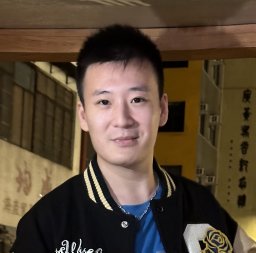 Jie Zhong合作论文数Discipline Oral & Maxillofacial Surg, Univ Hong Kong4JingCheng Tang (唐静成)合作论文数4JianQun Shao (邵建群)合作论文数4
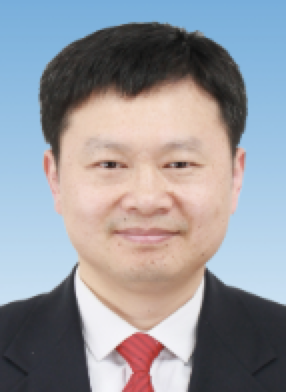 Gong Chen (陈弓)合作论文数College of Chemistry, Nankai University;State Key Laboratory of Elemento-Organic Chemistry, Nankai University4
 Lichun Zhao (赵立春)合作论文数广西中医药大学附属瑞康医院4Xu Wenyun合作论文数4Chunyu Li合作论文数4MarMar Tuohan合作论文数3Shuqing Yang合作论文数3yuanbo song合作论文数3Bo Huang合作论文数3Tianyu Li合作论文数3Haiping Ma合作论文数3Tingting Hu合作论文数3Lei Wei合作论文数3




