BackgroundSevere aortic stenosis (AS) is associated with an increased risk of adverse outcomes in patients undergoing percutaneous coronary intervention (PCI). While Impella-supported high-risk PCI (HRPCI) has demonstrated improved outcomes, its safety in patients with AS remains inadequately established.ObjectivesWe evaluated the effectiveness and safety of Impella support in patients with AS undergoing HRPCI.MethodsPatients from the PROTECT III study (NCT04136392), a single-arm, FDA-audited, multicenter investigation of Impella-supported HRPCI, were assessed. AS severity was classified as none/trivial, mild, moderate, or severe. The primary outcome was 90-day major adverse cardiac and cerebrovascular events [MACCE, defined as the composite of all-cause mortality, MI, stroke/transient ischemic attack (TIA), and revascularization]. Secondary outcomes included in-hospital complications, stroke/TIA, and vascular complications requiring surgery.ResultsOf the 594 patients with available echocardiographic data, 490 had none/trivial AS, while 34, 24, and 46 had mild, moderate, or severe AS, respectively. Patients with AS were older, had fewer incidences of diabetes, were more likely to have left main disease, and had higher left ventricular ejection fraction. Severely calcified lesions and atherectomy were more frequent among patients with moderate or severe AS. No significant differences were observed in PCI-related complications, stroke/TIA, and 30-day or 90-day MACCE across AS severity groups. However, transfusion rates were higher in patients with AS.ConclusionIn patients undergoing Impella-supported HRPCI, 90-day MACCE and PCI-related complications were similar across all levels of AS severity. These findings suggest that the procedure is safe in this complex, high-risk population.Clinical Trial InformationTrial Name: The Global cVAD Study (cVAD). ClinicalTrial.gov URL: https://clinicaltrials.gov/ct2/show/NCT04136392?term=cvad&draw=2&rank=2. ClinicalTrial.gov Identifier: NCT04136392.
BACKGROUND:Delirium is an underrecognized geriatric complication after transcatheter structural heart interventions, with limited descriptive data across procedures and an uncertain association with clinical outcomes. AIMS:To quantify incidence, identify predictors, and evaluate in‑hospital outcomes of delirium after transcatheter aortic valve replacement (TAVR), transcatheter edge-to-edge mitral repair (TEER), transcatheter tricuspid valve replacement/repair (TTVR), and left atrial appendage occlusion (LAAO). METHODS:Using the National Inpatient Sample, we performed a retrospective analysis of adults undergoing TAVR, TEER, TTVR, or LAAO identified by ICD‑10 codes. Delirium was captured through validated diagnostic codes. Multivariable logistic and linear regression adjusted for demographic, clinical, and in‑hospital covariates to evaluate predictors of delirium and the independent association of delirium with clinical outcomes of interest. RESULTS:Among 151,455 weighted hospitalizations (86,940 TAVR, 15,305 TEER, 1250 TTVR, and 47,960 LAAO), delirium occurred in 2.8%, 4.0%, 4.4%, and 0.6% of cases, respectively. Delirium was independently associated with increased in-hospital mortality across all procedures (TAVR: aOR 4.5, 95% CI 2.9-6.9; TEER: aOR 2.7, 95% CI 1.1-6.6; TTVR: aOR 27.7, 95% CI 5.6-137.3; LAAO: aOR 24.5, 95% CI 5.4-110.8). Patients with delirium also had higher rates of mechanical ventilation and cardiac arrest, longer length of stay, and greater hospitalization costs. Geriatric-specific conditions, including frailty, dementia, malnutrition, and high comorbidity burden, were among the strongest predictors of delirium. CONCLUSIONS:Delirium after transcatheter structural heart interventions is strongly associated with adverse clinical outcomes and greater resource utilization. These findings underscore the importance of incorporating delirium risk stratification and targeted prevention strategies into structural heart pathways to preserve the net clinical benefit of these interventions.
Background Class III cardiovascular device premarket approval (PMA) studies often fail to fully represent the intended-use population (IUP) owing to low enrollment of racial and ethnic minority subjects and women. The impact of research site selection on this is unknown. Objectives In this study, we sought to determine if site characteristics predict enrollment of demographic minority and female participants in coronary stent PMA trials and evaluate if site selection could improve representation of the IUP. Methods We pooled data from 8,859 U.S. participants enrolled in 9 pivotal coronary stent PMA studies (2003-2018) across 196 sites. Site characteristics included U.S. region, surrounding county demographics, teaching status, Veterans Administration affiliation, trial volume, female principal investigator (PI) involvement, and number of acute hospital beds. Multivariable regression identified predictors of minority and female enrollment. Participant-to-prevalence ratios (PPRs) were modeled under varying site selection scenarios. Results Minority participants (12%; PPR = 0.48) and women (30%; PPR = 0.77) were underrepresented. Minority enrollment varied markedly across sites and was predicted by West and South regions, county minority population, population density, and per-capita income (R2 = 0.50; P < 0.001). Modeling estimated that reallocating enrollment from low to high minority-enrolling sites could normalize Black and Hispanic representation (PPRs ≥0.80) without compromising that of non-Hispanic Whites (PPR = 1.00). Female enrollment showed less variation and was poorly predicted by research site characteristics and site PI gender (non-VA status only; R2 = 0.095; P < 0.001); however there were few female PIs (<6%), limiting correlation. Conclusions Coronary stent PMA studies do not fully reflect the IUP, owing to marked underrepresentation of minority participants and modest underrepresentation of women. Because minority enrollment is influenced by site characteristics, targeted site selection could improve representation; however, improving female enrollment requires alternative strategies. These insights have implications on the planning and design of future cardiovascular device trials.
BACKGROUND:Racial and ethnic minority patients have higher rates of adverse ischemic events following percutaneous coronary intervention. The impact of these disparities on the efficacy of drug-coated balloon (DCB) angioplasty for in-stent restenosis is unclear. We aimed to evaluate the comparative efficacy of DCB angioplasty among racial and ethnic minority patients presenting with in-stent restenosis. METHODS:This was a prespecified analysis of the AGENT IDE (A Clinical Trial to Assess the Agent Paclitaxel Coated PTCA [Percutaneous Transluminal Coronary Angioplasty] Balloon Catheter for the Treatment of Subjects With In-Stent Restenosis) trial which randomized patients with in-stent restenosis (2:1) to treatment with AGENT paclitaxel-coated balloon or conventional balloon angioplasty. The primary outcome was 1-year target lesion failure (composite of ischemia-driven target lesion revascularization, target vessel myocardial infarction, and cardiac death). Baseline clinical characteristics and outcomes were compared in minority patients versus non-Hispanic White patients and interaction terms used to determine if DCB efficacy was influenced by race or ethnicity. RESULTS:Of the 406 patients treated with DCB, 103 (25%) self-identified as minority patients (30.1% Black, 25.2% Hispanic/Latino, 8.7% Asian), and 303 (75%) as non-Hispanic White patients. Minority patients were younger (66 versus 69 years, P=0.003). There were no differences in 1-year target lesion failure (15.0% versus 18.9%; hazard ratio [HR], 0.79 [95% CI, 0.44-1.39]; P=0.41) or target lesion revascularization (11.1% versus 13.7%; HR, 0.80 [95% CI, 0.41-1.56]; P=0.51) between subgroups, including after adjustment for imbalances in baseline characteristics (adjusted odds ratio for target lesion failure 0.71 [95% CI, 0.37-1.34]). Both groups derived similar DCB benefit, with no significant treatment by race and ethnicity interaction (P-interaction >0.30 for all end points). CONCLUSIONS:In this prespecified analysis of the AGENT IDE trial, 1-year outcomes following DCB angioplasty were comparable between minority and non-Hispanic White patients. Although wide CIs limited the exclusion of clinically meaningful differences in outcomes between these groups, the relative efficacy of DCB versus balloon angioplasty was consistent across race and ethnicity. Registration: ClinicalTrials.gov; Identifier: NCT04647253. URL: https://www.clinicaltrials.gov/study/NCT04647253.
Background:Patients undergoing high-risk percutaneous coronary intervention (HRPCI) with Impella often present with similar or worse anatomical complexity than surgical revascularization candidates, yet the performance of surgical risk models in this setting is unknown. We evaluated Society of Thoracic Surgeons (STS) score performance in predicting outcomes in the PROTECT III study. Methods:PROTECT III enrolled 1237 patients undergoing elective or urgent HRPCI with Impella support from March 2017 to March 2020. Patients were stratified into low (STS <4), intermediate (≥4 to ≤8), and high (>8) risk categories. Primary endpoints were 30-day major adverse cardiovascular and cerebrovascular events (MACCE) and mortality. Model discrimination was evaluated with receiver operating characteristic analysis; calibration was assessed with observed-to-expected (O/E) ratios and Hosmer-Lemeshow testing. Secondary endpoints included 90-day MACCE and 1-year mortality. Results:Of 1237 patients, 728 patients were low-risk, 316 intermediate, and 193 high-risk based on STS score. Higher STS risk was associated with a higher number of comorbidities and more left main and multivessel disease. At 30 days, MACCE rose with risk (low 5.1%, intermediate 10.1%, high 17.6%; P < .001), driven by mortality (3.5%, 8.6%, 16.8%; P < .001). Patterns persisted at 90 days. The STS score showed good discrimination for 30-day percutaneous coronary intervention mortality (C-index 0.72; 95% CI:, 0.66-0.77) with acceptable global calibration (Hosmer-Lemeshow P = .13), comparable to the HRPCI-specific risk score. However, it underestimated mortality at 30 days (O/E 1.23), suggesting that existing scores do not capture the high-risk nature of this population. Conclusions:The STS score provides reasonable discrimination in Impella-supported HRPCI but poorly predicts event rates, particularly underestimating mortality. These results underscore the need for modification of existing models and validation of HRPCI-specific tools.
BACKGROUND:Severe aortic stenosis (AS) and mitral regurgitation (MR) are frequently undertreated and characterized by persistent sex, racial and ethnic, socioeconomic, and geographic disparities despite effective valve therapies. Whether automated electronic clinician notification (ECN) alerts improve the evaluation and treatment of AS and MR across health systems is unknown. OBJECTIVES:The purpose of this study was to evaluate whether ECN alerts improve guideline-directed evaluation and treatment of significant AS and MR across multiple health systems. METHODS:ALERT is a multisystem, cluster-randomized clinical trial including clinicians ordering echocardiograms across 5 U.S. health systems encompassing 35 hospitals between August 2024 and September 2025. Clinicians were randomized 1:1 to receive an ECN alert identifying significant AS or MR with accompanying care recommendations or to no alert with usual care. The primary endpoint was a hierarchical composite of time to surgical or transcatheter valve intervention, followed by time to multidisciplinary heart team clinic evaluation within 90 days, analyzed using the stratified win-ratio method. Secondary outcomes included individual components of the composite. RESULTS:A total of 765 clinicians ordering 2,016 echocardiograms were included. In the win-ratio analysis of the primary endpoint, ECN alert was superior to usual care (win ratio: 1.27; 95% CI: 1.05-1.54; P = 0.007), including higher rates of valve intervention (13.4% vs 9.6%; P = 0.005) and multidisciplinary heart team evaluation (22.7% vs 17.9%; P = 0.005) and shorter times to both endpoint components. Effect sizes were similar in AS (win ratio: 1.29) and MR patients (win ratio: 1.23). No evidence of heterogeneity was noted by valve pathology (Pint = 0.821) or across prespecified subgroups (age, sex, race, social deprivation index, inpatient vs outpatient setting, provider specialty, and rurality; Pint > 0.100 for all) and sensitivity analyses yielded consistent results across modified intention-to-treat, intention-to-treat, and per-protocol populations. CONCLUSIONS:In this multisystem cluster randomized trial, automated ECN alerts improved timely guideline-directed evaluation and valve intervention for clinically significant AS and MR. These findings suggest that electronic health record-integrated clinical decision support may represent a scalable strategy to reduce undertreatment and improve access to specialized valve care. (Addressing Under-treatment and Health Equity in AS and MR Using an Integrated EHR Platform; NCT06099665).
BACKGROUND:Vasoactives are the predominant first line of therapy for management of cardiogenic shock (CS). Contemporary practice patterns regarding vasoactive agent selection in CS have not been well characterized. METHODS:The American Heart Association (AHA) CS Registry captures consecutive CS admissions across participating hospitals in the United States. Admissions treated with vasoactive agents within 6 hours of CS onset were included. Agents were categorized as inopressors (norepinephrine, epinephrine, dopamine), inodilators (dobutamine, milrinone), and pure vasopressors (vasopressin, phenylephrine). RESULTS:From 2022 to 2024, among 6847 CS admissions across 84 sites, 3387 (49.5%) were treated with a single vasoactive agent and 3460 (50.5%) were treated with ≥2 agents. Inopressors were used most commonly (73.7% of CS cases), with inodilators and pure vasopressors used in 48.3% and 27.5% of cases respectively. Norepinephrine was used most frequently (64.7%), followed by dobutamine (31.6%) and epinephrine (28.9%). Pure vasopressor use consisted primarily of vasopressin (83.5% of use). Use patterns differed by CS etiology with greater inopressor use in acute myocardial infarction-CS and greater inodilator use in acute-on-chronic heart failure-CS. Use of inopressors and pure vasopressors was greater and inodilator use lower in those with cardiac arrest, supported by mechanical circulatory support, or at higher Society of Cardiovascular Angiography and Interventions shock stage. CONCLUSIONS:In a broad population with CS in contemporary practice, inopressors are the most commonly used vasoactive category, with norepinephrine being the most frequently used agent. Several factors including CS etiology and severity are associated with differential practice patterns for vasoactive selection. These data depict the contemporary landscape and may help inform future evidence generation around optimal vasoactive selection for patients with CS.
Importance:Despite major advancements in cardiovascular clinical research, underrepresentation in cardiovascular clinical trials persists, limiting generalizability, access to novel therapies, and equitable care. Observations:Policymakers, funding bodies, researchers, and professional societies have increasingly acknowledged the scientific importance of representation of the intended use population in cardiovascular clinical trials through policies and incentives, yet significant challenges remain. Achieving meaningful representation requires more than meeting enrollment targets, it demands the integration of best practices into trial design, including tailored recruitment strategies, diverse leadership, standardized demographic data collection, and clear accountability metrics. Conclusions and Relevance:This review synthesizes the latest policies and initiatives concerning representation in clinical research and provides a strategic framework to ensure scientific validity of clinical trials by operationalizing broad representation at all levels. A coordinated approach among stakeholders is needed to address the scientific value of trial representation of the intended use population.
Technological advancements have improved safety and efficacy outcomes in patients undergoing complex and high-risk percutaneous coronary intervention (PCI). Increasingly, patients present to the cardiac catheterization laboratory both acutely and electively with advanced age, multiple comorbidities, and complex anatomy, representing a higher-risk group of patients who also may have the most to gain from percutaneous revascularization, as their response to medical therapy is usually limited and surgical risks may be prohibitive. These patients typically face thrombosis, slow flow, and other adverse events during and after PCI, which carry significant risk, especially given patients' poor surgical candidacy. Accordingly, optimal antiplatelet and anticoagulant therapies are pivotal to limiting periprocedural thrombotic risk. Oral P2Y12 inhibitors have proven effective in reducing short-term and long-term cardiovascular events, although reduced bioavailability and delayed onset of action limit their efficacy during the procedural and immediate aftermath phases of PCI. Although intravenous glycoprotein IIb/IIIa receptor inhibitors are effective in reducing thrombotic events, bleeding risks have attenuated their use, and recent guidelines relegate their use to bailout. Best practices concerning intraprocedural antiplatelet therapies in patients undergoing complex PCI therefore remain unclear. The inherently high risks of thrombosis and bleeding among these patients must be balanced and considered when determining an antiplatelet strategy. Given the potential advantages of achieving potent but rapidly reversible P2Y12 inhibition in high-risk PCI, we review the data surrounding intravenous P2Y12 inhibition in this setting and provide best practice recommendations for clinical use.
Background The impact of tricuspid regurgitation (TR) on cardiac remodeling has not been thoroughly studied in a randomized controlled trial using advanced imaging. Objectives The goal of this analysis was to provide comparative longitudinal changes in right heart remodeling using cardiac magnetic resonance and time-resolved functional computed tomography (4D-CT) in patients with symptomatic severe TR randomized to TriClip vs medical therapy (control). Methods TRILUMINATE Pivotal (Clinical Trial to Evaluate Cardiovascular Outcomes In Patients Treated With the Tricuspid Valve Repair System Pivotal) is an international randomized controlled trial in symptomatic patients with severe TR. A prospective imaging substudy was performed on TRILUMINATE Pivotal subjects at 10 sites. Cardiac magnetic resonance and 4D-CT were performed following dedicated imaging protocols at baseline and at 30 days, and a final 4D-CT at 1 year (all assessed by an imaging core lab). Results Sixty-nine randomized subjects (31 TriClip, 38 control) were enrolled. TR volume significantly decreased with TriClip at 30 days (P < 0.0001; 70% reduction). A strong association (r = 0.90; P < 0.0001) was observed between changes in TR volume and right ventricular end-diastolic volume at 30 days. Significant reductions in right ventricular end-diastolic volume (12% reduction; P < 0.001) and tricuspid annular area (11% reduction; P < 0.0001) were seen at 30 days and sustained through 1 year with TriClip. No meaningful changes were observed in the control group. Conclusions Advanced imaging from the TRILUMINATE Pivotal imaging substudy demonstrated that TriClip effectively reduced TR. Significant cardiac remodeling was observed at 30 days and sustained at 1 year. With TriClip, the extent of cardiac remodeling was associated with the degree of TR reduction. (Clinical Trial to Evaluate Cardiovascular Outcomes In Patients Treated With the Tricuspid Valve Repair System Pivotal; NCT03904147)
 Behnam Tehrani合作论文数55
 Abdulla Damluji合作论文数51
 Matthew W. Sherwood合作论文数Division of Cardiology, Duke University School of Medicine38
 Alexander Truesdell合作论文数Virginia Heart/Inova Heart and Vascular Institute32
 Kelly C Epps合作论文数31Christopher M. O'Connor合作论文数26
 Roxana Mehran合作论文数Zena and Michael A. Wiener Cardiovascular Institute, Icahn School of Medicine at Mount Sinai25
 Carolyn Rosner合作论文数Inova Heart and Vascular Institute23
 Shashank Sinha合作论文数22Paul Underwood合作论文数19
 Christopher Defilippi合作论文数Inova Heart and Vascular Institute18Dominic J. Allocco合作论文数18
 Mitchell Psotka合作论文数15Shashank Desai合作论文数15Ramesh Singh合作论文数14Cindy L. Grines合作论文数14Anika Raja合作论文数Cardiac Res, Inova Fairfax Hosp12Thomas Noel合作论文数12
 Arsalan Abu-Much合作论文数Sackler Fac Med, Tel Aviv Univ12
 Alexandra Lansky合作论文数Section of Cardiovascular Medicine, Departmenr of Internal Medicine, Yale School of Medicine, Yale University;Barts Heart Centre, St Bartholomew's Hospital;The William Harvey Research Institute, Faculty of Medicine and Dentistry, Queen Mary University of London11
 Dahya Vishal合作论文数Department of Internal Medicine, Florida State University College of Medicine10
 Dean J. Kereiakes合作论文数The Christ Hospital Heart and Vascular Institute, The Christ Hospital Health Network;The Christ Hospital Research Institute, The Christ Hospital Health Network;The Ohio State University;Medpace10
 Bradley Strauss合作论文数Sunnybrook Research Institute10Jon R. Resar合作论文数Cardiac Catheterization Laboratory, Johns Hopkins Medical Institutions Baltimore10Scott Davis合作论文数9
 George Dangas合作论文数Zena and Michael A. Wiener Cardiovascular Institute, Icahn School of Medicine at Mount Sinai9
 Björn Redfors合作论文数Cardiovascular Research Foundation;Sahlgrenska Academy, University of Gothenburg;Department of Molecular and Clinical Medicine, University of Gothenburg;Sahlgrenska University Hospital9
 David J. Cohen合作论文数University of Missouri-Kansas City9
 Basir Mir Babar合作论文数Division of Cardiology, Henry Ford Hospital9Joann Lindenfeld合作论文数9
 William O’Neill合作论文数Department of Bioengineering Engineering, College of Engineering, University of Illinois Cancer Center9Suzanne J. Baron合作论文数9Hala Moukhachen合作论文数8Yanru Li合作论文数8Islam Othman合作论文数8
 Mehul Desai合作论文数8
 Gary Gerstenblith合作论文数Department of Otolaryngology-Head and Neck Surgery, School of Medicine, Johns Hopkins University8
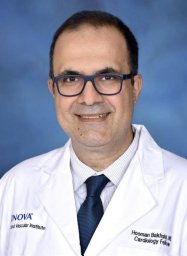 Bakhshi Hooman合作论文数Iman Hussein Hospital, Shahid Beheshti University of Medical Sciences8Gigliotti Osvaldo S合作论文数8
 Bharadwaj Aditya合作论文数Virginia Tech Dept Comp Sci8
 Scott D. Barnett合作论文数Inova Heart and Vascular Institute8
 Daniel E. Forman合作论文数Divisions of Cardiology, Department of Medicine, School of Medicine, University of Pittsburgh;Section of Geriatric Cardiology, University of Pittsburgh8Karl Young合作论文数7
 Aneel Maini合作论文数7Mario Lopez合作论文数7John Wang合作论文数7
 Emaminia Abbas合作论文数Cardiothoracic Surgery Research Program, National Institutes of Health Heart Center at Suburban Hospital7
 Palak Alap Shah合作论文数Inova Fairfax Hospital7
 David Erlinge合作论文数Department of Clinical Sciences, Faculty of Medicine, Lund University;Cardiology Department, Skane University Hospital7




