Durable left ventricular assist devices (dLVAD) remain a lifesaving therapy in patients with stage D heart failure that is refractory to conventional medical therapies. Owing to improvements in technology and patient outcomes, the number of patients supported with dLVADs has increased over the past decade. Despite this growing population, there are few resources for cardiovascular intensivists that integrate epidemiology, diagnostic workup and multidisciplinary medical management of acute emergencies in patients supported with dLVADs.
Heart failure prevalence is increasing and has a disproportionate burden on older adults. Older adults, however, may encounter unique challenges in accessing and navigating comprehensive disease-modifying, guideline-directed therapies, thus limiting use among those at highest risk of cardiovascular death or worsening heart failure. Care of the older adult with heart failure requires tailored treatment plans to overcome barriers to effective therapies in this population. This scientific statement reviews the literature on care optimization for older adults (≥65 years of age) living with heart failure and highlights strategies for clinicians who aim to deliver patient-centered, evidenced-based heart failure care in the context of common comorbidities seen in older adults. We discuss the consistent treatment effect and safety profiles of guideline-directed therapies for heart failure in older adults and how to manage multimorbidity, polypharmacy, frailty, and social needs using a shared decision-making framework. In consideration of the complexity of heart failure care of the older adult, we highlight a structured framework for therapeutic considerations in the context of benefit-to-risk ratio, multimorbidity, and social needs. We offer practical guidance on the care of older adults with advanced comorbidities who may not have been adequately represented in landmark trials. We also consider implementation strategies, health services interventions, and supportive tools that may foster optimal care in older adults with heart failure. This work is aimed at informing the practice of clinicians and health systems alike to improve outcomes and to reduce the morbidity of heart failure in older adults.
In the evolving landscape of heart failure (HF) management, the identification and analysis of subgroups and special populations within clinical trials are crucial for enhancing clinical decision-making, guiding further research, and understanding heterogeneity in study outcomes. This expert consensus document results from the collaborative efforts of the Heart Failure Collaboratory and the Heart Failure Collaboratory Academic Research Consortium, which brought together stakeholders from academia, industry, the U.S. Food and Drug Administration, and patient representatives. The purpose of this assembly was to propose standardized definitions and critical endpoint considerations essential for shaping the design and conduct of clinical trials for drugs and devices in the field of HF. In this context, we propose definitions and endpoints for specific subgroups and special populations in the spectrum of HF. We enhanced the precision, efficacy, and applicability of clinical research and promote more “personalized” approaches to interpretation of clinical trials. Furthermore, we explore the burgeoning field of gene therapy as a promising avenue for addressing the genetic basis of certain cardiomyopathies within these specialized patient groups. We focus especially on methodological considerations for subgroup analyses in large-scale trials, highlighting the importance of proper interpretation of subgroups and best practices for identifying heterogeneity suggestive of differential treatment effects, including when these analyses should be considered hypothesis-generating and requiring subsequent validation. We advocate for a methodical approach to clinical trial design, one that prioritizes the strategic identification of subgroups and employs appropriate statistical methodologies to ensure the reliability and clinical relevance of findings. Through this lens, we envision a pathway toward more personalized and effective treatments for HF, ultimately aiming to improve patient outcomes by leveraging the insights garnered from meticulously designed and comprehensively analyzed clinical trials.
Background Class III cardiovascular device premarket approval (PMA) studies often fail to fully represent the intended-use population (IUP) owing to low enrollment of racial and ethnic minority subjects and women. The impact of research site selection on this is unknown. Objectives In this study, we sought to determine if site characteristics predict enrollment of demographic minority and female participants in coronary stent PMA trials and evaluate if site selection could improve representation of the IUP. Methods We pooled data from 8,859 U.S. participants enrolled in 9 pivotal coronary stent PMA studies (2003-2018) across 196 sites. Site characteristics included U.S. region, surrounding county demographics, teaching status, Veterans Administration affiliation, trial volume, female principal investigator (PI) involvement, and number of acute hospital beds. Multivariable regression identified predictors of minority and female enrollment. Participant-to-prevalence ratios (PPRs) were modeled under varying site selection scenarios. Results Minority participants (12%; PPR = 0.48) and women (30%; PPR = 0.77) were underrepresented. Minority enrollment varied markedly across sites and was predicted by West and South regions, county minority population, population density, and per-capita income (R2 = 0.50; P < 0.001). Modeling estimated that reallocating enrollment from low to high minority-enrolling sites could normalize Black and Hispanic representation (PPRs ≥0.80) without compromising that of non-Hispanic Whites (PPR = 1.00). Female enrollment showed less variation and was poorly predicted by research site characteristics and site PI gender (non-VA status only; R2 = 0.095; P < 0.001); however there were few female PIs (<6%), limiting correlation. Conclusions Coronary stent PMA studies do not fully reflect the IUP, owing to marked underrepresentation of minority participants and modest underrepresentation of women. Because minority enrollment is influenced by site characteristics, targeted site selection could improve representation; however, improving female enrollment requires alternative strategies. These insights have implications on the planning and design of future cardiovascular device trials.
Cardiogenic shock (CS) is a complex and heterogeneous clinical syndrome associated with high short-term mortality as well as a long-term burden of morbidity. Whereas short-term survival has improved owing to early recognition, revascularization, and temporary mechanical circulatory support (tMCS), survival after hospital discharge remains poorly defined. A large number of CS survivors experience persistent myocardial dysfunction, neurocognitive impairment, psychological distress, frailty, and recurrent heart failure hospitalizations. Yet current clinical guidelines and research frameworks provide limited direction beyond the acute phase, underscoring the urgent need for a structured longitudinal approach to care. This State-of-the-Art Review proposes the Cardiogenic Shock Survivorship Continuum, a novel framework delineating 3 interdependent phases: acute rescue and stabilization, assessment and optimization of in-hospital trajectories, and postdischarge shock care. The acute phase focuses on timely diagnosis, end-organ support, and individualized tMCS strategies. The in-hospital phase emphasizes diagnostic reassessment, heart failure guideline-directed medical therapy initiation, and procedural interventions targeting reversible pathophysiology. The postdischarge phase advocates for structured outpatient models, multidisciplinary postshock clinics, individualized risk stratification, re-referral for advanced therapies when appropriate, and recovery-focused rehabilitation. This review underscores the need to redefine success in CS, identifies critical gaps in evidence, and proposes future directions in research, clinical infrastructure, and collaborative networks to advance the field. Optimizing care in CS requires a paradigm that emphasizes both short- and long-term survival, with emphasis on achieving functional recovery, stability in health status, and preservation of quality of life.
AIM The "2026 AHA/ACC/ACCP/ACEP/CHEST/SCAI/SHM/SIR/SVM/SVN Guideline for the Evaluation and Management of Acute Pulmonary Embolism in Adults" is a de novo guideline that provides comprehensive recommendations for the evaluation, management, and follow-up of adult patients (>= 18 years of age) with acute pulmonary embolism (acute PE). A key feature of this guideline is the introduction of the AHA/ACC Acute Pulmonary Embolism Clinical Categories, which enhance the precision of severity classification, prognosis assessment, and evidence-based therapeutic decision-making. METHODS A comprehensive literature search was conducted from February 2024 to October 2024 to identify clinical studies, reviews, and other evidence conducted on human subjects that were published in English from MEDLINE (through PubMed), EMBASE, the Cochrane Library, Agency for Healthcare Research and Quality, and other selected databases relevant to this guideline. Select key studies published until April 2025 were added by the guideline writing committee as appropriate. STRUCTURE The focus of this clinical practice guideline is an evidence-based and patient-centered approach for acute PE evaluation and management of the adult patient. This guideline encompasses the period from the onset of symptoms through clinical follow-up, focusing on risk outcomes assessment, clinical diagnosis of acute PE, appropriate use of adjunctive cardiovascular testing, and management in both the acute and early post-acute phases of PE. It addresses evidence-based diagnostic and management strategies (including pharmacological therapies, advanced interventional therapies, and in-hospital support) for acute PE and associated outcomes.
 Shashank Sinha合作论文数54
 Kanwar Manreet合作论文数Cardiac Cath Lab, St. John Hospital and Medical Center42
 Hernandez Gabriel Antonio合作论文数Miller School of Medicine, University of Miami42
 Chaparro Sandra V合作论文数Department of Medicine, University of Miami Miller School of Medicine39
 Jaime A Hernandez-Montfort合作论文数Heart Vasc & Thorac Inst, Cleveland Clin Florida34Kapur Navin K合作论文数33
 Daniel Burkhoff合作论文数PVLoops33
 Robert John Mentz合作论文数Department of Medicine, Duke University;Department of Population Health Sciences, Duke University;Duke Clinical Research Institute29
 Jacob Abraham合作论文数Providence Heart Institute28
 Rachna Kataria合作论文数Massachusetts General Hospital28Joann Lindenfeld合作论文数28
 Borui Li合作论文数27Mona Fiuzat合作论文数24
 Esther E Vorovich合作论文数Cardiology, Department of Medicine, Feinberg School of Medicine, Northwestern University23Ersilia M Defilippis合作论文数23
 Neil Mohan Harwani合作论文数The CardioVascular Center, Tufts Medical Center22Gavin W. Hickey合作论文数22Garan A Reshad合作论文数21
 Shelley Anne Hall合作论文数21
 Song Li合作论文数20Sandeep Nathan合作论文数19
 Claudius Mahr合作论文数18
 Pahuja Mohit合作论文数18Yijing Zhang合作论文数17
 Wissam Khalife合作论文数17Christopher M. O'Connor合作论文数17V. Ton合作论文数16
 Stephen Greene合作论文数Duke Clinical Research Institute, Duke University;Department of Medicine, School of Medicine, Duke University16Alejandro Lemor合作论文数16Ju Kim合作论文数15Fatou Dieng合作论文数14Andrew Schwartzman合作论文数14Paulina Baca合作论文数14
 Saraschandra Vallabhajosyula合作论文数Department of Cardiovascular Medicine, Mayo Clinic14
 Veraprapas Kittipibul合作论文数Dept Med, Div Cardiovasc Med, Chulalongkorn Univ13
 Elric Zweck合作论文数Institute for Clinical Diabetology, Leibniz Center for Diabetes Research Heinrich Heine University13
 Marat Fudim合作论文数Department of Medicine, School of Medicine, Duke University13
 Rodrigo Mendirichaga合作论文数12
 Mitchell Psotka合作论文数12
 Javed Butler合作论文数Baylor Scott and White Research Institute;Baylor Scott and White Health;Department of Medicine, University of Mississippi Medical Center12
 Maya Guglin合作论文数Cardiology, University of South Florida12Peter Zazzali合作论文数11Paavni Sangal合作论文数11
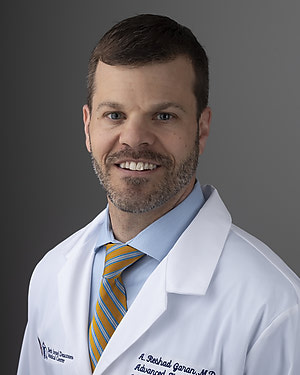 Arthur R. Garan合作论文数Beth Israel Deaconess Medical Center;Department of Medicine, Harvard Medical School11Mariell Jessup合作论文数11Ann Gage合作论文数10
 James Januzzi合作论文数Baim Institute for Clinical Research;Harvard Medical School;Jana Care;Cardiology Division, Massachusetts General Hospital10Orly Vardeny合作论文数University of Wisconsin School of Pharmacy10Detlef Wencker合作论文数9




