Eosinophils participate in immune regulation through their granule proteins and cytokines. Recent studies demonstrate eosinophil functional versatility through the mechanism of eosinophil extracellular traps (EETs). EET formation occurs via suicidal eosinophil extracellular trap cell death (EETosis) and vital EET release. EETs contain chromatin- or mitochondrial-derived DNA, granule proteins, nuclear proteins, and cytosolic components that vary depending on the type and intensity of stimuli. Synthetic compounds, pathogenic microorganisms, endogenous molecules, and co-stimulatory factors stimulate EET formation via diverse signaling pathways through receptors that rely on or operate independently of NADPH oxidase-mediated reactive oxygen species production and peptidylarginine deiminase-4-dependent histone modification. Necroptosis, pyroptosis, and autophagy pathways also contribute to EET biogenesis and subset heterogeneity. Here, we summarize EET formation, compositional profile, and functional heterogeneity across disease states, as well as the future potential for novel immune intervention.
Dilated cardiomyopathy (DCM) and left ventricular non-compaction (LVNC) are major non-ischemic cardiomyopathy (NICM) subtypes with heterogeneous outcomes. Conventional clinical and echocardiographic markers remain insufficient for long-term risk stratification. This study aimed to identify serum metabolites associated with adverse cardiovascular outcomes and evaluate their incremental prognostic value in NICM. Thirty-two patients with DCM or LVNC and left ventricular ejection fraction < 50
This study aimed to investigate in vivo fibroblast activation in hypereosinophilic syndrome (HES) with cardiac involvement, and to explore the correlation between fibroblast activation protein inhibitor (FAPI) uptake and eosinophil-related biomarker-eosinophil extracellular traps (EETs). This study enrolled 20 patients diagnosed with HES and cardiac involvement. All patients underwent Al18F-FAPI-04 PET/CT imaging, transthoracic echocardiography, as well as measurement of absolute eosinophil count (AEC) and EETs levels. Among the 20 patients enrolled, 16 patients were diagnosed with reactive HES and 4 with idiopathic HES. Elevated FAPI uptake was observed across different stages of disease course. Myocardial Al18F-FAPI uptake was observed in all patients (20/20), with an extensive pattern in 15 and a patchy pattern in 5. Quantitative uptake was significantly higher in the extensive pattern group (maximum standardized uptake value (SUVmax): 6.58 [5.01–8.62] vs. 2.44 [1.91–2.76], p < 0.001). Segmental analysis revealed higher FAPI uptake in apical and mid-ventricular segments compared to basal segments (SUVmax: apical, 4.67 [1.94–6.89] vs. middle, 4.25 [2.33–5.61] vs. basal, 3.44 [2.46–5.23], p = 0.022). FAPI-PET/CT identified a higher proportion of involved myocardial segments (83.2
Abstract Background Hypertrophic cardiomyopathy (HCM) is often complicated by coronary microvascular dysfunction (CMD), which precipitates localized myocardial ischemia and metabolic disturbance, triggering compensatory cardiomyocyte hypertrophy. This hypertrophy, in turn, exacerbates microvascular insufficiency, forming a pathological feedback loop and culminating in persistent cellular stress, inflammatory infiltration, and myocardial fibrosis. This “ischemia–hypertrophy–inflammation–fibrosis” interrelationship not only drives pathological remodeling but also significantly elevates the risk of heart failure, arrhythmias, and adverse prognosis. The traditional formula Huayu Qutan Formula (HYQT), used clinically for years, has been shown to significantly enhance cardiac function in HCM patients. However, its underlying mechanisms remain poorly elucidated. This study aims to explore HYQT’s therapeutic effects on HCM and to reveal its intrinsic mechanisms. Methods Blood-absorbed constituents of HYQT were identified using UHPLC-MS, followed by network pharmacology analysis and molecular docking to predict potential targets and key signaling pathways. An isoproterenol (ISO)-induced HCM mouse model, along with parallel in vitro injury models using H9C2 cardiomyocytes and human cardiac microvascular endothelial cells (HCMECs), was established to systematically assess the in vivo and in vitro effects of HYQT. To comprehensively evaluate HYQT’s modulation of myocardial hypertrophy, fibrosis, and angiogenesis, echocardiography, laser speckle perfusion imaging, immunohistochemistry, western blotting, reactive oxygen species (ROS) assays, and wound-healing assays were performed. Results UHPLC-MS analysis identified 31 blood-absorbed bioactive components of HYQT. Integrated network pharmacology and molecular docking analyses identified the MAPK and HIF-1α-signaling pathways as key therapeutic targets. In ISO-induced HCM mice, HYQT significantly improved cardiac morphology and function, reduced hypertrophic markers (ANP and BNP), inhibited myocardial collagen deposition, attenuated fibrosis, restored microvascular perfusion and density, and suppressed oxidative stress (MDA and ROS) and pro-inflammatory cytokine expression (TNF-α and IL-6). Mechanistically, in vitro experiments supported a cell-type–resolved, parallel regulatory effect: in HCMECs, HYQT-containing serum enhanced migration and viability, reduced ROS accumulation, and activated HIF-1α/VEGF-mediated angiogenic signaling, thereby alleviating microvascular dysfunction; concurrently, in H9C2 cardiomyocytes, HYQT inhibited phosphorylation of ERK, p38, and JNK, restored mitochondrial membrane potential, and reduced cell death, thereby mitigating hypertrophic remodeling and its downstream fibrotic progression. Conclusion HYQT effectively ameliorates key pathological features of HCM, including myocardial hypertrophy, fibrosis, and microvascular dysfunction. As a clinically used herbal formulation, this study provides mechanistic insight into its therapeutic effects by revealing a cell-type–resolved, myocardium–microvasculature regulatory framework. Specifically, HYQT suppresses MAPK signaling to attenuate cardiomyocyte hypertrophy while enhancing HIF-1α–mediated angiogenesis to improve the microvascular environment. These simultaneous effects are associated with mitigation of pathological cardiac remodeling, suggesting that HYQT may serve as a promising multi-target therapeutic strategy for HCM.
Post-infarction cardiac repair is critically influenced by the spatiotemporal dynamics of inflammation and extracellular matrix (ECM) remodeling. Here, we investigated whether a fish swim bladder-derived decellularized ECM (FSB-dECM) hydrogel modulates early inflammatory responses in relation to myocardial repair following acute myocardial infarction (MI) in rats. FSB-dECM treatment reduced circulating monocyte levels, decreased myocardial macrophage infiltration, and attenuated pro-inflammatory cytokine expression (IL-6, IL-1β) while suppressing cardiomyocyte apoptosis. Transcriptomic analysis revealed downregulation of ECM-related and fibrotic genes, and histological assessment showed a reticular collagen fiber architecture in early scars. Echocardiography and morphometric analysis demonstrated preserved left ventricular wall thickness, reduced scar area, attenuated compensatory hypertrophy, and improved cardiac function at 28 days post-MI. These findings indicate that FSB-dECM hydrogel is associated with coordinated changes in early inflammatory responses and ECM-remodeling during the post-infarction phase, providing experimental evidence for the role of early inflammatory dynamics in shaping long-term cardiac outcomes.
Background:This prospective study aimed to evaluate the prognostic value of 68Ga-DOTATATE PET/CT imaging in assessing myocardial macrophage infiltration in patients with autoimmune diseases and its relationship with clinical outcomes, specifically all-cause mortality and cardiovascular rehospitalization. Methods:A total of 36 patients with cardiac involvement due to autoimmune diseases were enrolled. All underwent 68Ga-DOTATATE PET/CT imaging to assess left ventricular mononuclear macrophage infiltration. Clinical data, including myocardial biopsy results and left ventricular SUV values (LVmax and LVmean), were recorded. Prognostic thresholds were identified using ROC curve analysis, while Kaplan-Meier survival were used to analyze the relationship between myocardial macrophage activity and clinical outcomes. Results:Of the 36 patients, 9 died and 9 were rehospitalized for cardiovascular reasons. ROC analysis demonstrated that LVmax ≥ 2.405 predicted all-cause mortality with an AUC of 0.96 (95% CI: 0.92-1.00, P < 0.0001), while LVmean ≥ 1.36 predicted cardiovascular rehospitalization with an AUC of 0.87 (95% CI: 0.79-0.96, P < 0.0001). High 68Ga-DOTATATE uptake thus significantly correlated with adverse clinical outcomes, surpassing traditional markers such as ejection fraction and inflammatory biomarkers. Moreover, 68Ga-DOTATATE imaging results were more consistent with the patients' clinical conditions compared to myocardial biopsy, highlighting its superior diagnostic utility in assessing diffuse myocardial inflammation. Conclusion:68Ga-DOTATATE PET/CT imaging offers a valuable, non-invasive, and quantitative method for assessing myocardial inflammation in autoimmune diseases. This technique shows potential for improving personalized treatment and prognosis by identifying patients at higher risk for adverse outcomes in autoimmune diseases.
The roles of eosinophil extracellular traps (EETs) in cancer have not been investigated. This research aims to unearth the association between EETs and clinical outcomes in pan-cancer. From the Cancer Genome Atlas (TCGA) program, a 28-gene EETs score was constructed. Overall, higher EETs scores indicated shorter overall survival. EETs were significantly correlated to various pro-tumor processes, including extracellular matrix remodeling, IL-17 signaling, M2 macrophage polarization, and Treg differentiation. Immune suppressive M2 macrophages infiltrated more in the tumor microenvironment (TME), while cytotoxic cells (CD8 T and NK cells) were fewer. EETs-gene expression correlated with multiple T cell co-inhibitors. Target molecules of immune checkpoint inhibitors (ICIs) were not in proximity to the EETs disease module. Drugs against IL-5, IL-5RA, CCL-11 and IL-33 scored highly in perturbation of the disease module. Therefore, the EETs formation was coordinated with the adverse clinical outcomes and TME alternations in cancer. The role of EETs and anti-eosinophil therapy in cancer deserve further investigation in the era of immunotherapy.
To validate the feasibility of using late iodine enhancement (LIE)-derived ECV on iodine density images using spectral detector computed tomography (SDCT; CT-ECV) and to assess the potential of CT-ECV for risk stratification among patients with non-ischemic heart failure (NIHF). Forty-five subjects who underwent cardiac SDCT and CMR were included in the validation group to calculate and compare CT-ECV with CMR-ECV to validate CT-ECV feasibility. Another 117 subjects (82 patients with NIHF, 35 controls) who underwent SDCT were included in the experimental group to explore the potential of CT-ECV for risk stratification. ECV was measured via iodine density images and CMR T1 mapping in accordance with American Heart Association 16-segment models. In the validation group, there was no significant difference between CT-ECV and CMR-ECV (P = 0.293), with an insignificant bias. In the experimental group, CT-ECV in patients with NIHF was significantly higher than in controls (P < 0.05). In 82 patients with NIHF, CT-ECV in HFrEF ( HF with reduced ejection fraction: LVEF ≤ 40
BACKGROUND:Restrictive cardiomyopathy (RCM) is an uncommon condition with heterogeneous causes. Amyloidosis, a major subtype, presents with diagnostic complexity, economic burden, and prognostic implications. This study aimed to apply machine learning (ML) techniques to improve the diagnosis of amyloidosis among RCM patients and assess the cost-effectiveness of laboratory tests. METHODS:This study included patients with RCM who underwent transthoracic echocardiography (TTE) and cardiac magnetic resonance imaging (MRI). Feature selection was performed using the least absolute shrinkage and selection operator regression based on variables that showed statistical differences between groups. These selected features were then used to construct eight ML models, which were trained and validated using leave-one-out cross-validation. The best-performing model was evaluated for sample size and interpreted using Shapley additive explanations to enhance model transparency. Laboratory testing costs related to autoimmune, infection, tumor, and amyloidosis evaluations were compared across subgroups. RESULTS:The Random Forest (RF) model achieved the best performance, with an area under the curve of 0.977, an accuracy of 0.908, a sensitivity of 0.869, and a specificity of 0.927. The model also showed a favorable Brier score and a satisfying effect size, indicating good performance in distinguishing amyloidosis from other RCM subtypes. Cost analysis revealed that patients without underlying autoimmune, infectious, or tumor-related etiologies incurred unnecessary expenditures. Multivariate regression identified key imaging features associated with amyloidosis, including left ventricular posterior wall thickness and left ventricular ejection fraction (LVEF) from TTE, and left ventricular short axis diameter, LVEF, and interventricular septum thickness from cardiac MRI. CONCLUSION:This study established an interpretable ML model based on the RF algorithm and accurately distinguished amyloidosis among RCM patients. By guiding more targeted use of amyloidosis-specific testing, the model offers a potential cost-saving strategy while improving diagnostic efficiency. These findings support the clinical integration of ML-based tools to streamline decision-making and optimize the allocation of healthcare resources.
OBJECTIVES:Currently, cardiac involvement is used to describe all eosinophilic granulomatosis with polyangiitis (EGPA) cardiac problems. However, heterogeneity exists among them. We aimed to depict the disease spectrum of EGPA cardiac involvement and identify the high-risk population. METHODS:We included EGPA patients hospitalized in our centre from 2012 to 2023 and in public databases. Based on the cardiac enzymes, cardiac MRI and endomyocardial biopsy results, the patients were divided into three groups: eosinophilic myocarditis (EGPA-EM), chronic inflammatory cardiomyopathy (EGPA-ICM) and EGPA-Control. Their clinical, laboratory, imaging results and prognoses were collected and compared. RESULTS:A total of 193 EGPA patients were included, 118 with cardiac involvement (74 EGPA-EM, 44 EGPA-ICM) and 75 control. Among EGPA-Control, EGPA-ICM and EGPA-EM, eosinophil increased (6.12/8.71/10.42 × 109/l, P < 0.01), ANCA positivity decreased (41.33/31.82/14.86%, P < 0.01) and lung involvement was reduced (73.33/72.73/43.24%, P = 0.02). In EGPA-EM, cardiac troponin was further elevated (0.27 vs 6.00 ng/ml, P < 0.01), ejection fractions decreased (57.79 vs 33.20%, P < 0.01) while more ST-T abnormality was observed (41.89 vs 20.45%, P = 0.02). The prognosis of EGPA-EM was significantly worse, with a 14.86% death rate and 2-year event-free survival rate below 50%. Furthermore, we proposed a LATE-EAST diagnostic score (7 items, 9 points) to discriminate EGPA-EM from EGPA-ICM using 4 points as threshold [area under the receiver operating characteristic curve 0.85 (95% CI 0.78-0.92), sensitivity 0.78, specificity 0.86]. CONCLUSIONS:We first proposed different subtypes of cardiac involvement in EGPA. Identification and treatment of EGPA-EM needs improvement. LATE-EAST score could recognize the high-risk EGPA-EM effectively. Multi-disciplinary treatment is warranted, immunosuppressive therapy should be given in a timely manner and anti-IL-5 antibodies should be be tested in trials.
The prognosis for restrictive cardiomyopathy (RCM) is typically poor, which primarily influenced by the restrictive physiology. This study aimed to evaluate the prognostic significance of longitudinal strains and myocardial work (MW) indices in RCM patients and to create and validate a multivariable model for predicting major adverse cardiac events (MACEs). We enrolled 191 patients with RCM, divided into a training cohort of 128 and a validation cohort of 63, along with 132 healthy controls. Echocardiography was used to assess right ventricular free wall strain (RV-FWS), left ventricular global longitudinal strain (LV-GLS), left atrial peak strain (LAPS), right atrial peak strain (RAPS), and MW indices. Univariate and multivariate stepwise Cox regressions were applied to identify independent prognostic factors and develop a nomogram. With a median follow-up of 977 days, 111 patients experienced MACEs and 76 died. In patients with preserved left ventricular ejection fraction (LVEF), LV-GLS and MW indices were impaired. Longitudinal strains and MW indices were significantly associated with prognosis. We constructed a predictive nomogram including LAPS, RV-FWS, global myocardial work efficiency (GWE), and established clinical predictors, which demonstrated excellent discriminative and calibration properties. Thorough evaluation of longitudinal strains and MW indices is essential, particularly focusing on LAPS, RV-FWS, and GWE.
ABSTRACTBackgroundLate gadolinium enhancement (LGE) has been found in patients with autoimmune rheumatic disease (ARD). However, the prognostic implications of some specific LGE patterns in ARD patients remain unclear.PurposeTo investigate the prevalence and prognostic significance of left ventricular (LV) subendocardium‐involved LGE (LGEse) in a cohort of ARD patients.Materials and MethodsThis retrospective study evaluated 176 patients diagnosed with ARD with clinically suspected cardiac involvement between 2018 and 2023. LV LGEse was defined as LGE involving the LV subendocardium that did not correspond to a coronary vascular distribution. The endpoints included a composite of cardiac death, heart failure‐related admission, cardiogenic shock, and appropriate pacemaker or implantable cardioverter‐defibrillator therapy.ResultsOf the 176 consecutive patients, LV LGEse was observed in 22 patients (13%). During a median follow‐up of 776 days (interquartile range, 395–1405 days), 20 patients (11%) experienced a composite endpoint. Compared with those without LV LGEse, the LV LGEse group had a greater proportion of men (64% vs. 14%; p < 0.001), lower LV ejection fraction (50% vs. 60%; p = 0.001), greater LV end‐diastolic volume index (78 vs. 75; p = 0.043), and more adverse outcomes (32% vs. 8%; p = 0.005). In the univariable and multivariable Cox regression analyses, the LV LGEse showed independent prognostic value. In the sensitivity analyses, the prognostic difference in terms of LV subendocardial involvement remained.ConclusionIn our cohort, LV subendocardial involvement, an underrecognized LGE pattern, was observed in 13% of all patients with autoimmune disease and indicated a worse prognosis.
Injectable hydrogel implants represent a promising therapeutic approach for ischemic heart failure; but their efficacy is often limited by low bioactivity, poor durability, and inadequate injection techniques. Herein, a unique hydrogel incorporating extracellular matrix from fish swim bladder (FSB‐ECM), which has distinct advantages over mammalian derived ECM, such as low antigenicity, bioactivity, and source safety, is developed. It consists of collagen, glycoproteins, and proteoglycans, including 13 proteins common in the myocardial matrix and three specific proteins: HSPG, Col12a1, and vWF. This hydrogel enhances cardiac cell adhesion and stretching while promoting angiogenesis and M2 macrophage polarization. In addition, its storage modulus ( G ′) increases over time, reaching about 1000 Pa after 5 min, which facilitates transcatheter delivery and in situ gelling. Furthermore, this hydrogel provides sustained support for cardiac contractions, exhibiting superior longevity. In a rat model of ischemic heart failure, the ejection fraction significantly improves with FSB‐ECM treatment, accompanied by increased angiogenesis, reduced inflammation, and decreased infarct size. Finally, RNA sequencing combined with in vitro assays identifies ANGPTL4 as a key protein involved in mediating the effects of FSB‐ECM treatment. Overall, this new injectable hydrogel based on FSB‐ECM is suitable for transcatheter delivery and possesses remarkable reparative capabilities for treating heart failure.
This study explored the correlation between Hemoglobin A1c (HbA1c) and intraocular inflammatory cytokines in proliferative diabetic retinopathy (PDR) patients, aiming to provide evidence for PDR prevention and management. This was a cross-sectional study involving 100 patients and 100 eyes diagnosed with PDR. All patients were collected demographic characteristics, HbA1c, and history of chronic diseases at baseline. Aqueous humor samples of patients were obtained during the intraocular surgery. Then 10 cytokines were assessed using the Cytometric Beads Array (CBA) technique. The relationships between HbA1c and each inflammatory factor were further tested by restricted cubic splines (RCS) in the logistic model. A U-shaped curve was found between IL-6 (interleukin-6) and HbA1c (p = 0.0001). HbA1c was negatively associated with IL-6 when below 8.31
Fibroblast activation protein (FAP)-targeted PET/CT can visualize activated fibroblasts, offering us the opportunity to identify myocardial fibrosis at an early stage. We aimed to establish a preliminary mapping of [68Ga]Ga-FAPI PET/CT in patients with non-ischemic cardiomyopathy (NICM), and to explore the correlation between myocardial FAPI uptake and cardiac function. Fifty patients with different subtypes of NICM were enrolled. All patients underwent [68Ga]Ga-FAPI-04 PET/CT. A positive PET scan was defined as increased left ventricular (LV) FAPI activity than blood pool. LV molecular volume (LVMV), SUVr and SUVmean were calculated using a semi-automatic quantification method. The correlations between FAPI-uptake values and ventricular function were analyzed. Among all patients, 64
To develop and validate a machine learning-based prognostic model that provides enhanced risk stratification for AL cardiac amyloidosis patients beyond existing staging system. We conducted a retrospective cohort study of newly diagnosed AL cardiac amyloidosis patients (2006–2024), randomly allocating participants into training and test sets (8:2 ratio). Cardiac involvement required elevated cardiac biomarkers (NT-proBNP > 332 ng/L) or increased wall thickness (mean wall thickness > 12 mm). Using all-cause mortality as the primary endpoint, we compared five machine learning algorithms (support vector machine, CoxBoost, random survival forest, multi-layer perceptron, and k-neighbors classifier) and a traditional Cox model against the 2015 European-modified Mayo staging system. Among 132 enrolled patients (median age 60 years; 56.8
ObjectiveTo investigate the effects of dapagliflozin, in addition to standard therapy, on heart rate variability (HRV), soluble growth stimulation expressed gene 2 protein (sST2), N-terminal pro B-type natriuretic peptide (NT-proBNP), and echocardiographic parameters in patients with early-onset post-myocardial infarction heart failure (HF).MethodsA total of 98 patients with early-onset post-myocardial infarction HF were enrolled and randomly divided into a control group (n = 48, receiving standard therapy) and an observation group (n = 50, receiving standard therapy plus dapagliflozin 10 mg daily). HRV, cardiac function, and echocardiographic parameters were measured at baseline and after 24 weeks of treatment. Short-term prognosis and adverse events were also monitored.ResultsCompared with the control group, the observation group showed significantly greater improvements in SDNN and SDANN (P < 0.05). Significant improvements were also observed in sST2 and NT-proBNP levels in the observation group compared to the control group (P < 0.05). Additionally, echocardiographic parameters, including EF, LVESD, LVEDD, IVST, LVMI, and E/e’, showed greater improvement in the observation group (P < 0.05). The incidence of major adverse cardiovascular events was lower in the observation group (P < 0.05). Multivariate logistic regression model revealed that dapagliflozin use was independently associated with a reduced risk of MACE (OR = 0.265, 95% CI: 0.097–0.724, P = 0.010).ConclusionEarly administration of dapagliflozin 10 mg, in addition to standard therapy, can improve autonomic function, cardiac function, and short-term prognosis in patients with early-onset post-myocardial infarction heart failure.
OBJECTIVES:Aortic valve regurgitation (AR) caused by Behçet's syndrome (BS) has high mortality. Preoperative biologics reduced systemic inflammation, but their effect on lesion inflammation remains unclear. METHODS:Twenty-two BS patients with severe AR who underwent cardiac surgery with retained pathological specimens were included. The pathology of the aortic wall and/or valve was re-analysed based on their preoperative disease activity and treatment strategy. Immunohistochemistry (IHC) assessed the distribution of CD4+, CD8+, CD20+ and CD68+ cells. RESULTS:The mean diagnosis age was 39.6±13.1 years, with a median disease duration of 9 (3-35) years. Seven (31.8%) underwent cardiac surgery during the active phase due to uncontrollable disease progression, while 15 (68.2%) were in remission. Pathologically, severe AR caused by BS is characterised by mixed inflammatory cell infiltration in the aortic wall. Active cases showed significantly more diffuse infiltration of CD4+ (100% vs. 8.3%, p=0.0002) and CD8+ (71.4% vs. 20%, p=0.058) T cells in the aortic adventitia, with more neutrophil infiltration in the aortic valve (60% vs. 7.7%, p=0.044). Notably, less CD68+ macrophage infiltration (57.2% vs. 0%, p=0.045), CD4+ T cell diffusion (57.1% vs. 0%, p=0.045), and vasa vasorum mucoid degeneration (85.7% vs. 20%, p=0.017) were observed in the aortic adventitia of patients receiving preoperative biologics, together with less aortic valve necrosis (71.4% vs. 0%, p=0.023). CONCLUSIONS:Overall, our study provides valuable insights into the pathology of severe AR caused by BS as a mixed inflammatory infiltration and provides the first pathological rationale for achieving preoperative remission and early biologics to improve the prognosis.
BACKGROUND:The golden Syrian hamster is a valuable animal model for studying carcinogenesis, metabolic disorders, cardiovascular diseases, and viral infections due to its biological and pathological similarities to humans. However, the development of genetically engineered hamsters has lagged behind that of mice and rats, largely because of an embryonic development block at the two-cell stage in vitro. Although CRISPR/Cas9-mediated gene knockout has been achieved in hamsters, precise DNA fragment insertion or conditional knockout (cKO) models have not previously been reported, likely due to technical limitations in embryo manipulation and insufficient efficiency of homology-directed repair (HDR). METHODS:In this study, we generated conditional alleles of the ApoF gene in golden Syrian hamsters. A two-cut strategy was applied using Cas9 protein, two sgRNAs, and a single donor plasmid containing exon 2 flanked by loxP sites and two ~0.8 kb homology arms. A mixture of Cas9 protein, sgRNAs, and the donor plasmid was microinjected into the pronuclei of one-cell stage hamster embryos. RESULTS:The efficiency of CRISPR/Cas9-mediated loxP knock-in reached up to 27%, and the genetically modified floxed alleles were successfully transmitted through the germline. The functionality of the inserted loxP sites was validated by in vivo Cre-mediated recombination following local administration of AAV vectors, including AAV-cTnT-Cre in the heart and AAV-CMV-Cre in the brain. CONCLUSIONS:To our knowledge, this work represents the first successful establishment of a conditional knockout model in the golden Syrian hamster, providing a valuable tool for mechanistic studies of gene function and disease modeling.
Cardiovascular diseases (CVDs) pose a significant health burden in China, where the large population and vast geography limit access to care. Telehealth (tHealth) services provide a virtual model of care that can enhance CVD management. This study aims to describe the trajectory of tHealth services for cardiovascular care between 2016 and 2020 in China, assess their utilization, and discuss their implications for improving access to care in resource-scarce regions. Data were collected on patient-facing, operational tHealth apps in Mainland China. In 2016, 45.8% of tertiary hospitals were accessible via tHealth apps, with a 10.7% annual growth rate. Wealthier regions had better tHealth coverage, irrespective of CVD burden. In 2016 and 2020, 34% and 67% of patients, respectively, consulted doctors located outside of their provinces, primarily in wealthier areas. The most common CVDs managed were hypertension, coronary artery disease, and arrhythmia. These findings suggest that tHealth services improve care access, especially in underdeveloped regions, but widespread technology adoption remains crucial.
 Ligang Fang (方理刚)合作论文数中国医学科学院北京协和医院39
 Xiao-Hang Liu合作论文数24
 Xue Lin (林雪)合作论文数Peking Union Medical College Hospital International Medical Services24Xu Zhang合作论文数18
 Quan Fang (方全)合作论文数Peking Union Medical College Hospital18
 Lianfeng Zhang (张连峰)合作论文数Institute of Laboratory Animal Sciences, Chinese Academy of Medical Sciences & Peking Union Medical College17
 Yining Wang (王怡宁)合作论文数Peking Union Medical College Hospital15Yingxian Liu合作论文数13
 Yuanwu Ma (马元武)合作论文数Institute of Laboratory Animals Science, Peking Union Medical College, Chinese Academy of Medical Sciences13Wei Dong合作论文数12Weijia Fu合作论文数11
 Shan Gao (高山)合作论文数Department of Zoology and Developmental Biology, College of Life Sciences, Nankai University11
 Shuyang Zhang (张抒扬)合作论文数Peking Union Medical College Hospital;Chinese Academy of Medical Sciences & Peking Union Medical College10YanLin Zhu (朱燕林)合作论文数10XiaoFeng Jin (金晓峰)合作论文数10Feifei Guan合作论文数9
 Xiaolong Qi合作论文数9
 Wei Wu (吴炜)合作论文数Peking Union Medical College Hospital9
 Wenling Zhu (朱文玲)合作论文数.Department of Cardiology,Peking Union Medical College Hospital,Peking Union Medical College and Chinese Academy of Medical Sciences,Beijing ,China9Shuo Pan合作论文数8
 Dingding Zhang合作论文数8LianFeng Chen (陈连凤)合作论文数8
 Xiao Li (李肖)合作论文数Cancer Hospital, Chinese Academy of Medical Sciences;Chinese Academy of Medical Sciences & Peking Union Medical College;Sichuan University;China Medical University8
 Qian Wang (王迁)合作论文数Peking Union Medical College Hospital7
 Zhengyu Jin (金征宇)合作论文数Peking Union Medical College;Peking Union Medical College Hospital7
 Jing Li (李敬)合作论文数West China School of Stomatology, Sichuan University7
 An-Tian Chen (陈安天)合作论文数Dept Comp Sci, Univ Texas Austin6Jeffrey Hsu合作论文数6
 Bin Shen (沈彬)合作论文数State Key Laboratory of Reproductive Medicine and Offspring Health, Nanjing Medical University6
 Li Huo (霍力)合作论文数Peking Union Medical College Hospital6
 Dan Lv (吕丹)合作论文数Institute of Laboratory Animal Sciences, Peking Union Medical College6
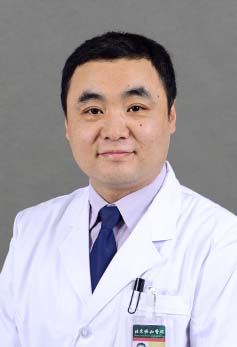 Yongtai Liu (刘永太)合作论文数Peking Union Medical College Hospital6Tianchen Guo合作论文数5Jinzhi Lai合作论文数5Zhuang Tian合作论文数5Kai Gao合作论文数5
 Zhenyu Liu (刘震宇)合作论文数北京协和医学院北京协和医院5
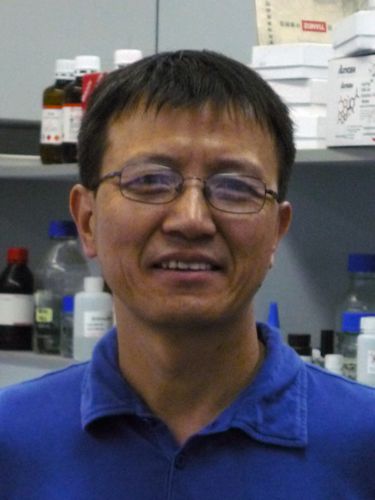 Xingxu Huang (黄行许)合作论文数School of Life Science and Technology, ShanghaiTech University5
 Jinming Gao (高金明)合作论文数Beijing Union Medical College Hospital5Haiyu Pang合作论文数4Yukang Wang合作论文数4Lu Lin合作论文数4Jianying Wang合作论文数4Jiaxin Ma合作论文数4Lei Tan合作论文数4YaHao Ling (凌亚豪)合作论文数4TaiBo Chen (陈太波)合作论文数4RuiYi Xu (徐瑞燚)合作论文数4XiaoWei Yan (严晓伟)合作论文数4




