mitigate the significant degradation in direction of arrival (DOA) estimation performance caused by time-varying axial deviation (TVAD) in acoustic vector sensor (AVS) array under non-uniform noise, a two-step least squares fitting (TSLSF) technique is presented in this paper. Firstly, a model for the AVS array incorporating TVAD is established by introducing axial deviation parameters into datasets from various subtime periods (STPs). Then, to treat the noise vectors of each channel in the AVS array as virtual sparse signals, a novel AVS array manifold matrix is formulated. After that, to estimate the TVAD matrix, sparse signals, and noise vector, two cost functions are constructed based on the principle of weighted least squares. Moreover, their analytical expressions were derived. Furthermore, to handle the effects of TVAD on DOA estimation performance over the entire observation period, the focusing technology is adopted to transform datasets with TVAD from different STPs into the desired dataset. Simulation experiments confirmed the effectiveness and resilience of the proposed method using an AVS array in conjunction with TVAD in the presence of non-uniform noise.
To overcome the challenge of limited direction of arrival (DOA) estimation performance on small-scale underwater moving platforms, a dynamic weighted linear prediction (DWLP) method for acoustic vector sensor array (AVSA) is proposed in this paper. First, using the platform’s motion, an equivalent virtual AVSA is constructed via passive synthetic aperture technology. To fill the resulting AVSA gaps, spline interpolation is applied to recover missing data, thereby reconstructing the non-uniform array into a uniform linear array. Subsequently, based on the linear correlation of the uniform linear array data, a linear prediction (LP) model is established to simultaneously generate virtual acoustic vector sensor (AVS) at both ends of the AVSA. In the prediction process, a dynamic weighting matrix and an error screening mechanism are introduced to eliminate abnormal predicted values, effectively improving the accuracy of the virtual AVS data. To mitigate steering vector mismatch caused by prediction errors, the covariance matrix is reconstructed through eigenanalysis, and the steering vector deviation is corrected using Taylor series expansion. On this basis, an iterative loop is further employed to refine the DOA estimation. Simulation results demonstrate that, compared with existing array aperture extension methods, the proposed DWLP method achieves higher DOA estimation accuracy and superior noise suppression performance under the considered small-scale moving platform configuration.
In this paper, the problem of direction of arrival (DOA) estimation under the non-orthogonal deviation (NOD) in an acoustic vector sensor array (AVSA) is systematically addressed. First, by incorporating NOD information into the ideal AVSA model, two AVSA models with NOD are established. Subsequently, closed-form expressions for DOA estimation bias, the Cram & eacute;r-Rao lower bound (CRLB), and the root mean square error (RMSE) are analytically derived for scenarios where each AVS exhibits NOD to illustrate the degrading influence of NOD on DOA estimation accuracy. To mitigate the effect of NOD, an innovative optimal modification matrix construction (OMMC) method is proposed. The NOD range of each AVS is initially coarsely estimated using prior information from a known auxiliary source and the theoretical RMSE. Based on the estimated deviation range, an overcomplete redundant correction matrix is constructed, which is used to calibrate the measurement data of each AVS. The optimal correction matrix is selected by minimizing the deviation between the estimated and true DOAs, and a global correction matrix for the entire array is formed by extracting the optimal correction sub-matrix for each AVS, thereby enabling accurate array calibration. A comprehensive performance evaluation is conducted through extensive simulations, where the proposed OMMC method is demonstrated to significantly outperform existing techniques, especially in challenging environments with large NOD or limited snapshot.
To mitigate the challenge of degraded direction of arrival (DOA) estimation accuracy for acoustic vector sensor array (AVSA) under colored noise conditions, a novel differential covariance matrix diagonalization (DCMD) method is proposed in this paper. To effectively suppress the colored noise, a temporal differencing operation is first applied to the received data, which isolates the noise component and rigorously derives its variance. Subsequently, a truncated noise analysis is performed, theoretically demonstrating that the differencing transforms the original long-memory autoregressive noise into a finite-memory moving-average process, thereby achieving tridiagonalization of the temporal noise covariance matrix. Finally, the denoised covariance matrix is reconstructed by subtracting the modeled noise, enabling high-precision DOA estimation via the multiple signal classification algorithm. Simulation results demonstrate that the proposed DCMD method exhibits effectiveness and robustness in DOA estimation under colored noise environments compared to the existing state-of-the-art techniques.
To mitigate the challenge of degraded direction of arrival (DOA) estimation accuracy in spatially constrained platforms, an improved linear prediction (IMLP) method for acoustic vector sensor array (AVSA) is proposed in this paper. To extend the aperture of AVSA beyond its physical constraints, the multi-component sensing capability of the AVSA is first used to predict virtual AVS data through linear least squares (LLS). Then, based on the actual data and predicted virtual data of AVSA, a prediction coefficient matrix is dynamically updated through an iterative refinement process to suppress the accumulation of prediction errors. Furthermore, eigenvalue threshold truncation is applied to regularize the covariance matrix, enhancing its condition number and numerical stability. Then, by removing signal components via eigenanalysis, a robust covariance matrix is reconstructed, which reduces estimation errors and enables accurate steering vector correction by isolating noise subspace characteristics. Finally, DOA estimation is performed using the minimum variance distortionless response (MVDR) method. Simulation results demonstrate that the proposed IMLP method under both ideal and non-ideal conditions achieves higher DOA estimation accuracy and stronger noise suppression capability than existing techniques for small-aperture AVSA configurations.
To address the performance degradation of direction-of-arrival (DOA) estimation for an acoustic vector sensor array (AVSA) under time-varying non-uniform noise, a cross-channel adaptive fusion long short-term memory with information aggregation (CAFLIA) framework is proposed in this paper. First, to address the spatial non-uniformity of noise power across the channels within a single acoustic vector sensor (AVS), a residual-compensation-based cross-channel adaptive fusion mechanism (CAFM) is developed, which exploits the inherent coupling between the acoustic pressure and acoustic particle velocity channels to mitigate the impact of spatially non-uniform noise. Second, to suppress time-varying noise disturbances, a segmented temporal refinement strategy is introduced, which divides the observation sequence under short-term stationarity assumptions and employs a manifold-prior-guided long short-term memory network (MG-LSTM) to enhance stable directional feature extraction while suppressing temporal noise fluctuations. Finally, a reliability-aware information aggregation mechanism (IAM) is designed to adaptively select informative features using cosine similarity for neighbor selection and employing multi-head self-attention for aggregation, mitigating noise across temporal segments. Extensive simulation results and anechoic water tank experiments demonstrate that the proposed CAFLIA method achieves superior DOA estimation accuracy compared with representative subspace-based and deep learning-based approaches, particularly under low signal-to-noise ratio and limited snapshot conditions in time-varying non-uniform noise environments.
This investigation involves acoustic vector sensor array (AVSA) for estimating direction of arrival (DOA) in the circumstance of impulsive noise. To eliminate the outliers driven by impulsive noise, the bounded nonlinear function (BNF) is usually employed. However, one limitation of BNF is that it can only suppress impulsive noise exceeding the linear threshold. Moreover, there is no guarantee that data below the threshold is not contaminated by impulsive noise, given the random nature of noise. To address this issue, a globally bounded nonlinear function is formulated by utilizing the low-order characteristics of impulsive noise. Moreover, the DOA prediction of AVSA under impulsive noise is solved using a globally bounded nonlinear covariance sparse iterative approach. Moreover, the complexity and convergence of the proposed algorithm are analyzed. The simulation and experimental results demonstrate that the suggested strategies provide substantial improvements in performance compared to existing methods in scenarios with impulsive noise.
BACKGROUND:Little is known about the impact of environmental noise on cardiovascular diseases (CVDs) in low- and middle-income countries, where high population density and complex sources of noise are prevalent. This study aimed to explore associations of environmental noise with CVDs and cardiovascular risk factors. METHODS:27,444 participants aged 18-74 years were included in this study. Noise exposure was estimated using a land use regression model. Multivariable logistic and linear regression models were used to assess the associations of noise with three CVDs (hypertension, coronary heart diseases [CHDs], and stroke) and nine cardiovascular risk factors (systolic and diastolic blood pressure [SBP and DBP], mean arterial pressure [MAP], fasting blood glucose [FBG], glycosylated hemoglobin [HbA1c], low-density lipoprotein, high-density lipoprotein [HDL-C], triglyceride [TG], and total cholesterol). We further explored the mediating effects of cardiovascular risk factors on the associations between noise and CVDs. RESULTS:An interquartile range (5.90 dB[A]) increase in noise was associated with a 24 % (odds ratios [OR] = 1.24, 95 % confidence interval [CI]: 1.19, 1.30), 18 % (OR = 1.18, 95 % CI: 1.08, 1.30), and 12 % (OR = 1.12, 95 % CI: 1.01, 1.25) higher risk of hypertension, CHDs, and stroke, respectively. The associations between noise exposure and hypertension were more pronounced among males, individuals aged > 59 years, or those with lower educational attainment. Noise exposure was associated with higher SBP, DBP, MAP, FBG, HbA1c, and TG, and lower HDL-C. The associations between noise and CVDs were partially mediated by alterations in FBG, HbA1c, TG, HDL-C, and body mass index. CONCLUSIONS:Long-term environmental noise exposure may have detrimental impacts on cardiovascular health, underscoring the need for public health strategies to mitigate noise pollution in China.
Acoustic vector sensor (AVS) has gained widespread application in estimating the direction of arrival (DOA). However, the orthogonality of the velocity axes of the AVS cannot usually be guaranteed, which may significantly impact the performance of DOA estimation. To illustrate the influence of nonorthogonal deviation (ND) on DOA estimation, the Cramer-Rao lower bound (CRLB) and root-mean-squared error (RMSE) of the nonorthogonal AVS (N-AVS) models are deduced. The theoretical analysis and simulation results show that the ND brings a considerable impact on the accuracy of DOA estimation. Furthermore, to suppress the impact of the ND on the performance of DOA estimation, an ND matrix modification (NDMM) algorithm is proposed. Simulation and experimental data results have verified that the proposed method improves the DOA estimation accuracy using a single N-AVS.
Rhamnolipids (RLs), microbial biosurfactants, are distinguished by their excellent surface and interfacial activities, biodegradability, and environmental friendliness, making them sustainable candidates for various industrial applications. Nevertheless, their ester bonds are susceptible to hydrolysis in high-temperature, alkaline conditions, leading to the formation of mono-fatty acid RLs. Understanding the properties of these post-cleavage RLs is essential for their effective utilization. This study investigates the impact of hydrophobic fatty acid chains on the emulsifying properties of RLs, particularly focusing on mono-fatty acid forms for enhanced oil recovery (EOR). The physicochemical properties of RLs were characterized, including surface and interfacial tension, critical micelle concentration (CMC), emulsification stability, and oil-washing efficiency, using experimental methods and density functional theory (DFT) calculations. Our findings indicate that, despite the lower surface and interfacial tension and CMC values of di-fatty acid RLs, mono-fatty acid RLs exhibit superior emulsifying activity and stability. This may be due to their ability to form denser membranes that enhances emulsion film strength and stability. DFT simulations suggest that the presence of two hydrophobic chains can decrease emulsifying stability of RLs towards alkanes, likely due to steric hindrance. This comprehensive understanding of the structure-performance relationship in RLs provides valuable insights for tailoring biosurfactants to meet specific industrial demands.
The purpose of this paper is to address the performance degradation when using acoustic vector sensor array (AVSA) in impulsive noise environment for estimating direction of arrival (DOA). The existing methods of DOA estimation generally assume that the noise in the signal is Gaussian white noise. However, owing to the complexity of the underwater environment, the noise may contain impulsive characteristics, which will invalidate the original DOA estimation methods. In order to realize stable DOA estimation using AVSA in impulsive noise, a novel algorithm for sparse iteration based on bounded nonlinear function (BNF) and low-order processing is proposed in this paper. Firstly, the BNF is applied to suppress outliers caused by impulsive noise. Then, to overcome the limitation of BNF, which can only suppress impulsive noise in the nonlinear region, a sparse iterative technique based on low-order processing is applied. Finally, the DOA estimation is obtained through spectral peak search. The results of simulation indicate that the proposed algorithm can provide superior suppression of impulsive noise and significantly improves the performance of DOA estimation compared to existing methods. And this superiority is further outstanding when the generalized signal-to-noise ratio (GSNR) and the snapshots are small.
This study presents an innovative matrix completion method for estimating the direction of arrival (DOA) using acoustic vector sensor array (AVSA) with missing data. The signal restoration task is initially framed as a matrix factorization problem, where the nuclear norm minimization is equivalently transformed into a multiple Frobenius norms minimization problem through matrix bilinear factorization decomposition. On this basis, to address noise sensitivity and preserve signal structures, a graph Laplacian regularization (GLR) term is incorporated into the multiple Frobenius norms minimization problem to preserve local structures and features to mitigate the effect of the noise. Furthermore, the UV decomposition matrix completion model based on graph Laplacian regularization (UVGLR-MC) is proposed. Then, the information acquired from the array to be retrieved is processed using the alternating direction multiplier method (ADMM) methodology. The multiple signal classification (MUSIC) method is employed to determine the DOA of the signal. Simulation outcomes show that this strategy exhibits excellent robustness and computational efficiency when handling complex datasets with noise and missing data.
The incidence of IgG4-related autoimmune pancreatitis (IgG4-AIP) is high in Asia and other countries, and unnecessary treatment is often undertaken due to both missed diagnosis and misdiagnosis in clinical practice. Although IgG4-AIP has attracted increasing attention, the details of IgG4-AIP pathogenesis and systemic immune response, including its relationship to tumor pathogenesis, are still unclear. In recent years, research on serum immunological detection, pathological features, clinical manifestations, diagnosis and treatment measures for IgG4-AIP has gradually increased. It is of great importance to summarize and discuss the latest progress regarding IgG4-AIP disease.
BACKGROUND:Activation of pericytes leads to renal interstitial fibrosis, but the regulatory mechanism of pericytes in the progression from AKI to CKD remains poorly understood. CD36 activation plays a role in the progression of CKD. However, the significance of CD36 during AKI-CKD, especially in pericyte, remains to be fully defined. METHODS:GEO and DISCO database were used to analyze the expression of CD36 in pericyte during AKI-CKD; IRI to conduct AKI-CKD mouse model; Hypoxia/Reoxygenation (H/R) to induce the cell model; RT-qPCR and Western blotting to detect gene expression; IP and confocal-IF to determine the core fucosylation (CF) level of CD36. Flow cytometry (AV/PI staining) to detect the cell apoptosis and JC-1 staining to react to the change of mitochondrial membrane potential. RESULTS:During AKI to CKD progression, CD36 expression in pericytes is higher and may be influenced by CF. Moreover, we confirmed the positive association of CD36 expression with pericyte-myofibroblast transition and the progression of AKI-CKD in an IRI mouse model and hypoxia/reoxygenation (H/R) pericytes. Notably, we discovered that FUT8 upregulates both CD36 expression and its CF level, contributing to the activation of the mitochondrial-dependent apoptosis signaling pathway in pericytes, ultimately leading to the progression of AKI-CKD. CONCLUSION:These results further identify FUT8 and CD36 as potential targets for the treatment in the progression of AKI-CKD.
The complexity of objective things and the vagueness of subjective judgement will bring numerous uncertainties, then result in fuzzy nature of evaluation. The traditional fuzzy hierarchical analysis often leads to inconsistency with the judgement matrix and inaccurate calculation, which needs further check and correction. The improved fuzzy hierarchy method is more effective, more in line with human logic, more simple, more accurate and easier to establish. Therefore, the improved fuzzy hierarchy analysis method is used to evaluate the reliability allocation scheme of the hydraulic system, the core component of computer numerical control (CNC) machine tools' processing. According to the characteristics of multi-level and multifactor reliability index along with the coexistence of quantitative and qualitative indexes, the improved fuzzy analytic hierarchy process (FAHP) method is adopted. After comprehensive consideration, six factors affecting the hydraulic system are defined, and the threescale method is introduced to establish the fuzzy consistency matrix and build the hierarchical structure model. The improved FAHP model is programmed by MATLAB with expert information, and the comprehensive weight of each object layer unit to the target layer is calculated and determined. The reliability allocation of hydraulic system according to the determined weight provides a new idea for the layout and reliability study of such system of CNC machine tools.
The morbidity and mortality of neurodegenerative diseases (NNDs) are increasing year by year, but the pathogenesis of the diseases is still unclear and the only currently available treatments are very limited. The aging of the world's population is a serious trend, and the search for new treatments is urgent. The discovery of the microbial-gut-brain axis provides new therapeutic ideas. In this paper, we will describe the current mechanism of the microbial-gut-brain axis, and discuss the feasible solutions for the treatment of neurodegenerative diseases by regulating the gut microbiota, in order to provide new ideas for the treatment of neurodegenerative diseases in the future.
RNA-binding proteins (RBPs) make vital impacts on tumor progression and are important potential targets for tumor treatment. Previous studies have shown that RBP regulator of differentiation 1 (ROD1), enriched in the nucleus, is abnormally expressed and functions as a splicing factor in tumors; however, the mechanism underlying its involvement in gastric cancer (GC) is unknown. In this study, ROD1 is found to stimulate GC cell proliferation and metastasis and is related to poor patient prognosis. In vitro experiments showed that ROD1 influences GC proliferation and metastasis through modulating the imbalance of the level of the oncogenic gene OIP5 and the tumor suppressor gene GPD1L. Further studies showed that the N6-methyladenosine (m6A) "reader" protein YTHDC1 can interact with ROD1 and regulate the balance of the expression of the downstream molecules OIP5/GPD1L by promoting the nuclear enrichment of ROD1. Therefore, YTHDC1 stimulates GC development and progression through modulating nuclear enrichment of the splicing factor ROD1.
Background: Exposure to ambient ozone has been associated with extrapulmonary health, but the underlying mechanisms remain to be understood. LncRNAs are involved in the regulation of gene expression, but their regulatory mechanisms in ozone-related health effects are scarcely explored. Objective: To investigate genome-wide lncRNA changes after short-term ozone exposure and their regulatory roles in ozone exposure and gene expression. Method: We conducted a randomized, crossover, controlled exposure trial in 32 healthy college students in Shanghai, China. Each participant received both 200-ppb ozone exposure and filtered air exposure for 2 h in a random order with a 14-day washout period. Blood samples were collected after each exposure and used for lncRNA sequencing. Differentially expressed lncRNAs between the two exposures were identified using orthogonal partial least squares discriminant analysis and linear regression analysis. LncRNAs-targeted mRNAs were mapped and subjected to enrichment analyses. We also constructed lncRNA-miRNA-mRNA networks. Results: A total of 90 lncRNAs were differentially expressed after exposure to ozone, with 49 up-regulated and 41 down-regulated. Enrichment analyses suggested that these dysregulated lncRNAs were involved in a variety of biological processes, including those related to oxidative stress, inflammation response, and cell proliferation, development, and differentiation. Multiple pathways such as IL-17 signaling, NF-kB signaling, and Rho GTPases signaling were also enriched. Furthermore, the lncRNA-miRNA-mRNA network revealed that specific lncRNAs may regulate the expression of inflammation- and angiogenesis-related genes by interacting with miRNAs, such as NEAT1 /hsa-miR-500a-3p/ SIGLEC8, NEAT1 /hsa-miR-6835-3p/ SLC16A14 , OIP5-AS1 /miR-183-5p/ EGR1 , and SNHG25 /hsa-miR-663a/ FOSB axes. Conclusion: This study characterized a thorough profile of human lncRNAs following short-term ozone exposure and suggested the regulatory roles of these lncRNAs in ozone-induced inflammatory responses and angiogenesis, providing novel epigenetic insights into the mechanisms of the health effects of ozone exposure.
The genus Fictibacillus contains twelve species significant in the synthesis of cellulose-degrading enzymes and phenylalanine dehydrogenase, isolated mainly from marine sedimentary environments. Here, we report a new biosurfactant-producing strain, Fictibacillus nanhaiensis ME46, isolated from Daqing oil field in China. The biosurfactant extracted from Strain ME46 was determined as surfactin, one of the representative families of lipopeptide biosurfactants. The yield of the surfactin produced by strain ME46 was 0.62 g·L-1 as determined by high-performance liquid chromatography, and the critical micelle concentration (CMC) of the surfactin was estimated to be about 68 mg·L-1 and the surface tension at CMC was 35.1 mN·m-1. This study extended our knowledge about the role of the species Fictibacillus nanhaiensis in the ecosystem of natural environments such as the oil field.
Promoting the use of recycled water is essential for environmental sustainability. A key part of promoting the use of recycled water is effectively increasing the public’s intention to adopt it. This research attempts to explore the factors that influence the public’s intention to adopt recycled water. It therefore introduces the baseline water stress indicator and extends the survey area to areas of high water stress. Based on the Diffusion of Innovation Theory (DOI), a new research model is developed from the perspective of “information disclosure (knowledge)–psychological factors (persuasion)–adoption intention (decision)”, and the moderating role of policy instruments is considered. Structural equation modeling and hierarchical regression analysis are used to empirically analyze 724 valid questionnaires. The results indicate that psychological factors (trust, awareness of water environment protection, herd mentality) have multiple parallel mediating effects between recycled water information disclosure and adoption intention, and herd mentality is the key factor influencing the public’s intention to adopt recycled water. Command-and-control policy instruments inhibit adoption intention, while economic incentives and publicity-and-guidance policy instruments promote adoption intention. These findings can help policymakers seek and adopt effective policy measures and provide a reference for popularizing and promoting recycled water in areas with high water stress.
 Haidong Kan (阚海东)合作论文数School of Public Health, Fudan University52
 Renjie Chen (陈仁杰)合作论文数School of Public Health, Fudan University36
 Cong Liu (刘聪)合作论文数Department of Environmental Health, School of Public Health, Fudan University26
 Xia Meng (孟夏)合作论文数School of Public Health, Fudan University24
 Yue Niu (牛越)合作论文数School of Public Health, Fudan University19
 Wentao Shi (史文涛)合作论文数Ocean Institute, Northwestern Polytechnical University19
 Jing Cai (蔡婧)合作论文数School of Public Health, Fudan University18
 Hongli Lin (林洪丽)合作论文数The First Affiliated Hospital of Dalian Medical University18
 Shuang Li (李霜)合作论文数College of Biotechnology and Pharmaceutical Engineering, Nanjing Tech University16
 Junzhang Lin合作论文数15
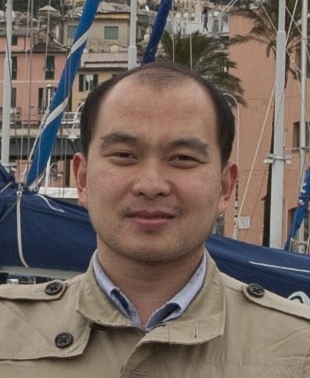 Hui Li (李辉)合作论文数School of Computer Science and Technology, Xidian University;The Key Laboratory of Advanced Database Technology of Xi'an14Cuiping Wang合作论文数13
 Yixuan Jiang (姜宜萱)合作论文数School of Public Health, Fudan University13Xiangning Du合作论文数11
 Weijie Tan (谭伟杰)合作论文数State Key Laboratory of Public Big Data, Guizhou University;College of Computer Science and Technology, Guizhou University10
 Qunfei Zhang (张群飞)合作论文数School of Marine Science and Technology, Northwestern Polytechnical University10
 Lei Yan (晏磊)合作论文数黑龙江八一农垦大学生命科学与技术学院10
 Wasiq Ali合作论文数Northwestern Polytech Univ, Sch Marine Sci & Technol, Xian 710072, Peoples R China9Qing-Tang Zhu合作论文数9Yihui Ge合作论文数8Ruiqi Gao合作论文数8
 Xiaohui Chen (陈晓辉)合作论文数School of Information Science and Technology, University of Science and Technology of China;Wireless Information Network Lab, University of Science and Technology of China8
 He Huang (黄和)合作论文数School of Food and Pharmaceutical Engineering, Nanjing Normal University8Longkai Li (李龙凯)合作论文数8Haikun Zhou合作论文数7Su Shi合作论文数7Gangsong Leng (冷岗松)合作论文数College of Sciences, Shanghai University7Nan Shen (沈楠)合作论文数7
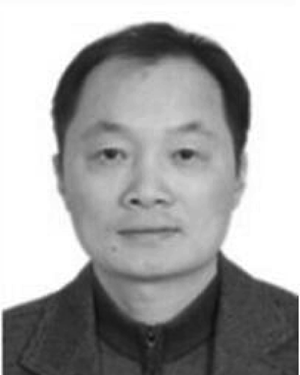 Xiaohua Li合作论文数7
 Huarui Yin (尹华锐)合作论文数中国科学技术大学网络空间安全学院;School of Information Science and Technology, University of Science and Technology of China, Hefei, China Hefei, China7Yan-Jie Wang合作论文数7Biaojie Qin合作论文数6Guojun Zhang合作论文数6
 Xihao Du (杜喜浩)合作论文数Shanghai Jiao Tong University School of Medicine6Jinhua Pan合作论文数6Huichu Li合作论文数6Zhixi Liu合作论文数6
 Nan Wang合作论文数6YaMei Gao (高亚梅)合作论文数6
 Qingyan Fu (伏晴艳)合作论文数Shanghai Academy of Environmental Sciences6
 Ye Yao (姚烨)合作论文数Department of Biostatistics, School of Public Health, Fudan University;Research Institute of Intelligent Complex Systems, Fudan University6Xia Yongjie合作论文数6Zhang Shuang合作论文数6
 Ning Yang合作论文数School of Science, Southwest Jiaotong University6Guanjin Yin合作论文数5Zhenchang Mo合作论文数5Qinchuan Yang合作论文数5
 Qingda Xu (徐庆达)合作论文数School of Future Technology, Shandong University5Jiangpeng Wei合作论文数5




