This Investigational New Drug (IND) enabling study evaluated life-supporting kidney xenotransplantation using porcine source animals with 10 gene edits (10 GE) in a nonhuman primate (NHP) test system. Twelve baboons received xenografts with either calcineurin inhibitor (CNI)-based or CD40/154 costimulation blockade immunosuppression. Source-specific screening prevented early xenograft antibody-mediated rejection in recipients, and clinically relevant preservation with hypothermic machine perfusion-maintained xenograft viability after off-site procurement at a high health herd facility. No zoonotic infections were detected. Six of 12 recipients achieved survival >3 months without evidence of cell- or antibody-mediated rejection. CNI-based regimens were well-tolerated and achieved the longest survivals to date using this approach, contingent on maintenance of therapeutic drug levels. However, xenograft loss among recipients of each immunosuppression regimen was associated with complement activation and microangiopathy, despite 10 GE Xenokidney expression of hCD46 and hCD55. Complement activation, potentially worsened by infection-related inflammation, may lead to long-term 10 GE Xenokidney failure.
AIMS:Combined renal and islet xenotransplantation could provide a durable treatment for end-stage diabetic nephropathy. In this feasibility-focused study, we evaluated two complementary approaches for clinical translation: (1) pre-vascularized composite islet-kidney (I-K) grafts and (2) sequential islet-after-kidney xenotransplantation with vascularized thymic lobe (VTL) co-transplantation as an adjunct immune tolerance strategy. METHODS:Composite I-K grafts were generated in nine MHC-matched, minor-antigen-mismatched miniature swine pairs by implanting adult porcine islets beneath the renal capsule of juvenile kidney donors followed by pre-vascularization under tacrolimus-based immunosuppression. Separately, three baboons underwent GalTKO.hCD55 kidney and VTL xenotransplantation, followed by streptozocin-induced diabetes and intraportal adult porcine islet infusion from a separate donor. Renal/metabolic function, porcine C-peptide, histology, and immune profiling were assessed. RESULTS:Composite I-K grafts demonstrated limited islet survival with peri-islet inflammation on histology at the graft preparation stage and were not advanced to pig-to-NHP xenotransplantation in this study. Sequential islet-after-kidney transplantation restored insulin-independent euglycemia in all recipients. Porcine C-peptide was detectable in the long-term survivor with intrahepatic insulin-positive islets at necropsy. Infection-associated thrombotic microangiopathy limited survival in two animals; in the 180-day survivor, anti-porcine hypo-responsiveness and evidence of thymopoiesis within the VTL graft were observed. CONCLUSIONS:In this limited series, sequential islet-after-kidney xenotransplantation restored metabolic control and represents a promising translational strategy for diabetic nephropathy.
BACKGROUND:Xenotransplantation (XTx) is a promising strategy to address the organ shortage. Clinical application will likely require off-site procurement from designated pathogen-free (DPF) facilities, introducing unavoidable cold ischemic time (CIT). The impact of CIT and organ preservation method on graft function in XTx remains unclear. METHODS:We evaluated eight cases of pig-to-baboon kidney xenotransplantation performed after five hours of CIT, comparing static cold storage (SCS) to hypothermic machine perfusion (HMP) preservation. Outcomes were assessed relative to six additional pig-to-baboon transplants performed with minimal CIT. RESULTS:All grafts preserved with SCS experience hyperacute rejection within 90 min of reperfusion, even in recipients with low levels of preformed anti-pig antibodies. In contrast, all HMP-preserved grafts reperfuse without clinical evidence of injury and maintain function for more than 14 days. Grafts transplanted with minimal CIT show similarly favorable outcomes. CONCLUSIONS:Porcine kidneys are highly sensitive to ischemia-reperfusion injury after cold preservation across xenogeneic barriers. Routine SCS leads to early graft failure, while HMP mitigates ischemic injury and may enable successful clinical XTx despite prolonged CIT.
Macrophages (MAC) play a crucial role in the immune response during allograft rejection in organ transplantation. Therefore, our study aimed to explore the genomic features of MAC in mouse heart transplants and use single-cell RNA sequencing to investigate Galectin-9 (Gal-9 and Lgals9), a lectin that can mediate the activation and differentiation of immune cells through ligand-receptor interactions, and the effects of its regulation in transplantation. We discovered a new subset of MAC called "Myoz2+ MAC," which specifically expressed genes related to myocardial contraction. We identified a distinct differentiation trajectory and process for the Saa3+ macrophage population, representing anti-inflammatory functionality. Also, we observed a significant downregulation of Lgals9 expression in the MAC after mouse heart transplantation. Then, we validated our findings using RT-qPCR and Western blotting and also investigated the impact of Lgals9 on macrophage function through flow cytometry and ELISA. Furthermore, in vitro, we found that rLgals9 (Recombinant Mouse Galectin-9 Protein) treated MAC polarized toward the M2b phenotype at appropriate concentrations.
Combined islet and kidney xenotransplantation for the treatment of diabetic nephropathy represents a compelling and increasingly relevant therapeutic possibility for an ever-growing number of patients who would benefit from both durable renal replacement and cure of the underlying cause of their renal insufficiency: diabetes. Here we briefly review immune barriers to islet transplantation, highlight preclinical progress in the field, and summarize our experience with combined islet and kidney xenotransplantation, including both challenges with islet-kidney composite grafts as well as our recent success with sequential kidney followed by islet xenotransplantation in a pig-to-baboon model.
Xenotransplantation represents a possible solution to the organ shortage crisis and is an imminent clinical reality with long-term xenograft survival in pig-to-nonhuman primate (NHP) heart and kidney large animal models, and short-term success in recent human decedent and clinical studies. However, concerns remain about safe clinical translation of these results, given the inconsistency in published survival as well as key differences between preclinical procurement and immunosuppression and clinical standards-of-care. Notably, no studies of solid organ pig-to-NHP transplantation have achieved xenograft survival longer than one month without CD40/CD154 costimulatory blockade, which is not currently an FDA-approved immunosuppression strategy. We now present consistent survival in consecutive cases of pig-to-NHP kidney xenotransplantation, including long-term survival after >3 hours of xenograft cold preservation time as well as long-term survival using FDA-approved immunosuppression. These data provide critical supporting evidence for the safety and feasibility of clinical kidney xenotransplantation. Moreover, long-term survival without CD40/CD154 costimulatory blockade may provide important insights for immunosuppression regimens to be considered for first-in-human clinical trials.
Xenotransplantation (XTx) is an increasingly realistic solution to the organ shortage. Clinical XTx may require off-site procurement in a designated pathogen free (DPF) facility necessitating a period of cold ischemic time during transportation. This study evaluates the impact of different kidney preservation strategies on early graft function in pig-to-baboon XTx in a series of eight cases of pig-to-baboon xenotransplantation performed after five hours of cold ischemic time and compares these results to six cases of pig-to-baboon xenotransplantation performed with minimal ischemic time. Our data indicates that porcine kidneys appear to be particularly sensitive to IRI after cold preservation, especially across xenogeneic barriers, and routine static cold storage leads to hyperacute graft loss even in recipients with low levels of preformed antibodies. Hypothermic machine perfusion minimizes IRI and may prevent early xenograft loss.
Background and Objectives Postoperatively, transplant recipients receive immunosuppressants, as well as sedatives and analgesics. The immunomodulatory effects of these other agents during the induction period following transplantation remain unclear. We aimed to determine whether the agents dexmedetomidine hydrochloride (Dex) and fentanyl (Fen) have immunomodulatory effects during the induction period following heart transplantation (HTx). Methods Fifty mice were used for antinociception tests after administration of Dex and Fen, and T cells from 3 naive animals were used for in vitro lymphocyte transformation test (study 1). Fifty-four B6 mice received HTx from BALB/c mice and were treated with Dex, Fen, or neither (study 2). Thirty-six recipients were used for graft survival data and were humanely killed at the time of cessation of heart graft contraction. The remaining 18 were humanely killed at either postoperative day (POD) 4 or 6 for histologic examination of graft survival, as well as in vitro analysis. Results Based on the results of study 1, daily intraperitoneal administration of Dex at 30 &mgr;g/kg or Fen at 0.25 mg/kg was determined to be the optimal dose to induce analgesia without oversedation following HTx. Graft survivals in both Dex- or Fen-treated animals were statistically prolonged compared with control (P < 0.01). Graft survival of Fen-treated recipients was increased up to 15 days, and graft survival of Dex-treated animals was also increased up to 10 days, whereas control mice rejected heart grafts by POD 7. Mixed lymphocyte reaction responses on POD 4 showed statistically lower responses in Dex-treated recipients and Fen-treated recipients when compared with controls (P < 0.01). Cytokine profiles of splenocytes showed markedly fewer interferon &ggr;–positive splenocytes in Fen-treated recipients on POD 4. Conclusions These data suggest that both Dex and Fen have immunomodulatory properties in the induction period following transplantation.
Dendritic cells (DCs) have the tolerogenic potential to regulate adaptive immunity and induce allografts acceptance. Here we investigated whether blockade of the CD40 pathway could enhance the immune tolerance induced by DC2.4 cells modified to express Jagged-1 (JAG1-DC) in heart transplantation. Results showed that JAG1-DC treatment combined with anti-CD40L monoclonal antibody (mAb) administration significantly prolonged cardiac allograft survival in mice, with long-term survival (>110 days) of 50% of the allografts in the recipients. The therapy specifically inhibited the immune response, induced alloantigen-specific T-cell hyporesponsiveness, upregulated transforming growth factor-beta synthesis and increased the population of regulatory T cells (Tregs) driven by Jagged-1-Notch activation. These results highlight the potential application of gene therapy to induce alloantigen-specific Tregs effectively by providing the Jagged-1 stimulation.
UNLABELLED:Since α-1,3-galactosyltransferase knockout (GalT-KO) pigs became available, there has been an increasing interest in non-Gal natural antibody (nAb)-mediated xenograft rejection. To better understand mechanisms of non-Gal nAb-mediated rejection, a simple small animal model without gene manipulation would be extremely valuable. Here, we tested whether the Chinese tree shrew (CTS), which is a small-sized mammal that is phylogenetically close to primates, could serve as a model for discordant xenograft rejection. METHODS:Study 1: Expression of α-Gal antigens in hearts and kidneys of CTSs and rats was assessed by IB4 lectin binding. Presence of anti-Gal and anti-non-Gal IgM and IgG nAb in CTS sera was tested by FACS using Gal+ and GalTKO PBMC as well as BSA-ELISA. Study 2: Rat hearts were transplanted into CTS recipients (group 1, n = 7), and CTS hearts were transplanted in rats [n = 10; seven received no immunosuppression (group 2) and three received FK506 + leflunomide (group 3)]. RESULTS:Study 1: Both CTSs and rats had α-Gal expression in hearts and kidneys. ELISA showed CTSs do not have anti-Gal nAb, and flow cytometry indicated CTSs have anti-non-Gal IgM and IgG nAb in serum. Study 2: Rat hearts in CTSs were uniformly rejected within 35 mins, while CTS hearts in rats continued beating until day 5 without immunosuppression, and up to day 8 with immunosuppression. CONCLUSION:Rat-to-CTS heart transplantation is a discordant xenotransplant model, CTS-to-Rat heart transplantation is a concordant xenotransplant model. CTSs are valuable small animals to study mechanisms and strategies to avoid non-Gal nAb-mediated xenograft rejection.
Dendritic cells (DCs) have the tolerogenic potential to regulate adaptive immunity and induce allografts acceptance. Here we investigated whether blockade of the CD40 pathway could enhance the immune tolerance induced by DC2.4 cells modified to express Jagged-1 (JAG1-DC) in heart transplantation. Results showed that JAG1-DC treatment combined with anti-CD40L monoclonal antibody (mAb) administration significantly prolonged cardiac allograft survival in mice, with long-term survival (>110 days) of 50% of the allografts in the recipients. The therapy specifically inhibited the immune response, induced alloantigen-specific T-cell hyporesponsiveness, upregulated transforming growth factor-β synthesis and increased the population of regulatory T cells (Tregs) driven by Jagged-1-Notch activation. These results highlight the potential application of gene therapy to induce alloantigen-specific Tregs effectively by providing the Jagged-1 stimulation.
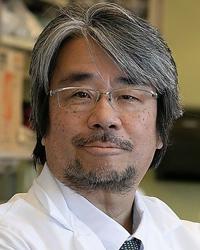 Kazuhiko Yamada合作论文数School of Medicine, Johns Hopkins University;Johns Hopkins Hospital11
 Iwase Hayato合作论文数10Yu Hisadome合作论文数9Michelle Santillan合作论文数8
 Zhongquan Qi (齐忠权)合作论文数广西大学医学院7Daniel Eisenson合作论文数5D. Ayares合作论文数5Lars Burdorf合作论文数4Akira Shimizu合作论文数4Jin Ning合作论文数4Daniel S. Warren合作论文数Department of Surgery, Johns Hopkins University4
 Ying-Ying Lin (林映莹)合作论文数3
 Zhaoli Sun合作论文数Transplant Biology Research Center, Johns Hopkins University School of Medicine3
 Gao Chang合作论文数3Wanxing Cui合作论文数3
 Andrew Cameron合作论文数School of Physics and Astronomy, University of St Andrews3Yuxi Fan合作论文数2Amanda Maxwell合作论文数2leigh peterson合作论文数2Zhouqi Tang合作论文数2Fangna Lu合作论文数2Hedong Zhang合作论文数2Jie Chen合作论文数2Chun Li合作论文数2Helong Dai合作论文数2Hisashi Sahara合作论文数2Chen Chao合作论文数2
 Vincenzo Villani合作论文数Transplantation Biology Research Center, Massachusetts General Hospital2Li Jiali合作论文数2
 Shuangyue Xu合作论文数2
 Guoliang Yan (闫国良)合作论文数School of Medicine, Xiamen University2
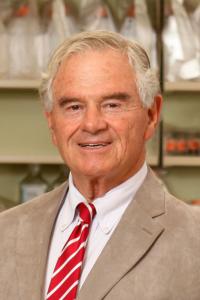 David H Sachs合作论文数Vagelos College of Physicians and Surgeons, Columbia University Irving Medical Center2
 Junjie Xia (夏俊杰)合作论文数School of Medicine, Xiamen University2
 Pengfei Ma (马朋飞)合作论文数University of Chinese Academy of Sciences;Kunming Institute of Botany, Chinese Academy of Sciences2Fenghua Peng (彭风华)合作论文数2
 Longkai Peng (彭龙开)合作论文数The Second Xiangya Hospital of Central South University2Kasinath Kuravi合作论文数1Lori Sorrells合作论文数1JIANG Xin (蒋欣)合作论文数1
 Xiaojun Chen (陈晓军)合作论文数School of Basic Medical Sciences, Nanjing Medical University1Maoshu Zhu合作论文数1Yuan Wu合作论文数1Wei Shao合作论文数1Feifei Du合作论文数1Kazuhiro Takeuchi合作论文数1Chen Dai合作论文数1Farzana Rahman合作论文数1Zhi Lin合作论文数1Cheng Li合作论文数1




