Strong shielding of gradient coils is required to maintain the cryogenic stability of superconducting magnetic resonance imaging (MRI) systems. In planar-type superconducting MRI systems, which extensive use high-conductivity materials, gradient coil sets are embedded within the open slots of the main magnet. In this study, we propose a shielding constraint based on a progressively enhanced shielding coil design method. This approach reduces complexity in coil structure while optimizing gradient coil performance and meeting imaging requirements within the specified diameter of the spherical volume (DSV). We measure the magnetic field distribution at the axial directions and magnetic field distributions produced by the designed gradient coils. Experimental results confirm that the proposed design suppresses stray magnetic fields without excessive coil complexity, while producing highly linear gradient fields in the imaging region.
High-field magnetic resonance imaging (MRI) systems impose stringent performance requirements on gradient coils, including high efficiency, excellent field linearity, and sufficient mechanical robustness. In this work, an actively shielded and force-balanced gradient coil assembly was developed for a cryogen-free 7 T/160 mm superconducting MRI magnet. The gradient coils were designed using a conventional boundary element method (BEM)-based framework with active shielding, force-balance constraints, and engineering manufacturability considerations to improve gradient efficiency and suppress electromagnetic forces under strong background magnetic fields. Based on the optimized design, three-axis gradient coils were fabricated using CNC machining and axial winding and integrated into a compact coaxial multilayer assembly through a standardized engineering fabrication and assembly process. Experimental results show that the X-, Y-, and Z-axis coils achieve gradient efficiencies of 3.95 mT/m/A, 3.72 mT/m/A, and 4.12 mT/m/A, respectively, with field linearity errors within ±2.5% inside a 50 mm diameter spherical volume (DSV). The measured electrical parameters show good agreement with the design values, confirming the feasibility of the proposed fabrication and assembly method. These results demonstrate the engineering feasibility and practical implementation capability of the proposed gradient coil assembly for compact high-field micro-MRI applications.
OBJECTIVE:To develop a transceiver radio frequency (RF) coil optimized for high resolution small-animal imaging at 14.1 T, aimed at enhancing signal-to-noise ratio (SNR) performance. METHODS:A hybrid distributed capacitance (HDC) birdcage coil was designed, combining conventional endring lumped capacitors with distributed capacitance along the legs, implemented using double-layer copper-clad substrates. Electromagnetic (EM) simulations were employed to optimize the coil's structural parameters and capacitance values for maximum RF performance. The HDC birdcage coil's performance was evaluated against a conventional bandpass (BP) design through electromagnetic simulations, bench tests, and phantom imaging. In vivo validation was performed using mouse imaging. RESULTS:EM simulations demonstrated that the HDC design enhances mean $\text{B}_{1}^{+}$ and $\text{B}_{1}^{-}$ field strengths by 11.8% and 11.7%, respectively, relative to the conventional BP design. The HDC design also showed reduced electric field (E-field) value in phantom, with 4.2% lower mean and 11.4% lower maximum E-field value. Bench measurements revealed a superior quality factor (Q factor) for the HDC coil, with a 34.2% higher unloaded Q value compared to the conventional design. Phantom imaging confirmed a 41% SNR improvement with the HDC design. The optimized HDC coil enabled mouse brain imaging at 50 $ \!\!\mu \!\!\text{ m}$ resolution. CONCLUSION:The proposed HDC birdcage coil demonstrated superior receiver sensitivity and Q factor compared to conventional designs, yielding significant SNR improvements in 14.1 T imaging. SIGNIFICANCE:The results demonstrated the feasibility of achieving enhanced coil performance through HDC design at ultra-high field strength, providing a promising approach for improving image quality in small-animal MRI applications.
Ultra-high field magnetic resonance imaging (MRI) offers significant advantages in terms of signal-to-noise ratio and spatial resolution. In this study, we detail the development of a multi-channel home-built MRI console operating at 14 T. We propose a hybrid analog-digital framework that shifts high-frequency radio frequency transmission and reception issues to lower frequencies, utilizing software-defined radio technology to process these low-frequency signals. Digital pre-emphasis is used in gradient calculations to counteract the effects of eddy currents during gradient switching. Our console can transmit and receive at center frequencies up to 600 MHz. The pulse programmer module achieves a timing resolution of 20 ns, while the transmitter can independently generate waveforms with varying amplitude, frequency, phase, and envelope. The receiver's dual-stage gain control provides 63 dB of adjustable range, optimizing the magnetic resonance (MR) signal's dynamic range. After frequency conversion, the MR signals are digitized with 16-bit resolution and 100 MHz sampling rate. High-resolution water phantom images are acquired on the 14 T Bruker Ascend 600 nuclear magnetic resonance magnet, demonstrating its potential for clinical research and application.
Gradient coils play a critical role in magnetic resonance imaging (MRI) systems by enabling spatial encoding through generating rapidly switching magnetic fields. However, these time-varying fields induce eddy currents in surrounding conductive structures, leading to gradient field distortions and imaging artifacts. In this study, we propose an automatic eddy current compensation method implemented on a field-programmable gate array (FPGA) platform. The approach employs iterative correction formulas for both linear gradient and B0 eddy fields, enabling real-time compensation. To enhance computational efficiency, a novel layout for the pre-emphasis (PE) unit is also introduced. Compared to conventional compensation techniques, the proposed FPGA-based solution offers significant improvements in implementation simplicity and system stability. Experimental results demonstrate that the residual direct- and cross-term eddy current fields are reduced to below 0.02%, equivalent to 4 μT/m, for a test gradient of 20 mT/m. Furthermore, the B0 eddy field is suppressed to below 0.1 μT when a B0 compensation coil is employed. These improvements effectively reduce ghosting artifacts in multi-slice gradient-echo (GRE) phantom images. The robustness of the method is further validated across various imaging sequences, including T1-weighted (T1w) and T2-weighted (T2w) protocols.
This study aims to develop a compact, low-cost, and high-performance benchtop small-animal PET/MRI scanner that achieves functional and anatomical image fusion. The system is designed to address challenges in cost reduction, spatial resolution, sensitivity, image quality (IQ), and quantitative accuracy. The PET/MRI system was developed with a parallel configuration, integrating a custom-designed PET scanner and a 0.5-T permanent magnet MRI system. Quantitative assessments included spatial resolution, sensitivity, IQ, and quantitative accuracy, as well as signal-to-noise ratio (SNR), geometric distortion (GD), and image uniformity (IU) for MRI. The spatial resolution at the axial center is 1.31 (axial), 1.26 (radial), and 1.22 mm (tangential), with a center sensitivity of 8.05% under a wide energy window. Image quality (IQ) tests using an IQ phantom demonstrated a uniformity of 10.08% standard deviation, recovery coefficients (RC) ranging from 0.23 to 0.96, and spill-over ratios (SOR) of 0.08 and 0.18 in air and water regions, respectively. The MRI system achieved an SNR of 14.16 in phantom tests, a GD of less than 1%, and IU of 90.13%. Fusion imaging of PET and MRI demonstrated high registration accuracy in both phantom and mouse studies, with complementary functional and anatomical information. The proposed PET/MRI system achieves high spatial resolution, sensitivity, IQ, and quantitative accuracy while maintaining a simple, low-cost design. The parallel configuration facilitates precise PET/MRI image fusion and allows for efficient multianimal imaging. The results highlight the potential of this system for preclinical research and its feasibility for future in-vehicle imaging applications. Further optimization of the MRI system and data transmission methods will enhance its performance in high-activity studies and broaden its application scope, with potential applications in preclinical research and in-vehicle imaging.
OBJECTIVE:To construct and evaluate a lightweight, high-performance and cost-effective 3.0 T MRI system with enhanced spatiotemporal magnetic field characteristics for advanced imaging applications. METHODS:A lightweight 3.0 T cryogen-free magnet weighing $\sim$1100 kg was developed. Key optimizations included conduction-cooled pathway, vibration isolation, mechanical damping, and structural stability to ensure long-term magnetic field stability. Customized imaging sequences incorporated navigator echo corrections were developed to address residual vibrations. A gradient coil was designed with 200 mT/m peak amplitude and advanced shielding to minimize magnet-coil interactions. Passive shimming and active shim coils were integrated to improve spatial magnetic field homogeneity. RESULTS:The 5 Gauss line of the superconducting magnet was constrained to 1.80 m × 1.20 m. Temporal magnetic field fluctuations were reduced by 99.81%, decreasing from 2.168 $\mu$T to 0.004 $\mu$T. Passive shimming achieved spatial peak-to-peak and root mean square error (RMSE) homogeneity of 22.41 parts per million (ppm) and 3.69 ppm over a 180 mm diameter of spherical volume (DSV), with further improvements to 4.18 ppm and 1.02 ppm through active shim coils. Gradient shield coils confined stray fields to 1.2 Gauss and reduced residual eddy fields. A complete MRI system was constructed with a home-built console and a radio frequency (RF) coil. High-resolution imaging of the mouse brain and detailed analysis of plastic parts and porous media were achieved, with accelerated algorithms reducing scan times significantly. CONCLUSION:The newly developed 3.0 T MRI system demonstrates superior spatiotemporal magnetic field stability and imaging capabilities. It offers significant improvements in image quality and resolution for various applications, including small animal studies and material characterization. SIGNIFICANCE:The enhanced performance of this cryogen-free MR system represents a significant advancement in brain science, plastics, and porous media imaging technology.
This study proposes a simple and computationally efficient method to optimize the structural design parameters of passive shimming slots, aiming to improve magnetic field homogeneity in cryogen-free 3 T/200 mm superconducting magnets used across diverse application environments. The proposed method combines Latin Hypercube Sampling (LHS), utilizing over 300 sampled configurations, with a linear programming (LP)-based optimization framework to explore high-dimensional design spaces while adhering to structural constraints. The method was applied to four distinct magnets, each characterized by unique field inhomogeneity patterns resulting from manufacturing and assembly variations. Through harmonic decomposition, system-specific sensitivities were identified and effectively mitigated using customized passive shimming strategies tailored to each magnet. The optimization process achieved substantial improvements in magnetic field homogeneity, with peak-to-peak (PP) values enhanced to 12.16, 10.04, 27.28, and 54.59 parts per million (ppm) for Magnets 1 to 4, respectively. Correspondingly, the root-mean-square error (RMSE) homogeneity improved to 2.28, 1.98, 5.07, and 9.68 ppm. Furthermore, the magnitudes of all harmonic terms were reduced by 1-2 orders of magnitude, with suppression levels exceeding 90%, while minimizing the use of ferromagnetic materials. The practical feasibility of the proposed strategy was validated on-site: Magnet 1 successfully delivered high-quality animal MRI imaging with excellent signal-to-noise ratios (SNRs), and the remaining magnets are currently undergoing final calibration and delivery. This work presents a robust and scalable optimization framework for precise and resource-efficient passive shimming, offering valuable guidance for future magnet design, customization, and deployment in biomedical and industrial applications.
This study presents an optimized gradient coil design for a miniature 0.23 T MRI system, aimed at improving absolute and relative magnetic field linearity while accommodating various gradient thicknesses. The design uses a two-step optimization approach: the first step uses Tikhonov regularization to solve a linear problem, providing a stable solution, and the second step refines the solution through nonlinear constrained optimization to further enhance field linearity. An explicit objective function for the inductance matrix of biplanar gradient coils is simplified to enhance computational efficiency. Validation through MATLAB and COMSOL finite element analysis showed excellent performance. Imaging experiments were conducted on small animals (cats and dogs, whose sizes are similar to neonates) while awaiting ethical approval for human neonatal studies. Results demonstrated that all gradient coils achieved absolute and relative linearity errors below 5%. Cubic phantom scans showed slight displacement at the edges, but the structured phantom MRI lines align precisely with the physical markers, indicating negligible geometric distortion. The shield design maintained Z-leakage fields below 5 Gauss, with eddy current compensation achieving a 90% reduction (residual X/Y-gradient < 0.05%, Z-gradient < 0.20%). T1 and T2-weighted images depicted clear brain structures, while FLAIR and STIR sequences effectively highlighted tissue changes. The proposed gradient coil design method significantly improves absolute and relative linearity while accommodating various gradient thicknesses, demonstrating strong resistance to interference and broad applicability. The comprehensive design-to-manufacturing process ensures optimal parameter selection, resulting in high-quality imaging across multiple MRI sequences. This design demonstrates strong potential for precise in-vivo brain imaging in further NICU applications.
As an essential system component of a magnetic resonance imaging (MRI) instrument, the magnet offers strong and uniform magnetic field intensity, which is critical for achieving the desired image resolution. This work presents the design, fabrication and measurement of a 3T cryogen-free superconducting magnet for animal MRI applications. The magnet presented excellent stability, maintaining a field variation of just 0.01 ppm per hour at full strength. After passive shimming, the magnetic field homogeneity achieved around 32 ppm over an imaging sphere with a diameter of 160 mm. The success of this reliable magnet technology paves the way for its adoption in future whole-body human MRI systems.
Passive shimming is widely used in magnetic resonance imaging (MRI) systems due to its excellent efficacy and cost-effectiveness. However, conventional shim tray structures have difficulty in effectively adjusting magnetic field distributions under specific conditions. This limitation can lead to insufficient cancellation of harmonics and result in significant residual forces on the trays, impeding accurate placement of the trays. In this study, instead of using the conventional design of the shim tray slot, we propose a dedicated passive shimming tray tailored for 3T cryogen-free animal MRI superconducting magnets. Passive shimming experiments were conducted to evaluate the performance of this novel design, in which we were able to improve the peak-to-peak magnetic field homogeneity within the 180 mm diameter imaging region, reducing peak-to-peak (p-p) variation from 349.35 ppm to 19.08 ppm. Furthermore, the p-p homogeneity of the magnetic field measured at the imaging area with a diameter of spherical volume (DSV) of 160 mm reached 8.67 ppm. In addition, we strictly controlled the residual magnetic force of the shim tray to ensure its accurate placement. The experimental results indicate that the proposed structural optimization method and the residual magnetic force control strategy show potential in high-field MRI instruments requiring high homogeneity and handling of high residual magnetic force.
BACKGROUND:Although the accreditation approach is widely used to ensure the quality of medical education in many countries, there is scant empirical evidence on whether and how it improves actual medical school performance. We focused on conditions in China, which introduced an accreditation system during the 2010s. Specifically, we examined the relationship between first-round accreditation and actual performance based on the results of medical licensing examinations. Referring to organisation theory, we hypothesised that the impacts of accreditation would depend on existing performance gaps.METHOD:In 2022, we analysed panel data from 105 Chinese medical schools during accreditation (2012 to 2021) and pass rates on medical licensing examinations (2011 to 2019), as matched into 834 school-year records in a window of years before and after accreditation. We employed fixed-effects regression models with a comparison group to exclude factors that may have confounded the impacts of accreditation time. We also demonstrated the heterogeneous effects of accreditation by tier and performance gap of medical schools.RESULTS:The conservative estimates showed a substantial cumulative improvement (over 15 percentage points) in pass rates during the years before accreditation, with no clear trend indicating performance drops in the years after accreditation. Lower-tiered medical schools gained greater benefits from accreditation. Medical schools with a larger prior performance gap achieved a greater percentage point increase in pass rates with the passage of time in pre-accreditation years.CONCLUSIONS:This is the first empirical study to investigate whether accreditation has bridged performance gaps among medical schools. The results support the value of accreditation in China, a country that recently established the system, and might work as a substitute for missing information on early accreditation history in countries with long-established accreditation systems. We encourage more studies in countries that have recently introduced accreditation systems.
Ultrahigh field systems (≥ 7 T) can increase the signal-to-noise ratio of magnetic resonance imaging (MRI), improving imaging performance compared to systems with lower fields. However, these enhancements heavily rely on a high B0 magnetic field homogeneity level, which can be achieved through superconducting shimming. This paper presents a novel two-stage superconducting shimming method designed to achieve precise shimming for a 7 T MRI superconducting magnet. In the initial stage, detailed measurements and fittings were conducted to determine the current polarity and the axial or circumferential positions of the shim fields. Subsequently, an optimization strategy was implemented to determine the optimal shim currents with a flexible target field. The second stage involves an iterative process to fine-tune the current of a specific shim coil, identified as having the most significant impact on field homogeneity. The overall fitness of 99.5% underscores the precision in determining the current polarity and position of the shim fields. Significantly, the calibrated shim system substantially improves the peak-to-peak and Root Mean Square Error (RMSE) field homogeneities from 107.42 ppm and 37.00 ppm to 11.12 ppm and 3.26 ppm, respectively, representing improvements of 89.65% and 91.19%. Furthermore, the simulation results of the fine-tuning stage demonstrate additional enhancements in peak-to-peak field homogeneity, to 9.9 ppm by reducing the current of the Z2 shim coil by 51.3 mA. Additionally, the shimmed magnetic field exhibited high time stability, with a maximum variation of only 27 µT observed within 48 h. Thus, the proposed two-stage superconducting shimming framework effectively addresses the challenge of imperfect B0 magnetic fields, enhancing peak-to-peak and RMSE field homogeneity. The stepwise optimized approach also mitigates deviations caused by shim-to-shim coupling, demonstrating its efficacy in achieving precise shimming in ultrahigh-field MRI systems.
The relatively fragile low-temperature stability of cryogen-free superconducting magnetic resonance imaging (MRI) magnets requires the careful management of exogenous heat sources. A strongly shielded gradient magnetic field is important for the optimal operation of cryogen-free MRI systems. In this study, we present an enhanced shielding method incorporating a regionalized stray field constraining strategy. By optimizing the constraint parameters, we could develop engineering-feasible gradient coil schemes without increasing system complexity but with the stray field intensity reduced by half. In real measurement in an integrated MRI system, the developed gradient assembly demonstrated good performance and supported to output images of excellent quality. Our findings suggested that the proposed method could potentially form a useful design paradigm for cryogen-free MRI magnets.
Significant scientific breakthroughs often arise from research conducted under extreme conditions, such as ultrahigh magnetic fields. Ultrahigh field nuclear magnetic resonance (NMR) provides a cutting-edge platform for studying material properties under extreme conditions. However, pursuing ultrahigh NMR presents considerable challenges, with only a few institutions worldwide having the requisite technical capabilities. After several years of research and development, we have successfully created the world's first high-temperature superconducting (HTS) NMR experimental instrument under low-temperature measurement with a field strength exceeding 25 T using the Bi-2223 HTS double-pancake winding technique. The instrument has demonstrated exceptional performance, and stable operation, fully satisfying the demands of the user facility. The open operation of this experimental facility will significantly support basic scientific research in China and around the world.
Purpose This study compares doctor staffing level and the scale of medical education in China with those of other countries and proposes policy recommendations for future adjustments to the scale of China's medical education. Design/Approach/Methods This study employs a literature review and descriptive analysis. Findings China had 1.98 medical doctors per 1,000 people in 2018, ranking 85th out of the 193 member-states of the World Health Organization (WHO). In 2017, China had 1.99 practicing doctors per 1,000 people, only ranking above Turkey (1.88) in Organisation for Economic Co-operation and Development (OECD) countries. China had only 10.28 medical graduates per 100,000 people—placing in the bottom third of OECD countries. China's provision of 1.4 medical schools per 10 million people was also significantly lower than the global average (3.9). However, the average number of students enrolled in medical schools (509) in China was significantly higher than the global average (160). Originality/Value Although the scale of admission in undergraduate medical education must be expanded in China, this needs to be achieved while controlling the average number of medical students per school and reducing enrollment in low-quality medical schools. Furthermore, it is necessary to establish new medical schools while improving the operating level of existing ones.
Floating cable traps (FCTs) enhance coil tuning, improve the signal-to-noise ratio of magnetic resonance imaging (MRI), and reduce the risks to patients. As MRI technology continues to advance, it becomes crucial to design efficient FCTs that are tailored to different magnetic fields and nuclei. Here, a method is proposed for determining and correcting the appropriate capacitances for FCTs in MRI systems. To validate the effectiveness of this approach, FCTs were designed and manufactured for hydrogen nuclei in magnetic fields of 1.5-14 T. The results of bench testing show that the attenuation of common-mode currents was more than -20 dB, and the maximum frequency deviation in all the FCTs was 0.345%. Furthermore, the results of magnetic resonance spin-echo imaging show that the signal-to-noise ratio was improved significantly by using the FCTs. Overall, this study shows the effectiveness of the designed FCTs in improving signal-to-noise ratio, and it provides valuable insights for designing efficient FCTs tailored to different magnetic fields and nuclei in MRI applications.
BACKGROUND:China has a shortage of physicians and nurses in primary care and rural health. This study explores factors that influence the choices of medical and nursing students in China to select a career in primary care, or in rural health.METHODS:A total of 3826 medical students and 1771 nursing students were surveyed in China. Data were analysed using descriptive statistics, Chi-squared tests, and logistic regression models.RESULTS:The majority of medical and nursing students were willing to practice primary care (55% and 59%, respectively). Yet, only 16% and 5% of medical and nursing students, respectively, desired to work in a village or small city. The most common reasons cited to not practice primary care is the lack of opportunities for clinical skills improvement, academic and personal development, and networking. Medical students who were living in a rural residence between ages 1 and 15years were more likely to report a willingness to work in a rural location (OR: 2.18, 95% CI: 1.33-3.58) or in primary care (OR: 1.72, 95% CI: 1.31-2.25).CONCLUSION:More efforts are needed to understand how preferences among medical and nursing students influence their career choices and change in choices over time. Understanding the concerns of students can help to tailor interventions in healthcare education and training to increase student satisfaction with their career choice and enrolment counts in medical and nursing fields.
T 2 distribution is a powerful tool in the low-field nuclear magnetic resonance technique. The T2 distribution obtained from time-domain data involves an ill-posed inverse Laplace transformation. Tikhonov regularization with an L2 penalty term is most commonly used in this kind of problem, and the discrepancy principle, generalized cross-validation, L-curve, and S-curve methods are widely used in the selection of the regularization parameter. However, these selection approaches require prior knowledge, such as an accurate estimation of the threshold level of noise or setting a default value. In this paper, we propose a new method—the stability-enhanced k-fold cross-validation (SECV) approach—to perform a robust automatic search for the regularization parameter from a statistical learning perspective. In addition to considering test set residuals, additional terms—the Pearson’s correlation coefficients of the solutions of the disjoint subsets—are put forward to enhance the stability of the solution and make a trade-off between its imitative effect and interpretability. A bimodal T2 distribution model was constructed, and abundant echo trains with different noise levels were generated for the validation of the proposed method. The relative error of the estimates is used as a measure to evaluate the performance. The inversion results from the SECV method were compared with the solutions from the conventional methods, and the results showed that the proposed method is robust without manual intervention and suitable for both low- and high-signal-to-noise ratio data. Finally, mercury injection and nuclear magnetic resonance experiments were carried out on rock core samples to verify the correctness of our method.
目的 探讨对不稳定型心绞痛患者采用完全血运重建对其心功能和中长期预后的影响.方法 连续纳入2019年1—12月于北京大学人民医院心内科行经皮冠状动脉介入治疗(PCI),诊断为不稳定型心绞痛并进行6个月以上的临床随访和超声心动图随访的患者276例.根据冠状动脉造影、腔内影像学和血流储备分数(FFR)结果判断冠状动脉病变是否为有血运重建意义的病变,对所有有血运重建意义的病变进行介入治疗分入完全血运重建组共202例,未对所有有血运重建意义的病变进行介入治疗分入非完全血运重建组共74例.比较两组患者的临床资料、病变特点、手术情况、左心室射血分数(LVEF)恶化率、不良心血管事件发生率等情况.结果 完全血运重建组与非完全血运重建组患者多支病变比例(51.5%比94.6%,P<0.001)及使用腔内影像学指导PCI比例(16.3%比6.8%,P=0.041)比较,差异均有统计学意义.完全血运重建组与非完全血运重建组患者在随访期间出现LVEF恶化率(0.5%比6.8%,P=0.001)、再次血运重建率(9.4%比24.3%,P=0.013)、再发心肌梗死发生率(1.5%比12.2%,P=0.001)、心力衰竭恶化住院率(5.4%比28.4%,P<0.001)及总不良事件发生率(14.4%比43.2%,P<0.001)比较,差异均有统计学意义.两组中各发生1例心原性死亡,差异无统计学意义(P=0.548).多因素Cox回归分析发现,平均每例置入支架数(OR 1.572,95%CI 1.152~2.960,P=0.047)、完全血运重建(OR 10.314,95%CI 1.011~20.662,P=0.012)是LVEF恶化的独立相关因素.结论 完全血运重建可改善不稳定型心绞痛患者的中长期的心功能,并能减少不良心血管事件.
 Yaohui Wang (王耀辉)合作论文数Institute of Electrical Engineering, Chinese Academy of Sciences12
 Feng Liu合作论文数School of Information Technology and Electrical Engineering, The University of Queensland10
 Weinan Tang合作论文数7
 Naigui Liu合作论文数6
 Qiuliang Wang (王秋良)合作论文数Institute of Electrical Engineering, Chinese Academy of Sciences;Graduate School, University of Chinese Academy of Sciences6
 Yang Ke (柯杨)合作论文数Peking University6YuLiang Ma (马玉良)合作论文数5MingYu Lu (卢明瑜)合作论文数5Hou Jianlin合作论文数5
 Jian Liu (刘健)合作论文数Peking University People's Hospital5ChengFu Cao (曹成富)合作论文数4
 Likuan Zhang (张立宽)合作论文数中国科学院地质与地球物理研究所4
 Shunzhong Chen (陈顺中)合作论文数Institute of Electrical Engineering, Chinese Academy of Sciences4Wenchen Wang合作论文数3A'na Xie合作论文数3Yao Ding合作论文数3Yang Gang合作论文数3Zhao Hong合作论文数3Feng Qi合作论文数3
 Hongbin Wu合作论文数Peking Univ, Natl Ctr Hlth Profess Educ Dev, Beijing, Peoples R China3ChuanFen Liu (刘传芬)合作论文数3Xin Tang (唐昕)合作论文数3
 Wenhui Yang (杨文晖)合作论文数Institute of Electrical Engineering, Chinese Academy of Sciences3
 Liang Xiao (肖亮)合作论文数Beijing University of Chemical Technology3
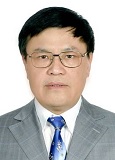 Xiaorong Luo (罗晓容)合作论文数Petroleum Engineering Teaching and Research Office, Department of Geology, Northwest University;Institute of Geology and Geophysics, Chinese Academy of Sciences3Zhe Jin合作论文数3Donglin Zu合作论文数3Zhe Dong合作论文数3Shen Yifei合作论文数2Maoyi Xu合作论文数2jiang zhimin合作论文数2Yuandong Zhang合作论文数2Lan Yu合作论文数2
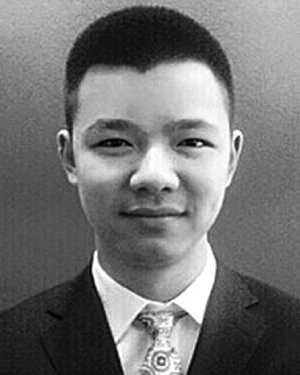 Hui Liu合作论文数2WANG Wen-tao (王文韬)合作论文数2Ana Xie合作论文数2Jian-zhao YAN (闫建钊)合作论文数2Jiaqi Jiang合作论文数2Chang-chun GU (谷长春)合作论文数2Tao-tao ZHU (朱涛涛)合作论文数2Yue Xu (许跃)合作论文数2LinXiang Liu (刘林祥)合作论文数2JinXi Wang (王进喜)合作论文数2
 Joseph C Kolars合作论文数African Studies Center, College of Literature, Science, and the Arts, University of Michigan-Ann Arbor2Qi Li (李琪)合作论文数2
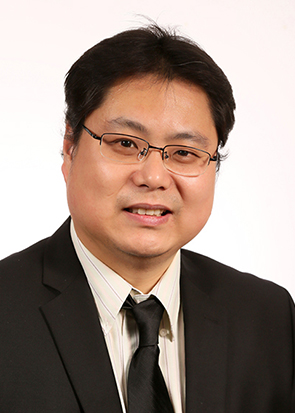 Hui Wang (汪辉)合作论文数Shanghai Advanced Research Institute, Chinese Academy of Sciences2Zhongde Jiang合作论文数2Tao Fang合作论文数2
 Jean Schmittbuhl合作论文数Laboratoire de Geologie;Ecole Normale Superieure;Laboratoire de Geologie, Ecole Normale Superieure2




