Wideband acoustic immittance (WAI) provides comprehensive frequency-dependent information for diagnosing middle ear pathologies. However, the scarcity of clinical data and complex response patterns significantly hinder automated diagnosis, particularly in data-limited scenarios. To address this issue, this study proposes a simulation-driven computer-aided diagnosis framework for WAI based on finite element (FE) modeling. Latin hypercube sampling was employed to systematically perturb key physiological parameters of the human ear FE models, generating a standardized virtual WAI dataset comprising 12 000 samples across the 0.2-6 kHz frequency range. The dataset includes four middle ear conditions: normal ear, ossicular chain discontinuity, ossicular chain fixation, and otitis media with effusion. Based on this dataset, a lightweight convolutional neural network tailored for multi-channel WAI inputs, termed WAIHybrid, was developed. It was benchmarked against traditional feature-based machine learning models and five representative deep learning architectures on simulated data and subsequently evaluated on an external clinical dataset comprising 206 ear-level WAI records. WAIHybrid achieved a macro-F1 of 96.30% and a balanced accuracy of 96.29% on an independent simulated test set. On the external clinical dataset, the corresponding values were 87.76% and 88.07%, respectively. Response-level comparisons, learned-representation analyses, and Integrated Gradients maps identified partial class-related correspondence between the simulated and clinical data, residual simulation-to-clinical discrepancy, and class-dependent channel-frequency attribution patterns. These findings support a simulation-driven proof of concept for automated WAI analysis in data-limited middle ear assessment. Further evaluation in larger, more balanced, and clinically heterogeneous cohorts is needed.
To address the challenges of acoustic feedback and insufficient high-frequency gain in traditional hearing aids, piezoelectric floating mass transducers (PFMTs), a critical component of implantable middle ear hearing devices, have emerged as promising solutions due to their compact size, high efficiency, and low power consumption. This study aims to develop an electromechanical coupling model between the PFMT and the biomechanical subsystem of the middle ear. Validation with experimental data confirms the model’s accuracy in predicting stapes displacement under acoustic and electrical excitations. To further enhance the device’s performance, this study introduces shape memory alloy (SMA) materials for clip fabrication, allowing for an adjustable shape that accommodates anatomical variability. Numerical analysis was conducted to investigate the nonlinear dynamic response and stability of the stapes when driven by a PFMT in both normal and pathological ears. The results reveal that external excitation force, nonlinear stiffness and suspended mass significantly influence stapes motion stability, leading to transitions from periodic to subharmonic and chaotic vibrations under specific conditions. Key findings include the identification of optimal PFMT parameters that are critical for maintaining system stability, as well as the recommendation of SMA-based clips to enhance anatomical compatibility and reduce the risk of implantation failure. Through a comprehensive analysis of nonlinear dynamics and the establishment of a robust framework for PFMT optimization, this research advances hearing devices development, promoting more effective hearing restoration, improved patient safety, and enhanced adaptability to individual anatomical variations.
The cochlear implant (CI) is the most successful neural prosthesis and has improved the quality of life for over one million people with profound hearing loss. The number and function of spiral ganglion neurons (SGNs) in the cochlea are crucial to CI performance. Clinically, patients with significant SGN degeneration fail to return to normal life due to unsatisfactory performance of their CIs. This study aims to explore the efficacy of improve auditory function by delivering stem cells into the SGN region using a customized CI (defined as Cochlear-Bioelectrode). Human induced pluripotent stem cells (hiPSCs) with a green fluorescent protein (GFP) marker were delivered cross the osseous spiral lamina via naturally existing openings and congregate in the SGN region by Cochlear-Bioelectrode after Cochlear implantation, electrically evoked auditory brainstem responses (EABR) were compared between those with and without stem cells delivery. In seven days, efficient hiPSC migration into the SGN region was demonstrated with concurrent electric stimulation and stem cell delivery, while hipsc did not migrate into the sgn region with stem cell delivery alone. After two weeks of combined electric stimulation and stem cell delivery treatment, the number of SGNs increased significantly in the 60-day old pig model (mean number = 129.6 ± 1.61/field), compared to untreated deafness pigs of the same age (mean number = 6.2 ± 0.92/field). With the replenished SGNs, CI stimulation thresholds were significantly reduced and hearing sensitivity and dynamic range extended, as demonstrated by electrically evoked auditory brainstem responses. Our results showed that in vivo concurrent cochlear implant stimulation and hipsc delivery increased stem cells in the sgn region and lowered ci stimulation thresholds, paving the way to broad and promising clinical applications.
Hearing loss presents a significant global health challenge, necessitating advanced solutions beyond traditional hearing aids. The Vibrant Soundbridge (VSB), an active middle ear implant, restores sound conduction for patients with conductive, sensorineural, or mixed hearing loss. This study investigates the impact of coupling the floating mass transducer in the VSB system to the stapes head via the vibroplasty clip on the dynamic behavior and stability of the middle ear. A nonlinear electromechanical coupling model was developed to address the gap in understanding the interaction between electrical and mechanical components of stapes-based implants. Electromechanical coupling refers to the nonlinear relationship between the magnet position and the coil center of the floating mass transducer. Model validation using cadaveric temporal bone experiments confirmed its accuracy. System behavior was analyzed across parameters such as excitation voltage, electromechanical coupling coefficient, and component masses. Results revealed that higher excitation voltages, stronger coupling coefficients, and smaller initial magnet positions lead to unstable subharmonic and chaotic motions. Additionally, increasing magnet mass and reducing shell mass amplified vibration amplitude and altered resonance frequencies. These findings emphasize the importance of optimizing floating mass transducer parameters to prevent unstable vibrations and ensure effective auditory stimulation. This study combines theoretical modeling with experimental data to provide insights into optimizing implant design, particularly in achieving stable stapes motion, which is crucial for improved auditory outcomes. This study provides valuable insights that may guide the future development of more effective middle ear implants for patients with varied anatomical and pathological conditions.
BACKGROUND AND OBJECTIVE:Reverse stimulation is a stimulation mode of the active middle-ear implants (AMEIs), targeted at moderate conductive hearing loss and mixed hearing loss. However, previous studies investigated reverse stimulation through passive cochlear models that simulate profound sensorineural hearing loss, which is beyond the AMEI's indications. Therefore, we investigated the cochlear responses to reverse stimulation under different hearing loss and compared them with those to forward stimulation. METHODS:The human ear model consists of a human ear macro dynamic model, a cochlear micro dynamic model, and a cochlear circuit model. The human ear macro dynamic model and cochlear micro dynamic model were developed by simplifying the human ear tissues into stiffness, damping, and mass. The cochlear active amplification was realized by coupling the cochlear circuit model. Based on the model, the cochlear responses to forward and reverse stimulation were calculated. RESULTS:The results show that the cochlear responses to reverse stimulation are higher than those to forward stimulation, and the difference in cochlear responses decreases and then increases with increasing stimulus magnitude. Conductive hearing loss significantly reduces cochlear response to forward stimulation but has less effect on reverse stimulation. Outer hair cell hearing loss significantly reduces cochlear response to both forward and reverse stimulation, but the effect diminishes to nothing as the stimulation amplitude increases. CONCLUSIONS:This study compared the cochlear responses differences in normal hearing and hearing loss to forward and reverse stimulation, contributing to the optimization of the round window stimulating AMEIs.
Speech enhancement is an essential component of many user-oriented audio applications, serving as a fundamental task for achieving robust speech processing. Although numerous methods for speech enhancement have been proposed and have shown strong performance, a notable gap persists in the development of lightweight solutions that effectively balance performance with computational efficiency. This paper addresses a significant gap in the field by introducing a novel approach to speech enhancement that integrates a retentive mechanism within a U-Net architecture. The primary innovation of the proposed method is the design and implementation of a high-frequency future filter module, which utilizes the Fast Fourier Transform (FFT) to improve the model's capacity to preserve and process high- frequency information that is essential for speech clarity. This module, in conjunction with the retentive mechanism, enables the network to preserve essential features across layers, resulting in enhanced speech enhancement performance. The proposed method was assessed utilizing the DNS (Deep Noise Suppression) and VoiceBank+DEMAND dataset, which are widely recognized benchmarks in the field of speech enhancement. The experimental results demonstrate that the proposed method achieves competitive performance while maintaining relatively low computational complexity. This characteristic renders our method particularly suitable for real-time applications, where both performance and efficiency are critical.
This study investigates the dynamic behavior of the stapes stimulated by a round-window stimulating active middle ear implant. Initially, a linear mechanical model of the implant coupled with the middle ear was validated using cadaver head experiments to establish baseline accuracy and ensure it reflects physiological conditions. Following validation, the linear stapes motion under implant stimulation was examined, offering insights into the influence of the implant's design parameters on the stapes' dynamic response. To address the mismatch between the round-window niche length and the actuator length, shape memory alloys were incorporated to develop a nonlinear mechanical model. While shape memory alloys enhance adaptability and accommodate patientspecific variations, they may also introduce nonlinear stiffness, which could lead to instability in system motion. To address this, the system behavior was analyzed across implant design parameters such as excitation voltage and coupling rod stiffness. The results indicate that with certain parameter configurations, the system exhibits significant subharmonic and chaotic motion. These findings emphasize the importance of optimizing the implant parameters to prevent undesirable aperiodic motion. Optimal design strategies were proposed to map the system's stable parameter region, improving implant stability and auditory compensation effectiveness. These findings demonstrate the feasibility of using shape memory alloys in round-window stimulation to accommodate anatomical variations. The developed mechanical coupling model offers valuable insights for enhancing the design of round-window stimulating implants.
Background: In temporal bone specimens from long-term cochlear implant users, foreign body response within the cochlea has been demonstrated. However, how hearing changes after implantation and fibrosis progresses within the cochlea is unknown. Objectives: To investigate the short-term dynamic changes in hearing and cochlear histopathology in minipigs after electrode array insertion. Material and Methods: Twelve minipigs were selected for electrode array insertion (EAI) and the Control. Hearing tests were performed preoperatively and on 0, 7, 14, and 28 day(s) postoperatively, and cochlear histopathology was performed after the hearing tests on 7, 14, and 28 days after surgery. Results: Electrode array insertion had a significant effect for the frequency range tested (1 kHz-20kHz). Exudation was evident one week after electrode array insertion; at four weeks postoperatively, a fibrous sheath formed around the electrode. At each time point, the endolymphatic hydrops was found; no significant changes in the morphology and packing density of the spiral ganglion neurons were observed. Conclusions and Significance: The effect of electrode array insertion on hearing and intracochlear fibrosis was significant. The process of fibrosis and endolymphatic hydrops seemed to not correlate with the degree of hearing loss, nor did it affect spiral ganglion neuron integrity in the 4-week postoperative period.
Repeated low-intensity noise exposure is prevalent in industrialized societies. It has long been considered risk-free until recent evidence suggests that the temporary threshold shift (TTS) induced by such exposure might be a high-risk factor for hearing loss. This study was conducted to further investigate the manner in which repeated low-intensity noise exposure contributed to hearing damage. Two-month-old C57BL/6 J mice were exposed to white noise at 96 dB SPL for 8 h per day over 7 days to induce TTS. Auditory brainstem response (ABR) was monitored to assess changes in hearing thresholds, tracking the effects of noise exposure until the mice reached 12 months of age. Our results indicated that noise-exposed mice exhibited accelerated age-related hearing loss spanning from high to low frequencies. Proteomics analysis revealed an upregulation in the receptor for the advanced glycation end-products (RAGE) signaling pathway, which was associated with an activated inflammatory response, vascular injury, and mitochondrial and synaptic dysfunction. Further analysis confirmed increased levels of inflammatory cytokines in the cochlear lymph fluid and significant macrophages infiltration in the cochlear lateral wall, accompanied by hyperpermeability of the blood-labyrinth barrier. Additionally, degenerated mitochondria in the outer hair cells and decreased synaptic ribbons in the inner hair cells were also observed. These pathological changes indicated that noise exposure damages the cochlear cellular components, increasing the cochlear susceptibility to age-related stress. Our findings suggest that TTS caused by repeated low-intensity noise exposure correlates with a severe sensorineural hearing loss during aging; targeting the RAGE signaling pathway may be a promising strategy to mitigate damage from low-intensity noise and slow down the progression of age-related hearing loss.
Noise exposure is one of the most common causes of sensorineural hearing loss. Although many studies considered inflammation to be a major contributor to noise-induced hearing loss, the process of cochlear inflammation is still unclear. Studies have found that activation of the NF-κB signaling pathway results in the accumulation of macrophages in the inner ear plays an important role in hair cell damage. In this study, tandem mass tag (TMT) technique was used to analyze the changes in basilar membrane proteome expression before and after acoustic injury. After noise exposure, the nicotinamide adenine dinucleotide (NAD) metabolism level was decreased, and the NF-κB signaling pathway was activated. The expression of CD38, the main NAD hydrolase in mammals, may directly lead to inflammation onset. Then, anakinra, an IL-1 receptor blocker, and apigenin, a CD38 inhibitor, were administered to animals to protect against noise-induced hearing loss. Our results showed that anakinra had little influence on the hearing threshold shift, while apigenin significantly reduce the threshold shift of hearing by inhibiting the expression of NF-κB and CD38 can be a promising target for protecting against noise-induced hearing loss.
A speech intelligibility (SI) prediction model is proposed that includes an auditory preprocessing component based on the physiological anatomy and activity of the human ear, a hierarchical spiking neural network, and a decision back-end processing based on correlation analysis. The auditory preprocessing component effectively captures advanced physiological details of the auditory system, such as retrograde traveling waves, longitudinal coupling, and cochlear nonlinearity. The ability of the model to predict data from normal-hearing listeners under various additive noise conditions was considered. The predictions closely matched the experimental test data under all conditions. Furthermore, we developed a lumped mass model of a McGee stainless-steel piston with the middle-ear to study the recovery of individuals with otosclerosis. We show that the proposed SI model accurately simulates the effect of middle-ear intervention on SI. Consequently, the model establishes a model-based relationship between objective measures of human ear damage, like distortion product otoacoustic emissions, and speech perception. Moreover, the SI model can serve as a robust tool for optimizing parameters and for preoperative assessment of artificial stimuli, providing a valuable reference for clinical treatments of conductive hearing loss.
Speech enhancement performance has improved significantly with the introduction of deep learning models, especially methods based on the Long–Short-Term Memory architecture. However, these methods face challenges such as high computational complexity and redundancy of input features. To address these issues, we propose a U-Net-based approach that utilizes an encoder/decoder to extract more concise features, thereby enhancing single-channel speech performance and reducing computation complexity. The proposed method includes a Cross-Swin-Transformer block and a masked bottleneck module, which down-samples features while preserving the detailed representation through skip connections and carefully designed blocks. The bottleneck module extracts coarse representations of hidden features as masks. We evaluated our method against other U-Net-based approaches on VCTK and DNS corpora using CBAK, eSTOI, PESQ, STOI, and SI-SDR metrics. The results demonstrate that the proposed method achieves promising performance while significantly reducing computational complexity.
Background: The lack of epidemiological and clinical research data on presbycusis lead to a major problem on intervention methods for elderly deafness. Methods: The retrospective collection and screening of outpatient data were conducted in elderly patients with hearing loss in China. The hearing examinations of pure-tone audiometry, acoustic immittance test, and auditory brainstem responses (ABRs) were tested in these patients (over 50 years). The detailed statistical analysis and yearly characteristics were carried out, especially for the patients with binaural symmetric sensorineural hearing loss (SNHL). Moreover, the typing method of audiogram was explored with K-Means Clustering algorithm. Results: 41,745 patients aged 50 years or older were brought into this study, including 17,200 patients with the chief complaint of hearing loss, 7,118 patients with binaural symmetrical hearing loss. The main classification of the tympanogram was type A. The classification of hearing loss (WHO 2021) showed more severe hearing disorder in men than in age-peered women (P <0.0001). the k-means clustering algorithm showed the largest slope change of the slope at k=3, which identified that the best number of clusters was three. Conclusions: There is an urgent need to establish the professional screening, early warning preventive intervention, and rehabilitation system for elderly hearing impairment, which is in line with the development needs of national health and related to the well-being of the public. At the same time, it is necessary for all sessions to work together to invest huge efforts in conducting professional and forward-looking cohort studies in presbycusis.Funding: This work was supported by grants from Open project National Clinical Research Center for Otolaryngologic Diseases (202200010), Capital's Funds for Health Improvement and Research (No. 2022-1-2023).Declaration of Interest: All authors declare that they have no any conflict of interest.Ethical Approval: MISSINGThis clinical study is a retrospective study that only collects patients' clinical data and does not intervene in patients' treatment plans, which will not pose physiological risks to patients. The researchers protect the information provided by patients from disclosing personal privacy. The Medical Research Ethics Committee of Chinese PLA General Hospital (No. 28 Fuxing Road, Beijing 100028, China) approved this prospective study (No. 2008-318). All patients were given informed consent and signed a written informed consent form.
Speech enhancement is a fundamental task for acoustic signal processing, which is still an unsolved challenge. Recently, with the rapid development of deep learning, data-driven approaches based on a variety of different modules in machine learning have made great progress in speech enhancement. Each of these basic modules have unique advantages as well as certain limitations. Inspired by the blocks’ unique preferences and the distinguishing feature of speech signals, we proposed a multi-stage strength estimation network with cross-attention for single-channel speech enhancement in this paper. The proposed method consists of a feature-wised fusion block using the attention mechanism and the strength estimation block using FFT and sequential representations (FTB). We first describe the speech enhancement problem mathematically, after which we compared the proposed method with some well-known speech enhancement methods on the 50-h DNS and LibriFSD50K dataset, showing that the proposed method can pay full attention to both time and frequency domains and achieve satisfying results. Further ablation studies are also carried out to prove the effectiveness of each section of the proposed method, and the results show the effectiveness of the proposed method. By the exhibit of the proposed method, we show the effectiveness of improving the performance of speech enhancement models by utilizing modules with different properties, which pointing out a promising direction for the future development.
Cochlear implantation (CI) is currently recognized as the most effective treatment for severe to profound sensorineural deafness and is considered one of the most successful neural prostheses. Since its inception in 1961, cochlear implantation has expanded its range of applications to encompass younger newborns, older people, and individuals with unilateral hearing loss. In addition, it has improved its surgical methods to minimize the occurrence of complications. Furthermore, notable advancements have been made in the design of electrodes, techniques for speech processing, and software for programming. Nevertheless, inflammation, fibrosis, and even ossification are observed in the cochlea of nearly all cochlear implant (CI) patients. These tissue responses might have a negative impact on the performance of the implants, residual hearing, and the results of post-operative CI rehabilitation. Animal models are significant translational tools that offer essential preclinical data for possible therapeutics. Thus, this study concentrates on the existing animal models used for cochlear implantation, highlights the advancements made in research, and offers insights into potential future research areas.
BACKGROUND:Adherens junction in the blood-labyrinth barrier is largely unexplored because it is traditionally thought to be less important than the tight junction. Since increasing evidence indicates that it actually functions upstream of tight junction adherens junction may potentially be a better target for ameliorating the leakage of the blood-labyrinth barrier under pathological conditions such as acoustic trauma. AIMS:This study was conducted to investigate the pathogenesis of the disruption of adherens junction after acoustic trauma and explore potential therapeutic targets. METHODS:Critical targets that regulated the disruption of adherens junction were investigated by techniques such as immunofluorescence and Western blotting in C57BL/6J mice. RESULTS:Upregulation of Vascular Endothelial Growth Factor (VEGF) and downregulation of Pigment Epithelium-derived Factor (PEDF) coactivated VEGF-PEDF/VEGF receptor 2 (VEGFR2) signaling pathway in the stria vascularis after noise exposure. Downstream effector Src kinase was then activated to degrade VE-cadherin and dissociate adherens junction, which led to the leakage of the blood-labyrinth barrier. By inhibiting VEGFR2 or Src kinase, VE-cadherin degradation and blood-labyrinth barrier leakage could be attenuated, but Src kinase represented a better target to ameliorate blood-labyrinth barrier leakage as inhibiting it would not interfere with vascular endothelium repair, neurotrophy and pericytes proliferation mediated by upstream VEGFR2. CONCLUSION:Src kinase may represent a promising target to relieve noise-induced disruption of adherens junction and hyperpermeability of the blood-labyrinth barrier.
Abstract Background Cochlear implants have helped over one million individuals restore functional hearing globally, but their clinical utility in suppressing tinnitus has not been firmly established. Methods In a decade-long study, we examined longitudinal effects of cochlear implants on tinnitus in 323 post-lingually deafened individuals including 211 with pre-existing tinnitus and 112 without tinnitus. The primary endpoints were tinnitus loudness and tinnitus handicap inventory. The secondary endpoints were speech recognition, anxiety and sleep quality. Results Here we show that after 24 month implant usage, the tinnitus cohort experience 58% reduction in tinnitus loudness (on a 0–10 scale from 4.3 baseline to 1.8 = −2.5, 95% CI: −2.7 to −2.2, p = 3 x 10⁻⁶; effect size d’ = −1.4,) and 44% in tinnitus handicap inventory (=−21.2, 95% CI: −24.5 to −17.9, p = 1 x 10⁻¹⁵; d’=−1.0). Conversely, only 3.6% of those without pre-existing tinnitus develop it post-implantation. Prior to implantation, the tinnitus cohort have lower speech recognition, higher anxiety and poorer sleep quality than the non-tinnitus cohort, measured by Mandarin monosyllabic words, Zung Self-rating Anxiety Scale and Pittsburgh Sleep Quality Index, respectively. Although the 24 month implant usage eliminate the group difference in speech and anxiety measures, the tinnitus cohort still face significant sleep difficulties likely due to the tinnitus coming back when the device was inactive at night. Conclusions The present result shows that cochlear implantation can offer an alternative effective treatment for tinnitus. The present result also identifies a critical need in developing always-on and atraumatic devices for tinnitus patients, including potentially those with normal hearing.
In order to improve the prediction accuracy of the sound quality of vehicle interior noise, a novel sound quality prediction model was proposed based on the physiological response predicted metrics, i.e., loudness, sharpness, and roughness. First, a human-ear sound transmission model was constructed by combining the outer and middle ear finite element model with the cochlear transmission line model. This model converted external input noise into cochlear basilar membrane response. Second, the physiological perception models of loudness, sharpness, and roughness were constructed by transforming the basilar membrane response into sound perception related to neuronal firing. Finally, taking the calculated loudness, sharpness, and roughness of the physiological model and the subjective evaluation values of vehicle interior noise as the parameters, a sound quality prediction model was constructed by TabNet model. The results demonstrate that the loudness, sharpness, and roughness computed by the human-ear physiological model exhibit a stronger correlation with the subjective evaluation of sound quality annoyance compared to traditional psychoacoustic parameters. Furthermore, the average error percentage of sound quality prediction based on the physiological model is only 3.81%, which is lower than that based on traditional psychoacoustic parameters.
Recently, deep neural network (DNN)-based speech enhancement has shown considerable success, and mapping-based and masking-based are the two most commonly used methods. However, these methods do not consider the spectrum structures of signal. In this paper, a novel structured multi-target ensemble learning (SMTEL) framework is proposed, which uses target temporal-spectral structures to improve speech quality and intelligibility. First, the basis matrices of clean speech, noise, and ideal ratio mask (IRM) are captured by the sparse nonnegative matrix factorization, which contain the basic structures of the signal. Second, the basis matrices are co-trained with a multi-target DNN to estimate the activation matrices instead of directly estimating the targets. Then a joint training single layer perceptron is pro-posed to integrate the two targets and further improve speech quality and intelligibility. The sequential floating forward selection method is used to systematically analyze the impact of the integrated targets on enhanced performance, and analyze the effect of the target weights on the results. Finally, the pro-posed method with progressive learning is combined to improve the enhanced performance. Systematic experiments on the UW/NU corpus show that the proposed method achieves the best enhancement effect in the case of low network cost and complexity, especially in visible nonstationary noise environment. Compared with the target integration method which does not use structured targets and the long short-term memory masking method, the speech quality of the proposed method is improved by 25.6 % and 29.2 % of restaurant noise, and the speech intelligibility is improved by 35.5 % and 15.8 %, respectively.(c) 2023 Elsevier Ltd. All rights reserved.
Background Noise and drug-induced hearing loss (HL) is becoming more and more serious, but the integration and analysis based on transcriptomics and proteomics are lacking. On the one hand, this study aims to integrate existing public transcriptomic data on noise and gentamicin-induced HL. On the other hand, the study aims to establish the gentamicin and noise-induced HL model of guinea pigs, then to perform the transcriptomic and proteomic analyses. Through comprehensive analysis of the above data, we aim to screen, predict, and preliminarily verify biomarkers closely related to HL.Material and Methods We screened the Gene Expression Omnibus database to obtain transcriptome data expression profiles of HL caused by noise and gentamicin, then constructed the guinea pig HL model and perform the transcriptomic and proteomic analyses. Differential expression and enrichment analysis were performed on public and self-sequenced data, and common differentially expressed genes (DEGs) and signaling pathways were obtained. Finally, we used proteomic data to screen for common differential proteins and validate common differential expression genes for HL.Results By integrating the public data set with self-constructed model data set, we eventually obtained two core biomarkers of HL, which were RSAD2 and matrix metalloproteinase-3 (MMP3). Their main function is to regulate the development of sense organ in the inner ear and they are mainly involved in mitogen-activated protein kinase and phosphoinositol-3 kinase/protein kinase B signaling pathways. Finally, by integrating the proteomic data of the self-constructed model, we also found differential expression of MMP3 protein. This also preliminarily and partially verified the above-mentioned core biomarkers.Conclusion and Significance In this study, public database and transcriptomic data of self-constructed model were integrated, and we screened out two core genes and various signal pathways of HL through differential analysis, enrichment analysis, and other analysis methods. Then, we preliminarily validated the MMP3 by proteomic analysis of self-constructed model. This study pointed out the direction for further laboratory verification of key biomarkers of HL, which is of great significance for revealing the core pathogenic mechanism of HL.
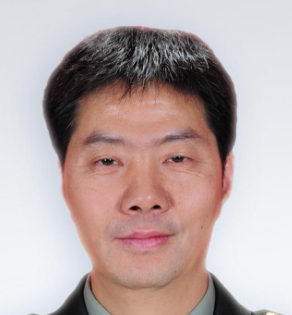 Shiming Yang (杨仕明)合作论文数Chinese PLA General Hospital;School of Medicine, Nankai University57
 Lidong Zhao (赵立东)合作论文数Chinese PLA General Hospital16
 Lili Ren (任丽丽)合作论文数14JianHe Sun (孙建和)合作论文数13
 Dongyi Han (韩东一)合作论文数Chinese PLA General Hospital12
 Sun Wei合作论文数Center for Hearing &Deafness, The State University of New York at Buffalo;Center for Hearing & Deafness, The State University of New York at Buffalo11Suoqiang Zhai合作论文数11Wei Chen (陈伟)合作论文数10
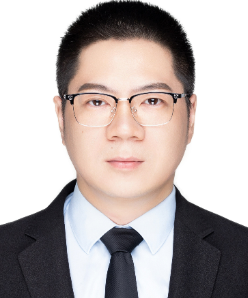 Houguang Liu (刘后广)合作论文数School of Mechanical and Electrical Engineering, China University of Mining and Technology10
 HaiJin Yi (伊海金)合作论文数Beijing Tsinghua Changgung Hospital, Tsinghua University10
 Zhaohui Hou (侯昭晖)合作论文数The Sixth Medical Center of the Chinese PLA General Hospital9Shuolong Yuan合作论文数8
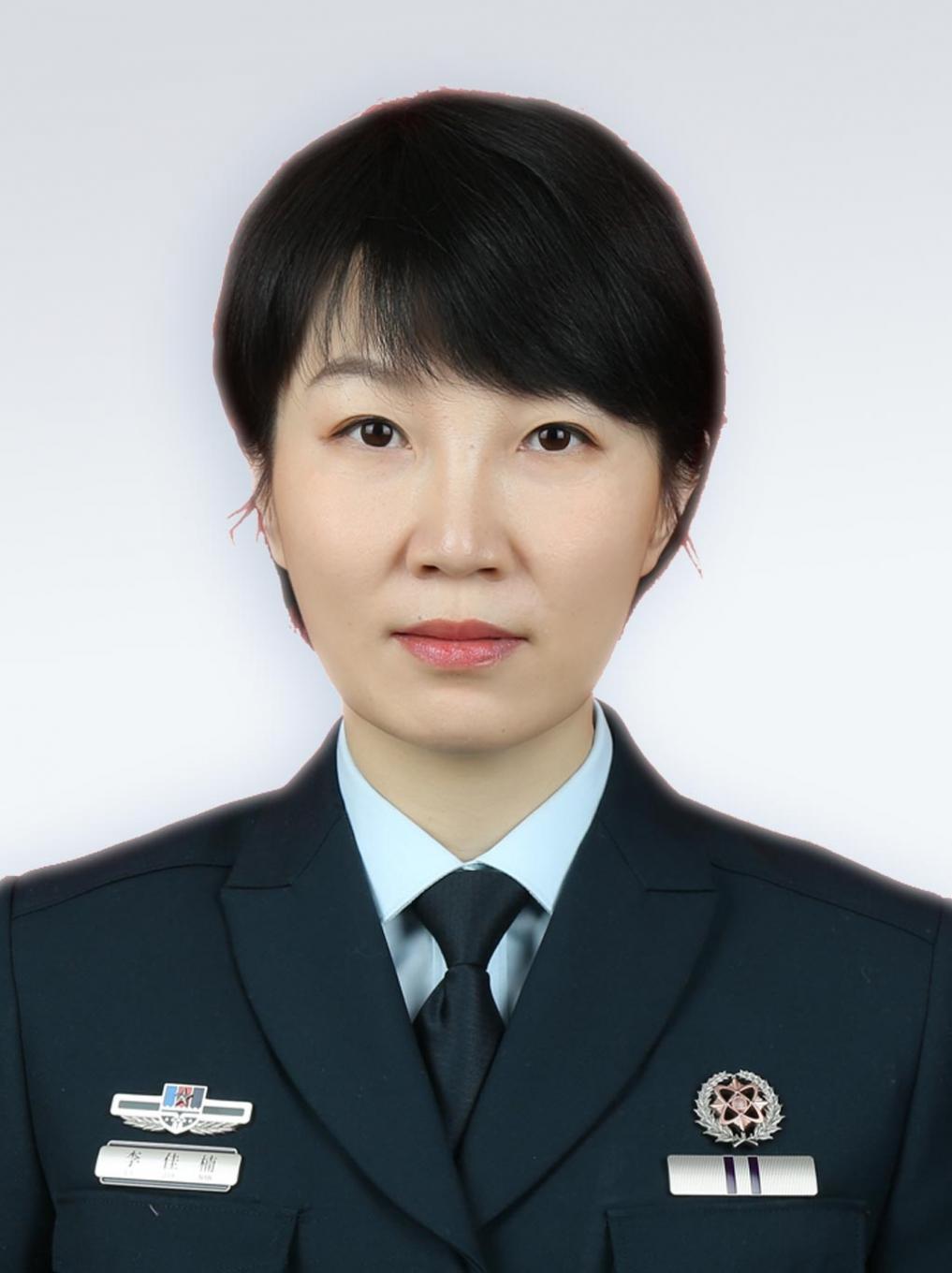 Jianan Li (李佳楠)合作论文数Chinese PLA General Hospital8
 Weiyan Yang (杨伟炎)合作论文数Chinese PLA General Hospital8
 Yue Zhang (悦章)合作论文数7Fei Ji (冀飞)合作论文数7Wie-Yen Young合作论文数7Qing-Qing Jiang合作论文数5Chang Lin (林昶)合作论文数5Hui Zhao合作论文数4Ning Yu (于宁)合作论文数4
 Jianhua Yang (杨建华)合作论文数School of Mechanical and Electrical Engineering, China University of Mining and Technology4Liu Huizhan合作论文数4
 Nan Wu (吴楠)合作论文数Chinese People's Liberation Army General Hospital4
 Ke Liu (柳柯)合作论文数Beijing Friendship Hospital, Capital Medical University4
 Suzhen Zhang (张素珍)合作论文数Chinese PLA General Hospital4
 Xiao Yang (杨晓)合作论文数Academy of Military Sciences4Ziming Wu (吴子明)合作论文数4David Zhi Zhou He合作论文数4
 Zipeng Zhang合作论文数Technical University of Munich3Na Sai合作论文数3Da Liu合作论文数3Liangwei Xu合作论文数3Wei Ren合作论文数3YinYan Hu (胡吟燕)合作论文数3AiTing Chen (陈艾婷)合作论文数3Liang Zhang (张亮)合作论文数3Dengke Li合作论文数3
 Pu Dai (戴朴)合作论文数Chinese PLA General Hospital3Na Zhou (周娜)合作论文数3
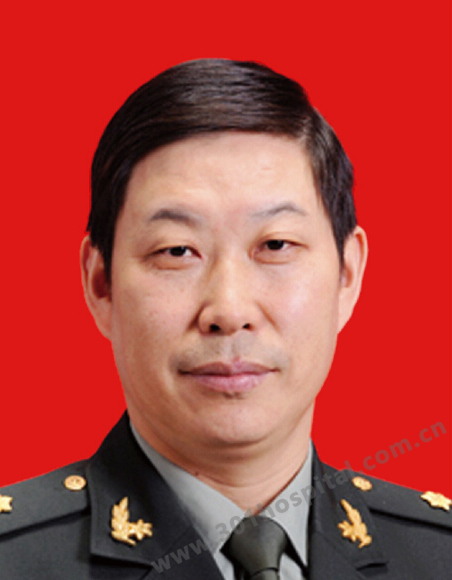 Weiju Han (韩维举)合作论文数Chinese PLA General Hospital3Deliang Huang (黄德亮)合作论文数Chinese People's Liberation Army General Hospital3Guan Yang (杨冠)合作论文数Academy of Military Medical Sciences3
 Yongyi Yuan (袁永一)合作论文数The Sixth Medical Center of PLA General Hospital;The First Medical Center of Chinese PLA General Hospital3Jing-Cui Qi合作论文数2Siqing Chen合作论文数2Ya-ping Yu合作论文数2




