Ototoxicity is one of the major causes of sensorineural deafness. However, it remains unclear whether sensorineural deafness is reversible after ototoxic withdrawal. Here, we report that the ribbon synapses between the inner hair cells (IHCs) and spiral ganglion nerve (SGN) fibers can be restored after ototoxic trauma. This corresponds with hearing restoration after ototoxic withdrawal. In this study, adult mice were injected daily with a low dose of gentamicin for 14 consecutive days. Immunostaining for RIBEYE/CtBP2 was used to estimate the number and size of synaptic ribbons in the cochlea. Hearing thresholds were assessed using auditory brainstem responses. Auditory temporal processing between IHCs and SGNs was evaluated by compound action potentials. We found automatic hearing restoration after ototoxicity withdrawal, which corresponded to the number and size recovery of synaptic ribbons, although both hearing and synaptic recovery were not complete. Thus, our study indicates that sensorineural deafness in mice can be reversible after ototoxic withdrawal due to an intrinsic repair of ribbon synapse in the cochlea.
More than 100 genes have been associated with deafness. However, SMAD4 is rarely considered a contributor to deafness in humans, except for its well-defined role in cell differentiation and regeneration. Here, we report that a SMAD4 defect in mice can cause auditory neuropathy, which was defined as a mysterious hearing and speech perception disorder in human for which the genetic background remains unclear. Our study showed that a SMAD4 defect induces failed formation of cochlear ribbon synapse during the earlier stage of auditory development in mice. Further investigation found that there are nearly normal morphology of outer hair cells (OHCs) and post-synapse spiral ganglion nerves (SGNs) in SMAD4 conditional knockout mice (cKO); however, a preserved distortion product of otoacoustic emission (DPOAE) and cochlear microphonic (CM) still can be evoked in cKO mice. Moreover, a partial restoration of hearing detected by electric auditory brainstem response (eABR) has been obtained in the cKO mice using electrode stimuli toward auditory nerves. Additionally, the ribbon synapses in retina are not affected by this SMAD4 defect. Thus, our findings suggest that this SMAD4 defect causes auditory neuropathy via specialized disruption of cochlear ribbon synapses.
众所周知,十聋九哑,听觉障碍及其伴发的言语交流障碍是重大致残性疾病之一,是世界性的公共卫生问题。2012年世界卫生组织(WHO)预测,全球听力残疾人数达3.6亿,是1985年的8.57倍。我国现有听力言语残疾者达2780万,占残疾人总数的33%,并以每年3万聋儿的速度快速增长,我国作为世界人口大国,所面临的听觉障碍及其伴发的言语交流障碍问题尤为突出。
Objective To study presynaptic alternations of cochlear ribbons arising from aminoglycoside ototoxic stimuli in C57BL/6J mice. Methods Animals were injected with low dose gentamicin(100 mg/kg/day) for14 days, From the 14 th to 28 th days, the mice were maintained free of gentamicin treatment. Immunohistochemistry labeling was employed to trace RIBEYE, a major presynaptic componment of ribbon synapses.RIBEYE/CtBP2 expression levels were assessed and compared with hearing threshold shifts. Auditory function was assessed by auditory brainstem responses. The stereocilia of outer hair cells(OHCs) and IHCs was examined by scanning electron microscopy(SEM). Results Hearing thresholds were elevated with peak hearing loss observed on the 7th day after gentamicin exposure, followed by improvement after the 7th day.RIBEYE/CtBP2 expression directly correlated with observed hearing threshold shifts. Strikingly, we did not see any obvious changes in stereocilia in both OHCs and IHCs until the 28 th day. Mild changes in stereocilia were only observed in OHCs on the 28 th day. Conclusions These findings indicate that presynapse cochlear ribbons, rather than stereocilia, may be sensitive to aminoglycoside ototoxic exposure in mice cochleae. A pattern of RIBEYE/CtBP2 expression changes seems to parallel hearing threshold shifts and suggests presynaptic response properties to lower dosage of aminoglycoside ototoxic stimuli.
Objective To investigate the early change of cochlear ribbon synapses on inner hair cells in response to aminoglycoside ototoxicity. Methods C57BL/6J mice received intraperitoneal injection of gentamicin(100mg/kg/day), and the apical coil organ of Corti was examined on the 4th, 7th and 10 th day(n=10). Littermates without gentamicin treatment served as controls(n=10). RIBEYE on the presynaptic membrane and AMPA receptors on the postsynaptic membrane were labeled with CtBP2 or GluR2/3 respectively. Three dimension reconstruction was conducted using the 3DS MAX 8.0 software. Results There were no disruptions of outer or inner hair cells in all groups. However, the number of ribbon synapses on cochlear inner hair cells increased significantly within 7 days after gentamicin exposure(P<0.01), followed by a significant decrease after 7 days.Conclusion During the early stage of aminoglycoside ototoxicity, increased population of cochlear ribbon synapses may indicate a significant down-regulation of synaptic function.
A single Mendelian trait has been mapped to the human Y chromosome: Y-linked hearing impairment. The molecular basis of this disorder is unknown. Here, we report the detailed characterization of the DFNY1 Y chromosome and its comparison with a closely related Y chromosome from an unaffected branch of the family. The DFNY1 chromosome carries a complex rearrangement, including duplication of several noncontiguous segments of the Y chromosome and insertion of similar to 160 kb of DNA from chromosome 1, in the per-centric region of Yp. This segment of chromosome 1 is derived entirely from within a known hearing impairment locus, DFNA49. We suggest that a third copy of one or more genes from the shared segment of chromosome 1 might be responsible for the hearing-loss phenotype.
The ribbon synapses of inner hair cells (IHCs) play an important role in sound encoding and neurotransmitter release. However, it remains unclear whether IHC ribbon synapse plasticity can be interrupted by ototoxic aminoglycoside stimuli. Here, we report that quantitative changes in the number of IHC ribbon synapses and hearing loss occur in response to gentamicin treatment in mice. Using 3D reconstruction, we were able to calculate the number of IHC ribbon synapses after ototoxic gentamicin exposure. Mice were injected intraperitoneally with a low dose of gentamicin (100 mg/kg) once a day for 14 days. Double immunostaining was used to identify IHC ribbon synapses; histopathology and scanning electron microscopy were used to observe the morphology of cochlear hair cells and spiral ganglion neurons (SGNs), the hearing threshold shifts were recorded by auditory brainstem response examinations. Our study shows that the maximal number of IHC ribbon synapses appeared at the 7th day after treatment, followed by a significant reduction after the 7th day regardless of ongoing treatment. Correspondingly, the maximal elevation of hearing threshold was observed at the 7th day after treatment. Meanwhile, additional cochlear components included OHCs, IHCs, and SGNs were unaffected, suggesting that IHC ribbon synapses are more susceptible to ototoxic aminoglycoside stimulation. Our study indicated that quantitative changes in the number of IHC ribbon synapses is critical response to lower dose of ototoxic stimulation, and may contribute to moderate hearing loss. Additionally, our data indcated that ribbon synaptic plasticity may require the quantitative changes to play self-protective role adapted to ototoxic aminoglycoside stimuli.
Metastasis of lung cancer to the temporal bone is a very rare disease and subjective tinnitus as the presenting symptom in these patients is even rarer. Here we report a case in which a 42-year-old male presented with subjective tinnitus of three months, with no pulmonary disease symptoms. Pure tone audiometry indicated moderate conductive deafness in left ear with an air-bone gap of 21.3 dB. HRCT temporal bone scanning indicated high-density shadows in the left epitympanic cavity, sinus tympani and mastoid cavity. Chronic otitis media with cholesteatoma was suspected and surgical treatment recommended. However, preoperative chest x- ray revealed high- density millet lesions scattered widely in both lungs. HRCT lung scanning confirmed the lungs lesions and indicated lung cancer. In order to determine correlations between the temporal bone and pulmonary lesions, a CT- guided trans- mastoid aspiration biopsy and immunohistochemical study were conducted, which confirmed that the temporal bone lesion was metastatic from the lungs. The patient was given a series of chemotherapy immediately and his tinnitus significantly improved after three months of treatment, with full recovery of his hearing and complete resolution of shadows in the mastoid cavity. Unfortunately, he subsequently developed multiple bone metastases in the 9th month and cerebral metastasis in the 18th month. Multiple organ failure resulted in death in 2.5 years.
To investigate the relationship between the molecular structure and biological activity of polypyridyl RuII complexes, such as DNA binding, photocleavage ability, and DNA topoisomerase and RNA polymerase inhibition, six new [Ru(bpy)2(dppz)]2+ (bpy=2,2-bipyridine; dppz=dipyrido[3,2-a:2,,3-c]phenazine) analogs have been synthesized and characterized by means of 1H-NMR spectroscopy, mass spectrometry, and elemental analysis. Interestingly, the biological properties of these complexes have been identified to be quite different via a series of experimental methods, such as spectral titration, DNA thermal denaturation, viscosity, and gel electrophoresis. To explain the experimental regularity and reveal the underlying mechanism of biological activity, the properties of energy levels and population of frontier molecular orbitals and excited-state transitions of these complexes have been studied by density-functional theory (DFT) and time-depended DFT (TDDFT) calculations. The results suggest that DNA intercalative ligands with better planarity, greater hydrophobicity, and less steric hindrance are beneficial to the DNA intercalation and enzymatic inhibition of their complexes.
Gene therapy is a promising clinical solution to hearing loss. However suitable gene carriers for the auditory system are currently unavailable. Given the unique structure of the inner ear, the route of delivery and gene transfer efficiency are still not optimal at present. This study presented a non-viral delivery system of in vivo delivery of Atoh1 gene (a potentially therapeutic gene for hearing loss) to rat cochlea. We treated polyamidoamine (PAMAM) dendrimers by activating and modifying with Na-carboxymethyl-beta-cyclodextrins (CM-beta-CD) in sequence. A novel gene carrier (CM-beta-CD modified activated PAMAM dendrimers, CMAP) was then constructed. CMAP nanoparticles could bind pRK5-Atoh1-EGFP plasmids to form vector-DNA complexes (dendriplexes) with a mean particle size of 132 +/- 20 nm and zeta potential of 31 +/- 3 mV. These dendriplexes were locally applied on the round window membrane and delivered to the inner ear by passive gradient permeation. Results showed that the Atoh1 gene was successfully transferred into the cells as indicated by the green fluorescence detected in the inner ear. A relatively selective gene transfer with high efficiency was achieved in the auditory hair cells but not much in other cell types in the cochlea. Auditory brainstem response was determined seven days after inoculation, indicating good tolerance. This approach may provide a novel tool for inner ear gene therapy and initiate the applications of biomaterials to treat auditory disorders.
In this study, a five-generation Chinese family (family F013) with progressive autosomal dominant hearing loss was mapped to a critical region spanning 28.54 Mb on chromosome 9q31.3-q34.3 by linkage analysis, which was a novel DFNA locus, assigned as DFNA56. In this interval, there were 398 annotated genes. Then, whole exome sequencing was applied in three patients and one normal individual from this family. Six single nucleotide variants and two indels were found co-segregated with the phenotypes. Then using mass spectrum (Sequenom, Inc.) to rank the eight sites, we found only the TNC gene be co-segregated with hearing loss in 53 subjects of F013. And this missense mutation (c.5317G>A, p.V1773M ) of TNC located exactly in the critical linked interval. Further screening to the coding region of this gene in 587 subjects with nonsyndromic hearing loss (NSHL) found a second missense mutation, c.5368A>T (p. T1796S), co-segregating with phenotype in the other family. These two mutations located in the conserved region of TNC and were absent in the 387 normal hearing individuals of matched geographical ancestry. Functional effects of the two mutations were predicted using SIFT and both mutations were deleterious. All these results supported that TNC may be the causal gene for the hearing loss inherited in these families. TNC encodes tenascin-C, a member of the extracellular matrix (ECM), is present in the basilar membrane (BM), and the osseous spiral lamina of the cochlea. It plays an important role in cochlear development. The up-regulated expression of TNC gene in tissue repair and neural regeneration was seen in human and zebrafish, and in sensory receptor recovery in the vestibular organ after ototoxic injury in birds. Then the absence of normal tenascin-C was supposed to cause irreversible injuries in cochlea and caused hearing loss.
The objective is to study the therapeutic effects of Gushen Pian on sensorineural deafness according to the Phase II clinical trial protocol, as approved for novel traditional Chinese medicines by Ministry of Health of PRC. This is a double blind study in which 120 patients were allocated randomly into treatment and control groups and an open treatment group (40 cases in each group). Patients in the treatment groups were administrated with Gushen Pian and controls received placebo. Routine examination of blood and urine, hepatic and renal function tests and pure tone audiometry were performed before and after treatment. Clinical symptoms and therapeutic outcomes were compared and evaluated. For double-blind treatment group, the total effective rate of deafness was 42.2% and total relieved rate of deafness was 4.6%; for double-blind control group, the total effective rate of deafness was 18.7% and total relieved rate of deafness was 0%; for simple treatment group, the total effective rate of deafness was 58.7% and total relieved rate of deafness was 6.3%. For double-blind treatment group, the total effective rate of tinnitus was 89.2% and total relieved rate of tinnitus was 59.5%; for double-blind control group, the total effective rate of tinnitus was 30.8% and total relieved rate of tinnitus was 5.1%; for simple treatment group, the total effective rate of tinnitus was 74.3% and total relieved rate of tinnitus was 57.1%. The double-blind treatment showed statistically significant differences from control group. The medication could effectively alleviate aural fullness, dizziness, lassitude of loins and knees, dysphoria with feverish sensation in chest, insomnia, and fatigue, etc. No adverse effect was reported during treatment; no abnormal results were reported in blood, urine, faces, heart function, liver function and kidney function examination. Gushen Pian had beneficial effect on deafness and tinnitus and could effectively alleviate aural fullness, insomnia, etc., without any adverse effects.
Waardenburg Syndrome (WS) is an autosomal-dominant disorder characterized by sensorineural hearing loss and pigmentary abnormalities of the eyes, hair, and skin. Microphthalmia-associated transcription factor (MITF) gene mutations account for about 15% of WS type II (WS2) cases. To date, fewer than 40 different MITF gene mutations have been identified in human WS2 patients, and few of these were of Chinese descent. In this study, we report clinical findings and mutation identification in the MITF gene of 20 Chinese WS2 patients from 14 families. A high level of clinical variability was identified. Sensorineural hearing loss (17/20, 85.0%) and heterochromia iridum (20/20, 100.0%) were the most commonly observed clinical features in Chinese WS2 patients. Five affected individuals (5/20, 25.0%) had numerous brown freckles on the face, trunk, and limb extremities. Mutation screening of the MITF gene identified five mutations: c.20A>G, c.332C>T, c.647_649delGAA, c.649A>G, and c.763C>T. The total mutational frequency of the MITF gene was 21.4% (3/14), which is significantly higher than the 15.0% observed in the fair-skinned WS2 population. Our results indicate that MITF mutations are relatively common among Chinese WS2 patients.
Objective To study the curative effects of Gushen Shuer Pian on sensorineural deafness and tinnitus.Methods 120 patients were divided randomly into double blind-treatment and control groups and open-treatment group, and investigated by using the combination of Chinese traditional and western medicine.The examination of blood, urine , hepatic and kidney function,as well as pure tone audiometry, were made before and after taking Gushen Shuer Pian and control drugs.Results The effective rates of Gushen Shuer Pian were 42.9% and 90.7% for deafness and tinnitus respectively.The differences were significant between the treatment group and control group(effective rates of the latter were 18.7% and 40.5%, respectively).The symptoms of aural fullness, dizzness and insommia were alleviated.There were no side-effects during the treatment, and no effects on the function of liver and kidney.Conclusion Gushen Shuer Pian has a nice effectiveness on deafness and tinnitus.
Hereditary hearing loss is one of the most common neurosensory defects in humans.Approximately 70%of cases are nonsyndromic and could be inherited in autosomal dominant, autosomal recessive,mitochondrial,X-linked,and Y-linked manners(Wang et al.,2004;Alford,2011).The autosomal dominant type,comprising 15%-20%of nonsyndromic hearing loss,is monogenic and genetically heterogeneous.Since the first dominant deafness locus
The review comments on 168 manuscripts submitted to Chinese Journal of Otology between 2010 and 2011 were analyzed.Academic field appropriateness was ranked to 5 levels and quality of review comments and suggestions were addressed in a quantitative manner.Data indicate that 95% of review comments were of high quality.Experts from the same or related academic field were able to make accurate and relevant comments on the quality of manuscripts and provide important suggestions,which served as an important basis for the Editor in Chief and editing staff in making decisions on publication and the position of a particular paper in the issue.In about 5% of reviews,the quality was less than ideal,which often resulted from field mismatch but might also be related to the professionalism and knowledge base of the reviewer.Given the trend of continuing branching and specialization in the field of otology,the journal should strive for sufficient or complete field appropriateness when selecting reviewing experts.The executive editor and office staff must also read through the manuscript multiple times to ensure the appropriateness and accuracy of its academic contents and language,as well as its literature citations and overall quality.
Objective To investigate the clinical characteristics and experiences of tracheobronchial foreign bodies in adult patients.Methods The clinical data of 24 cases(16 men and 8 women;age range 18-85 years)with tracheobronchial foreign bodies admitted between January 1996 and January 2010 were retrospectively analyzed.Results The foreign tracheobronchial bodies in adult patients were varied.The foreign bodies were successfully removed in all but 2 patients.One case with the foreign body was taken out by direct laryngoscopy,one case was subjected to emergency tracheotomy,10 cases were subjected to rigid bronchoscopies and the other 7 cases were subjected to flexible bronchoscopy.3 patients after admission coughed up the foreign bodies.Conclusions Foreign bodies in the tracheobronchial system are rare in adults.Tracheobronchial foreign bodies in adults have a variety of clinical presentations and often go unrecognized.They can be successfully removed in the majority of patients under either flexible or rigid bronchoscopy.
<正>1962年二月初,一个下着小雪的傍晚,两辆无蓬卡车把我们三十位同学由北京站接到位于"五棵松"的解放军总医院,在此开始了作为临床医师的生涯。我本想当一个普通外科医生,却被分到耳鼻咽喉科,从此成了耳鼻咽喉科人。50年了,伴随医院的扩大、科室的成长,我也耗尽了自己的青春、中年及至老年岁月。在步入垂暮之时,回首过去,没有多少悔误,展望未来,后继有人,看到一片光明。50年的人生,是这样渡过的:没有突出贡献,没有耀眼的光环,只因为搭乘了解放军总医院和耳鼻咽喉科前进、发展的班车,享受了由此带来的诸多"红利"…
Objective: To explore the protective effects of brain-derived neurotrophic factor on the noise-damaged cochlear spiral ganglion.Methods: Recombinant adenovirus brain-derived neurotrophic factor vector, recombinant adenovirus LacZ and artificial perilymph were prepared. Guinea pigs with audiometric auditory brainstem response thresholds of more than 75 dB SPL, measured seven days after four hours of noise exposure at 135 dB SPL, were divided into three groups. Adenovirus brain-derived neurotrophic factor vector, adenovirus LacZ and perilymph were infused into the cochleae of the three groups, variously. Eight weeks later, the cochleae were stained immunohistochemically and the spiral ganglion cells counted.Results: The auditory brainstem response threshold recorded before and seven days after noise exposure did not differ significantly between the three groups. However, eight weeks after cochlear perfusion, the group receiving brain-derived neurotrophic factor had a significantly decreased auditory brainstem response threshold and increased spiral ganglion cell count, compared with the adenovirus LacZ and perilymph groups.Conclusion: When administered via cochlear infusion following noise damage, brain-derived neurotrophic factor appears to improve the auditory threshold, and to have a protective effect on the spiral ganglion cells.
Objective: Newborn hearing screening has been widely adopted and made an achievement to some degree. Current screening protocols rely solely on detecting existing auditory disorders at the time of screening and are unable to identify individuals susceptible to auditory disorders in later life. Even if the hearing loss newborn is referred, most cases could not be diagnosed until 6-12 months old with no etiology being elucidated. This study reports the first effort to combine traditional hearing screening with genetic screening to improve the efficacy of newborn hearing screening.Methods: This study was undertaken in 12 regional hospitals located in 11 provinces of China. 14,913 newborn babies received hearing concurrent genetic screening. The hearing screening was performed with OAE or AABR. Blood sample was collected with a universal newborn genetic screening card. And three common gene, mtDNA 12S rRNA, GJB2 and SLC26A4 were screened with standard protocol.Results: Among all the 14,913 newborns, 86.1% (12,837/14,913) individuals passed the first-step hearing screening, 7.8% (1168/14,913) babies passed only one side, and the other 6.1% (908/14,913) were bilaterally referred. Gene screening found 306 individuals had one or two mutant alleles, the carrier rate is 2.05% (306/14,913) among the entire newborn population. The risk for hearing loss was 100% (7/7) for those newborns carrying causative GJB2 or SLC26A4 mutations (homozygotes or compound heterozygotes), 14.4% (23/160) for GJB2 heterozygote carriers, 12.3% (15/122) for SLC26A2 heterozygous carriers, and the total prevalence of referral hearing screening was approximately 14.7% (45/306). However, 85.3% (261/306) newborns passed hearing screening among these carriers including 18 newborns with 128 rRNA mt.1555A > G pathogenic mutation, who would suffer from sudden hearing loss once applying aminoglycoside drugs.Conclusion: The cohort studies provided the essential population parameters for developing effective programs for hearing care of newborns in China. Hearing concurrent gene screening in newborns may confirm the abnormal results from hearing screening tests, help to find the etiologic of the hearing loss, and better recognize infants at risk for late-onset hearing loss occurring prior to speech and language development. In conclusion, a survey on 14,913 Chinese newborns proved that concurrent genetic screening could improve newborn hearing screening for hearing defects. Crown Copyright (C) 2011 Published by Elsevier Ireland Ltd. All rights reserved.
 Dongyi Han (韩东一)合作论文数Chinese PLA General Hospital239
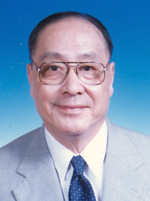 Sichang Jiang (姜泗长)合作论文数Chinese PLA General Hospital66
 Shiming Yang (杨仕明)合作论文数Chinese PLA General Hospital;School of Medicine, Nankai University64
 Deliang Huang (黄德亮)合作论文数Chinese People's Liberation Army General Hospital55SuZhen Zhang (张素珍)合作论文数49Ziming Wu (吴子明)合作论文数43
 Huijun Yuan (袁慧军)合作论文数Institute Of Rare Diseases, West China Hospital of Sichuan University;Department of Postgraduate Students, West China School of Medicine, Sichuan University40JuYang Cao (曹菊阳)合作论文数39SuoQiang Di (翟所强)合作论文数Chinese PLA General Hospital38
 Pu Dai (戴朴)合作论文数Chinese PLA General Hospital35JianHe Sun (孙建和)合作论文数34Rui Gu (顾瑞)合作论文数33
 Rongguang Wang (王荣光)合作论文数Chinese PLA General Hospital33
 Qiuju Wang (王秋菊)合作论文数School of Medicine, Nankai University;Chinese PLA General Hospital33Fei Ji (冀飞)合作论文数27YinYan Hu (胡吟燕)合作论文数26WenMing Wu (武文明)合作论文数22YaoYun Fang (方耀云)合作论文数21Wei Guo (郭维)合作论文数19AiTing Chen (陈艾婷)合作论文数18
 Suzhen Zhang (张素珍)合作论文数Chinese PLA General Hospital17WeiWei Guo (郭维维)合作论文数16Na Zhou (周娜)合作论文数16Xi Xin合作论文数15Suoqiang Zhai合作论文数15Dongyang Kang合作论文数15XingJian Liu (刘兴健)合作论文数14Xin Liu (刘新)合作论文数12
 Hongtian Wang (王洪田)合作论文数解放军总医院耳鼻咽喉科12XingQi Li (李兴启)合作论文数10LiMing Yu (于黎明)合作论文数10Jin Wang (王进)合作论文数10
 Liangfa Liu (刘良发)合作论文数Department of Otolaryngology Head and Neck Surgery, Beijing Friendship Hospital, Capital Medical University10Ning Yu (于宁)合作论文数9SuJiang Xie (谢溯江)合作论文数9
 Weiju Han (韩维举)合作论文数Chinese PLA General Hospital9
 Dongyan Huang (黄冬雁)合作论文数Chinese Pla Medical School, Chinese Pla General Hospital9Weiwei Guo (郭维维)合作论文数Chinese PLA General Hospital8
 Jialing Wang (王嘉陵)合作论文数Chinese People's Liberation Army General Hospital8
 Jun Liu (刘军)合作论文数Chinese People's Liberation Army General Hospital8Fei Yu (于飞)合作论文数8WANG Jin (王进)合作论文数7ShuZhi Yang (杨淑芝)合作论文数7Bo Feng (冯勃)合作论文数7ZhenWu Ke (柯振武)合作论文数7MengDi Hong (洪梦迪)合作论文数7
 Zhaohui Hou (侯昭晖)合作论文数The Sixth Medical Center of the Chinese PLA General Hospital7
 Xin Zhang (张昕)合作论文数Chinese PLA General Hospital7
 Weimin Li (李为民)合作论文数The 8th Medical Center of Chinese People's Liberation Army General Hospital7




