Background Fluorodeoxyglucose positron emission tomography/computed tomography (FDG PET/CT) imaging is commonly used to facilitate diagnosis in suspected cardiac sarcoidosis (CS). However, there is a gap in evidence regarding the diagnoses and outcomes of patients who undergo FDG PET/CT. Objectives Evaluate the diagnoses and outcomes of patients referred for FDG PET/CT imaging for suspected CS. Methods We studied all consecutive patients referred to our center for FDG PET/CT for suspected CS from June 2006 to November 2023. Patients were characterized by their final clinical diagnosis and followed to a composite outcome of left ventricular assist device placement, heart transplant, or death. Results A total of 1646 patients (mean age 58.4 ± 12.4 years; 66 % male) met inclusion criteria: 285 (17.3 %) with Heart Rhythm Society (HRS) criteria positive CS, 83 (5.0 %) with probable CS, 237 (14.4 %) with sarcoidosis but without HRS criteria for CS, and 1041 (63.2 %) with other diagnoses. 227 patients (13.8 %) underwent genetic testing, of whom 32 (14.1 %) were found to have a pathogenic/likely pathogenic variant. Over a median follow up of 4.4 years, 327 patients (19.9 %) met the primary outcome. There was no significant difference in outcomes by diagnosis (log-rank p = 0.4936). Conclusions Most patients referred for FDG PET/CT for suspected CS were not found to have CS in follow up. However, they are at similar risk for the need for advanced therapies and many are found to have genetic CMP. These data highlight the importance of advanced heart disease consultation and referral for genetic testing in this population.
Background Postprocedural pericarditis (PP) can occur in up to 29.4% of patients undergoing epicardial catheter ablation of ventricular tachycardia (VT). Despite several proposed strategies to mitigate this adverse outcome, rates of PP and pericarditic pain remain high. Objectives This study sought to assess the impact of intrapericardial steroids instillation (ISI) combined with periprocedural colchicine on PP after epicardial VT ablation. Methods This prospective multicenter study included patients undergoing epicardial VT ablation between June 2021 and December 2023. The primary outcome was the occurrence of pericarditis, defined as the presence of pericarditic chest pain and pericarditic electrocardiographic (ECG) changes. Secondary outcomes included the pericarditic pain score at 6, 12, 24, and 48 hours after the procedure, pericardial effusion, postprocedural new-onset atrial fibrillation (AF), constrictive pericarditis, admission due to pericarditis, and gastrointestinal side effects. A systematic literature search was performed to identify historical control groups to compare with our cohort. Results A total of 129 patients underwent epicardial VT ablation with subsequent ISI and colchicine therapy. The combination of ISI and colchicine resulted in a nonsignificant trend of lower rates of pericarditis when compared with all historical control groups (3.1% [4 of 129] vs 7.0% [12 of 172]; P = 0.109) and a significant difference when compared to intrapericardial steroids (3.1% vs 13.2%; P = 0.030). The rates of pericarditic pain (10.9% [14 of 129] vs 30.9% [21 of 68]; P = 0.001), pericarditic ECG changes (5.4% [7 of 129] vs 33.8% [23 of 68]; P < 0.001) and new-onset atrial fibrillation (0.8% vs 19.5%; P = <0.001) were significantly lower in our study than in historical control groups. Conclusions The instillation of intrapericardial steroids along with periprocedural colchicine after epicardial VT ablation led to a decreased incidence of adverse effects associated with pericardial inflammation when compared with historical control groups. Further research with contemporary control groups is needed to confirm the suggested impact of the strategy described here.
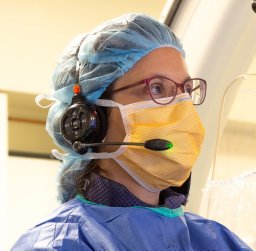 Usha B. Tedrow合作论文数Cardiac Arrhythmia Service, Brigham & Women's Hospital158
 Paul C. Zei合作论文数131
 Wendy S. Tzou合作论文数104Kapur Sunil合作论文数100Bruce A. Koplan合作论文数Brigham and Women's Hospital, Harvard Medical School99Steiger Nathaniel合作论文数95Thomas M. Tadros合作论文数93
 Jorge Romero合作论文数86Ryan G. Aleong合作论文数81Duy T. Nguyen合作论文数80
 Matthew Zipse合作论文数73Joseph L. Schuller合作论文数63
 Francis Edward Marchlinski合作论文数Department of Medicine, Perelman School of Medicine, University of Pennsylvania53
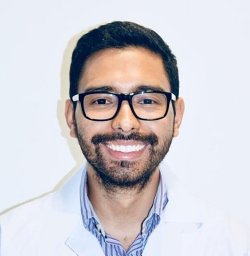 Andrés F Miranda-Arboleda合作论文数Division of Cardiology, Queen’s University50Carlos D. Matos合作论文数48
 Paul D. Varosy合作论文数University of Colorado Denver45
 John Whitaker合作论文数Department of Cardiovascular Imaging, King's College London44
 Mohamed Gabr合作论文数Albert Einstein Coll Med, Montefiore Einstein Ctr Heart & Vasc Care43Carolina Hoyos合作论文数42Borne Ryan T合作论文数42
 David J. Callans合作论文数Cardiology Division, Hospital of the University of Pennsylvania38
 Uyanga Batnyam合作论文数37Isabella Alviz合作论文数Albert Einstein Coll Med, Montefiore Einstein Ctr Heart & Vasc Care37Daniela Hincapie Tabares合作论文数33Sandhu Amneet合作论文数Department of Internal Medicine, The University of Michigan31David T Martin合作论文数30Esseim Sharma合作论文数Warren Alpert Medical School, Brown University/Lifespan Health System30Zheng Lijun合作论文数29
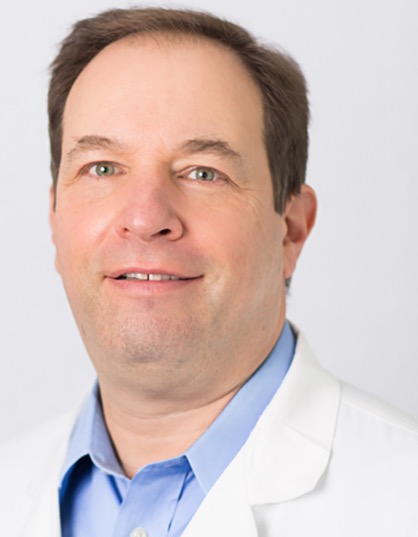 Edward P. Gerstenfeld合作论文数School of Medicine, University of California, San Francisco29Thurber Clinton J合作论文数28Kolade M. Agboola合作论文数27Tompkins Christine M合作论文数27Fernando Moreno合作论文数26Erik Andrews合作论文数26Omar Kreidieh合作论文数Brigham & Womens Hosp26
 Nauffal Victor合作论文数Department of Internal Medicine, American University of Beirut;Department of Medicine, Johns Hopkins Medical Institutes;Johns Hopkins Medical Institutes, American University of Beirut26Christopher M. Lowery合作论文数26Duy Nguyen合作论文数25Jorge E. Romero合作论文数25
 Joshua M. Cooper合作论文数University of Pennsylvania25Brahim Redouane合作论文数24Carlos Patino合作论文数24
 David Chang合作论文数Codman Center for Clinical Effectiveness in Surgery, Mass General Research Institute, Massachusetts General Hospital;Harvard Medical School24
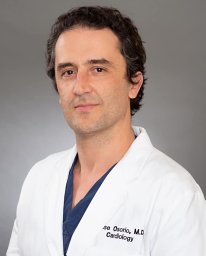 Jose Osorio合作论文数Department of Medicine, University of Alabama at Birmingham23
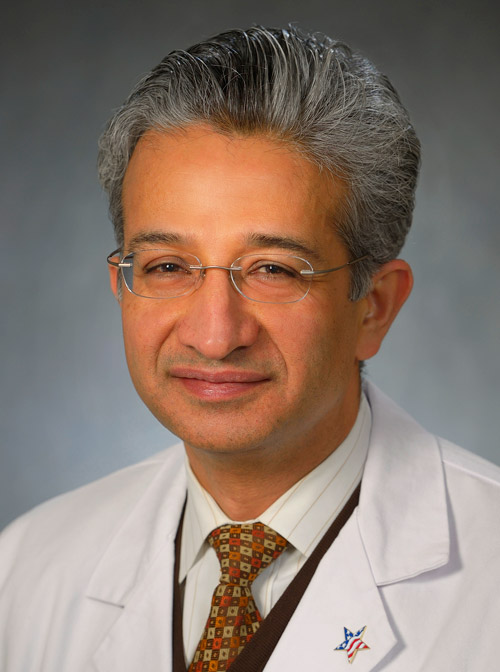 Sanjay Dixit合作论文数Department of Medicine, Perelman School of Medicine, University of Pennsylvania22Alexis Tumolo合作论文数20
 Juan Carlos Diaz Martinez合作论文数20
 Parinita A Dherange合作论文数20David F. Katz合作论文数20




