The selective capture of endogenous cells and proteins holds immense potential in regenerative medicine, single-cell analysis, biosensing and cell therapy. However, conventional multivalent platforms suffer from uncontrolled ligand distribution and poor spatial alignment, limiting capture efficiency. Here we provide a protocol for a programmable tetrahedral DNA nanostructure (TDN) platform that enables precise spatial control of capture ligands through site-specific editability. This protocol describes two distinct capture systems: (1) an aptamer-functionalized TDN for the selective capture of mesenchymal stem cells, which increases binding affinity 2.25-fold and achieves ~90% capture efficiency, and (2) a peptide-functionalized TDN-hydrogel for sequestering endogenous growth factors, which enhances capture efficiency from <40% with conventional methods to nearly 90%. The complete protocol, from computational design and nanostructure assembly to in vitro functional validation, can be completed in ~10-20 d, with subsequent in vivo studies extending over several weeks. This versatile platform enables the rational design of high-efficiency capture agents for diverse biological targets, providing a powerful and adaptable tool for tissue engineering, cell sorting and biosensing.
ABSTRACT The repair of osteoporotic bone defects presents a formidable challenge due to the disrupted osteogenic‐adipogenic equilibrium within the bone marrow microenvironment. To address the limitations of monotherapies in regulating this pathological condition, this study engineers an enzyme‐responsive delivery platform, the puerarin‐reinforced nucleic acid‐based nanoassembly (Pue@NB), via structural reprogramming of tetrahedral framework nucleic acid (tFNA). This system enables precise co‐encapsulation and intracellular co‐delivery of osteogenic microRNA (miR‐335‐5p) and puerarin (Pue). While preserving the biocompatibility and cellular entry efficiency of tFNA, Pue@NB incorporates an embedded DNA‐RNA hybrid bio‐switch that responds to endogenous RNase H, enabling structural transformation and coordinated release of both therapeutic agents. In vitro, beyond promoting the migration of bone marrow mesenchymal stem cells (BMSCs), Pue@NB also exhibits a bidirectional regulatory capacity for BMSCs differentiation: its pro‐osteogenic and anti‐adipogenic effects are accompanied by increased hedgehog‐related signaling markers, upregulated TGF‐β1, and suppressed PPARγ/FABP4 expression. In an ovariectomy‐induced osteoporotic bone defect model, Pue@NB substantially accelerated bone regeneration, restored bone mineral density, and improved trabecular microstructure. This work elucidates a synergistic therapeutic strategy that integrates genetic and small‐molecule drugs via nucleic acid nanostructure reengineering, providing foundations for developing next‐generation dynamic nanomaterials for recalcitrant tissue defects.
The cell membrane serves as a dynamic interface that mediates continuous communication between cells and their surroundings. Functionalizing the cell membrane with molecules or nanomaterials can modulate cellular behaviors and broaden cellular functionalities. In recent years, DNA materials have attracted growing attention as a versatile platform for surface engineering, owing to their molecular programmability, structural precision, and biocompatibility. This review provides an overview of the emerging strategies that employ DNA materials to remodel the cell membrane. It begins by summarizing the current technological strategies for modifying the cell membrane using DNA materials, encompassing both chemically mediated and biologically driven approaches. Subsequently, it points out the recent improvements in utilizing these technologies to understand cellular processes, govern cell behaviors and redefine cell functionalities. Finally, the challenges facing this emerging field are examined, followed by a discussion on future perspectives and potential directions for continued development.
OBJECTIVES:To evaluate placement error, bone regeneration, and mesh exposure of three-dimensionally printed customized titanium mesh (3DPC Ti-mesh) guided by a vacuum-formed placing template in guided bone regeneration (GBR) for anterior maxillary defects. MATERIAL AND METHODS:10 patients (23 implants) with Terheyden 2/4 or 3/4 defects were included. CBCT data of pre-operation (T0), immediate post-operation (T2), and 5-8 months post-operation (T3) were reconstructed. These three models and preoperative design (T1) model were co-registered to a common coordinate system. Mesh displacement and contour discrepancy were measured. Bone regeneration was evaluated in terms of bone volume and implant-related bone height and width. Classification, time, and rate of mesh exposures were recorded. RESULTS:Ti-mesh exhibited 0.57 ± 0.65 mm buccal displacement from T1 to T2 and 0.58 ± 0.57 mm apical displacement from T2 to T3. Mesh contour discrepancy was 0.70 ± 0.20 mm between T1 and T2 and decreased to 0.37 ± 0.12 mm between T2 and T3. Comparing T2 to T1, graft volume accuracy reached 91.1% ± 7.6%. Non-infected mesh exposure occurred in 26% implant sites. From T2 to T3, vertical bone resorption of 1.69 ± 1.56 mm and 0.14 ± 0.63 mm were recorded in exposed and non-exposed groups, respectively. CONCLUSIONS:To our knowledge, this is the first study to validate the use of a vacuum-formed template for positioning 3DPC Ti-mesh. Within the study limitations, this technique is a feasible approach for placing customized mesh in anterior maxillary GBR.
Chronic infected wounds represent a significant clinical challenge due to bacterial infection, dysregulated inflammation, and excessive reactive oxygen species (ROS) that impair tissue repair and are exacerbated by antibiotic resistance. To overcome these limitations, we developed Cu-Tsi@Gel, a programmable biomineralized hydrogel integrating sulfated tetrahedral framework nucleic acids (sTDNs), copper ions (Cu2+), and tumor necrosis factor-α (TNF-α) siRNA (siTNF-α) within a photocrosslinkable GelMA matrix. This design integrates organic and inorganic components via thiol-directed biomineralization, enabling three key functions. The Cu2+/Cu+ redox cycling confers sustained antioxidant activity, restoring mitochondrial redox balance and protecting cells from oxidative damage. Concurrently, siTNF-α silences TNF-α expression in macrophages, thereby reducing pro-inflammatory cytokines including interleukin‑6 (IL‑6) and IL‑1β. Cu-Tsi@Gel disrupts bacteria membranes, kills bacteria (including S. aureus, MRSA and E. coli), and promotes angiogenesis through vascular endothelial growth factor (VEGF) /CD31 upregulation. In infected murine wounds, Cu-Tsi@Gel accelerated closure, enhanced collagen deposition, stimulated neovascularization, and reduced inflammation compared with controls. This multifunctional hydrogel offers a promising strategy for treating infected chronic wounds by concurrently targeting antimicrobial resistance, oxidative stress, and inflammatory pathways. STATEMENT OF SIGNIFICANCE: Conventional biomaterials typically combine therapeutic components in a passive or additive manner. Here, we introduce a programmable biomineralized hydrogel that achieves synergistic integration of copper ions, thiolated DNA nanostructures, and therapeutic siRNA within a unified framework. The central innovation lies in a copper-DNA architecture that confers cell‑discriminative redox behavior: it selectively induces oxidative stress in bacteria while protecting mammalian cells. This structural design enables coordinated antimicrobial activity, gene silencing, and vascularization from a single platform. By demonstrating how nucleic acid scaffolds can orchestrate inorganic bioactivity with precise biological regulation, this work establishes a versatile paradigm for rationally designed multifunctional biomaterials.
Although microRNA therapy has considerable potential in tissue regenerative medicine, its clinical application remains constrained by inherent instability and suboptimal cellular uptake efficiency. Therefore, we developed an enzyme-responsive DNA nanocarrier (DNA nano-boomerang, DNB) through structural reengineering of tetrahedral framework nucleic acids (tFNA). DNB incorporates osteogenic miR-21 within its three-dimensional framework, achieving serum stability and cellular uptake comparable to tFNA, while exhibiting enhanced resistance to DNase degradation. Notably, DNB possesses a unique enzyme-responsive release mechanism; following efficient cellular uptake through its optimized tetrahedral configuration, the bioswitchable module of the nanostructure undergoes specific recognition and cleavage by RNase H, triggering a structural transition from a boomerang-shaped three-dimensional nano-construct to a two-dimensional architecture, thereby enabling the cytoplasmic release of miRNA. This bioswitchable design potentially enhances the utilization efficiency of therapeutic molecules. In vitro experiments demonstrated that DNB effectively enhanced the osteogenic differentiation of bone marrow mesenchymal stem cells, as evidenced by upregulated alkaline phosphatase activity, mineralized nodules, and osteogenesis-related protein expression. Mechanistic investigations further revealed that the pro-osteogenic capacity of DNB may be driven by activation of the hedgehog pathway. Furthermore, DNB exhibited excellent in vivo retention, significantly improving trabecular microstructure quality, mineral apposition rate, and new bone formation rate in rat mandibular defects. This study successfully established an intelligent and efficient miRNA delivery system that provides insights into addressing the delivery challenges of gene therapy in maxillofacial bone tissue engineering.
Tetrahedral framework nucleic acids (tFNAs), a novel class of nanodelivery carriers, demonstrate significant potential due to their well-defined topological structure, programmable molecular recognition capabilities, and exceptional biocompatibility. This article systematically reviews the dynamic behavior of tFNAs across multi-scale delivery processes. At the macroscale, it elucidates the organ accumulation and metabolism of tFNAs following various routes of administration. At the microscale, it delves into the transmembrane transport mechanisms and subcellular localization characteristics of tFNAs. Furthermore, this review discusses the current research status of strategies aimed at improving the delivery efficiency of tFNAs through active targeted modifications and proposes cutting-edge approaches to developing precision delivery systems leveraging engineering modifications and intelligent response designs.
Periodontitis is the most prevalent chronic inflammatory condition affecting oral health and is associated with long treatment duration. It is triggered by microbial plaque, which leads to localized and diffuse inflammation, ultimately causing progressive and irreversible damage to the alveolar bone and connective tissue. Therefore, early and effective treatment strategies should prioritize both antimicrobial and anti-inflammatory interventions. Herein, we report a multifunctional DNA nanodrug delivery platform based on tetrahedral framework nucleic acids (tFNAs), which effectively delivers curcumin and defensin to periodontal tissues. This platform exhibits a triple therapeutic effect by eliminating periodontal pathogenic bacteria, reducing inflammatory infiltration in periodontal tissues, and inhibiting bone resorption and degradation. Experimental results showed that curcumin was uniformly loaded onto the framework nucleic acid via groove binding, while defensin was anchored via chemical conjugation, forming the curcumin–defensin–tFNA (Cur-de-tFNA) complex. Due to its structural advantages, this nanodrug platform demonstrates exceptional cellular uptake efficiency and biosafety, significantly enhancing the bioavailability of curcumin and the antimicrobial activity of defensin. Moreover, as the platform degrades into nucleic acids, it presents one of the cleanest nanodrug delivery platforms currently available. As anticipated, the complex demonstrated potent antimicrobial activity, modulated the TLR4 pathway, improved the local microenvironment, promoted the expression of osteogenic proteins, and alleviated local tissue inflammation in a rat model of periodontitis, effectively reducing alveolar bone resorption. We believe that this study offers meaningful insights for multi-targeted combination therapies for periodontitis and provides new directions for the management of bacterial infection-induced local inflammation and bone resorption-related diseases.
The integration of molecular computation with nanomedicine holds transformative potential for precision cancer theranostics. However, achieving an intelligent, multi-input decision-making process within living cells remains a formidable challenge because of the complexity of intracellular signaling networks. Here, we present a set of DNA tetrahedron logic processors that enable smart intracellular computing through a programmable three-input architecture capable of executing seven Boolean operations—OR, AND, NOR, NAND, XOR, majority (MAJ), and OR-AND—in response to endogenous miRNA signals. Building upon the cell-internalizable tetrahedral framework nucleic acid, this processor functions as an autonomous sense-and-treat module: it decodes combinatorial biomarker states and conditionally releases therapeutic siRNA only when a predefined logical condition is met. As a proof of concept, in precision oncology, we engineered a MAJ-gated nanoplatform (siR@MAJ) that selectively silences survivin in MCF-7 breast cancer cells that exhibit a specific tri-miRNA signature while sparing other cell types. This approach has achieved potent tumor suppression both in vitro and in vivo with high specificity and minimal off-target effects. By integrating multi-target detection into a single logic circuit, this processor significantly improves the discriminative capability within complex biological environments. Our work establishes a foundational platform for intelligent intracellular diagnostics and therapy, paving the way toward adaptive, logic-driven nanomedicine.
Overcoming short intra-articular retention and poor chondrocyte uptake of drugs remains a major challenge for osteoarthritis (OA) therapy. Thereby, we developed a tetrahedral DNA (TDN)-based nano-delivery system (TLM@CAP) via a two-step engineering strategy, involving the introduction of tunable numbers of specific DNA loops to significantly enhance metformin loading capacity, and conjugation with a chondrocyte-affinity peptide (CAP) to confer chondrocyte-targeting capability. The TLM@CAP complex demonstrated improved chondrocyte uptake, prolonged joint retention exceeding 72 h, and deep cartilage penetration. In vivo, TLM@CAP outperformed free metformin in restoring mitochondrial function, reducing cellular senescence, and rebalancing extracellular matrix metabolism via AMPK/mTOR pathway activation in senescent chondrocytes. In an OA rat model, intra-articular TLM@CAP administration effectively alleviated pain, improved gait, and protected against cartilage and subchondral bone destruction. This work not only presents a potent targeted therapeutic strategy for OA but also advances the rational design of TDN-based nanoplatforms for drug delivery.
Age-related impaired wound healing presents distinct challenges compared to conventional wounds, primarily due to dysregulated phase kinetics of wound repair and chronic cellular senescence, which collectively disrupt the dynamic and orderly progression of tissue regeneration. Effective intervention requires a stage-specific and temporally programmed therapeutic strategy. To address this, we first performed transcriptome sequencing (RNA-seq) to elucidate the differential healing trajectory between young and aged wounds. Herein, we construct a photo-responsive, Fisetin-functionalized DNA nanocage (TAF) for spatiotemporally precise therapy of aged wounds. TAF is composed of a tetrahedral DNA nanocage loaded with a miR-29-targeting antisense oligonucleotide (ASO) covalently linked through a photocleavable linker and noncovalently encapsulating the senolytic agent Fisetin. The TAF platform enables a programmed therapeutic strategy: (a) the intrinsic antioxidant capacity of DNA scavenges excessive reactive oxygen species (ROS) during the early inflammatory phase; (b) photo-triggered ASO release in the proliferative phase promotes collagen synthesis; and (c) sustained Fisetin release eliminates senescent cells, fostering a pro-regenerative microenvironment. In vivo studies in aged mice reveal that TAF-mediated therapy significantly accelerates early wound closure and enhances high-quality tissue regeneration. In summary, TAF establishes an efficient nanomedicine platform that improves aged tissue repair through stage-specific, temporally programmed regulation.
Dysfunction of osteoblast paracrine leads to decreased bone formation and increased bone resorption in osteoporosis (OP). Disorder of osteoblast osteomodulin (OMD) paracrine promotes osteoclast activation and enhances receptor activator of nuclear factor κB ligand (RANKL)-mediated bone resorption in OP. However, the upstream targets regulating OMD secretion remain unclear. Here, we demonstrated that IL-1β-mediated bone loss in OP was associated with increased expression of E26 avian leukemia oncogene 1 (ETS1). ETS1 activated the ubiquitination and degradation of estrogen receptor beta (ESR2) through protein-protein interactions, thereby inhibiting the activation of OMD transcription. Silencing or knocking out ETS1 could reverse IL-1β-mediated OMD paracrine abnormalities, enhanced bone formation, and suppressed bone resorption. In addition, based on the tetrahedral framework nucleic acids (tFNAs) and aptamer CH6, we constructed a bone-targeted silencing strategy (tFNAs/CH6@siEts1) for silencing ETS1 to regulate osteoblast paracrine. tFNAs/CH6@siEts1 showed significant efficacy in rescuing bone loss in OP mice.
The rational design of inhalable carriers for small-molecular therapeutics faces a long-standing pharmaceutical dilemma: achieving both deep pulmonary penetration and sustained retention. While conventional nanoparticles can prolong lung retention, they often exhibit poor nebulization stability and limited transmucosal permeability. Herein, we employed inhalable tetrahedral framework nucleic acids (tFNAs) as a multifunctional delivery nanoplatform. Their rigid tetrahedral architecture demonstrates >90 % drug encapsulation efficiency, superior stability during nebulization, and enzyme-controlled release properties. In vivo, nebulized TMC demonstrates excellent dual mucus-epithelial permeability, achieving widespread and sustained distribution in deep lung tissues with a pulmonary retention of 49.5 % at 24 h. In idiopathic pulmonary fibrosis (IPF) models, tFNA-loaded metformin composition (TMC) effectively reduced pathological collagen deposition, promoted epithelial tissue repair, and restored extracellular matrix homeostasis. This platform resolves the long-standing "penetration-retention" trade-off, establishing a promising platform for inhaled small-molecule therapeutics targeting respiratory diseases such as IPF.
Surgical guides play a crucial role in achieving accurate implant placement, yet their physical presence often obstructs the clinician’s view of the surgical site. Conventional methods for improving access using sutures or surgical instruments frequently introduce additional tools into the operative field, potentially hindering the surgical workflow. This technique article describes a straightforward yet effective modification to conventional implant guides by integrating retractor arms and attachment hooks on the buccal and lingual aspects. The arms gently displace the cheek and tongue, while the hooks retract the gingival flaps, collectively ensuring sufficient exposure of the alveolar bone crest. Importantly, these accessories can be designed using the existing connector-generation modules in common guide-design software programs and require no additional training with the program.
Periodontitis is a complicated, chronic inflammatory disease driven by pathogenic bacterial infections and a dysregulated inflammatory response. Current therapeutic strategies for periodontitis face several challenges, including incomplete eradication of infection in deep periodontal pockets and the development of antibiotic resistance. Although the antimicrobial peptide GL13K shows broad-spectrum antimicrobial activity and a minimal risk of drug resistance, its poor stability in biological environments limits its therapeutic applicability. Similarly, the anti-inflammatory potential of C/EBP alpha-saRNA-a small activating RNA-is restricted by low cellular uptake efficiency and rapid nuclease degradation. To overcome these limitations, we developed tetrahedral framework DNA (tFNA), a nucleic acid drug delivery system with favorable delivery capacity, excellent biocompatibility, and outstanding stability. Here, we engineered a novel multifunctional nanotoolbox based on a bioswitchable saRNA delivery system (BiRDS) that successfully integrates C/EBP alpha-saRNA while maintaining the spatial tetrahedral structure of tFNA and concurrently loading GL13K, termed BiRDS/GL13K (B/G). To enable sustained and localized delivery within the complex periodontal pocket microenvironment, we further compounded B/G into an injectable thermosensitive hydrogel. Excellent biocompatibility, enhanced antibacterial activity, and potent anti-inflammatory effects are demonstrated by B/G/P, which successfully prevents periodontal destruction and supports tissue regeneration, according to in vitro and in vivo experiments. This multifunctional injectable thermosensitive system provides a flexible, targeted, and highly effective treatment approach for periodontitis and other complicated inflammatory conditions.
Targeted regulation of neutrophils is an effective approach for treating neutrophil-driven inflammatory diseases, but challenges remain in minimizing off-target effects and extending drug half-life. A DNA-based nanorobot was developed to target neutrophils by using an N-acetyl Pro-Gly-Pro (Ac-PGP) peptide to specifically bind to the C-X-C motif of chemokine receptor 2 (CXCR2) on neutrophil membranes. This robot (a tetrahedral framework nucleic acid modified with Ac-PGP, APT) identified and hitchhiked neutrophils to accumulate at inflammatory sites and prolong its half-lives, whilst also was internalized to influence the neutrophil cell cycle and maturation process to regulate oxidative stress, inflammation, migration, and recruitment in both in vivo and in vitro inflammation experiments. Consequently, the tissue damage caused by sepsis was greatly reduced. This novel neutrophil-based nanorobot highlights the high precision of targeting and regulating neutrophils, and presents a potential strategy for treating multiple neutrophil-driven diseases.
Acute ischemic stroke (AIS) is associated with a high mortality rate and poor prognosis, with a lack of effective therapeutic drugs for post-thrombolytic treatment. MicroRNA-based gene therapy is a promising approach for treating AIS, but its clinical application has been limited due to challenges, such as poor targeting efficiency, unsatisfactory stability, and inadequate cellular uptake. In this study, we successfully developed a microRNA-targeted delivery system based on the tetrahedral framework nucleic acid (tFNA). This nanodelivery system, guided by stroke-homing peptides, effectively targeted and delivered miRNA124 to the ischemic hemisphere. With the assistance of tFNA, miRNA124 efficiently entered cells and exerted therapeutic effects. Additionally, it promoted the transformation of microglia from the pro-inflammatory M1 phenotype to the anti-inflammatory M2 phenotype, reducing neuronal apoptosis and, ultimately, decreasing the infarct size and mortality rate. These findings present a promising therapeutic strategy for the targeted treatment of AIS.
Type I hypersensitivity reactions are the most common type of hypersensitivity reactions and can cause various symptoms in different body systems. Currently, there is no standard treatment for the different manifestations of type I hypersensitivity reactions at different sites. To address this challenge, a nanocomposite named tFNAs-siRNA-siRNA (TSS) is designed based on tetrahedral framework nucleic acids (tFNAs). It is loaded with two siRNAs and can enter the body through multi-route administration. In terms of the realization of siRNAs' functions, TSS successfully delivers them and downregulates the expression of Gab2 and Syk, thereby inhibiting the migration and release of granules to the extracellular space in RBL-2H3 cells. Interestingly, TSS also exhibits the effect of hindering Ca2+ efflux from mitochondria to stabilize energy metabolism. In the passive cutaneous anaphylaxis and allergic rhinitis model, TSS shows excellent anti-allergic ability, and demonstrates an advantage in intraperitoneal injection, transdermal, and transnasal routes of administration. In sum, TSS offers a new therapeutic strategy for type I hypersensitivity reactions with multiple symptoms, highlighting the application potential of nucleic acids-based multi-route administration delivery system.
Peri-implant keratinized mucosa (PIKM) augmentation refers to surgical procedures aimed at increasing the width of PIKM. Consensus reports emphasize the necessity of maintaining a minimum width of PIKM to ensure long-term peri-implant health. Currently, several surgical techniques have been validated for their effectiveness in increasing PIKM. However, the selection and application of PIKM augmentation methods may present challenges for dental practitioners due to heterogeneity in surgical techniques, variations in clinical scenarios, and anatomical differences. Therefore, clear guidelines and considerations for PIKM augmentation are needed. This expert consensus focuses on the commonly employed surgical techniques for PIKM augmentation and the factors influencing their selection at second-stage surgery. It aims to establish a standardized framework for assessing, planning, and executing PIKM augmentation procedures, with the goal of offering evidence-based guidance to enhance the predictability and success of PIKM augmentation.
OBJECTIVE:To describe a tooth-supported, 3D-printed surgical guide designed to enable accurate intraoperative placement of titanium mesh for bone augmentation in the esthetic zone, in accordance with the preoperative design. CLINICAL CONSIDERATION:Titanium mesh supported guided bone regeneration (GBR) is a widely accepted technique for bone augmentation due to its strong spatial support and predictable osteogenesis. However, intraoperative deviations in titanium mesh placement may affect the final outcome of bone augmentation. This case series presents a tooth-supported titanium mesh positioning guide, fabricated through personalized 3D printing, which allows in situ fixation of the mesh during the augmentation procedure. CONCLUSION:The guide enabled precise intraoperative positioning of the titanium mesh in accordance with the preoperative design. The maximum intraoperative titanium mesh displacement was 1.59 mm, with an average deviation of 0.42 mm. The average overall bone augmentation volume deviation was 0.057 ± 0.031 cm3(SD), 95% CI: (0.025 cm3, 0.089cm3), corresponding to a bone augmentation accuracy of 91.67%. CLINICAL SIGNIFICANCE:This tooth-supported positioning guide accurately transfers the preoperative design to titanium mesh-supported guided bone regeneration surgery, thereby improving the accuracy of titanium mesh placement. It facilitates a standardized and controlled workflow for bone augmentation, enhancing the predictability of outcomes in the esthetic zone.
 Yunfeng Lin (林云锋)合作论文数West China School of Stomatology, Sichuan University;State Key Laboratory of Oral Diseases92
 Taoran Tian合作论文数Department of Cell Biology, Yale School of Medicine30
 Songhang Li合作论文数27
 Mi Zhou (周密)合作论文数College of Biomass Science and Engineering, Sichuan University25
 Tao Zhang (张涛)合作论文数College of Control Science and Engineering, Zhejiang University22ShiYu Lin (林诗宇)合作论文数18Tianxu Zhang合作论文数13
 Zhang Qi合作论文数12Dexuan Xiao合作论文数11
 Sirong Shi合作论文数State Key Lab Oral Dis, Sichuan Univ11
 Bofeng Zhu (朱波峰)合作论文数School of Forensic Medicine, Southern Medical University11Changyue Xue合作论文数10Quanquan Ma合作论文数10
 Xiaolin Zhang合作论文数10
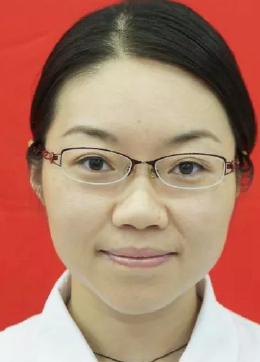 Xingmei Yang (杨醒眉)合作论文数West China Hospital of Stomatology, Sichuan University10Shaojingya Gao合作论文数9Xingyu Chen合作论文数8X Wei合作论文数8Shao Xiao-Ru合作论文数8
 Nianqing Fu (傅年庆)合作论文数Department of Metallic Materials Science and Engineering, School of Materials Science and Engineering, South China University of Technology8Yangxue Yao合作论文数7Nanxin Liu合作论文数7
 Yao Fu合作论文数7Guo Li合作论文数6
 Yanjing Li合作论文数6Yefei Zhu合作论文数6D Zhao合作论文数6
 Ping Gong (宫苹)合作论文数West China School, Sichuan University6Yuxuan Zhao合作论文数5Yu Xie合作论文数5Zhiqiang Liu合作论文数5Tengfei Zhou合作论文数5Wenjuan Ma合作论文数5Yang Gao合作论文数5Mei Zhang合作论文数5
 Qiang Peng (彭强)合作论文数College of Materials and Chemistry & Chemical Engineering, Chengdu University of Technology5
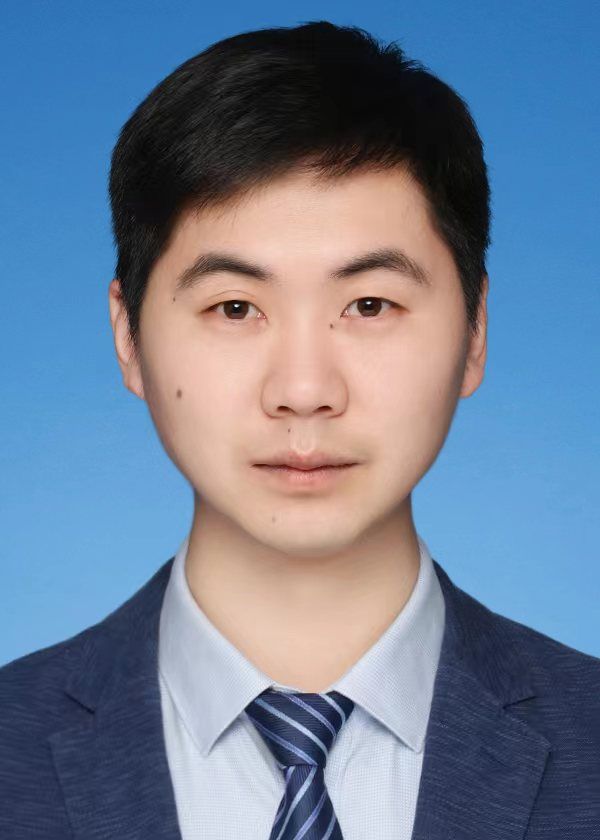 Long Bai (白龙)合作论文数Institute of Translational Medicine, Shanghai University4
 Xiaowei Wei (魏晓为)合作论文数Nanjing First Hospital4Jiajun He合作论文数4Yichen Ge合作论文数4Y Yao合作论文数4Xin Qin合作论文数4Yue Sun合作论文数4Zhou Ronghui合作论文数4
 Yun Wang (王允)合作论文数West China Hospital, Sichuan University4
 Jing Xie (谢婧)合作论文数College of Polymer Science and Engineering, Sichuan University4Bin Guo (郭斌)合作论文数3Qianshun Li合作论文数3




