The aim of this study was to identify the molecular mechanisms involved in neutrophil adhesion to immobilized platelets with particular focus on the possible existence of a juxtacrine system for neutrophil-platelet interactions. Platelets were immobilized onto collagen (type I)-coated coverslips that were placed in a flow chamber and neutrophils were perfused across these confluent monolayers at a shear stress of 1 to 4 dynes/cm2. Neutrophils rolled, and a significant proportion (25% to 50%) adhered to platelet monolayers. P-selectin was expressed in very large quantities on the surface of platelets and mediated all of the rolling, whereas the beta2-integrin mediated firm adhesion. An activation mechanism for adhesion was necessary inasmuch as fixed neutrophils continued to roll on immobilized platelets, but did not adhere. Platelets adherent to collagen produced significant levels of platelet-activating factor (PAF). Accordingly, the firm adhesion of neutrophils to platelets was significantly inhibited by a PAF receptor antagonist (WEB 2086). Treatment of only the platelets with acetylhydrolase, which converts membrane-associated PAF to lyso-PAF, prevented 60% of the adhesion. These data suggest that PAF, on the surface of platelets, mediated a significant portion of the adhesive interaction. Addition of some selectin-binding carbohydrates (fucoidan or soluble SLEx analogs but not dextran sulfate) to the platelets caused rolling neutrophils to immediately adhere, an event that was not observed on histamine or thrombin-treated endothelium or P-selectin transfectants. These data support the view that a juxtacrine activation process exists on immobilized platelets for neutrophils. This process can be greatly enhanced on platelets and may involve a signaling mechanism through P-selectin.
Plasmodium falciparum-infected erythrocytes (IRBC) roll on the adhesion molecule P-selectin in vitro under flow conditions that approximate the shear stress in capillary and postcapillary venules in which cytoadherence occurs in vivo. The pathological significance of this adhesive interaction is currently unknown. In this study, we further investigated the molecular interactions between IRBC and P-selectin by using a laminar flow system that allowed for the direct visualization of IRBC-substratum interactions. The results showed that the IRBC–P-selectin interaction was Ca2+-dependent and involved the lectin domain of P-selectin and a sialic acid residue on IRBC. The sialylated P-selectin ligand was trypsin-sensitive, which suggests that it could be part of the parasite antigen PfEMP1 that interacts with CD36 and intercellular adhesion molecule-1 (ICAM-1), but different from a trypsin-resistant IRBC ligand that adheres selectively to chondroitin sulfate A. Studies on the rolling and adhesion of IRBC on activated platelets that express both CD36 and P-selectin showed that inhibition of rolling on P-selectin reduced the adhesion of some clinical parasite isolates to CD36, whereas other parasite isolates appeared to interact directly with CD36. Thus, cytoadherence under physiological flow conditions may be mediated by multiple IRBC ligands that interact with different adhesion molecules in a cooperative fashion. These findings underscore the complexity of the interactions betweeen IRBC and vascular endothelium.
Nitric oxide (NO) synthesis inhibition causes neutrophil adhesion to endothelium via a mast cell– and oxidant-dependent mechanism. The objective of this study was to delineate the cascade of events in the mast cell– and oxidant-induced neutrophil-endothelium interactions after NO synthesis inhibition. Mast cells were isolated and purified from the rat peritoneal cavity and coadministered with neutrophils to wells of endothelium. This system was treated with an NO synthesis inhibitor ( N G -nitro- l -arginine methyl ester; L-NAME) for 60 minutes. L-NAME did not induce neutrophil-endothelium interactions in the absence of mast cells, but the addition of mast cells in a ratio as low as 1:50 mast cells to neutrophils was sufficient to induce a large increase in neutrophil adhesion to endothelium within 20 to 25 minutes. l -arginine, NO donors, and 8-bromo-cGMP reversed the L-NAME effect, whereas N G -nitro- d -arginine methyl ester alone had no proadhesive effect. The adhesion was inhibited by an anti-CD18 or an anti–intracellular adhesion molecule-1 antibody and a platelet-activating factor-receptor antagonist. Inhibition of NO in isolated endothelial monolayers induced oxidant release (reduction of cytochrome C) into extracellular fluid. The endothelium-derived superoxide contributed to the mast cell–induced adhesion, inasmuch as the extracellular antioxidant superoxide dismutase reduced the neutrophil adhesion response as did disruption of endothelial function. There was some direct activation of mast cells with L-NAME (independent of endothelium) inasmuch as intracellular calcium and oxidative stress increased within mast cells after L-NAME treatment, and this translated into increased neutrophil adhesion to nonendothelial substrata. These data demonstrate that depletion of NO increases oxidative stress within mast cells and endothelium and together these events promote neutrophil adhesion within the vasculature.
BACKGROUND:We previously reported that mast cell degranulation causes histamine and P-selectin-dependent leukocyte rolling and platelet-activating factor (PAF)- and CD18-associated leukocyte adhesion, whereas others have reported serotonin-induced edema formation. The purpose of the present study was to determine whether nitric oxide (NO) could inhibit the mast cell-induced multistep recruitment of leukocytes and the associated microvascular dysfunction in single inflamed venules.METHODS AND RESULTS:Intravital fluorescence microscopy was used to demonstrate increased leukocyte rolling and adhesion and increased albumin extravasation in single 25- to 40-microns venules that were treated with the mast cell-degranulating agent compound 48/80 (CMP 48/80). The mast cell-induced histamine-dependent rolling and PAF-dependent adhesion were completely inhibited by the addition of the NO donor spermine NO. However, spermine NO did not directly inhibit histamine-induced leukocyte rolling and only partly affected PAF-induced leukocyte adhesion. Compound 48/80-activated mast cells evoked a significant increase in PAF-dependent neutrophil adhesion in vitro. Spermine-NO prevented the mast cell-dependent neutrophil adhesion but failed to affect direct adhesion with PAF. The mast cell-induced albumin leakage was also inhibited by the NO donor.CONCLUSIONS:Taken together, these results suggest that exogenous NO can modulate leukocyte recruitment and microvascular permeability alterations elicited by mast cell activation and raises the possibility that the use of NO donors may be a reasonable therapeutic approach to reducing mast cell-dependent inflammation.
It has been proposed that a primary detector mechanism for tissue infection or injury may be the mast cell that releases agents that recruit leukocytes to the appropriate site at risk. The objective of this study was to evaluate the early mechanisms involved in mast cell-induced leukocyte recruitment. We used intravital microscopy to visualize leukocyte-rolling flux and adhesion in single 25 to 40 microns venules in mesenteric preparations that were treated with the mast cell-degranulating agent, compound 48/80 (CMP 48/80). Superfusion of the rat mesentery with CMP 48/80 caused a dose-dependent rise in the number of rolling and adherent cells, events significantly reduced by: 1) mast cell stabilizers, ketotifen, or cromolyn, and 2) chronic treatment with CMP 48/80 to deplete mast cell constituents. The increase in leukocyte flux associated with CMP 48/80 was blocked by diphenhydramine (H1-receptor antagonist) and an anti-P-selectin Ab (PB1.3), but not by the 5-lipoxygenase inhibitor, MK 886. The reduction in the flux of rolling leukocytes translated into fewer adherent leukocytes with diphenhydramine or PB1.3. The CMP 48/80-induced rise in leukocyte adhesion, but not leukocyte flux, was reduced by the platelet-activating factor (PAF)-receptor antagonist (WEB 2086) and an anti-CD18 Ab (CL26). MK 886 did not prevent the increased leukocyte adhesion. In vitro data revealed that mast cell-derived PAF induced essentially all of the leukocyte adhesion to endothelium or protein-coated plastic. These data suggest that mast cell degranulation induces P-selectin-dependent leukocyte rolling and CD18-dependent leukocyte adhesion via histamine and PAF, respectively.
It is generally accepted that the beta 2-integrin is restricted to mononuclear leukocytes. The objective of this study was to determine whether neutrophils can also express beta 1-integrin (specifically alpha 4 beta 1) and whether this can support neutrophil adhesion to endothelial cells and to extracellular matrix. We stimulated neutrophils with dihydrocytochalasin B (DHCB) and various chemotactic stimuli and observed that chemotactic stimuli induced neutrophil adhesion via beta 2-integrin (CD18), whereas DHCB and either fMLP, PAF, or IL-8 induced adhesion to endothelium or protein-coated plastic that was not inhibitable by anti-CD18 antibody. beta 2-integrin-deficient cells, which did not respond to chemotactic stimuli alone, also adhered avidly in the presence of chemotactic stimuli and DHCB. The induced neutrophil adhesion was inhibited by antibody to beta 1- or alpha 4-integrin chains, but only if an anti-beta 2-integrin antibody was also present. Flow cytometry revealed increased expression of both beta 1 and alpha 4 in the presence of fMLP plus DHCB. Transendothelial migration of neutrophils induced by chemotactic stimuli alone also increased expression of beta 1 and alpha 4. Transmigration across deendothelialized membranes induced a similar beta 1 expression on neutrophils suggesting that events other than an endothelial signal elicited beta 1-integrin expression. Transmigration-induced beta 1-dependent expression translated into only modest adhesion to protein-coated plastic. These data suggest that both a pharmacological (DHCB) and a physiological (transmigration) stimulus can invoke expression of alpha 4 and beta 1 on human neutrophils to mediate adhesion.
The objective of the present study was to determine whether prolonged inhibition of nitric oxide synthesis in endothelial cells increased the surface adhesion of these cells for neutrophils. Human umbilical vein endothelial cells (HUVECs) were grown to confluence in 48-well microtiter plates. Exposure of HUVECs to the nitric oxide synthesis inhibitor NG-nitro-L-arginine methyl ester (L-NAME) did not cause neutrophil adhesion at 1 hour but increased adhesion at 4 hours in a dose-dependent manner. The increased adhesion was prevented with L-arginine or nitric oxide donors but not an analogue of cGMP. The increased adhesion was inhibited by monoclonal antibodies directed against the beta 2-integrin CD18 and endothelial cell adhesion molecule ICAM-1. Platelet-activating factor (PAF) receptor antagonist WEB 2086 also prevented the L-NAME-induced neutrophil adhesion. Intracellular oxygen radical scavengers (dimethyl sulfoxide, butylated hydroxytoluene, and alpha, alpha'-dipyridyl), the iron chelator desferrioxamine, and the mitochondrial inhibitor azide inhibited the L-NAME-induced neutrophil adhesion, whereas extracellular oxygen radical scavengers (superoxide dismutase and catalase) had no effect. HUVECs were loaded with 2',7'-dichlorodihydrofluorescein diacetate, and oxidation to the fluorescent dichlorodihydrofluorescein (DCHF) was monitored. Fluorescence was enhanced in the L-NAME-treated HUVECs throughout the 4-hour incubation, an event inhibitable by an antioxidant and azide. The magnitude of the intracellular oxidation of DCHF was equivalent to approximately 0.8 mumol/L H2O2. These data suggest that prolonged nitric oxide synthesis inhibition in HUVECs causes an oxidant- and PAF-associated rise in adhesion on the surface of these endothelial cells for neutrophils.
Recent work has demonstrated that inhibition of nitric oxide production with various nitric oxide synthesis inhibitors (L-NAME, L-NMMA) initiate leukocyte adhesion to postcapillary venules. The objective of this study was to elucidate the mechanism (or mechanisms) that promote the L-NAME-induced leukocyte response. Intravital microscopy was used to examine 25-40 mum venules in the rat mesentery. Nitric oxide synthesis was inhibited with L-NAME and leukocyte adhesion was observed over the first 60 min. The fourfold increase in leukocyte adhesion was independent of alterations in venular red blood cell velocity. The adhesion was superoxide-mediated inasmuch as superoxide dismutase (SOD) abolished the rise in leukocyte adhesion associated with nitric oxide synthesis inhibition. Ketotifen, a mast cell stabilizer, also abolished the rise in leukocyte adhesion induced by L-NAME. Histology revealed that mast cell degranulation occurred only in animals treated with L-NAME but not in animals pretreated with SOD or ketotifen. This observation suggests that mast cells become activated in the absence of nitric oxide production and superoxide contributes to the mast cell activation. The L-NAME-induced leukocyte adhesion could be reproduced by infusing hypoxanthine/xanthine oxidase (a superoxide generating system) or compound 48/80 (an activator of mast cells) and both responses were attenuated by ketotifen. These data suggest that inhibition of nitric oxide synthesis results in a superoxide and mast cell-dependent leukocyte adhesion.
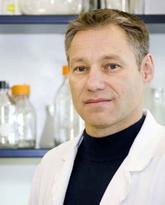 Paul Kubes合作论文数Snyder Institute for Chronic Diseases, Department of Physiology and Pharmacology, Cumming School of Medicine, University of Calgary12
 JEFFREY P. GABOURY合作论文数3Ph Reinhardt合作论文数3Rc Woodman合作论文数2ME KEHRLI合作论文数1C.Wayne Smith合作论文数1
 J F Elliott合作论文数Div Dermatol, Univ Alberta1DE LORANT合作论文数1Ga Zimmerman合作论文数1
 Geoffrey Ibbotson合作论文数1Mitchell D合作论文数1Ostrovsky L合作论文数1Wayne Smith合作论文数University of Newcastle;University of Sydney1May Ho合作论文数1
 Kamala Patel合作论文数Department of Biochemistry & Molecular Biology, Cumming School of Medicine, University of Calgary1Sornchai Looareesuwan合作论文数1
 Brent Johnston合作论文数Departments of Microbiology & Immunology and Pediatrics, Dalhousie University1
 Clifford W. Smith合作论文数Simon School of Business, University of Rochester/William E. Simon Graduate School of Business Administration, University of Rochester1T Schollaardt合作论文数1
 SS Kanwar合作论文数Department of Biotechnology;Himachal Pradesh University;Department of Biotechnology, Himachal Pradesh University1




