Modern agricultural scouting continues to face barriers in providing real-time decision support, constrained by limited communication, onboard computing, and energy budgets in the field. We introduce AgrI-BoT, a research vision that combines nanosized autonomous drones, lightweight LLMs, and portable edge infrastructure to enable more dynamic and interactive crop monitoring. AgrI-BoT grounds its vision in the realities of nanosized platforms with low payload capacity and modest computational resources, while showing how edge-assisted co-piloting can overcome these constraints. Early experiments demonstrate that lightweight LLMs can support disease diagnosis through natural conversations and that generative AI enhances speculative crop monitoring with up to 85% classification accuracy. Building on these results, we present a research roadmap that highlights open challenges in energy efficiency, data privacy, and scalability. We conclude by discussing the limitations, implications, and contributions of our work in the context of the Internet of Things.
Time series forecasting (TSF) models the underlying patterns of historical and current time series data to make predictions for future trends, which is widely applied in varying areas to enhance decision-making, optimize resource allocation, and improve operational efficiency. However, traditional TSF approaches are increasingly challenged by data privacy concerns and the demand for large datasets. Federated learning (FL) is a distributed training framework that allows models to be trained locally on clients. However, the heterogeneity of time series data across clients significantly impacts model performance. Unlike well-studied domains like image classification, the issue of data heterogeneity in TSF remains underexplored. In this paper, we propose FedMixer, a heterogeneity-resilient FL method designed for TSF tasks. FedMixer employs an adaptive spectral clustering mechanism to group clients and assigns tailored heterogeneous models to each cluster, allowing personalized model configurations that suit varying data characteristics among clients. To achieve aggregation across models with heterogeneous structures, we propose a mutual distillation design to facilitate effective knowledge sharing, allowing clients from different clusters to learn from each other. Extensive experiments on four datasets demonstrate that FedMixer consistently outperforms baseline methods, offering superior prediction accuracy and robustness in data heterogeneity and scalability, while maintaining computational and communication efficiency.
Virtual Reality (VR) has emerged as a revolutionary tool, revolutionizing how students engage with and learn from educational materials. Many learning platforms have developed VR classroom applications, accommodating instructors and students within virtual environments and facilitating the integration of educational content, such as texts, images, videos, and 3D objects. However, existing teaching patterns that pre-assemble educational content before class may entail certain limitations, including passive knowledge reception, inflexible classroom interactivity, burdened content creation, etc. This article investigates how Artificial Intelligence-Generated Content (AIGC) can enhance VR classrooms and transform traditional VR teaching patterns. Specifically, we implement a VR classroom prototype that integrates text-to-3D generative AI technology and conduct an investigation involving 30 participants from different roles and education levels. Our analysis delves into the motivations, concerns, and challenges of using AIGC in VR education. We discuss design implications and pioneeringly contribute empirical insights for designing more practical AIGC-empowered VR classroom applications.
Volumetric video is emerging as a cornerstone for multi-user Extended Reality (XR) and metaverse applications. However, achieving synchronous playback across distributed clients remains challenging under heterogeneous network conditions (such as varying latency, jitter, packet loss, and asymmetric bandwidth). Existing synchronization approaches, such as state synchronization and fixed-frame buffering, struggle with scalability and often trade off latency for playback continuity. We present a predictive synchronization framework that combines lightweight time-series latency forecasting with adaptive buffering control. Our framework incorporates a hybrid predictor that adaptively selects the most suitable model (including EWMA, ARIMA, LSTM) for each client, escalating to heavier predictors only when residual errors exceed thresholds. This design balances accuracy with computational overhead, enabling lower latencies at larger scales. Our experimental results show that predictive synchronization reduces average inter-client skew by up to 76% compared to baselines, while also decreasing the average buffer size by 40% in a controlled multi-client testbed. The average per-frame latency remains below 20 ms and the 95th-percentile latency below 70 ms for up to 100 concurrent clients. These results demonstrate that prediction-aware, hybrid synchronization substantially improves quality of service while maintaining lightweight per-client overhead.
Intelligent mobile applications are often constrained by limited on-device hardware and by the latency and bandwidth overhead of cloud offloading. Offloading computation-intensive deep learning tasks to edge servers can potentially mitigate these challenges. However, existing systems struggle to scale as the numbers of tasks and users grow. This limitation stems from a fundamental conflict: requests in edge settings are typically sparse, heterogeneous, and demand immediate processing to minimize latency. However, GPUs operate most efficiently on dense, homogeneous batches, a condition that edge traffic rarely provides. Most existing approaches, including cloud-oriented solutions like Multi-Instance GPU, fail to resolve this tension because edge devices typically lack the advanced features available in high-end cloud GPUs. This paper contributes SMOOTH, a scalable multitask offloading system that introduces a Sparsity-to-Density Abstraction to resolve this conflict. By decomposing deep learning models into a shared backbone and lightweight task-specific heads, SMOOTH transforms sparse, heterogeneous request streams into dense, homogeneous computation blocks amenable to efficient batching. This allows highly efficient cross-task batching without prohibitive accumulation delays. To further optimize responsiveness, SMOOTH employs a compute-lightweight $\left({{\mathcal{O}}\left(1\right)}\right)$, sparsity-aware adaptive scheduler that dynamically balances inference throughput and end-to-end latency based on queue dynamics. Our evaluations demonstrate up to 2.21× higher throughput, 45% lower memory usage, and up to 82% reduced latency across diverse arrival patterns compared to baselines.
Collaborative fine-tuning of large language models faces significant challenges in achieving data privacy, edgecomputing feasibility, and communication efficiency simultaneously. We contribute BridgeLoRA, a framework that leverages skip connectors bridging $d>1$ transformer layers to reduce synchronization frequency from $O(L)$ to $O(L / d)$ for an $L$-layer model while preserving all task-specific parameters at the edge. Our experiments show that Transformer skip connectors outperform standard LoRA on the same model (1.47 vs. 1.66 validation loss on Llama-3.2-3B) while training only 2.7% of parameters. Results from a distributed testbed with TCP communication indicate that increased network latency impacts training time (44% overhead at 500 ms) with model quality unchanged, which is important for practical edge deployment. Three optimizations contribute to this benefit, including fan-in placement enables computation-communication overlap with 7× bandwidth reduction; Top-K sparsification provides 75% compression with 0.3% quality loss; and gap-15 skip distance reduces round-trips by 85%. Cross-architecture experiments further reveal that Llama $(\mathbf{H} \boldsymbol{=} \mathbf{3 0 7 2}$, 28 layers) consistently outperforms Qwen3 $(\mathbf{H}=\mathbf{2 5 6 0}$, 36 layers) by $\Delta 0.12$; this is consistent with shallower-and-wider backbones being easier to bridge. While skip adapters have been explored for computational efficiency on single devices, this work is, to our knowledge, the first to leverage them for privacy-preserving distributed fine-tuning across the edge-cloud continuum.
Understanding urban wellbeing from multimodal data requires integrating heterogeneous spatial and temporal signals, posing significant challenges for current multimodal large language models (MLLMs). We introduce UrbanWell, a large-scale benchmark designed to systematically evaluate the spatio-temporal reasoning capabilities of MLLMs for urban wellbeing analytics through joint modeling of satellite and street view imagery. UrbanWell spans 38 cities across multiple years and includes diverse indicators covering (1) environmental conditions (CO$_2$, NO$_2$, PM${2.5}$, and Normalized Difference Vegetation Index), (2) spatial accessibility (minimum distance to supermarkets and restaurants), (3) urban form (road length, road density, and land use), (4) urban vitality (population, economic activity diversity, and land use diversity), and (5) subjective perception attributes (e.g., safety, beauty, liveliness, wealth, and quietness). All indicators are aligned at grid level to enable standardized evaluation. Beyond static prediction, UrbanWell defines temporal reasoning tasks, including future value forecasting from historical observations and temporal trend classification. We benchmark 15 state-of-the-art representative MLLMs in a zero-shot setting, providing a comprehensive comparative evaluation across spatial and temporal dimensions. Experimental results indicate that while MLLMs capture salient spatial and perceptual cues, their performance varies substantially across heterogeneous urban indicators spanning environment and subjective perception. UrbanWell serves as a unified benchmark for evaluating multimodal spatial and temporal reasoning in urban wellbeing analytics, offering a standardized testbed for systematic assessment and future research on multimodal urban intelligence. Our codes and datasets are accessible via https://github.com/axin1301/UrbanWell-Benchmark.
Six-degree-of-freedom (6-DoF) interactive services enable users to engage with digital environments through motion along three translational and three rotational axes, offering a more immersive experience than conventional two-dimensional and three-dimensional video systems. Such services support a wide range of applications, including digital twins, augmented reality (AR), virtual reality (VR), and digital-human interaction. Their rapid development has been driven by progress in deep computer vision and holographic streaming. Although immersive technologies have attracted considerable attention, existing studies still lack a systematic examination of 6-DoF communication systems from an artificial intelligence (AI) perspective. To fill this gap, this paper presents a structured review of AI-enabled techniques for 6-DoF video communication. This review analyzes how AI functions across the end-to-end pipeline, covering content generation, encoding, transmission, rendering, and user interaction. By synthesizing prior work, we summarize how AI methods can improve both efficiency and perceptual quality, while also identifying key limitations, particularly the high computational cost and constrained system resources. Based on the surveyed literature, we observe that approaches combining AI with conventional modules often provide a better balance between quality and complexity. We further highlight the importance of adaptive resource allocation and network design choices that jointly sustain system performance under practical efficiency constraints. Finally, we discuss several open challenges that remain central to real-world deployment. These include achieving real-time, high-fidelity content generation, supporting computationally intensive inference on resource-limited devices, and establishing standardized protocols to improve interoperability. Overall, the review captures the current landscape of AI in 6-DoF communication and provides guidance for future research toward scalable and real-time immersive communication frameworks.
Predicting future heart rate(HR)not only helps in detecting abnormal heart rhythms but also pro-vides timely support for downstream health monitoring services.Existing methods for HR prediction encounter challenges,especially concerning privacy protection and data heterogeneity.To address these challenges,this paper proposes a novel HR prediction framework,PCFedH,which leverages personalized federated learning and proto-typical contrastive learning to achieve stable clustering results and more accurate predictions.PCFedH contains two core modules:a prototypical contrastive learning-based federated clustering module,which characterizes data heterogeneity and enhances HR representation to facilitate more effective clustering,and a two-phase soft clustered federated learning module,which enables personalized performance improvements for each local model based on stable clustering results.Experimental results on two real-world datasets demonstrate the superiority of our ap-proach over state-of-the-art methods,achieving an average reduction of 3.1%in the mean squared error across both datasets.Additionally,we conduct comprehensive experiments to empirically validate the effectiveness of the key components in the proposed method.Among these,the personalization component is identified as the most crucial aspect of our design,indicating its substantial impact on overall performance.
Industry 4.0, leveraging the Internet of Things (IoT) and Artificial Intelligence (AI), is a key enabler for many automated processes in modernized industrial applications. This paper addresses significant challenges pertaining to sensing and data analytics by connecting a large number of industrial IoT (IIoT) devices and deploying federated learning on 5G edge networks. We envision a federated learning-based 5G edge architecture for IIoT and develop an AI algorithm, i.e., an LSTM autoencoder algorithm for anomaly detection, on the 5G edge. We conduct comprehensive scalability analytics of communication and computation resources on our 5G edge IoT testbed. Our experimentation verifies that 1) federated AI algorithms can be deployed on 5G edge servers for latency-sensitive analytics, and 2) 5G edge supports scalable deployment of IIoT devices with low latency.
The energy consumption of 5G base stations (BSs) is significantly higher than that of 4G BSs, creating challenges for operators due to increased costs and carbon emissions. Existing solutions address this issue by switching off BSs during specific periods or forming cooperation coalitions where some BSs deactivate while others serve users. However, these approaches often rely on fixed geographic configurations, making them unsuitable for urban areas with numerous BSs and mobile users. To tackle these challenges, we propose a hierarchical reinforcement learning (RL) framework for energy conservation in large-scale 5G networks. In the upper-layer, we propose a deep Q-network integrated with a graph convolutional network that dynamically groups BSs into coalitions from a macro perspective. This layer focuses on high-level coalition formation to optimize system-wide energy efficiency by considering the global state of the network. In the lower-layer, we combine attention mechanism with multi-agent RL and graph convolutional networks to design a scalable algorithm that maximizes local energy efficiency through optimizing the cooperation within each coalition. These two layers align global coalition dynamics with local intra-coalition cooperation to achieve system-wide energy optimization. Moreover, we accurately model large-scale urban 5G scenarios leveraging a high-fidelity network simulator, which enables our RL framework to learn from real-world feedback. Extensive experiments conducted with the simulator demonstrate that our proposed framework achieves remarkable energy savings of up to 75.6%, significantly outperforming baseline approaches. These findings highlight the effectiveness and superiority of our hierarchical RL optimization framework in addressing the energy consumption challenges faced by large-scale 5G networks.
Mobile Augmented Reality (MAR) applications pose unique challenges due to computation intensity, constrained device resources, and high interactive rendering requirements. The emergence of 5G and edge computing offers opportunities to offload computation to the edge and cloud, indirectly enhancing the computing capability and usage duration of MAR devices. However, existing general task offloading and multipath transmission techniques do not address the challenges in offloading path selection with multiple edges, dynamic resource competition awareness, and spatial computation with strong task dependencies. This paper contributes FPSelector, a flexible path selector for MAR offloading. We present a two-tier MAR-specific offloading scheme with multiple edge nodes. In offloading decisions, we design a reinforcement learning model to generate the selection policy for each packet of an AR data stream. This model incorporates an action masking mechanism, a comprehensive reward function, and state features complemented by a resource prediction module, making FPSelector aware of dynamic heterogeneous environments. Moreover, we propose an online learning strategy to facilitate real-time selection. To validate its efficacy, we compare FPSelector's performance against leading schedulers under various scenarios, demonstrating a notable reduction of 9.9% and 9.6% in overall completion time for 4 K and 8 K video-based MAR applications compared to its closest competitor.
3D printing has revolutionized DIY (Do-It-Yourself) IoT prototyping, enabling cost-effective, creative custom device creation. However, this freedom also presents challenges due to the interplay between components within an IoT design, which can influence the overall utility and performance of the prototype. Optimizing these designs is difficult due to limited means of estimating their efficacy. To address this, we introduce TOAD, a novel tool for profiling IoT prototypes and gauging their performance impact. TOAD uses thermal imaging and video analysis to extract and compare design performance characteristics. Unlike existing solutions that only profile overall performance, our tool assesses component interactions and overall design effects. It offers an affordable, non-intrusive method without needing device access or code instrumentation. Extensive benchmarks show TOAD accurately extracts performance data, aiding in selecting the best design for IoT applications. Additionally, it provides insights into how casing factors like thickness and material influence thermal behavior and performance. We demonstrate practical applications by optimizing offloading decisions based on thermal behavior, highlighting casing impacts on design performance. TOAD paves the way for ef-ficient IoT prototype designs, offering a better understanding of component interactions and significantly enhancing the utility of custom IoT designs and their effectiveness.
The gradual maturation of mobile augmented reality (AR) and localization technologies is enabling the development of immersive AR-enabled indoor localization and navigation systems. Existing indoor localization technologies (e.g., WiFi, infrared, Bluetooth) and navigation services do not provide intuitive 3D AR experiences and can be expensive to deploy. This paper introduces WebARNav, a cross-platform indoor localization system that provides user-friendly AR navigation services with low overhead and remarkable accuracy. First, we propose a lightweight location fusion framework for indoor navigation on the mobile web, which leverages accurate edge-supported vision localization to guide and correct lightweight pedestrian dead reckoning localization. Second, we improve the accuracy of localization using an attention-based feature extraction method and a dual-stream retrieval and co-visibility re-ranking technique for initial localization. Third, we significantly improve accuracy and speed up retrieval as users move by generating a topological map for traveling localization. We conducted extensive experiments on various indoor datasets to demonstrate localization accuracy and navigation experience. The study shows that WebARNav achieves a localization frequency of over 30 Hz and reduces the average trajectory error by 76% and 95% for single- and multi-floor office scenes, respectively, compared to the PDR-only method. The proposed traveling localization method also reduces the localization latency by 15.2%, 55.1%, and 98.6% in the baseline datasets, with an accuracy improvement of over 4%.
The growing AI capabilities on edge devices, along with increasing privacy concerns, call for new paradigms for distributed inference. We introduce Federated Inference (FI), a novel framework enabling multiple heterogeneous edge devices to collaboratively execute complex inference tasks on local data without revealing private information. FI pioneers the first design of capability-aware, privacy-preserving model partitioning, where a central orchestra-tor adaptively splits models based on individual client profiles. To ensure privacy, FI injects calibrated differential privacy noise into intermediate activations before transmission. We prototype FI and demonstrate that our adaptive-split strategy significantly reduces latency for weak clients while maintaining privacy and communication efficiency.
The forthcoming 6G networks will adopt higher frequency bands, ultra-dense base station deployments, and advanced technologies, such as massive MIMO and edge intelligence, to achieve enhanced bandwidth, connectivity, and intelligence. However, these advancements will lead to significant increases in energy consumption. In this article, we propose to integrate digital twin and artificial intelligence to systematically solve the problem of energy sustainability in 6G networks. We explore the key challenges of integrating these two technologies and design an intelligent digital twin framework to address them. Our framework adopts a modular design, encompassing modeling, simulation, optimization, and long-term evolution modules. As a case study, we conduct a preliminary implementation of the framework in the 5th Ring Road area of Beijing, China, demonstrating its effectiveness in improving energy efficiency. Experimental results show that our framework significantly reduces the energy consumption of 6G networks while optimizing resource allocation to reduce computing latency.
Scalable multi-user interactions on diverse extended reality (XR) devices are vital for the metaverse’s fruition. However, issues like broad user access, intensive interaction rendering, and limited device resources complicate existing interactions based on client-server and peer-to-peer structures. The metaverse’s demands for scalable access and detailed scene rendering intensify these problems. In response, we present SCAXR, a collaborative architecture enhancing multi-user interaction. SCAXR leverages three key components: an on-demand rendering module, a distributed rendering process, and edge-cloud synchronization. This module ensures timely communication between XR devices and edge servers. We tested SCAXR’s efficacy with a Unity Render Streaming-based XR meeting prototype. Results show SCAXR boosts access capacity by 50% over traditional methods and enhances complex scene interaction performance by up to 7.8 times in rendering frequency.
Mobile video streaming enables flexible delivery of videos to mobile devices, supporting emerging video formats. The transition from conventional 2D videos to immersive formats, such as virtual reality and holographic videos, significantly increases the demand for computation and network resources. Existing streaming techniques are predominantly developed for specific video types, neglecting fair adaptive transmission and optimal resource utilization in services involving multiple video types. This paper investigates hybrid video streaming, encompassing 2D, 360-degree, and volumetric videos. To accommodate resource-intensive hybrid video streaming on mobile devices, we propose HiVAT , an adaptive transcoding-based system that ensures Quality of Experience (QoE) for each stream type. We contribute 1) a transcoding-based framework to address the challenges of high bandwidth and decoding overhead on mobile devices; 2) a universal QoE model involving traditional factors, viewport smoothness, degree of immersion, etc., for transcoded video streams; 3) a multi-agent adaptive bitrate controller that collaboratively determines hybrid video quality levels to achieve high and fair QoE across multiple streams; and 4) a learning-based task scheduler to optimize computation resource usage, thereby improving the overall serviceability of the system. We evaluate HiVAT against state-of-the-art methods, witnessing an average QoE improvement of 5.9% and 9.9% on linear and logarithmic metrics, respectively.
Internet of Things (IoT) connects objects and allows data exchange between smart things and the Internet. Web of Things (WoT) further integrates smart things into the Web architecture by leveraging existing standardized Web technologies. In this paper, we envision Semantic Web of Things (SWoT), aiming to exchange semantically rich and machine understandable information with smart things. This article discusses the landscape of IoT and WoT through the past and its future prospects, presents a SWoT reference architecture, and conducts a gap analysis. Aiming to highlight the deficiencies of existing solutions, we carry out a gap analysis with respect to (i) extension of WoT, (ii) semantic knowledge base, (iii) semantic reasoning, (iv) semantic interoperability, and (v) semantic service composition. Based on the results of our analysis, we conclude this article with a list of recommendations in order to fill the gaps. The main contributions pertain to a SWoT reference architecture with key SWoT building blocks and an analysis of technologies to support SWoT.
Recently, artificial intelligence paves the way for the development of smart services for people anytime and anywhere, which poses great challenges on accessing computing resources. Multi-access edge computing complements existing cloud computing infrastructure at the edge of the network, where mobile users can offload computationally intensive tasks of smart applications to edge servers that are in proximity to the users themselves. Existing offloading schemes mainly focus on selecting edge servers for each offloading task with the goal of optimizing the overall average latency. However, the solutions with the optimal overall average latency may be not the most suitable for all offloading tasks. There is still a possibility that offloading leads to an extreme case of ultra-high latency, which is not acceptable for latency-sensitive applications. To address this problem, we therefore introduce modern portfolio theory (MPT) to jointly consider the overall average latency and potential risks in optimal edge server selection. The task offloading problem is regarded as an investment portfolio with the objective of maximizing the ‘return’ while minimizing the risk. Combining MPT with deep reinforcement learning (DRL), we design two proximal policy optimization (PPO)-based task offloading algorithms to jointly optimize these two objectives. The algorithm computes a portfolio for each mobile user that enables the diversification of edge server selection, thereby minimizing the risk and the average latency. Extensive simulation results based on three real-world trace datasets show that our algorithms significantly outperform the state-of-the-art solutions and can reduce the overall average latency and the risk by 59% and 85% at most, respectively.
 Jukka Riekki合作论文数University of Oulu40
 Pan Hui (許彬)合作论文数Center for Metaverse and Computational Creativity, The Hong Kong University of Science and Technology (Guangzhou);HKUST-DT Systems and Media Lab, Hong Kong University of Science and Technology39
 Sasu Tarkoma合作论文数Faculty of Science, University of Helsinki;Department of Computer Science, University of Helsinki;Helsinki Institute of Urban and Regional Studies, Helsinki Institute of Sustainability Science26
 Jacky Cao合作论文数University of Oulu12
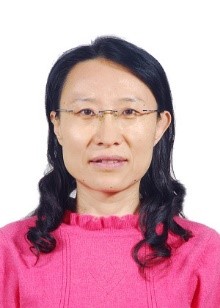 Yuhong Li (李玉宏)合作论文数School of Computer Science, Beijing University of Posts and Telecommunications12
 Ekaterina Gilman合作论文数University of Oulu12
 Xiuquan Qiao (乔秀全)合作论文数School of Computer Science, Beijing University of Posts and Telecommunications;State Key laboratory of Networking and Switching Technology, Beijing University of Posts and Telecommunications10
 Huber Flores合作论文数University of Tartu10
 Yakun Huang (黄亚坤)合作论文数School of Computer Science, Beijing University of Posts and Telecommunications10
 Boyu Fan合作论文数Department of Computer Science, Faculty of Science, University of Helsinki9
 Yong Li (李勇)合作论文数Department of Electronic Engineering, Tsinghua University7
 Petteri Nurmi合作论文数Department of Computer Science, University of Helsinki;Helsinki Institute of Sustainability Science, University of Helsinki6
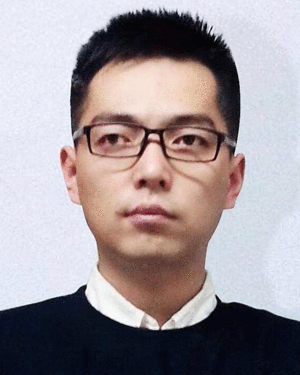 Dianlei Xu合作论文数Computer Science and Technology College, Qingdao University, Qingdao, China5
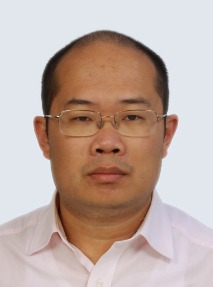 Yang Chen (陈阳)合作论文数College of Computer Science and Artificial Intelligence, Fudan University;Shanghai Key Lab of Intelligent Information Processing5
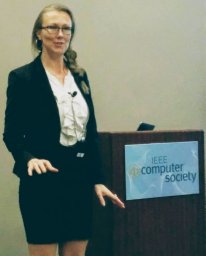 Susanna Pirttikangas合作论文数Department of Electrical and Information Engineering;University of Oulu;Department of Electrical and Information Engineering, University of Oulu5
 Mika Rautiainen合作论文数Faculty of Technology, University of Oulu
Department of Electrical and Information Engineering, University of Oulu5
Mika Rautiainen合作论文数Faculty of Technology, University of Oulu
Department of Electrical and Information Engineering, University of Oulu5 Hui Ruan合作论文数4
 Yuanwei Zhu合作论文数4Pingjiang Li合作论文数4
 Naser Hossein Motlagh合作论文数Department of Computer Science, University of Helsinki4Altti Ilari Maarala合作论文数Dept. of Comput. Sci. & Eng., Univ. of Oulu;c;Dept. of Comput. Sci. & Eng., Univ. of Oulu4
 Vassilis Kostakos合作论文数School of Computing and Information Systems, University of Melbourne4Christian Prehofer合作论文数Adaptive Communication Systems at
Fraunhofer ESK in Munich4
Vassilis Kostakos合作论文数School of Computing and Information Systems, University of Melbourne4Christian Prehofer合作论文数Adaptive Communication Systems at
Fraunhofer ESK in Munich4 Qingyuan Gong (宫庆媛)合作论文数Research Institute of Intelligent Complex Systems, Fudan University4
 Satu Tamminen合作论文数Intelligent Systems Group, University of Oulu4
 Schahram Dustdar合作论文数Distributed Systems Group, Vienna University of Technology;Nanjing University of Science and Technology;Universitat Pompeu Fabra;University of Southern California;Macquarie University;Monash University;Complexity Science Hub Vienna4Janne Haverinen合作论文数4
 Nitinder Mohan合作论文数School of Computation, Information and Technology, Technical University of Munich3Hanyu Wei合作论文数3
 Tong Li (李桐)合作论文数Department of Electronic Engineering, Tsinghua University3
 Tristan Braud合作论文数The Hong Kong University of Science and Technology3
 Sun Chao合作论文数Chinese Academy of Sciences, Institute of Modern Physics Chinese Academy of Sciences3Anders Lindgren合作论文数Swedish Institute of Computer Science Kista Sweden3
 Jukka K. Nurminen合作论文数Aalto University Department of Computer Science3
 Jiehan Zhou合作论文数Tsinghua Univ, Tsinghua Univ.3Xiaoli Liu (刘晓丽)合作论文数3
 Lei Han合作论文数3
 Hao Wang (王浩)合作论文数School of Computer Science and Information Engineering, Hefei University of Technology3
 Rahim Rahmani合作论文数Mid Sweden University3
 Julien Mineraud合作论文数TSSG, Waterford Inst. of Technol.;c;TSSG, Waterford Inst. of Technol.3
 Oleksiy Mazhelis合作论文数University of Jyväskylä, FIN-40351, Jyväskylä, Finland
Sponsor SIGAPP: ACM Special Interest Group on Applied Computing3
Oleksiy Mazhelis合作论文数University of Jyväskylä, FIN-40351, Jyväskylä, Finland
Sponsor SIGAPP: ACM Special Interest Group on Applied Computing3 Teemu Leppanen合作论文数University of Oulu3
 Juha Röning合作论文数Faculty of Information Technology and Electrical Engineering, University of Oulu3
 Anja Keskinarkaus合作论文数MediaTeam Oulu group, University of Oulu3Oleg Davidyuk合作论文数3Zhigang Yin合作论文数2Ping Zhang合作论文数2




