The interplay of symmetry and topology in crystal solids has given rise to various elementary excitations as quasiparticles. Among these, those with significant Berry-phase-related transport responses are of particular interest. In this study, we predict a type of quasiparticle called a topological charge quadrupole (TCQ), which is analogous to a charge quadrupole but consists of two closely packed pairs of Weyl points in momentum space, specifically in the half-Heusler antiferromagnet NdBiPt. Interestingly, the TCQ is protected by the spin-orbit U(1) quasi-symmetry rather than any exact crystallographic symmetries. This quasi-symmetry restricts the energy splitting induced by symmetry-lowering perturbations to a second-order effect. Furthermore, the closely located Berry curvature sources and sinks in the TCQ lead to a large Berry curvature dipole, resulting in a significant nonlinear Hall effect. Our work opens an avenue for designing unconventional quasiparticles utilizing quasi-symmetries and developing materials with enhanced nonlinear responses.
The combination of quantum geometry and magnetic geometry in magnets excites diverse phenomena, some critical for antiferromagnetic spintronics. However, very few material platforms have been predicted and experimentally verified to date, with the material pool restricted by the assumed need for strong spin-orbit coupling (SOC). Here, we bypass the need for SOC by considering magnetic order induced quantum geometry and corresponding nonlinear transports (NLTs) in antiferromagnets (AFMs). By integrating spin space group theory into the symmetry analysis, we find that collinear and coplanar magnetic geometries can only induce NLT driven by Berry curvature dipole, and noncoplanar ones may trigger NLT driven by dipoles of Berry curvature, inverse mass, and quantum metric. Using this approach, we establish a materials database of 260 AFMs with SOC-free NLT effects, and complement this with first-principles calculations on several prototypical material candidates. Our work not only provides a universal theoretical framework for studying various magnetism-driven transport effects, but also predicts broad, experimentally accessible material platforms for antiferromagnetic spintronics.
Spatial, momentum and energy separation of electronic spins in condensed matter systems guides the development of novel devices where spin-polarized current is generated and manipulated. Recent attention on a set of previously overlooked symmetry operations in magnetic materials leads to the emergence of a new type of spin splitting, enabling giant and momentum-dependent spin polarization of energy bands on selected antiferromagnets. Despite the ever-growing theoretical predictions, the direct spectroscopic proof of such spin splitting is still lacking. Here, we provide solid spectroscopic and computational evidence for the existence of such materials. In the noncoplanar antiferromagnet MnTe$_2$, the in-plane components of spin are found to be antisymmetric about the high-symmetry planes of the Brillouin zone, comprising a plaid-like spin texture in the antiferromagnetic (AFM) ground state. Such an unconventional spin pattern, further found to diminish at the high-temperature paramagnetic state, stems from the intrinsic AFM order instead of spin-orbit coupling (SOC). Our finding demonstrates a new type of quadratic spin texture induced by time-reversal breaking, placing AFM spintronics on a firm basis and paving the way for studying exotic quantum phenomena in related materials.
Fundamental physical properties, such as phase transitions, electronic structures, and spin excitations, in all magnetic ordered materials, were ultimately believed to rely on the symmetry theory of magnetic space groups. Recently, it has come to light that a more comprehensive group, known as the spin space group (SSG), which combines separate spin and spatial operations, is necessary to fully characterize the geometry and underlying properties of magnetic ordered materials. However, the basic theory of SSG has seldom been developed. In this work, we present a systematic study of the enumeration and the representation theory of the SSG. Starting from the 230 crystallographic space groups and finite translation groups with a maximum order of eight, we establish an extensive collection of over 100 000 SSGs under a four-index nomenclature as well as international notation. We then identify inequivalent SSGs specifically applicable to collinear, coplanar, and noncoplanar magnetic configurations. To facilitate the identification of the SSG, we develop an online program that can determine the SSG symmetries of any magnetic ordered crystal. Moreover, we derive the irreducible corepresentations of the little group in momentum space within the SSG framework. Finally, we illustrate the SSG symmetries and physical effects beyond the framework of magnetic space groups through several representative material examples, including a candidate altermagnet RuO2, spiral spin polarization in the coplanar antiferromagnet CeAuAl3, and geometric Hall effect in the noncoplanar antiferromagnet CoNb3S6. Our work advances the field of group theory in describing magnetic ordered materials, opening up avenues for deeper comprehension and further exploration of emergent phenomena in magnetic materials.
Charge-to-spin conversion is crucial for the application of emerging spintronic devices. A two-dimensional electron gas (2DEG) at a complex oxide interface usually possesses strong Rashba spin-orbit coupling, and spin-momentum locking offers a great possibility for efficient charge-to-spin conversion through the Rashba-Edelstein effect. Here, we report the fabrication of metallic 2DEGs in gamma -Al2O3/KTaO3 spinel/perovskite heterostructures and investigate the charge-to-spin conversion for Py/gamma -Al2O3/KTaO3 devices using the technique of spin-torque ferromagnetic resonance. The sizable spin splitting of the band structure results in a large current-induced spin-orbit torque efficiency with values up to around 3.6 at 5 K and about 1.1 at 300 K, which are more than an order of magnitude higher than those of heavy metals (0.07 for Pt at 300 K). Moreover, both theoretical and experimental results show that the charge-to-spin conver-sion is strongly dependent on the position of the Fermi level. These results demonstrate that optimizing the band filling of a KTaO3-based 2DEG is crucial for maximizing the conversion efficiency.
Ferromagnetic materials with a strong spin‐orbit coupling (SOC) have attracted much attention in recent years because of their exotic properties and potential applications in energy‐efficient spintronics. However, such materials are scarce in nature. Here, a proximity‐induced paramagnetic to ferromagnetic transition for the heavy transition metal oxide CaRuO 3 in (001)‐(LaMnO 3 /CaRuO 3 ) superlattices is reported. Anomalous Hall effect is observed in the temperature range up to 180 K. Maximal anomalous Hall conductivity and anomalous Hall angle are as large as ∼15 Ω −1 cm −1 and ∼0.93%, respectively, by one to two orders of magnitude larger than those of the typical 3d ferromagnetic oxides such as La 0.67 Sr 0.33 MnO 3 . Density functional theory calculations indicate the existence of avoid band crossings in the electronic band structure of the ferromagnetic CRO layer, which enhances Berry curvature thus strong anomalous Hall effects. Further evidences from polarized neutron reflectometry show that the CaRuO 3 layers are in a fully ferromagnetic state (∼0.8 μ B /Ru), in sharp contrast to the proximity‐induced canted antiferromagnetic state in 5d oxides SrIrO 3 and CaIrO 3 (∼0.1 μ B /Ir). More than that, the magnetic anisotropy of the (001)‐(LaMnO 3 /CaRuO 3 ) superlattices is eightfold symmetric, showing potential applications in the technology of multistate data storage.
By modifying the entangled multi‐degrees of freedom of transition‐metal oxides, interlayer coupling usually produces interfacial phases with unusual functionalities. Herein, a symmetry‐mismatch‐driven interfacial phase transition from paramagnetic to ferromagnetic state is reported. By constructing superlattices using CaRuO3 and SrTiO3, two oxides with different oxygen octahedron networks, the tilting/rotation of oxygen octahedra near interface is tuned dramatically, causing an angle increase from ≈150° to ≈165° for the RuORu bond. This in turn drives the interfacial layer of CaRuO3, ≈3 unit cells in thickness, from paramagnetic into ferromagnetic state. The ferromagnetic order is robust, showing the highest Curie temperature of ≈120 K and the largest saturation magnetization of ≈0.7 µB per formula unit. Density functional theory calculations show that the reduced tilting/rotation of RuO6 octahedra favors an itinerant ferromagnetic ground state. This work demonstrates an effective phase tuning by coupled octahedral rotations, offering a new approach to explore emergent materials with desired functionalities.
Despite intensive research, the mechanism determining the terahertz (THz) emission of the ferromagnetic (FM) metallic monolayers remains elusive. Here, we report on the results of a systematic investigation on the THz emission generated by pumping Ni80Fe20 monolayers on Al2O3 substrates with a femtosecond laser. We found solid evidence that the THz emission is dominated by the anomalous Nernst effect (ANE), in which a transient spin-polarized charge current can be induced by an ultrafast electron temperature gradient on the picosecond timescale, outputting THz emission. We found a polarity reversal of the THz waveform after the introduction of a SiO2 buffer layer to the sample and found that, based on ultrafast temperature simulation, it was a consequence of direction reversal of temperature gradient. Comparing the THz emission of different FM monolayers further confirms that the THz polarity also strongly depends on the sign of the ANE coefficient. These phenomena unambiguously indicate that the ANE plays a decisive role in the process of THz emission. The present work shows the importance of ultrafast spin caloritronics for a spintronic THz emitter. The principle demonstrated here can be applied to other FM metallic materials.
Topological magnons have garnered significant interest for their potential in both fundamental research and device applications, owing to their exotic, uncharged, yet topologically protected boundary modes. However, their comprehension has been hindered by the absence of fundamental symmetry descriptions of magnetic materials, which are primarily governed by isotropic Heisenberg interactions in spin Hamiltonians. The ensuing magnon dispersions enable gapless magnon band nodes that go beyond the scenario of representation theory of the magnetic space groups (MSGs), thus referred to as unconventional magnons. Here we developed spin space group (SSG) theory to elucidate collinear magnetic configurations, classifying the 1421 collinear SSGs into four types, constructing their band representations, and providing a comprehensive tabulation of unconventional magnons, such as duodecuple points, octuple nodal lines, and charge-4 octuple points. Based on the MAGNDATA database, we identified 498 collinear magnets with unconventional magnons, among which over 200 magnon band structures were obtained by using first-principles calculations and linear spin wave theory. Additionally, we evaluated the influence of the spin-orbit coupling-induced exchange interaction in these magnets and found that more than 80
The 5d 2D electron gas (2DEG) in KTaO3‐based heterostructures exhibits stronger spin‐orbit coupling and higher superconducting transition temperature compared to the 3d SrTiO3‐based 2DEG, thus attracts much attention recently. However, compared to the intensively investigated isostructural perovskite‐type interfaces, the non‐isostructural 5d oxide interfaces remain less investigated. Herein, for the first‐time, epitaxial spinel/perovskite γ‐Al2O3/KTaO3 heterointerface is created, at a deposition temperature as low as 300 °C. Metallic 2DEG emerges at the interface when the thickness of γ‐Al2O3 overlayer exceeds a critical thickness of approximately 2.4 nm. The interface states are found to be tuned largely by the light illumination, and the maximum change in the 2DEG carrier density under the light is 3 × 1013 cm–2. The light‐tunable spin‐orbit coupling exhibits a maximum strength of Rashba spin‐orbit coupling and spin‐splitting energy of ≈ 7.93 × 10⁻¹² eV m and ≈ 24.96 meV, respectively. Such remarkable photosensitivity of the non‐isostructural 5d 2DEG offers new opportunities for oxide optoelectronic devices.
We report a theoretical investigation on the effects of interface reconstruction on magnetic anisotropy (MA) and Dzyaloshinskii-Moriya interaction (DMI) for nonisostructural heterostructures formed by an infinite-layer oxide SrCuO2 and a perovskite oxide SrRuO3. Due to the atomic, charge, spin, and orbital reconstructions at interface, the SRO film thickness-dependent magnetic anisotropy oscillation behavior has been greatly tuned in two SrCuO2/SrRuO3 heterostructures. A strong DMI of 3.5 meV/Ru and a large DMI/exchange constant ratio |D/J| of 0.63 are obtained at the CuO2-Sr-RuO2 interface, which are beneficial to the creation and stability of skyrmions. Besides, the DMI is tunable, monotonically decreasing with the increase of the content of the apical oxygen ions in the interfacial layer, and takes the minimal value of 0.1 meV/Ru at the CuO2-SrO-RuO2 interface. We evaluate the formation energy of oxygen vacancy in interface SRO layer, which turns out to be half as much as that in bulk SRO. This small value ensures the experimental feasibility towards two interfaces. Combining first-principles calculations with tight-binding model, we find that the effectively modulated MA and DMI at the CuO2-Sr-RuO2 interface are mainly associated with the occupation of d(3z)2-r(2) orbital, the enhanced interface symmetry breaking, and orbital hybridization. The present work demonstrates the distinct features of the interface formed between nonisostructural oxides and suggests a conceptually different strategy towards the modulation of MA and DMI.
Heterostructure with a symmetry-mismatched interface provides a promising playground for the exploration of emergent phenomena. Herein, we report a systematic investigation on La2/3Sr1/3MnO3/YBaCo2O5+delta (LSMO/YBCO) grown on SrTiO3, a heterostructure formed by perovskite oxides of different symmetry. A high-resolution lattice image shows the formation of high-quality perovskite LSMO and A-site cation-ordered oxygen-deficient double perovskite YBCO, without any signatures of atomic reconfiguration at the interface. Surprisingly, the YBCO-buffered LSMO exhibits perpendicular magnetic anisotropy (PMA), though bare LSMO film is in-plane anisotropic. The PMA is robust, appearing even when the thickness of YBCO is only one unit cell. The typical anisotropy constant is similar to 4 x 10(6) erg cm(-3). X-ray absorption spectroscopy analysis reveals a preferential occupation of the d(3z2-r2dx2-y2), which is confirmed by density functional theory calculations. This orbital reconstruction accounts for the PMA. The formation of a covalent bond between Mn and Co caged by different oxygen polyhedrons, an octahedron and a square pyramid, respectively, stabilizes the orbital reconstruction, resulting in anomalous spin orientation.
Bilinear magnetoresistance (BMR), the magnetoresistance that is linear against either magnetic field or applied current, is a hot topic of recent investigations. While most of the previous works focused on isotropic BMR, here we report on a strongly anisotropic BMR for (110) SrTiO3-based two-dimensional electron gas (2DEG). Remarkably, the BMRmeasured along the [001] axis can be fivefold as large as that obtained along the [110] axis. A close relation is found between BMR and current-induced effective Rashba field, and it is the anisotropy of the Rashba field that causes the anisotropic BMR. Based on the analysis of anisotropic magnetoresistance, effective Rashba fields up to 4.5 T are determined. The band structure of the 2DEG is further calculated, ellipse-shaped Fermi rings are obtained, and the respective effects of different Fermi rings on BMR are distinguished. This work demonstrates the great potential of anisotropic 2DEG for the exploration of unusual effects.
Asymmetric heterointerfaces that bridge two nonisostructural oxides provide valuable opportunities for novel emergent phenomena that may be unavailable for symmetric interfaces. Here we present a theoretical investigation on three different asymmetric interfaces consisting of the infinite-layer nickelate $\mathrm{LaNi}{\mathrm{O}}_{2}$ and the perovskite manganite $\mathrm{LaMn}{\mathrm{O}}_{3}$ (type A, B and C). An alternative crystal geometry, pyramid, is introduced when the planar-type $\mathrm{LaNi}{\mathrm{O}}_{2}$ and the $\mathrm{LaMn}{\mathrm{O}}_{3}$ are jointed at the interface, resulting in strong charge and orbital reconstruction. For type A interface, the magnetic moment per Mn ion has increased by 10% due to the replacement of $\mathrm{Mn}{\mathrm{O}}_{6}$ by $\mathrm{Mn}{\mathrm{O}}_{5}$. For type B interface, in contrast, the magnetic moment grew by 26% for the interfacial Ni ions due to the strong charge transfer between center nickel and apical oxygen. For type C interface, only slightly enhanced $\mathrm{Mn}{\mathrm{O}}_{6}$ distortions are observed and thus the change of charge and orbital occupancy are negligible. Our results demonstrated that an interface-selective orbital occupancy, where the Mn ${e}_{\mathrm{g}}$ orbital preferential occupation alternated from the out-of-plane ${\mathrm{d}}_{3{z}^{2}\ensuremath{-}{r}^{2}}$ state at type A interface to nearly degenerate at type C interface and then to in-plane ${\mathrm{d}}_{{x}^{2}\ensuremath{-}{y}^{2}}$ state at type B interface. The values of relative change of Mn ${e}_{\mathrm{g}}$ orbital occupancy are 15%, 2%, and \ensuremath{-}21%, respectively. The values of relative change at type A and B interface are larger than that achieved by strain $(\ensuremath{\sim}5%)$ or symmetric interface design (10%). Therefore, interface reconstructions lead to unusual electronic properties, opening space for the advancement of oxide electronics.
Heterointerfaces sandwiched by oxides of dissimilar crystal structures will show strong interface reconstruction, leading to distinct interfacial effect arising from unusual physics. Here, we present a theoretical investigation on the interfaces between infinite-layer oxide and perovskite oxide (SrCuO2/SrTiO3 and SrCuO2/KTaO3). Surprisingly, we found well-defined two-dimensional electron gas (2DEG), stemming from atomic reconstruction and polar discontinuity at interface. Moreover, the 2DEG resides in both the TiO2 and CuO2 interfacial layers, unlike LaAlO3/SrTiO3 for which 2DEG exists only in the TiO2 interfacial layer. More than that, no metal-to-insulator transition is observed as the SrCuO2 layer thickness decreases to one unit cell, i.e., the metallicity of the new interface is robust. Further investigations show more unique features of the 2DEG. Due to the absence of apical oxygen at the SrCuO2/SrTiO3 (KTaO3) interface, the conducting states in the interface TiO2 (TaO2) layer follows the d(xy)<d(3z2-r2)<d(xz/yz) orbital order rather than the d(xy)<d(xz/yz) orbital order of paradigm LaAlO3/SrTiO3 (KTaO3), exhibiting enhanced interfacial conduction. This work suggests the great potential of heterointerfaces composed of non-isostructural oxides for fundamental research.
Heterostructures composed of dissimilar oxides with different properties offer opportunities to develop emergent devices with desired functionalities. A key feature of oxide heterostructures is interface electronics and orbital reconstructions. Here, we combined infinite-layered SrCuO2 and perovskite SrRuO3 into heterostructures. A rare high spin state as large as 3.0 μB f.u-1 and an increase in Curie temperature by 12 K are achieved in an ultrathin SrRuO3 film capped by a SrCuO2 layer. Atomic-scale lattice imaging shows the uniform CuO2-plane-to-RuO5-pyramid connection at the interface, where the regularly arranged RuO5 pyramids were elongated along the out-of-plane direction. As revealed by theoretical calculations and spectral analysis, these features finally result in an abnormally high spin state of the interfacial Ru ions with highly polarized eg orbitals. The present work demonstrates that oxygen coordination engineering at the infinite-layer/perovskite oxide interface is a promising approach towards advanced oxide electronics.
Exploring emergent phenomena in complex oxide heterostructures by interfacial engineering is the frontier of the oxide electronics. The heterointerface formed by oxides with different structures is particularly interesting since symmetry mismatch may produce considerable interface reconstruction and unexpected emergent phenomena. Here, we demonstrate the abnormal magnetic anisotropy in SrFeO2.5/La2/3Ba1/3MnO3/SrFeO(2.5)trilayers that are consisted of the perovskite/brownmillerite heterostructures. The compressively strained La(2/3)Ba(1/3)MnO(3)layer sandwiched between the two SrFeO(2.5)layers exhibits in-plane magnetic anisotropy, while the La(2/3)Ba(1/3)MnO(3)bare film with the same strain state shows perpendicular magnetic anisotropy at low temperature. The high-resolution scanning transmission electron microscope and x-ray absorption spectroscopy analysis reveal the off-center displacement of the Mn ions at interfaces. This would cause a strong orbital reconstruction of Mn ions at the interface and thus the in-plane magnetic anisotropy. This work shows the great potential to explore novel phenomena in artificially designed multilayers by interfacial engineering.
Oxygen vacancy distribution has a direct effect on the crystal structure and physical properties of complex oxides, resulting in versatile applications. Here, we report on a reversible topotactic phase transition between the perovskite and brownmillerite structures for the LaCoO3-delta (delta = 0-0.5) epitaxial film by annealing the sample under different conditions. In the atmosphere of 2 x 10(-4) Pa, LaCoO3 film is transformed from the perovskite structure to the brownmillerite structure when annealing temperature exceeds 500 degrees C. Meanwhile, the magnetic order transits from ferromagnetic to anti-ferromagnetic. Variable-range hopping demonstrates the electronic transport process for both phases. The incorporation of oxygen vacancies results in an upward shift of the ln rho-T-1/4 curve, without affecting the ln rho-T-1/4 slope. We found signatures for preferential distribution for oxygen vacancies; the latter prefer to appear near high spin Co3+ ions in the initial stage when they are introduced into the lattice, resulting in abnormal magnetic and transport behaviors.
To incorporate spintronics functionalities into two-dimensional devices, it is strongly desired to get two-dimensional electron gases (2DEGs) with high spin polarization. Unfortunately, the magnetic characteristics of the typical 2DEG at the LaAlO3/SrTiO3 interface are very weak due to the nonmagnetic character of SrTiO3 and LaAlO3. While most of the previous works focused on perovskite oxides, here, we extended the exploration for magnetic 2DEG beyond the scope of perovskite combinations, composing 2DEG with SrTiO3 and NaCl-structured EuO that owns a large saturation magnetization and a fairly high Curie temperature. We obtained the 2DEGs that show long-range magnetic order and thus unusual behaviors marked by isotropic butterfly shaped magnetoresistance and remarkable anomalous Hall effect. We found evidence for the presence of more conductive domain walls than elsewhere in the oxide layer where the 2DEG resides. More than that, a relation between interfacial magnetism and carrier density is established. On this basis, the intermediate magnetic states between short-range and long-range ordered states can be achieved. The present work provides guidance for the design of high-performance magnetic 2DEGs.
Heterostructures composed of dissimilar perovskite oxides with different properties provide an opportunity to observe emergent phenomena, and have promising applications. A key feature of oxide heterostructures is interfacial electronic and orbital reconstruction. In this paper, we demonstrate a dramatic variation in magnetic anisotropy caused by electric tuning of the charge-transfer process in a La0.8Sr0.2CoO3/La0.67Sr0.33MnO3 bilayer structure. By repeatedly changing the valence state of Co ions in the La0.8Sr0.2CoO3 top layer using ionic-liquid gating, reversible switching of the magnetic easy axis of the bottom La0.67Sr0.33MnO3 layer between the out-of-plane and the in-plane direction is achieved, accompanying a modulation of the interfacial exchange coupling. Mn-to-Co charge transfer and its effect on the interfacial orbital occupancy are further confirmed by x-ray absorption spectroscopy and x-ray-linear-dichroism analysis. The considerable interfacial charge transfer causes an overlap of the Mn and Co 3d orbitals, resulting in orbital reconstruction in the La0.67Sr0.33MnO3 layer and thus magnetic anisotropy. This work demonstrates a promising method for tuning the orbital occupancy and related properties of perovskite heterostructures.
 Baogen Shen (沈保根)合作论文数Institute of Physics, Chinese Academy of Sciences;Deparmenenf Physicas, School of Physical Sciences, University of Science and Technology of China30
 Jirong Sun (孙继荣)合作论文数lnstitute of Physics, Chinese Academy of Sciences;School of Physical Sciences, University of Chinese Academy of Sciences30
 Jine Zhang (张金娥)合作论文数School of Integrated Circuit Science and Engineering, Beihang University27
 Fengxia Hu (胡凤霞)合作论文数Beijing National Laboratory For Condensed Matter Physics, Institute of Physics, Chinese Academy of Sciences;State Key Laboratory of Magnetism, Institute of Physics, Chinese Academy of Sciences;University of Chinese Academy of Sciences27
 Yuansha Chen (陈沅沙)合作论文数Institute of Physics, Chinese Academy of Sciences24
 Furong Han合作论文数Chinese Acad Sci, Beijing Natl Lab Condensed Matter Phys, Beijing 100190, Peoples R China22Shaojin Qi合作论文数14
 Hongrui Zhang (张洪瑞)合作论文数University of Chinese Academy of Sciences;Xi'an Institute of Optics and Precision Mechanics, Chinese Academy of Sciences13JingHua Song合作论文数12
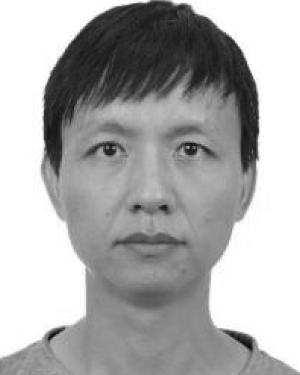 Huang Linhai合作论文数11
 Hui Zhang (张辉)合作论文数School of Astronomy & Space Science, Nanjing University10Jing Zhang合作论文数9Xi Yan (闫曦)合作论文数9
 Banggui Liu (刘邦贵)合作论文数Key Lab of Condensed Matter Theory & Materials Computation, Institute of Physics, Chinese Academy of Sciences8Tahira Khan合作论文数7
 Qinghua Zhang (张庆华)合作论文数School of Astronautics, Northwestern Polytechnical University7
 Richeng Yu (禹日成)合作论文数Key Lab for Advanced Materials & Electron Microscopy, Institute of Physics, Chinese Academy of Sciences6
 Jiayu Li合作论文数Southern Univ Sci & Technol, Shenzhen Inst Quantum Sci & Engn, Shenzhen 518055, Peoples R China5
 Weisheng Zhao (赵巍胜)合作论文数Beihang University5
 Lin Gu (谷林)合作论文数School of Materials Science and Engineering, Tsinghua University5
 Jianwang Cai (蔡建旺)合作论文数University of Chinese Academy of Sciences;Institute of Physics, Chinese Academy of Sciences5
 Qihang Liu (刘奇航)合作论文数Department of Physics, College of Science, Southern University of Science and Technology5Yuntian Liu合作论文数Southern Univ Sci & Technol, Shenzhen Inst Quantum Sci & Engn, Shenzhen 518055, Peoples R China4
 Wenxiao Shi合作论文数4
 Shishen Yan (颜世申)合作论文数School of Physics, Shandong University4
 Yunzhong Chen (陈允忠)合作论文数University of Chinese Academy of Sciences4
 Li Zhe合作论文数3Wei Wang合作论文数3Huaixiang Wang合作论文数3
 Huaiwen Yang (杨怀文)合作论文数School of Integrated Circuit Science and Engineering, Beihang University3
 Xuedong Bai (白雪冬)合作论文数State Key Lab for Surface Physics, Institute of Physics, Chinese Academy of Sciences;University of Chinese Academy of Sciences3
 Wang Mengqin合作论文数2Ao Zhang合作论文数2J. Zhang合作论文数2
 Yang Ma合作论文数Peking Univ, Sch Phys, Int Ctr Quantum Mat, Beijing 100871, Peoples R China2jun ren合作论文数2
 Shihao Zhang合作论文数Chinese Acad Sci, Inst Phys, Beijing Natl Lab Condensed Matter Phys, Beijing 100190, Peoples R China2
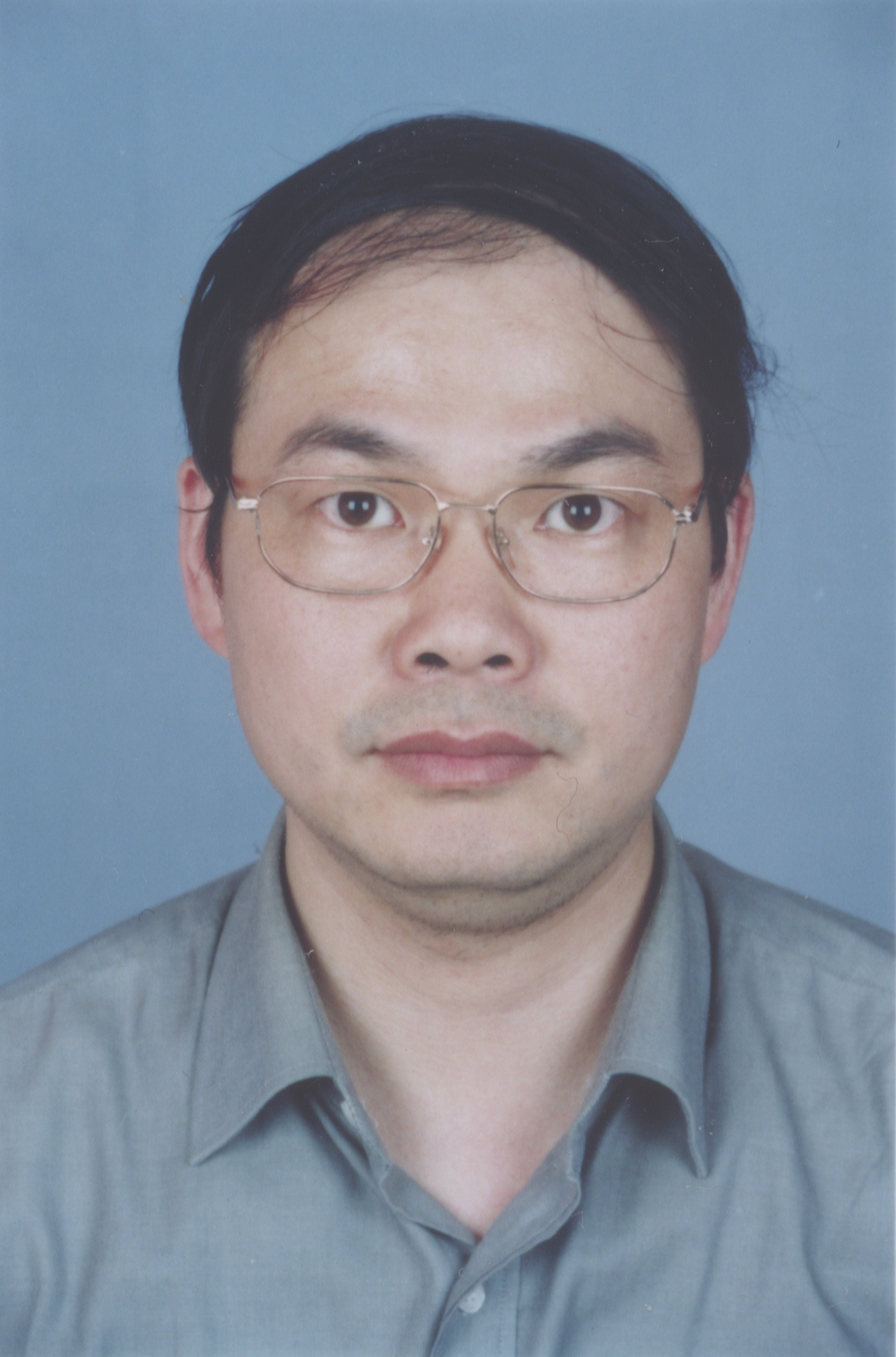 Tao Zhu (朱涛)合作论文数Institute of Physics, Chinese Academy of Sciences;University of Chinese Academy of Sciences2
 Pengfei Liu (刘鹏飞)合作论文数Henan Academy of Big Data, Zhengzhou University2
 Wei Han (韩伟)合作论文数International Center for Quantum Materials, School of Physics, Peking University2
 Xiaozhi Zhan合作论文数2Jie Zheng合作论文数2Liang Zhu合作论文数Clinical Biomarker Laboratories, Moderna2Yan Zhou Zhu合作论文数1Mingyuan Zhu合作论文数1Liang Guo (郭亮)合作论文数1Guansong Li合作论文数1Zhihuang Yang合作论文数1




