Mitochondria regulate energy metabolism, redox balance, cell survival, and innate immune signaling. Neutrophils, the most abundant circulating innate immune effector cells, play an essential role in reshaping the tumor microenvironment and can exhibit both anti-tumor and tumor-supporting behaviors. Although mitochondrial processes are increasingly recognized as key drivers of neutrophil functional diversity and neutrophil-tumor cell communication, a systematic synthesis centered on mitochondria remains limited. The review opens with an overview of defining features of mitochondrial biology, including fission and fusion dynamics, oxidative stress responses, calcium balance, apoptosis-related pathways, and mitochondrial damage signals that influence immune activation. Mitochondria-dependent programs supporting neutrophil survival, lifespan control, and physiological defense functions are then outlined to show how subcellular metabolism shapes innate effector activity. The focus subsequently shifts to mitochondrial contributions in tumor-supportive interactions between neutrophils and tumor cells, highlighting the capacity of mitochondrial signals from both sides to reinforce tumor-promoting neutrophil traits, tumor cell aggressiveness, and bidirectional crosstalk. Emerging strategies capable of redirecting neutrophil mitochondria toward anti-tumor phenotypes are finally summarized, including stimulation of mitochondrial biogenesis, delivery of mitochondrial-targeted proteins to enhance neutrophil-driven immunity, dual disruption of extracellular traps and tumor mitochondria to break tumor-supportive feedback, and modulation of mitochondrial quality-control and oxidative signaling to rebalance tumor-supportive neutrophils. A mitochondria-centered subcellular perspective provides a more cohesive framework for understanding neutrophil-tumor communication and may help inform the development of subcellularly targeted cancer therapies.
Objective This study aimed to comprehensively investigate the anti-ovarian cancer (OC) efficacy of Yiyi Fuzi Baijiang Powder (YFBP), identify its key chemical constituents, and elucidate the underlying mechanisms of action. Methods The chemical profile of YFBP was characterized using UHPLC-MS/MS. The potential mechanisms were predicted through integrated network pharmacology and bioinformatics analyses. The anti-tumor effects were validated in SK-OV-3 cells and a xenograft mouse model by performing CCK-8, flow cytometry, and TUNEL assays. The effects on the tumor inflammatory microenvironment and the JNK/c-Jun signaling pathway were assessed by ELISA, Western blotting, and qRT-PCR. Results UHPLC-MS/MS analysis identified 271 chemical constituents in YFBP. In vivo, YFBP significantly suppressed tumor growth (inhibition rate up to 52.4%) without systemic toxicity. It inhibited cell proliferation, induced apoptosis, and arrested the cell cycle in the S-phase. Mechanistically, YFBP ameliorated the inflammatory tumor microenvironment (TME) by reducing pro-inflammatory cytokine levels (TNF-α, IL-6, IL-1β) and concurrently activated the JNK/c-Jun signaling pathway. Rescue experiments confirmed that the JNK inhibitor SP600125 attenuated the anti-proliferative effects of YFBP. Conclusion This study demonstrates that YFBP exerts significant anti-OC therapeutic effects by modulating the inflammatory TME and activating the JNK/c-Jun pathway. Our findings provide a pharmacological basis for the traditional use of YFBP and highlight its potential as a promising candidate phytomedicine for OC therapy.
ETHNOPHARMACOLOGICAL RELEVANCE:Pancreatic cancer presents a significant challenge in clinical treatment. Pi Ji Pills (PJP) is a compound formula made up of seven traditional Chinese medicinal herbs. It has demonstrated positive clinical outcomes in the treatment of pancreatic cancer, and its potential pharmacological mechanisms warrant further investigation. AIM OF THE STUDY:This study aimed to identify the possible mechanisms by which PJP inhibits pancreatic cancer, followed by experimental verification and more profound exploration. MATERIALS AND METHODS:An in vivo pancreatic cancer xenograft model was established to observe the effect and safety of PJP on tumor growth. The SW1990 cells were cultured to investigate the intervention effects of PJP-containing serum on the malignant biological behavior of pancreatic cancer cells. Subsequently, network pharmacology analysis was employed to explore the potential mechanisms. Furthermore, both in vivo and in vitro experiments were conducted to validate the core pathways and targets. An in-depth exploration was performed, with a focus on the role of neutrophil extracellular traps (NETs) in the inhibition of pancreatic cancer by PJP. RESULTS:PJP inhibits tumor growth, and its combination with gemcitabine exhibits enhanced inhibitory effects, partially alleviating immune suppression. PJP-containing serum was found to inhibit the malignant biological behavior of SW1990 cells. naringenin, atractylenolide I, isoalantolactone, curcumenol, parthenolide, and arglabin are the main active components of PJP. PJP inhibits PI3K/AKT pathway, key to its anti-pancreatic cancer effects. Additionally, PJP's treatment inhibited SW1990 cell proliferation indenpence of reducing IL-8 and downregulating NETs-related protein expression in the co-culture system. CONCLUSIONS:PJP combats pancreatic cancer and enhances gemcitabine efficacy by remodeling the immunosuppressive tumor microenvironment. This anticancer effect may be attributed to a dual-target mechanism involving suppression of the PI3K/AKT pathway and regulation of NETs formation in the tumor microenvironment.
Telomeres and telomerase play crucial roles in the initiation and progression of cancer. As biomarkers, they aid in distinguishing benign from malignant tissues. Despite the promising therapeutic potential of targeting telomeres and telomerase for therapy, translating this concept from the laboratory to the clinic remains challenging. Many candidate drugs remain in the experimental stage, with only a few advancing to clinical trials. This review explores the relationship between telomeres, telomerase, and cancer, synthesizing their roles as biomarkers and reviewing the outcomes of completed trials. We propose that changes in telomere length and telomerase activity can be used to stratify cancer stages. Furthermore, we suggest that differential expression of telomere and telomerase components at the subcellular level holds promise as a biomarker. From a therapeutic standpoint, combining telomerase-targeted therapies with drugs that mitigate the adverse effects of telomerase inhibition may offer a viable strategy.
Metabolic reprogramming and epigenetic modification have been widely observed in cancer research. Based on accumulating experimental evidence in recent years, beginning with metabolic reprogramming driven by carcinogenic signals, the accumulation of key metabolites, represented by lactate, continuously affects cellular plasticity and alters the epigenetic landscape. As a new post-translational modification of histone, histone lactylation not only changes the nucleosome structure, but also regulates chromatin dynamics and gene expression, which is closely related to the poor prognosis of tumors, contributing to immune escape, immune monitoring and angiogenic events in tumor progression. Before the discovery of histone lactylation in 2019, there was a lack of systematic understanding of the lactate regulation of tumor metabolism, immune effects and microenvironmental homeostasis. From metabolic changes to stable gene expression, histone lactylation has become an important entry point in tumor research, connecting the relationship network of metabolic reprogramming, Tumor microenvironment (TME) and epigenetic modification. It represents an important conceptual link between metabolism and epigenetics, and emerging evidence suggests it may be a promising area for understanding tumor progression and developing targeted therapies. In this review, we focus on how tumor cell metabolic reprogramming reshapes the epigenetic landscape into histone lactylation. Besides, we discussed the plasticity of tumor metabolism regulated by histone lactylation in reverse, involving TME biological processes such as immunity and metabolism. Finally, we reviewed the new molecular targets and targeted therapeutic strategies of histone lactylation for cancer treatment. Elucidating these problems will provide theoretical basis for further research and clinical application in this field in the future.
Objective The aetiology of pancreatic cancer is complex, and there is limited research on its incidence. We aimed to investigate the incidence trends of pancreatic cancer in 43 countries and predict trends up to 2030.Methods The annual incidence of pancreatic cancer was obtained from the Cancer Incidence in Five Continents database, which comprises 108 cancer registries from 43 countries. Based on available data, we calculated age-standardized incidence rates (ASRs) per 100 000 people for 1988–2012. A Bayesian age-period-cohort model was used to predict the number of new cases and incidence rates up to 2030.Results From 1988 to 2012, the global incidence rate of pancreatic cancer showed a continuously increasing trend, with the ASR increasing from 5.89 in 1988 to 6.78 in 2012, representing an overall average annual percentage change of 8.45%. This increasing trend is expected to persist in most selected countries, whereas a few countries are projected to exhibit a declining trend by 2030.Conclusion It appears that the future global incidence of pancreatic cancer is on the rise, but the rate of increase varies among different countries, with some showing a declining trend.
Ovarian cancer (OC) is one of the deadliest gynecological malignancies in the world and is the leading cause of cancer-related death in women. The complexity and difficult-to-treat nature of OC pose a huge challenge to the treatment of the disease, Therefore, it is critical to find green and sustainable drug treatment options. Natural drugs have wide sources, many targets, and high safety, and are currently recognized as ideal drugs for tumor treatment, has previously been found to have a good effect on controlling tumor progression and reducing the burden of metastasis. However, its clinical transformation is often hindered by structural stability, bioavailability, and bioactivity. Emerging technologies for the treatment of OC, such as photodynamic therapy, immunotherapy, targeted therapy, gene therapy, molecular therapy, and nanotherapy, are developing rapidly, particularly, nanotechnology can play a bridging role between different therapies, synergistically drive the complementary role of differentiated treatment schemes, and has a wide range of clinical application prospects. In this review, nanoscale natural drug delivery systems (NNDDS) for targeted drug delivery against OC were extensively explored. We reviewed the mechanism of action of natural drugs against OC, reviewed the morphological composition and delivery potential of drug nanocarriers based on the application of nanotechnology in the treatment of OC, and discussed the limitations of current NNDDS research. After elucidating these problems, it will provide a theoretical basis for future exploration of novel NNDDS for anti-OC therapy.
Telomerase is associated with cellular aging, and its presence limits cellular lifespan. Telomerase by preventing telomere shortening can extend the number of cell divisions for cancer cells. In adult pancreatic cells, telomeres gradually shorten, while in precancerous lesions of cancer, telomeres in cells are usually significantly shortened. At this time, telomerase is still in an inactive state, and it is not until before and after the onset of cancer that telomerase is reactivated, causing cancer cells to proliferate. Methylation of the telomerase reverse transcriptase (TERT) promoter and regulation of telomerase by lactate dehydrogenase B (LDHB) is the mechanism of telomerase reactivation in pancreatic cancer. Understanding the role of telomeres and telomerase in pancreatic cancer will help to diagnose and initiate targeted therapy as early as possible. This article reviews the role of telomeres and telomerase as biomarkers in the development of pancreatic cancer and the progress of research on telomeres and telomerase as targets for therapeutic intervention.
The Huangdi Neijing records the compound words ‘four seasons and five elements’ 5 times, pointing out that four seasons were born in yin and yang, the five elements were originally at and resembled five zang, and five zang is not more expensive than the spleen, and four seasons is controlled when the soil is not master. This exposition of the ‘four seasons and five elements’ emphasizes the importance of the spleen. Perhaps it is the origin of Fuzheng Peiben, the treatment principle that runs through the treatment of malignant tumors. This paper put forward that Fuzheng Peiben should abide by ‘four seasons and five elements’, which are stored in the spleen, along with the situation as the key point of Fuzheng Peiben, preparation for Fuzheng Peiben, and level for the end of Fuzheng Peiben. And we summarized the three major spleen treatment strategies for patients with a malignant tumor under the principle of Fuzheng Peiben: specific analysis of the specific situation, clearing the spleen to adjust the balance of yin and yang; abide by the ‘four seasons’ rule, fix and protect the spleen to protect its preparatory duty; following the ‘five elements’, invigorating the spleen and stomach to maintain unbiased survival. In the treatment of malignant tumors, the treatment of the spleen as one of the malignant tumor targets no matter what type of malignant tumor, and then according to the specific type of malignant tumor combination of other target drugs, will achieve better clinical efficacy.
Ovarian cancer (OC) is one of the deadliest malignant tumors affecting women worldwide. The predictive value of some blood inflammatory composite markers in OC has been extensively reported. They can be used for early detection and differential diagnosis of OC and can be used for predicting survival, treatment response, and recurrence in the affected patients. Here, we reviewed the predictive values of composite inflammatory markers based on complete blood count, namely neutrophil-to-lymphocyte ratio (NLR), platelet-to-lymphocyte ratio (PLR), monocyte-to-lymphocyte ratio, and systemic inflammation index and markers based on blood protein, namely C-reactive protein-to-albumin ratio and prognostic nutritional index in OC, with a focus on NLR and PLR. We referred to the clinical studies on these six markers, reviewed the patient population, and summarized the marker cut-off values, significance, and limitations of these studies. All these studies were retrospective and most of them were single-center clinical studies with small sample sizes. We found that the cut-off values of these markers have not been unified, and methods used to determine these values varied among studies. The predictive value of these markers on survival was mainly reflected in the postoperative patients of multiple subtypes of ovarian cancer including epithelial OC, high-grade serous ovarian carcinoma, and ovarian clear cell carcinoma. We focused on NLR and PLR and calculated their pooled hazard ratios. NLR and PLR were reliable in predicting overall and progression-free survivals in patients with OC. Therefore, it is necessary to adjust important confounding factors and conduct a long-term follow-up prospective cohort study to further clarify the cut-off values of NLR and PLR and their clinical applications.
Pancreatic diseases are mostly caused by disorders of the spleen. Treatment of pancreatic cancer caused by the spleen based on traditional Chinese medicine can effectively delay its evolution, but there is a lack of theoretical support, which is worthy of further discussion. Based on the elucidation of the connotation of “spleen acting as the guard for the five zang viscera and six fu viscera”, this paper states that “spleen acting as the guard for the five zang viscera and six fu viscera” is a summary of the body’s security function, which depends on “spleen dominant digestion”. The secretory functions of pancreatic cancer patients are abnormal, so the obstruction of bile and pancreatic juice excretion leads to “spleen failing to digest”, which leads to the pathological transformation from “spleen acting as the guard for the five zang viscera and six fu viscera” to “spleen lossing of guard”, or it may be the main cause of the evolution of pancreatic cancer. The pathological evolution process of “spleen injury-spleen failure-spleen collapse” is highly consistent with the evolution of pancreatic cancer based on modern research, which reasonably explains the significant curative effect of spleen treatment on the delay of the progression of pancreatic cancer. It is pointed out that the key to delaying the progression of pancreatic cancer is to maintain and restore the function of the “spleen acting as the guard for the five zang viscera and six fu viscera” in order to reshape the tumor microenvironment of pancreatic cancer. Combined with modern research, this paper summarizes the three spleen-regulating strategies of clearing spleen to restore defensive qi, invigorating spleen to run defensive qi, and tonifying spleen to replenish defensive qi, in order to provide a useful reference for clinical diagnosis and treatment of pancreatic cancer.
本文通过研究各医家对于《金匮要略》麻黄杏仁薏苡甘草汤证中"日晡所剧"的不同理解,回归条文,探讨符合仲景本意的解释,并深刻探究麻黄杏仁薏苡甘草汤证的病机所在.通过收集分析,将各医家对于"日晡所剧"的理解归纳为"天时阳明气旺论""湿气适时当盛论""合邪会时交争论""肺金皮毛病位论"4 种不同的观点.笔者通过查阅《素问》《灵枢》等书籍,总结出申酉为天之西方而非人之肺金.进而分析出卫气昼日行于阳,与风湿邪气相合则发热,天之燥气盛应肺金伤皮毛,膀胱与肾血气盛于日晡而侮(胃)土则所剧.认为正虚水湿之体,卫气困遏、风湿在表致卫气与水湿相合是"麻黄杏仁薏苡甘草汤"证的核心病机,以期为临床应用麻杏薏甘汤提供有益参考.
认为精准医学理念的提出为肿瘤全周期防治以及破解肿瘤病机多样性与证候群复杂性的难题提供了全新思路.面对肿瘤带来的严峻挑战,精准医学的出现推动着中医肿瘤研究不断向疾病诊断精确化、证候辨识精细化、方药量效精准化、疗效评价精益化发展.基于精准医学理论,提出肿瘤全周期防治应围绕"精准认识、精准防控、精准辨治、精准康复"四大阶段,倡导关口前移、预防为主、防治结合的肿瘤全周期管理理念,构建中西医结合防治肿瘤的精准医学模式体系.
Abstract Inflammatory markers have a wide range of predictive values in the prognosis of non-small lung cancer (NSCLC). Poor nutritional status usually means a poor prognosis in patients with NSCLC, which is widely recognized by oncologists and nutritionists. Serum albumin has a certain value in evaluating the prognosis of patients. Several inflammatory albumin-related markers have been proposed, but they have not been widely used in predicting the prognosis of NSCLC in clinical practice. We aim to systematically review the published clinical evidence of albumin-related inflammatory markers in predicting the prognosis of NSCLC and to describe their progress and value. The results showed that the markers included in the review could be prognostic indicators in patients with NSCLC. However, we found that the cut-off value of albumin-related inflammatory markers with quantitative nature was very chaotic and needed to be defined by recognized standards. We summarized and compared the advantages and disadvantages of these markers, but a prospective cohort study with long-term follow-up after adjustment for important confounders is still necessary. Whether the results and conclusions could be directly applied in clinical practice needs to be identified and evaluated. There is an urgent need to classify and standardize the albumin-related inflammatory markers that play an important role in the prognosis of NSCLC, which is the key to ensuring the transformation from clinical study to clinical application.
六味地黄丸作为经典名方,被列为国家中医药管理局首批《古代经典名方目录》中,临床应用广泛.该方出自《小儿药证直诀》,主治肾怯失音,囟开不合,神不足,目中白睛多,面色白光白等症,其中蕴含深刻的中医学理论与思辨规律.作者通过考究钱氏制方之原,发现当前六味地黄丸作为主治"肾阴虚"的一般认知存在内涵泛化、缺失倾向.基于六味地黄丸原文,通过探讨其在精气、阴阳、五行、藏象、经络学说中的方证原义,并以此为基础阐发其在抗肿瘤临床应用中的具体思路,以期为经典名方六味地黄丸的推广及肿瘤临床决策提供新的理论支撑.
Curcumin is a natural active ingredient from traditional Chinese medicine (TCM) that has multi-target characteristics to exert extensive pharmacological activities and thus has been applied in the treatment of various diseases such as cancer, cardiovascular diseases, nervous system, and autoimmune disorders. As an important class of membranous organelles in the intracellular membrane system, lysosomes are involved in biological processes such as programmed cell death, cell metabolism, and immune regulation, thus affecting tumor initiation and progression. It has been shown that curcumin can modulate lysosomal function through the aforementioned pathways, thereby affecting tumor proliferation, invasion, metastasis, drug resistance, and immune function. This review briefly elaborated the regulatory mechanisms of lysosome biogenesis and summarized curcumin-related studies with its anti-tumor effect, providing a reference for the clinical application of curcumin and anti-tumor research targeting lysosomes.
BackgroundRecently, attention has been paid to the protective properties of active ingredients in Salvia miltiorrhiza (AISM) against organ toxicity induced by chemotherapy drugs. Purpose of the present systematic review is to evaluate the chemoprotective effects and mechanisms of AISM on in vitro and in vivo models of doxorubicin-induced cardiotoxicity (DIC).MethodsAccording to the PRISMA guideline, the current systematic review was conducted in the Web of Science, PubMed, Embase, and the Cochrane Library to collect all relevant in vitro and in vivo studies on “the role of AISM on DIC” published up until May 2023. The SYRCLE's tool was used to identify potential risk of bias.ResultsTwenty-two eligible articles were included in this systematic review. Eleven types of active ingredients in Salvia miltiorrhiza were used for DIC, which have the following effects: improvement of physical signs and biochemical indicators, reduction of cardiac function damage caused by DIC, protection of heart tissue structure, enhancement of myocardial cell viability, prevention of cardiomyocyte apoptosis, increase of the chemosensitivity of cancer cells to Doxorubicin, etc. The cardioprotective mechanism of AISM involves inhibiting apoptosis, attenuating oxidative stress, suppressing endoplasmic reticulum (ER) stress, decreasing inflammation, improving mitochondrial structure and function, affecting cellular autophagy and calcium homeostasis. The quality scores of included studies ranged from 4 to 7 points (a total of 10 points), according to SYRCLE's risk of bias tool.ConclusionThis systematic review demonstrated that AISM have chemoprotective effects on DIC in vivo and in vitro models through several main mechanisms such as anti-apoptosis, antioxidant effects, anti-ER stress, and anti-inflammatory.
The existing biomarkers are insufficient for predicting the prognosis of pancreatic ductal adenocarcinoma (PDAC). Intraductal papillary mucinous neoplasm (IPMN) is a precursor to PDAC; therefore, identifying biomarkers from differentially expressed genes (DEGs) of PDAC and IPMN is a new and reliable strategy for predicting the prognosis of PDAC. In this study, four datasets were downloaded from the Gene Expression Omnibus database and standardized using the R package ‘limma.’ A total of 51 IPMN and 81 PDAC samples were analyzed, and 341 DEGs in PDAC and IPMN were identified; DEGs were involved in the extracellular matrix and tumor microenvironment. An acceptable survival prognosis was demonstrated by SDC1 and ITGA2 , which were highly expressed during in vitro PDAC cell proliferation, apoptosis, and migration. SDC1 high was enriched in interferon alpha (IFN-α) response and ITGA2 high was primarily detected in epithelial-mesenchymal transition (EMT), which was verified using western blotting. We concluded that SDC1 and ITGA2 are potential prognostic biomarkers for PDAC associated with IPMN. Downregulation of SDC1 and ITGA2 expression in PDAC occurs via a mechanism involving possible regulation of IFN-α response, EMT, and immunity, which may act as new targets for PDAC therapy.
Cancer is one of the most lethal diseases. Globally, the number of cancers is nearly 10 million per year. Gynecological cancers (for instance, ovarian, cervical, and endometrial), relying on hidden diseases, misdiagnoses, and high recurrence rates, have seriously affected women's health. Traditional chemotherapy, hormone therapy, targeted therapy, and immunotherapy effectively improve the prognosis of gynecological cancer patients. However, with the emergence of adverse reactions and drug resistance, leading to the occurrence of complications and poor compliance of patients, we have to focus on the new treatment direction of gynecological cancers. Because of the potential effects of natural drugs in regulating immune function, protecting against oxidative damage, and improving the energy metabolism of the body, natural compounds represented by polysaccharides have also attracted extensive attention in recent years. More and more studies have shown that polysaccharides are effective in the treatment of various tumors and in reducing the burden of metastasis. In this review, we focus on the positive role of natural polysaccharides in the treatment of gynecologic cancer, the molecular mechanisms, and the available evidence, and discuss the potential use of new dosage forms derived from polysaccharides in gynecologic cancer. This study covers the most comprehensive discussion on applying natural polysaccharides and their novel preparations in gynecological cancers. By providing complete and valuable sources of information, we hope to promote more effective treatment solutions for clinical diagnosis and treatment of gynecological cancers.
 Bo Pang (庞博)合作论文数Guang'anmen Hospital, China Academy of Chinese Medical Sciences45
 Baojin Hua (花宝金)合作论文数Guang'anmen Hospital, China Academy of Chinese Medical Sciences23
 Chuanlong Zhang合作论文数21Xiyuan Zhang合作论文数8EN Geer (恩格尔)合作论文数8Xue Pan (潘雪)合作论文数8GAO Mengqi (高梦琦)合作论文数6Songting Shou合作论文数3Junchen Li合作论文数3BingKui Pu (朴炳奎)合作论文数3Lu Feng合作论文数2ruihong liu (刘睿翃)合作论文数2JiaWei Geng (耿嘉玮)合作论文数2Fang Pan (潘芳)合作论文数2CHEN Yupeng (陈玉鹏)合作论文数1Jiaxian Li (李佳贤)合作论文数1Fan Yang合作论文数1Runzhi Qi合作论文数1Chengyan Song合作论文数1Baocui Qi合作论文数1Siyao Dong合作论文数1TANG Yiting (汤怡婷)合作论文数1Wang Qing-qing合作论文数1Yan Chen合作论文数1ZHANG Xing (张兴)合作论文数1Xing Zhang合作论文数1QIANG Rui (强睿)合作论文数1Lu Liu合作论文数1Qian Shen合作论文数1Ping WANG (王萍)合作论文数1Jin Lin合作论文数1xiaoxiao ma (马晓晓)合作论文数1Lei FAN (樊蕾)合作论文数1
 Chu Xuelei (褚雪镭)合作论文数1
 Qiujun Guo (郭秋均)合作论文数Guang'anmen Hospital of China Academy of Chinese Medical Sciences1ZhenPing Wang (王振萍)合作论文数1
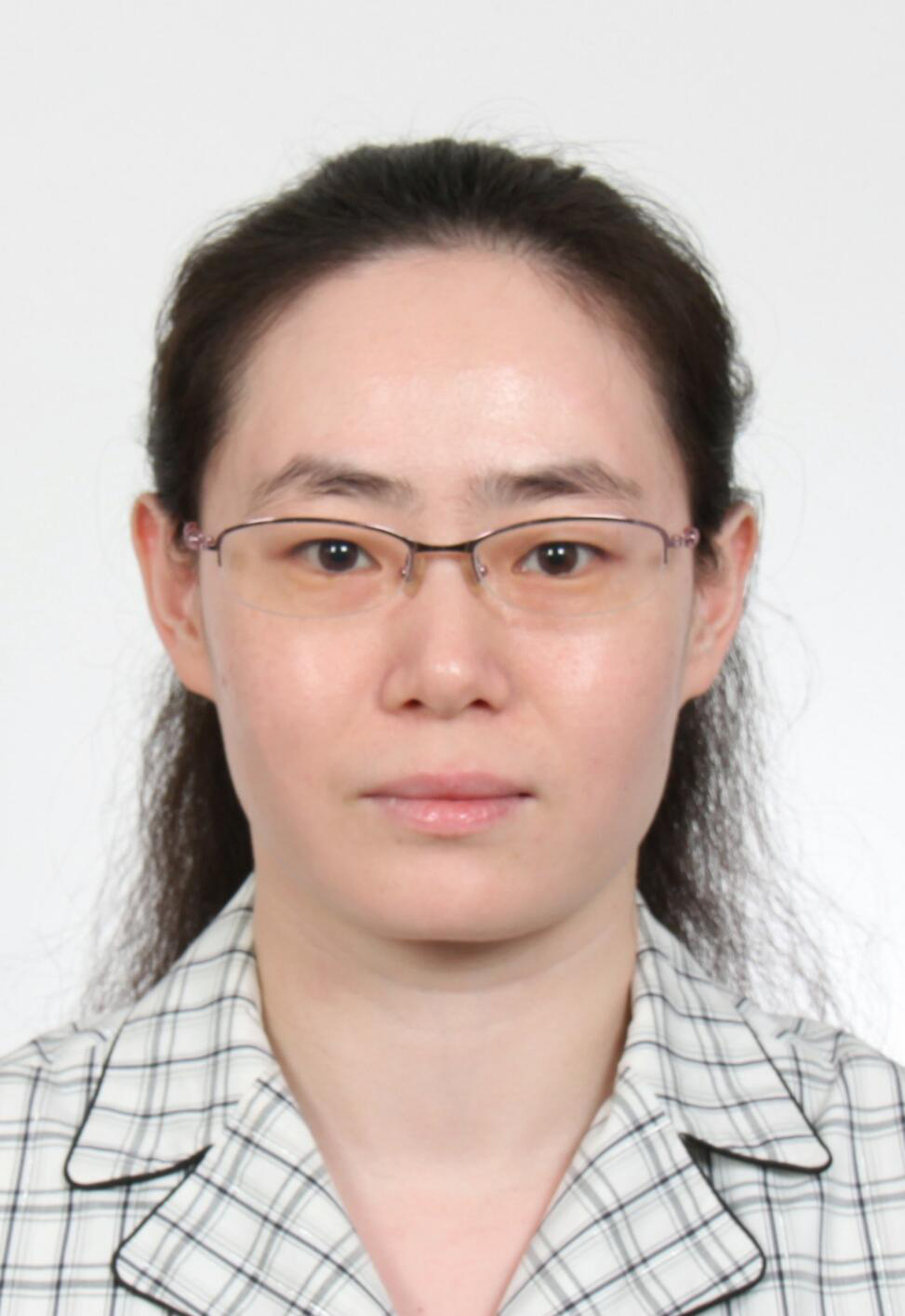 Rui Liu (刘睿)合作论文数Institute of Medicinal Biotechnology, Peking Union Medical College1
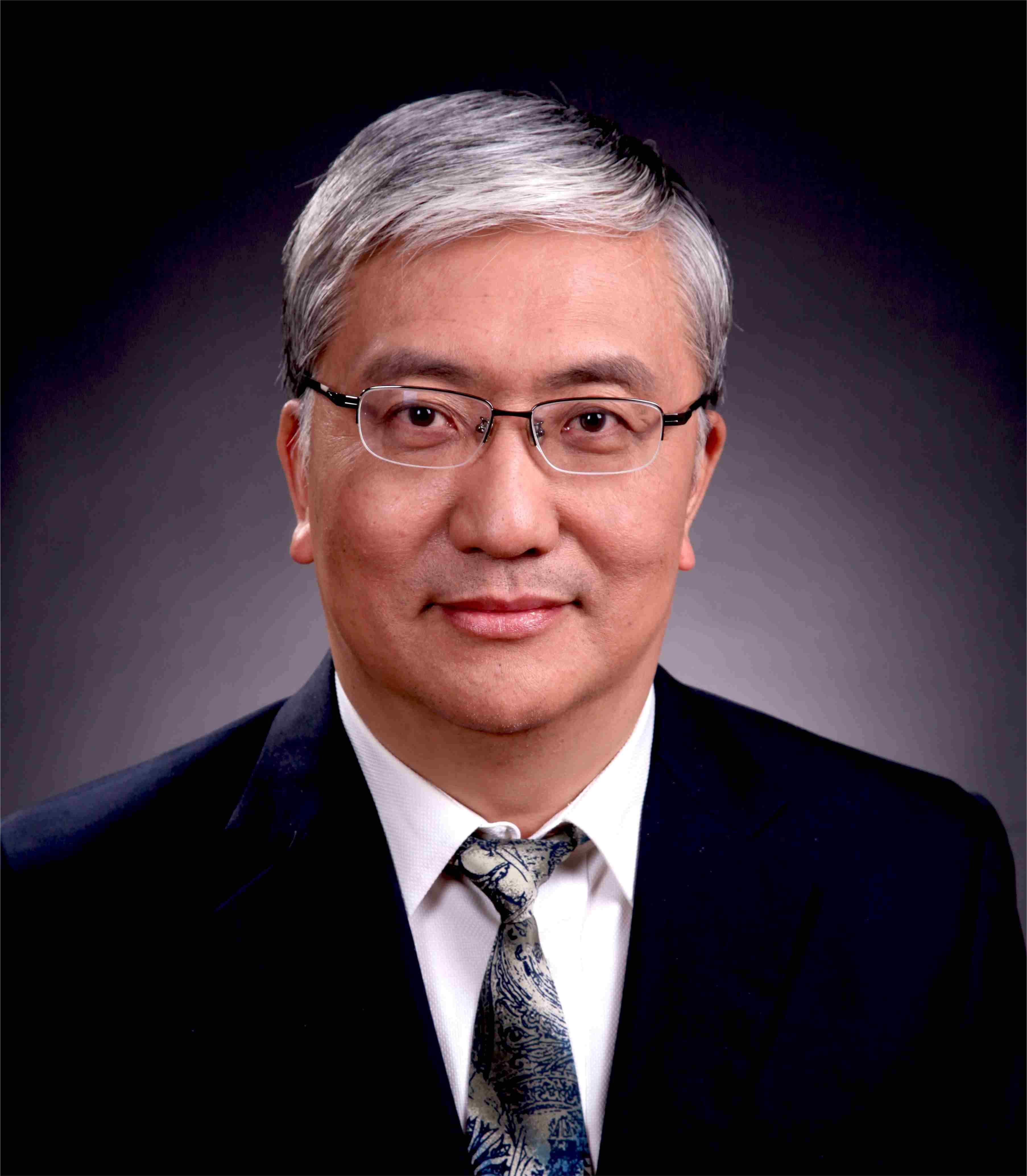 Xudong Tang (唐旭东)合作论文数Xiyuan Hospital of China Academy of Chinese Medical Sciences1
 Jinxi Zhao (赵进喜)合作论文数Dongzhimen Hospital, Beijing University of Chinese Medicine1
 Yanju Bao (鲍艳举)合作论文数Guang'anmen Hospital, China Academy of Chinese Medical Sciences;School of Medicine, Qinghai University1Peipei Zhou (周培培)合作论文数1




