The linear memory growth of the KV cache poses a significant bottleneck for LLM inference in long-context tasks. Existing static compression methods often fail to preserve globally important information. Although recent dynamic retrieval approaches attempt to address this issue, they typically suffer from coarse-grained caching strategies and incur high I/O overhead. To overcome these limitations, we propose HeteroCache, a training-free dynamic compression framework. Our method is built on two key insights: attention heads exhibit diverse temporal heterogeneity, and there is significant spatial redundancy among heads within the same layer.Guided by these insights, HeteroCache categorizes heads based on stability and similarity, applying a fine-grained weighting strategy that allocates larger cache budgets to heads with rapidly shifting attention to capture context changes.Furthermore, it features a hierarchical storage mechanism where representative heads monitor attention drift to trigger asynchronous, on-demand context retrieval, thereby hiding I/O latency.Experiments demonstrate that HeteroCache achieves state-of-the-art performance on long-context benchmarks and accelerates decoding by up to 3× compared to the original model with a 224K context. Our code is available at https://github.com/ponytaill/HeteroCache.
Interactive long video generation requires prompt switching to introduce new subjects or events, while maintaining perceptual fidelity and coherent motion over extended horizons. Recent distilled streaming video diffusion models reuse a rolling KV cache for long-range generation, enabling prompt-switch interaction through re-cache at each switch. However, existing streaming methods still exhibit progressive quality degradation and weakened motion dynamics. We identify two failure modes specific to interactive streaming generation: (i) at each prompt switch, current cache maintenance cannot simultaneously retain KV-based semantic context and recent latent cues, resulting in weak boundary conditioning and reduced perceptual quality; and (ii) during distillation, unbounded time indexing induces a positional distribution shift from the pretrained backbone's bounded RoPE regime, weakening pretrained motion priors and long-horizon motion retention. To address these issues, we propose Anchor Forcing, a cache-centric framework with two designs. First, an anchor-guided re-cache mechanism stores KV states in anchor caches and warm-starts re-cache from these anchors at each prompt switch, reducing post-switch evidence loss and stabilizing perceptual quality. Second, a tri-region RoPE with region-specific reference origins, together with RoPE re-alignment distillation, reconciles unbounded streaming indices with the pretrained RoPE regime to better retain motion priors. Experiments on long videos show that our method improves perceptual quality and motion metrics over prior streaming baselines in interactive settings. Project page: https://github.com/vivoCameraResearch/Anchor-Forcing
Current semantic segmentation models are very data-hungry and require massive costly pixel-wise human annotations. Generative data augmentation, which scales the train set using generative models, provides a potential remedy. In this paper, we propose MatchMask, a novel mask-centric generative data augmentation approach tailored for label-scarce semantic segmentation. By leveraging a limited set of labeled semantic masks, MatchMask generates diverse, realistic, and well-aligned image-mask pairs, thereby enhancing the performance of semantic segmentation models. Specifically, to adapt existing text-to-image models for semantic image synthesis in the few-shot setting, we first propose a Gradient Probe Method to investigate the role of each layer in the diffusion model. On this basis, a lightweight LoRA-style adapter is designed for critical layers to enable efficient adaptation, coupled with a Layer-adaptive Cross-attention Fusion mechanism. Meanwhile, we present a robust relative filtering principle to suppress incorrectly synthesized regions. Moreover, the proposed approach is extended to MatchMask++ in the semi-supervised setting to take advantage of additional unlabeled data. Experimental results on PASCAL VOC, COCO and ADE20K demonstrate that MatchMask remarkably enhances the performance of segmentation models, surpassing prior data augmentation techniques in various benchmarks, e.g., 67.5%->74.3% mIoU on PASCAL VOC. Our code will be made publicly available.
Diffusion models have recently emerged as powerful tools for camera simulation, enabling both geometric transformations and realistic optical effects. Among these, image-based bokeh rendering has shown promising results, but diffusion for video bokeh remains unexplored. Existing image-based methods are plagued by temporal flickering and inconsistent blur transitions, while current video editing methods lack explicit control over the focus plane and bokeh intensity. These issues limit their applicability for controllable video bokeh. In this work, we propose a one-step diffusion framework for generating temporally coherent, depth-aware video bokeh rendering. The framework employs a multi-plane image (MPI) representation adapted to the focal plane to condition the video diffusion model, thereby enabling it to exploit strong 3D priors from pretrained backbones. To further enhance temporal stability, depth robustness, and detail preservation, we introduce a progressive training strategy. Experiments on synthetic and real-world benchmarks demonstrate superior temporal coherence, spatial accuracy, and controllability, outperforming prior baselines. This work represents the first dedicated diffusion framework for video bokeh generation, establishing a new baseline for temporally coherent and controllable depth-of-field effects. Code will be made publicly available.
Intent recognition captures the deep needs of users from natural language, and few-shot intent recognition addresses data scarcity. Existing methods treat single- and multi-label intent recognition as separate classification tasks, and discriminative models typically require fine-tuning when generalizing to new intents, which limits generality. To this end, in this study, we re-think the single- and multi-label intent recognition task as a unified natural language generation task rather than a discriminative classification problem. After instruction pre-training on a general intent dataset, the language model (LM) directly generalizes to few-shot target data without fine-tuning. However, limited data and large distribution shifts severely challenge generalization. Therefore, in this paper, we propose an Instruction-Guided Distribution Maximization (IGDM) method to improve the robustness of the model and enhance generalization. IGDM prompts the model to learn a broader decision boundary by enlarging the maximum error of LM between the user utterance and the corresponding intent. Formally, we perform a two-level optimization strategy to obtain the inner instruction-guided sample distribution maximization and the outer model error minimization, respectively. The inner optimization objective is the sample distribution maximization, which is achieved by performing gradient ascent according to LM in instruction learning. The outer optimization objective is the LM, whose optimization is implemented by gradient descent in instruction learning combined with samples from the distribution maximized according to the LM. Extensive theoretical and inference proofs demonstrate the superior robustness and generalization capabilities of IGDM. To verify this, we conduct comprehensive experiments across 20 single-label and 7 multi-label widely used intent recognition benchmarks. The results demonstrate that IGDM achieves superior performance over existing methods across all benchmarks.
Self-attention is a ubiquitous primitive in modern sequence models, yet its operator-level geometry is only partially understood. We view a token sequence as a vector field over the token-position graph and identify attention as a connection walk: messages are aggregated by a nonnegative walk matrix while being transported along each edge by a learned linear map. Within this framework, we prove that single-head attention (SHA) is exactly a connection propagation step with constant transport, and that multi-head attention (MHA) is exactly a single edge-dependent connection walk whose effective transport is an attention-gated mixture of headwise transports. We further clarify the conditions under which the corresponding generator reduces to a random-walk connection Laplacian, highlighting the roles of stochasticity, reversibility, and metric-compatible transports. Empirically, we find that trained Transformers across scales (from 124M to 8B) and structures (encoder/decoder) exhibit geometric structure consistent with our theory: effective attention graphs converge to stable geometric operators in deeper layers, learned transports self-organize into approximate scaled isometries, and both phenomena strengthen consistently with scale. Overall, the paper provides a precise connection-walk formalism that links self-attention to classical geometric operators, along with a set of operator-level tools for analyzing transformer models from a geometric perspective.
Chain-of-Thought (CoT) reasoning has significantly enhanced the multi-step problem-solving capabilities of large language models (LLMs) by introducing explicit intermediate reasoning. However, advanced Large Reasoning Models (LRMs) often exhibit overthinking behaviors, including excessively long reasoning steps, redundant steps, and high computational overhead. Existing token-length reward strategies aim to promote concise outputs, but often result in pseudo-conciseness, where token count is reduced, yet redundant reasoning persists, leading to longer and less structurally efficient chains. To address these limitations, we propose ChainPrune, a novel reasoning path semantic structural optimization method to efficiently and controllably synthesize self-generated high-quality training data. We initially consolidate self-generated reasoning paths into a tree-based structure, followed by a multi-criteria dominant path selection process for preference data construction that formulates shallow reasoning trajectories while preserving essential reasoning steps. To further enhance the quality of reasoning, we incorporate a DPO-based preference learning method combined with supervised loss, effectively mitigating false reward suppression. This innovative integration significantly enhances both the efficiency and effectiveness of our reasoning framework. Comprehensive experimental results demonstrate significant reductions in step length and computational overhead, while maintaining or even enhancing accuracy.
Entity alignment (EA) is to identify equivalent entities across different knowledge graphs (KGs), which can help fuse these KGs into a more comprehensive one. Previous EA methods mainly focus on aligning a pair of KGs, and to the best of our knowledge, no existing EA method considers aligning multiple (more than two) KGs. To fill this research gap, in this work, we study a novel problem of aligning multiple KGs and propose an effective framework named MultiEA to solve the problem. First, we embed the entities of all the candidate KGs into a common feature space by a shared KG encoder. Then, we explore three alignment strategies to minimize the distances among pre-aligned entities. In particular, we propose an innovative inference enhancement technique to improve the alignment performance by incorporating high-order similarities. Finally, to verify the effectiveness of MultiEA, we construct two new real-world benchmark datasets and conduct extensive experiments on them. The results show that our MultiEA can effectively and efficiently align multiple KGs in a single pass. We release the source codes of MultiEA at: https://github.com/kepsail/MultiEA.
Low-bit activation quantization remains a major bottleneck in efficient large language model (LLM) deployment. The difficulty is not only that activations contain outliers, but that their distributions are often poorly matched to a low-bit uniform quantizer. Existing post-training quantization (PTQ) methods suppress peaks, balance channels, or minimize reconstruction error, yet they rarely specify what activation distribution is actually easy to discretize. As a result, activations may appear numerically smoother while still incurring large quantization error because the quantization range remains wide or most values collapse into a few levels near the mean. We recast activation transformation as quantizer-facing distribution design and analyze quantization error from an information-theoretic perspective. Our analysis shows that quantization-friendly activations should jointly have a smaller numerical range and sufficient dispersion within that range. Guided by this analysis, we propose InfoQuant, a train-free method that employs Peak Suppression Orthogonal Transformation (PSOT) to shape activations into more quantization-friendly distributions. We further introduce adaptive outlier-token selection to improve the robustness of PSOT during optimization. Across multiple LLM families, InfoQuant consistently outperforms prior PTQ and end-to-end training baselines. Under W4A4KV4, it preserves 97
Recent diffusion-based video generation models can synthesize visually plausible videos, yet they often struggle to satisfy physical constraints. A key reason is that most existing approaches remain single-stage: they entangle high-level physical understanding with low-level visual synthesis, making it hard to generate content that require explicit physical reasoning. To address this limitation, we propose a training-free three-stage pipeline,PhyRPR:PhyReason–PhyPlan–PhyRefine, which decouples physical understanding from visual synthesis. Specifically, PhyReason uses a large multimodal model for physical state reasoning and an image generator for keyframe synthesis; PhyPlan deterministically synthesizes a controllable coarse motion scaffold; and PhyRefine injects this scaffold into diffusion sampling via a latent fusion strategy to refine appearance while preserving the planned dynamics. This staged design enables explicit physical control during generation. Extensive experiments under physics constraints show that our method consistently improves physical plausibility and motion controllability.
Ensuring alignment with human values is essential for modern large language models (LLMs), especially amid growing concerns around AI safety and social impact. Yet achieving such alignment remains challenging due to the limited, noisy, and often conflicting nature of human feedback from diverse annotators. Most existing approaches, such as Direct Preference Optimization (DPO), assume consistent and conflict-free supervision, overlooking the ambiguity, inconsistency, and value trade-offs inherent in real-world preferences—often leading to reduced robustness and exclusion of minority views. To address this, we propose FGD-Align, a novel pluralistic alignment framework grounded in Fuzzy Group Decision-Making theory. Our approach rigorously models and aggregates human preferences while retaining the complexity of real-world value trade-offs. Unlike traditional methods that rely on coarse-grained preference pairs, FGD-Align introduces fuzzy preference modeling via triangular fuzzy numbers to capture nuanced, multi-criteria human judgments. We further develop a new training objective, Probabilistic Fuzzy DPO, which incorporates fuzzy preference strength as adaptive loss weights and gradient filters, enhancing robustness to ambiguity and inconsistency in feedback. Comprehensive experiments demonstrate that FGD-Align consistently outperforms both DPO variants and advanced preference aggregation methods in terms of preference accuracy and robustness to ambiguity. It achieves superior alignment stability and better preserves minority preferences, all with minimal computational overhead. Our work bridges the gap between algorithmic tractability and the nuanced landscape of human values, enabling more scalable, inclusive, and socially-aware AI alignment.
Multi-view learning methods often focus on improving decision accuracy while neglecting the decision uncertainty, which significantly restricts their applications in safety-critical scenarios. To address this, trusted multi-view learning methods estimate prediction uncertainties by learning class distributions from each instance. However, these methods heavily rely on high-quality ground-truth labels. This motivates us to delve into a new problem: how to develop a reliable multi-view learning model under the guidance of noisy labels? We propose the Trusted Multi-view Noise Refining (TMNR) method to address this challenge by modeling label noise arising from low-quality data features and easily-confused classes. TMNR employs evidential deep neural networks to construct view-specific opinions that capture both beliefs and uncertainty. These opinions are then transformed through noise correlation matrices to align with the noisy supervision, where matrix elements are constrained by sample uncertainty to reflect label reliability. Furthermore, considering the challenge of jointly optimizing the evidence network and noise correlation matrices under noisy supervision, we further propose Trusted Multi-view Noise Re-Refining (TMNR$^{\mathbf{2}}$2), which disentangles this complex co-training problem by establishing different training objectives for distinct modules. TMNR$^{\mathbf{2}}$2 identifies potentially mislabeled samples through evidence-label consistency and generates pseudo-labels from neighboring information. By assigning clean samples to optimize evidential networks and noisy samples to guide noise correlation matrices, respectively, TMNR$^{\mathbf{2}}$2 reduces mapping interference and achieves stabilized training. We empirically evaluate our methods against state-of-the-art baselines on 7 multi-view datasets. Experimental results demonstrate that TMNR$^{\mathbf{2}}$2 significantly outperforms baseline methods, with average accuracy improvements of 7% on datasets with 50% label noise.
Traffic forecasting is the task of predicting future traffic based on historical traffic data.It is challenging due to the complex spatial-temporal correlation on road networks.Most existing research works use sequential Graph Neural Networks (GNN) to model traffic inference.However, they only focus on nodes (intersections) or edges (road segments) traffic forecasting alone.As a result, they could hardly provide a complete description of future traffic on road networks.Actually, nodes and edges traffic are interrelated.Both of them are important for traffic safety and efficiency, and neither one is negligible.In this paper, we exploit nodes and edges information together and make traffic forecasting on nodes and edges simultaneously.We propose a novel dual graph framework, called DualGraph, to model the propagation behavior of traffic on road networks.Inside our framework, we develop a DualMap block to simulate the recursive interactions between nodes and edges.The interaction process is realized by a message passing mechanism of nearby information flow.We employ the Simulation of Urban MObility (SUMO) software to generate real-world traffic data to illustrate the effectiveness of our method.We also empirically evaluate our model on public traffic datasets.The results show that even for node or edge traffic forecasting alone, our model still outperforms compared ones, especially for long term (one hour) prediction.
Incomplete Multi-view Clustering (IMC) has emerged as a significant challenge in multi-view learning. A predominant line for IMC is data imputation; however, indiscriminate imputation can result in unreliable content. Recently, researchers have proposed selective imputation methods that use a post-imputation assessment strategy: (1) impute all or some missing values, and (2) evaluate their quality through clustering tasks. We observe that this strategy incurs substantial computational complexity and is heavily dependent on the performance of the clustering model. To address these challenges, we first introduce the concept of pre-imputation assessment. We propose an Implicit Informativeness-based Selective Imputation (SI^3) method for incomplete multi-view clustering, which explicitly addresses the trade-off between imputation utility and imputation risk. SI^3 evaluates the imputation-relevant informativeness of each missing position in a training-free manner, and selectively imputes data only when sufficient informative support is available. Under a multi-view generative assumption, SI^3 further integrates selective imputation into a variational inference framework, enabling uncertainty-aware imputation at the latent distribution level and robust multi-view fusion. Compared with existing selective imputation strategies, SI^3 is lightweight, data-driven, and model-agnostic, and can be seamlessly incorporated into existing incomplete multi-view clustering frameworks as a plug-in strategy. Extensive experiments on multiple benchmark datasets demonstrate that SI^3 consistently outperforms both imputation-based and imputation-free methods, particularly under challenging unbalanced missing scenarios.
Video depth estimation has long been hindered by the scarcity of consistent and scalable ground truth data, leading to inconsistent and unreliable results. In this paper, we introduce Depth Any Video, a model that tackles the challenge through two key innovations. First, we develop a scalable synthetic data pipeline, capturing real-time video depth data from diverse virtual environments, yielding 40,000 video clips of 5-second duration, each with precise depth annotations. Second, we leverage the powerful priors of generative video diffusion models to handle real-world videos effectively, integrating advanced techniques such as rotary position encoding and flow matching to further enhance flexibility and efficiency. Unlike previous models, which are limited to fixed-length video sequences, our approach introduces a novel mixed-duration training strategy that handles videos of varying lengths and performs robustly across different frame rates—even on single frames. At inference, we propose a depth interpolation method that enables our model to infer high-resolution video depth across sequences of up to 150 frames. Our model outperforms all previous generative depth models in terms of spatial accuracy and temporal consistency. The code and model weights are open-sourced.
Diffusion models have exhibited impressive prowess in the text-to-image task. Recent methods add image-level structure controls, e.g., edge and depth maps, to manipulate the generation process together with text prompts to obtain desired images. This controlling process is globally operated on the entire image, which limits the flexibility of control regions. In this paper, we explore a novel and practical task setting: local control. It focuses on controlling specific local region according to user-defined image conditions, while the remaining regions are only conditioned by the original text prompt. However, it is non-trivial to achieve it. The naive manner of directly adding local conditions may lead to the local control dominance problem, which forces the model to focus on the controlled region and neglect object generation in other regions. To mitigate this problem, we propose Regional Discriminate Loss to update the noised latents, aiming at enhanced object generation in non-control regions. Furthermore, the proposed Focused Token Response suppresses weaker attention scores which lack the strongest response to enhance object distinction and reduce duplication. Lastly, we adopt Feature Mask Constraint to reduce quality degradation in images caused by information differences across the local control region. All proposed strategies are operated at the inference stage. Extensive experiments demonstrate that our method can synthesize high-quality images aligned with the text prompt under local control conditions.
Entity Alignment (EA) is to link potential equivalent entities across different knowledge graphs (KGs). Most existing EA methods are supervised as they require the supervision of seed alignments, i.e., manually specified aligned entity pairs. Very recently, several EA studies have made some attempts to get rid of seed alignments. Despite achieving preliminary progress, they still suffer two limitations: (1) The entity embeddings produced by their GNN-like encoders lack personalization since some of the aggregation subpaths are shared between different entities. (2) They cannot fully alleviate the distribution distortion issue between candidate KGs due to the absence of supervised signals. In this work, we propose a novel unsupervised entity alignment approach called UNEA to address the above two issues. First, we parametrically sample a tree neighborhood rooted at each entity, and accordingly develop a tree attention aggregation mechanism to extract a personalized embedding for each entity. Second, we introduce an auxiliary task of maximizing the mutual information between the input and the output of the KG encoder, which serves as a regularization to prevent the distribution distortion. Extensive experiments show that our UNEA achieves a new state-of-the-art for the unsupervised EA task, and can even outperform many existing supervised EA baselines.
Previous text-to-image diffusion models typically employ supervised fine-tuning (SFT) to enhance pre-trained base models. However, this approach primarily minimizes the loss of mean squared error (MSE) at the pixel level, neglecting the need for global optimization at the image level, which is crucial for achieving high perceptual quality and structural coherence. In this paper, we introduce Self-sUpervised Direct preference Optimization (SUDO), a novel paradigm that optimizes both fine-grained details at the pixel level and global image quality. By integrating direct preference optimization into the model, SUDO generates preference image pairs in a self-supervised manner, enabling the model to prioritize global-level learning while complementing the pixel-level MSE loss. As an effective alternative to supervised fine-tuning, SUDO can be seamlessly applied to any text-to-image diffusion model. Importantly, it eliminates the need for costly data collection and annotation efforts typically associated with traditional direct preference optimization methods. Through extensive experiments on widely-used models, including Stable Diffusion 1.5 and XL, we demonstrate that SUDO significantly enhances both global and local image quality. The codes are provided at \href{https://github.com/SPengLiang/SUDO}{this link}.
Lane is critical in the vision navigation system of intelligent vehicles. Naturally, the lane is a traffic sign with high-level semantics, whereas it owns the specific local pattern which needs detailed low-level features to localize accurately. Using different feature levels is of great importance for accurate lane detection, but it is still under-explored. On the other hand, current lane detection methods still struggle to detect complex dense lanes, such as Y-shape or fork-shape. In this work, we present Cross Layer Refinement Network aiming at fully utilizing both high-level and low-level features in lane detection. In particular, it first detects lanes with high-level semantic features and then performs refinement based on low-level features. In this way, we can exploit more contextual information to detect lanes while leveraging local-detailed features to improve localization accuracy. We present Fast-ROIGather to gather global context, which further enhances the representation of lane features. To detect dense lanes accurately, we propose Correlation Discrimination Module (CDM) to discriminate the correlation of dense lanes, enabling nearly cost-free high-quality dense lane prediction. In addition to our novel network design, we introduce LineIoU loss which regresses lanes as a whole unit to improve localization accuracy. Experiments demonstrate our approach significantly outperforms the state-of-the-art lane detection methods.
 Deng Cai (蔡登)合作论文数College of Computer Science and Technology, Zhejiang University157
 Jiawei Han (韩家炜)合作论文数Siebel School of Computing and Data Science, The Grainger College of Engineering, University of Illinois Urbana-Champaign36
 Binbin Lin (林彬彬)合作论文数School of Software Technology, Zhejiang University33
 Zhou Zhao (赵洲)合作论文数College of Computer Science and Technology, Zhejiang University;College of Artificial Intelligence, Zhejiang University30
 Wenxiao Wang (王闻箫)合作论文数School of Software Technology, Zhejiang University26
 Jiajun Bu (卜佳俊)合作论文数College of Computer Science and Technology, Zhejiang University;School of Software Technology, Zhejiang University;Alibaba-Zhejiang University Joint Institute of Frontier Technologies25
 Chun Chen (陈纯)合作论文数College of Computer Science and Technology, Zhejiang University24
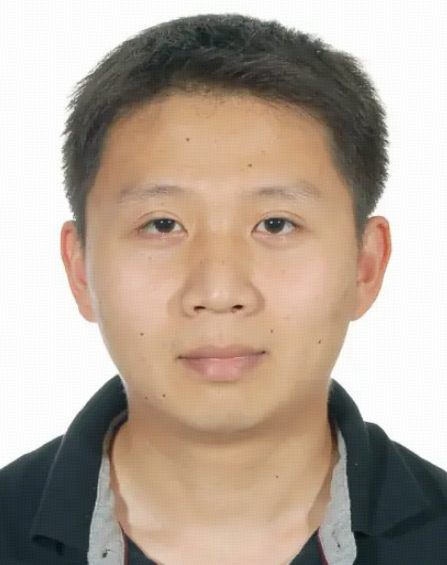 Ziyu Guan (管子玉)合作论文数School of Computer Science and Technology, Xidian University19
 Boxi Wu (武伯熹)合作论文数School of Software Technology, Zhejiang University;Daerwen AI18
 Yao Hu (胡尧)合作论文数Xiaohongshu Inc.17
 Lijun Zhang (张利军)合作论文数School of Artificial Intelligence, Nanjing University;National Key Laboratory for Novel Software Technology, Nanjing University17
 Yueting Zhuang (庄越挺)合作论文数College of Artificial Intelligence, Zhejiang University;AI Collaboration & Innovation Center of Ministry of Education, Zhejiang University16
 Jieping Ye (叶杰平)合作论文数Alibaba Group16
 Wei-Ying Ma (马维英)合作论文数Institute for AI Industry Research, Tsinghua University;Hong Kong Institute of AI for Science, City University of Hong Kong;Department of Computer Science, College of Computing, City University of Hong Kong14
 Hongjiang Zhang (张宏江)合作论文数Source Code Capital13
 Zheng Yang (杨政)合作论文数Fabu Inc12
 Wei Zhao合作论文数Key Laboratory of Intelligent Perception and Image Understanding of the Ministry of Education, Xidian University12
 Minghao Chen合作论文数Zhejiang Key Laboratory of Space Information Sensing and Transmission, School of Computer Science, Hangzhou Dianzi University11
 Peng Liang (梁鹏)合作论文数School of Earth Sciences, Zhejiang University11
 Can Wang (王灿)合作论文数Zhejiang Provincial Key Laboratory of Service Robot, College of Computer Science and Technology, Zhejiang University11
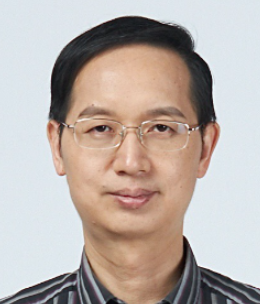 Xiansheng Hua (华先胜)合作论文数School of Mechanical Engineering, Tongji University;Institute of AI for Engineering, Tongji University11
 Zhengxu Yu (余正旭)合作论文数College of Computer Science and Technology, Zhejiang University;DAMO Academy, Alibaba Group10
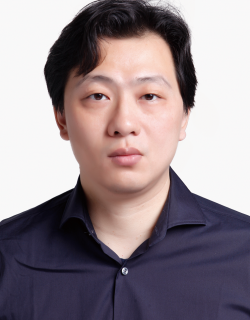 Wei Liu (刘威)合作论文数Video Rebirth10
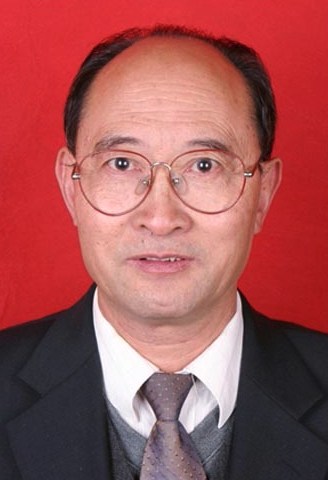 Zhongming Jin (靳钟铭)合作论文数Taiyuan University of Technology10
 Qibo Qiu合作论文数Zhejiang Laboratory9
 Chiyuan Zhang (张驰原)合作论文数Google Brain9
 Debing Zhang合作论文数DeepGlint9
 Ronghua Liang (梁荣华)合作论文数College of Information Engineering, Zhejiang University of Technology9
 Honghui Yang合作论文数State Key Laboratory of Computer-Aided Design and Computer Graphics, Zhejiang University;RedNote8
 Hujun Bao (鲍虎军)合作论文数College of Computer Science and Technology, Zhejiang University;Faculty of Information Technology, Zhejiang University8
 Liang Xie合作论文数8
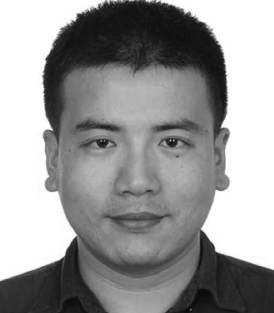 Long Wei合作论文数Alibaba Group, Alibaba DAMO Academy8
 Ji-Rong Wen (文继荣)合作论文数Gaoling School of Artificial Intelligence, Renmin University of China8
 Jianqiang Huang合作论文数Alibaba Damo Academy7
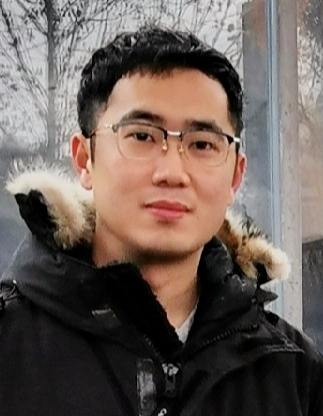 Boyuan Pan (潘博远)合作论文数Xiaohongshu7
 Fei Wu (吴飞)合作论文数College of Computer Science and Technology, Zhejiang University7
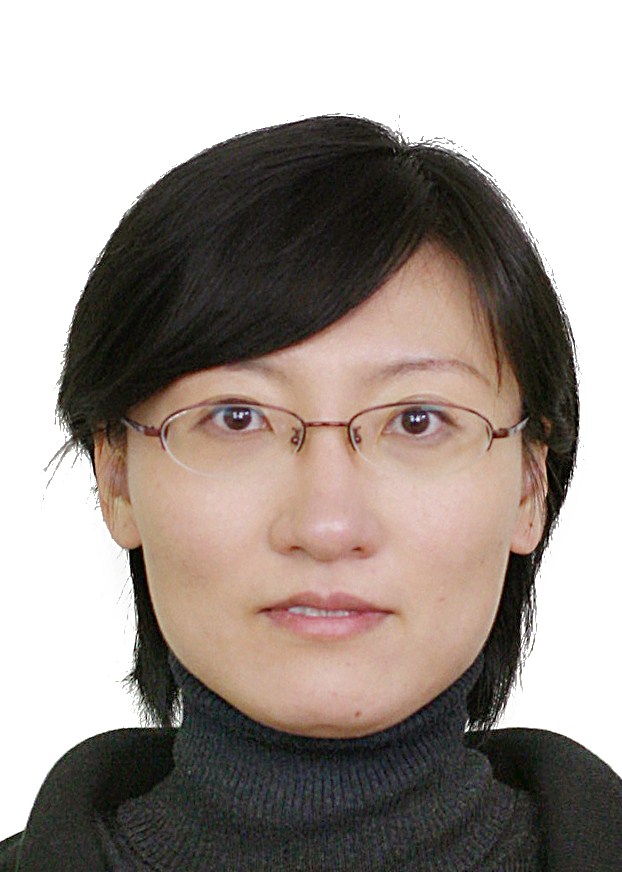 Haifeng Liu (刘海风)合作论文数Institute of Computer System Architecture and Network Security, College of Computer Science and Technology, Zhejiang University7
 Rong Jin合作论文数Alibaba Group7
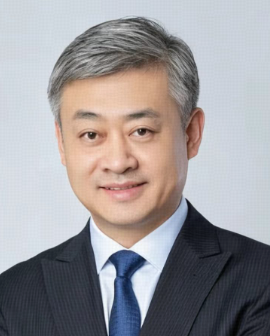 Xuelong Li (李学龙)合作论文数Institute of Artificial Intelligence, China Telecom7
 Ming Ji合作论文数Waymo7
 Shuicheng Yan (颜水成)合作论文数Department of Computer Science, School of Computing, National University of Singapore7
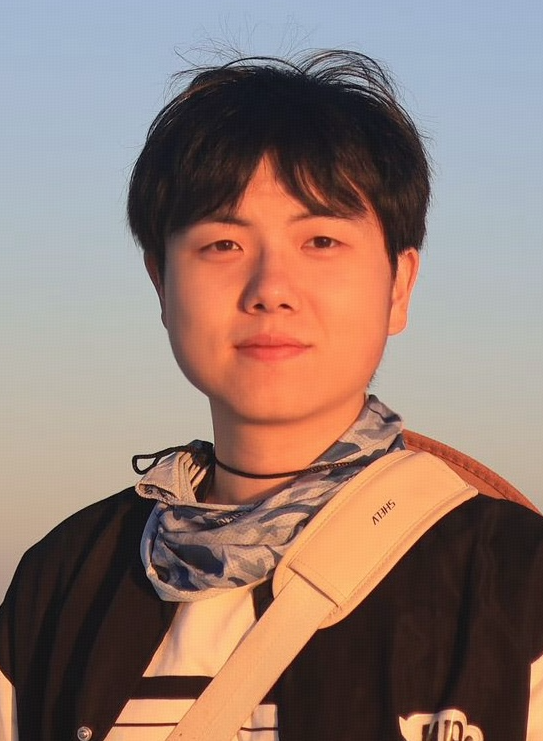 Hengjia Li合作论文数State Key Laboratory of Computer-Aided Design and Computer Graphics, Zhejiang University;TikTok6
 Bin Xu合作论文数6
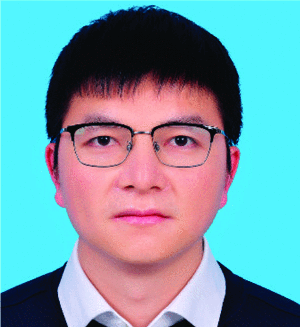 Chao Xiang合作论文数6
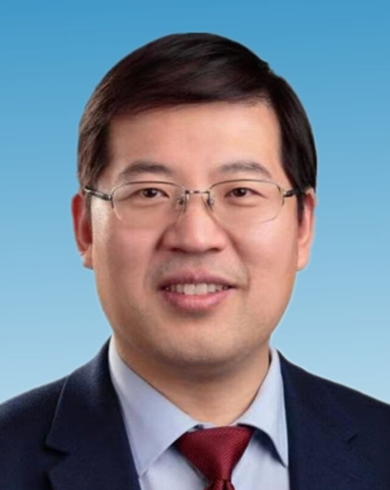 Xinbo Gao (高新波)合作论文数School of Electronic Engineering, Xidian University6
 Shulong Tan合作论文数Coupang6
 Ke Lu (鲁珂)合作论文数School of Computer Science and Engineering, University of Electronic Science and Technology of China6Wei Vivian Zhang合作论文数6