Traditional social science research often requires designing complex experiments across vast methodological spaces and depends on real human participants, making it labor-intensive, costly, and difficult to scale. Here we present S-Researcher, an LLM-agent-based platform that assists researchers in conducting social science research more efficiently and at greater scale by "siliconizing" both the research process and the participant pool. To build S-Researcher, we first develop YuLan-OneSim, a large-scale social simulation system designed around three core requirements: generality via auto-programming from natural language to executable scenarios, scalability via a distributed architecture supporting up to 100,000 concurrent agents, and reliability via feedback-driven LLM fine-tuning. Leveraging this system, S-Researcher supports researchers in designing social experiments, simulating human behavior with LLM agents, analyzing results, and generating reports, forming a complete human-AI collaborative research loop in which researchers retain oversight and intervention at every stage. We operationalize LLM simulation research paradigms into three canonical reasoning modes (induction, deduction, and abduction) and validate S-Researcher through systematic case studies: inductive reproduction of cultural dynamics consistent with Axelrod's theory, deductive testing of competing hypotheses on teacher attention validated against survey data, and abductive identification of a cooperation mechanism in public goods games confirmed by human experiments. S-Researcher establishes a new human–AI collaborative paradigm for social science, in which computational simulation augments human researchers to accelerate discovery across the full spectrum of social inquiry.
Recently, Retrieval-Augmented Generation (RAG) has achieved remarkable success in addressing the challenges of Large Language Models (LLMs) without necessitating retraining. By referencing an external knowledge base, RAG refines LLM outputs, effectively mitigating issues such as "hallucination," lack of domain-specific knowledge, and outdated information. However, the complex structure of relationships among different entities in databases presents challenges for RAG systems. In response, GraphRAG leverages structural information across entities to enable more precise and comprehensive retrieval, capturing relational knowledge and facilitating more accurate, context-aware responses. Given the novelty and potential of GraphRAG, a systematic review of current technologies is imperative. This article provides the first comprehensive overview of GraphRAG methodologies. We formalize the GraphRAG workflow, encompassing Graph-Based Indexing, Graph-Guided Retrieval, and Graph-Enhanced Generation. We then outline the core technologies and training methods at each stage. Additionally, we examine downstream tasks, application domains, evaluation methodologies, and industrial use cases of GraphRAG. Finally, we explore future research directions to inspire further inquiries and advance progress in the field. In order to track recent progress, we set up a repository at https://github.com/pengboci/GraphRAG-Survey.
Reinforcement learning for multi-step LLM agents often relies on scalar rewards that indicate success but cannot explain why a trajectory is good or bad. Rubric-based rewards improve interpretability through natural-language criteria, but existing methods share two limitations: they score at the trajectory level, offering no guidance for individual steps; and their scorer is closed-source and static, so it cannot adapt as the agent evolves during training. We propose ARCO (Adaptive Rubric CO-evolution), which generates a per-step rubric and predicts a rubric-conditioned step-level reward for each action, and continually updates this rubric model on on-policy rollouts so that its criteria and scores co-evolve with the agent's improving behavior. Across HotpotQA, 2WikiMultiHopQA, and MuSiQue with two open-source backbones, ARCO achieves the highest EM in all settings over outcome-, rubric-, and process-reward baselines, and analyses show its rubrics are step-specific, robust to design choices, and useful for diagnosing agent behavior. Code and data are available at https://github.com/zihangtian/ARCO.
Prompt optimization and fine-tuning are two major approaches to improve the performance of Large Language Models (LLMs). They enhance the capabilities of LLMs from complementary perspectives: the former through explicit natural language, and the latter through implicit parameter updates. However, prior work has typically studied them in isolation, leaving their synergistic potential largely underexplored. To bridge this gap, in this paper, we introduce MetaTuner, a novel framework that jointly integrates prompt optimization and fine-tuning for LLM training. Specifically, we introduce two neural networks to generate prompts and parameters, respectively, while allowing them to share a common bottom encoding layer to enable knowledge sharing. By the guidance of the final supervised signals, our framework is optimized to discover the optimal combinations between the prompts and parameters. Given that prompt learning involves discrete optimization while fine-tuning operates in a continuous parameter space, we design a supervised regularization loss to train our framework effectively. Extensive experiments across diverse benchmarks show that our method consistently outperforms the baselines. To benefit the research community, we have released our project at https://anonymous.4open.science/r/metatuner.
Large language model (LLM) routing aims to exploit the specialized strengths of different LLMs for diverse tasks. However, existing approaches typically focus on selecting LLM architectures while overlooking parameter settings, which are critical for task performance. In this paper, we introduce HAPS, a hierarchical LLM routing framework that jointly searches over model architectures and parameters. Specifically, we use a high-level router to select among candidate LLM architectures, and then search for the optimal parameters for the selected architectures based on a low-level router. We design a parameter generation network to share parameters between the two routers to mutually enhance their capabilities. In the training process, we design a reward-augmented objective to effectively optimize our framework. Experiments on two commonly used benchmarks show that HAPS consistently outperforms strong routing baselines. We have released our code at https://github.com/zihangtian/HAPS.
Multi-agent architectures built on large language models (LLMs) have demonstrated the potential to realize swarm intelligence through well-crafted collaboration. However, the substantial burden of manual orchestration inherently raises an imperative to automate the design of agentic workflows. We frame such an agent coordination challenge as a classic problem in dynamic ad-hoc networking: How to establish adaptive and reliable communication among a scalable number of agentic hosts? In response to this unresolved dilemma, we introduce RAPS, a reputation-aware publish-subscribe paradigm for adaptive, scalable, and robust coordination of LLM agents. RAPS is grounded in the Distributed Publish-Subscribe Protocol, allowing LLM agents to exchange messages based on their declared intents rather than predefined topologies. Beyond this substrate, RAPS further incorporates two coherent overlays: (i) Reactive Subscription, enabling agents to dynamically refine their intents; and (ii) Bayesian Reputation, empowering each agent with a local watchdog to detect and isolate malicious peers. Extensive experiments over five benchmarks showcase that our design effectively reconciles adaptivity, scalability, and robustness in a unified multi-agent coordination framework.
Large language model (LLM)-based agents have recently attracted much attention from the research and industry communities. Compared with original LLMs, LLM-based agents are featured in their self-evolving capability, which is the basis for solving real-world problems that need long-term and complex agent-environment interactions. The key component to support agent-environment interactions is the memory of the agents. While previous studies have proposed many promising memory mechanisms, they are scattered in different papers, and there lacks a systematical review to summarize and compare these works from a holistic perspective, failing to abstract common and effective designing patterns for inspiring future studies. To bridge this gap, in this article, we propose a comprehensive survey on the memory mechanism of LLM-based agents. In specific, we first discuss "what is" and "why do we need" the memory in LLM-based agents. Then, we systematically review previous studies on how to design and evaluate the memory module. In addition, we also present many agent applications, where the memory module plays an important role. At last, we analyze the limitations of existing work and show important future directions. To keep up with the latest advances in this field, we create a repository at https://github.com/nuster1128/LLM_Agent_Memory_Survey.
Leveraging large language model (LLM) based agents to simulate human social behaviors has recently gained significant attention. In this paper, we introduce a novel social simulator called YuLan-OneSim. Compared to previous works, YuLan-OneSim distinguishes itself in five key aspects: (1) Code-free scenario construction: Users can simply describe and refine their simulation scenarios through natural language interactions with our simulator. All simulation code is automatically generated, significantly reducing the need for programming expertise. (2) Comprehensive default scenarios: We implement 50 default simulation scenarios spanning 8 domains, including economics, sociology, politics, psychology, organization, demographics, law, and communication, broadening access for a diverse range of social researchers. (3) Evolvable simulation: Our simulator is capable of receiving external feedback and automatically fine-tuning the backbone LLMs, significantly enhancing the simulation quality. (4) Large-scale simulation: By developing a fully responsive agent framework and a distributed simulation architecture, our simulator can handle up to 100,000 agents, ensuring more stable and reliable simulation results. (5) AI social researcher: Leveraging the above features, we develop an AI social researcher. Users only need to propose a research topic, and the AI researcher will automatically analyze the input, construct simulation environments, summarize results, generate technical reports, review and refine the reports–completing the social science research loop. To demonstrate the advantages of YuLan-OneSim, we conduct experiments to evaluate the quality of the automatically generated scenarios, the reliability, efficiency, and scalability of the simulation process, as well as the performance of the AI social researcher.
LLM-based agents have been extensively applied across various domains, where memory stands out as one of their most essential capabilities. Previous memory mechanisms of LLM-based agents are manually predefined by human experts, leading to higher labor costs and suboptimal performance. In addition, these methods overlook the memory cycle effect in interactive scenarios, which is critical to optimizing LLM-based agents for specific environments. To address these challenges, in this paper, we propose to optimize LLM-based agents with an adaptive and data-driven memory framework by modeling memory cycles. Specifically, we design an MoE gate function to facilitate memory retrieval, propose a learnable aggregation process to improve memory utilization, and develop task-specific reflection to adapt memory storage. Our memory framework empowers LLM-based agents to learn how to memorize information effectively in specific environments, with both off-policy and on-policy optimization. In order to evaluate the effectiveness of our proposed methods, we conduct comprehensive experiments across multiple aspects. To benefit the research community in this area, we release our project at https://github.com/nuster1128/learn_to_memorize.
Current Large Language Models (LLMs) are confronted with overwhelming information volume when comprehending long-form documents. This challenge raises the imperative of a cohesive memory module, which can elevate vanilla LLMs into autonomous reading agents. Despite the emergence of some heuristic approaches, a systematic design principle remains absent. To fill this void, we draw inspiration from Jean Piaget's Constructivist Theory, illuminating three traits of the agentic memory---structured schemata, flexible assimilation, and dynamic accommodation. This blueprint forges a clear path toward a more robust and efficient memory system for LLM-based reading comprehension. To this end, we develop CAM, a prototype implementation of Constructivist Agentic Memory that simultaneously embodies the structurality, flexibility, and dynamicity. At its core, CAM is endowed with an incremental overlapping clustering algorithm for structured memory development, supporting both coherent hierarchical summarization and online batch integration. During inference, CAM adaptively explores the memory structure to activate query-relevant information for contextual response, akin to the human associative process. Compared to existing approaches, our design demonstrates dual advantages in both performance and efficiency across diverse long-text reading comprehension tasks, including question answering, query-based summarization, and claim verification.
With the merits of their distribution generation and diversity representation, diffusion models have achieved remarkable success in the field of recommendation. However, applying diffusion models for generating user interactions may carry the risk of erasing users' personalized information, degrading the recommendation accuracy and the user satisfaction. Therefore, it becomes imperative to integrate additional information to guide the generation process of diffusion models. In light of this, we propose a conditional Diffusion model with User Preference guidance (DiffUP), which considers introducing user preference information into diffusion models for controllable generation. Firstly, we propose to construct step-aware noisy graphs under each reverse step and utilize the high-order user embeddings obtained from a holistic view. Furthermore, we design a cluster-based classifier-free guidance method, in which we cluster users and elaborate the class information as a preference signal. We also extend our method to the latent diffusion model, termed L-DiffUP. Extensive experiments on four real-world datasets demonstrate the superiority of our methods.
Recently, GraphRAG systems have achieved remarkable progress in enhancing the performance and reliability of large language models (LLMs). However, most previous benchmarks are template-based and primarily focus on few-entity queries, which are monotypic and simplistic, failing to offer comprehensive and robust assessments. Besides, the lack of ground-truth reasoning paths also hinders the assessments of different components in GraphRAG systems. To address these limitations, we propose M³GQA, a complex, diverse, and high-quality GraphRAG benchmark focusing on multi-entity queries, with six distinct settings for comprehensive evaluation. In order to construct diverse data with semantically correct ground-truth reasoning paths, we introduce a novel reasoning-driven four-step data construction method, including tree sampling, reasoning path backtracking, query creation, and multi-stage refinement and filtering. Extensive experiments demonstrate that M³GQA effectively reflects the capabilities of GraphRAG methods, offering valuable insights into the model performance and reliability. By pushing the boundaries of current methods, M³GQA establishes a comprehensive, robust, and reliable benchmark for advancing GraphRAG research.
Explainable recommendation has gained significant attention due to its potential to enhance user trust and system transparency. Previous studies primarily focus on refining model architectures to generate more informative explanations, assuming that the explanation data is sufficient and easy to acquire. However, in practice, obtaining the ground truth for explanations can be costly since individuals may not be inclined to put additional efforts to provide behavior explanations. In this paper, we study a novel problem in the field of explainable recommendation, that is, “given a limited budget to incentivize users to provide behavior explanations, how to effectively collect data such that the downstream models can be better optimized?” To solve this problem, we propose an active learning framework for recommender system, which consists of an acquisition function for sample collection and an explainable recommendation model to provide the final results. We consider both uncertainty and influence based strategies to design the acquisition function, which can determine the sample effectiveness from complementary perspectives. To demonstrate the effectiveness of our framework, we conduct extensive experiments based on real-world datasets.
Commonsense question answering is a crucial task that requires machines to employ reasoning according to commonsense. Previous studies predominantly employ an extracting-and-modeling paradigm to harness the information in KG, which first extracts relevant subgraphs based on pre-defined rules and then proceeds to design various strategies aiming to improve the representations and fusion of the extracted structural knowledge. Despite their effectiveness, there are still two challenges. On one hand, subgraphs extracted by rule-based methods may have the potential to overlook critical nodes and result in uncontrollable subgraph size. On the other hand, the misalignment between graph and text modalities undermines the effectiveness of knowledge fusion, ultimately impacting the task performance. To deal with the problems above, we propose a novel framework: Subgraph REtrieval Enhanced by GraPh-Text Alignment, named SEPTA. Firstly, we transform the knowledge graph into a database of subgraph vectors and propose a BFS-style subgraph sampling strategy to avoid information loss, leveraging the analogy between BFS and the message-passing mechanism. In addition, we propose a bidirectional contrastive learning approach for graph-text alignment, which effectively enhances both subgraph retrieval and knowledge fusion. Finally, all the retrieved information is combined for reasoning in the prediction module. Extensive experiments on five datasets demonstrate the effectiveness and robustness of our framework.
Benefiting from the powerful language expression and planning capabilities of Large Language Models (LLMs), LLM-based autonomous agents have achieved promising performance in various downstream tasks. Recently, based on the development of single-agent systems, researchers propose to construct LLM-based multi-agent systems to tackle more complicated tasks. In this paper, we propose a novel framework, named COPPER, to enhance the collaborative capabilities of LLM-based agents with the self-reflection mechanism. To improve the quality of reflections, we propose to fine-tune a shared reflector, which automatically tunes the prompts of actor models using our counterfactual PPO mechanism. On the one hand, we propose counterfactual rewards to assess the contribution of a single agent’s reflection within the system, alleviating the credit assignment problem. On the other hand, we propose to train a shared reflector, which enables the reflector to generate personalized reflections according to agent roles, while reducing the computational resource requirements and improving training stability. We conduct experiments on three datasets to evaluate the performance of our model in multi-hop question answering, mathematics, and chess scenarios. Experimental results show that COPPER possesses stronger reflection capabilities and exhibits excellent generalization performance across different actor models.
Explaining recommendation with natural languages has shown to be an effective strategy to improve the recommendation pervasiveness and user satisfaction. While recent years have witnessed many promising models, they mostly consider the user-item interactions as independent samples. However, in real-world scenarios, the user preference is always dynamic and evolving, and the current user behaviors may have strong correlations with the previous ones. To bridge this gap, in this paper, we propose to build an explainable recommender model by considering the user dynamic preference. Our general idea is to build a sequential model to capture the user history behaviors, and then the explanations are generated by summarizing all the past interactions. In specific, we firstly deploy two independent components to model the user sequential interactions and reviews separately. Then, we design a duration-aware attention mechanism to discriminate the importance of different items and reviews. For more effectively modeling the history information, we introduce a denoising module to remove the user behaviors which are less important for the current prediction. We conduct extensive experiments to demonstrate the effectiveness of our model based on three real-world datasets, in which the best performance can be improved by about 13.3%, 6.5%, 5.0% and 1.9% on the metrics of BLEU-1, ROUGE-1, ROUGE-2 and MAE, respectively. In addition, we also evaluate the generated explanations from both qualitative and qualitative perspectives.
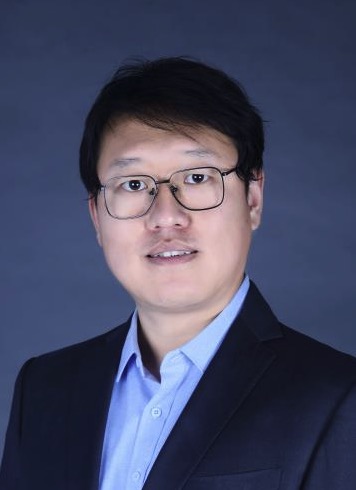 Xu Chen (陈旭)合作论文数Gaoling School of Artificial Intelligence, Renmin University of China12
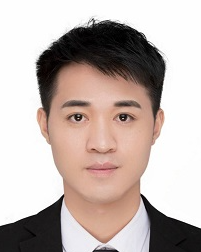 Quanyu Dai (戴全宇)合作论文数Noah's Ark Lab, Huawei Technologies7
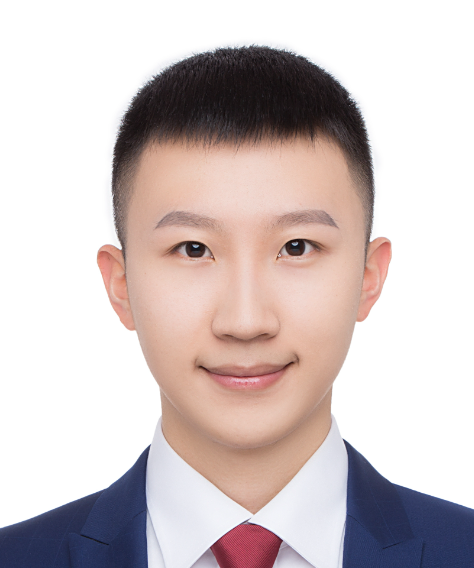 Zeyu Zhang合作论文数AI Engine Lab, Gaoling School of Artificial Intelligence, Renmin University of China;NExT++ Research Center, National University of Singapore6
 Zhenhua Dong合作论文数Foundation Model System Engineering Lab, Huawei5
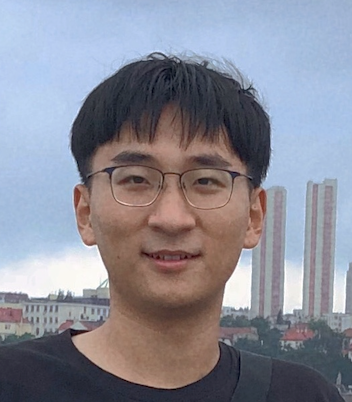 Jingsen Zhang (张景森)合作论文数Gaoling School of Artificial Intelligence, Renmin University of China4
 Ji-Rong Wen (文继荣)合作论文数Gaoling School of Artificial Intelligence, Renmin University of China4
 Lei Wang合作论文数3
 Chuntao Hong (洪春桃)合作论文数3
 Yan Zhang (张岩)合作论文数The Center for Information Science, School of Intelligence Science and Technology, Peking University3
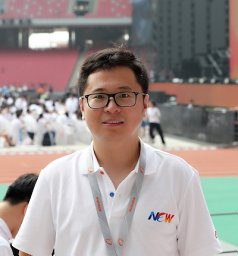 Yongchao Liu合作论文数School of Computer Engineering, Nanyang Technological University3Heyang Gao合作论文数2
 Boci Peng合作论文数2Rui Li合作论文数Microsoft2
 Ruiming Tang (唐睿明)合作论文数Kuaishou Technology2
 Yun Zhu (朱赟)合作论文数School of Computer Science and Technology, Zhejiang University2
 Chen Ma (马辰)合作论文数Department of Computer Science, College of Engineering, City University of Hong Kong2Siliang Tang (汤斯亮)合作论文数College of Computer Science and Technology, Zhejiang University1Zihang Tian合作论文数1Xuanbo Fan合作论文数1Jiaxin Guo合作论文数1Chenxi Wang合作论文数1
 Zexu Sun合作论文数Baidu1Xueyang Feng合作论文数Gaoling School of Articial Intelligence, Renmin University of China1
 Chen Xu (徐晨)合作论文数IIR Lab, Gaoling School of Artificial Intelligence, Renmin University of China1Baokun Wang合作论文数1Sheng Tian合作论文数Ant Group1
 Jiayan Guo合作论文数Alibaba DAMO Academy, Alibaba Group1
 Chaozhuo Li (李朝卓)合作论文数Microsoft Research Asia1
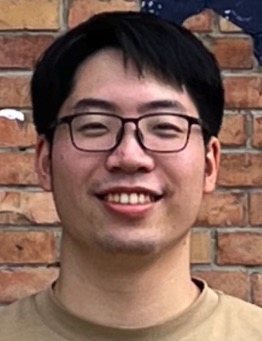 Haizhou Shi (史海舟)合作论文数Department of Computer Science, School of Arts and Sciences, Rutgers, The State University of New Jersey;ML Lab, Rutgers, The State University of New Jersey;Salesforce AI Research1
 Jieming Zhu (朱杰明)合作论文数Huawei 2012 Labs1




