Abstract The environmental release and redistribution of perfluoroalkyl acids (PFAAs) are critical for understanding their cycling in remote regions, yet the processes governing their fate in riverine systems remain poorly resolved. Here, we investigate PFAAs along the full river continuum of the Yarlung Tsangpo River (YTR), from glacial headwaters to downstream reaches within China. Short-chain PFAAs dominate the upper reaches of the YTR, primarily due to glacial inputs from headwaters, whereas long-chain PFAAs (C8–C10) are enriched in the upper and middle reaches. Multivariate analyses, including self-organizing maps, spatial autocorrelation, and correlations with water quality parameters, indicate that long-chain PFAAs are strongly associated with suspended particulate matter and exhibit greater spatial connectivity and compositional similarity, likely driven by soil erosion and fluvial transport. Partial least-squares path modeling (PLS-PM) further highlights the important roles of freeze–thaw and wind erosion in mobilizing PFAAs into the river network. These findings underscore the importance of natural dynamics in driving PFAA inputs and redistribution in remote watersheds and provide a scientific basis for riverine contaminant management and the development of sustainable mitigation strategies.
Glaciers are critical freshwater reservoirs, yet their vulnerability to emerging contaminants remains poorly understood. Here, we investigated metal nanoparticles (MNPs) in snowpacks and runoffs from five glaciers of the southern Qinghai-Tibetan Plateau, revealing widespread presence, with Ti NPs and Al NPs predominating (up to 6983 and 111.5 ng L-1, respectively). Single-particle analysis shows downstream accumulation and size enlargement of MNPs in glacial runoffs, significantly correlated with hydrodynamic conditions, underscoring the role of runoff dynamics in shaping MNP transport and retention. Laboratory experiments indicate that environmentally relevant concentrations of individual or combined MNPs did not significantly inhibit Chlorella sp. growth, whereas exposure to Ti NPs at around 15-fold the maximum detected concentration causes marked growth inhibition, suggesting current levels may be approaching a potential ecological risk threshold. Our study provides comprehensive insight into the occurrence, fate, and ecological risk of human-derived MNPs in remote glacier environments, highlighting the importance of global strategies to safeguard high-altitude freshwater resources and ecosystem health from emerging contaminants.
Plastic agricultural films (PAFs) are widely used to enhance crop productivity, with global use projected to reach 9–14 million tonnes (Mt) per year by 2030. However, their use has led to contamination of soils with microplastics (MPs), nanoplastics and associated chemical additives. In this Review, we synthesize evidence on the global use of PAFs, their environmental fate and strategies to enhance their sustainable application. PAFs deliver substantial agronomic benefits, enhancing crop yields by 7–48% and soil water retention by 9–25%. However, films fragment and degrade under physical erosion, elevated ultraviolet radiation, temperature, humidity, and microbial and faunal activity. As a result, PAF use generates 3–5 Mt yr−1 of largely unmanaged waste, contributing to widespread plastic pollution in agricultural soils. For example, MP concentrations can reach ~13,000 items per kilogram, with PAFs accounting for 10–30%. Conventional polyethylene films degrade slowly and primarily undergo physical fragmentation, whereas biodegradable films fragment more rapidly, with cases of ~30% converted to MPs within 2 years. However, complete mineralization remains limited even for biodegradable materials. Additives in PAFs, including poorly characterized non-intentionally added substances, further increase environmental and toxicological risks, and their release varies substantially with environmental conditions and film type. MPs and additives affect soil health, crop yields and nutrient cycles. Mitigation strategies include substitution with safer additives, developing biodegradable waste-derived bio-based polymers, and conventional film recycling. Future work should improve field monitoring, develop a global database of PAF use and composition, and implement policy innovations to support sustainable PAF systems. Plastic agricultural films enhance crop productivity and support food security, but their use also contaminates soils with plastics and chemical additives. This Review examines the global production and use of agricultural films, their environmental impacts, and strategies to support their sustainable production and use.
We report the first definitive neutron diffraction study aimed at resolving the P-OH/PO structural ambiguity in metal dithiophosphonates. The small NH4 counterion forces a rare syn-configuration via an extended hydrogen-bonding network. Neutron analysis definitively confirmed the fully deprotonated PO moiety, thus confirming the formation of a dianionic dithiophosphonate, a versatile synthon in homoleptic and heteroleptic coordination environments.
Solid-state superionic conductors are characterized by rich structural disorders. Though structural complexities are central to their functionalities, they often give rise to short-range order that eludes detection by conventional diffraction-based techniques and is thus overlooked in establishing precise structure-property relationships. In this work, we synthesized single crystals of a recently discovered lithium (Li) superionic conductor Li16.2(1)In9.00(2)Sn1.10(1)O23.8 (LISO) for in-depth characterizations of structural subtleties. LISO exhibits an unusual spinel-like phase with significant Li overstoichiometry and a face-sharing Li network. Single-crystal neutron diffraction confirms significant Li disorder, as manifested in Li site splitting and partial occupancy. More importantly, synchrotron diffuse scattering combined with 3D-ΔPDF analysis and Monte Carlo simulations reveal short-range order in the nonalkali framework that might contribute to the phase stability and ionic conductivity. This work showcases an example in which subtle local energetics can be directly visualized in structurally disordered ionic conductors.
Atomically precise metal nanoclusters (NCs) provide a unique platform for exploring structure-property correlations; however, achieving high photoluminescence quantum yields (PLQYs) in solution remains a significant challenge. While core-doping with heavy atoms, such as gold, is a proven strategy to enhance emission via the "heavy atom effect," the role of peripheral ligand shell engineering in modulating inter-cluster interactions and structural dynamics is less explored. Herein, we report a strategic ligand-engineering approach to improve the photoluminescence of gold-centered, copper-rich nanoclusters (Au@Cu12). Incorporating a single fluorine atom at the para position of the aromatic alkynyl ligands, we synthesized two structural isomers: [AuCu12{S2P(OiPr)2}6(CCPhF)4]+ (1 F) and [AuCu12{S2P(OnPr)2}6(CCPhF)4]+ (2 F). Structural characterization, including high-precision single-crystal neutron diffraction, reveals that the strategic fluorine "anchor" introduces a network of hydrogen bonding interactions that effectively restrict surface conformational motion. 2 F achieves an exceptional PLQY of 79% in solution, significantly surpassing its non-fluorinated predecessor (55%). Our findings demonstrate that subtle surface modifications can lead to significant improvements in optical performance.
The Qinghai-Tibet Plateau (QTP) is a representative alpine arid region characterized by arsenic (As) enrichment and selenium (Se) deficiency in soils. This poses a severe threat to public health, yet the mechanisms driving this antagonistic distribution remain poorly understood. Here, we developed a Geographically Weighted Regression and Light Gradient Boosting Machine (GWR-LightGBM) model, combined with SHAP interpretation and health risk assessment, to systematically investigate the spatial patterns, drivers, and health implications of soil As and Se. The GWR-LightGBM model significantly outperformed machine learning and geostatistical models, improving the R2 for As prediction to 0.60 and confirming spatial non-stationarity as a critical bottleneck. The results reveal that over 99.95% of the study area exhibits As enrichment coupled with Se depletion. This pattern is primarily attributable to lithological inheritance, while aridity, warming, and topography further drive the divergent responses of As and Se by promoting As desorption and enrichment but accelerating Se leaching and volatilization. The health risk assessment shows that As poses no immediate high risk, yet widespread Se deficiency (26.04% of samples < 0.125 mg/kg) is a greater concern. These findings support region-specific management strategies: Se biofortification in deficient areas and As source control in high-risk zones.
Climate warming is changing elemental dynamics in alpine headwater rivers. The Tibetan Plateau, known as the Asian Water Tower, is characterized by naturally high arsenic (As) levels. However, the spatiotemporal dynamics and future concentration-exceedance probability-flux changes of As under warming remain poorly understood. Here, we conducted high-frequency monitoring of As in river water and suspended particulate matter (SPM) at eight hydrological stations spanning the Sanjiangyuan region. Results show river water As decreases during floods periods, whereas SPM-As peaks during drought periods, with the highest levels in the Yangtze headwaters. Machine learning models, including Random Forest (RF), XGBoost, Support Vector Machine (SVM), and K-Nearest Neighbors (KNN), identified climate variables as dominant drivers of As concentrations and exceedance probabilities across river water, groundwater, and SPM. Under future climate scenarios, As concentrations in river water and SPM are projected to increase more rapidly after 2040, reaching 5.1 - 5.7 μg/L and 88 - 93 mg/kg, respectively, by 2050. The total As flux from river water and SPM, currently ∼1800 t, is predicted to increase to approximately 2314 - 2744 t by 2050. This study enhances our understanding of As dynamics in the Sanjiangyuan region, with implications for alpine rivers in Asia and globally.
Glaciers are recognized as secondary sources of per- and polyfluoroalkyl substances (PFAS) in a warming climate. Yet, the process governing the release of legacy PFAS from glaciers and the occurrence of their emerging homologues in the meltwater remain insufficiently characterized. Here, we measured glacial meltwater from Mt. Everest at elevations of 4,400-5,300 m using a combination of target quantification, the total oxidizable precursor (TOP) assay, and nontarget analysis. Short-chain PFAS, particularly perfluorobutanoic acid (PFBA), dominated at all sites, accounting for over 88% of the total PFAS concentrations. Furthermore, hydrological processes, rather than solar radiation, drive the release of PFAS from glaciers. A modest (∼25%) increase in concentration after the TOP assay suggests a limited pool of oxidizable PFAS precursors in the meltwater. Follow-up nontarget analysis identified four hydrogen-substituted perfluoroalkyl carboxylic acids (H-PFCAs; C5, C7, C8, and C9) and three hydrogen-substituted perfluoroalkanesulfonates (H-PFSAs; C6, C7, and C8). To our knowledge, this is the first study to report the presence of emerging hydrogen-substituted PFAS in glacial meltwater. These findings expand the known suite of PFAS in the cryosphere and underscore the need for optimized analytical strategies to detect trace-level emerging PFAS in high-altitude environments.
Here we present our synthesis and characterization of the LnTi_3(Sb,Sn)_4 (Ln: Ce, Pr, Nd, Sm, Gd) family of cleavable kagome metals. While these materials are isostructural to the LnTi_3Bi_4 family, they only form as (Sb,Sn) solid-solutions with no corresponding LnTi_3Sb_4 or LnTi_3Sn_4 phases. We use a combination of first-principles density functional theory (DFT) and Crystal Orbital Hamilton Population (COHP) calculations to show that (Sb,Sn) alloying has a stabilizing effect on the structure by adjusting the Fermi level, filling bonding states, depopulating antibonding states, and adjusting the density-of-states (DOS) towards local minima, an effect we call “synergistic doping.” The tunable Fermi level also has a profound effect on the magnetism, which we demonstrate through a detailed characterization of the SmTi_3(Sb,Sn)_4 series. The series hosts multiple magnetic ground states resulting from competing magnetic interactions that are tunable by the (Sb,Sn) ratio. While the focus of this work is on SmTi_3(Sb,Sn)_4, we briefly comment on the (Sb,Sn) solubility range and the conferred magnetic tunability in the other rare-earths compounds (Ln: Ce, Pr, Nd, Gd) as well. Our work demonstrates how the (Sb,Sn) synergistic pair can be used to stabilize the LnTi_3(Sb,Sn)_4 structure while simultaneously providing a means to tune the magnetism, ultimately providing a potential route to develop new intermetallics with chemical, magnetic, and electronic tunability.
Single-molecule toroics (SMTs) offer a unique platform for next-generation quantum devices utilizing head-to-tail spin alignments in the compounds. Presence of toroidal moments in SMTs has been essentially based on magnetometry and ab initio calculations. Here, we report observation and probe of the toroidal moment in [Dy3(OH)(teaH2)3(paa)3]Cl(OMe) [teaH3: triethanolamine; paaH: N-(2-pyridyl)-acetoacetamide] from mapping of Dy3+ magnetic susceptibility tensors by polarized neutron diffraction (PND). Neutron diffraction under variable magnetic fields demonstrates field-induced magnetization along the c-axis with toroidal moments anti-parallelly stacked, providing definite proof of the toroidal moment. Magnetometry studies confirm the toroidal ground state. For the first time, the combined use of PND, variable-field neutron diffraction, ab initio calculations, and magnetometry is introduced as a robust and quantitative methodology to probe molecular-scale toroidal magnetism. This integrated approach overcomes limitations of earlier indirect methods, establishes a benchmark framework for investigating SMTs, and provides valuable insights for the design of molecular quantum materials.
The Tibetan Plateau has a distinctive high-As and low-Se geochemical background. This geochemical characteristic can be transferred to the human body via food intake, thereby posing potential health risks. Conventional assessments based only on total elemental concentrations may not reflect the fraction released during gastrointestinal digestion. In this study, the Unified Bioaccessibility Method (UBM) was combined with Monte Carlo simulation to evaluate dietary As exposure and Se intake from typical Tibetan foods. The results showed a low dietary Se/As ratio of 0.80, far below the national average of 4.35. Bioaccessibility-adjusted modeling reduced estimated As exposure, but carcinogenic risk remained above 10-4 in all age groups, with the highest mean risk in children. Estimated Se intake was also below the recommended level. After simulated gastrointestinal digestion, the As-Se correlation increased from r = 0.40 to 0.58, indicating a stronger postdigestion association. These findings highlight the need to incorporate bioaccessibility into dietary exposure assessment and suggest that Tibetan populations may face both elevated As-related risk and insufficient Se intake.
Locating hydrides is crucial in organometallic chemistry but difficult to do accurately using X-ray diffraction. Electron diffraction has been proposed as a way to overcome this problem but has not been systematically compared to neutron diffraction and to quantum crystallography (Hirshfeld atom refinement, HAR) to test this hypothesis. Here, we present a comparative analysis of methods for a terminal cobalt hydride complex by comparing a single-crystal neutron diffraction reference structure to results from single-crystal X-ray diffraction with and without Hirshfeld atom refinement (HAR, NoSpherA2), density functional theory (DFT), and electron diffraction (3D-ED/MicroED) refined under kinematical and dynamical formalisms. Conventional X-ray diffraction gives lower precision than neutron diffraction as expected. Despite expected improvements, HAR gives systematic deviation from the neutron benchmark. Interestingly, optimized DFT equilibrium geometries are closer to the neutron value than the value from HAR. On the other hand, electron diffraction with a high-quality data set coupled with dynamical refinement localizes the hydride in difference maps and gives excellent agreement with the neutron data. Dynamical refinement is crucial, as kinematical refinement does not allow assignment of a hydride peak. This cross-modal comparison defines the conditions under which 3D-ED/MicroED delivers high-precision metal-hydride distances for this open-shell cobalt hydride.
Large-scale facilities increasingly face analysis and reporting latency as a limiting step in scientific throughput, particularly for structural studies that require iterative reduction, integration, refinement and validation. To improve the time to result and analysis efficiency, NeuDiff Agent is introduced as a governed, tool-using AI workflow for TOPAZ at the Spallation Neutron Source. NeuDiff Agent takes instrument data through reduction, integration, refinement and validation to a validated crystal structure and a publication-ready CIF. NeuDiff Agent coordinates established crystallographic tools under explicit governance by restricting actions to allowlisted tools, enforcing fail-closed verification gates at key workflow boundaries, and capturing complete provenance for inspection, auditing and controlled replay. The present benchmark is limited to structural crystallography for periodic structures; magnetic structure analysis and incommensurate or superspace refinement are outside the scope of the current workflow. Performance is assessed using a fixed prompt protocol and repeated end-to-end runs with two large language model backends, with user and machine time partitioned and intervention burden and recovery behaviors quantified under gating. In a reference-case benchmark, NeuDiff Agent reduces wall time from 435 min (manual) to 86.5 ± 4.7 to 94.4 ± 3.5 min (4.6-5.0× faster) while producing a validated CIF with no checkCIF level A or B alerts. These results establish a practical route to deploy agentic AI in facility crystallography while preserving traceability and publication-facing validation requirements.
Single crystals of AgInCr4S8 are grown by chemical vapor transport and crystallographic ordering of Ag/In that results in a breathing pyrochlore motif of Cr3+ is verified by x-ray and neutron diffraction. Long-range antiferromagnetic order is observed below a N & eacute;el temperature of TN 9.6 K. The magnetic properties are characterized using ac and dc magnetization, specific heat capacity, and single crystal neutron diffraction measurements. The specific heat data are characterized by a small lambda anomaly near 9.5 K and the estimated magnetic entropy reaches 31 of the expected value by 3TN, suggesting significant short-range order in the paramagnetic phase. Single crystal neutron diffraction evidences an incommensurate spin structure with propagation vector k = (0,0,delta) and delta = 0.343 at 5 K. The minimal model that accounts for the data consists of ferromagnetic layers of Cr atoms, with magnetic moments lying in the plane of the layers and modulating in the perpendicular direction to form a helical structure propagating along k. This study represents a rare investigation of single crystals within the family of breathing pyrochlore materials.
As the largest component of the global cryosphere, permafrost regions serve as major reservoirs for perfluoroalkyl substances. Climate change is altering cryospheric hydrological processes and pollutant transport, yet their impacts on the distribution of perfluoroalkyl substances in surface waters remain poorly understood. Here we show that intensified permafrost degradation and reduced vegetation cover substantially increase the risk of perfluoroalkyl substance contamination across global permafrost regions. By integrating environmental observations with machine learning approaches, we identify the northwestern Tibetan Plateau, Mongolia and the pan-Arctic as current contamination hotspots. Furthermore, continued deepening of the active layer under future climate scenarios increases contamination risks, particularly in a high-risk zone spanning Mongolia and northeastern China. Our findings reveal the role of climate-driven permafrost degradation in reshaping persistent pollutant distributions and provide critical insights for early warning, long-term monitoring and sustainable management of vulnerable cryospheric environments. Intensified permafrost degradation and reduced vegetation cover are projected to increase the likelihood of perfluoroalkyl acid (PFAA) exceedance in surface waters across permafrost regions, according to a machine-learning study that mapped the global distribution of PFAAs and their congeners.
The ash and burnt soil could release pollutants in a long term after forest fires, which poses health risks to ecosystems and human population. To date, our understanding of residues and release of organochlorine pollutants (OCPs) from ash and burnt soil after forest fires remains limited. In this study, a simulated fire via the burning of litter, grass, and humus was conducted in the Tibetan forest, while ashes and soil profiles after an actual fire event were sampled in half a year and three years after the fire. It was found that the ash-residue OCPs accounted up to 40 % of the total observed OCPs (both in ash and in air) after fire, and with the subsequent continuous release, the concentrations of OCPs in ash and burnt soil decreased more than one order of magnitude in the three years after the fire. The burning enhanced the migrations of OCPs on and in soil, and also pushed the redistribution of OCPs between soil organic matters and black carbon. Rainfall was considered as the key driving factor of OCP migration and re-partitioning, and dissolved organic carbon (DOC) might be the primary "carrier" of OCPs migration and redistribution. These results highlight the role of ash and burnt soil in the OCP releases, and under the situation of OCP reduction globally, the long-term sources of OCPs from forest fires cannot be ignored.
Climate warming is accelerating glacier melting, releasing human-made chemicals that have been trapped in glaciers for decades. Among these are perfluoroalkyl acids (PFAAs), highly persistent and toxic pollutants that threaten aquatic ecosystems, fisheries, and human health. Despite global efforts to curb PFAA emissions, their continued release from melting glaciers represents a legacy source that remains unquantified on a global scale. Here, we combine field and literature data with machine learning and a glacial mass balance model to estimate current and future PFAA fluxes via both dissolved and particle-bound phases. We find that global glaciers release approximately 3,500 kg of PFAAs annually, with suspended particles contributing around 12% of this amount. Projected trends suggest future release potential will rapidly boom through 2040 under extreme climate warming. These findings fill a critical gap in the global PFAA budget and underscore the urgency of coordinated action on both legacy pollutant management and climate mitigation.
 Ping Gong (龚平)合作论文数Institute of Tibetan Plateau Research, Chinese Academy of Sciences;University of Chinese Academy of Sciences79
 F. Albert Cotton合作论文数Texas A&M University54
 Chuanfei Wang合作论文数45
 Carlos Murillo合作论文数Department of Chemistry, Texas A&M University;The University of Texas at El Paso44
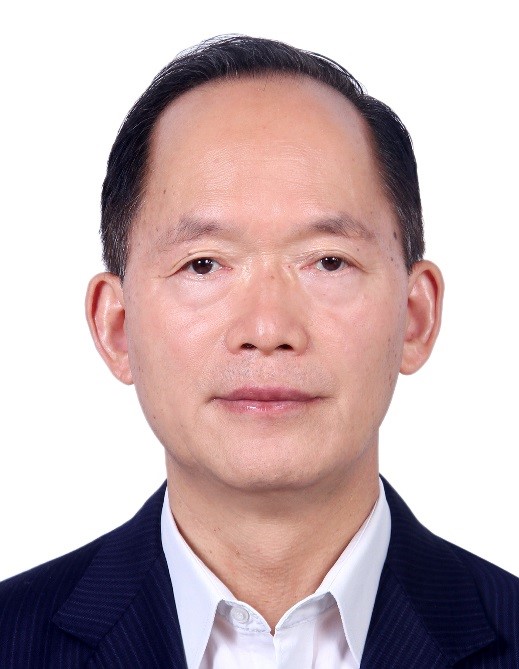 Tandong Yao (姚檀栋)合作论文数Institute of Tibetan Plateau Research, Chinese Academy of Sciences39
 Yunqiao Zhou (周云桥)合作论文数College of Resources and Environmental Sciences, China Agricultural University29
 Chongguo Tian (田崇国)合作论文数26
 Huike Dong合作论文数23
 Gan Zhang (张干)合作论文数Guangzhou Institute of Geochemistry, Chinese Academy of Sciences23
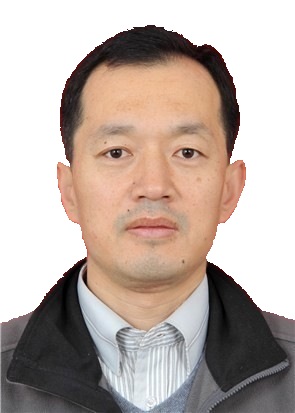 Jun Li (李军)合作论文数长江大学22
 Zheng Zong (宗政)合作论文数Environment Research Institute, Shandong University22Christina Hoffmann合作论文数21
 Yingjun Chen (陈颖军)合作论文数Department of Environmental Science and Engineering, Fudan University18Jiao Ren (任娇)合作论文数18
 Michael G. Richmond合作论文数University of North Texas18
 Lee M. Daniels合作论文数Laboratory for Molecular Structure and Bonding, Texas A&M University15
 Shichang Kang (康世昌)合作论文数State Key Laboratory of Cryospheric Sciences, Northwest Institute of Eco-Environment and Resources, Chinese Academy of Sciences;Cold and Arid Regions Environmental and Engineering Research Institute, Chinese Academy of Sciences;University of Chinese Academy of Sciences14
 Mohammad A. Omary合作论文数Department of Chemistry;Uni Versity of Maine;Department of Chemistry, Uni Versity of Maine14
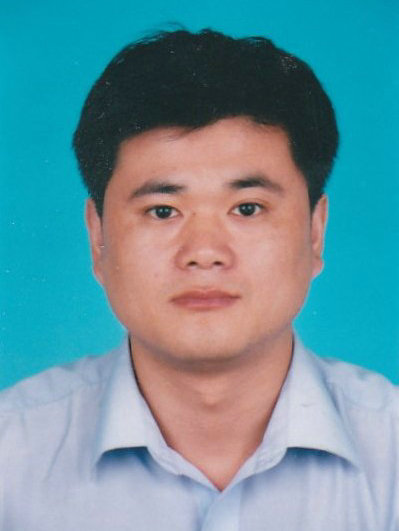 Zhiyuan Cong (丛志远)合作论文数Institute of Tibetan Plateau Research, Chinese Academy of Sciences;University of Chinese Academy of Sciences14
 Arthur J. Schultz合作论文数13Shaopeng Gao合作论文数12
 Rodolphe Clérac合作论文数Centre de Recherche Paul Pascal12Liao Jian-Hong合作论文数11
 Jean-Yves Saillard合作论文数Institut des Sciences Chimiques de Rennes, Université de Rennes11Jianjie Fu (傅建捷)合作论文数11Samia Kahlal合作论文数11Vladimir N. Nesterov合作论文数11Mengke Chen合作论文数10Xue Yonggang合作论文数10
 Balram Pokhrel合作论文数Department of Chemical Science and Engineering, Kathmandu University9Chi Yang合作论文数9
 Jiujiang Sheng合作论文数9
 Chen-Wei Liu合作论文数8
 Jianhui Tang (唐建辉)合作论文数中国科学院大学烟台海岸带研究所8
 Javed Nawab合作论文数Department of Environmental Sciences, University of Peshawar8
 Ziling (Ben) Xue (薛子陵)合作论文数Department of Chemistry, The University of Tennessee8
 Kim Dunbar合作论文数Department of Chemistry, College of Arts & Sciences, Texas A&M University8
 Rong Sun (孙蓉)合作论文数Shenzhen Institute of Advanced Technology, Chinese Academy of Sciences;University of Chinese Academy of Sciences7
 Naresh Dalal合作论文数Department of Chemistry & Biochemistry, Florida State University7
 Baiqing Xu (徐柏青)合作论文数Institute of Tibetan Plateau Research, Chinese Academy of Sciences;University of Chinese Academy of Sciences;Tibet University7
 Qianggong Zhang (张强弓)合作论文数Institute of Tibetan Plateau Research, Chinese Academy of Sciences;University of Chinese Academy of Sciences7
 Juping Yan合作论文数6Lin Qu合作论文数6Ling Ji合作论文数6
 Sardar Khan合作论文数Department of Environmental Sciences, University of Peshawar6
 Yu-Sheng Chen合作论文数University of Chicago6
 Li Yang合作论文数6Bhaskar Poola合作论文数6
 Mads Ry Vogel Jørgensen合作论文数Department of Chemistry, Aarhus University6




