Duhuo Jisheng Decoction (DHJSD) shows promise for treating intervertebral disc degeneration (IVDD), but its mechanisms concerning autophagy and fibrosis are unclear. Using network pharmacology, metabolomics, UHPLC-Q-TOF/MS, and functional studies (in vitro and in vivo), we systematically explored DHJSD's molecular mechanisms. DHJSD has 254 constituents; those may regulate inflammation, apoptosis, and metabolic processes. DHJSD attenuates ECM/fibrosis-related changes, lowers BMP2 expression, is associated with reduced TGF-β/Smad2/3 phosphorylation, and partially improves annulus fibrosus morphology. SB431542 attenuated IL-1β-induced TGF-β pathway activation and BMP2 expression, supporting the involvement of this pathway in DHJSD-related regulation of fibrosis markers. The levels of serum IL-1β and TNF-α significantly decreased in animal models. Through glycerophospholipid and sphingolipid metabolism, DHJSD reshapes lipid homeostasis and may be associated with reduced TGF-β overactivation by downregulating pro-fibrotic compounds and upregulating anti-inflammatory metabolites. DHJSD modulates autophagy-related markers via controlling the LC3-II/LC3-I ratio and BCL2, P62 expression. DHJSD may affect glycolysis-related and oxidative phosphorylation-related changes and may be associated with phosphatidylcholine/ethanolamine-related mitochondrial membrane changes. DHJSD treats IVDD via a "metabolic reprogramming-TGF-β-related regulation-autophagy/mitochondrial-related remodeling" network, suggesting a potential multi-target strategy and demonstrating the value of multi-omics in analyzing traditional medicine.
Background Intervertebral disc degeneration (IVDD) is a chronic and progressive condition with limited therapeutic options. Duhuo Jisheng Decoction (DHJSD), a traditional Chinese medicine formula, is clinically used to alleviate IVDD, but its underlying mechanisms remain unclear. Purpose This study aims to investigate the active components and molecular mechanisms of DHJSD in treating IVDD, with a focus on the p38MAPK signaling pathway and mitochondrial homeostasis. Methods Bioinformatic analyses, including transcriptomic profiling, single-cell RNA sequencing, and network pharmacology, were performed to identify active components and potential targets. The findings were validated using in vitro (LPS-induced degenerated nucleus pulposus cells) and in vivo (rat tail puncture-induced IVDD model) experiments. Results Transcriptomic analysis revealed 2202 differentially expressed genes, and 10 hub genes (e.g., TP53, AKT1, TNF) were identified. Single-cell analysis identified 12 cell types in degenerated NP tissues, with immune cells enriched in early degeneration and fibrotic NP cells in advanced stages. Network pharmacology screened 28 hub targets, with 11 core targets (e.g., IL-1β, TNF, CASP3) enriched in MAPK and inflammation-related pathways. In vivo, DHJSD treatment significantly improved disc height (DR imaging) and water content (MRI), restored histological structure (HE and Safranin-O staining), and reduced serum TNF-α and IL-1β levels (*p < 0.05). In vitro, DHJSD-containing serum (medium dose, 48 h) significantly reversed LPS-induced decreases in cell proliferation (CCK-8), upregulated Col II and Agg expression, and downregulated TNF-α, IL-1β, MMP-2, CASP3, and p38MAPK/JNK phosphorylation (*p < 0.05). DHJSD also partially restored mitochondrial membrane potential, indicating improved mitophagy. Conclusion DHJSD alleviates IVDD by suppressing inflammation, ECM degradation, and NP cell apoptosis, likely via regulating mitophagy through the p38MAPK signaling pathway. Collectively, this work not only establishes DHJSD as a modulator of the p38MAPK-mitophagy axis but also offers a mechanistic paradigm that shifts the understanding of TCM-based IVDD therapy from broad efficacy to pathway-specific intervention.
The mode of transport of lignin monomers to the sites of polymerization in the apoplast remains controversial. C-Lignin is a recently discovered form of lignin found in some seed coats that is composed exclusively of units derived from caffeyl alcohol. RNA-seq and proteome analyses identified a number of transporters co-expressed with C-lignin deposition in the seed coat of Cleome hassleriana. Cloning and influx/efflux analysis assays in yeast identified two low-affinity transporters, ChPLT3 and ChSUC1, that were active with caffeyl alcohol but not with the classical monolignols p-coumaryl, coniferyl, and sinapyl alcohols, consistent with molecular modeling and docking studies. Expression of ChPLT3 in Arabidopsis seedlings enhanced root growth in the presence of caffeyl alcohol, and expression of ChPLT3 and ChSUC1 correlated with lignin C-unit content in hairy roots of Medicago truncatula. We present a model, consistent with phylogenetic and evolutionary considerations, whereby passive caffeyl alcohol transport may be supplemented by hitchhiking on secondary active transporters to ensure the synthesis of C-lignin, and inhibition of synthesis of G-lignin, in the apoplast.
UDP-glycosyltransferases (UGTs) form a large enzyme family that is found in a wide range of organisms. These enzymes are known for accepting a wide variety of substrates, and they derivatize xenobiotics and metabolites for detoxification. However, most UGT homologs have not been well characterized, and their potential for biomedical and environmental applications is underexplored. In this work, we have used a fluorescent assay for screening substrates of a plant UGT homolog by monitoring the formation of UDP. We optimized the assay such that it could be used for high-throughput screening of substrates of the Medicago truncatula UGT enzyme, UGT71G1, and our results show that 34 of the 159 screened compound samples are potential substrates. With an LC–MS/MS method, we confirmed that three of these candidates indeed were glycosylated by UGT71G1, which includes bisphenol A (BPA) and 7-Ethyl-10-hydroxycamptothecin (SN-38); derivatization of these toxic compounds can lead to new environmental and medical applications. This work suggests that UGT homologs may recognize a substrate profile that is much broader than previously anticipated. Additionally, it demonstrates that this screening method provides a new means to study UDP-glycosyltransferases, facilitating the use of these enzymes to tackle a wide range of problems.
Abstract Intervertebral disc degeneration (IVDD) stands as a prevalent chronic orthopedic ailment, profoundly impacting patients' well‐being due to incapacitating low back pain. Studies have highlighted a close correlation between IVDD and the programmed cell death of nucleus pulposus (NP) cells orchestrated by interleukin‐1 beta (IL‐1β), tumor necrosis factor‐alpha (TNF‐α), and caspase‐3 (CASP3). Puerarin, renowned for its anti‐inflammatory attributes and its influence on IL‐1β and TNF‐α, emerges as a promising candidate for IVDD treatment. However, the precise mechanism by which it regulates apoptosis via these pathways remains ambiguous. This investigation utilizes bioinformatics to unveil the molecular intricacies of puerarin‐mediated apoptosis regulation in IVDD, substantiated by preliminary in vitro experiments. Analysis exposes aberrant expression of pivotal apoptosis‐associated proteins (IL‐1β, TNF‐α, CASP3, CASP8, and BCL2) in IVDD patients, with network pharmacology indicating puerarin's potential efficacy in IVDD treatment by modulating apoptosis and cellular senescence pathways. Further experiments elucidate puerarin's capacity to stimulate NP cell proliferation while inhibiting apoptosis, potentially contributing to IVDD mitigation. Western blot and PCR outcomes reveal escalated expression of apoptosis‐related proteins (IL‐1β, TNF‐α, and CASP3) in lipopolysaccharide‐treated NPCs, ameliorated by puerarin intervention. Molecular docking simulations demonstrate favorable binding properties of puerarin with apoptotic proteins, while flow cytometry analysis indicates its ability to diminish NPC apoptosis. These discoveries imply that puerarin might alleviate NPC apoptosis by modulating key targets, thereby potentially ameliorating IVDD. In summary, this study unveils the intrinsic mechanism of puerarin in regulating NPC apoptosis to alleviate IVDD, underscoring its therapeutic promise.
The uridine diphosphate glycosyltransferase (UGT) superfamily plays a key role in the metabolism of xenobiotics and metabolic wastes, which is essential for detoxifying those species. Over the last several decades, a huge effort has been put into studying human and mammalian UGT homologs, but family members in other organisms have been explored much less. Potentially, other UGT homologs can have desirable substrate specificity and biological activities that can be harnessed for detoxification in various medical settings. In this review article, we take a plant UGT homology, UGT71G1, and compare its structural and biochemical properties with the human homologs. These comparisons suggest that even though mammalian and plant UGTs are functional in different environments, they may support similar biochemical activities based on their protein structure and function. The known biological functions of these homologs are discussed so as to provide insights into the use of UGT homologs from other organisms for addressing human diseases related to UGTs.
Based on network pharmacology and molecular docking, this study seeks to investigate the mechanism of Taohong Siwu decoction (THSWD) in the treatment of avascular necrosis of the femoral head (AVNFH). The Traditional Chinese Medicine Systems Pharmacology database was used in this investigation to obtain the active ingredients and related targets for each pharmaceutical constituent in THSWD. To find disease-related targets, the terms "avascular necrosis of the femoral head," "necrosis of the femoral head," "steroid-induced necrosis of the femoral head," "osteonecrosis," and "avascular necrosis of the bone" were searched in the databases DisGeNET, GeneCards, Comparative Toxicogenomics Database, and MalaCards. Following the identification of the overlap targets of THSWD and AVNFH, enrichment analysis using gene ontology, Kyoto Encyclopedia of Genes and Genomes, Reactome, and WikiPathways was conducted. The "THSWD-drug-active compound-intersection gene-hub gene-AVNFH" network and protein-protein interaction network were built using Cytoscape 3.9.1 and string, and CytoHubba was used to screen hub genes. The binding activities of hub gene targets and key components were confirmed by molecular docking. 152 prospective therapeutic gene targets were found in the bioinformatics study of ONFH treated with THSWD, including 38 major gene targets and 10 hub gene targets. The enrichment analysis of 38 key therapeutic targets showed that the biological process of gene ontology analysis mainly involved cytokine-mediated signaling pathway, angiogenesis, cellular response to reactive oxygen species, death-inducing signaling complex. The Kyoto Encyclopedia of Genes and Genomes signaling pathway mainly involves TNF signaling pathway, IL-17 signaling pathway, and the Recactome pathway mainly involves Signaling by Interleukins, Apoptosis, and Intrinsic Pathway for Apoptosis. WikiPathways signaling pathway mainly involves TNF-related weak inducer of apoptosis signaling pathway, IL-18 signaling pathway. According to the findings of enrichment analysis, THSWD cured AVNFH by regulating angiogenesis, cellular hypoxia, inflammation, senescence, apoptosis, cytokines, and cellular proliferation through the aforementioned targets and signaling pathways. The primary component of THSWD exhibits a strong binding force with the key protein of AVNFH. This study sheds new light on the biological mechanism of THSWD in treating AVNFH by revealing the multi-component, multi-target, and multi-pathway features and molecular docking mechanism of THSWD.
Based on network pharmacology methods, we explored the mechanism of the classic Chinese medicine formula Coix seed decoction (CSD) in treating knee osteoarthritis (KOA). We searched each single drug in the CSD in the traditional Chinese medicine systematic pharmacology database in turn to obtain information on the active ingredients and target proteins of the CSD, and obtain the name of the genes corresponding to the target proteins through the UniProt database. We collected KOA-related genes from DisGeNET, GeneCards, comparative toxicogenomics database, and MalaCards database. The Venny online tool identified potential therapeutic targets by intersecting CSD and KOA target genes, while gene ontology and Kyoto encyclopedia of genes and genomes analysis was performed using the Oebiotech Cloud Platform. A protein-protein interaction network was established using the String database; a “CSD-active ingredient-target gene-KOA” network plot was constructed using Cytoscape 3.9.1 software and screened for key targets and hub targets. Finally, molecular docking was performed for hub genes with high Degree values. A total of 227 effective target genes for CSD and 8816 KOA-related target genes were obtained, as well as 191 cross-target genes for CSD and KOA. We screened 37 key gene targets and identified the top 10 hub target genes in descending order of Degree value using protein-protein interaction and Cytoscape 3.9.1 software (TNF, IL-6, MMP-9, IL-1β, AKT-1, VEGFα, STAT-3, PTGS-2, IL-4, TP53). Gene ontology analysis showed that the biological process of CSD treatment of KOA mainly involves cytokine-mediated signaling pathway, negative regulation of apoptotic process, cellular response to hypoxia, cellular response to cadmium ion, response to estradiol, and extrinsic apoptotic signaling pathway in absence of ligand. Kyoto encyclopedia of genes and genomes analysis revealed major signaling pathways including Cellular senescence, TNF signaling pathway, and PI3K-Akt signaling pathway. The molecular docking results show that the core components bind well to the core targets. In conclusion, CSD may exert therapeutic effects on KOA by inhibiting pathological processes such as inflammatory response, apoptosis, cellular senescence, and oxidative stress.
Isoflavonoids play important roles in plant defense and also exhibit a range of mammalian health-promoting activities. Their biosynthesis is initiated by two enzymes with unusual catalytic activities; 2-hydroxyisoflavanone synthase (2-HIS), a membrane-bound cytochrome P450 catalyzing a coupled aryl-ring migration and hydroxylation, and 2-hydroxyisoflavanone dehydratase (2-HID), a member of a large carboxylesterase family that paradoxically catalyzes dehydration of 2-hydroxyisoflavanones to isoflavone. Here we report the crystal structures of 2-HIS from Medicago truncatula and 2-HID from Pueraria lobata. The 2-HIS structure reveals a unique cytochrome P450 conformation and heme and substrate binding mode that facilitate the coupled aryl-ring migration and hydroxylation reactions. The 2-HID structure reveals the active site architecture and putative catalytic residues for the dual dehydratase and carboxylesterase activities. Mutagenesis studies revealed key residues involved in substrate binding and specificity. Understanding the structural basis of isoflavone biosynthesis will facilitate the engineering of new bioactive isoflavonoids.
The ability to biosynthesize oxalic acid can provide beneficial functions to plants; however, uncontrolled or prolonged exposure to this strong organic acid results in multiple physiological problems. Such problems include a disruption of membrane integrity, mitochondrial function, metal chelation, and free radical formation. Recent work suggests that a CoA-dependent pathway of oxalate catabolism plays a critical role in regulating tissue oxalate concentrations in plants. Although this CoA-dependent pathway of oxalate catabolism is important, large gaps in our knowledge of the enzymes catalyzing each step remain. Evidence that an oxalyl-CoA decarboxylase (OXC) catalyzes the second step in this pathway, accelerating the conversion of oxalyl-CoA to formyl-CoA, has been reported. Induction studies revealed that OXC gene expression was upregulated in response to an exogenous oxalate supply. Phylogenetic analysis indicates that OXCs are conserved across plant species. Evolutionarily the plant OXCs can be separated into dicot and monocot classes. Multiple sequence alignments and molecular modeling suggest that OXCs have similar functionality with three conserved domains, the N-terminal PYR domain, the middle R domain, and the C-terminal PP domain. Further study of this CoA-dependent pathway of oxalate degradation would benefit efforts to develop new strategies to improve the nutrition quality of crops.
Uridine diphosphate glycosyltransferases (UGTs) are the key enzymes in glycosylation processes for decorating plant natural products with sugars. Crystallography, one of the powerful techniques for determining protein structures, was used as the main experimental technique and combined with biochemical methods to study the structure-function relationship and molecular mechanisms of UGTs. Crystal structures of plant UGTs have revealed their exquisite architectures and provided the structural basis for understanding their catalytic mechanism and substrate specificity. In this chapter, some protocols and experimental details of all key stages of protein structure determination are provided, and the structural insights on plant UGTs are also highlighted in combination of method description.
We report the purification and characterization of a nitrilase (E.C. 3.5.5.1) (Nit11764) essential for the assimilation of cyanide as the sole nitrogen source by the cyanotroph, Pseudomonas fluorescens NCIMB 11764. Nit11764, is a member of a family of homologous proteins (nitrile_sll0784) for which the genes typically reside in a conserved seven-gene cluster known as Nit1C. The physical properties and substrate specificity of Nit11764 resemble those of Nit6803, the current reference protein for the family, and the only true nitrilase that has been crystallized. The substrate binding pocket of the two enzymes places the substrate in direct proximity to the active site nucleophile (C160) and conserved catalytic triad (Glu44, Lys126). The two enzymes exhibit a similar substrate profile, however, for Nit11764, cinnamonitrile, was found to be an even better substrate than fumaronitrile the best substrate previously identified for Nit6803. A higher affinity for cinnamonitrile (Km 1.27 mM) compared to fumaronitrile (Km 8.57 mM) is consistent with docking studies predicting a more favorable interaction with hydrophobic residues lining the binding pocket. By comparison, 3,4-dimethoxycinnamonitrile was a poorer substrate the substituted methoxyl groups apparently hindering entry into the binding pocket. in situ H-1 NMR studies revealed that only one of the two nitrile substituents in the dinitrile, fumaronitrile, was attacked yielding trans-3-cyanoacrylate (plus ammonia) as a product. The essentiality of Nit11764 for cyanotrophy remains uncertain given that cyanide itself is a poor substrate and the catalytic efficiencies for even the best of nitrile substrates (similar to 5 x 10(3) M-1 s(-1)) is less than stellar.
Proanthocyanidins (PAs) are plant natural products important for agriculture and human health. They are polymers of flavan-3-ol subunits, commonly (-)-epicatechin and/or (+)-catechin, but the source of the in planta extension unit that comprises the bulk of the polymer remains unclear, as does how PA composition is determined in different plant species. Anthocyanidin reductase (ANR) can generate 2,3-cis-epicatechin as a PA starter unit from cyanidin, which itself arises from 2,3-trans-leucocyanidin, but ANR proteins from different species produce mixtures of flavan-3-ols with different stereochemistries in vitro. Genetic and biochemical analyses here show that ANR has dual activity and is involved not only in the production of (-)-epicatechin starter units but also in the formation of 2,3-cis-leucocyanidin to serve as (-)-epicatechin extension units. Differences in the product specificities of ANRs account for the presence/absence of PA polymerization and the compositions of PAs across plant species.
Mammalian phase II metabolism of dietary plant flavonoid compounds generally involves substitution with glucuronic acid. In contrast, flavonoids mainly exist as glucose conjugates in plants, and few plant UDP-glucuronosyltransferase enzymes have been identified to date. In the model legume Medicago truncatula, the major flavonoid compounds in the aerial parts of the plant are glucuronides of the flavones apigenin and luteolin. Here we show that the M. truncatula glycosyltransferase UGT84F9 is a bi-functional glucosyl/glucuronosyl transferase in vitro, with activity against a wide range of flavonoid acceptor molecules including flavones. However, analysis of metabolite profiles in leaves and roots of M. truncatula ugt84f9 loss of function mutants revealed that the enzyme is essential for formation of flavonoid glucuronides, but not most flavonoid glucosides, in planta. We discuss the use of plant UGATs for the semi-synthesis of flavonoid phase II metabolites for clinical studies.
Considering the widespread occurrence of oxalate in nature and its broad impact on a host of organisms, it is surprising that so little is known about the turnover of this important acid. In plants, oxalate oxidase is the most well-studied enzyme capable of degrading oxalate, but not all plants possess this activity. Recently, acyl-activating enzyme 3 (AAE3), encoding an oxalyl-CoA synthetase, was identified in Arabidopsis. This enzyme has been proposed to catalyze the first step in an alternative pathway of oxalate degradation. Since this initial discovery, this enzyme and proposed pathway have been found to be important to other plants and yeast as well. In this study, we identify, in Arabidopsis, an oxalyl-CoA decarboxylase (AtOXC) that is capable of catalyzing the second step in this proposed pathway of oxalate catabolism. This enzyme breaks down oxalyl-CoA, the product of AtAAE3, into formyl-CoA and CO2. AtOXC:GFP localization suggested that this enzyme functions within the cytosol of the cell. An Atoxc knock-down mutant showed a reduction in the ability to degrade oxalate into CO2. This reduction in AtOXC activity resulted in an increase in the accumulation of oxalate and the enzyme substrate, oxalyl-CoA. Size exclusion studies suggest that the enzyme functions as a dimer. Computer modeling of the AtOXC enzyme structure identified amino acids of predicted importance in co-factor binding and catalysis. Overall, these results suggest that AtOXC catalyzes the second step in this alternative pathway of oxalate catabolism.
Three types of calli were induced from Origanum vulgare ( O. vulgare ) aseptic seedlings, and the friable calli with white appearance and high growth rate were further screened and used to develop cell suspension culture to produce polyphenols. Murashige and Skoog (MS) medium with 3.0 mg/L Kinetin (KT) and 0.5 mg/L 2,4-dichlorophenoxy acetic acid (2,4-D) was suitable for both O. vulgare cells growth and polyphenols accumulation. To further enhance the polyphenols accumulation, O. vulgare cells were treated by phenylalanine (Phe) feeding and salicylic acid (SA) elicitation. Compared with the individual Phe feeding and SA elicitation, SA elicitation combined with Phe feeding showed a much better promotion effect on the polyphenols synthesis in O. vulgare cells, especially rosmarinic acid (RosA) accumulation. With the combined treatment of 200 µM SA and 100 µM Phe, total polyphenols content and yield were 41.36 mg/g and 752.93 mg/L, respectively. RosA content and yield reached 31.25 mg/g and 570.37 mg/L, which were 5.44 and 5.47 times that of the control. Furthermore, the total polyphenols extracted from the cultured cells treated by SA elicitation combined with Phe feeding displayed a much higher antioxidant capacity than that of untreated cells, meanwhile its 1,1-diphenyl-2-trinitrophenyl hydrazine (DPPH) and superoxide anion radical-scavenging activity were much stronger than that of vitamin C. What’s more, our results also showed that RosA was the principal contributor to the fine antioxidant capacity of the total polyphenols extracted from the SA and Phe treated cells. Our research indicated that SA elicitation combined with Phe feeding significantly improved the polyphenols yield and antioxidant capacity of the cultured O. vulgare cells, and therefore has a promising application prospect in natural polyphenols production.
The S-adenosylmethionine carrier (SAMC) is a membrane transport protein located on the inner membrane of mitochondria that catalyzes the import of S-adenosylmethionine (SAM) into the mitochondrial matrix. SAMC mutations can cause a series of mitochondrial defects, including those affecting RNA stability, protein modification, mitochondrial translation and biosynthesis. Here, we describe the expression, purification and oligomerization of SAMC. The SAMC genes from three species were cloned into a eukaryotic expression vector with a GFP tag, and confocal microscopy analysis showed that these SAMCs were localized to mitochondria. A BacMam expression system was used for the expression of D. rerio SAMC with a FLAG tag. A size-exclusion chromatography analysis showed that SAMC may form a hexamer. A negative-staining electron microscopy analysis showed that SAMC formed tiny uniform particles and also confirmed the oligomerization of SAMC.
Catechyl lignin (C-lignin) is a linear homopolymer of caffeyl alcohol found in the seed coats of diverse plant species. Its properties make it a natural source of carbon fibers and high-value chemicals, but the mechanism of in planta polymerization of caffeyl alcohol remains unclear. In the ornamental plant Cleome hassleriana, lignin biosynthesis in the seed coat switches from guaiacyl lignin to C-lignin at ∼12 d after pollination. Here we found that the transcript profile of the laccase gene ChLAC8 parallels the accumulation of C-lignin during seed coat development. Recombinant ChLAC8 oxidizes caffeyl and sinapyl alcohols, generating their corresponding dimers or trimers in vitro, but cannot oxidize coniferyl alcohol. We propose a basis for this substrate preference based on molecular modeling/docking experiments. Suppression of ChLAC8 expression led to significantly reduced C-lignin content in the seed coats of transgenic Cleome plants. Feeding of 13C-caffeyl alcohol to the Arabidopsis (Arabidopsis thaliana) caffeic acid o-methyltransferase mutant resulted in no incorporation of 13C into C-lignin, but expressing ChLAC8 in this genetic background led to appearance of C-lignin with >40% label incorporation. These results indicate that ChLAC8 is required for C-lignin polymerization and determines lignin composition when caffeyl alcohol is available.
以牛至细胞悬浮培养合成多酚,通过超高效液相色谱-飞行时间质谱仪检测鉴定该细胞中的多酚类物质,并以外源黑曲霉诱导子促进细胞多酚的合成,研究诱导子质量浓度、添加时间及持续作用时间对细胞生长、细胞形态及多酚合成的影响.结果表明:牛至悬浮培养细胞所合成的多酚类物质主要有原儿茶酸-O-己糖苷、红景天苷、水杨酸-O-葡糖苷、迷迭香酸-3-O-葡糖苷、迷迭香酸、迷迭香酸甲酯6种,以迷迭香酸含量最高,是其中的标志性多酚物质;在细胞指数生长中期(第10天)添加50?μg/mL黑曲霉诱导子,持续作用2?d,对细胞的生长和形态基本上没有影响,但对细胞合成多酚具有很好的促进效果,迷迭香酸的含量和产量分别提高到对照组的3.25、3.33倍,迷迭香酸产量可达361.38?mg/L,总多酚产量增长了1.90倍.研究结果可知,牛至细胞悬浮培养能合成多种多酚,黑曲霉诱导子的诱导能够显著提高该细胞中多酚含量,是提高以迷迭香酸为代表的多酚类化合物产量的有效手段.
 Richard Dixon合作论文数Department of Biological Sciences, College of Science, University of North Texas;BioDiscovery Institute, University of North Texas18
 Yuequan Shen (沈月全)合作论文数College of Life Sciences, Nankai University;State Key Laboratory of Medicinal Chemical Biology, Nankai University6
 Lenong Li合作论文数6Chao Song合作论文数5Ji-Guang Chen合作论文数5Zhongping Yin (尹忠平)合作论文数5
 Luzia V. Modolo合作论文数Instituto de Biologia, Universidade Estadual de Campinas5
 Haiyun Pan合作论文数Fudan University, Fudan University5Vincent Paris合作论文数4Meizi Liu合作论文数4Dandan Wang合作论文数4
 Chunliu Zhuo合作论文数South China Agricultural University, South China Agricultural University4
 Guangning Zong合作论文数State Key Laboratory of Elemento Organic Chemistry, Nankai University4Jack W. Blount合作论文数4Hui Shao合作论文数4
 Zhenzhan Chang (常振战)合作论文数Peking University of Basic Medical Sciences4Shuang Fei合作论文数3
 Luis Escamilla-Trevino合作论文数Univ North Texas, BioDiscovery Inst, Denton, TX 76203 USA3Jie Li合作论文数University of Michigan3Zongchao Liu合作论文数3Yanrong Gao合作论文数3
 Maite Docampo-Palacios合作论文数3
 Jiakuan Chen (陈家宽)合作论文数Fudan Development Institute3
 Fang Chen合作论文数Plant Biology Division, Samuel Roberts Noble Foundation3
 Xiao Liu (刘晓)合作论文数Modern Research Center for Traditional Chinese Medicine, Beijing University of Chinese Medicine3Ming Hu合作论文数3Ning-Hui Cheng合作论文数3Zhiqiang Pan合作论文数Agricultural Research Service, United States Department of Agriculture3Rui Chen合作论文数2Qifan Su合作论文数2Junjie Qiu合作论文数2Xiaojun Chen合作论文数2Xuemiao Li合作论文数2Beiyun Shen (沈倍韵)合作论文数2Jiaqi Wu合作论文数2Wei Xiang合作论文数2
 Adiji Olubu合作论文数Dept Biol Sci, Univ North Texas2Xirong Xiao合作论文数2
 Paul A Nakata合作论文数Baylor College of Medicine;Children's Nutrition Research Center, Agricultural Research Service, U.S. Department of Agriculture2DaYong Peng (彭大勇)合作论文数2
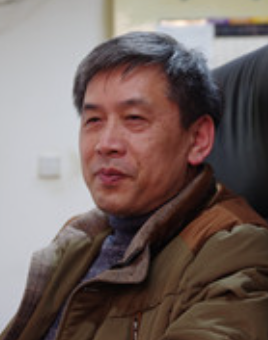 Changming Fang (方长明)合作论文数School of Life Sciences, Fudan University2
 Chan Clement T Y合作论文数Department of Chemistry, Massachusetts Institute of Technology2
 Baojian Wu (吴宝剑)合作论文数Guangzhou University of Chinese Medicine2Rao Xiaolan合作论文数2
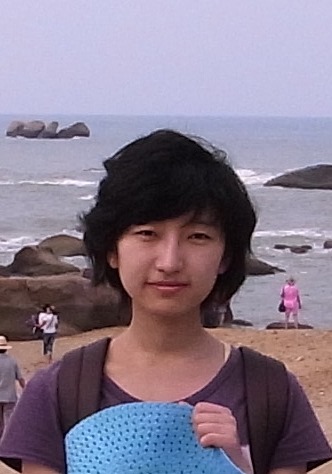 Xue Yang (杨雪)合作论文数College of Pharmacy, Nankai University2
 Phillip D. Zamore合作论文数Howard Hughes Medical Institute;RNA Therapeutics Institute, University of Massachusetts Medical School2Xiaobing Li合作论文数2Xian-Zhi He合作论文数2
 Peng Nan (南蓬)合作论文数School of Life Sciences, Fudan University2




