Evidence suggests that haematopoietic stem cells might have unexpected developmental plasticity, highlighting therapeutic potential. For example, bone-marrow-derived hepatocytes can repopulate the liver of mice with fumarylacetoacetate hydrolase deficiency and correct their liver disease1. To determine the underlying mechanism in this murine model, we performed serial transplantation of bone-marrow-derived hepatocytes. Here we show by Southern blot analysis that the repopulating hepatocytes in the liver were heterozygous for alleles unique to the donor marrow, in contrast to the original homozygous donor cells. Furthermore, cytogenetic analysis of hepatocytes transplanted from female donor mice into male recipients demonstrated 80,XXXY (diploid to diploid fusion) and 120,XXXXYY (diploid to tetraploid fusion) karyotypes, indicative of fusion between donor and host cells. We conclude that hepatocytes derived form bone marrow arise from cell fusion and not by differentiation of haematopoietic stem cells.
The appearance of bipotential oval cells in chronic liver injury suggests the existence of hepatocyte progenitor/stem cells. To study the origin and properties of this cell population, oval cell proliferation was induced in adult mouse liver by 3,5-diethoxycarbonyl-1,4-dihydrocollidine (DDC) and a method for their isolation was developed. Transplantation into fumarylacetoacetate hydrolase (Fah) deficient mice was used to determine their capacity for liver repopulation. In competitive repopulation experiments, hepatic oval cells were at least as efficient as mature hepatocytes in repopulating the liver. In mice with chimeric livers, the oval cells were not derived from hepatocytes but from liver nonparenchymal cells. This finding supports a model in which intrahepatic progenitors differentiate into hepatocytes irreversibly. To determine whether oval cells originated from stem cells residing in the bone marrow, bone marrow transplanted wild-type mice were treated with DDC for 8 months and oval cells were then serially transferred into Fah mutants. The liver repopulating cells in these secondary transplant recipients lacked the genetic markers of the original bone marrow donor. We conclude that hepatic oval cells do not originate in bone marrow but in the liver itself, and that they have valuable properties for therapeutic liver repopulation.
Recent work has convincingly demonstrated that adult bone marrow contains cells capable of differentiating into liver epithelial cells in vivo. However, the frequency and time course with which fully functional hepatocytes emerge after bone marrow transplantation remained controversial. Here, we used the fumarylacetoacetate hydrolase knockout mouse to determine the kinetics of hepatocyte replacement after complete hematopoietic reconstitution. Single donor-derived hepatocytes were first detected 7 weeks after lethal irradiation and bone marrow transplantation. Liver disease was not required for this transdifferentiation. In the presence of selective pressure the single cells evolved into hepatocyte nodules by 11 weeks after transplantation and resulted in >30% overall liver repopulation by 22 weeks. The frequency with which hepatocytes were produced was between 10(-4) and 10(-6), resulting in only 50 to 500 repopulation events per liver. Hepatic engraftment was not observed without previous hematopoietic reconstitution even in the presence of liver injury. In addition, significant liver repopulation was completely dependent on hepatocyte growth selection. We conclude that hepatocyte replacement by bone marrow cells is a slow and rare event. Significant improvements in the efficiency of this process will be needed before clinical success can be expected.
The emergence of cells with hepatocellular properties in the adult pancreas has been described in several experimental models. To determine whether adult pancreas contains cells that can give rise to therapeutically useful and biochemically normal hepatocytes, we transplanted suspensions of wild-type mouse pancreatic cells into syngeneic recipients deficient in fumarylacetoacetate hydrolase and manifesting tyrosinemia. Four of 34 (12%) mutant mice analyzed were fully rescued by donor-derived cells and had normal liver function. Ten additional mice (29%) showed histological evidence of donor-derived hepatocytes in the liver. Previous work has suggested that pancreatic liver precursors reside within or close to pancreatic ducts. We therefore performed additional transplantations using either primary cell suspensions enriched for ducts or cultured ducts. Forty-four mutant mice were transplanted with cells enriched for pancreatic duct cells, but only three of the 34 (9%) recipients analyzed displayed donor-derived hepatocytes. In addition, 28 of the fumarylacetoacetate hydrolase-deficient mice were transplanted with cultured pancreatic duct cells, but no donor-derived hepatocytes were observed. Our results demonstrate for the first time that adult mouse pancreas contains hepatocyte progenitor cells capable of significant therapeutic liver reconstitution. However, contrary to previous reports, we were unable to detect these cells within the duct compartment.
The characterization of hepatic progenitor cells is of great scientific and clinical interest. Here we report that intravenous injection of adult bone marrow cells in the FAH −/− mouse, an animal model of tyrosinemia type I, rescued the mouse and restored the biochemical function of its liver. Moreover, within bone marrow, only rigorously purified hematopoietic stem cells gave rise to donor-derived hematopoietic and hepatic regeneration. This result seems to contradict the conventional assumptions of the germ layer origins of tissues such as the liver, and raises the question of whether the cells of the hematopoietic stem cell phenotype are pluripotent hematopoietic cells that retain the ability to transdifferentiate, or whether they are more primitive multipotent cells.
Objective To investigate the sick rate of patients with fatty liver in middle to old aged persons. Methods The relation of fatty liver and cardiovascular disease, hypertension, diabetes mellitus, arteriorenal resist index was studied by analyzing 730 in over 40 years old fatty liver patients. Results (1)The middle aged persons (aged 40~49) have evidently higher sick rate of fatty liver than others. The sick rate was decreased with aging. (2)The fatty liver patients have higher risk of cardiovascular disease, hypertension, diabetes mellitus and have higher arteriorenal resist index than others. (3)The sick rate of cardiovascular disease, hypertension, diabetes mellitus and the data of arteriorenal resist index among fatty liver patients increased with aging. Conclusions Fatty liver was a very important reason which sicken for cardiovascular disease, hypertension, diabetes mellitus and cause high arteriorenal resist index.
 Lagasse Eric合作论文数5
 Markus Grompe合作论文数School of Medicine, Oregon Health & Science University;Department of Pediatrics, Oregon Health & Science University;Papé Family Pediatric Research Institute, Oregon Health & Science University;Oregon Stem Cell Center, Oregon Health & Science University5Milton Finegold合作论文数3Muhsen Al-Dhalimy合作论文数3Mark Foster合作论文数2Susan B Olson合作论文数1Monika Dohse合作论文数1Yumi Torimaru合作论文数1
 Eugenio Montini合作论文数1Yassmine Akkari合作论文数1Michael Reitsma合作论文数1Holger Willenbring合作论文数1
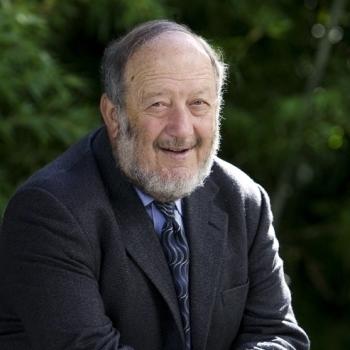 Irving Weissman合作论文数Department of Developmental Biology, Stanford University;Department of Biology and Neurosurgery, Stanford University;Department of Pathology, Stanford University1




