In modern cities, there is an increasing trend for the development of business agglomeration, which can foster the prosperity of individual businesses by clustering stores and industries. Recently, the advent of Point-of-Interest (POI) data enables a new paradigm for studying the causal effect of business agglomeration in a data-driven way. To this end, we aim to quantify the contribution of the agglomeration effect to the check-in volume at POIs. This is a non-trivial causal effect estimation task due to the higher-order spatial interference typically exhibited by the agglomeration distribution. Moreover, the confounding bias can be exacerbated due to the complex spatial and functional properties inherent to confounders. Therefore, we propose a Causal effect estimation framework for AgglomeRation Effect (CARE) measurement, which includes a Spatial Interference Diffusion Network (SIDN) and a Disentangled Propensity Estimator (DPE). SIDN captures spatial interference by spreading the treatment effect among POIs through a dedicated spatial agglomeration hypergraph. Then, DPE models a POI's propensity of receiving the treatment and further unravels the spatial and inherent aspects of propensity by disentangled learning objectives. In addition, we incorporate SIDN and DPE into a unified causal effect estimation architecture using neural Robinson decomposition. Finally, extensive experiments on three real-world datasets validate the effectiveness and universality of CARE for measuring the agglomeration effect.
Large language model (LLM) agents are increasingly expected to assist users in completing tasks. However, existing benchmarks provide limited support for evaluating whether agents can carry out office-suite workflows at a reasonable cost. We introduce OmegaUse-OfficeVal, a benchmark for evaluating LLM agents on long-horizon office-suite tasks with task-level economic grounding. The benchmark comprises 100 tasks derived from office-suite requests proposed by practitioners and adapted through a privacy-preserving process. On average, these tasks require 2.32 hours of human labor to complete. An important feature of the benchmark is that each task is paired with two economic signals: human labor time and task price proxy. These signals enable direct comparisons between human costs and LLM inference costs, as well as value-weighted evaluation. To support stable evaluation, we develop code-based verifiers from fine-grained rubrics. We evaluate several frontier LLMs together with a human baseline. Although all evaluated LLMs are substantially cheaper and faster than human workers, they have not yet approached human-level deliverable quality. The code and dataset are fully open-sourced, and more information is available on our project website: https://omegause-officeval.github.io.
Large language models (LLMs) are revolutionizing user interactions in online map applications by enabling conversational interfaces with intelligent map agents. However, inherent ambiguities and nuances in human communication often lead to incomplete or unclear user instructions. While generating clarification questions can mitigate this issue, existing methods-which rely on prompt-based LLM assessments or supervised fine-tuning (SFT) of LLMs with limited annotated data-struggle to reliably determine when clarification is necessary, resulting in cold-start issues and reduced adaptability. To address this gap, we propose an uncertainty-aware dynamic planning framework for intent disambiguation in interactive agent systems, exemplified by Baidu Maps. Our framework leverages LLMs to dynamically generate agent action sequences while estimating query uncertainty. When uncertainty thresholds are exceeded, targeted clarification questions are triggered. Besides, to efficiently navigate the vast uncertainty space, we introduce a novel beam search-based pruning strategy. Crucially, the framework supports context-aware task planning without any additional model training. We evaluate our approach on Baidu Maps and a public robotic task, focusing on uncertainty management and adaptability. Experiments demonstrate that the framework achieves high precision across diverse LLMs without requiring an additional training phase, highlighting its versatility and robustness. Ablation studies confirm that the framework can significantly improve user intent recognition and task success rates.
Deep search is brittle on underspecified user queries: missing constraints such as time, location, scope, or definitions can lead to retrieval drift and incomplete answers. We introduce Clarify-Then-Search, a benchmark for evaluating whether LLM-generated clarification questions improve downstream deep-search utility. Built on real-world query data from the Baidu search engine, the benchmark contains 518 curated instances, each with an intent query and a corresponding underspecified query. For each intent query, we run WebDancer once to archive evidence and construct a static golden reference as weighted, evidence-grounded nuggets with traceable source identifiers. At evaluation time, a Clarifier asks k in 1, 2, 3 questions; a closed-book User Answerer replies only with information explicitly stated in the intent query, otherwise returning unknown; and a closed-book Rewriter produces a rewritten query using only the underspecified query and the elicited question-answer pairs. WebDancer then executes on the rewritten query, and we score end-to-end utility using restore_score_100, a weighted nugget-recall score with partial credit against the static gold. Across all evaluated models, clarification improves over the no-interaction baseline at k=1, and larger budgets generally yield further gains. GPT-5.2 achieves the highest mean score at k=1, while ERNIE-4.5-Turbo-128K becomes the overall top-performing model at k=3. Diagnostics reveal a consistent failure mode: many systems over-ask region-only questions that are often unanswerable from the intent and thus elicit unknown. Clarify-Then-Search enables leakage-resistant and reproducible evaluation of clarify-then-search pipelines, with fine-grained analyses of question utility, answerability, and budget effects in deep search.
Urban land use, intrinsically linked to people’s daily activities, undergoes continuous evolution, presenting a complex interplay that remains partially understood. To bridge this gap, our study leverages fine-grained human mobility data to predict these changes, adopting a novel approach that conceptualizes “community-level” land use shifts as a regression problem and represents citywide changes through dynamic graphs. We harness recent advancements in graph neural networks (GNNs), which, despite their success in various applications, face challenges in directly predicting land use changes due to the temporal mismatch between the slow evolution of urban land and the immediacy of human mobility data. Our research stands out by introducing a temporal skeleton for dynamic GNNs to synchronize human activity graphs with urban land use changes, a dynamic heterogeneous GNN approach for integrating diverse human activity data to capture essential temporal dependencies, and a novel algorithm powered by causal inference to elucidate the primary factors influencing land use predictions at the community level, all of which contribute to a training process informed by the generated causal graph. Empirically validated on three real-world datasets, our model demonstrates a performance leap over state-of-the-art baselines, marking a pivotal step toward understanding and predicting the dynamics of urban land use.
We present TimeFound, an encoder-decoder transformer-based time series foundation model for out-of-the-box zero-shot forecasting. To handle time series data from various domains, TimeFound employs a multi-resolution patching strategy to capture complex temporal patterns at multiple scales. We pre-train our model with two sizes (200M and 710M parameters) on a large time-series corpus comprising both real-world and synthetic datasets. Over a collection of unseen datasets across diverse domains and forecasting horizons, our empirical evaluations suggest that TimeFound can achieve superior or competitive zero-shot forecasting performance, compared to state-of-the-art time series foundation models.
Recent trends in next-item recommendation systems have focused on modeling user intents. Traditional methods often extract users' inherent intents from the most representative items in a session, overlooking “unexpected items” that deviate from the majority in various contextual aspects. These unexpected items, frequently present, can be crucial indicators of a user's inclination towards exploring new options, signaling emerging intents that warrant significant attention. In response, we introduce DbMei, a novel approach that decouples user behaviors and emphasizes the modeling of emerging intents. DbMei distinguishes between two user behavior types: “focused shopping”, which aligns with users' inherent intents, and”wandering shopping”, which aligns with emerging intents. Focused shopping is analyzed using topic modeling and hypergraph learning while wandering shopping is explored through session neighbor retrieval. An exploitation-exploration mechanism is employed to determine the behavioral probability distribution for upcoming items. This integrated modeling of focused and wandering shopping behaviors drives our recommendation process. Extensive empirical studies on two real-world datasets, Amazon-KDD and Beauty, showcase DbMei's superiority over leading methods regarding Recall and MRR metrics. Our code is publicly available at https://github.com/sunlingdan-123/DbMei.
Origin-destination (OD) crowd flow, if more accurately inferred at a fine-grained level, has the potential to enhance the efficacy of various urban applications. While in practice for mining OD crowd flow with effect, the problem of spatially interpolating OD crowd flow occurs since the ineluctable missing values. This problem is further complicated by the inherent scarcity and noise nature of OD crowd flow data. In this paper, we propose an uncertainty-aware interpolative and explainable framework, namely UApex, for realizing reliable and trustworthy OD crowd flow interpolation. Specifically, we first design a Variational Multi-modal Recurrent Graph Auto-Encoder (VMR-GAE) for uncertainty-aware OD crowd flow interpolation. A key idea here is to formulate the problem as semi-supervised learning on directed graphs. Next, to mitigate the data scarcity, we incorporate a distribution alignment mechanism that can introduce supplementary modals into variational inference. Then, a dedicated decoder with a Poisson prior is proposed for OD crowd flow interpolation. Moreover, to make VMR-GAE more trustworthy, we develop an efficient and uncertainty-aware explainer that can provide explanations from the spatiotemporal topology perspective via the Shapley value. Extensive experiments on two real-world datasets validate that VMR-GAE outperforms the state-of-the-art baselines. Also, an exploratory empirical study shows that the proposed explainer can generate meaningful spatiotemporal explanations.
Wind power is a clean and renewable energy, yet it poses integration challenges to the grid due to its variable nature. Thus, Wind Power Forecasting (WPF) is crucial for its successful integration. However, existing WPF datasets often cover only a limited number of turbines and lack detailed information. To bridge this gap and advance WPF research, we introduce the Spatial Dynamic Wind Power Forecasting dataset (SDWPF). The SDWPF dataset not only provides information on power generation and wind speed but also details the spatial distribution of the wind turbines and dynamic contextual factors specific to each turbine. These factors include weather information and the internal status of each wind turbine, thereby enriching the dataset and improving its applicability for predictive analysis. Further leveraging the potential of SDWPF, we initiated the ACM KDD Cup 2022, a competition distinguished as the foremost annual event in data mining, renowned for presenting cutting-edge challenges and attracting top talent from academia and industry. Our event successfully draws registrations from over 2400 teams around the globe.
Point-of-Interest (POI) recommendation, an important research hotspot in the field of urban computing, plays a crucial role in urban construction. While understanding the process of users’ travel decisions and exploring the causality of POI choosing is not easy due to the complex and diverse influencing factors in urban travel scenarios. Moreover, the spurious explanations caused by severe data sparsity, i.e., misrepresenting universal relevance as causality, may also hinder us from understanding users’ travel decisions. To this end, in this article, we propose a factor-level causal explanation generation framework based on counterfactual data augmentation for user travel decisions, named Factor-level Causal Explanation for User Travel Decisions (FCE-UTD), which can distinguish between true and false causal factors and generate true causal explanations. Specifically, we first assume that a user decision is composed of a set of several different factors. Then, by preserving the user decision structure with a joint counterfactual contrastive learning paradigm, we learn the representation of factors and detect the relevant factors. Next, we further identify true causal factors by constructing counterfactual decisions with a counterfactual representation generator, in particular, it can not only augment the dataset and mitigate the sparsity but also contribute to clarifying the causal factors from other false causal factors that may cause spurious explanations. Besides, a causal dependency learner is proposed to identify causal factors for each decision by learning causal dependency scores. Extensive experiments conducted on three real-world datasets demonstrate the superiority of our approach in terms of check-in rate, fidelity, and downstream tasks under different behavior scenarios. The extra case studies also demonstrate the ability of FCE-UTD to generate causal explanations in POI choosing.
Recent advances in graph representation learning provide new opportunities for computational drug-target interaction (DTI) prediction. However, it still suffers from deficiencies of dependence on manual labels and vulnerability to attacks. Inspired by the success of self-supervised learning (SSL) algorithms, which can leverage input data itself as supervision,we propose SupDTI, a SSL-enhanced drug-target interaction prediction framework based on a heterogeneous network (i.e., drug-protein, drug-drug, and protein-protein interaction network; drug-disease, drug-side-effect, and protein-disease association network; drug-structure and protein-sequence similarity network). Specifically, SupDTI is an end-to-end learning framework consisting of five components. First, localized and globalized graph convolutions are designed to capture the nodes' information from both local and global perspectives, respectively. Then, we develop a variational autoencoder to constrain the nodes' representation to have desired statistical characteristics. Finally, a unified self-supervised learning strategy is leveraged to enhance the nodes' representation, namely, a contrastive learning module is employed to enable the nodes' representation to fit the graph-level representation, followed by a generative learning module which further maximizes the node-level agreement across the global and local views by learning the probabilistic connectivity distribution of the original heterogeneous network. Experimental results show that our model can achieve better prediction performance than state-of-the-art methods.
Session-based recommender systems are increasingly applied to next-item recommendations. However, existing approaches encode the session information of each user independently and do not consider the interrelationship between users. This work is based on the intuition that dynamic groups of like-minded users exist over time. By considering the impact of latent user groups, we can learn a user’s preference in a better way. To this end, we propose a recommendation model based on learning user embeddings by modeling long and short-term dynamic latent user groups. Specifically, we utilize two network units to learn users’ long and short-term sessions, respectively. Meanwhile, we employ two additional units to determine the affiliation of users with specific latent groups, followed by an aggregation of these latent group representations. Finally, user preference representations are shaped comprehensively by considering all these four aspects, based on an attention mechanism. Moreover, to avoid setting the number of groups manually, we further incorporate an adaptive learning unit to assess the necessity for creating a new group and learn the representation of emerging groups automatically. Extensive experiments prove our model outperforms multiple state-of-the-art methods in terms of Recall, mean average precision (mAP), and area under curve (AUC) metrics.
Long-term time-series forecasting (LTTF) has become a pressing demand in many applications, such as wind power supply planning. Transformer models have been adopted to deliver high prediction capacity because of the high computational self-attention mechanism. Though one could lower the complexity of Transformers by inducing the sparsity in point-wise self-attentions for LTTF, the limited information utilization prohibits the model from exploring the complex dependencies comprehensively. To this end, we propose an efficient Transformerbased model, named Conformer, which differentiates itself from existing methods for LTTF in three aspects: (i) an encoder-decoder architecture incorporating a linear complexity without sacrificing information utilization is proposed on top of sliding-window attention and Stationary and Instant Recurrent Network (SIRN); (ii) a module derived from the normalizing flow is devised to further improve the information utilization by inferring the outputs with the latent variables in SIRN directly; (iii) the inter-series correlation and temporal dynamics in time-series data are modeled explicitly to fuel the downstream self-attention mechanism. Extensive experiments on seven real-world datasets demonstrate that Conformer outperforms the state-of-the-art methods on LTTF and generates reliable prediction results with uncertainty quantification.
With the edges associated with labels and directions, the so-called multi-relational graph possesses powerful expressiveness, which is beneficial to many applications. However, as the heterogeneity brought by the higher cardinality of edges and relations climbs up, more trivial relations are taken into account for the downstream task since they are often highly correlated to the target. As a result, with being forced to fit the non-causal relational patterns on the training set, the downstream model, like graph neural network (GNN), may suffer from poor generalizability on the testing set since the inference is mainly made according to misleading clues. In this paper, under the paradigm of graph convolution, we probe the multi-relational message passing process from the perspective of causality and then propose a Message Intervention method for learning generalizable muLtirElational gRaph representations, coined MILER. In particular, MILER first encodes the vertices and relations into embeddings with relational and directional awareness, then a message diverter is employed to split the original message flow into two flows of interest, i.e., the causal and trivial message flows. Afterward, the message intervention is carried out with the guidance of the backdoor adjustment rule. Extensive experiments on several knowledge graph benchmarks validate the effectiveness as well as the superior generalization ability of MILER.
Long-term urban crowd flow prediction involving the evolution trends of crowd flow is of great importance of traffic management, public safety and urban planning. However, learning long-term crowd flow is very challenging due to the latent effect of varied urban Point-of-Interests distribution, which is quite different from the short-term crowd flow mainly influenced by readily available external factors like weather, date, etc. The key issue for us is how to learn the interaction between POI distribution and human mobility in a dynamic way. To address this problem, we propose a POI-flow interaction based spatial-temporal framework (PFIST) for long-term crowd flow prediction. First, we model the long-term evolution representations of crowd flow and POI distribution. Then we study the dynamic interaction between POI transition patterns and crowd flow variation on different POI periods and categories. Afterwards, we decompose the flow sequence into long-term trend and daily variation parts and apply the normalized POI-flow interaction attention to the long-term trend parts. Finally, we model the spatial and multi-scale temporal dependencies to predict long-term crowd flow. Extensive experiments on Beijing map query track dataset and NYC taxi dataset demonstrate the superiority of PFIST.
Point-of-Interest (POI) recommendation plays a crucial role in the location-based social networks (LBSNs), while the extreme sparsity of user check-in data severely impedes the further improvement of POI recommendation. Existing works jointly analyse user check-in behaviors (i.e., positive samples) and POI distribution to tackle this issue. However, introducing user multi-modal behaviors (e.g., online map query behaviors), as a supplement of user preference, still has not been explored. Further, they also neglect to exploit why users don't visit the POIs (i.e., negative samples). To these ends, in this paper, we propose a novel approach, user multi-behavior enhanced POI recommendation with efficient and informative negative sampling, to promote recommendation performance. In particular, we first extract three types of relationships, i.e., POI-query, user-query and POI-POI, from map query and check-in data. After that, a novel approach is proposed to learn user and POI representations in each behavior through these heterogeneous relationships. Moreover, we design a negative sampling method based on geographic information to generate efficient and informative negative samples. Extensive experiments conducted on real-world datasets demonstrate the superiority of our approach compared to state-of-the-art recommenders in terms of different metrics.
Existing contrastive methods of universal time series representation learning mainly rely on distilling invariant patterns at varying scales and building contrastive loss with the help of negative sampling. However, the invariance assumptions may not hold in real-world time-series data, and the infamous negative sampling could bring in new biases for representation learning. In this work, we propose a novel contrastive learning approach toward time series representation learning on top of trend-seasonality decomposition, namely TS-DC. TS-DC differentiates itself from prior methods in three folds: 1) a time series decomposition approach is devised to distill different aspects/components of a complex time series; 2) a novel component-wise contrastive loss is proposed in which negative sampling is not necessary; 3) the informative signals of time series can be captured comprehensively by means of adaptive contrasting. Extensive experiments on different public benchmark datasets validate the superior performance of our proposed representation learning method.
Medical tests are crucial for treatment decision making. However, over-testing can often occur in any medical speciality or level of expertise. Since over-testing usually results in a financial burden for patients and is also a waste of medical resources, this naturally leads to the question: which medical test items (MTIs) are necessary and should be prioritized for the target patients? It is a nontrivial task to identify the right MTIs due to the diversified health status of patients and the complicated prerequisites of therapies. To this end, in this paper, we propose a data-driven approach to evaluate the priority which should be given to MTIs by modeling the relationships between MTIs and therapies. Specifically, we first develop a dual hierarchical topic model (DHTM), which views the adopted hierarchical therapies as labeled topics and the MTI reports, i.e., the set of hierarchical attribute-value pairs (AVPs), as documents. Then, with the therapy-AVP distribution and the partial MTI reports of the target patient, we can scope the candidate therapies, which are further utilized to evaluate the accumulated gain of MTIs to be tested. Moreover, the next MTI recommendation is conducted based on the gains. Finally, extensive experiments on real-world medical data validate the effectiveness of our approach, and some interesting observations are also provided. The code is available at https://github.com/mtirec/MtiRec.
Though big progress in table-to-text works, effectively leveraging table structure signals, e.g., hierarchical structure, remains challenging. Besides, deliberating generated descriptions proves to be effective for table-to-text. However, determining the appropriate outcome when encountering multi-pass candidates is another challenge. To this end, we propose a novel table-to-text approach on top of Self-evaluated multi-pass Generation and Heterogenous Multidominance Attention, namely SG-HMA. Specifically, we formulate the table structure into a multidominance (MD) structure and devise a heterogenous multidominance attention (HMA) to comprehensively explore the complex interactions encoded in the hierarchical structure, which can further deliver rich signals for text generation with the help of pre-trained language models (PLMs). Afterward, a contrastive loss is introduced to align the generation objective with evaluation metrics, so the more faithful generated descriptions can be guaranteed. We conduct extensive experiments on three public datasets, demonstrating that SG-HMA outperforms several SOTA methods quantitatively and qualitatively.
The understanding of people’s inter-regional mobility behaviors, such as predicting the next activity region (AR) or uncovering the intentions for regional mobility, is of great value to public administration or business interests. While there are numerous studies on human mobility, these studies are mainly from a statistical view or study movement behaviors within a region. The work on individual-level inter-regional mobility behavior is limited. To this end, in this article, we propose a dynamic region-relation-aware graph neural network (DRRGNN) for exploring individual mobility behaviors over ARs. Specifically, we aim at developing models that can answer three questions: (1) Which regions are the ARs? (2) Which region will be the next AR, and (3) Why do people make this regional mobility? To achieve these tasks, we first propose a method to find out people’s ARs. Then, the designed model integrates a dynamic graph convolution network (DGCN) and a recurrent neural network (RNN) to depict the evolution of relations between ARs and mine the regional mobility patterns. In the learning process, the model further considers peoples’ profiles and visited point-of-interest (POIs). Finally, extensive experiments on two real-world datasets show that the proposed model can significantly improve accuracy for both the next AR prediction and mobility intention prediction.
 Hui Xiong (熊辉)合作论文数The Hong Kong University of Science and Technology (Guangzhou)28
 Zhiwen Yu (於志文)合作论文数College of Computer Science and Technology, Harbin Engineering University18
 Bin Guo (郭斌)合作论文数School of Computer Science, Northwestern Polytechnical University16
 Jingbo Zhou (周景博)合作论文数Business Intelligence Lab, Baidu Research13
 Jingjing Gu (顾晶晶)合作论文数College of Computer Science and Technology, Nanjing University of Aeronautics and Astronautics9
 Dejing Dou (窦德景)合作论文数9
 Tong Xu (徐童)合作论文数School of Computer Science and Technology, University of Science and Technology of China8
 Hao Liu合作论文数The Hong Kong University of Science and Technology (Guangzhou)8
 Bo Jin (金博)合作论文数School of Innovation and Entrepreneurship, Dalian University of Technoloy8
 Chuanren Liu合作论文数Business Analytics and Statistics Department, Haslam College of Business, University of Tennessee, Knoxville8
 Nengjun Zhu (朱能军)合作论文数Intelligence Recommendation Technology Team, School of Computer Engineering and Science, Shanghai University7
 Jian Cao (曹健)合作论文数Department of Computer Science and Engineering, Shanghai Jiao Tong University6
 Chu Guan合作论文数5Haoran Xin合作论文数University of Science and Technology of China5
 En-Hong Chen (陈恩红)合作论文数Anhui Province Key Laboratory of Big Data Analysis and Application, School of Computer Science and Technology, University of Science and Technology of China5Jiantao Su合作论文数4
 Xingshe Zhou (周兴社)合作论文数School of Computer Science, Northwestern Polytechnical University4
 Jilei Tian合作论文数BMW Technology Corporation4
 Yanjie Fu (傅衍杰)合作论文数School of Computing and AI, Ira A. Fulton Schools of Engineering, Arizona State University4Yan Li合作论文数3
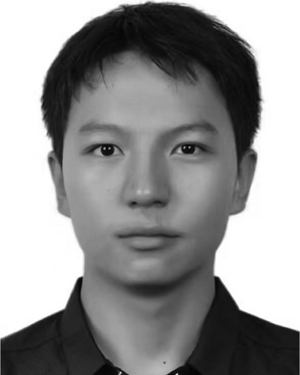 Ke Cheng合作论文数3Yixiong Xiao合作论文数3Jiafan Zhang合作论文数3
 Yanchi Liu合作论文数NEC Laboratories America, Inc.3Yanyan Li合作论文数Business Intelligence Lab, Baidu Research3
 Xiaolin Li (李小琳)合作论文数Department of Marketing and E-Commerce, Nanjing University Business School3
 Hengshu Zhu (祝恒书)合作论文数Computer Network Information Center, Chinese Academy of Sciences;University of Chinese Academy of Sciences;The Hong Kong University of Science and Technology (Guangzhou)3Hanzhe Li合作论文数2
 Jiatao Chen合作论文数2Zhe Zheng合作论文数2Junfu Lyu合作论文数2Jing SUN (孙婧)合作论文数2Shicheng Cheng合作论文数2
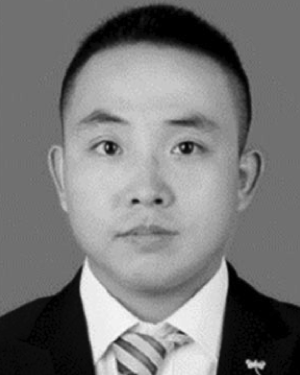 Te-Te Hu合作论文数Cent South Univ, Sch Mech & Elect Engn, State Key Lab High Performance Complex Mfg, Changsha 410083, Hunan, Peoples R China2
 Yi Zhang合作论文数2
 Panpan Zhang合作论文数Baidu Research2
 Renjun Hu (胡仁君)合作论文数School of Data Science & Engineering, East China Normal University2Chao Che (车超)合作论文数大连大学2
 Fuzhen Zhuang (庄福振)合作论文数Research Center for Intelligent Perception and Cognition, Institute of Artificial Intelligence, Beihang University2
 Yi Ouyang合作论文数2
 Feng Yin合作论文数2
 Ying Sun (孙莹)合作论文数Hong Kong University of Science and Technology (Guangzhou)2
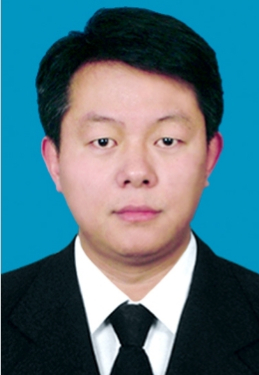 Qiang Zhang (张强)合作论文数School of Computer Science and Technology, Dalian University of Technology2
 Liang Zhang (张亮)合作论文数Shenzhen Research Institute of Big Data2
 Xiangfeng Luo (骆祥峰)合作论文数School of Computer Engineering and Science, Shanghai University2
 Huilei He (贺会磊)合作论文数2
 Tong Guo合作论文数2
 Yanjun Ma合作论文数Baidu2




