Endogenous Escherichia coli proteins can co-purify with recombinant targets and dominate cryo-EM datasets, yet often escape detection during standard biochemical quality control. In parallel to the recent report by Caliseki and coworkers [Caliseki et al. (2025), Acta Cryst. D81, 545-557], we independently identified ArnA contamination while purifying a soluble, low-yield KIF17-IFT70 complex, ultimately obtaining a 3.23 Å resolution cryo-EM structure of ArnA rather than the intended target. Our results reinforce that ArnA enrichment reflects general features of His-tag affinity purification and can become particularly problematic in cryo-EM workflows when the intended target is low in yield or conformationally heterogeneous. By comparing biochemical behavior and cryo-EM outcomes, we outline why ArnA may evade SDS-PAGE and size-exclusion chromatography, and be underappreciated in routine mass spectrometry-based quality control, yet becomes structurally dominant in cryo-EM. These findings broaden the scope of the original study and highlight the need for early cryo-EM screening and improved contaminant awareness in structural biology.
LysR-type transcriptional regulators (LTTRs) are a diverse family of proteins that regulate various cellular processes, including motility in bacteria. In Escherichia coli, the LTTR LrhA represses flagellar biosynthesis by inhibiting the flhDC operon. However, the structural basis underlying this regulation has remained unclear. Here, we determined both a high-resolution crystal structure and a cryo-EM reconstruction of LrhA, revealing a predominant and stable tetrameric organization with pronounced structural variability in its effector-binding region. Structural and biochemical analyses demonstrate that mutations in these variable regions perturb the oligomeric equilibrium of LrhA, shifting the balance between tetrameric and dimeric species. This shift correlates with enhanced DNA binding affinity and stronger repression of the flhDC promoter. While ligand binding may similarly modulate LrhA activity, our data primarily support a model in which alterations in oligomeric state mediated by the variable regions regulate LrhA function. Together, these findings provide a structural framework for understanding how LrhA controls bacterial motility and offer broader insights into oligomerization-based regulation within the LTTR family.
Intracellular transport is essential for neuronal organization, yet how motor proteins achieve cargo selectivity remains incompletely understood. Kinesin-2 motors transport diverse cargos through the heterotrimeric KIF3/KAP3 complex, but whether variations in assembly composition contribute to functional specificity has been unclear. This study provides evidence for heterogeneity in neuronal KIF3/KAP3 assemblies, including a KIF3B-enriched, KAP3-associated population in addition to the canonical KIF3A/B/KAP3 complex. Biochemical and cellular analyses support a preferential association between this KIF3B-enriched assembly and TRIM46, a protein required for axon initial segment organization. Structural analyses further suggest that differences in tail conformation accompany distinct assembly states and may underlie cargo selectivity. Together, these findings support a model in which compositional and structural diversity within kinesin-2 complexes contributes to spatially regulated transport during neuronal development.
Intracellular transport relies on motor proteins like kinesins to deliver essential cargoes along microtubules, yet the mechanisms of cargo recognition remain unclear. Here, we present high-resolution cryo-electron microscopy structures of the heterotrimeric kinesin-2 complex (KIF3A/KIF3B/KAP3) bound to the adenomatous polyposis coli (APC) cargo. Our findings reveal a previously uncharacterized KIF3 tail motif, termed the "Hitchdock domain," which plays a pivotal role in mediating interactions with both the KAP3 adaptor and the APC cargo. In this domain, the KIF3A helical regions facilitate specific cargo binding, while the β-hairpin region and KIF3B provide structural support. Mutagenesis and molecular dynamics simulations confirm the domain's functional importance. Interestingly, the Hitchdock/KAP3 structure suggests a conserved structural basis for cargo recognition across molecular motors, including kinesin-1 and dynein, which utilize similar hook-like architectures, highlighting the potential universality of this mechanism. Furthermore, our findings provide insights into kinesin-2 cargo specificity and offer a molecular framework for understanding related diseases. ### Competing Interest Statement The authors have declared no competing interest.
Motor protein tails, long considered flexible and disordered linkers that mediate transient cargo interactions, are increasingly recognized as dynamic hubs containing context-dependent structural motifs. Advances in cryo-EM single-particle analysis, flexible refinement tools, and in situ cryo-ET now allow visualization of partially ordered elements within these flexible regions. Recent studies of kinesin reveal that local folding events regulate adaptor binding, cargo recognition, and motor activation, challenging the traditional view of the kinesin tail as mostly disordered. This emerging perspective highlights motor tails as regulatory platforms where intrinsic disorder coexists with hidden structure, reshaping our understanding of transport regulation.
Intracellular transport relies on motor proteins such as kinesins to deliver cargo along microtubules, yet how they recognize cargo remains unclear. Here, we present high-resolution cryo-electron microscopy structures of the heterotrimeric kinesin-2 complex (KIF3A/KIF3B/KAP3) bound to the cargo protein APC. Our findings reveal a previously uncharacterized KIF3 tail hook-like motif, termed the "HAC" domain, which mediates binding to both KAP3 adaptor and APC cargo. Within this domain, the KIF3A helical regions ensure cargo specificity, while a β-hairpin and KIF3B provide structural support. Biochemical and neuronal experiments confirm its functional importance. Notably, the HAC/KAP3 structure resembles hook-like architectures seen in kinesin-1 and dynein, suggesting a shared cargo recognition framework. These findings also shed light on kinesin-2 cargo specificity and offer a structural framework for understanding related neuronal transport mechanisms.
Kinesin-driven intracellular transport is essential for various cell biological events and thus plays a crucial role in many pathological processes. However, little is known about the molecular basis of the specific and dynamic cargo-binding mechanism of kinesins. Here, an integrated structural analysis of the KIF3/KAP3 and KIF3/KAP3-APC complexes unveils the mechanism by which KIF3/KAP3 can dynamically grasp APC in a two-step manner, which suggests kinesin-cargo recognition dynamics composed of cargo loading, locking, and release. Our finding is the first demonstration of the two-step cargo recognition and stabilization mechanism of kinesins, which provides novel insights into the intracellular trafficking machinery.
Oncohistone mutations are crucial drivers for tumorigenesis, but how a living organism governs the loss-of-function oncohistone remains unclear. We generated a histone H2B triple knockout (3KO) strain in Caenorhabditis elegans, which decreased the embryonic H2B, disrupted cell divisions, and caused animal sterility. By performing genetic suppressor screens, we uncovered that mutations defective in the histone H3-H4 chaperone UNC-85 restored H2B 3KO fertility by decreasing chromatin H3-H4 levels. RNA interference of other H3-H4 chaperones or H3 or H4 histones also rescued H2B 3KO sterility. We showed that blocking H3-H4 chaperones recovered cell division in C. elegans carrying the oncohistone H2BE74K mutation that distorts the H2B-H4 interface and induces nucleosome instability. Our results indicate that reducing chromatin H3-H4 rescues the dysfunctional H2B in vivo and suggest that inhibiting H3-H4 chaperones may provide an effective therapeutic strategy for treating cancers resulting from loss-of-function H2B oncohistone.
Cilia are microtubule-based organelles that power cell motility and regulate sensation and signaling, and abnormal ciliary structure and function cause various ciliopathies. Cilium formation and maintenance requires intraflagellar transport (IFT), during which the kinesin-2 family motor proteins ferry IFT particles carrying axonemal precursors such as tubulins into cilia. Tubulin dimers are loaded to IFT machinery through an interaction between tubulin and the IFT-74/81 module; however, little is known of how tubulins are unloaded when arriving at the ciliary tip. Here, we show that the ciliary kinase DYF-5/MAK phosphorylates multiple sites within the tubulin-binding module of IFT-74, reducing the tubulin-binding affinity of IFT-74/81 approximately sixfold. Ablation or constitutive activation of IFT-74 phosphorylation abnormally elongates or shortens sensory cilia in Caenorhabditis elegans neurons. We propose that DYF-5/MAK-dependent phosphorylation plays a fundamental role in ciliogenesis by regulating tubulin unloading.
In schizophrenia (SCZ), neurons in the brain tend to undergo gross morphological changes, but the related molecular mechanism remains largely elusive. Using Kif3b+/- mice as a model with SCZ-like behaviors, we found that a high-betaine diet can significantly alleviate schizophrenic traits related to neuronal morphogenesis and behaviors. According to a deficiency in the transport of collapsin response mediator protein 2 (CRMP2) by the KIF3 motor, we identified a significant reduction in lamellipodial dynamics in developing Kif3b+/- neurons as a cause of neurite hyperbranching. Betaine administration significantly decreases CRMP2 carbonylation, which enhances the F-actin bundling needed for proper lamellipodial dynamics and microtubule exclusion and may thus functionally compensate for KIF3 deficiency. Because the KIF3 expression levels tend to be downregulated in the human prefrontal cortex of the postmortem brains of SCZ patients, this mechanism may partly participate in human SCZ pathogenesis, which we hypothesize could be alleviated by betaine administration.
Schizophrenia is a debilitating psychiatric disorder, with a prevalence of approximately 1 % worldwide. The symptoms of schizophrenia include hallucinations and delusion (positive symptoms), apathy and withdrawal (negative symptoms), and cognitive impairments, which lead to disabilities in social and occupational functioning, and self-care. Although genetic elements have been extensively studied, the precise molecular mechanism of schizophrenia remains elusive. Recently, a role of reduced protein quality (protein aggregation) due to oxidative stress (carbonyl stress) and endoplasmic reticulum stress was proposed in the pathogenesis and pathology of schizophrenia. Here we explain the a current status of the research of schizophrenia while focusing on protein quality.
Investigations of bacterial resistance strategies can aid in the development of new antimicrobial drugs as a countermeasure to the increasing worldwide prevalence of bacterial antibiotic resistance. One such strategy involves the TipA class of transcription factors, which constitute minimal autoregulated multidrug resistance (MDR) systems against diverse antibiotics. However, we have insufficient information regarding how antibiotic binding induces transcriptional activation to design molecules that could interfere with this process. To learn more, we determined the crystal structure of SkgA from Caulobacter crescentus as a representative TipA protein. We identified an unexpected spatial orientation and location of the antibiotic binding TipAS effector domain in the apo state. We observed that the α6-α7 region of the TipAS domain, which is canonically responsible for forming the lid of antibiotic binding cleft to tightly enclose the bound antibiotic, is involved in the dimeric interface and stabilized via interaction with the DNA-binding domain in the apo state. Further structural and biochemical analyses demonstrated that the unliganded TipAS domain sterically hinders promoter DNA binding, but undergoes a remarkable conformational shift upon antibiotic binding to release this autoinhibition via a switch of its α6-α7 region. Hence, the promoters for MDR genes including tipA and RNA polymerases become available for transcription, enabling efficient antibiotic resistance. These insights into the molecular mechanism of activation of TipA proteins advance our understanding of TipA proteins as well as bacterial MDR systems, and may provide important clues to block bacterial resistance.
The axon initial segment (AIS) is a compartment that serves as a molecular barrier to achieve axon-dendrite differentiation. Distribution of specific proteins during early neuronal development has been proposed to be critical for AIS construction. However, it remains unknown how these proteins are specifically targeted to the proximal axon within this limited time period. Here, we reveal spatiotemporal regulation driven by the microtubule (MT)-based motor KIF3A/B/KAP3 that transports TRIM46, influenced by a specific MARK2 phosphorylation cascade. In the proximal part of the future axon under low MARK2 activity, the KIF3/KAP3 motor recognizes TRIM46 as cargo and transports it to the future AIS. In contrast, in the somatodendritic area under high MARK2 activity, KAP3 phosphorylated at serine 60 by MARK2 cannot bind with TRIM46 and be transported. This spatiotemporal regulation between KIF3/KAP3 and TRIM46 under specific MARK2 activity underlies the specific transport needed for axonal differentiation.
The eubacterial β sliding clamp (DnaN) plays a crucial role in DNA metabolism through direct interactions with DNA, polymerases, and a variety of protein factors. A canonical protein–DnaN interaction has been identified in Escherichia coli and some other species, during which protein partners are tethered into the conserved canonical hydrophobic crevice of DnaN via the consensus β‐binding motif. Caulobacter crescentus is an excellent research model for use in the investigation of DNA replication and cell‐cycle regulation due to its unique asymmetric cell division pattern with restricted replication initiation; however, little is known about the specific features of C. crescentus DnaN (CcDnaN). Here, we report a significant divergence in the association of CcDnaN with proteins based on docking analysis and crystal structures that show that the β‐binding motifs of its protein partners bind a novel pocket instead of the canonical site. Pull‐down and isothermal titration calorimetry results revealed that mutations within the novel pocket disrupt protein–CcDnaN interactions. It was also shown by replication and regulatory inactivation of DnaA assays that mediation of protein interaction by the novel pocket is closely related to the performance of CcDnaN during replication and the DnaN‐mediated regulation process. Moreover, assessments of clamp competition showed that DNA does not compete with protein partners when binding to the novel pocket. Overall, our structural and biochemical analyses provide strong evidence that CcDnaN employs a noncanonical protein association pattern.
Enhanced carbonyl stress underlies a subset of schizophrenia, but its causal effects remain elusive. Here, we elucidated the molecular mechanism underlying the effects of carbonyl stress in iPS cells in which the gene encoding zinc metalloenzyme glyoxalase I (GLO1), a crucial enzyme for the clearance of carbonyl stress, was disrupted. The iPS cells exhibited significant cellular and developmental deficits, and hyper-carbonylation of collapsing response mediator protein 2 (CRMP2). Structural and biochemical analyses revealed an array of multiple carbonylation sites in the functional motifs of CRMP2, particularly D-hook (for dimerization) and T-site (for tetramerization), which are critical for the activity of the CRMP2 tetramer. Interestingly, carbonylated CRMP2 was stacked in the multimer conformation by irreversible cross-linking, resulting in loss of its unique function to bundle microtubules. Thus, the present study revealed that the enhanced carbonyl stress stemmed from the genetic aberrations results in neurodevelopmental deficits through the formation of irreversible dysfunctional multimer of carbonylated CRMP2.
Microtubules (MTs) are dynamic structures that are fundamental for cell morphogenesis and motility. MT-associated motors work efficiently to perform their functions. Unlike other motile kinesins, KIF2 catalytically depolymerizes MTs from the peeled protofilament end during ATP hydrolysis. However, the detailed mechanism by which KIF2 drives processive MT depolymerization remains unknown. To elucidate the catalytic mechanism, the transitional KIF2-tubulin complex during MT depolymerization was analyzed through multiple methods, including atomic force microscopy, size-exclusion chromatography, multi-angle light scattering, small-angle X-ray scattering, analytical ultracentrifugation, and mass spectrometry. The analyses outlined the conformation in which one KIF2core domain binds tightly to two tubulin dimers in the middle pre-hydrolysis state during ATP hydrolysis, a process critical for catalytic MT depolymerization. The X-ray crystallographic structure of the KIF2core domain displays the activated conformation that sustains the large KIF2-tubulin 1:2 complex.
UbiG is a SAM-dependent O -methyltransferase, catalyzing two O -methyl transfer steps for ubiquinone biosynthesis in Escherichia coli . UbiG possesses a unique sequence insertion between β4 and α10, which is used for membrane lipid interaction. Interestingly, this sequence insertion also covers the methyl donor binding pocket. Thus, the relationship between membrane binding and entrance of the methyl donor of UbiG during the O -methyl transfer process is a question that deserves further exploration. In this study, we reveal that the membrane-binding region of UbiG gates the entrance of methyl donor. When bound with liposome, UbiG displays an enhanced binding ability toward the methyl donor product S-adenosylhomocysteine. We further employ protein engineering strategies to design UbiG mutants by truncating the membrane interacting region or making it more flexible. The ITC results show that the binding affinity of these mutants to SAH increases significantly compared with that of the wild-type UbiG. Moreover, we determine the structure of UbiG∆ 165–187 in complex with SAH. Collectively, our results provide a new angle to cognize the relationship between membrane binding and entrance of the methyl donor of UbiG, which is of benefit for better understanding the O -methyl transfer process for ubiquinone biosynthesis.
The N(1) methylation of adenine at position 58 (m(1)A58) of tRNA is an important post-transcriptional modification, which is vital for maintaining the stability of the initiator methionine tRNAi(Met). In eukaryotes, this modification is performed by the TRM6-TRM61 holoenzyme. To understand the molecular mechanism that underlies the cooperation of TRM6 and TRM61 in the methyl transfer reaction, we determined the crystal structure of TRM6-TRM61 holoenzyme from Saccharomyces cerevisiae in the presence and absence of its methyl donor S-Adenosyl-L-methionine (SAM). In the structures, two TRM6-TRM61 heterodimers assemble as a heterotetramer. Both TRM6 and TRM61 subunits comprise an N-terminal β-barrel domain linked to a C-terminal Rossmann-fold domain. TRM61 functions as the catalytic subunit, containing a methyl donor (SAM) binding pocket. TRM6 diverges from TRM61, lacking the conserved motifs used for binding SAM. However, TRM6 cooperates with TRM61 forming an L-shaped tRNA binding regions. Collectively, our results provide a structural basis for better understanding the m(1)A58 modification of tRNA occurred in Saccharomyces cerevisiae.
 Nobutaka Hirokawa (廣川信隆)合作论文数Department of Cell Biology and Anatomy, Graduate School of Medicine, The University of Tokyo11
 Tadayuki Ogawa合作论文数Graduate School of Medicine, University of Tokyo8
 Xu Li (李旭)合作论文数School of Life Sciences, Division of Life Sciences and Medicine, University of Science and Technology of China5
 Maikun Teng (滕脉坤)合作论文数School of Life Sciences, Division of Life Sciences and Medicine, University of Science and Technology of China5
 Masahide Kikkawa合作论文数Department of Cell Biology;Southwestern Medical Center;University of;Department of Life Sciences;School of Arts and Sciences;University of Tokyo;University of ;, University of Tokyo5Toyoshima Manabu合作论文数4
 Takeo Yoshikawa合作论文数Laboratory of Molecular Psychiatry, RIKEN Brain Science Institute4Nobutaka Shimizu合作论文数3Shogo Yoshihara合作论文数3Sotaro Ichinose合作论文数Graduate School of Medicine, Gunma University3Xiaojiao Fan合作论文数Hefei National Laboratory for Physical Sciences at Microscale and School of Life Sciences, University of Science and Technology of China3
 Yuwei Zhu (朱玉威)合作论文数School of Life Science and Technology, Harbin Institute of Technology3
 Liwen Niu (牛立文)合作论文数School of Life Sciences, University of Science and Technology of China3
 Linjuan Zhang (张林娟)合作论文数Shanghai Institute of Applied Physics, Chinese Academy of Sciences;University of Chinese Academy of Sciences2Kento Yonezawa合作论文数High Energy Accelerator Res Org KEK, Inst Mat Struct Sci, Photon Factory, Tsukuba, Ibaraki 3050801, Japan2Mingxing Wang合作论文数2
 Guangshuo Ou (欧光朔)合作论文数School of Life Sciences, Tsinghua University2
 Balan Shabeesh合作论文数Lab Mol Psychiat, RIKEN Ctr Brain Sci2
 Wang Chongyuan合作论文数Hefei National Laboratory for Physical Sciences at the Microscale and School of Life Sciences, University of Science and Technology of China2
 Radostin Danev合作论文数Graduate School of Medicine, University of Tokyo, S402, 7-3-1 Hongo, Bunkyo-ku, Japan 2Tetsuo Ohnishi合作论文数Faculty of Dentistry, Osaka University2Haru-Aki Yanagisawa合作论文数2Kouhei Tsumoto合作论文数1Zhiwen Zhu合作论文数1
 Takayuki Uchihashi合作论文数1Wenxin Shao合作论文数1Jingying Huang合作论文数1Mohammad Ebrahimi合作论文数1Zhi Qiao (乔智)合作论文数Joint Int Res Lab Metab & Dev Sci, Shanghai Jiao Tong Univ1
 Qiong Guo合作论文数School of Life Sciences, University of Science and Technology of China1Momo Morikawa合作论文数1Dohmae Naoshi合作论文数1
 Yasuto Kunii合作论文数Department of Neuropsychiatry, Fukushima Medical University School of Medicine1Ökten Zeynep合作论文数1Mohamed Mohamed Antar Aziz合作论文数1
 Liu Yang合作论文数1
 Moriya Toshio合作论文数Department of Signal Processing, Tampere University of Technology;BioMediTech, Tampere University of Technology;Tampere University of Technology, Tampere University of Technology1Chai Yongping合作论文数1
 Xu Zhang合作论文数1
 Wei Li (李薇)合作论文数School of Medicine, Tsinghua University1
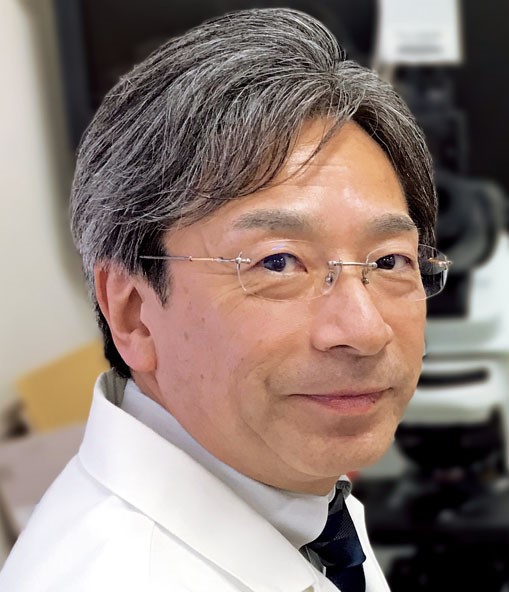 Akiyoshi Kakita (柿田 明美)合作论文数Department of Pathological Neuroscience, Resource Branch for Brain Disease Research CBBR, Brain Research Institute, University of Niigata1
 Sumio Ohtsuki (大槻純男)合作论文数Laboratory of Pharmaceutical Microbiology, Department of Pharmaceutical Microbiology, Faculty of Life Sciences, Kumamoto University1Naruhiko Adachi合作论文数Horikoshi Gene Selector;Exploratory Research for Advanced Technology;Japan Science and Technology;Exploratory Research for Advanced Technology, Japan Science and Technology1
 Satoru Nagatoishi合作论文数Graduate School of Frontier Sciences, The University of Tokyo1Hirooki Yabe合作论文数1Yosuke Tanaka合作论文数Graduate School of Medicine, University of Tokyo1Toshiya Senda合作论文数1Masato Kawasaki合作论文数1Shinya Saijo合作论文数1




