Men and women differ in circulating lipids and coronary artery disease (CAD). While sex hormones such as estrogens decrease CAD risk, hormone replacement therapy increases risk. Biological sex is determined by sex hormones and chromosomes, but effects of sex chromosomes on circulating lipids and atherosclerosis are unknown. Here, we use mouse models to separate effects of sex chromosomes and hormones on atherosclerosis, circulating lipids and intestinal fat metabolism. We assess atherosclerosis in multiple models and experimental paradigms that distinguish effects of sex chromosomes, and male or female gonads. Pro-atherogenic lipids and atherosclerosis are greater in XX than XY mice, indicating a primary effect of sex chromosomes. Small intestine expression of enzymes involved in lipid absorption and chylomicron assembly are greater in XX male and female mice with higher intestinal lipids. Together, our results show that an XX sex chromosome complement promotes the bioavailability of dietary fat to accelerate atherosclerosis.
Aiming at the shortcomings of the existing equipment virtual training system and simulation system development platform, which is backward and the simulation effect is poor, the development of a multi-platform integrated virtual training system for a certain equipment is put forward. Through the 3Dsmax geometric model modeling and behavior modeling of Unity3D platform equipment equipment operators, to achieve the basic functions of virtual training system, and combined with other software development characteristics and advantages, the advantages of Flash applied to the virtual training system of equipment. The results show that: It is entirely feasible to develop a virtual training system based on the Unity3D platform. Combined with the combination of 3Dsmax and Flash, the effect of a certain type of equipment simulation is more realistic than the previous single platform, and the human-computer interaction experience is better and can be widely used. It is used in virtual assembly and disassembly training and virtual maintenance of complex equipment.
The aim of this study was to investigate the expression of GABAB receptors, a subclass of receptors to the inhibitory neurotransmitter gamma-aminobutyric acid (GABAB), in human aortic smooth muscle cells (HASMCs), and to explore if altering receptor activation modified intracellular Ca(2+) concentration ([Ca(2+)]i) of HASMCs. Real-time PCR, western blots and immunofluorescence were used to determine the expression of GABABR1 and GABABR2 in cultured HASMCs. Immunohistochemistry was used to localize the two subunits in human left anterior descending artery (LAD). The effects of the GABAB receptor agonist baclofen on [Ca(2+)]i in cultured HASMCs were demonstrated using fluo-3. Both GABABR1 and GABABR2 mRNA and protein were identified in cultured HASMCs and antibody staining was also localized to smooth muscle cells of human LAD. 100 μM baclofen caused a transient increase of [Ca(2+)]i in cultured HASMCs regardless of whether Ca(2+) was added to the medium, and the effects were inhibited by pre-treatment with CGP46381 (selective GABAB receptor antagonist), pertussis toxin (a Gi/o protein inhibitor), and U73122 (a phospholipase C blocker). GABAB receptors are expressed in HASMCs and regulate the [Ca(2+)]i via a Gi/o-coupled receptor pathway and a phospholipase C activation pathway.
PURPOSE:Gamma-aminobutyric acid A (GABAA) receptors (GABAARs), which are ionotropic receptors involving chloride channels, have been identified in various neural (e.g., mouse retinal ganglion cells) and nonneural cells (e.g., mouse lens epithelial cells) regulating the intracellular calcium concentration ([Ca(2+)]i). GABAAR β-subunit protein has been isolated in the cultured human and rat RPE, and GABAAα1 and GABAAρ1 mRNAs and proteins are present in the chick RPE. The purpose of this study was to investigate the expression of GABAAα1 and GABAAρ1, two important subunits in forming functional GABAARs, in the cultured human RPE, and further to explore whether altering receptor activation modifies [Ca(2+)]i.METHODS:Human RPE cells were separately cultured from five donor eye cups. Real-time PCR, western blots, and immunofluorescence were used to test for GABAAα1 and GABAAρ1 mRNAs and proteins. The effects of the GABAAR agonist muscimol, antagonist picrotoxin, or the specific GABAAρ antagonist 1,2,5,6-tetrahydropyridin-4-yl) methylphosphinic acid (TPMPA) on [Ca(2+)]i in cultured human RPE were demonstrated using Fluo3-AM.RESULTS:Both GABAAα1 and GABAAρ1 mRNAs and proteins were identified in cultured human RPE cells; antibody staining was mainly localized to the cell membrane and was also present in the cytoplasm but not in the nucleus. Muscimol (100 μM) caused a transient increase of the [Ca(2+)]i in RPE cells regardless of whether Ca(2+) was added to the buffer. Muscimol-induced increases in the [Ca(2+)]i were inhibited by pretreatment with picrotoxin (300 μM) or TPMPA (500 μM).CONCLUSIONS:GABAAα1 and GABAAρ1 are expressed in cultured human RPE cells, and GABAA agents can modify [Ca(2+)]i.
The CCAAT/enhancer binding proteins (C/EBPs) are transcription factors involved in hematopoietic cell development and induction of several inflammatory mediators. C/EBPε is expressed only in myeloid cells including monocytes/macrophages. Atherosclerosis is an inflammatory disorder of the vascular wall and circulating immune cells such as monocytes/macrophages. Mice deficient in the low density lipoprotein (LDL) receptor (Ldlr−/−) fed on a high cholesterol diet (HCD) show elevated blood cholesterol levels and are widely used as models to study human atherosclerosis. In this study, we generated Ldlr and Cebpe double-knockout (llee) mice and compared their atherogenic phenotypes to Ldlr single deficient (llEE) mice after HCD. Macrophages from llee mice have reduced lipid uptake by foam cells and impaired phagokinetic motility in vitro compared to macrophages from llEE mice. Also, compared to llEE mice, llee mice have alterations of lipid metabolism, and reduced atheroma and obesity, particularly the males. Peritoneal macrophages of llee male mice have reduced mRNA expression of FABP4, a fatty acid binding protein implicated in atherosclerosis. Overall, our study suggests that the myeloid specific factor C/EBPε is involved in systemic lipid metabolism and that silencing of C/EBPε could decrease the development of atherosclerosis.
Hepcidin, the iron-regulatory hormone and acute phase reactant, is proposed to contribute to the pathogenesis of atherosclerosis by promoting iron accumulation in plaque macrophages, leading to increased oxidative stress and inflammation in the plaque (the "iron hypothesis"). Hepcidin and iron may thus represent modifiable risk factors in atherosclerosis. We measured hepcidin expression in Apoe(-/-) mice with varying diets and ages. To assess the role of macrophage iron in atherosclerosis, we generated Apoe(-/-) mice with macrophage-specific iron accumulation by introducing the ferroportin ffe mutation. Macrophage iron loading was also enhanced by intravenous iron injection. Contrary to the iron hypothesis, we found that hepatic hepcidin expression was not increased at any stage of the atherosclerosis progression in Apoe(-/-) or Apoe/ffe mice and that the atherosclerotic plaque size was not increased in mice with elevated macrophage iron. Our results strongly argue against any significant role of macrophage iron in atherosclerosis progression in mice.
We examined the effects of a natural secondary bile acid, hyodeoxycholic acid (HDCA), on lipid metabolism and atherosclerosis in LDL receptor-null (LDLRKO) mice. Female LDLRKO mice were maintained on a Western diet for 8 wk and then divided into 2 groups that received chow, or chow + 1.25% HDCA, diets for 15 wk. We observed that mice fed the HDCA diet were leaner and exhibited a 37% (P<0.05) decrease in fasting plasma glucose level. HDCA supplementation significantly decreased atherosclerotic lesion size at the aortic root region, the entire aorta, and the innominate artery by 44% (P<0.0001), 48% (P<0.01), and 94% (P<0.01), respectively, as compared with the chow group. Plasma VLDL/IDL/LDL cholesterol levels were significantly decreased, by 61% (P<0.05), in the HDCA group as compared with the chow diet group. HDCA supplementation decreased intestinal cholesterol absorption by 76% (P<0.0001) as compared with the chow group. Furthermore, HDL isolated from the HDCA group exhibited significantly increased ability to mediate cholesterol efflux ex vivo as compared with HDL of the chow diet group. In addition, HDCA significantly increased the expression of genes involved in cholesterol efflux, such as Abca1, Abcg1, and Apoe, in a macrophage cell line. Thus, HDCA is a candidate for antiatherosclerotic drug therapy.
According to the current status of maintenance training, a framework of desktop virtual maintenance training platform was proposed on the basis of the NGRAIN ,making full use of advanced CAD technology and virtual reality technology. At last take the dump trucks as example, which proved that equipment virtual maintenance training can largely improve the cost-effectiveness of the maintenance training. The platform is a portable, economical solution for maintenance training, which not only can meet the needs of the training mission, but also provide a reference for the other virtual maintenance training system. In the future, the platform will have a very important practical significance and broad application prospects.
Objective— The purpose of this study was to fine map previously identified quantitative trait loci affecting atherosclerosis in mice using association analysis. Methods and Results— We recently showed that high-resolution association analysis using common inbred strains of mice is feasible if corrected for population structure. To use this approach for atherosclerosis, which requires a sensitizing mutation, we bred human apolipoprotein B-100 transgenic mice with 22 different inbred strains to produce F1 heterozygotes. Mice carrying the dominant transgene were tested for association with high-density single nucleotide polymorphism maps. Here, we focus on high-resolution mapping of the previously described atherosclerosis 30 locus on chromosome 1. Compared with the previous linkage analysis, association improved the resolution of the atherosclerosis 30 locus by more than an order of magnitude. Using expression quantitative trait locus analysis, we identified one of the genes in the region, desmin, as a strong candidate. Conclusion— Our high-resolution mapping approach accurately identifies and fine maps known atherosclerosis quantitative trait loci. These results suggest that high-resolution genome-wide association analysis for atherosclerosis is feasible in mice.
With the fast development of information technology, office automation, quick and effective information document automatic summarization becomes more and more important. Therefore, based on the ICTCLAS segmentation techniques from the CAS Institute of computing technology and Microsoft's Open XML technology, this paper implements an automatic summarization algorithm for Chinese document, and obtains remarkable effect according to the information in Word2007 format documents. Thesis provides a feasible scheme for the automatic abstracting needs in the document management.
BACKGROUND:The human 9p21.3 chromosome locus has been shown to be an independent risk factor for atherosclerosis in multiple large-scale genome-wide association studies, but the underlying mechanism remains unknown. We set out to investigate the potential role of the 9p21.3 locus neighboring genes, including Mtap, the 2 isoforms of Cdkn2a, p16Ink4a and p19Arf, and Cdkn2b, in atherosclerosis using knockout mice models.METHODS AND RESULTS:Gene-targeted mice for neighboring genes, including Mtap, Cdkn2a, p19Arf, and Cdkn2b, were each bred to mice carrying the human APO*E3 Leiden transgene that sensitizes the mice for atherosclerotic lesions through elevated plasma cholesterol. We found that the mice heterozygous for Mtap developed larger lesions compared with wild-type mice (49623±21650 versus 18899±9604 μm(2) per section [mean±SD]; P=0.01), with morphology similar to that of wild-type mice. The Mtap heterozygous mice demonstrated changes in metabolic and methylation profiles and CD4(+) cell counts. The Cdkn2a knockout mice had smaller lesions compared with wild-type and heterozygous mice, and there were no significant differences in lesion size in p19Arf and Cdkn2b mutants compared with wild type. We observed extensive, tissue-specific compensatory regulation of the Cdkn2a and Cdkn2b genes among the various knockout mice, making the effects on atherosclerosis difficult to interpret.CONCLUSIONS:Mtap plays a protective role against atherosclerosis, whereas Cdkn2a appears to be modestly proatherogenic. However, no relation was found between the 9p21 genotype and the transcription of 9p21 neighboring genes in primary human aortic vascular cells in vitro. There is extensive compensatory regulation in the highly conserved 9p21 orthologous region in mice.
The liver X receptor (LXR) signaling pathway is an important modulator of atherosclerosis, but the relative importance of the two LXRs in atheroprotection is incompletely understood. We show here that LXRα, the dominant LXR isotype expressed in liver, plays a particularly important role in whole-body sterol homeostasis. In the context of the ApoE−/− background, deletion of LXRα, but not LXRβ, led to prominent increases in atherosclerosis and peripheral cholesterol accumulation. However, combined loss of LXRα and LXRβ on the ApoE−/− background led to an even more severe cholesterol accumulation phenotype compared to LXRα−/−ApoE−/− mice, indicating that LXRβ does contribute to reverse cholesterol transport (RCT) but that this contribution is quantitatively less important than that of LXRα. Unexpectedly, macrophages did not appear to underlie the differential phenotype of LXRα−/−ApoE−/− and LXRβ−/−ApoE−/− mice, as in vitro assays revealed no difference in the efficiency of cholesterol efflux from isolated macrophages. By contrast, in vivo assays of RCT using exogenously labeled macrophages revealed a marked defect in fecal sterol efflux in LXRα−/−ApoE−/− mice. Mechanistically, this defect was linked to a specific requirement for LXRα−/− in the expression of hepatic LXR target genes involved in sterol transport and metabolism. These studies reveal a previously unrecognized requirement for hepatic LXRα for optimal reverse cholesterol transport in mice.
Objective— To test the hypothesis that NF-E2–related factor 2 (Nrf2) expression plays an antiatherogenic role by its vascular antioxidant and anti-inflammatory properties. Methods and Results— Nrf2 is an important transcription factor that regulates the expression of phase 2 detoxifying enzymes and antioxidant genes. Its expression in vascular cells appears to be an important factor in the protection against vascular oxidative stress and inflammation. We developed Nrf2 heterozygous (HET) and homozygous knockout (KO) mice on an apolipoprotein (apo) E–null background by sequential breeding, resulting in Nrf2 −/− , apoE −/− (KO), Nrf2 −/+ , apoE −/− (HET) and Nrf2 +/+ , and apoE −/− wild-type littermates. KO mice exhibited decreased levels of antioxidant genes with evidence of increased reactive oxygen species generation compared with wild-type controls. Surprisingly, KO males exhibited 47% and 53% reductions in the degree of aortic atherosclerosis compared with HET or wild-type littermates, respectively. Decreased atherosclerosis in KO mice correlated with lower plasma total cholesterol in a sex-dependent manner. KO mice also had a decreased hepatic cholesterol content and a lower expression of lipogenic genes, suggesting that hepatic lipogenesis could be reduced. In addition, KO mice exhibited atherosclerotic plaques characterized by a lesser macrophage component and decreased foam cell formation in an in vitro lipid-loading assay. This was associated with a lower rate of cholesterol influx, mediated in part by decreased expression of the scavenger receptor CD36. Conclusion— Nrf2 expression unexpectedly promotes atherosclerotic lesion formation in a sex-dependent manner, most likely by a combination of systemic metabolic and local vascular effects.
In this study, we examined the effects of dietary supplementation of two natural emulsifiers, hyodeoxycholic acid (HDCA) and D-limonene (D-Lim), on atherosclerotic lesion formation in LDLRKO mouse. Female LDLRKO mice were maintained on a western diet for 8 weeks, then divided into 3 groups that received the following diets for 15 weeks before euthanization, chow diet, chow diet + 1.25% HDCA, or chow diet + 5% D-Lim. We found that 1.25% HDCA was able to significantly suppress the development of plaque area throughout the aorta (beyond the root of the aorta) by 47% (p<0.01) over 15 weeks of treatment. 5% D-lim treated mice showed a 25% (p<0.05) reduction in plaque formation. Atherosclerotic lesion size at the innominate artery was decreased by 94% (p<0.0001) and 53% (p<0.05) in the HDCA and D-Lim groups, respectively, as compared to the chow diet group. Plasma VLDL/IDL/LDL cholesterol levels were significantly decreased by 61% (p<0.0001) and 23% (p=0.01) in the HDCA and D-Lim groups, respectively, as compared to the chow diet group. We found that HDCA supplementation decreased cholesterol absorption from gut by 76% (p<0.0001), whereas D-Lim had no effect on cholesterol absorption. Interestingly, hepatic mRNA level of Cyp7a1, a key enzyme in bile acid synthesis, was significantly increased by more than 100% (p<0.05) in D-Lim group, suggesting D-Lim may act as a bile sequestrant in the gut. In addition, HDL isolated from the HDCA and D-Lim groups exhibited significantly increased ability (49% and 45% increase, respectively) to mediate cholesterol efflux from cholesterol loaded RAW 264.7 cells as compared to those of the chow diet group. In summary, our data demonstrated that HDCA supplementation decreased plasma VLDL/IDL/LDL cholesterol levels mainly through its ability to block intestinal cholesterol absorption. D-Lim decreased plasma VLDL/IDL/LDL cholesterol levels probably through decreased bile acid re-absorption in the intestine and increased conversion of cholesterol into bile acid in the liver. HDCA and D-Lim improve the cholesterol efflux ability of HDL as well. These anti-atherogenic effects resulted in significantly decreased atherosclerosis in LDLRKO mice receiving HDCA or D-Lim. HDCA and D-Lim may be new candidates for anti-atherosclerotic drugs.
Background— We previously mapped a quantitative trait locus on chromosome 15 in mice contributing to high-density lipoprotein cholesterol and triglyceride levels and now report the identification of the underlying gene. Methods and Results— We first fine-mapped the locus by studying a series of congenic strains derived from the parental strains BALB/cJ and MRL/MpJ. Analysis of gene expression and sequencing followed by transgenic complementation led to the identification of zinc fingers and homeoboxes 2 (Zhx2), a transcription factor previously implicated in the developmental regulation of α-fetoprotein. Reduced expression of the protein in BALB/cJ mice resulted in altered hepatic transcript levels for several genes involved in lipoprotein metabolism. Most notably, the Zhx2 mutation resulted in a failure to suppress expression of lipoprotein lipase, a gene normally silenced in the adult liver, and this was normalized in BALB/cJ mice carrying the Zhx2 transgene. Conclusions— We identified the gene underlying the chromosome 15 quantitative trait locus, and our results show that Zhx2 functions as a novel developmental regulator of key genes influencing lipoprotein metabolism.
Objective— To generate Abcg1 −/− Apoe −/− mice to understand the mechanism and cell types involved in changes in atherosclerosis after loss of ABCG1. Methods and Results— ABCG1 is highly expressed in macrophages and endothelial cells, 2 cell types that play important roles in the development of atherosclerosis. Abcg1 −/− Apoe −/− and Apoe −/− mice and recipient Apoe −/− mice that had undergone transplantation with bone marrow from Apoe −/− or Abcg1 −/− Apoe −/− mice were fed a Western diet for 12 or 16 weeks before quantification of atherosclerotic lesions. These studies demonstrated that loss of ABCG1 from all tissues, or from only hematopoietic cells, was associated with significantly smaller lesions that contained increased numbers of TUNEL- and cleaved caspase 3–positive apoptotic Abcg1 −/− macrophages. We also identified specific oxysterols that accumulate in the brains and macrophages of the Abcg1 −/− Apoe −/− mice. These oxysterols promoted apoptosis and altered the expression of proapoptotic genes when added to macrophages in vitro. Conclusion— Loss of ABCG1 from all tissues or from only hematopoietic cells results in smaller atherosclerotic lesions populated with increased apoptotic macrophages, by processes independent of ApoE. Specific oxysterols identified in tissues of Abcg1 −/− Apoe −/− mice may be critical because they induce macrophage apoptosis and the expression of proapoptotic genes.
Atherosclerosis represents the most significant risk factor for coronary artery disease (CAD), the leading cause of death in developed countries. To better understand the pathogenesis of atherosclerosis, we applied a likeli-hood-based model selection method to infer gene-disease causality relationships for the aortic lesion trait in a segregating mouse population demonstrating a spectrum of susceptibility to developing atherosclerotic lesions. We identified 292 genes that tested causal for aortic lesions from liver and adipose tissues of these mice, and we experimentally validated one of these candidate causal genes, complement component 3a receptor 1 (C3ar1), using a knockout mouse model. We also found that genes identified by this method overlapped with genes progressively regulated in the aortic arches of 2 mouse models of atherosclerosis during atherosclerotic lesion development. By comparing our gene set with findings from public human genome-wide association studies (GWAS) of CAD and related traits, we found that 5 genes identified by our study overlapped with published studies in humans in which they were identified as risk factors for multiple atherosclerosis-related pathologies, including myocardial infarction, serum uric acid levels, mean platelet volume, aortic root size, and heart failure. Candidate causal genes were also found to be enriched with CAD risk polymorphisms identified by the Wellcome Trust Case Control Consortium (WTCCC). Our findings therefore validate the ability of causality testing procedures to provide insights into the mechanisms underlying atherosclerosis development.
 Jake Lusis合作论文数Department of Microbiology, Immunology and Molecular Genetics, David Geffen School of Medicine, University of California, Los Angeles;Department of Human Genetics, David Geffen School of Medicine, University of California, Los Angeles;Department of Medicine, Cardiology, David Geffen School of Medicine, University of California, Los Angeles67
 Castellani Lawrence W合作论文数13Diana M. Shih合作论文数13
 Alan M. Fogelman合作论文数University of California, Los Angeles9
 Weibin Shi合作论文数8
 Mohamad Navab合作论文数Division of Cardiology, University of California, Los Angeles8
 Jiyang Wang (王继扬)合作论文数Institute of Crystal Materials, Shandong University8Zory Shaposhnik合作论文数8Susanna S Wang合作论文数7Lw Castellani合作论文数7Jack Wong合作论文数7
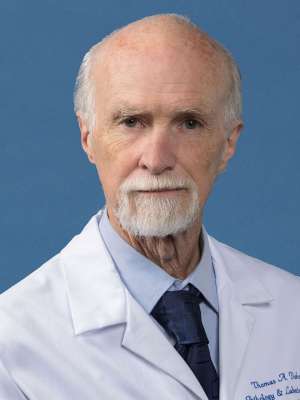 Thomas A. Drake合作论文数Department of Pathology and Laboratory Medicine, University of California, Los Angeles7Karen Reue合作论文数Department of Human Genetics, David Geffen School Of Medicine, University of California, Los Angeles7
 Huaijin Zhang (张怀金)合作论文数Institute of Crystal Materials, Shandong University;State Key Laboratory of Crystal Materials, Shandong University7Luz D. Orozco合作论文数7
 Peter Tontonoz合作论文数MacDonald Research Laboratory, Department of Pathology and Laboratory Medicine, David Geffen School of Medicine, University of California, Los Angeles6
 Jesus Araujo合作论文数Department of Environmental Health Sciences, Fielding School of Public Health, University of California, Los Angeles6ChunJiang Yao (姚春江)合作论文数6Jianxiu Zhang (张建秀)合作论文数Technical Institute of Physics and Chemistry, Chinese Academy of Sciences6Berenice Barajas合作论文数6Brian J Bennett合作论文数5Wentao Yu (于文涛)合作论文数5
 Eric Schadt合作论文数Icahn School of Medicine at Mount Sinai;Pathos;Sage Bionetworks5Kunpeng Wang (王坤鹏)合作论文数 National Center for Materials Service Safety, University of Science and Technology Beijing, Beijing , China5
 Hongyun Li (李红云)合作论文数5Xiaohu Chen (陈小虎)合作论文数5
 Sean B. Joseph合作论文数5Betty P. Tsao合作论文数5Margarete Mehrabian合作论文数5Ba Laffitte合作论文数4WB Shi合作论文数4
 Michael Weinstein合作论文数4Jh Qiao合作论文数4Xiaohui Wu合作论文数Univ Calif Los Angeles, Dept Med, Div Cardiol, Los Angeles, CA 90024 USA4
 Mingfang Ba (巴明芳)合作论文数School of Civil and Environmental Engineering, Ningbo University4Gong Ke-Wei合作论文数4Wu Judy合作论文数4
 Zhengping Wang (王正平)合作论文数State Key Laboratory of Crystal Materials, Shandong University4
 Xuebing Feng (冯学兵)合作论文数The Affiliated Hospital of Nanjing University Medicine School4ED Bischoff合作论文数3Yr Xia合作论文数3Ys Shi合作论文数3Larry Castellani合作论文数3Tangirala Rajendra K合作论文数3Schulman Ira G合作论文数Dept Pharmacol, Univ Virginia Hlth Syst3
 Joseph Witztum合作论文数Division of Endocrinology and Metabolism, Department of Medicine, School of Medicine, University of California, San Diego;Oxitope, Inc;Kleanthi Diagnostic3Alexis A. Rumbin合作论文数3Katherine Brechtelsbauer合作论文数3
 Antonio La Cava合作论文数David Geffen School of Medicine, University of California Los Angeles3




