Vitamin B12 is acquired through the consumption of animal-source foods and supplements. In animal models, interventions with B12 and/or methionine influence fecal short-chain fatty acid (SCFA) concentration. Yet the relevance of dietary B12 to microbially produced SCFAs in humans is unknown. This study determined associations between dietary B12 and the gut microbiome in a deeply phenotyped cohort of healthy U.S. adults. Habitual diet and fecal shotgun metagenomes were integrated alongside measurements of fecal SCFAs, plasma SCFAs, and plasma B12 (n = 277). Vitamin B12 intake ranged from 2.4 to 1062 µg/day, and nearly all participants were B12 replete. Stratification of participants into adequate (2.4-8.51 µg/day) and high B12 intake (>8.51 µg/day) groups revealed the association of high intake with a reduction in bacteria capable of anaerobic B12 biosynthesis. High B12 intake was also associated with lower fecal SCFA concentrations even after controlling for fiber and methionine intake. Differences in microbial taxa between dietary groups were limited. However, machine learning models demonstrated the ability to predict fecal propionate and butyrate from microbial pathways in the adequate or no supplement groups, but not in the high intake or supplement groups. Our results indicate that dietary B12 greater than 8.51 µg/day may be associated with reduced microbial synthesis of B12 and lower fecal SCFA production.
Trimethylamine n-oxide (TMAO) is a plasma metabolite linked to adverse cardiometabolic health with complex regulation involving diet, sex, and host genetics. We explored the role of these factors in the genetic regulation of TMAO by performing a primary-level meta-analysis in 1,482 female and male Diversity Outbred (DO) mice from five distinct studies conducted in various regions of the United States. We identified a quantitative trait locus (QTL) associated with TMAO concentration at ~86 megabase pairs on mouse chromosome 12 with a highly significant LOD score of 67.67. Alleles at the chromosome 12 QTL inherited from the Cast/EiJ (CAST) and PWK/PhJ (PWK) mouse strains primarily drove the association with reduced TMAO concentrations. The chromosome 12 QTL remained significant in sex-stratified analyses and the mode of inheritance appeared additive; furthermore, the QTL was regulated by sex-by-genotype and sex-by-diet interactions. Using a CAST/EiJ X C57BL/6J F2 cross, positional candidates were prioritized by eQTL analysis. Further analysis in a study utilizing the eight DO founding strains identified that Acyp1 was differentially expressed in hepatic tissue from CAST mice, prompting investigation into its genetic regulation. Acyp1 demonstrated relevant cis- and trans-regulation and was significantly correlated with TMAO and hepatic Fmo3. However, no significant relationships between Acyp1 and TMAO were identified in mice inactivated for Acyp1 or with AAV overexpression of Acyp1 in the liver. Genes within the chromosome 12 QTL have synteny with humans and may translate to the genetic regulation of human plasma TMAO concentrations and atherosclerosis.
Understanding how genetic factors interact with diet and lifestyle to influence obesity is critical as we move towards models of precision nutrition and medicine. To assess how genetic and lifestyle factors influence the variation in body composition and metabolic syndrome (Metsyn) risk factors. A cross-sectional sample of age/sex/BMI-balanced 18–66 year old men and women (n = 211) from the USDA Nutritional Phenotyping Study were included in the analysis (NCT02367287). BMI polygenic risk scores (PRS) were calculated with the pgs_calc pipeline. Associations with body composition and Metsyn traits were assessed by linear regression and ANCOVA. Explained variance was evaluated using sum of squares and partial R², with model constraint using Bayesian information criteria. The PRS independently explained 15.6% of BMI variance and, after adjusting for age, sex, and genetic population structure, accounted for 11.3% of BMI variance (pANCOVA = 1.1 × 10⁻⁷). Measures of diet quality, fitness, and resting metabolic rate (RMR) showed mixed independent associations with obesity traits. In best fit models, while the PRS was significant for DXA outcomes, waist circumference, and fasting TG, the explained variance was below 3% except in android-to-gynoid ratio (3.3%), lean mass index (6.6%), and waist circumference (10.1%). The BMI PRS showed subtle associations with the metabolic/physiological consequences of obesity, only waist circumference and plasma glucose were associated with PRS. Blood pressure, triglycerides, and HDL levels were not associated with PRS for obesity. The genetic factors influencing BMI appear to differ from those contributing to measures of adiposity and metabolic consequences of obesity. Genetic risk of high BMI was validated in this cohort, but sex, RMR, and fitness are the more refined determinants of adiposity and dysregulated metabolism in this healthy population. Future research should be sure to utilize genetic risk predictors specifically associated with maladaptive obesity traits rather than more broad associated phenotypes. NCT02367287
BACKGROUND:The oral glucose tolerance test (OGTT) captures integrated physiological responses involving intestinal glucose absorption, incretin signaling, and endogenous insulin secretion, whereas the hyperinsulinemic-euglycemic clamp (clamp) isolates insulin-mediated glucose uptake. Comparing plasma metabolomic responses to these two challenges may identify processes specific to intestinal nutrient delivery and how they vary in CKD. METHODS:Targeted plasma metabolomics was performed in 59 adults without diabetes (39 with CKD [eGFR <60 mL/min/1.73 m2] and 20 controls) from the Study of Glucose and Insulin in Renal Disease (SUGAR). Each participant underwent a 75-g OGTT and clamp approximately one week apart. Eighty-eight plasma metabolites were quantified at fasting and during each challenge. Metabolite levels were log-transformed and normalized using Systematic Error Removal Using Random Forest (SERRF). Metabolites were classified using adjusted regression slopes relating OGTT and clamp responses. RESULTS:The mean (SD) age and eGFR were 64 (13) years and 54 (26) mL/min/1.73 m2, respectively, and 41% were female. In the overall cohort, OGTT and clamp induced broad plasma metabolic changes, with 63 (72%) and 76 (86%) metabolites significantly altered from fasting, respectively. Seventy-three metabolites (83%) demonstrated a significant relationship between OGTT and clamp responses. Of these, 22 (25%) exhibited true concordance and 51 (58%) demonstrated similar directional changes but differed in magnitude. A total of 15 (17%) metabolites were discordant or non-corresponding, of which only three were discordant. The non-corresponding metabolites were enriched in amino acid metabolism. Eleven metabolites (13%) demonstrated differential responses between OGTT and clamp by CKD status, involving amino acid and glucose metabolism pathways. CONCLUSIONS:Metabolomic responses to OGTT and clamp were largely directionally concordant but differed in magnitude, with attenuation during OGTT. Discordant metabolites were rare, while non-corresponding metabolites were confined to amino acid pathways. CKD modified OGTT-clamp correspondence for metabolites involved in amino acid and glycolytic metabolism.
Early-life exposure to environmental factors can have long-lasting impacts on offspring health into adulthood and therefore is an emerging public health concern. In particular, the impact of maternal environmental exposures such as diet and antibiotic use on the establishment of the offspring gut microbiome has been recently highlighted as a potential link to disease risk. However, the long-term effects are poorly understood. Moreover, interindividual host genetic differences have also been implicated in modulating the gut microbiome, suggesting that these differences may modulate susceptibility to environmentally induced dysbiosis and exacerbate related health outcomes. Our understanding of how the developmental environment and genetics interact to modulate offspring long-term gut microbiota and health is still limited. In this study, we investigated the effects of early exposure to known or putative dietary insults on the microbiome (antibiotic exposure, protein deficiency, and vitamin D deficiency) in a novel population of mice. Dams were maintained on purified AIN93G antibiotic-containing (AC), low-protein (LP), low-vitamin D (LVD), or mouse control (CON) diets from 5 weeks prior to pregnancy until the end of lactation. After weaning, mice were transferred to new cages and fed a standardized chow diet. The parent-of-origin (PO) effect was determined via F1 offspring from reciprocal crosses of recombinant inbred intercross (RIX) of Collaborative Cross (CC) mice, where all F1 offspring within a reciprocal pair were genetically identical except for the X- and Y-chromosomes and mitochondrial genomes. We assayed offspring bodyweight and the gut bacterial microbiota via 16S rRNA gene sequencing at 8 weeks of age. Our study revealed that early developmental exposure to antibiotics, protein deficiency, and vitamin D deficiency had long-lasting effects on offspring bodyweight and gut microbial diversity and composition, depending on the genetic background. Several bacterial genera and ASVs, including Bacteroides, Muribaculaceae, Akkermansia, and Bifidobacterium, are influenced by developmental insults. We also observed a significant effect of PO on offspring gut microbiota and growth. For example, the offspring of CC011xCC001 mice had increased bodyweight, microbial diversity indices, and several differential bacterial abundances, including those of Faecalibaculum, compared with those of the corresponding reciprocal cross CC001xCC011. Our results show that maternal exposure to nutritional deficiencies and antibiotics during gestation and lactation has a lasting impact on offspring gut microbiota composition. The specific responses to a diet or antibiotic can vary among F1 strains and may be driven by maternal genetics.
Metabolomic profiles are increasingly being used to identify responders to dietary interventions. Advances using this approach are particularly needed to personalize and enhance the effectiveness of dietary weight loss interventions. Using obese Diversity Outbred (DO) mice that model genetic and phenotypic heterogeneity of human populations, we aimed to identify urinary metabolite signatures associated with responsiveness to calorie restriction (CR)-mediated weight loss. DO mice (150 males, 150 females) were fed a high-fat diet for 12 weeks to induce obesity, then urine was collected and an 8-week CR regimen (30% decrease in energy intake) initiated. At study completion, mice were rank-ordered according to their percent body weight change, with mice in the extreme quartiles deemed CR responders (n = 67) versus nonresponders (n = 67). Targeted semi-quantitative metabolomics identified elevated glutamic acid and hydroxyproline as key urinary metabolites that distinguish CR responders from CR nonresponders, independent of sex. Three urinary metabolites (glutamic acid, hydroxyproline, and putrescine) distinguished male CR responders from nonresponders. Six metabolites (glutamic acid, hydroxyproline, dopamine, histamine, lysine, and spermine) distinguished female CR responders from nonresponders. Multivariate receiver operating characteristic analyses integrated these metabolites to reveal potential sex specific and sex-independent associations of CR-mediated weight loss. Further, pathway analysis identified several metabolic pathways, including arginine and proline metabolism, and alanine, aspartate, and glutamate biosynthesis, that distinguished CR responders from nonresponders and could be indicative of metabolic reprogramming to enhance insulin sensitivity and energy metabolism.
Predictive analytics encompassing metabolomic profiles are increasingly being used to forecast responders to dietary interventions. Advances using this approach are particularly needed to personalize and enhance the effectiveness of dietary weight loss interventions. Using obese Diversity Outbred (DO) mice that model genetic and phenotypic heterogeneity of human populations, we aimed to identify urinary metabolite signatures predictive of responsiveness to calorie restriction (CR)-mediated weight loss. DO mice (150 males, 150 females) were fed a high-fat diet for 12 weeks to induce obesity, then urine was collected and an 8-week CR regimen (30% decrease in energy intake) initiated. At study completion, mice were rank-ordered according to their percent body weight change, with mice in the extreme quartiles deemed CR responders (n=67) versus nonresponders (n=67). Targeted semi-quantitative metabolomics identified elevated glutamic acid and hydroxyproline as key urinary metabolites that distinguish CR responders from CR nonresponders, independent of sex. Three urinary metabolites (glutamic acid, hydroxyproline, and putrescine) distinguished male CR responders from nonresponders. Six metabolites (glutamic acid, hydroxyproline, dopamine, histamine, lysine, and spermine) distinguished female CR responders from nonresponders. Multivariate receiver operating characteristic analyses integrated the common metabolites and sex-specific metabolites to reveal moderate (males) to robust (females, males plus females) prediction models of CR-mediated weight loss. Further, pathway analysis identified several metabolic pathways, including arginine and proline metabolism, and alanine, aspartate, and glutamate biosynthesis, that distinguished CR responders from nonresponders and could be indicative of metabolic reprogramming to enhance insulin sensitivity and energy metabolism.
Calorie restriction (CR) is a well-established weight loss strategy, albeit with variation in response. Using genetically heterogeneous mice, we sought to identify metabolic predictors of resistance to CR-induced weight loss. Diversity outbred (DO) mice (150 males and 150 females) were fed a high-fat diet for 12 wk to generate diet-induced obesity (DIO), then underwent CR for 8 wk. Body weight and composition, blood glucose, and plasma levels of nine metabolic hormones were assessed at baseline, following DIO, and following CR. In response to each dietary intervention, the mice displayed substantial heterogeneity across all outcomes, often with sexual dimorphism. Among the metabolic markers, leptin changed the most in response to each dietary intervention. Logistic regression found that resistance to CR-induced weight loss in obese mice was associated with lower glucose levels in males, and with lower levels of insulin, resistin, homeostatic model assessment for insulin resistance (HOMA-IR), and plasminogen activator inhibitor-1 and higher levels of ghrelin in females. Moreover, lower leptin levels predicted resistance to CR-induced weight loss in obese mice, regardless of sex. These preclinical findings provide proof-of-principle that the genetic and phenotypic heterogeneity of DO mice can be leveraged to identify mechanistic predictors that may enhance the personalization of weight loss interventions.NEW & NOTEWORTHY Using a population of obese diversity outbred (DO) mice, we interrogated plasma predictors of resistance to calorie restriction-induced weight loss in nonresponders versus responders to the diet intervention. Lower leptin levels significantly predicted resistance in both sexes. Sexually dimorphic predictors included lower levels of glucose in males and insulin, resistin, and plasminogen activator inhibitor-1 (PAI-1) in females. Hence, genetically and phenotypically heterogeneous diversity outbred mice may be useful for identifying metabolic predictors for personalizing weight loss interventions.
Trimethylamine-N-oxide (TMAO) has been significantly linked to atherosclerosis via several mechanisms, but its direct effect on the atherosclerosis-prone vasculature remains unclear. The objective of this study was to characterize the cell type-dependent and independent effects of TMAO on key vascular cell types involved in atherosclerosis progression in vivo. We performed single-cell RNA-sequencing on aortic athero-prone regions of female Ldlr-/- mice fed normal laboratory, high-cholesterol, or high-cholesterol+TMAO diets for 3 months to identify which aortic cell types, differentially expressed genes, and biological pathways are affected by TMAO. We also modeled cell-cell communications and intracellular gene regulatory networks to identify gene networks perturbed by TMAO feeding. Key genes and pathways were validated using human vascular smooth muscle cells (vSMCs) exposed to TMAO. Changes in fibrous cap thickness, macrophage content, and collagen deposition in response to TMAO were measured with immunostaining and histology and quantified. Our single-cell RNA-sequencing analysis revealed that TMAO supplementation upregulated apoptotic gene signatures and downregulated ECM (extracellular matrix) organization and collagen formation genes in a subset of atherosclerosis-specific modulated vSMCs. We also identified degradation of the ECM as a top pathway for vSMC-derived macrophage differentially expressed genes in response to TMAO. Network analyses supported that macrophage-vSMC communication mediates ECM remodeling. Using human smooth muscle cells exposed to TMAO in vitro, we confirmed the direct effect of TMAO on regulating collagen and apoptotic genes. In agreement with the changes in these pathways that affect plaque stability, we observed a significant decrease in fibrous cap thickness and collagen deposition in mice supplemented with TMAO. Our results reveal the effects of TMAO on vSMCs to promote apoptosis and decrease ECM formation and on macrophage-mediated ECM degradation to, in concert enhance atherosclerotic plaque instability.
Introduction:Muscle impairment in chronic kidney disease (CKD) contributes to decreased physical performance, frailty, and increased mortality. This proof-of-concept randomized controlled study evaluated the efficacy of a 12-week home-based, video-supervised exercise program on muscle endurance in moderate-to-severe nondialysis CKD. Methods:Thirty-two sedentary adults with CKD (estimated glomerular filtration rate [eGFR] < 60 ml/min per 1.73 m2) were randomized (3:1) to a home exercise group (EX, n = 23) or usual care group (UC, n = 9). The primary outcome was in vivo muscle mitochondrial bioenergetics (rate of phosphocreatine recovery, kPCr) measured using phosphorus-31 magnetic resonance spectroscopy. Secondary outcomes included 6-minute walk test (6MWT) distance (6MWD), total work, peak oxygen consumption (VO2peak), and work efficiency obtained from cardiopulmonary exercise testing (CPET). Other outcomes were body composition and plasma cytokines. Within- and between-group differences were analyzed using linear mixed models (LMMs). Results:Mean (SD) ages were 62.6 (10.8) years in EX and 67.2 (8.2) in UC. Mean eGFRs were 35.0 (12.6) and 32.3 (12.0) ml/min per 1.73 m2, respectively. No serious adverse events occurred; 90.5% of EX completed ≥ 75% of sessions. Compared with UC, EX significantly increased kPCr (0.20/min, 95% confidence interval [CI]: 0.05-0.35, P = 0.01), total work (5.03 kJ, 95% CI: 1.25-8.80, P = 0.007), and 6MWD (39.1 m, 95% CI: 7.1-71.1, P = 0.014) while preserving fat-free mass (2.3 kg, 95% CI: 0.49-4.1, P = 0.024) and marginally decreasing fat mass (-2.22 kg, 95% CI: -4.7 to 0.27, P = 0.1) . Interleukin (IL)-8 concentration differed between groups (effect size: -1.16, 95% CI: -2.4 to -0.04, P = 0.016). Work efficiency, VO2peak, and other cytokines showed no significant differences between groups. Conclusion:Home-based, video-supervised exercise is feasible, improves muscle oxidative capacity and endurance, offering a strategy to mitigate functional decline in moderate-to-severe nondialysis CKD.
Although substantial advancements have been made in hypertension research, translation of this research into new pharmacotherapies remains challenging. The need for new therapies is imperative: 15% to 20% of patients with hypertension have treatment-resistant hypertension, which often persists despite aggressive clinical treatments consisting of ≥3 medication classes, including a diuretic. Numerous preclinical studies have demonstrated that alterations in the gut microbiome affect blood pressure, suggesting an important role for this nonconventional cardiovascular risk factor. This innovative association suggests a novel therapeutic opportunity for hypertension: modifying the gut microbiome to control hypertension. In line with this hypothesis, clinical trials have been launched to examine whether hypertension can be managed by targeting the gut microbiome. This American Heart Association Science Advisory aims to outline clinical evidence, raise awareness among the health care community about the importance of the gut microbiome in patients with hypertension, update existing knowledge, identify research gaps, and ultimately facilitate the rapid translation of findings into clinical trials and practice.
Diet is a complex exposure that affects health across the lifespan. Objective biomarkers that can reliably reflect intake of nutrients, foods, and dietary patterns with sufficient accuracy are an important tool for assessing associations of diet with health outcomes. Advances in metabolomics, coupled with feeding trials and high-dimensional bioinformatics analyses, pave the way for discovering compounds that can serve as sensitive and specific biomarkers of dietary exposures. The Dietary Biomarkers Development Consortium (DBDC) is leading the first major effort to improve dietary assessment through the discovery and validation of biomarkers for foods commonly consumed in the United States diet. To achieve this goal, a 3-phase approach will be implemented to identify, evaluate, and validate food biomarkers. In phase 1, 3 controlled feeding trial designs will be implemented by administering test foods in prespecified amounts to healthy participants, followed by metabolomic profiling of blood and urine specimens collected during the feeding trials to identify candidate compounds. Data from these studies will characterize the pharmacokinetic parameters of candidate biomarkers associated with specific foods. In phase 2, the ability of candidate biomarkers to identify individuals eating the biomarker-associated foods will be evaluated using controlled feeding studies of various dietary patterns. In phase 3, the validity of candidate biomarkers to predict recent and habitual consumption of specific test foods will be evaluated in independent observational settings. Data generated during all study phases will be archived in a publicly accessible database as a resource for the research community. The DBDC aims to significantly expand the list of validated biomarkers of intake for foods consumed in the United States diet, which can help advance understanding of how diet influences human health. This manuscript discusses the DBDC’s organizational infrastructure, study design, laboratory methods, and strategies for dietary biomarker discovery and validation. Trial registration number: This trial was registered at Phase 1 Seattle Dietary Biomarkers Development Center (P1-SDBDC) as NCT05580653, at Fruit and Vegetable Biomarker Discovery (UCD-DBDC) as NCT05621863, and at Dietary Biomarkers Intervention Core as NCT05616585.
[This corrects the article DOI: 10.1016/j.cdnut.2025.107435.].
Background:Muscle impairment in chronic kidney disease (CKD) contributes to decreased physical performance, frailty, and higher mortality risk. Regular exercise improves muscle function in CKD. This pilot randomized controlled study evaluated the efficacy of a home-based, video-supervised exercise program on muscle function and physical endurance in CKD. Methods:Sedentary adults (n=32) with moderate-to-severe nondialysis CKD (eGFR <60 mL/min/1.73m 2 ) were randomized to 12 weeks of moderately intense home-based, video-supervised exercise or usual care. Co-primary outcomes included in-vivo muscle mitochondrial bioenergetics (rate of phosphocreatine [PCr] recovery, k PCr ) using phosphorus-31 ( 31 P) magnetic resonance spectroscopy and work efficiency using graded cycle exercise testing. Secondary outcomes included 6-minute walk distance test (6MWD), total work, and peak oxygen consumption (VO 2 peak). Other outcomes were body composition measures and plasma cytokines. Linear mixed models estimated between-group differences. Results:Participants included 23 exercisers (EX) and nine in usual care (UC), with mean ( SD ) ages of 62.6 (10.8) and 67.2 (8.2) years, and eGFRs of 35.0 (12.6) and 32.3 (12) mL/min/1.73m 2 , respectively. No serious adverse events occurred; 90.5% of EX completed ≥75% of sessions. Compared to UC, EX resulted significantly increased in-vivo muscle mitochondrial bioenergetics (0.20min -1 , 95%CI [0.05,0.35], P =0.01), total work (5.03kJ, 95%CI [1.25,8.80], P =0.007), and 6MWD (39.1m, 95%CI [7.1,71.1], P =0.014). EX preserved fat-free mass (2.23kg, 95%CI [0.46, 4.0], P =0.011) and marginally decreased fat mass (-2.05kg, 95%CI [-4.5, 0.37], P =0.087) compared to UC. IL-8 concentration differed most between EX vs. UC (effect size -1.23, 95%CI [-0.67, -0.02], P =0.016). Differences in IL-6, TNF-α, IL-1β, IL-10, VO 2 peak and work efficiency were non-significant between groups. Conclusions:Among adults with stage 3-5 CKD, 12-weeks of moderately intense home-based video-supervised, personalized exercise is feasible and improves muscle oxidative capacity and physical endurance. By addressing common barriers to exercise, such exercise protocols could help mitigate the functional decline and frailty associated with CKD. Key Points:A home-based video-supervised exercise program was feasible with a high level of adherence in nondialysis chronic kidney disease (CKD).A 12-week moderately intense home-based exercise program improved muscle mitochondria oxidative capacity and physical endurance in nondialysis CKD.Addressing common barriers to exercise could help mitigate the functional decline and frailty associated with CKD.
 Jake Lusis合作论文数Department of Microbiology, Immunology and Molecular Genetics, David Geffen School of Medicine, University of California, Los Angeles;Department of Human Genetics, David Geffen School of Medicine, University of California, Los Angeles;Department of Medicine, Cardiology, David Geffen School of Medicine, University of California, Los Angeles31
 Hooman Allayee合作论文数General Clinical Research Center, USC Keck School of Medicine15Luz D. Orozco合作论文数13
 Jody E Albright合作论文数12Calvin Pan合作论文数11
 Nazmul Huda合作论文数11Gertz Erik R合作论文数Obesity &Metabolism Research Unit, Western Human Nutrition Research Center;Obesity & Metabolism Research Unit, Western Human Nutrition Research Center11
 Charles R Farber合作论文数University of Virginia10
 Eleazar Eskin合作论文数Department of Computational Medicine, University of California, Los Angeles;Department of Computer Science, University of California, Los Angeles;Department of Human Genetics, University of California, Los Angeles10Anatole Ghazalpour合作论文数10
 Baback Roshanravan合作论文数9Melissa VerHague合作论文数8
 Zeneng Wang合作论文数Case Western Reserve University;Cleveland Clinic8
 John W. Newman合作论文数Western Human Nutrition Research Center, Agricultural Research Service, U.S. Department of Agriculture8
 Jorge Gamboa合作论文数Laboratorio de Transporte de Oxı́geno, Universidad Peruana Cayetano Heredia8
 Michael E. Rosenfeld合作论文数Department of Environmental and Occupational Health Sciences, School of Public Health, University of Washington6Smallwood Tangi L合作论文数6Kirchgessner T G合作论文数6
 Stanley Hazen合作论文数Lerner Research Institute, Cleveland Clinic;Center for Cardiovascular Diagnostics & Prevention, Cleveland Clinic6Peter S. Gargalovic合作论文数6Armin Ahmadi合作论文数5Phoebe Yam合作论文数5
 Kostem Emrah合作论文数Dept Comp Sci, Univ Calif Los Angeles5
 Mete Civelek合作论文数Center for Public Health Genomics, University of Virginia;School of Engineering and Applied Science, University of Virginia5
 Kim Myungsuk合作论文数Natural Products Research Center, Korea Institute of Science and Technology5
 Daniel Pomp合作论文数Department of Genetics, School of Medicine, the University of North Carolina5Xuping Wang合作论文数5Richard C. Davis合作论文数5Alisha R Coffey合作论文数4
 Annalouise O'Connor合作论文数4
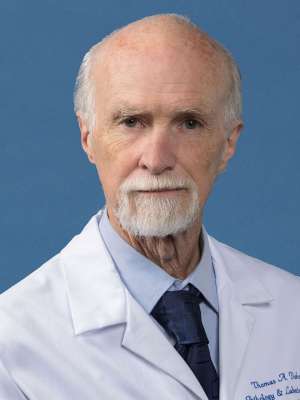 Thomas A. Drake合作论文数Department of Pathology and Laboratory Medicine, University of California, Los Angeles4
 Hyun Min Kang合作论文数George M. O'Brien Kidney Translational Core Center, Medical School, University of Michigan-Ann Arbor4
 Praveen Sethupathy合作论文数Biomedical Sciences, College of Veterinary Medicine, Cornell University4
 Charles B Stephensen合作论文数Nutrition, U.C. Davis;Agricultural Research Service, USDA Western Human Nutrition Research Center4Kunjie Hua合作论文数4
 Ian H. De Boer合作论文数Kidney Research Institute, Division of Nephrology, School of Public Health, University of Washington;Department of Epidemiology, School of Public Health, University of Washington4Zhao Liyang合作论文数4
 Penny Gordon Larsen合作论文数Department of Nutrition, Gillings School of Global Public Health, University of North Carolina at Chapel Hill4
 Steve Schwartz合作论文数Department of Epidemiology, Hans Rosling Center for Population Health, School of Public Health, University of Washington;Fred Hutchinson Cancer Research Center4
 Xia Yang合作论文数Department of Integrative Biology and Physiology, Division of Life Sciences, College of Letters and Science, University of California, Los Angeles4
 Daniel Raftery合作论文数Mitochondria and Metabolism Center, University of Washington;School of Medicine, University of Washington;Fred Hutchinson Cancer Center in Seattle4
 Brian Parks合作论文数Department of Nutritional Sciences, College of Agricultural and Life Sciences, University of Wisconsin-Madison4
 David Threadgill合作论文数College of Medicine, Texas A&M University;Department of Nutrition, College of Agriculture & Life Sciences, Texas A&M University4Diana M. Shih合作论文数4
 Katie Meyer合作论文数Department of Nutrition, Gillings School of Global Public Health, The University of North Carolina at Chapel Hill4Nancy L. Keim合作论文数Western Human Nutrition Research Center, USDA/ARS/PWA4Tae Youn Kim合作论文数4Marcello Rattazzi合作论文数4
 Cecilia Giachelli合作论文数Department of Bioengineering, College of Engineering, University of Washington4




