The emergence of novel infectious disease has intensified demand for more advanced vaccine development and more potent adjuvants to enhance immunogenicity. Here we introduce a dynamic DNA supramolecular matrix assembled from five unmodified, short DNA single strands, serving as a safe, multifaceted adjuvant platform. This DNA matrix elicits a robust humoral response with minimal adverse effects, generating potent neutralizing antibodies and conferring robust protection against SARS-CoV-2 and Streptococcus pneumoniae infections. Its dynamic colloidal feature prolongs the in vivo retention of both DNA and antigen, facilitating lymphatic-targeted transportation and presentation. This process leads to a robust pro-inflammatory response in both the vaccinated site and draining lymph node, which, in turn, promotes the recruitment and activation of immune cells, leading to a rapid, effective antigen-specific antibody response. The enhanced function of DNA matrix depends on the canonical TLR9–MyD88 signalling axis in dendritic cells. In addition, only right-handed, not left-handed, chirality of the DNA strands forms d-DNA matrix and promotes immune activations. Thus, this DNA matrix functions as an all-in-one adjuvant platform, opening promising avenues for future vaccine design. A DNA matrix material potentiates humoral response through multiple administration routes, generating neutralizing antibodies and conferring robust protection against infection.
Over decades of development, while phosphoramidite chemistry has been known as the leading method in commercial synthesis of oligonucleotides, it has also revolutionized the fabrication of sequence-defined polymers (SDPs), offering novel functional materials in polymer science and clinical medicine. This review has introduced the evolution of phosphoramidite chemistry, emphasizing its development from the synthesis of oligonucleotides to the creation of universal SDPs, which have unlocked the potential for designing programmable smart biomaterials with applications in diverse areas including data storage, regenerative medicine and drug delivery. The key methodologies, functions, biomedical applications, and future challenges in SDPs, have also been summarized in this review, underscoring the significance of breakthroughs in precisely synthesized materials.
At present, an all optical high-order tunable ordinary differential equation (ODE) solver is very difficult to implement. A novel all-optical first to third order linear ODEs solutions with tunable constant coefficients using double Sagnac rings coupled Mach-Zehnder-interferometer (DSMZI) on silicon waveguide chips are proposed. The structural composition and size of the DSMZI have been designed, and the working principles of its first to third order ODEs solutions have been derived. By varying the input electric heating power of the thermal-optical phase shifters of the individual arms of the MZI, the constant-coefficient of the differential equation can be simply tuned in large scope. It is demonstrated that the constant coefficient k ranges from 0.0015/ps to 0.092/ps for the first-order ODE. The constant coefficient p of the second-order ODE solver can be continuously tuned from 0.013/ps to 0.174/ps, correspondingly with the q varying from 0.00004225/ps2 to 0.007569/ps2. Three constant coefficients u, v, and w of the third-order ODE can be continuously tuned from 0.105/ps to 0.252/ps, 0.003675/ps2 to 0.021168/ps2, and 0.00004288/ps3 to 0.0005927/ps3, respectively. The all-optical ODE solvers with the DSMZI can be easily integrated with other optical components based on silicon on insulator, which can provide a path for future artificial intelligence or big data processing systems in optical computing on silicon waveguide chips.
U ltraviolet light(UV) is an essential component of ambient light, but high dose UV would damage genome DNA. While semiconductors and soft materials have been employed to detect the UV, the complex process and the instrumental requirement have limited the application in daily life. In this study, taking advantage of sequence designability, a series of hydrogels with different gel-sol transition rates was constructed under the same UV intensity by introducing competing hybridization to tune the stability of the molecular network. Through estimating the transition time between each system under UV light irradiation, the intensity of UV could be roughly estimated, which provided a convenient method for the visual detection of UV.
Mechanical interactions between cells and extracellular matrix (ECM) are critical for stem cell fate decision. Synthetic models of ECM, such as hydrogels, can be used to precisely manipulate the mechanical properties of the cell niche and investigate how mechanical signals regulate the cell behavior. However, it has long been a great challenge to tune solely the ECM-mimic hydrogels' mechanical signals since altering the mechanical properties of most materials is usually accompanied by chemical and topological changes. Here, we employ DNA and its enantiomers to prepare a series of hydrogels with univariate stiffness regulation, which enables a precise interpretation of the fate decision of neural progenitor cells (NPCs) in a three-dimensional environment. Using single-cell RNA sequencing techniques, Monocle pseudotime trajectory and CellphoneDB analysis, we demonstrate that the stiffness of the hydrogel alone does not influence the differentiation of NPCs, but the degradation of the hydrogel that enhances cell-cell interactions is possibly the main reason. We also find that ECM remodeling facilitates cells to sense mechanical stimuli.
While supramolecular hydrogels have received grow-ing interest due to their unique dynamic features, their relatively weak mechanical properties have largely limited their biomedical applications. In this study, we propose and demonstrate a strategy to reinforce the mechanical properties of supramolecu-lar hydrogel by introducing polymeric multiple-unit linker (PMUL), which incorporates multiple supramo-lecular units into a polymeric backbone to crosslink supramolecular hydrogel. We demonstrated that PMUL can effectively improve the kinetic stability of supramolecular crosslinkers through multiple-unit in-teraction in a DNA supramolecular hydrogel model system, thus leading to higher mechanical strength. Meanwhile, the dynamic features of the supramolec-ular hydrogels have been well preserved, including shear-thinning, self-healing properties, and revers-ible thermal responsiveness. This strategy offers a simple but effective way for mechanical reinforce-ment of supramolecular hydrogels to construct nov-el biomaterials.
Hydrogels have been widely applied to understand the fundamental functions and mechanism of a natural extracellular matrix (ECM). However, revealing the high permeability of ECM through synthetic hydrogels is still challenged by constructing analogue networks with rigid and dynamic properties. Here, in this study, taking advantage of the rigidity and dynamic binding of DNA building blocks, we have designed a model hydrogel system with structural similarity to ECM, leading to enhanced diffusion for proteins compared with a synthetic polyacrylamide (PAAm) hydrogel. The molecular diffusion behaviors in such a rigid and dynamic network have been investigated both in experiments and simulations, and the dependence of diffusion coefficients with respect to molecular size exhibits a unique transition from a power law to an exponential function. A "shutter" model based on the rigid and dynamic molecular network has been proposed, which has successfully revealed how the rigidity and dynamic bond exchange determine the diffusion mechanism, potentially providing a novel perspective to understand the possible mechanism of enhanced diffusion behaviors in ECM.
In this study, nano-sized silver oxides were loaded on activated carbon (nAg(2)O/AC) through a facile impregnation-calcination method for enhanced bacterial inactivation from drinking water, in which Escherichia coli (E. coli) was used as target bacteria. XRD and SEM characterization confirmed that nano-sized Ag2O particles (50-200 nm) were successfully prepared and uniformly distributed on the surfaces and pores of AC. Due to the structural reducing groups of AC, surface-bound Ag(I) was partially converted to Ag in the nAg(2)O matrix and the resulted Ag could sterilize E. coli directly. More importantly, surface-bound Ag could catalyze O-2 and H2O to generate reactive oxygen species (ROS) for oxidation sterilization, thus significantly enhanced the inactivation efficiency from 0.8 log(10) CFU/mL (nAg(2)O control) and 0.2 log(10) CFU/mL (AC control) to 6.0 log(10) CFU/mL in the nAg2O/AC system. The inactivation process was highly pH-dependent, and neutral pH was favorable for ster-ilization. A sterilization efficiency of 5.2 log(10) CFU/mL could still be achieved after 5 running cycles, indicating stable sterilization performance of nAg(2)O/AC. In addition, the nAg(2)O/AC also exhibited excellent renewability since a sterilization efficiency of 5.8 log(10) CFU/mL was obtained after nAg(2)O being stripped and reloaded on the AC. These results demonstrated that nAg(2)O-modified AC is an efficient material for sterilization in water treatment.
A DNA building block with tunable rigidity was constructed, and the corresponding hydrogel formation process was investigated accordingly. A high rigidity was demonstrated to facilitate fast gelation. Different gelation pathways of the rigid and flexible building blocks were revealed, and a cyclized dimer intermediate was proposed. The energy barrier of the ring-opening process was also shown to play a fundamental role in determining the gelation kinetics. Furthermore, the hydrogel molecular network rigidity was also tuned in situ through strand displacement, which also supports the kinetic control mechanism of the formation process of DNA hydrogels.
Tandem semi-stable complementary domains play an important role in life, while the role of these domains in the folding process of nucleic acid molecules has not been systematically studied. Here, we designed a clean model system by synthesizing sequence-defined DNA-OEG copolymers composed of ssDNA fragments with palindromic sequences and orthogonal oligo(tetraethylene glycol) (OEG) linkers. By altering the lengths of DNA units (6-12 nt) and OEG linkers (Xn = 0-4) separately, we systematically studied how stabilities of tandem complementary domains and connecting flexibilities affect the assembly topology. Combining experimental methods and coarse-grained molecular simulation analysis, distributions of multiple assembled conformations (mainly monomers, dimers, and clusters) were characterized. Both results indicated that tandem semi-stable complementary domains tend to form homogeneous closed circular dimers instead of larger clusters due to the synergistic enhancement effect, and the distributions of each conformation highly depend on flexibilities.
DNA hydrogels have attracted increasing attention owing to their excellent permeability and high mechanical strength, together with thixotropy, versatile programmability and good biocompatibility. However, the moderate biostability and immune stimulation of DNA have arisen as big concerns for future potential clinical applications. Herein, we report the self-assembly of a novel l -DNA hydrogel, which inherited the extraordinary physical properties of a d -DNA hydrogel. With the mirror-isomer deoxyribose, this hydrogel exhibited improved biostability, withstanding fetal bovine serum (FBS) for at least 1 month without evident decay of its mechanical properties. The low inflammatory response of the l -DNA hydrogel has been verified both in vitro and in vivo. Hence, this l -DNA hydrogel with outstanding biostability and biocompatibility can be anticipated to serve as an ideal 3D cell-culture matrix and implanted bio-scaffold for long-term biomedical applications.
A novel kinetically interlocking multiple-units (KIMU) supramolecular polymerization system with DNA double crossover backbone is designed. The rigidity of DX endows the polymer with high molecular weight and stability. The observed concentration of the formed polymers is insensitive and stable under ultralow monomer concentration owing to the KIMU interactions, in which multiple noncovalent interactions are connected by the phosphodiester bonds. Furthermore, a pH-responsive DNA supramolecular hydrogel is constructed by introducing a half i-motif domain into the DNA monomer. The rigidity of DNA polymer endows the hydrogel with high mechanical strength and low gelation concentration. This study enriches the KIMU strategy and offers a simple but effective way to fabricate long and stable supramolecular polymers by balancing the reversibility and stability. It also shows great potentials to construct next generation of smart materials, such as DNA nanostructures, DNA motors, and DNA hydrogels.
Osteoarthritis (OA) is a musculoskeletal disorder disease affecting about 500 million people worldwide and mesenchymal sem cells (MSCs) therapy has been demonstrated as a potential strategy to treat OA. However, the shear forces during direct injection and the harsher shear condition of OA environments would lead to significant cell damage and inhibit the therapeutic efficacy. Herein, DNA supramolecular hydrogel has been applied as delivering material for MSCs to treat severe OA model, which perform extraordinary protection in MSCs against the shear force both in vitro and in vivo. It is demonstrated that the DNA supramolecular hydrogel can promote formation of quality cartilage, reduce osteophyte, and normalize subchondral bone under the high friction condition of OA, whose molecular mechanisms underlying therapeutic effects are also investigated. It can be anticipated that DNA supramolecular hydrogel would be a promising cell delivery system for multiple potential MSCs therapy.
Deoxyribonucleic acid (DNA) is a natural polyester polymer with programmable sequences and precise molecular recognition. Therefore, DNA has been widely investigated in functional devices and materials recently. Taking advantage of the structural diversity of DNA, novel functional devices and materials have been endowed with a variety of physical, chemical and biological responsiveness, among which, optical regulation has attracted much attention due to its non-contact and precise temporal-spatial controllability. To bring optical responsiveness to DNA material, it is necessary to introduce rational designed unnatural bases into DNA, which has been a challenging frontier. In this work, a novel thymine phosphoramidite monomer protected by 1-(4,5-dimethoxy-2-nitrobenzyl) ethoxy group (DMONB) has been designed and synthesized. The monomer was synthesized through 6 step reactions to shield the hydrogen bond site of thymine, and the product can be achieved in gram scale with high purity. Then the monomer was applied to synthesize photo-responsive DNA with random sequence through commercial solid phase synthesis procedure, which was purified and detected by RP-HPLC with good stability. The coupling efficiency of the photo-responsive monomer is comparable to the commercially available phosphoramidite monomers, detected by monitoring the 4,4'-dimethoxytriphenylmethyl (DMT) groups. The DMONB group could effectively hinder the DNA hybridization, which was demonstrated by the 10% native polyacrylamide gel electrophoresis. Under UV light for 30 s, the DMONB group could be totally removed and result in the recover of the DNA hybridization, which illustrates that this approach is of high efficiency and fast-responsive. Taking advantage of this controllable hybridization strategy, a fast light-responsive pure DNA supramolecular hydrogel has been designed and prepared, which could realize photo-chemically control the formation of pure DNA supramolecular hydrogel. This photo-induced DNA hydrogel exhibits 730 Pa storage modulus and 100 Pa loss modulus, with reversible thermal responsiveness and shear-thining property, which is similar to previously reported DNA hydrogel by our group. Our research expands the diversity of artificial DNA monomers and provides an alternative way to construct light-responsive functional DNA based materials system.
A novel supramolecular DNA hydrogel system was designed based on a directly synthesized chemically branched DNA. For the hydrogel formation, a self-dimer DNA with two sticky ends was designed as the linker to induce the gelation of B-Y. By programing the linker sequence, thermal and metal-ion responsiveness could be introduced into this hydrogel system. This supramolecular DNA hydrogel shows shear-thinning, designable responsiveness, and good biocompatibility, which will simplify the hydrogel composition and preparation process of the supramolecular DNA hydrogel and accelerate its biomedical applications.
The first thermally stable and pH-responsive quadruplex intercalated motif (i-motif) structure formed by l-DNA is presented. Although this l-type i-motif exhibits the same physiochemical properties as its d isomer, its inverted chirality and good enzymatic resistance potentially open the way to the development of new DNA materials of pharmaceutical and biological interest.
A LiFePO4/C composite was directly synthesized via a simple solvothermal method. Ferric nitrate nonahydrate, Fe(NO3)(3)center dot 9H(2)O, was selected as a low cost iron source in the ethanol process and glucose as the carbon source. Through SEM images, it was found that the concentration of the glucose solution has an important influence on the morphology of particles. The samples were characterized by Raman spectroscopy and TEM measurements, showing the formation of graphitic carbon, which is desirable for its contribution to the electronic conductivity. XPS analysis verified that Fe3+ was almost completely reduced to Fe2+. CV (cyclic voltammetry), EIS (electrochemical impendence spectroscopy), and galvanostatic charge/discharge tests were conducted to further study the electrochemical properties of the LiFePO4/C composite. The results reveal that the LiFePO4/C composite with a rodlike shape has the highest specific capacity of 147 mA h g(-1) at 0.1C, and the capacity retention remains 100% after 50 cycles.
In this study, we develop a series of new materials that can simultaneously and reversibly self-heal without external stimuli based on metallo-supramolecular interactions. Multiple tridentate 2,6-bis(1,2,3-trizaol-4-yl)pyridine (BTP) ligand units synthesized via a copper-catalyzed azide–alkyne cycloaddition (CuAAC) "click" reaction are incorporated into the polymer backbone of a ligand macromolecule through a thiol–ene "click" reaction. 3D transient supramolecular networks are formed from the ligand macromolecule upon coordination with transition and/or lanthanide metal ions. As compared to the ligand macromolecule, the resultant supramolecular films exhibit improved mechanical properties, such as Young's modulus, strength and toughness, which can be readily tuned by the stoichiometric ratio of Zn2+ to Eu3+ to Tb3+. The supramolecular films exhibit characteristics of weakly crosslinked networks where the storage modulus G′ and loss modulus G′′ scaled with normalized frequency ωaT by the same slope of 0.5. Both the supramolecular bulk films and gels are found to exhibit fast and effective self-healing properties by virtue of the kinetically labile nature of the metal–ligand interactions.
The main aim of this study is to evaluate temporal correlation properties of cue-induced EEG in drug dependence using detrended fluctuation analysis (DFA). DFA method is used to examine the short-term and long-term scaling exponents of EEG from 12 channels in 48 drug addicts. The differences of temporal correlation characteristics of EEG are compared between primary addiction group and relapsing addiction group under given conditions of drug-related pictures(or video) stimulus, neutral view pictures stimulus and black screen (resting state). Our results in the scaling exponents of EEG show statistically significant differences between drug-related stimulus and other stimulus. The scaling exponents manifest significant contrast between primary addiction group and re-addiction group. These findings reveal temporal correlation of EEG from primary addiction group is stronger than re-addiction group in drug-related stimulus. It is implied that by using DFA method, correlation properties of cue-induced EEG may be quantitatively and qualitatively studied and be used to be a potential application for investigating the impact of contextual stimuli on drug dependence.
 Yuanchen Dong (董原辰)合作论文数13
 Dongsheng Liu (刘冬生)合作论文数Department of Chemistry, Tsinghua University12
 Yufan Pan合作论文数7
 Jiangfei Xu (徐江飞)合作论文数Department of Chemistry, Tsinghua University6
 Yujie Li (李玉洁)合作论文数6Bini Zhou合作论文数4
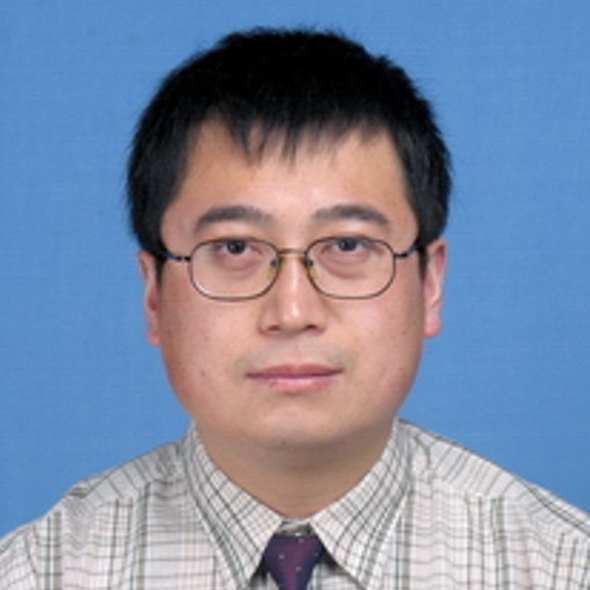 Lijin Xu (徐立进)合作论文数Department of Chemistry, Renmin University of China4
 Yawei Sun (孙亚伟)合作论文数College of Chemical Engineering, China University of Petroleum4Xiaobin Dai合作论文数3
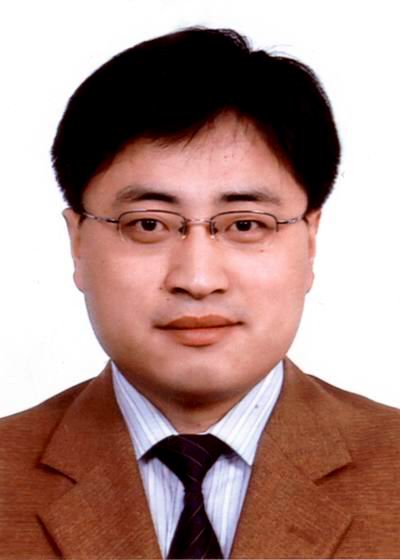 Litang Yan (燕立唐)合作论文数Institute of Polymer Science & Technology, Department of Chemical Engineering, Tsinghua University3
 Yuhe Renee Yang (杨雨荷)合作论文数National Center for Nanoscience and Technology, Chinese Academy of Sciences;University of Chinese Academy of Sciences2Ziwei Shi合作论文数2Yi Hua合作论文数2Yuqiao Ding合作论文数2Chenyou Zhu合作论文数2
 Tianyang Cao合作论文数2Cuifeng Li合作论文数1Huijuan Shangguan合作论文数1Zhichao Zhu合作论文数1Siwen Meng合作论文数1Taoyang Yuan合作论文数1Yanan Zhang合作论文数1Jiezhong Shi合作论文数1Qingwei Deng合作论文数1Jianhan Ye合作论文数1Jiafeng Cheng合作论文数1Li-Mei Sun合作论文数1Fang, Bo合作论文数1You-Rong Chen合作论文数1Yi-Fan Song合作论文数1Lu Jin合作论文数1Jianping Deng合作论文数1Yuxin Li (李玉新)合作论文数1
 Ning Qiao合作论文数1Yuqing Wang合作论文数1Xiangyu Zheng合作论文数1Jing Ye合作论文数1
 Kun Chen合作论文数1Binbin ZHAO (赵彬彬)合作论文数1Yun Xu (许耘)合作论文数1
 Min Wang (王敏)合作论文数Institute of Biological Sciences and Biotechnology, Nankai University1
 Libo Deng (邓立波)合作论文数深圳大学化学与环境工程学院1
 Yufei Wang (王宇飞)合作论文数Institute of Botany, Chinese Academy of Sciences1
 Yuhe Yang (杨雨禾)合作论文数School of Science, College of Frontier Sciences, Harbin Institute of Technology, Shenzhen1
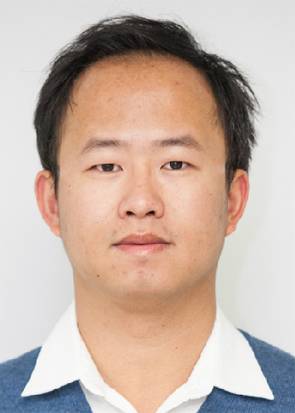 Fengbiao Mao (毛凤彪)合作论文数Peking University Third Hospital1Qian Liu合作论文数1
 Xin Li (李欣)合作论文数Department of Architecture and Civil Engineering, College of Engineering, City University of Hong Kong1
 Quan Chen (陈全)合作论文数Changchun Institute of Applied Chemistry, Chinese Academy of Sciences1




