This study addresses the limitations of conventional frequency converter-driven dual-motor systems, such as excessive space occupancy and power imbalance between the front and rear motors. An integrated dualmotor synchronous drive system is presented, integrating voltage conversion and variable-frequency functionality. Furthermore, this study proposes two cross-coupling synchronization strategies: a speed-loop compensated proportional integral derivative (PID) control and torque-loop compensated PID control. In accordance with the system architecture, phase-shift control for the triple active bridge converter and direct torque control for the motors are investigated. Under unbalanced load conditions, the proposed speed-loop compensated PID cross-coupling method replaces the conventional single-gain cross-coupling controller, significantly improving speed synchronization accuracy. The torque-loop compensated PID cross-coupled control further enhances synchronization performance. Both simulation and experimental results validate the accuracy and effectiveness of the proposed control strategies.
The green and low-carbon transformation of energy and power sector is crucial for achieving China's dual carbon goals. Consequently, pumped storage hydropower stations utilizing abandoned mines—which can provide dispatchable resources to China's photovoltaic-rich North and Northwest regions and enable efficient reuse of abandoned coal mine resources—are gaining increasing attention. A photovoltaic-based hybrid energy storage system based on abandoned coal mines was designed. Start-up process models for battery storage and gravity storage were derived, with their response speeds compared to select the faster-responding one as the system's rapid-response storage unit. A system capacity allocation model and an optimized dispatch model were constructed, targeting independent local load supply without thermal power or upper-level grid transmission. It enables surplus electricity sales via the energy storage component for revenue maximization and curtailment minimization. Additionally, an improved particle swarm optimization algorithm integrating gray wolf optimization (PSO-GWO) was introduced. Applying the model to a North China township case study revealed: the response speed of battery energy storage is merely 4.38% that of gravity storage, making it more suitable for rapid-response scenarios; the proposed model achieves design objectives (total curtailment rate: 5.70%, average profit margin: 29.23%) under typical daily scenarios across all four seasons, outperforming conventional designs in configuration rationality, dispatch difficulty, profitability, and photovoltaic integration capacity; the system demonstrates robust stability under five disturbance scenarios; compared to traditional PSO, GWO, and PSO-GA algorithms, the PSO-GWO algorithm exhibits superior convergence, optimization performance, and parameter robustness.
The concept of three-dimensional ecological mine construction in coal mining treats surface ecological environment protection and underground coal resource extraction as an integrated three-dimensional whole. By applying systems theory, the various factors influencing the surface ecological environment, together with the impacts potentially induced by mining activities, are analyzed in an integrated manner, enabling unified consideration and the determination of ecological protection thresholds. On this basis, underground mining modes are planned in accordance with surface ecological protection requirements, so that mining-induced disturbances are controlled within recoverable and reconstructable ranges, thereby realizing full-process ecological protection and environmental reconstruction during coal resource extraction and achieving coordinated development between underground energy exploitation and surface ecological environment protection. Meanwhile, considering the dual attributes of coal gangue in three-dimensional ecological mine construction—as both a solid waste generated during coal mining and a recyclable resource for ecological mine development—this study proposes and establishes two filling mining technology systems: gangue-disposal-oriented filling and target-controlled filling. Gangue-disposal-oriented filling aims primarily at gangue treatment, uses goafs as disposal spaces, and takes filling efficiency and filling capacity as key objectives, emphasizing parallel operations to increase filling speed and reduce costs; through multiple disposal pathways such as regional joint gangue management and in-situ disposal without hoisting or surface handling, it realizes underground gangue consumption and significantly reduces surface stockpiling pressure and subsequent remediation intensity, demonstrating feasibility and sustainability for large-scale application. Target-controlled filling focuses on surface ecological environment protection and, in combination with ecological disturbance thresholds under designed operating conditions, establishes a feedback loop of monitoring, criteria, and adjustment to ensure that maximum subsidence, surface tilt, horizontal deformation, curvature, and aquiclude integrity remain within prescribed limits, thereby achieving defined ecological protection objectives. On this basis, a filling mining technology system integrating goaf resource utilization with ecological protection threshold control is established, and the mechanisms and implementation routes of gangue-disposal-oriented filling and target-controlled filling are clarified. Long-term engineering practice demonstrates that the construction of a three-dimensional ecological mine supported by the source reduction and filling mining of coal gangue can achieve the dual goals of on-site disposal of solid waste and protection of key ecological elements under complex geological and multiple ecological constraints.
To tackle the shortcomings of traditional centralized control methods in dealing with high-dimensional state spaces and local observation constraints, we propose a cooperative control algorithm based on the Twin Delayed Deep Deterministic Policy Gradient (TD3) reinforcement learning framework integrated with an attention mechanism. The proposed method constructs a distributed Actor-Critic architecture and introduces a multi-head attention mechanism to enable key information extraction and dynamic association modeling across agents. At the state representation level, a joint observation encoder based on spatiotemporal feature fusion is designed to adaptively fuse heterogeneous sensor data through multi-head attention weight allocation. The control strategy network adopts the dual critic structure of the TD3 algorithm and the delayed update mechanism, effectively alleviating the overestimation issue. Experimental results demonstrate that our proposed method outperforms benchmark algorithms, achieving a significant reward increase of over 45% and reducing position synchronization error to less than 0.02 meters, thereby validating the effectiveness of the multi-attention mechanism in multi-agent cooperative tasks and providing a new solution for industrial multi-arm control.
The research aims to improve the coordinated management of solid filling support systems in mining to enhance efficiency, structural stability, and overall safety. Given the challenges posed by complex subterranean environments and stringent filling targets, current control methods are insufficient. This study proposes a cooperative control framework for multi-filling support systems, modeling the consistency control problem as a multi-agent reinforcement learning paradigm. Each filling unit acts as an agent, communicating its action state with others. A novel multi-agent evaluation approach with an attention mechanism is introduced to facilitate path tracking and cooperative control. Considering constraints such as thrust, path deviation, and target position, simulation results show that the agents effectively collaborate to achieve the cooperative control of multi-filling support groups in complex conditions, highlighting the significance of this approach.
Complex coal seam structures and frequent stress fluctuations in the drilling pressure relief area bring a great challenge for the accurate identification of coal and rock properties (CRPs). Available approach to address this challenge is considered as electromagnetic detection with highly sensitive. Nevertheless, electromagnetic detection technology severely relies on the variability of electromagnetic parameters with different coal and rock, whereas only frequency-domain information is not sufficient to effectively distinguish the CRPs. Therefore, a time-frequency analysis method of electromagnetic signal for recognizing CRPs while drilling based on CWT and GAPSO-ROA is proposed. First, an electromagnetic detection simulation model for coal-rock while drilling is constructed to analyze the relationship between electromagnetic wave propagation characteristics and CRPs. Then, the concept of energy concentration is introduced to build the objective function for parameter selection of continuous wavelet transform (CWT). Additionally, a hybrid swarm intelligence optimization algorithm is developed to adaptively optimize the parameter selection of CWT by intelligently fusing genetic algorithm (GA), particle swarm optimization (PSO), and rime optimization algorithm (ROA). Finally, to validate the practicality of the proposed method, a coal and rock drilling electromagnetic detection experimental platform is established, and several comparison experiments are carried out. The outcomes indicate that the time-frequency diagram mapped by the proposed method possesses significant differences within the frequency and time ranges, greatly enhancing the accuracy of the model for recognizing CRPs.
The optimization problem of ore allocation is of great significance in the metallurgical industry, and its objective is to simultaneously satisfy the minimum deviation of ore grade and the maximum grinding capacity. However, due to the complex nonlinear relationship between various properties of the ore and the objective function, it is difficult for traditional optimization algorithms to solve it effectively. The study proposes a multi-objective optimization method based on the optimized radial basis neural network and improved differential evolutionary algorithm. First, the radial basis neural network is utilized to fit the objective function to capture its complex nonlinear relationship. Then, an improved differential evolutionary algorithm is used to solve it to optimize the proportion of ore at each discharge point while satisfying the constraints. The actual operation of the mine plant is optimized using the improved differential evolutionary algorithm and compared with the traditional algorithm. The experimental results show that the improved differential evolutionary algorithm is able to find a solution set close to Pareto's cutting edge within 50 generations, which has a significant advantage in terms of convergence speed and quality of solution compared to the traditional differential algorithm. This study provides an effective solution to the optimization problem of ore allocation, which has important application value.
Addressing the inherent fuzziness and uncertainty in filling outcomes, this paper proposes a novel method for evaluating the effectiveness of solid filling operations in coal mines by integrating Interval Type-2 Fuzzy Logic Systems (IT2FLS) with an improved Dempster-Shafer (D-S) evidence theory. Initially, local data fusion is conducted using IT2FLS-Adam, where interval type-2 fuzzy sets are employed to fuzzify input features, and the Adam optimizer is utilized for parameter optimization. This allows for preliminary judgments on filling effects from various perspectives based on local features. To overcome the limitations of local fusion, an improved D-S evidence theory is adopted, which effectively handles conflicting evidence by incorporating the Wasserstein distance and Deng entropy to combine the judgments from local features, achieving global data fusion. Experimental results demonstrate that the proposed method attains a remarkable accuracy of 92.9% in global fusion tasks, surpassing traditional methods. This study provides a data fusion framework for filling workfaces, integrating multi-sensor data and addressing the complexities and uncertainties associated with filling processes, thereby making a significant contribution to the intelligent monitoring and management of coal mine filling operations.
The technology of mining filling is of great significance in improving coal recovery rates, protecting the environment, and conserving land resources. The current efficiency of filling is constrained by single-method approaches. To address this issue, this study develops a path planning model based on underground fill space data, which comprehensively considers fill path length and material volume using a goal programming method, and designs corresponding constraints and adaptive weights. To further optimize search efficiency, an adaptive directional bidirectional rapidly-exploring random tree (AD-BIRRT) algorithm is proposed. This algorithm can intelligently adjust the optimal exploration direction based on current demand and state, significantly enhancing search efficiency and accuracy through the establishment of a dual-tree structure. Additionally, a novel greedy strategy is introduced to resolve path smoothing and redundancy issues. To verify the rationality and effectiveness of the proposed method, comparative tests were conducted in test scenarios, fill scenarios, and on experimental platforms against BIRRT, BIRRT*, Genetic algorithm, and artificial potential field algorithms. The results indicate that the proposed greedy AD-BIRRT algorithm exhibits significant advantages in terms of computation time, path quality, and material accumulation. This algorithm effectively enhances the efficiency and quality of the filling process.
The hydraulic support pushing mechanism is the primary equipment utilized in coal mine backfill operations, playing a crucial role in enhancing filling efficiency, ensuring a stable filling body, and managing gob safety. This paper focuses on analyzing the dynamic model and the interrelationship of the hydraulic cylinder, which serves as the power source for the pushing mechanism. To address the intricate coupling effects arising from the hydraulic cylinders and the displacement-force induced by the shared pump, this study employs feedforward compensation for decoupling analysis. Additionally, this article introduces an adaptive sliding mode approach law and an adaptive synovial controller to combat issues such as buffeting and interference. The simulation results demonstrate that the sliding mode reaching law proposed in this paper can achieve a stable state in approximately 3 seconds, which is significantly better than other methods. Combining the experimental equipment information from a mining area in Hebei Province with Amesim-Simulink simulation results, it is evident that the adaptive sliding mode controller exhibits an error range between approximately 1.33E-4 and 1.5E-4 during the stable phase. This performance surpasses traditional PI and fuzzy PID controllers in terms of path tracking ability, effectively enabling precise control of the filling support pushing mechanism.
Mining frequency converters are the primary means for achieving variable frequency speed regulation of electromechanical equipment in coal mines, offering energy-saving benefits for coal mining enterprises. The common power supply method involves converting high voltage to low voltage using power frequency transformers before supplying equipment. However, this integration of power frequency transformers with supply devices occupies significant space, making it unsuitable for confined underground environments. Additionally, they suffer from poor output waveform quality and high harmonic content. To tackle these challenges, this paper presents a three-stage topology for high-frequency isolated frequency conversion and speed regulation, utilizing three-phase uncontrolled rectification, a single active isolated DC/DC converter, and an NPC three-level inverter. The control strategies for each stage are discussed in detail. Simulations and experimental results confirm the validity and feasibility of the proposed design, demonstrating enhanced stability and dynamic performance of the three-stage high-frequency isolated frequency converter.
For mobile robots, the high-precision integrated calibration and structural robustness of multi-sensor systems are important prerequisites for ensuring healthy operations in the later stage. Currently, there is no well-established validation method for the calibration accuracy and structural robustness of multi-sensor systems, especially for dynamic traveling situations. This paper presents a novel validation method for the calibration accuracy and structural robustness of a multi-sensor mobile robot. The method employs a ground-object-air cooperation mechanism, termed the "ground surface simulation field (GSSF)-mobile robot -photoelectric transmitter station (PTS)". Firstly, a static high-precision GSSF is established with the true north datum as a unified reference. Secondly, a rotatable synchronous tracking system (PTS) is assembled to conduct real-time pose measurements for a mobile vehicle. The relationship between each sensor and the vehicle body is utilized to measure the dynamic pose of each sensor. Finally, the calibration accuracy and structural robustness of the sensors are dynamically evaluated. In this context, epipolar line alignment is employed to assess the accuracy of the evaluation of relative orientation calibration of binocular cameras. Point cloud projection and superposition are utilized to realize the evaluation of absolute calibration accuracy and structural robustness of individual sensors, including the navigation camera (Navcam), hazard avoidance camera (Hazcam), multispectral camera, time-of-flight depth camera (TOF), and light detection and ranging (LiDAR), with respect to the vehicle body. The experimental results demonstrate that the proposed method offers a reliable means of dynamic validation for the testing phase of a mobile robot.
The filling and solidification method is employed in underground mines to backfill waste materials such as coal gangue, fly ash, and slag into the goaf, aiming to control strata movement and surface subsidence while addressing environmental pollution caused by solid waste. However, traditional filling methods suffer from low efficiency and excessive reliance on manpower. Therefore, this study conducts thorough research and planning on the motion trajectory of filling and compacting mechanisms. Firstly, we plan the environmental information of the filling area and establish a target function model for the critical point of materials. To solve this model, we employ the differential evolution algorithm for computation. However, the differential evolution algorithm is prone to falling into local optima. To address this issue, we adaptively improve the algorithm’s initialization method, scaling factor, and crossover probability. With the improved algorithm, we can more accurately calculate the target function for the critical point of materials and improve the algorithm’s accuracy and iteration speed. Through comparative analysis of simulation experiments, we find that our proposed method can effectively enhance filling efficiency and reduce manpower consumption compared to traditional approaches. Therefore, this research provides an effective method for the motion trajectory planning of filling and solidification mechanisms.
Rust on U-shaped screws in power transmission lines can cause the lines loosening, and in serious cases, even lead to interruptions or faults, affecting the safety of the transmission lines. However, traditional object detection methods on power transmission lines suffer from problems such as heavy workload, easy missed detection, and low efficiency. To address these issues, this paper proposes a U-shaped screw rust detection method for power transmission lines based on YOLOv7. This method effectively detects rust on U-shaped screws by combining deep learning technology, image processing technology, and other relevant technologies, providing certain guarantees for the safe and stable operation of power transmission lines.
Aiming at the problem of the inefficiency of coal mine water reuse, a multi-level scheduling method for mine water reuse based on an improved whale optimization algorithm is proposed. Firstly, the optimization objects of mine water reuse time and reuse cost are used to establish the optimal scheduling model of mine water. Secondly, in order to overcome the defect that the whale optimization algorithm (WOA) is prone to local convergence, the opposition-based learning strategy is introduced to speed up the convergence speed, the Levy flight strategy is used to enhance the ability of the algorithm to jump out of the local optimization, the nonlinear convergence factor is used to balance the global and local search ability, and the adaptive inertia weight is used to improve the optimization accuracy of the algorithm. Finally, the improved whale optimization algorithm (IWOA) is applied to the mine water optimization scheduling model with multiple objects and constraints. The results show that the reuse efficiency of the multi-level scheduling method of mine water reuse is increased by 30.2% and 31.9%, respectively, in the heating and nonheating seasons, which can significantly improve the reuse efficiency of mine water and realize the efficient utilization of mine water reuse deployment. At the same time, experiments show that the improved whale optimization algorithm has higher convergence accuracy and speed, which proves the feasibility and superiority of its improvement strategies.
The waste mine water is produced in the process of coal mining, which is the main cause of mine flood and environmental pollution. Therefore, economic treatment and efficient reuse of mine water is one of the main research directions in the mining area at present. It is an urgent problem to use an intelligent algorithm to realize optimal allocation and economic reuse of mine water. In order to solve this problem, this paper first designs a reuse mathematical model according to the mine water treatment system, which includes the mine water reuse rate, the reuse cost at different stages and the operational efficiency of the whole mine water treatment system. Then, a hybrid optimization algorithm, GAPSO, was proposed by combining genetic algorithm (GA) and particle swarm optimization (PSO), and adaptive improvement (TSA-GAPSO) was carried out for the two optimization stages. Finally, simulation analysis and actual data detection of the mine water reuse model are carried out by using four algorithms, respectively. The results show that the hybrid improved algorithm has better convergence speed and precision in solving the mine water scheduling problem. TSA-GAPSO algorithm has the best effect and is superior to the other three algorithms. The cost of mine water reuse is reduced by 9.09%, and the treatment efficiency of the whole system is improved by 5.81%, which proves the practicability and superiority of the algorithm.
The optimal scheduling of mine water is a multi-objective, multi-constraint, nonlinear, multi-stage combination of optimization problems, in view of the traditional solution methods with the increase in decision-making variable dimensions facing a large amount of computation, "dimensional disaster" and other problems, the introduction of a new intelligent simulation algorithm-the Whale Optimization Algorithm to solve the optimal scheduling problem of mine water. Aiming at the problem that the Whale Optimization Algorithm itself is prone to local optimization and slow convergence, it has been improved by improving its own parameters and introducing the inertia weight of the particle swarm and has achieved more obvious results. According to the actual situation of Nalinhe No. 2 Mine, the mathematical model of multi-target optimization of mine water is established based on the function of reuse time and reuse cost of mine water as the target function, and the balance of supply and demand of mine water, the water quality requirements of water use points at all levels, the water quantity requirements of reservoirs and the priority of water supply as the constraints. The improved Whale Optimization Algorithm was used to search optimal solution, and the results showed that the adaptability value of the improved Whale Optimization Algorithm was significantly improved compared with before, of which 8.65% and 7.69% were increased in the heating season and non-heating season, and the rate of cost reduction was 46.80% and 36.92%, and the iteration efficiency was also significantly improved, which improved the decision-making efficiency of optimal scheduling and became more suitable for the actual scheduling needs of Nalinhe No. 2 mine.
Aiming at the characteristics of low sensitivity and narrow frequency range of existing microseismic monitoring sensors for mine water hazard prevention and control, a piezoelectric acceleration sensor for microseismic monitoring based on a kind of triangular shear structure is proposed. Firstly, the structure of the triangular shear piezoelectric acceleration sensor is designed, and its dynamic model is built. The structural and material parameters related to natural frequency and sensitivity are analyzed. Then, the selection of piezoelectric ceramic materials is discussed. The parametric design of the designed sensor is carried out, and its finite element structural model is built by ANSYS. The modal analysis, resonance response analysis, and piezoelectric analysis of the designed sensor are carried out. The simulation results indicate that the working frequency and sensitivity of the designed sensor meet the requirements of microseismic monitoring. Response surface optimization is adopted to analyze the influence of sensor element design variables on the sensitivity and resonant frequency of the designed sensor. The reoptimized design of the reference sensor improves the resonant frequency of the designed sensor by 9.46% and the charge sensitivity by 18.96%. Finally, the designed sensor is calibrated, and the microseismic signal detection experiment is carried out. The results indicate that the resonant frequency of the designed sensor is 6150 Hz, the working frequency is 0.1-2050 Hz, and the charge sensitivity is 1600 pC/g. The sensor can detect microseismic signals with a wide frequency range and high sensitivity.
The mine water produced in the process of coal mining is an important water resource in the mining area. If it is not treated and discharged directly, it will not only cause the waste of water resources but also lead to serious environmental pollution. Aiming at the problems of complex operation, low reuse efficiency, high cost, insufficient data collection and analysis in the current mine water reuse system, this paper proposes a mine water treatment system based on Internet of Things architecture, and uses genetic algorithm to process and optimize mine water data. In order to improve the reuse efficiency of mine water, this paper establishes a reuse model aiming at the minimum reuse time and cost, and uses genetic algorithm to calculate a reasonable scheduling scheme. This paper takes the water quality and quantity of Nalinhe No.2 mine as the research objective and analyzes and compares the reuse situation under different dispatching schemes. The research results show that the mine water reuse cost is reduced by 6.13% under the optimization of genetic algorithm, and the mine water reuse efficiency is increased by 2.99%, which verifies the effectiveness of the optimization scheme.
Our goal is to solve the complexity of laying down wiring for traditional monitoring systems for mine water, while taking into account the poor timeliness of sampling and continuous monitoring, based on the processing and reuse of mine water. In this article, we focus on the theory of multi-sensor networks to estimate mine water quality, quantity monitoring equipment, and mine water Internet of Things (hereafter denoted “IoT”) communication systems. We designed a mine water IoT monitoring system for the wireless monitoring of water quantity and quality, developed an experimental platform for the wireless monitoring of mine water. This platform has the advantages of simple wiring and strong expandability. Finally, we tested and analyzed the system operation effects. To solve the problem of partial data abnormalities caused by problems of sensing equipment, we propose a data abnormality detection method based on an isolated forest that combines the characteristics of the sufficient timeliness of mine water monitoring data, and we offer experimental verification and analysis. The experimental results show that the system can realize the real-time wireless monitoring of mine water quality and quantity information with stable and fast data transmission capability. Furthermore, the system can quickly discover, analyze, and process abnormal data, has sufficient timeliness while guaranteeing the validity of the data output from the monitoring platform.
 Yiying Wang合作论文数17
 Jiangong Liu (刘建功)合作论文数School of Mechanical and Equipment Engineering, Hebei University of Engineering10
 Zihang Zhang合作论文数9
 Lei Bo合作论文数8
 Yannan SHI (史艳楠)合作论文数6
 Jinxi Guo合作论文数6CeYue Liu (刘策越)合作论文数4Yuangan Yue合作论文数3Shangqing Yang合作论文数3
 Dongxu Zhu合作论文数3Liu Jian-gong合作论文数2Zecheng Li合作论文数2QI Penglei (齐朋磊)合作论文数2Duan Li合作论文数2Bo Lei合作论文数2Xiao-fan WANG (王晓帆)合作论文数2Mingxing He (何明星)合作论文数2
 Qiwei Lu (卢其威)合作论文数School of Mechanical and Electrical Engineering, China University of Mining and Technology-Beijing2
 Yanbiao Sun (孙岩标)合作论文数School of Precision Instrument and Opto-electronics Engineering, Tianjin University1
 Qiang Wang合作论文数1Jiang Shuaishuai合作论文数1
 Jinheng Gu合作论文数1Xinliang Wang合作论文数1
 YAN Shan-fei (闫善飞)合作论文数1
 Li Xin (李鑫)合作论文数1
 Dong Wei (魏东)合作论文数School of Mechanical and Electrical Engineering, China University of Mining and Technology1xue zhao (赵雪)合作论文数1Shuo YAN (闫硕)合作论文数1Huijie Jin (金慧杰)合作论文数1Bo SHA (沙波)合作论文数1Yang Yang (杨扬)合作论文数1MingXing He (何明星)合作论文数1Guo Wang (王果)合作论文数1Shenghong Fan (范生宏)合作论文数Beijing Prodetec Technology Co., Ltd.1
 Yanzi Miao (缪燕子)合作论文数School of Information and Control Engineering, China University of Mining and Technology;Artificial Intelligence Research Institute, China University of Mining and Technology1
 Zhongbin Wang (王忠宾)合作论文数School of Mechanical and Electrical Engineering, China University of Mining and Technology1
 Jianbo Dai (戴剑博)合作论文数School of Mechanical and Electrical Engineering, China University of Mining and Technology1
 Lei Si (司垒)合作论文数School of Mechanical and Electrical Engineering, China University of Mining and Technology1
 Ying Chen (陈鹰)合作论文数Ocean College, Zhejiang University1
 Dahu Wang (王大虎)合作论文数Beijing University of Technology College of Art and Design1
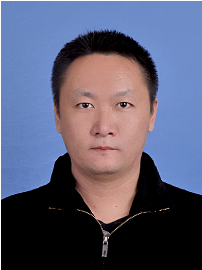 Jie Zhou (周杰)合作论文数College of Information Science and Technology, Shihezi University1Suke Wang (王肃珂)合作论文数1
 Peng Wu (武鹏)合作论文数Institute of Advanced Technology, Zhejiang University;Institute of Chemical Machinery, College of Energy Engineering, Zhejiang University1Zhengquan Guo (郭正权)合作论文数1
 Yan Gao (高彦)合作论文数School of Mechanical Electronic & Information Engineer, China University of Mining And Technology-Beijing1
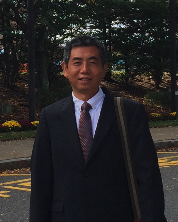 Yanwen Wang (王彦文)合作论文数School of Mechanical Electronic & Information Engineer, China University of Mining And Technology-Beijing1Yuxiao Wu (吴玉肖)合作论文数1




