Efficient thickening of unclassified tailings slurry (UTS) is critical for enhancing mine backfill efficiency and reducing operational costs. Ultrasonic technology has emerged as a promising approach to facilitating the solid-liquid separation process in such slurries. In this study, systematic experiments were conducted using a 20 kHz ultrasonic concentrator. The effects of ultrasonic treatment timing (applied at 0, 5, 10, 15, 20, 25, 30, and 35 min during free settling) and power (50 to 400 W in eight levels) were investigated by monitoring the solid-liquid interface settling velocity and underflow concentration. The key findings are as follows: Ultrasonic application at the 5 min mark yielded the optimal thickening performance, increasing the final mass concentration by 1.3% compared to free settling alone. The average settling velocity generally increased with ultrasonic power (with the exception of 50 W), and the final underflow concentration exhibited a steady rise. Notably, the 400 W treatment induced a significant settlement acceleration, attributed to the formation of drainage channels. Mechanistic analysis revealed that these drainage channels undergo a dynamic process of formation, expansion, contraction, and closure, driven by ultrasonically induced directional water migration, particle compaction, and energy boundary effects. This research not only enriches the theoretical framework of ultrasonic-assisted thickening but also provides practical insights for optimizing mine backfill operations.
Under complex lighting conditions, particularly in low-light environments, general object detectors often suffer from degraded detection performance due to insufficient brightness, severe noise, and loss of discriminative details. This issue is especially critical in underground mining scenarios, where weak illumination, complex backgrounds, dust interference, and frequent small or partially occluded targets make reliable visual perception highly challenging. To address this issue, we propose an Illumination-Aware Detection Network (IADNet) for object detection in low-light environments. Specifically, an Illumination Modeling Subnetwork (IMS) is designed to extract illumination-aware and degradation-aware auxiliary features from low-light images. Within the IMS, an Adaptive Weighted Downsampling (AWD) layer is introduced to reduce noise interference during feature downsampling and enhance illumination-aware representation learning. Furthermore, a Global Feature Enhancement Module (GFEM) is incorporated to strengthen global context modeling and improve feature representation capability in complex scenes. In addition, an extra contrastive loss is introduced to constrain the optimization of the IMS, and weighting factors are employed to balance the detection loss and the contrastive loss during training. Extensive experiments conducted on multiple datasets demonstrate the effectiveness of the proposed method. On the public ExDark dataset, IADNet achieves an mAP@50 of 80.3%, outperforming the baseline YOLO11m by 3.4 percentage points. On the self-constructed mining low-light dataset Lowlight_Mine, the proposed method achieves 92.3% Precision, 82.0% Recall, 89.3% mAP@50, and 57.8% mAP@50:95, showing favorable performance in object detection tasks under mining-related low-light scenarios. On the DARK FACE dataset, IADNet achieves 54.6% mAP@50 and 31.2% mAP@50:95, further indicating its robustness under real low-light conditions. On the synthetic low-light Dark_VOC dataset, IADNet attains an mAP@50 of 91.6%, and on the normal-light VOC dataset, it achieves an mAP@50 of 93.0%, suggesting that the proposed method maintains stable detection performance under the evaluated illumination conditions. These results indicate that IADNet improves low-light object detection performance and provides a useful experimental reference for object detection tasks in mining-related low-light scenarios.
Shotcrete support is increasingly used in underground engineering to enhance rock mass stability. This study proposes a novel tailings wet shotcrete (TWS) and characterizes its macroscopic, microscopic, and mechanical properties. Combining acoustic emission (AE), digital image correlation (DIC), fractal dimension analysis, and Scanning Electron Microscope (SEM), the mechanical behavior of composites formed by TWS and three types of rock under unilateral confined compression is systematically investigates, together with the underlying mechanism of progressive damage leading to failure. The results indicate that with the aging of TWS, only the strength of granite was significantly enhanced, while the peak strain of marble and sandstone was improved. Under unilateral confined compression, the specimens primarily exhibited tensile failure, with the interface transition zone and the adjacent rock serving as the main areas of deformation and failure; For TWS-granite and TWS-sandstone combination specimens, the b-value and fractal dimension decreased with increasing age of the TWS, whereas the b-value and fractal dimension of TWS-marble combination specimen exhibited a contradictory trend. The failure characteristics of the specimens were influenced by the combined effects of rock microstructure and the interface transition zone. The research findings provide theoretical support for the design and optimization of TWS support systems under different lithological conditions.
Solid-waste-based cement mortar (SWCM), prepared with ultrafine tailings and cement as the main raw materials, is widely used in mining backfilling and construction engineering. However, SWCM tends to form dense flocculation networks, inducing ultra-high yield stress and plastic viscosity that severely limit its pumpability. The objective of this study was to quantify the coupled effects of ultrasonic frequency (20-40 kHz), power (25-100 W), solid mass fraction (70%-78%), and binder-to-fine aggregate mass ratio (1:6-1:10) on the plastic viscosity and yield stress of SWCM and to establish a support vector machine (SVM)-based prediction framework for pumpability-oriented parameter optimization. The results showed that ultrasonic treatment effectively reduced both the plastic viscosity and yield stress of SWCM. Under the optimal parameters tested here (40 kHz, 100 W), these two parameters decreased by averages of 39.33% and 34.27%, respectively, relative to untreated samples. Moreover, the established SVM model showed good predictive performance, with correlation coefficients of 0.9013 and 0.9322 for plastic viscosity and yield stress, respectively. This work clarifies the rheological response of SWCM to representative ultrasonic conditions and provides a data-driven reference for mix design and pumping-process optimization of solid-waste-based cementitious materials.
Polycarboxylic acid ether superplasticisers (PCE) have been widely used to improve the fluidity of cement-based materials. pH is an important factor affecting the rheological properties of cement-based backfill slurry. However, the impact of solution pH on the rheological properties of ultra-fine tailings cemented paste (UTCP) containing high-efficiency water-reducing agents has not yet received sufficient attention from the perspective of particle surface interface performance and microstructural analysis. In particular, the competitive adsorption and interactive behavior between polyoxyethylene (PEO) flocculant and PCE superplasticizer under variable pH conditions remain poorly understood in ultrafine tailings systems. In this study, the rheological behaviour of UTCP containing PCE was measured at different pH values of aqueous solutions. Atomic Force Microscope (AFM) was introduced into the experiment to measure the interaction forces between tailings particles in UTCP, and Scanning Electron Microscope (SEM) measurements were further used to analyse the microstructure of the paste. Combined with semi-quantitative Fourier Transform Infrared Spectrometer (FTIR) analysis, Extended Derjaguin-Landau-Verwey-Overbeek (XDLVO) correction of colloidal forces and statistical analysis of rheological fitting results, the multi-scale mechanism of how solution pH affects the rheological properties of UTCP containing high-efficiency water-reducing agents and flocculants was revealed from the macro to the micro scale. AFM force measurements and SEM measurements indicate that under acidic conditions, when flocculants and PCE are present together, flocculants play a dominant role in flocculation, while the dispersing effect of PCE is weak. Under neutral conditions, although flocculants play a dominant role, the dispersing effect of PCE is also evident. Under alkaline conditions, the dispersing effect of PCE plays a dominant role. Under neutral conditions in aqueous solutions, a more cement silicate hydrogel (C-S-H) is formed compared to acidic and alkaline conditions. This is primarily attributed to stronger interparticle adhesion under neutral conditions, which explains why the yield stress and plastic viscosity of fresh UTCP at pH 7 are greater than those of UTCP at the other two pH levels. Quantitative correlations between water film thickness, interparticle adhesion work and macroscopic rheological parameters were established in this work, and the steric stabilization mechanism dominating over electrostatic effect at high pH was clarified, filling the research gap of PEO-PCE competitive interaction in pH-regulated UTCP.
Unclassified tailings used as aggregate in low-carbon wet shotcrete (LCWS) contribute to reduce the amount of stockpiled tailings and to strengthen green mining practices. This study developed LCWS based on solid waste‑based cementitious materials (SWCM) and unclassified gold tailings. First, the optimal composition of SWCM for LCWS was determined through orthogonal experiments, and the corresponding hydration mechanism was elucidated. Subsequently, single‑factor tests were conducted to identify the optimal mix formulation by varying the binder‑sand ratio and mass concentration, and its field applicability was evaluated via industrial‑scale tests. The influence of accelerators on LCWS was also examined. The results indicate that the optimal SWCM mixture consists of Portland cement, fly ash, slag powder, and a self-made activator in a ratio of 8:4:5:1. With a binder‑sand ratio of 1:1.4 and a mass concentration of 85%, the LCWS exhibits excellent workability. The continuous particle-size distribution of tailings contributed to aggregate packing and slurry stability, while their high proportion provided interfaces and pore spaces for hydration-product growth. The formation of C–S–H gel and ettringite filled and bonded the tailings skeleton. The pozzolanic contribution of slag powder and fly ash in the sulfate–alkaline environment promoted continuous strength development. Industrial tests showed that approximately 1.1 t of tailings can be utilized per cubic meter of LCWS. The proposed LCWS demonstrated favorable economic and environmental performance. Although accelerator addition improved early setting and initial strength, excessively rapid setting may hinder hydration uniformity and preserve early-age pore structures, thereby limiting long-term strength development.
Studying the stability and failure modes of surrounding rock with different joint angles has important guiding significance for the subsequent mine support design. This study based on self-made mold, 3D printing joint, digital image correlation (DIC) technology, acoustic emission technology and Particle flow code in two-dimensional to systematically examine the failure process, failure modes and mechanism of specimens with various joint angles under unilateral restrained compression. The findings demonstrate that the change in joint angle has an impact on the mechanical properties of the specimen under unilateral restrained compression, including peak strength, strain, and elastic modulus, as well as crack propagation (wing crack, secondary crack). The specimen's principal mode of failure under the influence of unilateral restrained compression is tensile failure, which get a certain explanation by the calculation results and RA-AF (Rise time/amplitude and ringing count/duration) value. The orientation of the crack's initiation and propagation can be seen clearly with DIC technology, the numerical model and the experimental results are also relatively consistent. The failure degree of specimens with different joint inclination angles is different. The degree of failure of specimens with 30° joint inclination angles is higher, and the specimens with 90° joint inclination angles have higher ability to resist deformation.
Aiming at the current pedestrian target detection in the scenic area, there are issues like inadequate detection precision and the challenge of identifying small-sized pedestrians, an improved YOLOv8 scenic area pedestrian detection algorithm is proposed. Firstly, the C2fNEW convolution module is designed to expand the detection field of view, which improves the detection ability of the model; secondly, the BiFormer attention mechanism and the replacement of the DyHead dynamic detection head are used to improve the detection of the pedestrian features as well as the expression ability of the detection head; lastly, the improved channel enhancement module is designed to enhance the model's ability of extracting the features of the channel, which effectively improves the model's ability to detect pedestrians in scenic spots. Through the analysis of experimental results, the improved YOLOv8 algorithm performs well on the pedestrian label data set in PASCAL VOC2007+2012, with an increase of 3.1% at mAP@0.5 and 2.9% at mAP@0.5:0.95, which represents a notable enhancement over the initial algorithm. It can be better applied in pedestrian detection tasks in scenic spots.
The effects of polyethylene oxide (PEO) dosage and solution pH on the flocculation, rheological and surface/ interfacial properties of the slurry were investigated by sedimentation, rheology, adsorption and surface force experiments. The results demonstrate that the initial settling rate (ISR) of the tailings is at its lowest in strongly acidic solutions. The ISR reaches its peak in strongly alkaline solutions. The PEO dosage exhibits a modest impact on the yield stress of the concentrate in strong acid solutions, while it wields a notable influence on the yield stress in neutral and strongly alkaline solutions. Quartz crystal microbalance with dissipation (QCM-D) measurements reveal that strong alkaline solutions enhance the adsorption of PEO chains on silica surfaces. Strongly acidic solutions partially inhibit the adsorption of PEO chains. Surface force measurement results indicate that PEO chains can bridge the tailings particles in concentrated suspensions through hydrogen bonding, and consequently elevating the suspension's yield stress.
The tensile strength is one of most significant parameters for rock, while few studies have been reported on the rupture mechanism regarding Brazilian test in rocks containing two fissures. In this work, the rock-like materials were adopted to prefabricate Brazilian disc specimens containing two prefabricated fissures. Based on the X-ray computed tomography technology and Particle Flow Code in 2 Dimension, the influences of different fissure dip angles on strength, deformation, fracture and other mechanical properties in Brazilian test are investigated. The research shows: When the dip angle of the upper fissure is 0°, with the dip angle of the lower fissure grows from 0° to 90°, the tensile strength decreases rapidly and then fluctuates slightly, while the elastic modulus is not affected; when the dip angles of the two fissures are comparable, as the angle between the two fissures gradually increases, the tensile strength decreases first and then increases, and the elastic modulus shows a monotonic growth, but the strain corresponding to the peak stress gradually decreases. In terms of the rupture mechanism, few shear cracks are developed from the fissure tip, while the micro-cracking activity is dominated by tensile failures inclined to the loading direction, which further penetrate across the bulk specimen.
The development of rough joints parallel to the free surface in the surrounding rock will lead to instability and failure of the surrounding rock, and the occurrence of rockburst, plate cracking, and other disasters. This paper used a custom-made mold, 3D-printing technology, acoustic emission (AE) equipment, and digital image correlation (DIC) to systematically analyze the fracture characteristics and instability process of rock sample with different roughness joints under one-side constraint compression. The results showed that, in the same sample group, the peak stress gradually increases with the increase in the distance between the joint and the free surface, and that the peak stress and strain at the same distance of the joint will decrease first and then increase as the roughness increases. The energy storage limit of the sample with joints 10 mm away from the free surface was greater than that for 5 mm, the energy dissipation ratio before the peak strength of specimens decreases as the roughness increases. The smooth-jointed specimens have higher resistance to deformation under one-side constraint compression, and the failure pattern of that specimen can be tensile type. However, as roughness increases, shear cracks gradually appear along the joint convex position, and the damage degree will be increased. The closer the joint is to the free surface, the more broken the specimen will be. The AE events within the same sample group increased with the increase in the distance between the joint and the free surface, and the cumulative AE counts increased with the increase in roughness when the joint space position was the same.
pH is an important factor affecting the rheology of fresh ultrafine tailings cemented paste backfill (UTCPB). In this study, the effect of solution pH on the packing density of fresh UTCPB containing polycarboxylate superplasticizer (PCE) was investigated experimentally. The effect of PCE dosage on the dynamic rheology and thixotropy of the UTCPB at both pH 2 and 7 of the aqueous solution was investigated. A relationship model between water film thickness (WFT) and dynamic rheological parameters of UTCPB was constructed. In addition, the improved model for predicting rheological parameters considering flocs was developed. The results show that the packing density and WFT of the ultrafine tailings cemented paste are significantly influenced by the pH of the mixture and the PCE dosage. The packing density and WFT at pH 2 were greater than those at pH 7. For aqueous solution pH 2, the critical micelle concentration (CMC) was approximately 0.05% and the thixotropic index decreased with increasing PCE dosage. For aqueous solution pH 7, the CMC is between approximately 0 and 0.05%. The relationship between WFT and the rheological parameters of UTCPB is exponential. The proposed rheological parameter prediction model has high accuracy and applicability. The results of this study could provide guidance for the design and application of UTCPB in mines.
针对尾矿库埋入式监测仪器或传感器在不同的地下环境中腐蚀严重、经济损失大等问题,采用挂片浸泡、扫描电镜(SEM)、失重法和电化学测试相结合的方法研究了传感器外壳材料(以316L不锈钢为研究对象)在酸性环境和盐卤环境中的腐蚀规律.结果 表明,在pH1.5的酸性腐蚀环境中,不锈钢试样短期内钝化膜处于逐渐形成状态,耐蚀性越来越好;经过长期1a浸泡腐蚀后,耐蚀性略微有所降低;在pH3的硫酸与卤水混合液和pH7.5盐卤水的腐蚀环境中,不锈钢试样短期内耐蚀性越来越好;经过长期浸泡腐蚀后,由于盐卤水中侵蚀性Cl-的存在加速了钝化膜的溶解和破坏,耐蚀性下降幅度明显增大.
The downward layered cemented filling method, which is generally used in the mining of high-value metal mines with poor surrounding rock quality, is widely believed to not cause large-scale instability of the roof strata in the mining area. However, a nonferrous metal mine in northern China, which has been using the downward cemented filling method, suddenly suffered a violent collapse accident of the stope roof, and the surface is accompanied by significant subsidence on a large scale. The accident revealed that the roof collapse mechanism still needed further research. In this paper, field investigation and numerical simulation were combined to study the mechanism of roof collapse. Based on the input data including in-situ stress state, geological occurrence pattern, and mining steps, the particle flow code (PFC) was used to simulate the stress and displacement changes of the rock mass under mining disturbance. These results indicate that the failure process of the overlying rock mass can be divided into four stages due to the special geological conditions of the mine: pillar stability stage, pillar chain failure stage, roof filling caving stage, and gneiss plug settlement stage. In the early stage of mining, the pillars between the mined-out drifts could effectively support the overlying rock mass due to the small exposed roof. As more drifts were mined, the vertical pressure on the pillars was added. When the number of mining drifts reached five, one of the pillars was firstly destroyed due to overloading, and then the pressure of the overlying strata was transferred to the surrounding pillars, leading to the subsequent failure of other pillars. When pillars were damaged, arch caving appeared inside the roof filling material. Finally, the vertical shear resistance capacity of the gneiss mass above is insufficient, owing to the steeply dipping joints. Finally, the gneiss above was subject to sudden plug settlement along the vertical joints. It should be noted that the stope mining management of the mine has a significant impact on production safety. In order to ensure the stability of the stope formed by cemented filling method, the dense distribution of simultaneous mining drifts should be avoided and the mine-out areas should be backfilled in time.
金川镍矿是我国最重要的镍矿资源基地,矿区岩石破碎,龙首矿区采用的小断面六角形进路分层下向胶结充填采矿法为厚大破碎矿体的安全开采提供了成功经验.金川公司二矿区东部贫矿体厚大、埋藏浅,开采技术条件相对较好,但矿岩品位较低,采用小断面六角形进路由于开采成本高、效率低,无法满足东部贫矿体的开采要求.为了降低成本、提高采矿效率,提出了采用中深孔落矿的大断面六角形进路下向充填法,六角形进路从4 m(腰宽)×5 m(高度)提高至16 m(腰宽)×20 m(高度).采用离心模拟试验对自重应力影响下的大断面六角形进路充填体的变形破坏进行分析,试验结果表明:随着离心加速度的逐步增加,上覆充填体的位移也逐渐增大,在离心加速度为70 g时进路两帮发生坍塌破坏,92 g时顶板发生破坏,顶板稳定性强于两帮的稳定性;两帮发生破坏时最大累计竖向位移为0.627 cm,顶板发生破坏时最大累计位移为0.904 cm,顶板比两帮能够承受更大的极限变形量;充填体破坏模式主要为拉伸破坏和剪切破坏,六角形进路最终形成半椭圆的塌落拱并趋于稳定.
The passivation behavior of 316L stainless steel in media simulating acidic coastal mine water solution (ACMW) with pH 4 and coastal mine water (CMW) with pH 7 was evaluated by open-circuit potential, potentiodynamic polarization behaviour and electrochemical impedance spectroscopy (EIS). Scanning electron microscope (SEM) was used to observe and analyze the morphological characteristics of the immersion samples. The open-circuit potential profiles and polarisation curves suggest that the passive film can be formed on 316L stainless steel surface after immersion in ACMW for 7 days, while it takes 30 days to form a stable passivation film in CMW. The corrosion state changed from spontaneous passivation to pitting after immersion in two solutions for about 4 months. During long-term immersion, pitting is controlled by charge transfer and diffusion processes. The corrosion potential and pitting potential of 316L stainless steel in CMW are higher than those in ACMW. Electrochemical impedance spectroscopy confirms that 316L stainless steel has good passivation performance in CMW, and stainless steel is more easily corroded in ACMW. The SEM images further prove that the conclusion of electrochemical test is correct.
The Hailar Basin, located in north‐east China, is a typical continental rifted basin that contains oil and gas. The basin formation process comprised several stages of construction and reformation with complex formation mechanisms. The Bayanhushu (BYHS) Sag is a secondary structural unit in the south‐west Hailar Basin with a significant resource potential, but its current poor exploration and insufficient understanding of the structural evolution characteristics are restricting further oil and gas exploration. Therefore, the study of the structural evolution of the BYHS Sag plays a pivotal role in the future exploration and development of oil and gas. There are different hypotheses on the formation mechanisms and structural evolution of the BYHS Sag. To further understand the evolutionary history of the BYHS Sag, a structural physical simulation experiment was used based on the structural interpretation and geometric analysis of a seismic section. Inversion validation was then undertaken by the 2DMove equilibrium profile recovery technology. It was found that the formation process of the BYHS Sag was mainly controlled by the western Adunchulu Fault. Faults on the section developed in succession from top to bottom. The fault plane experienced multiple changes, thus forming a special seat‐shaped structural pattern. Structural inversion occurred twice during the evolution of the sag. The compressive stress during the tectonic inversion mainly acted in a SE direction. It is inferred that this was related to the subduction of the Palaeo‐Pacific Plate under the Eurasian Plate and the intermittent compression caused by the transmission of stress of the arc–continent collision.
In order to investigate the effect of brine on the corrosion process of rebar in the backfill of the mine and the strength of the backfill, four kinds of anti-corrosion measures, such as passivation, water-soluble rust inhibitor, epoxy resin, epoxy resin and water-soluble rust inhibitor combination, were selected. The corrosion behavior of rebar in the backfill mixed with brine was studied by electrochemical test, and compared with that of backfill mixed with deionized water. At the same time, the influence of brine on the early, middle and long-term strength of filling sample was analyzed by uniaxial compression test and XRD test. The results showed that the brine had a significant corrosion effect on the rebar in the backfill, and the combination of epoxy resin and water-soluble rust inhibitor had the best effect among the four anti-corrosion measures. The effect of brine increased the content of ettringite, which in turn increased the early strength of the test sample of the backfill, but the rebar in the test sample was constantly corroded, and the corrosion products were not conducive to the long-term strength.
Practical attempts are made for a better understanding of the deformation mechanisms among porous siliciclastic, carbonate and volcanic rocks, in which the localized compaction has commonly been detected, with emphasis on the effect of micro-pore and size difference between grains and macro-pores. Based on a distinct element model comprised of multiple identical elements, the variation in relative macro-pore size is obtained through a building-block approach to the grain or macro-pore element, while the micro-pores are randomly extracted from the grain interior. The micro-cracking activity, energy budget and associated grain crushing are recorded to reveal the localization process under contractional regimes across the brittle-ductile transition. Numerical results suggest that the formation of shear bands is a universal feature at low confining pressures, and the macro-pore is an essential prerequisite for the compaction localization at high confining pressures. The reduction in either macro-porosity or relative macro-pore size contributes to a distributed cataclasis, and the abundance of micro-pore promotes the inception and propagation of compaction bands. Generally, macro-pore structure dominates the rupture morphology, on which the micro-porosity exerts a limited effect unless it represents a high portion of total porosity. Within the tested relative macro-pore size range that corresponds to ~2.65 to 0.25 times the grain size, the grain-scale fracture always favors the periphery of macro-pores, and the localized compaction derives from the competition of tensile and shear failures on both interior and boundary of a grain, which is heavily dependent on pore attributes such as the relative size and abundance of macro-pores. Typically, the micro-cracking activity shows a gradual growth before peak stress during shear localization, whereas the compaction localization is characterized by intermittent stress drops that related to surges in the micro-cracking activity. In addition, the influences of pore attributes on strength and deformation parameters are also discussed.
为弥补传统基于GPS/GNSS的单点监测方式无法反映尾矿坝整体变形的局限性,提出1种结合坝坡现有位移监测系统的无人机尾矿坝边坡表面变形监测方法.利用单镜头轻小型多旋翼无人机和计算机视觉技术对尾矿坝的空间三维地理信息进行数据采集与重建;基于设置在坝坡表面的位移人工监测点(水泥桩)对多期尾矿坝点云数据进行配准;通过对不同时期尾矿坝点云数据距离的计算实现对其边坡表面变形的整体监测.结果表明:经过雨季冲刷,山东某尾矿坝局部边坡出现冲沟、滑塌、表层滑移等现象;提出的方法能够精细地体现出尾矿坝边坡的整体变形与细节变化,可为尾矿坝边坡整体变形监测方法的拓展提供参考.
 Wensheng Lv (吕文生)合作论文数School of Civil and Resources Engineering, University of Science and Technology Beijing38
 Wensheng Lyu合作论文数15
 Liyi Zhu (诸利一)合作论文数14ZhiKai Wang (王志凯)合作论文数12Genbo Yu合作论文数12
 Sijing Cai (蔡嗣经)合作论文数School of Civil and Resources Engineering, University of Science and Technology Beijing11
 Kun Wang合作论文数Nanjing Univ, Sch Elect Sci & Engn, Nanjing 210023, Jiangsu, Peoples R China10ZanCheng Chen (陈赞成)合作论文数8
 Aixiang Wu (吴爱祥)合作论文数Key Laboratory of Ministry of Education for Efficient Mining and Safety of Metal Mines, University of Science and Technology Beijing8
 Hongjiang Wang (王洪江)合作论文数School of Resources and Safety Engineering, University of Science and Technology Beijing;Key Laboratory of Ministry of Education for Efficient Mining and Safety of Metal Mines, University of Science and Technology Beijing6NaiBing Peng (彭乃兵)合作论文数5Chao Yang合作论文数4Tang Zhixin (唐志新)合作论文数4GongCheng Li (李公成)合作论文数4
 Yu Zhou (周喻)合作论文数School of Civil and Resources Engineering, University of Science and Technology Beijing4
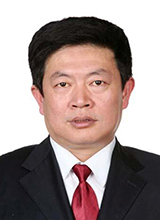 Yongtao Gao (高永涛)合作论文数School of Resources and Safety Engineering, University of Science and Technology Beijing4Ruiying Men合作论文数3Jie Liu合作论文数3LIN Zhixiang (林枝祥)合作论文数3Xiaoliang CHENG (程晓亮)合作论文数3WenLve Zhou (周文略)合作论文数3
 Yiming Wang (王贻明)合作论文数School of Resources and Safety Engineering, University of Science and Technology Beijing3
 Haitao Chen (陈海涛)合作论文数Experimental Teaching Center of Fire Virtual Simulation, China People's Police University3Hou Kepeng合作论文数2
 Shuaiqi Yuan合作论文数Faculty of Technology, Policy and Management, TU Delft2Chen Liu (刘晨)合作论文数2Bingqian Yan合作论文数2Shiwen SONG (宋世文)合作论文数2Zhi-jun WANG (王志军)合作论文数2Xiaodong WANG (王孝东)合作论文数2Zhiqiang YANG (杨志强)合作论文数2LI Zhenwei (李振伟)合作论文数2ZHANG Chang-hai (张长海)合作论文数2TingYong Xiong (熊庭永)合作论文数2ChunXiu Gong (龚春秀)合作论文数2FaLu Zhou (周发陆)合作论文数2
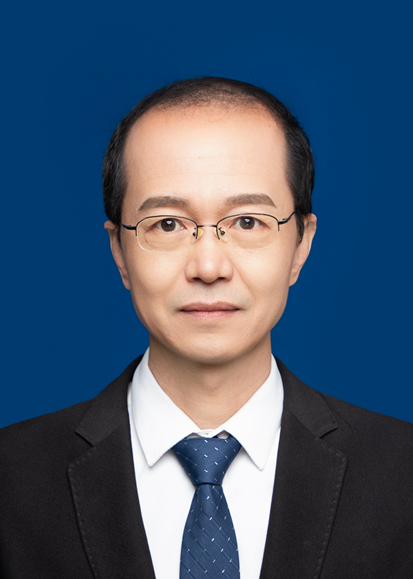 Weifeng Yang (杨伟峰)合作论文数School of Resources and Geosciences, China University of Mining and Technology2
 Ping Huang (黄萍)合作论文数College of Environment &Safe Engineering, Fuzhou University2
 Shoubao Zhang (张守宝)合作论文数School of Energy and Mining Engineering, China University of Mining & Technology-Beijing2Chengjun Liu (刘成军)合作论文数2
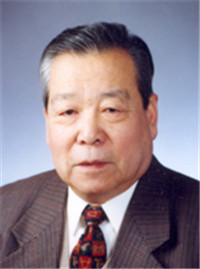 Runcang Yu (于润沧)合作论文数Chinese Academy of Engineering;China Enfi Engineering Corp.2Qingling Yang (杨清岭)合作论文数2Xixiang Yang (杨锡祥)合作论文数2Yongxin Xu (徐永新)合作论文数2Chaodong Feng (冯超东)合作论文数2Naiyue Liang (梁乃跃)合作论文数2
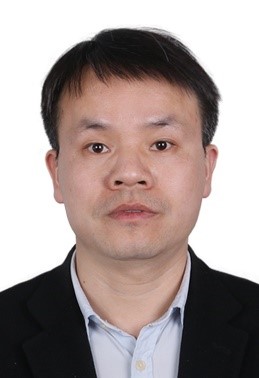 Shenghua Yin (尹升华)合作论文数School of Resources and Safety Engineering, University of Science and Technology Beijing2




