Human induced pluripotent stem cell (hiPSC) to cardiomyocyte (CM) differentiation has reshaped approaches to studying cardiac development and disease. In this study, we employed a genome-wide CRISPR screen in a hiPSC to CM differentiation system and reveal here that BRD4, a member of the bromodomain and extraterminal (BET) family, regulates CM differentiation. Chemical inhibition of BET proteins in mouse embryonic stem cell (mESC)-derived or hiPSC-derived cardiac progenitor cells (CPCs) results in decreased CM differentiation and persistence of cells expressing progenitor markers. In vivo, BRD4 deletion in second heart field (SHF) CPCs results in embryonic or early postnatal lethality, with mutants demonstrating myocardial hypoplasia and an increase in CPCs. Single-cell transcriptomics identified a subpopulation of SHF CPCs that is sensitive to BRD4 loss and associated with attenuated CM lineage-specific gene programs. These results highlight a previously unrecognized role for BRD4 in CM fate determination during development and a heterogenous requirement for BRD4 among SHF CPCs.
Background Morning rounds by an acute care surgery (ACS) service at a level one trauma center are uniquely demanding, given the fast pace, high acuity, and increased patient volume. These demands notwithstanding, communication remains integral to the success of surgical teams. Yet there are limited published curricula that address trauma inpatient communication needs. Observations at our institution confirmed that the surgical team lacked a shared mental model for communication. We hypothesized that creating a relationship-centered rounding conceptual framework model would enhance the provider-patient experience. Study design A mixed-methods approach was used for this study. A multi-pronged needs assessment was conducted. Provider communion items for Press Ganey and Hospital Consumer Assessment of Healthcare Providers and Systems (HCAHPS) surveys were used to measure patients’ expressed needs. Faculty with experience in relationship-centered communication observed morning rounds and documented demonstrated behaviors. A five-hour workshop was designed based on the identified needs. A pre-and post-course Assessment and course evaluation were conducted. Provider-related patient satisfaction items were measured six months before the course and six months after the workshop. Results Needs assessment revealed a lack of a shared communication framework and a lack of leadership skills for senior trauma residents. Barriers included: time constraints, patient load, and interruptions during rounds. The curriculum was very well received. The self-reflected behaviors that demonstrated the most dramatic change between the pre and post-workshop surveys were: I listened without interrupting; I spoke clearly and at a moderate pace; I repeated key points; and I checked that the patient understood. All these changed from being performed by 50% of respondents “about half of the time” to 100% of them “always”. Press Ganey top box likelihood to recommend (LTR) and provider-related top box items showed a trend towards improvement after implementing the training with a percentage difference of up to 20%. Conclusion The Inpatient Relationship Centered Communication Curriculum (I-RCCC) targeting senior residents and Nurse Practitioners (NP) was feasible, practical, and well-received by participants. There was a trend of an increase in LTRs and provider-specific patient satisfaction items. This curriculum will be refined based on the study results and potentially scalable to other surgical specialties.
The human genome functions as a three-dimensional chromatin polymer, driven by a complex collection of chromosome interactions(1-3). Although the molecular rules governing these interactions are being quickly elucidated, relatively few proteins regulating this process have been identified. Here, to address this gap, we developed high-throughput DNA or RNA labelling with optimized Oligopaints (HiDRO)-an automated imaging pipeline that enables the quantitative measurement of chromatin interactions in single cells across thousands of samples. By screening the human druggable genome, we identified more than 300 factors that influence genome folding during interphase. Among these, 43 genes were validated as either increasing or decreasing interactions between topologically associating domains. Our findings show that genetic or chemical inhibition of the ubiquitous kinase GSK3A leads to increased long-range chromatin looping interactions in a genome-wide and cohesin-dependent manner. These results demonstrate the importance of GSK3A signalling in nuclear architecture and the use of HiDRO for identifying mechanisms of spatial genome organization.
Immunotherapy has dramatically impacted cancer therapy, but it has been challenging to apply immunotherapy to estrogen receptor (ER) positive breast cancer and many other solid tumors that do not display neoantigens. One way to target these tumors is to induce necrosis, which robustly activates immune cells, inducing immunogenic cell death. However, anticancer therapy-induced necrosis was primarily characterized by morphological changes, and the molecular drivers of necrosis were largely obscure. To probe necrosis, we used our necrosis inducing anticancer agents, the small molecules BHPI and second-generation ErSO, which kill cancer cells by hyperactivating the anticipatory unfolded protein response (a-UPR). In orthotopic mouse xenografts, ErSO induces complete regression without recurrence of large, therapy-resistant primary ER positive breast tumors, of most lung, bone, and liver metastases, near complete regression of challenging breast cancer brain metastases and robust responses in PDX and patient derived organoids (PDOs) models. ErSO also induces complete or near complete regression in mouse xenograft models of ER positive ovarian and endometrial cancer. Using genome wide CRISPR-Cas9 screens with negative selection against our necrosis-inducing a-UPR hyperactivators, BHPI and ErSO, we identified the calcium-activated, ATP-inhibited, plasma membrane sodium channel, Transient Receptor Potential Melastatin Member 4 (TRPM4) as critical for anticancer therapy induced necrosis. TRPM4 knockout in multiple models abolished ErSO-induced ATP depletion, sustained UPR activation, cell swelling, necrotic cell death and increased migration of immune cells. Notably, knockout of TRPM4 completely abolished the ability of ErSO to induce regression of ER positive breast tumors in mice. Supporting a broad role for the TRPM4 pathway in anticancer therapy induced necrosis, rapid cancer cell death induced by four necrosis-inducing cancer therapies unrelated to ErSO, that range from FDA-approved to preclinical, is strongly reversed by TRPM4 knockout. ErSO treatment induces migration of macrophage into regressing tumors. Medium from cancer cells killed by necrosis-inducing ErSO, but not by an apoptosis inducer, dramatically increases macrophage migration and activation, as shown by induction of pro-inflammatory cytokines. This work identifies a protein that plays a pivotal role in the action of diverse anticancer therapies inducing immunogenic necrosis. Since increasing levels of TRPM4 increase sensitivity of breast cancer cells to killing by ErSO, TRPM4 is a novel biomarker whose levels can be used to identify patients most likely to benefit from ErSO and other necrosis-inducing cancer therapies. Citation Format: Santanu Ghosh, Rachel Yang, Darjan Duraki, Ji Eun Kim, Junyao Zhu, Mara Livezey, Matthew Boudreau, Ben H. Park, TImothy Fan, Erik R. Nelson, Paul J. Hergenrother, David J. Shapiro. The Executioner Protein for Immunogenic Anticancer Drug-induced Necrosis in ER Positive Breast Cancer is Transient Receptor Potential Melastatin Member 4 [abstract]. In: Proceedings of the 2022 San Antonio Breast Cancer Symposium; 2022 Dec 6-10; San Antonio, TX. Philadelphia (PA): AACR; Cancer Res 2023;83(5 Suppl):Abstract nr P6-10-01.
BackgroundAxillary surgery after neoadjuvant chemotherapy (NAC) is becoming less extensive. We evaluated the evolution of axillary surgery after NAC on the multi-institutional I-SPY2 prospective trial.MethodsWe examined annual rates of sentinel lymph node (SLN) surgery with resection of clipped node, if present), axillary lymph node dissection (ALND), and SLN and ALND in patients enrolled in I-SPY2 from January 1, 2011 to December 31, 2021 by clinical N status at diagnosis and pathologic N status at surgery. Cochran-Armitage trend tests were calculated to evaluate patterns over time.ResultsOf 1578 patients, 973 patients (61.7%) had SLN-only, 136 (8.6%) had SLN and ALND, and 469 (29.7%) had ALND-only. In the cN0 group, ALND-only decreased from 20% in 2011 to 6.25% in 2021 (p = 0.0078) and SLN-only increased from 70.0% to 87.5% (p = 0.0020). This was even more striking in patients with clinically node-positive (cN+) disease at diagnosis, where ALND-only decreased from 70.7% to 29.4% (p < 0.0001) and SLN-only significantly increased from 14.6% to 56.5% (p < 0.0001). This change was significant across subtypes (HR-/HER2-, HR+/HER2-, and HER2+). Among pathologically node-positive (pN+) patients after NAC (n = 525) ALND-only decreased from 69.0% to 39.2% (p < 0.0001) and SLN-only increased from 6.9% to 39.2% (p < 0.0001).ConclusionsUse of ALND after NAC has significantly decreased over the past decade. This is most pronounced in cN+ disease at diagnosis with an increase in the use of SLN surgery after NAC. Additionally, in pN+ disease after NAC, there has been a decrease in use of completion ALND, a practice pattern change that precedes results from clinical trials.
Neoadjuvant chemotherapy (NAC) increases rates of successful breast-conserving surgery (BCS) in patients with breast cancer. However, some studies suggest that BCS after NAC may confer an increased risk of locoregional recurrence (LRR). We assessed LRR rates and locoregional recurrence-free survival (LRFS) in patients enrolled on I-SPY2 (NCT01042379), a prospective NAC trial for patients with clinical stage II to III, molecularly high-risk breast cancer. Cox proportional hazards models were used to evaluate associations between surgical procedure (BCS vs mastectomy) and LRFS adjusted for age, tumor receptor subtype, clinical T category, clinical nodal status, and residual cancer burden (RCB). In 1462 patients, surgical procedure was not associated with LRR or LRFS on either univariate or multivariate analysis. The unadjusted incidence of LRR was 5.4% after BCS and 7.0% after mastectomy, at a median follow-up time of 3.5 years. The strongest predictor of LRR was RCB class, with each increasing RCB class having a significantly higher hazard ratio for LRR compared with RCB 0 on multivariate analysis. Triple-negative receptor subtype was also associated with an increased risk of LRR (hazard ratio: 2.91, 95% CI: 1.8-4.6, P < 0.0001), regardless of the type of operation. In this large multi-institutional prospective trial of patients completing NAC, we found no increased risk of LRR or differences in LRFS after BCS compared with mastectomy. Tumor receptor subtype and extent of residual disease after NAC were significantly associated with recurrence. These data demonstrate that BCS can be an excellent surgical option after NAC for appropriately selected patients.
Neoadjuvant chemotherapy (NAC) increases rates of successful breast-conserving surgery (BCS) in patients with breast cancer. However, some studies suggest that BCS after NAC may confer an increased risk of locoregional recurrence (LRR). We assessed LRR rates and locoregional recurrence-free survival (LRFS) in patients enrolled on I-SPY2 (NCT01042379), a prospective NAC trial for patients with clinical stage II to III, molecularly high-risk breast cancer. Cox proportional hazards models were used to evaluate associations between surgical procedure (BCS vs mastectomy) and LRFS adjusted for age, tumor receptor subtype, clinical T category, clinical nodal status, and residual cancer burden (RCB). In 1462 patients, surgical procedure was not associated with LRR or LRFS on either univariate or multivariate analysis. The unadjusted incidence of LRR was 5.4% after BCS and 7.0% after mastectomy, at a median follow-up time of 3.5 years. The strongest predictor of LRR was RCB class, with each increasing RCB class having a significantly higher hazard ratio for LRR compared with RCB 0 on multivariate analysis. Triple-negative receptor subtype was also associated with an increased risk of LRR (hazard ratio: 2.91, 95% CI: 1.8–4.6, P < 0.0001), regardless of the type of operation. In this large multi-institutional prospective trial of patients completing NAC, we found no increased risk of LRR or differences in LRFS after BCS compared with mastectomy. Tumor receptor subtype and extent of residual disease after NAC were significantly associated with recurrence. These data demonstrate that BCS can be an excellent surgical option after NAC for appropriately selected patients.
Supplement corrected to show label: 1 Supplementary Table
Abstract OBJECTIVE To compare primary CNS lymphoma [PCNSL] and secondary CNS lymphoma [SCNSL] incidence by year, month, week, and time between symptom onset, radiographic study, and tissue diagnosis. BACKGROUND PCNSL is a rare non-Hodgkin’s B-cell lymphoma confined to the central nervous system with an increased incidence among immunocompromised patients and immunocompetent patients.1 Epstein Barr Virus [EBV] infection usually accompanies immunocompromised patients with PCNSL. Whether viral infection is etiologic remains uncertain, especially among the immunocompetent, where EBV is not found. A seasonal pattern was described suggesting an infectious etiology.2 We sought to add to the literature our experience regarding patterns of disease onset. Design/ METHODS We retrospectively identified 96 immunocompetent PCNSL patients and 75 SCNSL patients treated here between 2010-20. Complete data was available for 91 PCNSL and 73 SCNSL patients. Variables collected included symptom onset, initial imaging, and tissue collection dates. RESULTS Weekly incidence was noted in both, with peak of incidence in the 10th and 40th week in PCNSL in 9th, 27th, and 31st weeks among SCNSL. Time between symptom onset and first neuroimaging study was significantly different, with PCNSL patients having significantly less time on average. Curiously, the average time between each PCNSL diagnosis was significantly shorter than that for SCNSL diagnosis. CONCLUSION/RELEVANCE Due to the rarity of the disease, larger studies are needed to further elucidate potential viral etiologies underlying PCNSL.
Objective: Transcatheter aortic valve replacement (TAVR), previously reserved for patients of intermediate to prohibitive surgical risk, has now been expanded to patients of any surgical risk with severe aortic stenosis. Bioprostheses are prone to structural valve degeneration (SVD), a progressive and multifactorial process that limits valve durability. As the population undergoing TAVR shifts toward a lower-risk and younger profile, long-term durability is a crucial determinant for patient outcomes. Our objective was to determine the incidence and risk factors of SVD at midterm follow-up in a veteran TAVR population. Methods: Patients undergoing TAVR at our federal facility were retrospectively evaluated for SVD and other endpoints with standardized consensus criteria. Multivariable Cox proportional hazards analysis was performed to evaluate risk factors for mortality and SVD. Results: From 2013 to 2020, 344 patients (median age, 78 years) underwent TAVR. Survival from all-cause mortality was 91.3% at 1 year, 75.1% at 3 years, and 61.7% at 5 years. Cumulative freedom from SVD was 98.2% at 1 year, 96.5% at 3 years, and 93.7% at 5 years. All 13 patients with SVD met hemodynamic criteria, and 1 required intervention. Median time to hemodynamic SVD was 1.04 years. Independent risk factors for SVD included age (hazard ratio [HR] = 0.92, 95% confidence interval [CI]: 0.86 to 0.99) and valve size (HR = 0.19, 95% CI: 0.04 to 0.89). Conclusions: SVD was evident at a low but detectable rate at 5-year follow-up. Further understanding of TAVR biomechanics as well as continued longer-term follow-up will be essential for informing patient-specific risk of SVD.
Abstract In orthotopic xenografts and a PDX, our anticancer drug ErSO eradicates primary and metastatic therapy-resistant estrogen receptor alpha (ERα) positive breast cancer, and induces near-complete regression of ovarian cancer. The mechanism by which ErSO induces necrosis and kills ER positive cancer cells was unknown. From genome-wide CRISPR-Cas9 screens in MCF-7 and T47D cells with negative selection against first-generation BHPI and second-generation ErSO, and follow-on experiments, we identified the Ca2+ activated, plasma membrane Na+ channel TRPM4 as the executioner protein that BHPI and ErSO use to induce necrosis. Notably, in 6 ERα+ breast and ovarian cancer cell lines, knockout of TRPM4 completely abolished the ability of ErSO to induce death of cancer cells. Moreover, TRPM4 mRNA and protein were dramatically down-regulated in breast cancer cells selected for resistance to BHPI and ErSO. Furthermore, in a mouse xenograft, while ErSO induced near complete regression of orthotopic MCF-7-ERY537S-luciferase tumors, ErSO had no effect on the TRPM4 knockout tumors, which continued their robust growth. Since necrosis, but not most other death pathways, activates immune cells, inducing immunogenic cell death, this provides a new avenue for enhancing cancer immunotherapy. Importantly, medium from ErSO-treated wild type MCF-7 cells, but not medium from TRPM4 knockout cells, robustly activates human THP-1 monocytes and greatly increases their migration. BHPI and ErSO-induced initial anticipatory unfolded protein response (a-UPR) activation results in elevated cytosolic Ca2+, opening the plasma membrane TRPM4 channel, eliciting a rapid influx of external Na+, accompanying Cl- to balance the charge, and water to maintain osmolality. This swells the cells, causing osmotic stress. Importantly, it is the osmotic stress that sustains UPR hyperactivation, leading to ATP depletion, which contributes to membrane rupture and rapid necrotic cell death and to near complete inhibition of protein synthesis that ultimately kills any surviving cancer cells . Suggesting a broad role of TRPM4 in the actions of necrosis inducing anticancer drugs, TRPM4 knockout also inhibited necrosis induced by unrelated anticancer therapies, the mitochondrial targeting oncolytic peptide, LTX-315 and the Ca2+ channel targeting agent, Englerin A. Since increasing expression TRPM4 by viral transduction results in progressively increased sensitivity of ER positive breast cancer cells to killing by ErSO, this enables identification of breast cancer patients whose elevated TRPM4 levels make them most likely to benefit from this novel therapy. The TRPM4 pathway is a new mechanism for sustained lethal activation of the UPR and for targeting ER positive breast and ovarian cancer. Presentation: Sunday, June 12, 2022 11:00 a.m. - 11:15 p.m.
Introduction: Cardiac fibrosis is mediated by the activation of fibroblasts to myofibroblasts, a cell state transition which involves the coordination of expression of hundreds of genes. Previous studies have demonstrated that inhibition of bromodomain and extra-terminal domain (BET) proteins attenuates fibrosis. We recently discovered a novel role of bromodomain-containing protein 4 (BRD4), a BET family member, in maintaining genome folding by stabilizing the cohesin complex (necessary for genome-genome interactions). We hypothesize that BRD4-mediated genome folding is critical for maintaining the enhancer-promoter interactions at genes required for fibroblast activation. Methods: A cardiac fibroblast cell line was generated in which a degron epitope tag was appended biallelically to Brd4 to enable acute BRD4 degradation. Fibroblasts were activated via addition of TGFβ. Meox1 , a critical transcription factor mediating a broad fibrotic gene program, was used as a model locus to investigate chromatin looping. The proximity between the Meox1 enhancer and promoter, Meox1 expression, and protein occupancy at the locus were determined using DNA fluorescence in situ hybridization, RT-qPCR, and chromatin immunoprecipitation (ChIP)-qPCR, respectively. Results: The proximity between the Meox1 enhancer and promoter and Meox1 expression increased upon TGFβ-induced activation. BRD4 occupancy was enriched at the enhancer of Meox1 upon activation, and BRD4 depletion reduced Meox1 expression and the co-localization of the Meox1 enhancer and promoter. BRD4 physically interacts with the cohesin agonist NIPBL, and we found that co-depletion of BRD4 and a cohesin antagonist normalizes the Meox1 enhancer and promoter proximity and Meox1 expression levels. Ongoing studies include genome-wide occupancy studies and expanding our findings to in vivo models of cardiac fibrosis. Conclusions: Our studies provide a mechanistic understanding of the functional relevance of genome organization during fibroblast activation. These studies will also expand our knowledge on how genome folding regulates cell plasticity and inform therapeutic approaches for targeting pathologic fibrotic remodeling.
Background Many institutions implemented telehealth initiatives to provide social support for patients during the SARS-CoV-2 (COVID-19) pandemic. Little is known about the impact of these programs on patient support persons and the trainees who facilitated them. Objective To assess perceptions of a resident physician and medical student-driven video visit program. Methods We designed and implemented a trainee-led video visit navigation program across three affiliated urban hospitals to facilitate video visits between patients and their support persons. We used descriptive statistics to understand the patient population served by the program and employed surveys for support persons and trainees to assess attitudes on the program. Results From April to June 2020, a total of 443 video visits were completed. Surveys were conducted for 101 out of 184 (54.9%) support persons and 39 out of 65 (60.0%) of medical trainees. Surveys demonstrated that video visits helped alleviate the stress and anxiety of support persons having a hospitalized loved one they could not visit. For trainees, facilitating these connections helped mitigate stress and provided a mechanism to contribute to the pandemic response. Conclusion Telehealth navigation programs provide high levels of connection for patients and their support persons during the COVID-19 pandemic and potentially beyond. Residents and medical students involved in these initiatives mobilized telehealth modalities to improve experiences with care delivery.
Lithium metal batteries suffer from dendrite formation and the associated safety hazards of thermal runaway reactions. In this study, we report the performances of a highly concentrated electrolyte (HCE) and a dilute LiPF6 electrolyte in lithium metal cells using LiNi0.8Co0.1Mn0.1O2. While the HCE exhibits lower bulk ionic conductivity than the dilute LiPF6 electrolyte, the cell conductivity is higher for the HCE system, indicating higher thermodynamic stability of the electrolyte against the electrodes. Full cell cycling demonstrates higher capacity for the HCE system, which declines as a function of cycle number due to the formation of decomposition products, similar to the dilute LiPF6 system. The origin of the enhanced performance is the higher stability of the HCE against a Li metal anode as compared to the dilute LiPF6 electrolyte. Cycling at higher temperatures further enhances the performance of the HCE, which is more thermally stable than the dilute LiPF6 electrolyte.
Lyon, Zoe M. BA; Yang, Rachel BSE; Savoie, Marissa B. BA; Schear, Sarah MS; Dong, Jessica MD, MBA; Javaherian, Kavon MD, MBA; Hauser, Karen MD, MPH; Sarkar, Urmimala MD, MPH; Garcia-Grossman, Ilana MD Author Information
Introduction: Transcatheter aortic valve replacement (TAVR), previously reserved for intermediate to prohibitive surgical risk, has now expanded to patients with severe aortic stenosis of any surgical risk. However, bioprostheses are prone to structural valve degeneration (SVD), a progressive process that limits valve durability. As the population undergoing TAVR shifts toward a lower-risk and younger profile, long-term durability is a crucial determinant for patient outcomes. Our objective was to report the characteristics of and assess risk factors for SVD in a veteran TAVR population. Methods: Patients undergoing TAVR at our Veterans Affairs Medical Center were retrospectively evaluated for SVD and other endpoints using recently standardized consensus criteria. Multivariate Cox proportional hazards analysis was performed to evaluate risk factors for SVD. Results: From 2013 to 2020, 312 patients (median age 79.0) underwent TAVR. Survival from all-cause mortality was 90.8% at 1 year, 76.1% at 3 years, and 64.0% at 5 years (Figure 1). Cumulative freedom from SVD was 98.0% at 1 year, 95.7% at 3 years, and 91.8% at 5 years. The 13 patients who met criteria for SVD were classified as moderate hemodynamic, and 2 required intervention. Median time to SVD was 1.04 years. Independent predictors of SVD include age (HR=0.92, CI:0.86-0.99) and valve size (HR=0.16, CI:0.03-0.81). Conclusions: SVD was evident at a low but detectable rate in 5 year follow-up, and associated with risk factors of patient age and implanted valve size. Further understanding of TAVR biomechanics will be essential to inform patient-specific risk of SVD. Figure 1: Kaplan-Meier curves of survival and freedom from SVD
Nassar, Aussama MD, MSc, FRCSC, FACS; Weimer-Elder, Barbette PhD, MS, RN; Kline, Merisa MHA; Minthorn, Crista RN, MSN, ANP-BC; Staudenmayer, Kristan L. MD, MS, FACS; Yang, Rachel MD; Spain, David A. MD, FACS; Maggio, Paul MD, MBA, FACS; Korndorffer, James R. MD, MHPE, FACS; Johnson, Tyler MD Author Information
 Kelz Rachel R合作论文数Dept Surg, Univ Penn15
 Brian Czerniecki合作论文数Moffitt Cancer Center11
 Giorgos C. Karakousis合作论文数Surgery Faculty, Perelman School of Medicine, University of Pennsylvania6
 Irene L. Wapnir合作论文数Department of Surgery, Stanford University School of Medicine, Stanford Cancer Institute6
 Caroline E. Reinke合作论文数Department of Surgery, University of Pennsylvania6
 Paul J. L. Zhang合作论文数Department of Pathology and Lab Medicine, Division of Anatomic Pathology, University of Pennsylvania Medical Center5Ji Eun Kim合作论文数4Darjan Duraki合作论文数4Santanu Ghosh合作论文数4
 Matthew W Boudreau合作论文数Carl R Woese Inst Genom Biol, Univ Illinois4
 Liza C. Wu合作论文数Surgery Faculty, Perelman School of Medicine, University of Pennsylvania4
 Mara Livezey合作论文数Department of Chemistry, Kalamazoo College4Graves Holly合作论文数4
 Erik Nelson合作论文数Division of Nutritional Sciences, College of Agricultural, Consumer and Environmental Sciences, University of Illinois at Urbana-Champaign4
 Ben Ho Park合作论文数Division of Hematology Oncology, Department of Medicine, Vanderbilt University Medical Center;Vanderbilt-Ingram Cancer Center, Vanderbilt University Medical Center;Global Cancer Institute4
 Paul J. Hergenrother合作论文数Department of Chemistry, College of Liberal Arts & Sciences, University of Illinois at Urbana-Champaign;Carl R. Woese Institute for Genomic Biology, University of Illinois at Urbana-Champaign4
 David J. Shapiro合作论文数Department of Biochemistry, School of Molecular & Cellular Biology, College of Liberal Arts and Sciences, University of Illinois at Urbana-Champaign4Catherine Lu Dugan合作论文数3Rebekah E. Gould合作论文数3Harrison Chau合作论文数3Jennifer E. Tonneson合作论文数3Jori Sheade合作论文数3Jennifer D Son合作论文数3Candice A M Sauder合作论文数3Junyao Zhu合作论文数3Hannah Woriax合作论文数3
 Akiko Chiba合作论文数3Hongmei Yu合作论文数3
 Jasmine Wong合作论文数3Puneet Singh合作论文数3Mara A Piltin合作论文数3
 Julia C. Tchou合作论文数Surgery Faculty, Perelman School of Medicine, University of Pennsylvania3
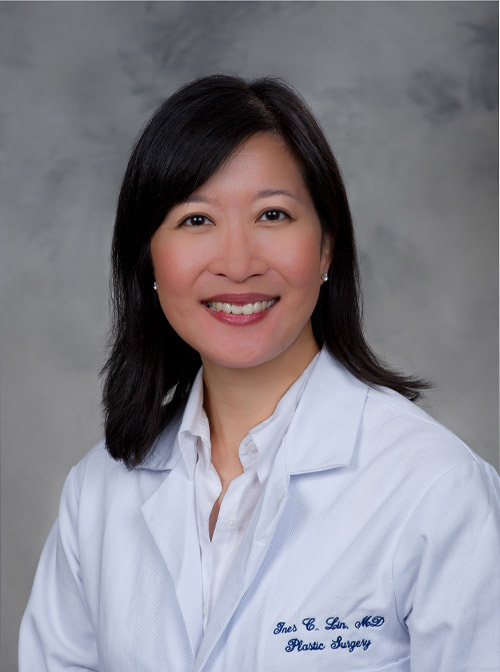 Ines C. Lin合作论文数Surgery Faculty, Perelman School of Medicine, University of Pennsylvania3
 Susan M. Domchek合作论文数Department of Medicine, Perelman School of Medicine, University of Pennsylvania;Basser Center for BRCA, Abramson Cancer Center, University of Pennsylvania3
 Rajan Jain合作论文数Department of Medicine, Perelman School of Medicine, University of Pennsylvania3
 Katherine L. Nathanson合作论文数Abramson Cancer Center, Perelman School of Medicine, University of Pennsylvania;Basser Research Center, Perelman School of Medicine, University of Pennsylvania;Institute for Translational Medicine and Therapeutics, University of Pennsylvania3
 Rosemarie Mick合作论文数Department of Biostatistics, Epidemiology and Informatics, Perelman School of Medicine, University of Pennsylvania3Godellas Constantine合作论文数3
 Jashodeep Datta合作论文数Department of Surgery, University of Pennsylvania Health System3
 Nina P. Tamirisa合作论文数3
 Carr Michael合作论文数3
 Lauren Postlewait合作论文数3Larson Kelsey合作论文数3
 Marie Lee合作论文数Moffitt Cancer Center;Morsani College of Medicine, University of South Florida;Oregon Health &Science University;Northwestern University;Memorial Sloan Kettering Cancer Center;LIVESTRONG Foundation;MD Anderson Cancer Center, The University of Texas;and Karmanos Cancer Institute, Wayne State University;The University of Texas MD Anderson Cancer Center, Wayne State University3Judy C. Boughey合作论文数3
 Angelena Crown合作论文数3Cheryl A. Ewing合作论文数3Rita A. Mukhtar合作论文数3
 Gretchen Ahrendt合作论文数3




