OBJECTIVES:This study aimed to explore the correlation between single-nucleotide polymorphisms (SNPs) of miR-23a (rs3745453) and sudden sensorineural hearing loss (SSNHL) in the Chinese Han population. METHODS:This case-control study enrolled 160 adult SSNHL patients and 160 age-matched healthy controls between January 2023 and December 2024. miR-23a expression was quantified via RT-qPCR, with diagnostic performance assessed by receiver operating characteristic (ROC) curve analysis. Polymerase chain reaction and ligase detection reaction (PCR-LDR) were employed to genotype the rs3745453 polymorphisms. Clinical characteristics and genotype distributions were systematically compared, followed by univariate and multivariate logistic regression to evaluate rs3745453's correlation with SSNHL susceptibility. RESULTS:SSNHL patients exhibited significantly reduced miR-23a levels vs controls (p < 0.001), with ROC analysis confirming strong diagnostic capacity (AUC = 0.8885, sensitivity = 86.25%, specificity = 80%, 95%CI = 0.8523- 0.9248, p < 0.001). rs3745453 GG/GA variants showed intergroup distribution differences (p < 0.05), whereas AA genotypes showed no intergroup divergence. G allele frequency was elevated in patients (p < 0.001), with no A allele variation. miR-23a expression did not differ between AG/GG and AA genotypes in controls. In patients, AG/GG carriers displayed lower miR-23a than AA subgroups (p < 0.05). Univariate and multivariate analysis identified miR-23a downregulation and rs3745453 AG+GG as independent SSNHL determinants (all p < 0.05). CONCLUSIONS:These findings suggest that miR-23a expression levels may serve as an independent diagnostic biomarker for SSNHL, while the miR-23a expression and rs3745453 polymorphism are associated with increased susceptibility to adult-onset SSNHL.
BackgroundFrailty, characterized by functional decline and disability, is an emerging public health concern in aging populations. Chronic inflammation and low high-density lipoprotein cholesterol (HDL-C) levels are key contributors to the progression of frailty. This study aims to examine the association between the ratio of high-sensitivity C-reactive protein (hs-CRP) to HDL-C and frailty among middle-aged and older adults in the United States.MethodsOur study included participants aged 45 years and older from the 2015–2020 National Health and Nutrition Examination Survey (NHANES). Logistic regression and restricted cubic spline (RCS) analysis were utilized to assess the relationship between the hs-CRP/HDL-C ratio and frailty, adjusting for potential confounding covariates. Mediation analysis was performed to determine whether plasma proteins mediated this association. Least absolute shrinkage and selection operator (LASSO) regression was employed to identify variables strongly correlated with frailty, and a nomogram was subsequently developed based on these variables.ResultsOur study included 3,626 middle-aged and older participants, among whom 787(21.7%) were identified as frailty. After adjusting for all covariates, a high hs-CRP/HDL-C ratio was identified as a significant risk factor for frailty (OR = 1.736, 95% CI: 1.009–2.988). RCS analysis disclosed a nonlinear correlation between the hs-CRP/HDL-C ratio and frailty incidence. Furthermore, mediation analysis suggested that albumin and globulin partially mediated this association, accounting for 37.82% and 11.23% of the indirect effect, respectively. A nomogram, constructed using variables selected via LASSO regression, exhibited promising discriminative ability, with an area under the curve (AUC) of 79.7% (95% CI: 77.7–81.75%).ConclusionOur findings suggest that a higher hs-CRP/HDL-C ratio is associated with an increased risk of frailty among middle-aged and older adults. Albumin and globulin partially mediate this relationship. Additionally, the nomogram developed in our study shows strong predictive ability for identifying individuals at high risk of frailty in this population.
Several studies have associated the epitranscriptomic RNA modification of N6-methyladenosine (m6A) with cardiovascular diseases; however, how m6A modification affects cardiomyocyte pyroptosis after myocardial infarction (MI) remains unknown. Here, we showed that AlkB homolog 5 (ALKBH5), an m6A demethylase, is crucial in cardiomyocyte pyroptosis after MI. We used MI rat and mouse models, a cell hypoxia model of rat primary cardiomyocytes (RCMs), and rat embryonic ventricle cell line (H9c2) to explore the functional role of m6A modification and ALKBH5 in the heart and cardiomyocytes. Using plasmids and small interfering RNAs, the expressions of ALKBH5 and NOD-like receptor family pyrin domain-containing 3 (NLRP3) were determined to study their functions in regulating cardiomyocyte m6A and pyroptosis, respectively. We characterized the role of ALKBH5, which exhibited elevated expression in the ischemic heart tissue of rats and mice and hypoxic cardiomyocytes (RCMs and H9c2 cells). ALKBH5 knockdown alleviated hypoxia-induced H9c2 cell pyroptosis by inhibiting NLRP3 inflammasome activation, whereas ALKBH5 overexpression had the opposite effect. NLRP3 knockdown alleviated hypoxia-induced H9c2 cardiomyocyte pyroptosis by inhibiting ALKBH5 expression, whereas NLRP3 overexpression had the opposite effect. Mechanistically, ALKBH5 mediated m6A modification of NLRP3 mRNA in an IGF2BP2-dependent manner, and NLRP3, as a nuclear transcription factor, regulated the ALKBH5 transcription process. Targeting the ALKBH5-NLRP3 loop with the small-molecule inhibitors alleviated cardiomyocyte pyroptosis. Our results highlight that ALKBH5-NLRP3 forms a positive feedback loop that promotes cardiomyocyte pyroptosis after MI. Therefore, inhibiting the ALKBH5-NLRP3 loop is a potential strategy for treating cardiovascular diseases.
BACKGROUND:Promoting intestinal adaptation is of paramount importance for restoring normal gastrointestinal function in pediatric patients with short bowel syndrome (SBS). However, the hormonal effect of fibroblast growth factor 19 (FGF19) on the intestinal adaptation of SBS patients remains unknown. METHODS:Integrated analyses using transcriptomic profiles were performed across two datasets. In vivo datasets were obtained from a group of pediatric SBS patients without intact ileocecal valve (ICV) exhibiting immature gut function and reduced FGF19 levels (n = 5), compared to their counterparts with ICV (n = 4). In vitro datasets were obtained from SBS patients-derived enteroids (SBS-PDEs) treated with recombinant human FGF19 (rhFGF19). RESULTS:As a result, 2680 differentially expressed genes (DEGs) were identified in vivo, most of which could be clustered into "metabolic pathway" and "cell adhesion"; 410 DEGs were identified in vitro, most of which could be clustered into "extracellular matrix organization" and "cell adhesion". In SBS-PDEs, treatment with rhFGF19 significantly enhanced the integrity of epithelial barrier function, and substantially improved the mitochondrial respiration function. Notably, there were 56 overlapped DEGs identified both in vitro and in vivo, most of which could be clustered into "cell adhesion". CONCLUSIONS:Beyond metabolic regulation, the hormonal effect of FGF19 on the maturation of intestinal epithelium may also include enhancing epithelial barrier function, improving mitochondrial respiration function, and regulating cell adhesion.
Context CD34+ orbital fibroblasts (OFs) play a pathogenic role in thyroid eye disease (TED). Several micro (mi)RNAs have been shown to promote TED progression.Objective This study aims to explore the regulatory effects of miRNAs on CD34+ OFs and to find potential therapeutic targets.Methods In this case-control study, orbital connective tissues (OCTs) and OFs were obtained from 25 TED patients and 24 healthy donors. MiRNA-seq was performed to examine differential expression of miRNAs in OCTs, and miR-182-5p was selected for subsequent experiments. MiR-182-5p was detected both in CD34+ and CD34- OFs. The upstream regulators of miR-182-5p were studied. Downstream targets of miR-182-5p were analyzed. The functionality of miR-182-5p in CD34+ OFs was evaluated.Results MiR-182-5p was highly expressed in TED OCTs and their derived CD34+ OFs. TED OCTs displayed increased expression of interleukin (IL)-6, IL-17A, CD34, and phosphorylated STAT3 at Ser727 and Tyr705. Activation of IL-6/STAT3 signaling promoted the expression of miR-182-5p in CD34+ OFs. MiR-182-5p enhanced wound repair ability, proliferation, and RANTES expression while inhibiting apoptosis in CD34+ OFs. CD34+ OFs transfected with miR-182-5p were susceptible to TGF-beta-initiated myofibroblast differentiation. Luciferase reporter and pull-down assays revealed Smad7 as the downstream target of miR-182-5p, which modulated the proliferation, migration, fibrosis, and apoptosis of CD34+ OFs.Conclusion The IL-6/STAT3/miR-182-5p pathway led to activation of CD34+ OFs. MiR-182-5p promoted the proliferation, migration, fibrosis, and anti-apoptosis of CD34+ OFs via targeting Smad7. Our findings suggest that miR-182-5p may potentially serve as a therapeutic target for TED.
Sarcopenia is a geriatric disorder characterized by a gradual loss of muscle mass and function. Despite its prevalence, the underlying mechanisms remain unclear, and there are currently no approved treatments. In this study, we conducted a comprehensive analysis of the molecular and metabolic signatures of skeletal muscle in patients with impaired muscle strength and sarcopenia using multi-omics approaches. Across discovery and replication cohorts, we found that disrupted branched-chain amino acid (BCAA) catabolism is a prominent pathway in sarcopenia, which leads to BCAA accumulation and decreased muscle health. Machine learning analysis further supported the causal role of BCAA catabolic dysfunction in sarcopenia. Using mouse models, we validated that defective BCAA catabolism impairs muscle mass and strength through dysregulated mTOR signaling, and enhancing BCAA catabolism by BT2 protects against sarcopenia in aged mice and in mice lacking Ppm1k, a positive regulator of BCAA catabolism in skeletal muscle. This study highlights improving BCAA catabolism as a potential treatment of sarcopenia. Using multi-omics analysis, Zuo, Zhao, Wu, Wang, Wang and colleagues report disrupted branched-chain amino acid (BCAA) catabolism in skeletal muscle samples from patients with sarcopenia. In mouse models, they causally link BCAA catabolic dysfunction to impaired muscle mass and demonstrate the translational potential of enhancing BCAA catabolism.
Accumulating evidence highlights the critical roles of autophagy-dependent ferroptosis mediators in colorectal cancer (CRC) pathogenesis. To elucidate SIRT6's tumor-suppressive role, HT29 cells stably overexpressing SIRT6 (Oe-SIRT6) were generated via plasmid transfection. Functional assays were performed to evaluate autophagy and ferroptosis. Rescue experiments using the autophagy inhibitor 3-MA or the mTOR agonist MHY1485 were conducted. Quantitative analyses revealed marked downregulation of SIRT6 expression in CRC cell lines (SW620, SW480, and HT29) compared to normal colon epithelial cells. SIRT6 overexpression induced autophagy and activated ferroptosis. The autophagy inhibitor 3-MA blocked SIRT6-driven ferroptosis, which confirmed its dependency on autophagy. Moreover, SIRT6 was found to inactivate mTOR/STAT3 signaling, whereas the mTOR agonist MHY1485 reversed SIRT6 overexpression on autophagy-dependent ferroptosis of CRC cells. Our findings establish SIRT6 as a dual-phase regulator of CRC cell death, suppressing mTOR/STAT3 signaling to orchestrate autophagy-dependent ferroptosis.
The clinical applications of immunocytokines are severely restricted by dose-limiting toxicities. To address this challenge, here we propose a next-generation immunocytokine concept involving the design of LH05, a tumor-conditional anti-PD-L1/interleukin-15 (IL-15) prodrug. LH05 innovatively masks IL-15 with steric hindrance, mitigating the “cytokine sink” effect of IL-15 and reducing systemic toxicities associated with wild-type anti-PD-L1/IL-15. Moreover, upon specific proteolytic cleavage within the tumor microenvironment, LH05 releases an active IL-15 superagonist, exerting potent antitumor effects. Mechanistically, the antitumor efficacy of LH05 depends on the increased infiltration of CD8+ T and natural killer cells by stimulating the chemokines CXCL9 and CXCL10, thereby converting cold tumors into hot tumors. Additionally, the tumor-conditional anti-PD-L1/IL-15 can synergize with an oncolytic virus or checkpoint blockade in advanced and metastatic tumor models. Our findings provide a compelling proof of concept for the development of next-generation immunocytokines, contributing significantly to current knowledge and strategies of immunotherapy.
Thyroid eye disease (TED) is an organ-specific autoimmune disorder that significantly impacts patients' visual function, appearance, and well-being. Despite existing clinical evaluation methods, there remains a need for objective biomarkers to facilitate clinical management and pathogenesis investigation. Rapid advances in multi-omics technologies have enabled the discovery and development of more informative biomarkers for clinical use. This systematic review synthesizes the current landscape of multi-omics approaches in TED research, highlighting the potential of genomics, transcriptomics, proteomics, metabolomics, and microbiomics to uncover novel biomarkers. Our review encompasses 69 studies involving 1,363 TED patients and 1,504 controls, revealing a wealth of biomarker candidates across various biological matrices. The identified biomarkers reflect alterations in gene expression, protein profiles, metabolic pathways, and microbial compositions, underscoring the systemic nature of TED. Notably, the integration of multi-omics data has been pivotal in enhancing our understanding of TED's molecular mechanisms and identifying diagnostic and prognostic markers with clinical potential.
Objectives To explore the relapse rate after glucocorticoid (GC) withdrawal with or without hydroxychloroquine (HCQ) maintenance in sustained clinically inactive systemic lupus erythematosus (SLE).Methods The PRESS trial is a multicentre, 33-week, open-label, three-arm, non-inferiority designed, randomised controlled trial. SLE patients with sustained clinically inactive disease who were maintained on low-dose GC plus HCQ therapy were screened and qualified patients were randomly assigned to three groups: drug-free group (both GC and HCQ withdrawal); HCQ group (discontinued GC but maintained HCQ); dual maintenance group (both GC and HCQ continued). The primary endpoint was to compare the proportion of patients experiencing a relapse as defined by the Safety of Estrogens in Lupus Erythematosus National Assessment-Systemic Lupus Erythematosus Disease Activity Index flare index by 33 weeks. Two parallel non-inferiority analyses were performed (drug-free group vs dual maintenance group and HCQ group vs dual maintenance group).NCT 02842814Results From 3 November 2016 to 13 August 2021, 333 participants complied with the protocol after randomisation were analysed. The relapse rates in the three groups were 26.1%, 11.2% and 4.7%, respectively. Compared with dual maintenance group, drug-free group failed to achieve non-inferiority significance (relapse rate difference 21.4%; 95% CI 12.3% to 30.5%; Pnon-inferiority=0.238), whereas HCQ group achieved non-inferiority (relapse rate difference 6.5%; 95% CI -0.5% to 13.5%; Pnon-inferiority=0.034). HCQ group also exhibited fewer relapses than drug-free group (p=0.006). Adverse events were similar among all three groups.Conclusions GC withdrawal may be feasible in sustained clinically inactive SLE patients. HCQ maintenance can exert a protective role in preventing disease relapse after GC withdrawal.Trial registration number NCT02842814.
Background: Kidney stones are one of the most common benign diseases in urology. As technology updates and iterates, more minimally invasive and laparoscopic surgeries with higher safety performance appear. This paper explores the effectiveness of retrograde intrarenal surgery (RIRS) and percutaneous nephrolithotomy (PCNL) in treating kidney stones, focusing on their effects on inflammatory responses and renal function. Methods: We conducted a retrospective analysis of 200 patients with kidney stones treated in our hospital between June 2019 and June 2023. 100 patients who underwent RIRS were included in the RIRS group. Another 100 patients who underwent PCNL treatment were included in the PCNL group. The intraoperative blood loss, operation duration, and hospitalization time of the two groups of patients were recorded and compared. The enzyme-linked immunosorbent assay (ELISA) was used to detect the levels of inflammatory factors in the serum of the two groups of patients: [serum amyloid A (SAA), interleukin-6 (IL-6) and high-sensitivity C-reactive protein (CRP)] and renal function index [blood urea nitrogen (BUN), creatinine (Scr) and serum cystatin (Cys-c)]. The two groups of patients were recorded separately: Postoperative complications and stone-free rate. Results: Operation duration was longer for the RIRS group than the PCNL group, which exhibited significantly less intraoperative blood loss and shorter hospital stays (p < 0.05). Before surgery, there was no statistically significant difference in the serum levels of SAA, IL-6, and CRP between the two groups of patients (p > 0.05). On the first day after surgery, the serum SAA levels in both groups were lower than before surgery, IL-6 and CRP levels were higher than before surgery, and the serum levels of SAA, IL-6, and CRP in the RIRS group were significantly lower than those in the PCNL group. The difference was statistically significant (p < 0.05). Before surgery, there was no statistically significant difference in the serum BUN, Scr, and Cys-c levels between the two groups of patients (p > 0.05). On the first day after surgery, the serum BUN, Scr, and Cys-c levels of the two groups of patients were significantly higher than those before surgery. The serum BUN, Scr, and Cys-c levels of the RIRS group were significantly lower than those of the PCNL group, and the difference was statistically significant (p < 0.05). Both surgical methods have sound stone-clearing effects regarding long-term stone clearance rates 1 month and 3 months after surgery (p > 0.05). PCNL had a better stone clearance rate on the 2nd postoperative day (p < 0.05). The incidence of postoperative complications in the RIRS group was significantly lower than that in the PCNL group, and the difference was statistically significant (p < 0.05). Conclusion: For kidney stones ≤2 cm, PCNL showed higher stone clearance rates on the second postoperative day. However, RIRS and PCNL demonstrated adequate long-term stone clearance at 1 and 3 months post-surgery. Both surgical methods are safe and effective, and RIRS is safer than PCNL. Compared with PCNL, RIRS is a new method of kidney stone operation, which has less trauma to the patient's body and fewer complications after the operation, speeding up the recovery process of the patient.
RATIONALE:Primary hepatic yolk sac tumors (YSTs) are rare in adults. Liver resection is an acknowledged treatment modality for primary hepatic YST. Liver transplantation may offer a possible cure for unresectable cases. PATIENT CONCERNS:We present a case of a 31-year-old woman with an abdominal mass who had abnormally elevated alpha-fetoprotein (AFP) levels (31,132 ng/mL; normal: 0-7 ng/mL). Contrast-enhanced computed tomography (CT) revealed large tumors located in both lobes of the liver, with arterial enhancement and venous washout. Fluorine-18 fluorodeoxyglucose (18F-FDG) positron emission tomography (PET)/CT indicated increased 18F-FDG uptake (maximum standardized uptake value, 24.4) in the liver tumors and left middle intra-abdominal nodule. DIAGNOSES:The diagnosis was primary hepatic YST with metastasis to the greater omentum. INTERVENTIONS:The patient underwent orthotopic liver transplantation and intra-abdominal nodule resection after transarterial chemoembolization (TACE) as a bridge. Intraoperatively, an intra-abdominal nodule was confirmed in the greater omentum. Histopathological examination of the liver tumors revealed Schiller-Duval bodies. The tropomyosin receptor kinase (TRK) inhibitor larotrectinib was administered, followed by four cycles of chemotherapy with bleomycin, etoposide, and cisplatin based on the next-generation sequencing results. OUTCOMES:The AFP level decreased to within the normal range. No evidence of tumor collapse was observed during the 34-month follow-up period. LESSONS:This case suggests that multimodal therapy dominated by liver transplantation, including preoperative TACE, postoperative adjuvant chemotherapy, and TRK inhibitors, is an effective treatment modality for unresectable primary hepatic YST.
Details on inclusion and exclusion criteria, and supplementary table showing the frequency of patients with discriminatory taxa in fecal samples.
Developing universal CARs with improved flexible targeting and controllable activities is urgently needed. While several studies have suggested the potential of CD16a in tandem with monoclonal antibodies to construct universal CAR-T cells, the weak affinity between them is one of the limiting factors for efficacy. Herein, we systematically investigated the impact of Fcγ receptor (FcγR) affinity on CAR-T cells properties by constructing universal CARs using Fcγ receptors with different affinities for IgG1 antibodies, namely CD16a, CD32a, and CD64. We demonstrated that the activities of these universal CAR-T cells on tumor cells could be redirected and regulated by IgG1 antibodies. In xenografted mice, 64CAR chimeric Jurkat cells with the highest affinity showed significant antitumor effects in combination with herceptin in the HER2 low expression U251 MG model. However, in the CD20 high expression Raji model, 64CAR caused excessive activation of CAR-T cells, which resulted in cytokine release syndrome (CRS) and the decline of antitumor activity, and 32CAR with a moderate affinity brought the best efficacy. Our work extended the knowledge about FcγR-based universal CAR-T cells and suggested that only the FcγRCAR with an appropriate affinity can offer the optimal antitumor advantages of CAR-T cells.
Although extracellular DNA is known to form immune complexes (ICs) with autoantibodies in systemic lupus erythematosus (SLE), the mechanisms leading to the release of DNA from cells remain poorly characterized. Here, we show that the pore-forming protein, gasdermin D (GSDMD), is required for nuclear DNA and mitochondrial DNA (mtDNA) release from neutrophils and lytic cell death following ex vivo stimulation with serum from patients with SLE and IFN-γ. Mechanistically, the activation of FcγR downregulated Serpinb1 following ex vivo stimulation with serum from patients with SLE, leading to spontaneous activation of both caspase-1/caspase-11 and cleavage of GSDMD into GSDMD-N. Furthermore, mtDNA oxidization promoted GSDMD-N oligomerization and cell death. In addition, GSDMD, but not peptidyl arginine deiminase 4 is necessary for extracellular mtDNA release from low-density granulocytes from SLE patients or healthy human neutrophils following incubation with ICs. Using the pristane-induced lupus model, we show that disease severity is significantly reduced in mice with neutrophil-specific Gsdmd deficiency or following treatment with the GSDMD inhibitor, disulfiram. Altogether, our study highlights an important role for oxidized mtDNA in inducing GSDMD oligomerization and pore formation. These findings also suggest that GSDMD might represent a possible therapeutic target in SLE.
Being an important immune stimulant of T lymphocytes and NK cells, the recombinant human interleukin-15 (rhIL-15) has been extensively researched in tumor immunotherapy or as a vaccine adjuvant. However, the rhIL-15 manufacturing level lags far behind its growing clinical demand due to the lack of efficient and exact analysis methodologies to characterize the trace by-products, typically redox and deamidation. In order to improve the production and quality control of rhIL-15, here we developed an expanded resolution reverse-phase high-performance liquid chromatography (ExRP-HPLC) approach to quickly and accurately analyze the oxidation and reduction by-products of rhIL-15, which may appear during the purification processes. Firstly, we developed RP-HPLC methods which can separate rhIL-15 fractions with different levels of oxidization or reduction, respectively, and the redox status of each peak was then determined by measuring the intact mass with a high-resolution mass spectrometer (UPLC-MS). To further clarify the complex pattern of oxidization of specific residues, the peaks with various oxidation levels were digested into pieces for peptide mapping to pinpoint the exact changes of oxygen and hydrogen atoms in the rhIL-15 by-products. In addition, we performed the ExRP-HPLC and UPLC-MS analysis of partially deamidated rhIL-15 to characterize their oxidation and reduction. Our work is the first in-depth characterization of the redox by-products of rhIL-15, even for deamidated impurities. The ExRP-HPLC method we reported can facilitate the rapid and accurate quality analysis of rhIL-15, which is substantially helpful for streamlining the industrial manufacturing of rhIL-15 to better meet the demands of clinical applications. KEYPOINTS: • The oxidization and reduction rhIL-15 by-products were characterized for the first time. • The changes of oxygen and hydrogen atoms in rhIL-15 redox by-products were accurately determined by UPLC-MS. • Oxidation and reduction by-products of deamidated rhIL-15 were further analyzed.
 Lin He (贺林)合作论文数School of Life Sciences and Biotechnology, Shanghai Jiao Tong University;Institutes of Biomedical Sciences, Fudan University26
 GuoYin Feng (冯国鄞)合作论文数21
 Guang He (贺光)合作论文数School of Life Sciences and Biotechnology, Shanghai Jiaotong University;Bio-X Institutes, Shanghai Jiaotong University16
 Wei Cai (蔡威)合作论文数Shanghai Institute for Pediatric Research, Xinhua Hospital affiliated to Shanghai Jiao Tong University School of Medicine16
 Xingwang Li (李兴旺)合作论文数School of Life Sciences and Biotechnology, Shanghai Jiao Tong University;Bio-X Institutes, Shanghai Jiao Tong University16Fengping Yang合作论文数16
 Zhiyun Wei (魏之昀)合作论文数School of Medicine, Tongji University;Shanghai First Maternity and Infant Hospital13
 Yifeng Xu (徐一峰)合作论文数Shanghai Key Laboratory of Psychotic Disorders, Shanghai Mental Health Center;School of Medicine, Shanghai Jiao Tong University12Kejun Zhou合作论文数12
 Jue Ji (季珏)合作论文数School of Life Science and Technology, Shanghai Jiaotong University12
 Yongtao Xiao (肖永陶)合作论文数Xinhua Hospital Affiliated to Shanghai Jiao Tong University School of Medicine12
 Bao-cheng Liu (刘保成)合作论文数11
 Jing Zhang (张靖)合作论文数Beijing Advanced Innovation Center for Biomedical Engineering, School of Medical Science and Engineering, Beihang University11
 Jie Wen (文洁)合作论文数Xinhua Hospital Affiliated to Shanghai Jiao Tong University School of Medicine11Ying Zhou合作论文数10
 Jun Wang (王俊)合作论文数Xinhua Hospital Affiliated to Shanghai Jiao Tong University School of Medicine9Ti Wang合作论文数8
 Chunling Wan (万春玲)合作论文数School of Life Sciences and Biotechnology, Shanghai Jiao Tong University;Bio-X Institutes, Shanghai Jiao Tong University7WeiHua Pan (潘伟华)合作论文数6
 Jianwei Zhu (朱建伟)合作论文数School of Pharmaceutical Sciences, Shanghai Jiao Tong University6
 Xiaomin Lou (娄晓敏)合作论文数Beijng Institute of Genomics, Chinese Academy of Sciences6
 Siqi Liu (刘斯奇)合作论文数BGI6Qingzhu Zhao合作论文数6
 Huili Lu (路慧丽)合作论文数School of Pharmaceutical Sciences, Shanghai Jiao Tong University6Zexin Liu合作论文数5
 Junkai Yan合作论文数5Wenqiang Shi合作论文数5YanZeng Xiao (肖彦增)合作论文数5
 Yongyong Shi (师咏勇)合作论文数Center for Excellence in Brain Science and Intelligence Technology, Chinese Academy of Sciences;Bio-X Institutes, Shanghai Jiao Tong University5
 Zhen Zeng (曾真)合作论文数Shanghai Sixth People's Hospital Affiliated to Shanghai Jiao Tong University5
 Weidong Li (李卫东)合作论文数Global Institute of Future Technology, Shanghai Jiao Tong University5
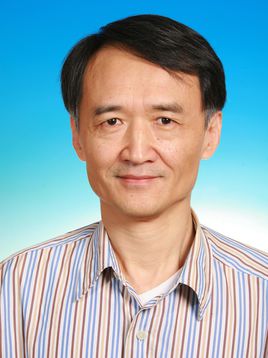 Ningzhi Xu (徐宁志)合作论文数Chinese Academy of Medical Sciences5
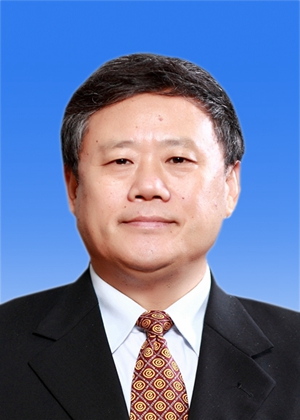 Zhihai Peng (彭志海)合作论文数Xiang'an Hospital of Xiamen University5
 Lei Wang (王磊)合作论文数Institutes of Biomedical Sciences, Fudan University5
 Qinghe Xing (邢清和)合作论文数Institutes of Biomedical Sciences, Fudan University5Shiqing Chen合作论文数5Jinfen Wang合作论文数4Wen Zhu合作论文数4YingYing Xie合作论文数4
 Huifang Zhou (周慧芳)合作论文数Shanghai Children's Medical Center, School of Medicine, Shanghai Jiao Tong University;Shanghai Ninth People's Hospital, School of Medicine, Shanghai JiaoTong University;School of Health Science and Engineering, University of Shanghai for Science and Technology4
 Yingwei Chen (陈颖伟)合作论文数Xinhua Hospital Affiliated to Shanghai Jiao Tong University School of Medicine4
 Tao Yu合作论文数School of Medicine, Indiana University4
 Jie Liu合作论文数4Quan Wang合作论文数4luyao song合作论文数3Liangyin Lv合作论文数3Tao Li合作论文数3
 Guixue Hou合作论文数3
 Yaqi Wang合作论文数3




