Cerebral ischemia-reperfusion injury is categorized as “stroke” in traditional Chinese medicine. For thousands of years, traditional Chinese medicine has accumulated rich experience in the treatment of stroke and other diseases, and with remarkable curative effects. Currently, Xingnaojing injection and its component musk are commonly used in the treatment of acute stroke, and muscone is the main active ingredient of musk. In this study, a rat model of transient middle cerebral artery occlusion was established, and the neuroprotective effects of Xingnaojing and muscone on transient middle cerebral artery occlusion rats were validated by Zea-Longa neurological function score, behavioral test and 2,3,5-triphenyltetrazolium chloride staining. Quantitative proteomics analysis was then performed on the brain tissues from different groups to investigate the mechanisms by which Xingnaojing and muscone act on cerebral ischemia-reperfusion injury. Our data indicate that Xingnaojing and muscone significantly affect proteins related to oxidative phosphorylation in CIRI rats, highlighting mitochondrial energy metabolism as a potentially important pathway contributing to their neuroprotective effects. Furthermore, the limited proteolysis-coupled mass spectrometry, target-responsive accessibility profiling, and lysine reactivity profiling methods were used to identify the direct protein targets of muscone in rat brain tissue lysate. A total of 36 potential target proteins were commonly identified by all the three methods. Bioinformatics analysis suggested that muscone was more significantly enriched in glycolysis/gluconeogenesis related pathways and closely associated with oxidative phosphorylation. Finally, the glycolytic key enzyme phosphoglycerate kinase 1, one of the binding proteins with muscone, was selected and verified by drug affinity responsive target stability. The molecular docking and dynamics simulation analysis further confirmed the interaction of glycolytic key enzyme phosphoglycerate kinase 1 and muscone. This study provides evidences for the clinical application and mechanisms of Xingnaojing and muscone in treating cerebral ischemia-reperfusion injury, and identifies candidate protein targets of muscone.
Large-scale protein phosphorylation analysis has become a mainstream approach for investigating tumor biomarkers and drug targets. However, the cumbersome processing procedures associated with hundreds of clinical samples and intrinsic batch-to-batch variations render this work highly challenging. Herein, we designed an anisotropic porous monolith, CS-ZrPC@PLP, based on directional freeze-casting and constructed an enrichment array to establish a high-throughput analytical method for complex biosamples. The fabricated monolith forms highly parallel capillary channels along the ice crystal growth direction, enabling low mass transfer resistance and excellent mechanical stability to abundantly expose active sites and ensure pressure tolerance during high-throughput enrichment operations. Benefiting from these features, a multichannel synchronous rapid enrichment (MCSR) strategy was proposed without the frequent centrifugation steps required in traditional enrichment methods. Simultaneous phosphopeptide enrichment of eight sample sets, including tryptic digests of standard protein mixtures and complex biological samples such as cell lysates, was accomplished within 5 min using only aspiration-dispersion cycles in the MCSR strategy, whereas traditional methods typically require tens of minutes to hours for one sample. Enrichment results demonstrated that the MCSR strategy exhibited significant selectivity for phosphopeptides even in the presence of 1000-fold BSA interference (molar ratio of BSA/β-Casein, 1000/1). Notably, despite using microflow LC-MS/MS analysis rather than nano-LC-MS/MS, 41,626 phosphopeptides and 7,168 phosphoproteins were successfully identified from Hep G2 cell digests after 5 min of enrichment. Furthermore, the MCSR strategy demonstrates excellent compatibility with commercial robotic pipetting platforms, highlighting the great potential for rapid, high-throughput phosphopeptide enrichment in clinical proteomics research.
The selective enrichment of phosphopeptides plays a crucial role in enhancing food nutritional value and developing functional foods. However, the identification of low-abundance multi-phosphopeptides is a formidable challenge as the extreme hydrophilicity and low ionization efficiency of the multi-phosphopeptides restrict in-depth research of multisite phosphorylation processes. To address this issue, a novel hydrogen-bond-mediated functional material (MAR@PUP) was facilely designed and fabricated , with epoxy group-containing macroporous adsorption resin (MAR) as the matrix, via a “one-pot” reaction of p-phenylene diisocyanate (PDI) and tris(2-aminoethyl)amine (TAEA). The resulting MAR@PUP leverages the polyurea-based groups on its surface to achieve selective enrichment of mono-/multi-/total phosphopeptides by modulating the strength of multiple hydrogen bond interactions under varying conditions, with particularly high efficiency in multi-phosphopeptides enrichment. Furthermore, nine multi-phosphopeptides were successfully identified from 5 µg of actual nonfat milk samples, which verified the feasibility of MAR@PUP material for practical sample analysis and its promising application potential. This research provides a novel and practical strategy for the efficient enrichment and accurate determination of multi-phosphopeptides in food chemistry.
Tumor occurrence and development are co-regulated by extracellular matrix(ECM)stiffness and the intratumoral microbiota.This paper first systematically summarizes how matrix stiffness affects the composition and function of the intratumoral microbiota.It then analyzes the regulatory roles of microbiota alterations in tumor occurrence and progression.Furthermore,it summarizes the mechanisms by which bacteria drive tumor progression,including inflammatory activation,metabolic reprogramming,and regulation of oncogenic signaling pathways.On this basis,the anti-tumor mechanisms of Chinese herbal medicines targeting the multi-dimensional regulatory network of the"matrix stiffness-bacteria-tumor"axis are discussed.This review provides an important theoretical basis for understanding bacterium-tumor interactions and for developing Chinese herbal medicine-based therapeutic strategies targeting this axis.
Protein citrullination, a crucial post-translational modification, is challenging to detect due to its small mass shift and low abundance. Existing methods, including antibody-based assays and conventional chemical derivatization, often suffer from cross-reactivity, poor specificity, or multiple side reactions. To address these limitations, we developed a novel chemical derivatization strategy based on the specific interaction between sulfhydryl compounds and the ureido group of citrulline. We systematically evaluated various dicarbonyl and sulfhydryl compounds, identifying methylglyoxal (MG) and sodium 3-mercaptopropanesulfonate (MPS) as the optimal reagents for a two-step derivatization process. This method sequentially introduced +54 Da and +192 Da mass tags, enabling highly specific and sensitive detection of citrullinated peptides. Reaction conditions, including molar ratios, acid catalysts, concentration, time, and temperature, were rigorously optimized. The strategy was successfully validated using standard citrullinated peptides and a PAD4-catalyzed BSA model system, which supports its reliability for citrullinated peptide analysis and improves detection sensitivity in LC-MS/MS analysis. This MG/MPS derivatization approach provides a promising and robust technical solution for identifying protein citrullination in well-defined model systems, with the potential for further extension to complex biological environments in future studies.
Host-guest interactions by artificially synthesized macrocyclic molecules, such as cucurbit[n]uril (CB[n], n refers to the number of glycoluril units), exhibited comparable affinity to natural biological interactions, offering orthogonal selectivities. These unique high-affinity interactions are crucial in bioseparation, particularly in the separation of complex biomacromolecules. However, to date, the application of supramolecular systems in bioseparation remains insufficient and challenging. In this work, a site-specific host-guest interaction-based method by CB[6] and CB[7] was developed for the selective enrichment of basic peptides, and their recognition for basic lysine/arginine (K/R) residues exhibited distinct selectivity. Although they both exhibited affinity to basic peptides, CB[6] tended to bind to peptides containing multiple K/R residues, while CB[7] preferred to adsorb peptides containing both phenylalanine residues and basic K/R residues. This difference was attributed to their distinct cavity sizes. Furthermore, CB[6]-containing monolith was employed for the enrichment of basic peptides from mouse liver sample digested with Staphylococcus aureus protease V8 (Glu-C). It is noteworthy that basic peptides containing 3-4 K/R residues can be successfully enriched, whereas those with more than 5 K/R residues cannot be effectively eluted. It was also observed that 1043 unique peptides were newly identified from 2.5 μg of mouse liver after the capture of basic peptides, with a markable increase in the identification coverage (31%). These newly identified peptides are generally more acidic and shorter than those depleted by CB[6], with median isoelectric point (pI) values of 5.8 and 7.0 and median lengths of 10 and 16 amino acids, respectively.
Citrullination, a post-translational modification (PTM) with a sub-dalton mass shift of only + 0.984 Da, plays critical roles in epigenetics and autoimmunity and is a hallmark of several inflammatory diseases, but remains a particularly long-standing challenge to resolve by conventional proteomics. Here we present Physical Interaction Transduction on Nanopores (PIToN), a semi-rational model for relating local pore–analyte interactions to nanopore discrimination. Guided by PIToN, we engineered an aerolysin nanopore carrying the K238E mutation, which together with E258 forms a localized electrostatic constriction that functions as a precision “reading head.” This pore enabled label-free, single-molecule detection of peptide citrullination with 98.3% accuracy and distinguished citrullination from methylation-related histone peptide states. The platform also enabled real-time monitoring of enzymatic citrullination and voltage-dependent selective peptide enrichment with up to 99.7% purity. This word provides a practical route for physico-chemically guided nanopore design and broader applications in PTM analysis and protein characterization.
Neutrophil extracellular traps (NETs) are a significant unfavorable factor for wound healing in diabetes. Citrullination of histone by peptidyl arginine deiminase 4 (PAD4) is the prerequisite for NETs formation. Therefore, PAD4 inhibitors are a promising NETs-targeting strategy to accelerate diabetic wound healing. Herein, a virtual screening workflow incorporating molecular docking and molecular dynamics was performed on a library of U.S. Food and Drug Administration (FDA)-approved drugs, resulting in the identification of gliquidone as a new PAD4 inhibitor. Gliquidone binds directly to PAD4, inhibits its activity, and interrupts NETs formation in neutrophils, which in turn rescues functional impairment in fibroblasts. Furthermore, in streptozotocin-induced diabetic mice, gliquidone accelerates wound healing. Taken together, gliquidone was successfully identified as a new PAD4 inhibitor through a computer-aided virtual screening pipeline, which might be a therapeutic agent against diabetic foot ulcers.
Dark tea is a microbially post-fermented tea whose aroma formation is closely associated with lipid degradation. In this study, integrated lipidomics and volatilomics were applied to characterize four Chinese dark teas: Anhua dark tea (AHDT), Qingzhuan dark tea (QZDT), Liupao dark tea (LPDT), and Pu-erh dark tea (PEDT). Lipidomic profiling identified 486 lipid species, including 186 differential lipids among the four tea varieties. Glycerophospholipids and glycoglycerolipids were relatively enriched in AHDT, fatty acyls in PEDT, and acylglycerolipids in QZDT and LPDT. Quantification of fatty acid esters of hydroxy fatty acids (FAHFAs) revealed more than ten-fold higher levels of FAHFA (18:1/O-26:0), FAHFA (18:2/O-26:0), and FAHFA (18:2/O-22:0) in PEDT than in AHDT. Volatilomic analysis identified 87 volatile compounds, among which fatty acid-derived volatiles (FADVs) were the predominant class. A total of 43 aroma-active compounds exhibited high aroma character impact (ACI > 0.1), including 26 FADVs. In addition, nine aroma attributes were quantified using quantitative descriptive analysis (QDA). Integrated lipidomic, volatilomic, and sensory analyses revealed distinct lipid-volatile-aroma signatures among the four tea varieties. AHDT was associated with membrane lipids and green, fungal aromas, PEDT with fatty acyls and stale, sweet, fruity notes, LPDT with triacylglycerols and woody, herbal, betelnut-like aromas, and QZDT with diacylglycerols and green, floral, woody characteristics. This study provides a valuable dataset for comparative investigations of flavor characteristics in post-fermented teas.
BACKGROUND:As a class of star macrocyclic molecules, cucurbit [n]urils (CB[n]) have gained extensive applications across multiple fields, including perovskite batteries, adsorption separation, room-temperature phosphorescence and biomolecular science and so on. The acquisition of high-purity CB[n] presents a significant challenge, especially for researchers without a dedicated background in organic synthesis and purification. The separation of individual CB[n] homologues is notoriously difficult, especially in the case of CB[7] and CB[5] due to their similar solubility and chemical properties. Therefore, development of specific and selective chromatographic methods is necessary for efficient separation of CB[n] homologues. RESULTS:In this work, three types of bipyridine-containing hybrid monolithic materials were designed and fabricated through "one-pot" approach, and then employed as an adsorption platform for the separation of CB[5] and CB[7] via supramolecular affinity chromatography strategy. This novel method offers efficient separation based on the differential molecular recognition mechanism of CB[5] and CB[7] toward the guest bipyridine moiety. Compared with the guests within the polymer chains, exposing the guests at the terminal ends of the adsorbent surface would benefit the specific adsorption capability of CB[7]. After optimizing the chromatographic conditions, the separation of CB[5] and CB[7] was successfully achieved on hybrid monolithic materials modified with 4,4'-bipyridine (Monolith-Ⅱ-Bp), enabling the isolation of 12 mg CB[5] and 10 mg CB[7] with high-purity from 40 mg of the crude product, corresponding to yields of 30.0% and 25.0%, respectively. SIGNIFICANCE:This work is the first to introduce hybrid monolithic materials and a separation strategy based on specific and reversible host-guest interactions, enabling simplified purification of CB[5] and CB[7] and accurate determination of their purity by MALDI-TOF MS. This approach is expected to serve as a reliable laboratory-scale method for the preparation of high-purity CB[n] homologues.
Supramolecular affinity chromatography based on host-guest interactions represents a promising approach for achieving highly specific separation and purification of biomacromolecules. Among the various macrocyclic molecules, cucurbit[n]urils (CB[n]) have attracted significant attention in recent years due to their unique molecular recognition capabilities. Notably, recent studies have revealed the specific binding of CB[n] to aromatic amino acids and short peptides with aromatic residues or N-terminal motif. In this work, we report the specific recognition of protein phosphorylation sites by cucurbit[6]uril (CB[6]), and propose a CB[6]-based supramolecular affinity chromatography (CSAC) strategy for the enrichment of multi-phosphopeptides. A polymeric monolith was prepared by polymerization of perallyloxyl CB[6] and ethylene dimethacrylate. In order to study the recognition mechanism of CB[6] on phosphate groups, the chromatographic conditions of CSAC, including loading, washing and elution, were separately evaluated utilizing the CB[6] monolithic material as a platform. Molecular recognition of phosphorylation sites was achieved in the solution of high organic solvent content (90% ACN), which was rarely reported. The established method exhibited specific recognition on multi-phosphopeptides and was employed for enrichment of multi-phosphopeptides, which showed good specificity (1:1000 of β-casein: BSA). Furthermore, CSAC can effectively isolate multi-phosphopeptides from mouse liver and improve the coverage of phosphopeptides. The recognition of phosphate groups by CB[6] is observed in a high-organic solvent environment, which is distinctly different from the recognition effect previously reported in aqueous phases. The established CSAC strategy holds promise as an effective technique for biological separations.
Extracellular vesicles (EVs) are crucial mediators in various physiological and pathological processes, facilitating intercellular communication and offering potential as diagnostic disease markers. However, existing EVs separation methods have limitations that hinder their clinical application. In this study, we present a novel approach using bifunctional silica microspheres (SiO2-PTB-PS) for the specific, nondestructive isolation of EVs from complex biological media. The isolated EVs were subsequently used for direct cancer detection in clinical samples. The SiO2-PTB-PS microspheres, functionalized with a phosphatidylserine (PS) recognition peptide (PSpep), specifically bound to PS on the EVs surface. Additionally, an anti-adhesion coating on the silica microspheres minimized protein contamination, enhancing purity. This affinity-based recognition and antifouling strategy ensured high-purity EVs separation. Furthermore, we developed a detection system combining SiO2-PTB-PS microspheres with surface-enhanced Raman scattering (SERS) nanoprobes to identify protein tyrosine kinase 7 (PTK7) and epithelial cell adhesion (EpCAM) on the EVs membrane, achieving 80% precision in distinguishing cancer patients from healthy donors. The SiO2-PTB-PS microsphere system shows significant promise as a biotechnology tool, advancing the clinical application of EVs-based diagnostics.
Preferential enrichment of phosphopeptides with different numbers of phosphorylation sites is crucial to investigate the modulation of signal transduction pathways of a graded protein kinase or phosphatase signal. Here, zirconium phosphonates chitosan monoliths (ZrPCMs) with varying compositions were constructed through a salt-forming reaction and bidirectional freezing strategy. These composite monoliths exhibited differential coordination abilities for mono- and multi-phosphopeptides without the need for centrifugation or a magnetic field during enrichment process. By the utilization of different ZrPCMs and control of loading amount of sample, selective enrichment of mono- or multi-phosphopeptides was realized. At high loading amounts, excess phosphate groups on ZrPCM-1 inhibited mono-phosphopeptides with chelating with Zr (IV), resulting in the preferential enrichment of multi-phosphopeptides. In contrast, ZrPCM-2 enabled the enrichment of global phosphopeptides due to its balanced phosphate group and Zr(IV) loading, avoiding selective preferences under extreme conditions. At low loading amounts, the availability of sufficient Zr (IV) on ZrPCM-3 facilitated the preferential enrichment of mono-phosphopeptides due to their lower steric hindrance and more stable binding, while the adsorption ability for multi-phosphopeptides was reduced owing to local charge accumulation effects and electrostatic repulsion. These results were verified not only in standard protein but also in complex biological samples involving nonfat milk and mouse liver. Consequently, this present work developed promising ZrPCMs materials and isolation strategy of mono-, multi-, or global phosphopeptides for phosphoproteome research.
Natural coumarins represent a diverse group of secondary metabolites with a wide range of biological activities. However, their specific molecular targets have remained largely unexplored. Employing chemical proteomics, a comprehensive analysis of the protein targets of the natural coumarin fraxetin has been conducted. Prostaglandin reductase 2 (PTGR2), a key enzyme involved in the final inactivation of prostaglandins, was identified as a primary target of fraxetin. Inhibition of PTGR2 can lead to the accumulation of 15-keto-PGE2, which subsequently activates the Nrf2 signaling pathway and suppresses NF-κB, resulting in notable anti-inflammatory effects. These findings provide novel insights into the molecular targets of fraxetin and other coumarins, which are crucial for fully exploring their therapeutic potential.
This study aimed to evaluate the separation efficiency and loading capacity of four commercially available micro-flow liquid chromatography (micro-flow LC) columns with 1.0 mm i.d. (PepMapTM C18, HALO (R) ES-C18, YMC-TriartTM C18 and Acquity UPLC Peptide BEH C18, abbreviated as PepMap, HALO, YMC and BEH) for mass spectrometry-based proteomics analysis. Samples including cytochrome c (cyt-c), human plasma, and HeLa protein digest were used for the tests. The YMC showed much wider peak widths than the other columns, exhibited relatively poor identification results. However, the other three columns showed similar identification performance. Among them, the PepMap was the optimal choice for plasma proteomics as it had a high loading capacity and exhibited the most symmetrical peak shape with a symmetry factor closest to 1.0. In general, our results provided valuable and solid support for the choice of a chromatographic column, which could potentially contributes to the wider application of micro-flow LC-MS/MS in proteomics research.
Novel multifunctional magnetic nanomaterials were developed for ultra-fast and selective extraction of phenolic acids across a wide pH range. The magnetic core was firstly coated with SiO2, followed by surface modification with 4-vinylphenylboronic acid (VPBA), 1-vinylimidazole (VI) and methacrylamido propyl trimethyl ammonium chloride (MAPTAC) as functional monomers. The characterization, repeatability, adsorption kinetics, and adsorption isotherms were investigated, and five different phenolic acids were used to demonstrate its selectivity. A maximum adsorption capacity of 86.58 mg/g was determined by the Langmuir adsorption model. The limits of detection and quantification of the method were 0.01 μg/mL and 0.04 μg/mL, respectively. The experimental results exhibited that the resultant multifunctional nanomaterials had satisfactory magnetic property, fast kinetics, favorable adsorption capacity, excellent specificity and higher repeatability. The Fe3O4@MPS-SPE exhibited ultra-fast kinetics with a complete adsorption of 2 s and a wide pH range of 3∼8. The multifunctional magnetic nanomaterials were successfully used as sorbents for selective extraction of phenolic acids in honeysuckle.
Phosphoproteomics is of great significance for deciphering the regulatory mechanisms of cell signaling. In order to overcome the limitations of current sample preparation methods, it is crucial to develop novel techniques that offer improved cost-effectiveness, ease of use, and reproducibility, while also reducing the reliance on hazardous reagents. We have innovatively developed a fast and effective all-in-one single-tube phosphoproteomics (FEAS-phospho) workflow, integrating protein extraction, digestion and phosphopeptide enrichment into a single-tube operation. TFA was used to efficiently extract proteins from cell and tissue samples within 3 min, without additional homogenization or sonication. By adjusting the enzyme-to-protein mass ratio, protein digestion time was reduced to from 16 h to 15 min. Meanwhile, cumbersome steps such as peptide desalting, lyophilization, and re-dissolution after digestion were omitted, allowing in-situ direct phosphopeptide enrichment from the protein digest, which provided an efficient and reliable solution for high-throughput phosphorylation analysis. This workflow greatly simplified the cumbersome operations in classic phosphoproteomics analysis, and the entire process from protein extraction to phosphopeptide enrichment could be completed within 2.5 h. With a micro-flow LC-MS/MS system, 5087 phosphorylation sites, 6247 phosphopeptides, corresponding to 2295 phosphoproteins were identified from 200 μg of MCF-7 protein digest under data-dependent acquisition (DDA) mode with a 15 min gradient. While the data-independent acquisition (DIA) mode identified more than 8400 phosphopeptides with the same quantity and gradient. The FEAS-phospho was further validated by phosphoproteome analysis of five different mouse tissue. The FEAS-phospho can be easily integrated into the automated phosphoproteomics workflow, and is expected to have broad applications in phosphoproteomics analysis.
Peptidyl arginine deiminase 4 (PAD4) is an enzyme playing essential role in many biological processes especially immune responses, and is a highly attractive therapeutic target. However, the number of PAD4 inhibitors is limited, and there is no inhibitor in clinical trial. This study aims to identify natural compounds holding high inhibitory effect on PAD4 activity from traditional herbal medicine. Of the thirty-six extracts of twelve medical plants, the dry root bark of Paeonia × suffruticosa Andrews (also known as Moutan Cortex) extracts showed highest inhibition effect on PAD4 activity. Further experiment was conducted with different batches of Moutan Cortex to confirm this result. In addition, we also evaluated the inhibitory activity of different parts of the Paeonia × suffruticosa Andrews, including flower ball, flower, leaf, pollen and seed meal. The results substantiated the hypothesis that Paeonia × suffruticosa Andrews contains compounds with high PAD4 inhibitory effect. Therefore, a practical bioactivity-guided fractionation coupling with a chemical profiling strategy was used to identify the fractions from Moutan Cortex extract with strong PAD4 inhibition activity, and the major constituents in these bioactive fractions were further characterized by LC-MS/MS. Among all the identified compounds, pentagalloylglucose (PGG) showed the most potent inhibition effect on PAD4 activity, with an IC50 value of 4.50 µM. The inhibition kinetic analysis, drug affinity response target stability (DARTS) and molecular docking experiments were performed to confirm the interaction between PGG and PAD4. The findings indicated that PGG functions as a mixed model PAD4 inhibitor. In summary, our results showed that PGG in Moutan Cortex is a highly potent PAD4 inhibitor, and PGG can be used as a promising lead compound for the development of effective PAD4 inhibitors.
Background: The fabrication technique of capillary column is the key to the development and application of capillary liquid chromatography (cLC) to improve separation efficiency for analytes. The capillary monolithic column possessed three -dimensionally connected porous or channel structures. Unique porous structure endows excellent permeability and high performance in diverse fields, especially in separation. Thereinto, organic monolithic columns have attracted widespread attention due to their advantages of simple preparation and excellent biocompatibility. However, their separation selectivity needs to be further developed and regulated to apply the separation of more diverse samples. Results: A novel polymeric monolithic column was prepared via thermally initiated in situ copolymerization of 2methyladamantan-2-yl acrylate (MADA) with ditrimethylolpropane tetraacrylate (DTTA) in fused silica. The prepared poly(MADA- co -DTTA) monolith showed adjustable permeability, developed porous structure and high thermal stability. Consequently, it exhibited excellent separation capability of small molecules (alkylbenzenes and polycyclic aromatic hydrocarbons). Especially, when acetonitrile/water (60/40, v/v) was used as the mobile phase, the theoretical plate numbers reached 84,000 plates m -1 for butylbenzene at a linear velocity of 0.5 mm s -1 . Most importantly, the hydrophobicity of the poly(MADA- co -DTTA) monolithic column was regulated via host -guest interaction between adamantyl group and cucurbit [7]uril (CB[7]). Additionally, the poly(MADA- co - DTTA) monolith was further adopted for the analysis of the tryptic digest of proteins from HeLa by cLC-MS/MS. The 33,783 unique peptides and 5,299 proteins were identified on the monolith, which exhibited great separation ability for complex samples. Significance and novelty: Due to abundant pore structure and good chemical properties, the poly(MADA- co -DTTA) monolithic column exhibited high performance for the separations of small molecules and biological sample. Meanwhile, owing to the existence of adamantyl-group, CB[7] was immobilized on the poly(MADA- co -DTTA) monolithic column to fabricate poly(MADA- co -DTTA)-CB[7] by host -guest interaction. It is possible to adjust the surface chemistry of the monolithic materials to accommodate more complex analytes.
 Hanfa Zou (邹汉法)合作论文数Key Laboratory of Separation Science for Analytical Chemistry, Dalian Institute of Chemical Physics, Chinese Academy of Sciences26
 Mingliang Ye (叶明亮)合作论文数Key Laboratory of Separation Science for Analytical Chemistry, Dalian Institute of Chemical Physics, Chinese Academy of Sciences;University of Chinese Academy of Sciences24
 Kai Cheng (程凯)合作论文数Dalian Institute of Chemical Physics, Chinese Academy of Sciences19
 Junjie Ou (欧俊杰)合作论文数Dalian Institute of Chemical Physics, Chinese Academy of Sciences;University of Chinese Academy of Sciences12
 Mingming Dong (董铭铭)合作论文数School of Bioengineering, Dalian University of Technology12
 Fangjun Wang (王方军)合作论文数Key Laboratory of Separation Science for Analytical Chemistry, Dalian institute of Chemical Physics, Chinese Academy of Sciences;University of Chinese Academy of Sciences10Chunxia Song (宋春侠)合作论文数10Xufei Chen合作论文数9
 Hongqiang Qin (秦洪强)合作论文数School of Chemical Engineering, Dalian University of Technology9Juanjuan Zhao合作论文数8Chunli Gao合作论文数8Haiyue Zuo合作论文数8Yan Wang合作论文数School of Marine Science, Ningbo University7Chunli Wang合作论文数7Jing Dong合作论文数7Jianhui Dong合作论文数6Shengxiang Zhang合作论文数6Zeyuan Zhao合作论文数6
 Zhihai Qin (秦志海)合作论文数The First Affiliated Hospital of Zhengzhou University;Institute of Biophysics, Chinese Academy of Sciences6
 Bernhard Küster合作论文数Department of Biosciences, School of Life Sciences, Technical University of Munich6
 Jun Zhu (朱军)合作论文数College of Agriculture and Biotechnology, Zhejiang University5Xiaoluan Wei (卫晓鸾)合作论文数5Nan Deng合作论文数4Liu Zheyi合作论文数4
 Pan Yanbo合作论文数Dalian Institute of Chemical Physics, Chinese Academy of Sciences4
 Huizhou Liu (刘会洲)合作论文数Qingdao Institute of Bioenergy and Bioprocess Technology, Chinese Academy of Sciences;Institute of Process Engineering, Chinese Academy of Sciences;University of Chinese Academy of Sciences4Weining Zhao合作论文数4
 Yehua Shen (申烨华)合作论文数Carbon Neutrality College (Yulin), Northwest University4
 Liangrong Yang (杨良嵘)合作论文数Institute of Process Engineering, Chinese Academy of Sciences;University of Chinese Academy of Sciences4Jiajia Wan合作论文数3Yun-Chien Chang合作论文数School of Life Sciences Weihenstephan, Technical University of Munich (TUM),3
 Runsheng Zheng (郑润生)合作论文数Thermo Fisher Scientific3
 Florian P. Bayer合作论文数Technical University of Munich3Yana Zhang合作论文数3Fei Wang合作论文数3Yuan Wang合作论文数3
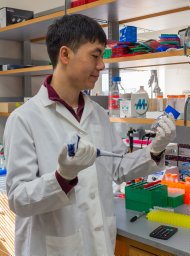 Huang Junfeng合作论文数3
 Jiawei Mao合作论文数University of Chinese Academy of Sciences;Dalian Institute of Chemical Physics, Chinese Academy of Sciences3
 Mathias Wilhelm合作论文数Chair Prote & Bioanalyt, Tech Univ Munich3Liu Fangjie合作论文数3Deng Zhenzhen合作论文数3ShuangQing Liu合作论文数3
 Meng Chen合作论文数3samuel sai ming sun合作论文数2Hui Li合作论文数2Xingtai Qiu合作论文数2
 Huifang Xing (邢慧芳)合作论文数University of Chinese Academy of Sciences;Institute of Process Engineering, Chinese Academy of Sciences2Xiaohan Yao合作论文数2




