BACKGROUND:Previous cohort studies of physical activity and cognitive health have often been limited by small sample sizes, short follow-up durations, absence of long-term assessments of physical activity, and potential reverse causation. We aimed to prospectively examine the associations between long-term physical activity and multiple cognitive outcomes. METHODS:In this study, we used data from two ongoing US prospective cohorts: the Nurses' Health Study (established in 1976, comprising 121 700 female registered nurses aged 30-55 years at enrolment) and the Health Professionals Follow-Up Study (HPFS; established in 1986, comprising 51 492 male health professionals aged 40-75 years at enrolment). Discretionary physical activity was assessed approximately every 2-4 years using self-report questionnaires, beginning in 1986 for both cohorts. Total physical activity, walking, and vigorous aerobic exercise were each expressed as the summed metabolic equivalent of task hours per week. We ascertained incident dementia cases (a composite endpoint of self-reported physician-diagnosed dementia and deaths due to dementia) in eligible Nurses' Health Study participants (1990-2023) and HPFS participants (1990-2023); deaths due to dementia were confirmed using medical records, death certificates, and autopsy reports. Objective cognitive function was assessed in Nurses' Health Study participants only (1995-2008) using the Telephone Interview for Cognitive Status (TICS). Subjective cognitive decline was self-reported by Nurses' Health Study participants (followed up in 2012 and 2014) and HPFS participants (followed up in 2008, 2012, 2016, 2018, and 2020) via questionnaires with binary questions that assessed subjective cognitive concerns across multiple domains. Participants were excluded from the analysis if they had dementia, stroke, cancer, were missing total physical activity or walking data, or reported difficulties with walking at baseline. Outcomes were analysed using multivariable-adjusted regression models. We used a 4-year lag approach in our main analyses to minimise the potential for reverse causation. FINDINGS:Our final samples comprised 63 596 Nurses' Health Study participants and 43 440 HPFS participants for the dementia endpoints, 13 647 Nurses' Health Study participants for assessing objective cognitive function, and 29 801 Nurses' Health Study participants and 17 162 HPFS participants for assessing subjective cognitive decline. Compared with participants in the lowest quartile for total physical activity, those in the highest quartile had a lower risk of dementia (hazard ratio [HR] 0·72, 95% CI 0·68-0·76; p<0·0001 for trend) and subjective cognitive decline (relative risk [RR] 0·77, 95% CI 0·73-0·80; p<0·0001 for trend). Being in the highest versus the lowest tertile for walking or vigorous aerobic exercise was also associated with lower risk for dementia (HR 0·76, 95% CI 0·72-0·80 for walking and 0·89, 0·85-0·93 for vigorous aerobic exercise; p<0·0001 for trend for both activities) and subjective cognitive decline (RR 0·82, 95% CI 0·79-0·86 for walking and 0·89, 0·86-0·93 for vigorous aerobic exercise; p<0·0001 for trend for both activities). Additionally, being in the highest quartile of total physical activity versus the lowest quartile was associated with fewer years of age-related cognitive differences in global cognition (mean difference -1·15, 95% CI -1·69 to -0·60; p<0·0001 for trend), verbal memory (-1·27, -1·86 to -0·68; p<0·0001 for trend), and TICS score (-0·79, -1·36 to -0·23; p=0·016 for trend). Similar decreases were observed for vigorous aerobic exercise but not for walking. INTERPRETATION:Higher levels of physical activity were associated with a lower risk of dementia and better cognitive performance. These findings support physical activity as a potential strategy to promote long-term cognitive health. FUNDING:US National Institutes of Health.
Abstract Introduction Stroke is a leading cause of disability and death in adults with type 2 diabetes (T2D). We evaluated the comparative stroke risk in Veterans with T2D initiated on either of two glucose-lowering medications: GLP-1 receptor agonists (GLP-1RA) or SGLT-2 inhibitors (SGLT2i). Patients and Methods We conducted a retrospective cohort study on diabetic Veterans aged 40 and older with no prior history of stroke or transient ischemic attack, who started on a GLP-1RA or SGLT2i between 2014 and 2021. Patients with contraindications or prior exposure to medication were excluded. Using national Veteran health data, we identified 195,072 eligible individuals and followed them from treatment initiation until stroke, death, loss to follow up, or end of follow up, whichever came first. Primary outcome was incident stroke, and secondary outcomes included ischemic and hemorrhagic stroke. We applied Kaplan-Meier methods and Cox proportional hazards models. Adjusted associations were estimated using inverse probability weighting. Results Both unadjusted and adjusted analyses suggest GLP-1RA users have reduced stroke incidence compared SGLT-2i users (HR = 0.67, 95%CI 0.64-0.69;HR = 0.72, 95%CI 0.69-0.75). Similar results were found in secondary outcome and stratified analyses, with GLP-1RA users having reduced stroke risk compared to SGLT2i users for all age groups, chronic kidney disease stages, and hemoglobin A1c levels. Discussion and Conclusion GLP-1RA treatment was associated with a lower risk of stroke compared with SGLT2i treatment in Veterans with T2D. These findings were consistent for ischemic and hemorrhagic strokes, suggesting potential differences in stroke risk between the treatments.
BACKGROUND:Alcohol consumption is common behavior among US veterans, yet its impact on long-term health outcomes remains incompletely understood. OBJECTIVE:We conducted a cohort study to examine the associations between alcohol consumption versus abstention and major adverse cardiovascular events (MACE; myocardial infarction, stroke, or cardiovascular death), cancers, and total mortality. METHODS:Self-reported alcohol consumption was collected from 438,442 participants from the prospective Million Veteran Program Study (MVP 2011-2024). The outcomes included total mortality and indent cancer and MACE. RESULTS:A J-shaped association was observed between alcohol and risk of mortality (both Ps for linear trend and curvature<0.0001) and risk of MACE (P for curvature<0.0001; P for linear trend = 0.24). Compared to never drinkers, the hazard ratio (HR) for mortality was 0.86 (0.84, 0.89) for current drinkers with alcohol 0.1-30g/d, and 0.84 (0.80, 0.89) for MACE. The HR for cancer was positively associated with higher daily intake among current drinkers: 1.03 (0.99, 1.17) [0.1-30g/d], 1.06 (1.00, 1.12) [31-60g/d], 1.20 (1.12, 1.29) [61-90g/d] and 1.28 (1.12, 1.47) [>90g/d] (P for curvature =0.06, P for linear trend<0.0001). Compared to participants who reported never smoking and never drinking, the HR for head and neck cancer was 3.21 (2.17, 4.74) among current smokers with moderate alcohol consumption (females up to 14g/d and males up to 28g/d) and 5.69 (3.76, 8.62) among current smokers with heavy drinking (P for interaction=0.03). CONCLUSIONS:Among US Veterans, alcohol consumption was associated with mortality and MACE in a J-shaped pattern, with lower risk observed at moderate consumption levels compared to abstinence or heavier drinking. However, alcohol consumption demonstrates a linear dose-response relationship with cancers, with increased risks for alcohol-related cancers even at moderate consumption levels. The alcohol and head and neck cancer association was significantly exacerbated by smoking.
INTRODUCTION:Associations of adherence to and changes in Mediterranean (MedDiet) and Mediterranean-Dietary Approaches to Stop Hypertension Intervention for Neurodegenerative Delay (MIND) diets with cognitive outcomes are unclear. METHODS:We prospectively followed 86,740 women (Nurses' Health Study, 1980-2023) and 43,500 men (Health Professionals Follow-Up Study, 1986-2023). Diet was assessed repeatedly using food frequency questionnaires. Dementia cases were identified from self-reported physician diagnoses and death records. Cognitive function was assessed by telephone tests, and subjective cognitive decline (SCD) was self-reported. RESULTS:Participants in the highest versus lowest MedDiet and MIND categories had 21% (hazard ratio [HR] = 0.79, 95% confidence interval [CI]: 0.73-0.84) and 14% (HR = 0.86, 95% CI: 0.81-0.91) lower dementia risk, respectively. Higher adherence was associated with 0.75 to 1.59 fewer years of cognitive aging, and 40% to 42% lower risk of SCD. Similar inverse associations were observed for improved adherence over 4 or 8 years. DISCUSSION:Adherence to Mediterranean and MIND diets was associated with cognitive benefits.
BACKGROUND:Little is known about the relation between total alcohol intake and beverage types with the risk of heart failure (HF) and its subtypes in the veteran population. This study aims to examine the associations between total and type of alcohol consumption and risk of HF and its subtypes, namely HF with reduced [HFrEF] and preserved [HFpEF] ejection fraction, in a large cohort of US veterans. METHODS:The study cohort included 401,348 Million Veteran Program participants with complete alcohol information collected through a survey and no HF at baseline. HF events were defined as 1 inpatient or 1 outpatient diagnosis code together with at least two ejection fraction (EF) measurements. We defined HFrEF as HF with left ventricular ejection fraction (LVEF) of ≤40% and HFpEF as heart failure with LVEF ≥ 50%. The associations between alcohol intake, type of beverage consumed (i.e., beer, wine, or liquor), and incidence of HF, HFpEF, and HFrEF were assessed using Cox proportional hazard models. Restricted cubic spline regression was used to assess for a dose-response association between alcohol consumption and the risk of HF. RESULTS:Mean age was 65 years, and 91% were men. With a mean follow-up of 6.4 years, we observed 38,420 incident HF events (15,356 HFrEF, 19,047 HFpEF, and 4017 HF with an EF value of 41-49%). Compared to never drinkers, multivariable adjusted hazard ratios for HF were 0.90 (95% CI: 0.86, 0.94), 0.88 (95% CI: 0.84, 0.93), 0.86 (95% CI: 0.81, 0.91), 0.92 (95% CI: 0.86, 0.98), 0.95 (95% CI: 0.84, 1.06), and 1.08 (95% CI: 1.01, 1.15) for current drinkers of 0.1-0.5, 0.6-1, 1.1-2, 2.1-3, 3.1-4 drinks/day, and heavy drinkers (i.e., >4 drinks/day and/or those diagnosed with alcohol use disorder), respectively. We found a similar association between alcohol intake and risk of HFpEF and HFrEF, except heavy drinking was significantly associated with HFrEF (HR: 1.13, 95% CI: 1.02, 1.24), not HFpEF (HR: 1.05, 95% CI: 0.96, 1.13). Types of alcoholic beverage preference did not influence the alcohol-HF relation. CONCLUSIONS:Our data are consistent with a J-shaped relation between alcohol consumption and risk of heart failure, irrespective of subtypes.
Importance:Evidence linking coffee and tea to cognitive health remains inconclusive, and most studies fail to differentiate caffeinated from decaffeinated coffee. Objective:To investigate associations of coffee and tea intake with dementia risk and cognitive function. Design, Setting, and Participants:Prospective cohort study that included female participants from the Nurses' Health Study (NHS; n = 86 606 with data from 1980-2023) and male participants from the Health Professionals Follow-up Study (HPFS; n = 45 215 with data from 1986-2023) who did not have cancer, Parkinson disease, or dementia at study entry (baseline) in the US. Exposures:The primary exposures were intakes of caffeinated coffee, decaffeinated coffee, and tea. Dietary intake was collected every 2 to 4 years using validated food frequency questionnaires. Main Outcomes and Measures:The primary outcome was dementia, which was identified via death records and physician diagnoses. The secondary outcomes included subjective cognitive decline assessed by a questionnaire-based score (range, 0-7; higher scores indicate greater perceived decline; cases defined as those with a score ≥3) and objective cognitive function assessed only in the NHS cohort using telephone-based neuropsychological tests such as the Telephone Interview for Cognitive Status (TICS) score (range, 0-41) and a measure of global cognition (a standardized mean z score for all 6 administered cognitive tests). Results:Among 131 821 participants (mean age at baseline, 46.2 [SD, 7.2] years in the NHS cohort and 53.8 [SD, 9.7] years in the HPFS cohort; 65.7% were female) during up to 43 years of follow-up (median, 36.8 years; IQR, 28-42 years), there were 11 033 cases of incident dementia. After adjusting for potential confounders and pooling results across cohorts, higher caffeinated coffee intake was significantly associated with lower dementia risk (141 vs 330 cases per 100 000 person-years comparing the fourth [highest] quartile of consumption with the first [lowest] quartile; hazard ratio, 0.82 [95% CI, 0.76 to 0.89]) and lower prevalence of subjective cognitive decline (7.8% vs 9.5%, respectively; prevalence ratio, 0.85 [95% CI, 0.78 to 0.93]). In the NHS cohort, higher caffeinated coffee intake was also associated with better objective cognitive performance. Compared with participants in the lowest quartile, those in the highest quartile had a higher mean TICS score (mean difference, 0.11 [95% CI, 0.01 to 0.21]) and a higher mean global cognition score (mean difference, 0.02 [95% CI, -0.01 to 0.04]); however, the association with global cognition was not statistically significant (P = .06). Higher intake of tea showed similar associations with these cognitive outcomes, whereas decaffeinated coffee intake was not associated with lower dementia risk or better cognitive performance. A dose-response analysis showed nonlinear inverse associations of caffeinated coffee and tea intake levels with dementia risk and subjective cognitive decline. The most pronounced associated differences were observed with intake of approximately 2 to 3 cups per day of caffeinated coffee or 1 to 2 cups per day of tea. Conclusions and Relevance:Greater consumption of caffeinated coffee and tea was associated with lower risk of dementia and modestly better cognitive function, with the most pronounced association at moderate intake levels.
Objective:To analyze the definition and connotation of food literacy in diabetic patients and to provide reference for the dietary management of diabetic patients.Methods:Relevant literature from databases such as CNKI,WanFang Database,VIP,CBM,PubMed,Web of Science,KISS,Cochrane Library,and EMbase were systematically retrieved.The Rodgers'evolutionary conceptual analysis method was used for conceptual analysis.Results:A total of 31 papers were included,involving 2 Chinese papers and 28 English papers.The conceptual attributes of food literacy in diabetic patients included three aspects:emotional connection,health belief,and decision-making autonomy.The prerequisites included four aspects:sociodemographic factors,physiological factors,psychological factors,and cultural factors.The consequences included the impacts on patients,families,and the medical and health system.Conclusions:This study clarified the concept of food literacy in diabetic patients,provided direction and reference for the exploration of related research.It is helpful for developing local assessment tools,exploring new models of food literacy intervention,improving the blood sugar level of diabetes patients,and reducing complications.
Background: A high-sodium, low-potassium diet promotes hypertension and cardiovascular disease (CVD). Intricate interactions between the gut microbiota and minerals, encompassing absorption, transformation, and signaling, point to an underexplored role of gut bacteria in this diet-cardiometabolic disease association. Aim: To characterize microbial features in response to sodium and potassium, map related shifts in circulating metabolites, and evaluate associations between the identified metabolites and incident cardiometabolic events. Design: In 264 men from the Men's Lifestyle Validation Study, we examined the gut taxonomic and functional compositions in response to 24-hour urinary sodium and potassium excretion. We further assessed plasma metabolomic profiles responsive to the identified gut microbial features and their associations with coronary heart disease (CHD), CVD, and type 2 diabetes (T2D) among 12,225 participants from Nurses' Health Study (NHS), NHSII, and the Health Professionals Follow-up Study. Results: We identified 25 sodium-responsive species, including Collinsella , Desulfovibrio , and Roseburia species, along with 4 potassium- and 4 sodium-to-potassium ratio-responsive species. Microbial scores correlated strongly with urinary sodium, potassium, and their ratio (Pearson r = 0.37–0.57). High-sodium and low-potassium microbiome scores were linked to a favorable plasma metabolomic profile, characterized by higher imidazole propionate, and lower hippuric acid and 3-indolepropionic acid levels. These metabolomic alterations were associated with an increased risk of developing CHD (Quintile5 vs. Quintile1: HR=2.14 [95%CI: 1.53, 2.99]; p-trend < 0.0001), CVD (HR=1.56 [1.34, 1.83]; p-trend < 0.0001), and T2D (HR=3.03 [2.56, 3.60]; p-trend < 0.0001). Conclusions: Our findings linked high sodium and low potassium intake to a specific gut microbial pattern that predicted an adverse metabolomic profile precipitating an elevated risk of developing cardiometabolic conditions. Overall, these data suggest that the human gut microbiome can actively participate in the etiological processes linking high salt intake with adverse health outcomes.
INTRODUCTION:Social drivers of health (SDOH) influence health, but there are few comparisons of SDOH and health among users of the Veterans Health Administration (VHA) and the broader Veteran community to support using SDOH variables in Veteran research. The objectives were to compare SDOH and health status between 2 cohorts of U.S. Veterans who independently participated in research programs that collected similar SDOH and general health information: the Department of Veterans Affairs (VA) Million Veteran Program (MVP) and the Behavioral Risk Factor Surveillance System (BRFSS). MATERIALS AND METHODS:Survey data for U.S. Veterans were collected 2011-2023 from MVP (N = 563,973) and BRFSS (N = 684,422) for demographics, health status, geography, education, income, employment, partnership status, household size, and social support. Cohorts were compared using standard mean differences (SMD) and sex-stratified Poisson models adjusting for age, race, and ethnicity. Absolute risk, risk differences, and risk ratios of favorable versus unfavorable SDOH for having better general health were reported. RESULTS:Differences were small (SMD < 0.50) between the cohorts for demographics, general health, and all SDOH, except social support (females SMD: 0.89; males SMD: -0.73). Respective MVP and BRFSS differences for better health between favorable and unfavorable SDOH were significant, but small, for size of household among females, and all SDOH except geography among males. For both cohorts, SDOH risk ratios for better general health were greater than one, except household size among female MVP participants. CONCLUSIONS:SDH among two large research programs of U.S. Veterans were similar and indicate that favorable SDOH are protective for general health. Considering social context will be useful in studies to improve understanding of risk, prevention and personalized treatment of disease among Veterans.
BACKGROUND/OBJECTIVE:Studies show an association between elevated blood pressure, obesity, and insulin resistance with a higher risk of developing diabetes. As sodium is closely linked to elevated blood pressure and hypertension, and potassium is a counterbalancing nutrient to sodium, this study examines the association between intake of sodium, potassium, and sodium: potassium (Na:K) ratio and the incidence of diabetes. DESIGN SETTING AND PARTICIPANTS:Retrospective data analysis of dietary intake measured by a validated food frequency questionnaire in a prospective cohort of veterans participating in the Million Veteran Program (MVP) between 2011 and 2020, who were free of diabetes at baseline. MAIN OUTCOME MEASUREMENT:The main outcome is clinically diagnosed diabetes defined by phenotyping algorithms applied to electronic health records. RESULTS:In this study of 198,049 veterans (mean age: 63.8 ± 13.1 years, 89 % male), 7260 were diagnosed with diabetes over a mean follow-up of 4.3 years. The mean sodium intake was 1218 mg/day. A higher sodium intake was associated with an 11 % higher rate of developing diabetes (hazard ratio, HR) comparing extreme quintiles: 1.11, 95 % CI: 1.03-1.20). The average daily potassium intake was 2589 mg and the highest quintile of potassium intake was associated with a 13 % lower rate of diabetes (HR: 0.87, 95 % CI: 0.81, 0.94) compared to the lowest quintile of potassium. Highest quintile of Na:K ratio was associated with a 21 % higher rate for diabetes (HR: 1.21, 95% CI: 1.12, 1.30). The pattern of associations between Na:K ratio and diabetes closely followed the pattern of dietary sodium intake and diabetes associations. CONCLUSION:A higher sodium intake and a higher Na:K ratio were associated with a higher risk of diabetes in this large cohort of veterans. These findings may be applied in future work to identify personalized lifestyle and dietary supports to prevent and treat T2DM.
Imidazole propionate (ImP), a microbial metabolite of histidine, may impair glucose metabolism, but its relevance to coronary heart disease (CHD) risk and potential diet–microbiota regulations remain unclear. We aimed to examine prospective associations of plasma ImP levels and histidine intake with CHD risk, to identify ImP-predicting gut microbes, and to investigate diet–microbiome interactions influencing ImP levels. Associations of ImP and histidine with CHD risk were evaluated using Cox models in 7,432 participants from Nurses’ Health Study (NHS), NHSII, and Health Professionals Follow-up Study. Microbiome–diet interactions influencing ImP levels were assessed using fecal metagenome and 7-day diet record data in 296 men from the Men’s Lifestyle Validation Study, with replication in the Mind-Body Study. Higher plasma ImP was associated with increased CHD risk (HR comparing extreme quintiles = 1.82; 95
OBJECTIVE:High sodium and low potassium intake, well-established dietary risk factors for hypertension, may induce insulin resistance and increase the risk of type 2 diabetes. However, previous research based on self-reported intakes is inconclusive. We examined the association of sodium and potassium intake, assessed by multiple 24-h urine samples, with subsequent risk of developing type 2 diabetes. RESEARCH DESIGN AND METHODS:We included 3,173 adults without major chronic diseases from three prospective cohorts. Sodium and potassium excretions were assessed using two to four 24-h urine collections per participant. We used Cox proportional hazards models to estimate hazard ratios (HR) for type 2 diabetes, adjusting for major confounding factors, including total energy intake and BMI. RESULTS:Among 3,173 participants (mean age 62.2 ± 10.0 years, 69% women), diabetes developed in 161 over a median of 13.6 years. Risk of diabetes was 2.66 (95% CI 1.57-4.51) times higher in participants in the highest versus the lowest quartile of sodium excretion. Each 1,000 mg/day increase in sodium excretion was associated with a 32% (HR 1.32; 95% CI 1.16-1.52) higher risk of diabetes, whereas potassium excretion was not associated with diabetes risk (HR 0.87; 95% CI 0.69-1.11). Each unit increase in the sodium-to-potassium ratio was associated with a 26% higher risk of diabetes (95% CI 1.10-1.45). CONCLUSIONS:Higher sodium intake and a higher sodium-to-potassium ratio were associated with a higher risk of type 2 diabetes. Although these findings suggest that adopting a low-sodium diet may reduce diabetes risk, the associations may partly reflect residual confounding despite comprehensive covariate adjustment.
BACKGROUND:The long-term combined effects of lifestyle habits and GLP-1 receptor agonists on cardiovascular outcomes are unknown. We aimed to examine the combined association of GLP-1 receptor agonist use and adherence to eight lifestyle habits with cardiovascular outcomes. METHODS:We did a prospective cohort study of individuals with type 2 diabetes enrolled within the US Veterans Affairs' Million Veteran Program between Jan 10, 2011, and Sept 30, 2023. Participants had no previous history of myocardial infarction, stroke, or advanced chronic kidney disease. The eight low-risk lifestyle habits assessed were a higher quality diet, being physically active, not smoking, restful sleep, no heavy alcohol intake, good stress management, social connection and support, and no opioid use disorder. We assessed the risk of major adverse cardiovascular events (MACE), defined as non-fatal stroke or myocardial infarction, or cardiovascular death, according to GLP-1 receptor agonist use and low-risk lifestyle habits using Cox proportional hazard regression models. FINDINGS:Of the 963 753 veterans enrolled, a total of 98 261 participants were included in the study with 632 543 person-years of follow-up, during which 10 443 people developed MACE. Multivariable-adjusted hazard ratio (HR) of MACE was 0·40 (95% CI 0·30-0·54) when comparing participants adhering to all eight low-risk lifestyle habits to those adopting one habit or less. Multivariable-adjusted HR of MACE was 0·84 (0·76-0·92) when comparing users of GLP-1 receptor agonists with non-users. Participants using GLP-1 receptor agonists and adhering to six to eight low-risk lifestyle factors had a 43% lower risk of MACE than did those with three or fewer low-risk lifestyle factors and no GLP-1 receptor agonist use (0·57; 0·46-0·71). INTERPRETATION:Adherence to low-risk lifestyle habits combined with GLP-1 receptor agonist use was associated with a greater reduction in MACE risk than either approach alone, underscoring the importance of integrating lifestyle modification with pharmacotherapy in type 2 diabetes management. FUNDING:Department of Veterans Affairs.
BACKGROUND:The population distribution of age-related functional impairments (ARFIs) and their associations with mortality and life expectancy (LE) among Chinese adults remain poorly understood. METHODS:We included 12,906 participants (mean age: 62.6 years) from the China Health and Retirement Longitudinal Study. Visual impairment, hearing impairment, cognitive impairment, sleep disorder, depressive symptoms, and disability in activities of daily living (ADL) were assessed. Cox proportional hazards models were used to estimate the associations of ARFIs with all-cause mortality. Life expectancy at age 50 was estimated by the presence and number of key ARFIs. RESULTS:The six ARFIs exhibit distinct distributions by ages and provinces across China. During the 9-year follow-up, ADL disability, cognitive impairment, and depressive symptoms are independently associated with 64% (95% confidence interval [CI]: 48%-80%), 41% (21%-64%), and 20% (8%-33%) higher risks of mortality, corresponding to LE losses of 4.45, 3.08, and 1.59 years at the age of 50 years. A greater number of key ARFIs is associated with higher mortality risk in a dose-response manner (hazard ratios [95% CI] vs. none: 1.23 [1.11-1.36] for one, 1.42 [1.26-1.61] for two, and 1.86 [1.47-2.36] for three) and greater LE loss (1.63 [1.35-1.90] years for one, 3.37 [3.02-3.71] for two, and 4.96 [4.22-5.71] for three, with three ARFIs accounting for 17% of total LE). CONCLUSIONS:The study highlights the important roles of co-existing ARFIs in mortality and LE loss. Integrated prevention strategies and management systems for multiple functional impairments are warranted in the context of rapid population aging.
BackgroundThis study examines the relationship between Geriatric Nutrition Risk Index (GNRI) and all-cause and cardiovascular mortality in individuals with prediabetes and diabetes, aiming to guide clinical nutrition management and extend life expectancy.MethodsWe analyzed a weighted sample of 7,640 individuals with prediabetes and diabetes from the NHANES 2005–2018 and the NCI database. Nutritional status was assessed using the GNRI. Survival outcomes, including all-cause and cardiovascular mortality, were analyzed using Cox proportional hazards regression models and Kaplan–Meier survival curves. Subgroup analyses and restricted cubic spline (RCS) regressions were further conducted to evaluate the robustness and potential nonlinear relationships between GNRI and mortality outcomes.ResultsOver a median follow-up of 8.00 years, 1,210 participants died, including 319 from cardiovascular diseases. Kaplan–Meier curves revealed significantly lower survival rates for both mortalities in participants with low GNRI. Fully adjusted COX regression models revealed a 2.50-fold (95% CI: 2.14–2.92, p < 0.001) increased risk of all-cause mortality and a 2.78-fold (95% CI: 2.04–3.77, p < 0.001) increased risk of cardiovascular mortality in the low GNRI group. These associations remained robust across subgroup analyses. RCS analyses presented nonlinear associations between GNRI and both mortalities (both p-non-linear <0.05, p-overall <0.05).ConclusionGNRI demonstrated a significant, negative, and nonlinear association with all-cause and cardiovascular mortality in US individuals with prediabetes and diabetes, highlighting its utility in improving survival outcomes through nutritional assessment.
Background: Maintaining cardiovascular health (CVH) is essential for preventing cardiovascular disease (CVD). Objectives: We aimed to evaluate associations of changes in CVH with CVD and mortality. Methods: We assessed CVH using Life’s Essential 8 (LE8) in 3,364 participants from Framingham Heart Study Offspring cohort. Trajectory analysis was performed to identify LE8 changing patterns from young adulthood to middle age. We also quantified LE8 changes during the late middle and early older adulthood. Cox models were used to evaluate associations with incident CVD and all-cause mortality. Results: Four CVH trajectory groups were identified during a follow-up of 20 years, extending to age 60 years: stable low (11%), improved (17%), rapid decline (9%), and stable high (63%). Compared to stable low group, improved and stable high groups had lower CVD (HR: 0.52; P = 2.55e-7; HR: 0.69; P = 0.002, respectively) and mortality risk (HR: 0.67; P = 7.05e-5; HR: 0.81; P = 0.03, respectively) after age 60 years. Although CVD risk was similar between rapid-decline and stable-low groups (HR: 1.13; P = 0.5), rapid-decline group had higher mortality (HR: 1.51; P = 0.007). In the joint analysis with CVD polygenic risk scores, individuals with low or high polygenic risk score had similar CVD risk in each LE8 trajectory groups. Furthermore, LE8 improvement over 12-year follow-up (starting at ages 60-65 years) was associated with a lower incident CVD risk and all-cause mortality. Conclusions: Maintaining a high CVH or improving CVH over time was associated with lower CVD risk and longer lifespan.
Previous studies yielded inconsistent results regarding the association between red meat intake and cognitive health. We aimed to prospectively examine the associations between processed and unprocessed red meat intakes and various cognitive outcomes. We assessed diet intake every 2-4 years using food-frequency questionnaires and ascertained incident dementia cases through self-report and death records in 87,424 participants free from Parkinson’s disease or baseline dementia, stroke, cancer from the Nurses' Health Study (NHS). In a subset of 17,458 NHS participants, cognitive function was assessed using the Telephone Interview for Cognitive Status (1995-2008). We longitudinally collected information on subjective cognitive decline from 33,908 NHS participants and 10,058 participants in the Health Professionals Follow-Up Study. During a follow-up of 38 years (1980-2018) in the NHS, we documented 6,856 dementia cases. Participants with processed red meat intake ≥ 0.25 serving/day, as compared to < 0.10 serving/day, had 15% higher risk of dementia (HR = 1.15; 95% CI: 1.08-1.23; P linearity <0.001). We found significant associations between higher processed red meat intake and accelerated aging in global cognition [1.61 years per 1 serving/day increment (95% CI: 0.20, 3.03)] and verbal memory [1.69 years per 1 serving/day increment (95% CI: 0.13, 3.25), both P linearity = 0.03]. Participants with processed red meat intake ≥ 0.25 serving/day had a 14% higher likelihood of subjective cognitive decline compared to those with intake < 0.10 serving/day (OR = 1.14; 95% CI: 1.04–1.24; P linearity = 0.004), while unprocessed red meat intake of ≥ 1.00 serving/day compared to < 0.50 serving/day was associated with a 16% higher likelihood of subjective cognitive decline (OR = 1.16; 95% CI: 1.04–1.30; P linearity = 0.02). In substitution analyses, replacing 1 serving/day of processed red meat with 1 serving/day of nuts and legumes was associated with a 23% lower risk of dementia (HR = 0.77, 95% CI: 0.69–0.86), 1.37 fewer years of cognitive aging (95% CI: -2.49—0.25), and a 20% lower odds of subjective cognitive decline (OR = 0.80, 95% CI: 0.69–0.92). Higher intake of red meat, particularly processed red meat, is associated with a higher risk of developing dementia and worse cognition.
 Frank B. Hu (胡丙长)合作论文数Department of Epidemiology, Harvard T.H. Chan School of Public Health;Department of Nutrition, Harvard T.H. Chan School of Public Health184
 Walter C. Willett合作论文数Department of Epidemiology, Harvard T.H. Chan School of Public Health, Harvard University;Thich Nhat Hanh Center for Mindfulness in Public Health, Harvard T.H. Chan School of Public Health, Harvard University;Department of Nutrition, Harvard T.H. Chan School of Public Health, Harvard University138
 Guansheng Ma (马冠生)合作论文数School of Public Health, Peking University91
 Dong Wang合作论文数Brigham and Women's Hospital;Department of Nutrition, Harvard T.H. Chan School of Public Health, Harvard University;Harvard Medical School, Harvard University71
 Eric B. Rimm合作论文数Department of Epidemiology, Harvard T.H. Chan School of Public Health, Harvard University68
 JoAnn E. Manson合作论文数Department of Epidemiology, Harvard T.H. Chan School of Public Health, Harvard University;Division of Preventive Medicine, Department of Medicine, Brigham and Women’s Hospital62
 Qi Sun合作论文数Departments of Nutrition and Epidemiology, Harvard T.H. Chan School of Public Health, Harvard University;Nutritional Biomarker Laboratory, Harvard T.H. Chan School of Public Health, Harvard University;Brigham and Women's Hospital, Harvard Medical School;Channing Division of Network Medicine, Department of Medicine, Mass General Brigham55
 Meir Stampfer合作论文数Department of Epidemiology, Harvard T.H. Chan School of Public Health;Department of Nutrition, Harvard T.H. Chan School of Public Health;Brigham and Women's Hospital, Harvard Medical School49
 XiaoQi Hu (胡小琪)合作论文数48
 Shilpa N Bhupathiraju合作论文数Division of Nutrition, Harvard Medical School;Department of Nutrition, Harvard T.H. Chan School of Public Health, Harvard University;Brigham and Women's Hospital42
 Lu Qi合作论文数Tulane University Obesity Research Center;Celia Scott Weatherhead School of Public Health and Tropical Medicine, Tulane University;Department of Nutrition, Harvard T.H. Chan School of Public Health41
 Ailing Liu (刘爱玲)合作论文数National Institute for Nutrition and Health, Chinese Center for Disease Control and Prevention40
 Xiaoguang Yang (杨晓光)合作论文数卫生部微量元素营养重点实验室39Xuan-Mai T. Nguyen合作论文数UC Irvine Medical Center36
 Kelly Cho合作论文数31
 Kathryn M. Rexrode合作论文数Division of Women's Health, Department of Medicine, Brigham and Women's Hospital;Office for Women's Careers, Center for Diversity and Inclusion, Brigham and Women's Hospital;Harvard Medical School, Harvard University27
 Luc Djousse合作论文数Division of Aging Research, Department of Medicine Research, Brigham and Women's Hospital;Harvard Medical School;Department of Nutrition, Harvard T.H. Chan School of Public Health24Yuna He合作论文数24
 Jun Li合作论文数Department of Nutrition, School of Public Health, Harvard T.H. Chan;Brigham and Women's Hospital;Harvard Medical School23
 Marta Guasch-Ferre合作论文数Department of Nutrition, School of Public Health, Harvard T.H. Chan;University of Copenhagen22
 Songming Du (杜松明)合作论文数Chinese Nutrition Society22
 Xiang Gao (高翔)合作论文数Fudan University22
 Andrew Chan合作论文数Clinical and Translational Epidemiology Unit, Massachusetts General Hospital;Mass General Cancer Center, Massachusetts General Hospital21
 Qibin Qi合作论文数Center for Population Cohorts, Department of Epidemiology & Population Health, Albert Einstein College of Medicine21Yang Hu合作论文数Harvard School of Dental Medicine, Harvard University20
 Xiaoqi Hu (胡小琪)合作论文数National Institute of Nutrition and Health, Chinese Center for Disease Control and Prevention20
 Qian Zhang (张倩)合作论文数National Institute for Nutrition and Health, Chinese Center for Disease Control and Prevention19Eliassen A Heather合作论文数18
 Edward Giovannucci合作论文数Department of Epidemiology, Harvard T.H. Chan School of Public Health, Harvard University;Department of Nutrition, Harvard T.H. Chan School of Public Health, Harvard University18
 Deirdre Kay Tobias合作论文数Department of Nutrition, School of Public Health, Harvard University;Department of Medicine, Brigham and Women's Hospital17
 Gang Liu (刘刚)合作论文数School of Public Health, Tongji Medical College, Huazhong University of Science and Technology17
 Haiquan Xu合作论文数17
 Peter Wilson合作论文数Division of Cardiology, Department of Medicine, School of Medicine, Emory University;Rollins School of Public Health, Emory University;Atlanta VA Medical Center17
 An Pan (潘安)合作论文数School of Public Health, Tongji Medical College, Huazhong University of Science and Technology17
 Teresa Fung合作论文数Department of Nutrition, Simmons University17ChaoHui Cui (崔朝辉)合作论文数中国疾病预防控制中心营养与食品安全所16DeChun Luan (栾德春)合作论文数15
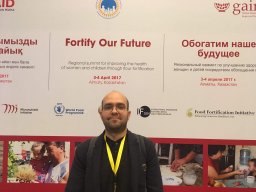 Sabri Bromage合作论文数Department of Nutrition, Harvard T.H. Chan School of Public Health15
 Batis Carolina合作论文数Department of Nutrition, University of North Carolina15
 Curtis Huttenhower合作论文数Department of Biostatistics, Harvard T.H. Chan School of Public Health, Harvard University;Department of Immunology and Infectious Diseases, Harvard T.H. Chan School of Public Health, Harvard University15
 Jae H Kang合作论文数Channing Division of Network Medicine, Brigham and Women's Hospital15Megu Yamaguchi Baden合作论文数14
 John Michael Gaziano合作论文数Division of Aging, Brigham and Women's Hospital;Harvard Medical School14Yuk-Lam Ho合作论文数13Megan Deitchler合作论文数13
 Ley Sylvia H合作论文数TH Chan Sch Publ Hlth, Harvard Univ13Jean-Philippe Drouin-Chartier合作论文数12
 Xianwen Shang合作论文数12




