With the rapid development of wireless communications and the growing complexity of digital modulation schemes, traditional manual modulation recognition methods struggle to extract reliable signal features and meet real-time requirements in modern scenarios. Recently, deep learning based Automatic Modulation Recognition (AMR) approaches have greatly improved classification accuracy. However, their large model sizes and high computational demands hinder deployment on resource-constrained devices. Model pruning provides a general approach to reduce model complexity, but existing weight, channel, and layer pruning techniques each present a trade-off between compression rate, hardware acceleration, and accuracy preservation. To this end, in this paper, we introduce FCOS, a novel Fine-to-COarse two-Stage pruning framework that combines channel-level pruning with layer-level collapse diagnosis to achieve extreme compression, high performance and efficient inference. In the first stage of FCOS, hierarchical clustering and parameter fusion are applied to channel weights to achieve channel-level pruning. Then a Layer Collapse Diagnosis (LaCD) module uses linear probing to identify layer collapse and removes the collapsed layers due to high channel compression ratio. Experiments on multiple AMR benchmarks demonstrate that FCOS outperforms existing channel and layer pruning methods. Specifically, FCOS achieves 95.51 FLOPs reduction and 95.31 performance close to the original ResNet56, with only a 0.46 on Sig2019-12. Code is available at https://github.com/yaolu-zjut/FCOS.
Recently, deep learning technology has been successfully introduced into Automatic Modulation Recognition (AMR) tasks. However, the success of deep learning is all attributed to the training on large-scale datasets. Such a large amount of data brings huge pressure on storage, transmission and model training. In order to solve the problem of large amount of data, some researchers put forward the method of data distillation, which aims to compress large training data into smaller synthetic datasets to maintain its performance. While numerous data distillation techniques have been developed within the realm of image processing, the unique characteristics of signals set them apart. Signals exhibit distinct features across various domains, necessitating specialized approaches for their analysis and processing. To this end, a novel dataset distillation method--Multi-domain Distribution Matching (MDM) is proposed. MDM employs the Discrete Fourier Transform (DFT) to translate timedomain signals into the frequency domain, and then uses a model to compute distribution matching losses between the synthetic and real datasets, considering both the time and frequency domains. Ultimately, these two losses are integrated to update the synthetic dataset. We conduct extensive experiments on three AMR datasets. Experimental results show that, compared with baseline methods, our method achieves better performance under the same compression ratio. Furthermore, we conduct crossarchitecture generalization experiments on several models, and the experimental results show that our synthetic datasets can generalize well on other unseen models.
With the rapid advancements in wireless communication technology, automatic modulation recognition (AMR) plays a critical role in ensuring communication security and reliability. However, numerous challenges, including higher performance demands, difficulty in data acquisition under specific scenarios, limited sample size, and low-quality labeled data, hinder its development. Few-shot learning (FSL) offers an effective solution by enabling models to achieve satisfactory performance with only a limited number of labeled samples. While most FSL techniques are applied in the field of computer vision, they are not directly applicable to wireless signal processing. This study does not propose a new FSL-specific signal model but introduces a framework called MCLRL. This framework combines multi-domain contrastive learning with reinforcement learning. Multi-domain representations of signals enhance feature richness, while integrating contrastive learning and reinforcement learning architectures enables the extraction of deep features for classification. In downstream tasks, the model achieves excellent performance using only a few samples and minimal training cycles. Experimental results show that the MCLRL framework effectively extracts key features from signals, performs well in FSL tasks, and maintains flexibility in signal model selection.
The rapid advancement of large language models (LLMs) has significantly improved open-domain question answering. However, their vulnerability to factual inconsistencies, or hallucinations, hinders their use in high-stakes domains. To address this, our approach employs a two-stage generation strategy. First, a seed answer is generated with low-temperature sampling to retrieve and inject the most relevant evidence into the prompt. This evidence anchoring stage achieves high precision by calculating the semantic similarity of retrieved sentences and selecting only the single most relevant. Second, multiple diverse answers are generated with high-temperature sampling to expose model uncertainty. We quantify this uncertainty by clustering the candidates and calculating a consistency ratio; if the ratio falls below a threshold, the system abstains from answering. This consistency ratio threshold is optimally set at 0.5 based on ablation experiments. Evaluations on SQuAD 2.0 and SelfRC show our framework significantly outperforms baselines like standard Retrieval-Augmented Generation(RAG) and Chain-of-thought(CoT), achieving up to an 8.8% accuracy improvement on SQuAD 2.0. These results demonstrate that combining evidence anchoring with uncertainty-guided refusal yields more reliable, auditable, and deployment-ready Question Answering (QA) systems. Consequently, our framework provides a robust and generalizable methodology for advancing the safety and trustworthiness of large language models in practical applications.
Although deep neural networks have made remarkable achievements in the field of automatic modulation recognition (AMR), these models often require a large amount of labeled data for training. However, in many practical scenarios, the available target domain data is scarce and difficult to meet the needs of model training. The most direct way is to collect data manually and perform expert annotation, but the high time and labor costs are unbearable. Another common method is data augmentation. Although it can enrich training samples to a certain extent, it does not introduce new data and therefore cannot fundamentally solve the problem of data scarcity. To address these challenges, we introduce a data expansion framework called Dynamic Uncertainty-driven Sample Expansion (DUSE). Specifically, DUSE uses an uncertainty scoring function to filter out useful samples from relevant AMR datasets and employs an active learning strategy to continuously refine the scorer. Extensive experiments demonstrate that DUSE consistently outperforms 8 coreset selection baselines in both class-balance and class-imbalance settings. Besides, DUSE exhibits strong cross-architecture generalization for unseen models.
Dataset distillation is a prominent technique that compresses knowledge from a large-scale original dataset into a small synthetic dataset for efficient training. Recent advancements in dataset distillation have demonstrated that pre-trained models can guide the distillation process by providing auxiliary information. However, most methods are limited to support in-distribution pre-trained models, where the label space of pre-trained models must match that of the dataset intended for distillation. We argue that this limitation underestimates the broader potential of out-of-distribution pre-trained models, such as foundational models. To support a flexible and wide range of pre-trained models, we introduce a plug-and-play loss term, namely Contrastive Loss of pre-trained Model (CLoM). Specifically, CLoM contrasts the original example and the synthetic example by some distance measures and treats them as positive pairs if their labels are the same. Equipped with CLoM, we conduct parallel experiments on both in-distribution and out-of-distribution pre-trained models. Extensive experiments demonstrate CLoM's effectiveness: when integrated with state-of-the-art distillation methods, CLoM achieves top performance on CIFAR-10 (70.3 % with IPC=10), outperforming state-of-the-art methods by 2.6 %-26.7 %. Besides, it achieves performance improvements of up to 11.3 % on cross-architecture generalization tasks. Furthermore, guided by CLoM, we elucidate the beneficial impact of foundational models (e.g., CLIP and CoCa) on the distillation process, which unlocks the potential of foundational models in dataset distillation. Code is available at https://anonymous.4open.science/r/DDInterpreter-0DC5.
Although large language models (LLMs) have achieved remarkable success across various domains, their considerable scale necessitates substantial computational resources, posing significant challenges for deployment in resource-constrained environments. Layer pruning, as a simple yet effective compression method, removes layers of a model directly, reducing computational overhead. However, what are the best practices for layer pruning in LLMs? Are sophisticated layer selection metrics truly effective? Does the LoRA (Low-Rank Approximation) family, widely regarded as a leading method for pruned model fine-tuning, truly meet expectations when applied to post-pruning fine-tuning? To answer these questions, we dedicate thousands of GPU hours to benchmarking layer pruning in LLMs and gaining insights across multiple dimensions. Our results demonstrate that a simple approach, i.e., pruning the final layers followed by fine-tuning the lm\_head and the remaining last three layers, yields remarkably strong performance. These pruning strategies are further supported by theoretical analyses based on the gradient flow. Following this guide, our method surpasses existing state-of-the-art pruning methods by $5.62\%$–$17.27\%$ on Llama-3.1-8B-It, by $2.36\%$–$19.45\%$ on Llama-3-8B and by $4.34\%$–$9.59\%$ on Llama-3-70B. The code is available on GitHub.
Open-Set Object Detection (OSOD) is crucial for autonomous driving, where perception systems must recognize and localize both known and previously unseen objects in complex, dynamic environments. While recent approaches deliver promising results, they often require retraining the detector extensively to learn objectness, which describes the likelihood that a bounding box tightly encloses a valid object, regardless of whether its category was learned during training. Deviating from existing work, we hypothesize that standard off-the-shelf detectors may already contain helpful cues for objectness, owing to their training on numerous and diverse known categories. Building on this idea, we propose NAN-SPOT, a training-light framework that does not require to retrain the base object detector and estimates objectness by leveraging a hidden layer metric called Negative-Aware Norm (NAN), requiring only minutes of training on just hundreds of images. To support comprehensive evaluation, we introduce COCO-Open, an expanded version of the existing COCO-Mixed dataset, increasing unknown object annotations from 433 to 1853, making it the most exhaustively labeled dataset for OSOD to the best of our knowledge. Experimental results demonstrate that NAN-SPOT achieves even better performance on unknown object detection than methods requiring heavy training, without compromising performance on known objects. This efficiency and robustness make NAN-SPOT a promising step towards open-world perception in autonomous driving.
Person re-identification (ReID) is a crucial task aimed at retrieving individuals of interest across multiple non-overlapping cameras. Previous methods typically rely on pre-trained visual models as backbones, which are then fine-tuned on person ReID datasets to extract discriminative features. However, due to the lack of semantic alignment between visual and textual modalities in pre-trained visual models, these methods face challenges in effectively leveraging the relationships between these modalities for ReID tasks. In recent years, Vision-Language Models (VLMs) have gained significant attention due to their ability to capture rich correlations between visual and linguistic information. Inspired by this potential, numerous researchers have proposed a series of VLM-based methods to address the diverse challenges in person ReID. This paper provides a systematic review of VLMs for person ReID. Specifically, we provide a comprehensive overview of commonly used VLM frameworks and fine-tuning strategies, while offering an in-depth analysis of the advantages of VLMs in tackling person ReID tasks. Building on this, we further provide an extensive analysis of existing VLM-based person ReID methods. Based on the modalities and learning approaches involved in the person ReID, we categorize existing VLM-based methods into five main approaches: image-based, video-based, cross-modal, multi-scene, and unsupervised person ReID methods. Finally, we outline the key research challenges and potential directions for future studies in the application of VLMs to person ReID. We believe this review will provide valuable insights and serve as an essential reference for researchers working in this field.
Applying foundation models to the radio frequency (RF) domain presents unique challenges due to the intrinsic physical complexity of raw I/Q signals and the extreme heterogeneity of spectral data. In this paper, we present Radio-FM, a scalable family of foundation models designed for universal radio signal representation learning. Unlike standard architectures, Radio-FM employs dual-channel processing specifically optimized for I/Q independence while capturing cross-channel interactions through a lightweight attention mechanism. To scale pretraining across heterogeneous multi-source corpora with highly variable sequence lengths, we propose a token-budgeted dynamic batching strategy coupled with channel-independent masked reconstruction. We pretrain Radio-FM on a diverse collection of 15 datasets spanning modulation, radar, and communication domains, and rigorously evaluate it on 15 downstream benchmarks. Experimental results show Radio-FM achieves state-of-the-art performance on 13 of 15 benchmarks, consistently improving across modulation, radar, emitter identification, wireless technology recognition, and wireless interference identification. Notably, it exhibits superior few-shot transferability, significantly outperforming existing baselines in data-scarce regimes, validating its potential as a general-purpose backbone for radio signal understanding.
Existing prompt compression methods treat text as flat token sequences, failing to capture the distributed nature of important information, which is often spread across multiple locations and connected through both local syntactic dependencies and global semantic relations. Such relational structure is naturally represented as a graph, where tokens or sentences become nodes and their dependencies become edges. To this end, we propose RAGP, which formulates prompt compression as Redundancy-Aware Graph Pruning on a multiplex graph that jointly models fine-grained attention-based dependencies and coarse-grained semantic relations. To efficiently identify non-redundant nodes in this heterogeneous structure (dense local subgraphs and sparse global connections), we employ Lévy walks whose heavy-tailed step distribution naturally balances local exploitation with global exploration. Experiments on LongBench show that RAGP achieves an average score of 49.3 under a 4× compression ratio, outperforming existing LLM-based compression methods, such as LongLLMLingua, which attains 48.8 at a 3× compression ratio. Besides, RAGP also surpasses state-of-the-art vision-based text compression paradigms on multiple tasks.
Few-shot molecular property prediction (FSMPP) is essential in drug discovery and materials design, where high-quality labeled data are often scarce and expensive to obtain. Despite the promising performance of existing methods, especially in the context-aware methods, they still face two-fold severe challenges with \textit{insufficient structural context modeling} & \textit{redundant auxiliary context learning}, leading to inadequate context graph exploration and ineffective information utilization for effective molecule representation learning. To address these, in this paper, we propose a novel framework by learning on \textbf{\underline{Re}}lational and \textbf{\underline{C}}ompact c\textbf{\underline{o}}ntext \textbf{\underline{G}}raph, named \textbf{\method}, to comprehensively exploit the context graph for expressive molecular property prediction. Specifically, the proposed \method contains two core modules: a \textbf{(1) cross-property relational learning module} to better model the structural and relational context information, and a \textbf{(2) context graph information bottleneck module} to adaptively suppress irrelevant auxiliary signals for compact context information utilization, followed by a detailed theoretical demonstration regarding the importance of joint relational and compact knowledge extraction in context graphs. Extensive experiments across multiple datasets demonstrate that \method consistently outperforms state-of-the-art methods, validating its superiority. Code is available at~\url{https://anonymous.4open.science/r/ReCoG-main-40C7/}.
Multi-expert large language model systems need to dynamically distribute user requests among multiple candidate experts to improve inference accuracy and system efficiency in complex task scenarios. To address the issues of existing routing methods relying on manual rules, unified discriminant boundaries, or large-scale annotated data, as well as high maintenance costs during expert expansion, this paper proposes an expert routing method, BGMM-LSE, based on positive sample semantic distribution modeling. The method constructs a positive sample set using only the requests historically successfully processed by each candidate expert, and maps the requests into dense semantic vectors through a pre-trained text feature extraction model; subsequently, a Bayesian Gaussian mixture model (BGMM) is independently trained for each expert to characterize the capability distribution of its successful requests in the semantic space. During online inference, the system encodes the target request into a feature vector, calculates the log-likelihood score combining the retained Gaussian component parameters and the smoothed covariance matrix of each expert, and uses Log-Sum-Exp to aggregate the probability contributions of different components. Finally, the request is routed to the expert model(s) with the highest score. Experiments were evaluated based on seven tasks: Math, GSM-Symbolic, HumanEval, Mbpp, MMLU, AIME1983–2025, and HellaSwag. The results show that this method achieves an average routing accuracy of 86.25%. The experimental results demonstrate that BGMM-LSE can provide stable request distribution capabilities for multi-expert large language model systems while maintaining interpretability and scalability.
With the rapid development of Unmanned Aerial Vehicles (UAVs) and the increasing complexity of low-altitude security threats, traditional UAV identification methods struggle to extract reliable signal features and meet real-time requirements in complex environments. Recently, deep learning based Radio Frequency Fingerprint Identification (RFFI) approaches have greatly improved recognition accuracy. However, their large model sizes and high computational demands hinder deployment on resource-constrained edge devices. While model pruning offers a general solution for complexity reduction, existing weight, channel, and layer pruning techniques struggle to concurrently optimize compression rate, hardware acceleration, and recognition accuracy. To this end, in this paper, we introduce HSCP, a Hierarchical Spectral Clustering Pruning framework that combines layer pruning with channel pruning to achieve extreme compression, high performance, and efficient inference. In the first stage, HSCP employs spectral clustering guided by Centered Kernel Alignment (CKA) to identify and remove redundant layers. Subsequently, the same strategy is applied to the channel dimension to eliminate a finer redundancy. To ensure robustness, we further employ a noise-robust fine-tuning strategy. Experiments on the UAV-M100 benchmark demonstrate that HSCP outperforms existing channel and layer pruning methods. Specifically, HSCP achieves 86.39% parameter reduction and 84.44% FLOPs reduction on ResNet18 while improving accuracy by 1.49% compared to the unpruned baseline, and maintains superior robustness even in low signal-to-noise ratio environments.
Although deep learning has substantially advanced speech separation in recent years, most existing studies continue to prioritize separation quality while overlooking computational efficiency, an essential factor for low-latency speech processing in real-time applications. In this paper, we propose SepPrune, the first structured pruning framework specifically designed to compress deep speech separation models and reduce their computational cost. SepPrune begins by analyzing the computational structure of a given model to identify layers with the highest computational burden. It then introduces a differentiable masking strategy to enable gradient-driven channel selection. Based on the learned masks, SepPrune prunes redundant channels and fine-tunes the remaining parameters to recover performance. Extensive experiments demonstrate that this learnable pruning paradigm yields substantial advantages for channel pruning in speech separation models, outperforming existing methods. Notably, a model pruned with SepPrune can recover 85% of the performance of a pre-trained model (trained over hundreds of epochs) with only one epoch of fine-tuning, and achieves convergence 36x faster than training from scratch.
Large language models (LLMs) have achieved remarkable success in many natural language processing (NLP) tasks. To achieve more accurate output, the prompts used to drive LLMs have become increasingly longer, which incurs higher computational costs. To address this prompt inflation problem, prompt compression has been proposed. However, most existing methods require training a small auxiliary model for compression, incurring a significant amount of additional computation. To avoid this, we propose a two-stage, training-free approach, called Dual-Stage Progressive Compression (DSPC). In the coarse-grained stage, semantic-related sentence filtering removes sentences with low semantic value based on TF-IDF. In the fine-grained stage, token importance is assessed using attention contribution, cross-model loss difference, and positional importance, enabling the pruning of low-utility tokens while preserving semantics. We validate DSPC on LLaMA-3.1-8B-Instruct and GPT-3.5-Turbo under a constrained token budget and observe consistent improvements. For instance, in the FewShot task of the Longbench dataset, DSPC achieves a performance of 49.17 by using only 3× fewer tokens, outperforming the best state-of-the-art baseline LongLLMLingua by 7.76.
Deep neural networks tend to memorize noisy labels, severely degrading their generalization performance. Although Mixup has demonstrated effectiveness in improving generalization and robustness, existing Mixup-based methods typically perform indiscriminate mixing without principled guidance on sample selection and mixing strategy, inadvertently propagating noisy supervision. To overcome these limitations, we propose SelectMix, a confidence-guided mixing framework explicitly tailored for noisy labels. SelectMix first identifies potentially noisy or ambiguous samples through confidence based mismatch analysis using K-fold cross-validation, then selectively blends identified uncertain samples with confidently predicted peers from their potential classes. Furthermore, SelectMix employs soft labels derived from all classes involved in the mixing process, ensuring the labels accurately represent the composition of the mixed samples, thus aligning supervision signals closely with the actual mixed inputs. Through extensive theoretical analysis and empirical evaluations on multiple synthetic (MNIST, Fashion-MNIST, CIFAR-10, CIFAR-100) and real-world benchmark datasets (CIFAR-N, MNIST and Clothing1M), we demonstrate that SelectMix consistently outperforms strong baseline methods, validating its effectiveness and robustness in learning with noisy labels.
Recently, few-shot molecular property prediction (FSMPP) has garnered increasing attention. Despite existing methods that have focused on mining the many-to-many relationships between molecules and properties, they failed to capture the local similarity of molecules and the relative nature of property-property relations, which limits their performance. To this end, this paper proposes a novel meta-learning FSMPP framework (KRGTS), which comprises the Knowledge-enhanced Relation Graph module and the Task Sampling module. The knowledge-enhanced relation graph module captures the local similarity of molecules with molecular substructures to construct the molecule-property multi-relation graph (MPMRG) to capture the many-to-many relationships between molecules and properties. The task sampling module includes a meta-training task sampler and an auxiliary task sampler, which are responsible for scheduling the meta-training process and sampling high-related auxiliary tasks, respectively, thereby achieving efficient meta-knowledge learning and reducing noise introduction. Empirically, extensive experiments on five datasets demonstrate the superiority of KRGTS over 20 state-of-the-art methods.
Although large language models (LLMs) have achieved revolutionary breakthroughs in many fields, their large model size and high computational cost pose significant challenges for practical deployment on resource-constrained edge devices. To this end, layer pruning has been proposed to reduce the computational overhead by directly removing redundant layers. However, existing layer pruning methods typically rely on hand-crafted metrics to evaluate and remove individual layers, while ignoring the dependencies between layers. This can disrupt the model's information flow and severely degrade performance. To address these issues, we propose CLP, a novel continuous layer pruning framework that introduces two key innovations: a differentiable concave gate algorithm that automatically identifies the best continuous layer segments for pruning via gradient-based optimization; and a cutoff endpoint tuning strategy that effectively restores model performance by fine-tuning only the layers adjacent to the pruned segments. Extensive experiments across multiple model architectures (including LLaMA2, LLaMA3 and Qwen) and sizes (from 7B to 70B parameters) show that CLP significantly outperforms existing state-of-the-art baselines. For example, at a pruning rate of 20%, CLP achieves an average performance retention of 95.34% on LLaMA3-70B, outperforming baselines by 4.29%-30.52%. Furthermore, CLP can be seamlessly combined with quantization to further compress the model with only a slight performance loss.
With the successful application of deep learning in communications systems, deep neural networks are becoming the preferred method for signal classification. Although these models yield impressive results, they often come with high computational complexity and large model sizes, which hinders their practical deployment in communication systems. To address this challenge, we propose a novel layer pruning method. Specifically, we decompose the model into several consecutive blocks, each containing consecutive layers with similar semantics. Then, we identify layers that need to be preserved within each block based on their contribution. Finally, we reassemble the pruned blocks and fine-tune the compact model. Extensive experiments on five datasets demonstrate the efficiency and effectiveness of our method over a variety of state-of-the-art baselines, including layer pruning and channel pruning methods.
 Qi Xuan (宣琦)合作论文数College of Information Engineering, Zhejiang University of Technology34
 Shanqing Yu合作论文数13
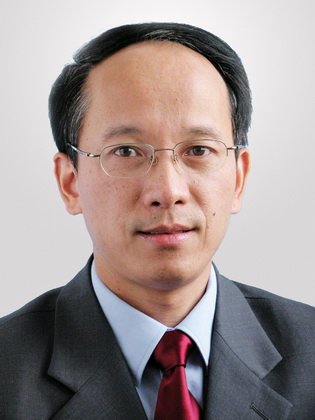 Xiaoniu Yang (杨小牛)合作论文数The 36th Research Institute of China Electronics Technology Group Corporation8
 Jiaqi Nie合作论文数7
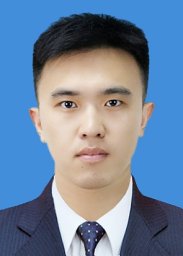 Zhuangzhi Chen合作论文数College of Information Engineering, Zhejiang University of Technology7
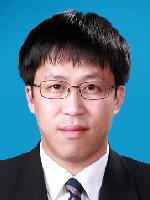 Yun Lin (林云)合作论文数College of Information and Communication Engineering, Harbin Engineering University7
 Zuohui Chen合作论文数Zhejiang Univ Technol, Inst Cyberspace Secur, Hangzhou 310023, Peoples R China6
 Dongwei Xu (徐东伟)合作论文数Institute of Cyberspace Security, Zhejiang University of Technology6
 Zhen Wang (王震)合作论文数School of Artifcial Intelligence, OPtics and ElectroNics, Northwestern Polytechnical University4
 Guan Gui (桂冠)合作论文数School of Communications and Information Engineering, Nanjing University of Posts and Telecommunications4
 Jingyang Xiang (项靖阳)合作论文数Advanced Perception on Robotics and Intelligent Learning Lab, Institute of Cyber-Systems and Control, College of Control Science and Engineering, Zhejiang University3Jin-Xuan Hu合作论文数3
 Jianyang Gu合作论文数Department of Computer Science and Engineering, Ohio State University3
 Zhaowei Zhu (朱兆伟)合作论文数Docta.ai3
 Juanru Gu (顾娟如)合作论文数浙江工业大学3Xuguang Chen合作论文数2Lin Yun合作论文数2Yunzhe Zhang合作论文数Zhejiang University of Technology2
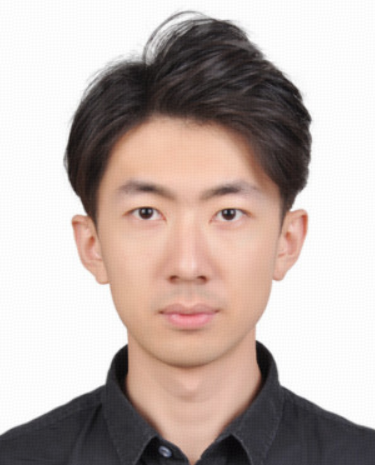 Jiaheng Wei合作论文数Hong Kong University of Science and Technology (Guang Zhou)2
 Joey Tianyi Zhou (周天異)合作论文数Institute of High Performance Computing, Agency for Science, Technology and Research;Centre for Frontier AI Research, Agency for Science, Technology and Research2
 Shirui Pan (潘世瑞)合作论文数School of Information and Communication Technology, Griffith University2Yutian Huang合作论文数1Yuqi Li合作论文数Institute of Computing Technology, Chinese Academy of Sciences1
 Kai Li (李凯)合作论文数Department of Computer Science and Technology, Tsinghua University1Qiaoyu Tang合作论文数Institute of Software, Chinese Academy of Sciences1Tianyi Jiang合作论文数1Tianle Zhang合作论文数1
 Kunyang Lin合作论文数South China University of Technology;Information Technology R&D Innovation Center of Peking University1
 Bowen Yu (郁博文)合作论文数Qwen Team, Alibaba Group1Bin Wei合作论文数1
 Yifan Zhang合作论文数National University of Singapore1
 Xin Zheng (Amanda)合作论文数School of Information and Communication Technology, Griffith University1
 Jiawei Du合作论文数Centre for Frontier AI Research, Agency for Science, Technology and Research1
 Keming Lu合作论文数Alibaba DAMO Academy1Qianxi Liu合作论文数1Jingting Xu (徐婧婷)合作论文数1Hui Tang合作论文数1Dan Zhang合作论文数1
 Zeyu Wang合作论文数1
 Jinchao Zhou合作论文数1
 Hao Cheng (程昊)合作论文数University of California, Santa Cruz1
 Bishal Thapaliya合作论文数Department of Computer Science, Georgia State University1
 Antonios Valkanas合作论文数1Wen Yang合作论文数Zhejiang University of Technology1
 Renxuan Wang合作论文数1
 Tian Xie合作论文数Ming Hsieh Dept Elect & Comp Engn, Univ Southern Calif1




