Vision-language models solve geometry problems with rising accuracy, yet their intermediate states remain latent and unverifiable: a relation expressed in textual reasoning or drawing code carries no guarantee that a constraint-satisfying configuration realizes it. We observe that existing externalization methods based on rendered pixels or one-shot scripts fail to provide exact, per-action geometric guarantees. Enforcing geometric relations by algebraic definition closes this gap: the workspace becomes a constraint-checked evolving canvas. We present Draw2Think, a framework that recasts geometric reasoning from latent spatial inference into agentic interaction with the GeoGebra constraint engine. In a Propose-Draw-Verify loop, Draw2Think externalizes hypotheses onto an executable canvas, measures exact geometric quantities, and feeds structured observations back to the model, so subsequent reasoning proceeds from checked canvas state grounded by the shared workspace. This externalization makes two properties separately auditable: model-level Construction Fidelity (whether the canvas realizes the intended configuration) and engine-level Measurement Faithfulness (exact values and relations from canvas constraints). Across construction, outcome, and rendering evaluations, Draw2Think builds canvases that pass 95.9
Domain generalization (DG) methods traditionally rely on multiple source domains to achieve the robust performance across unseen target domains. However, single-DG (SDG) presents a more practical paradigm by learning from a single source domain, addressing scenarios where access to multiple domains is limited. While existing SDG approaches primarily focus on data augmentation and style transfer techniques to enhance the model robustness, these methods often incur substantial computational overhead and may inadequately capture the complexity of real-world domain shifts. In this article, we propose path flatness-aware optimization (PFO), an optimization framework that addresses the fundamental challenges of SDG. Unlike conventional approaches that rely on the synthetic data generation, PFO identifies and exploits regions of flat minima within the optimization landscape of deep neural networks. The framework employs an iterative optimization strategy to construct a path through the parameter space along which an ensemble of candidate models achieves the minimal empirical risk. The initialization of this optimization path is achieved through the strategic interconnection of model instances, each originating from carefully selected anchor points that are computationally determined through the systematic analysis of classification decision manifolds. This optimization path serves as a mechanism for implicit distribution alignment between source and target domains within the loss landscape, consequently enhancing the model’s capacity for cross-DG. Empirical evaluation on multiple benchmark datasets demonstrates significant performance improvements in cross-DG, validating the efficacy of our approach.
Medical image enhancement is clinically valuable, but existing methods require large-scale datasets to learn complex pixel-level mappings. However, the substantial training and storage costs associated with these datasets hinder their practical deployment. While dataset distillation (DD) can alleviate these burdens, existing methods mainly target high-level tasks, where multiple samples share the same label. This many-to-one mapping allows distilled data to capture shared semantics and achieve information compression. In contrast, low-level tasks involve a many-to-many mapping that requires pixel-level fidelity, making low-level DD an underdetermined problem, as a small distilled dataset cannot fully constrain the dense pixel-level mappings. To address this, we propose the first low-level DD method for medical image enhancement. We first leverage anatomical similarities across patients to construct the shared anatomical prior based on a representative patient, which serves as the initialization for the distilled data of different patients. This prior is then personalized for each patient using a Structure-Preserving Personalized Generation (SPG) module, which integrates patient-specific anatomical information into the distilled dataset while preserving pixel-level fidelity. For different low-level tasks, the distilled data is used to construct task-specific high- and low-quality training pairs. Patient-specific knowledge is injected into the distilled data by aligning the gradients computed from networks trained on the distilled pairs with those from the corresponding patient's raw data. Notably, downstream users cannot access raw patient data. Instead, only a distilled dataset containing abstract training information is shared, which excludes patient-specific details and thus preserves privacy.
Multimodal reasoning akin to human capability has been a long-term goal in AI for decades. Existing works typically address reasoning tasks using enhanced large language models (LLMs) with multi-step reasoning (e.g., Chain-of-Thought, CoT) along a single reasoning path, which either relies on labor-intensive annotations or remains vulnerable to data bias and hallucination. In this paper, we propose Insights Fusion CoT (IFCoT), a novel multimodal reasoning framework that fuses insights from three distinct yet complementary thinking paths: the forward path, the reverse path, and the data-driven path. The forward and reverse paths aim to generate multi-step rationales with LLMs inspired by human reasoning strategies in cognitive psychology. In particular, the forward path generates rationales by directly inferring the answer based on question descriptions, while the reverse path generates rationales by indirectly eliminating wrong answers. The reasoning capability is further enhanced via the data-driven path, which is supervised with annotated rationales. IFCoT synergistically integrates knowledge from LLMs and data from annotated rationales, representing a novel paradigm for multimodal reasoning. Extensive experiments and theoretical analysis show that IFCoT can not only outperform state-of-the-art methods substantially, but also surpass human-level performance on a variety of multimodal visual question-answering tasks, suggesting the great potential of LLMs for machine reasoning. The code is publicly available at https://github.com/JXLiu-AI/IFCoT.
Large Vision-Language Models (LVLMs) have achieved remarkable success across cross-modal tasks but remain hindered by hallucinations, producing textual outputs inconsistent with visual content. Existing methods mitigate hallucinations but often alter generation behavior, resulting in shorter outputs and shifted token distributions, especially in latent space steering approaches. We identify that this issue stems from entangled steering signals, where suppressing hallucinations inadvertently disrupts the model's intrinsic generation behavior. To address this, we propose MESA, an effective plug-and-play framework that performs controlled and selective latent intervention for hallucination mitigation. Specifically, MESA targets hallucination-relevant responses while preserving the model's original token distribution, enabling effective hallucination reduction without compromising generation behavior. Extensive experiments across diverse generative and discriminative benchmarks demonstrate that MESA consistently reduces hallucinations while better preserving generation behavior, outperforming prior methods across multiple LVLM families.
Introduction: Automated orthodontic diagnosis requires integration of multimodal geometric evidence with clinically grounded treatment reasoning. Existing multimodal models often lack the spatial precision required for orthodontic phenotyping, whereas specialized deep-learning tools usually remain disconnected from treatment planning. Materials and methods: We developed OrthoAgent, a training-free hierarchical multi-agent framework for multimodal orthodontic diagnosis and treatment planning. Dedicated perception agents extract structured findings from 2D images, cone-beam computed tomography, and intraoral scans. These findings are integrated into a patient-specific diagnostic baseline, while a retrieval-augmented generation module grounds treatment reasoning in a curated dental knowledge corpus without modifying perception-derived patient facts. OrthoAgent was retrospectively evaluated on 69 real-world orthodontic cases using objective diagnostic tasks, blinded expert review, clinician-rated reusability, a time-tracked human–AI collaboration study, and paired ablation comparisons. Results and discussion: OrthoAgent achieved a mean accuracy of 90.5% across 12 classification tasks and low error across 17 continuous measurements. Generated reports received an overall expert score of 3.43/5, with the highest score for safety (4.19/5). Clinician-rated reusability corresponded to an estimated 46.8% reduction in editing burden, and direct workflow timing showed a 41.74% reduction in end-to-end completion time. In 20 paired comparisons, retrieval-grounded reports were numerically preferred over non-retrieval reports in 14 cases. Conclusion: OrthoAgent provides a proof-of-concept framework for structured, evidence-informed orthodontic decision support under clinician oversight. Larger prospective, multi-center studies are needed to establish robustness and generalizability.
Multi-view attributed graphs (MVAG) are well-known for their ability to model complex networks and relationships, which can provide diverse yet complementary information for finding a consensus partition suitable for all views. There have been abundant methods for clustering over multi-view attributed graphs. However, most of them are not suitable for large-scale graphs due to high complexity. Moreover, while existing anchor-based methods can effectively accelerate clustering, they mainly focus on either attribute information or graph structure during anchor selection, and some suffer from stability issues. Inspired by this, in this paper, we propose the adaptive virtual anchor clustering method (AVAC) to boost clustering performance and keep stable results. In particular, we first introduce adaptive virtual anchors for multi-view attributed graphs, which are learned and generated from graphs adaptively. After that, we connect anchor learning and anchor graph construction closely and cyclically to learn virtual anchors dynamically and make them capture real data distribution and topology information more accurately. Last but not least, we design a five-block coordinate descent method with proven convergence to further optimize our virtual anchors more representative of existing nodes. Extensive experiments over both real and synthetic datasets demonstrate the effectiveness, efficiency, and stability of our method. Compared to state-of-the-art approaches, the AVAC algorithm always gains stable results with a significant improvement in accuracy, and achieves a speedup of 1.8 times on public large-scale datasets. The source code is available at https://github.com/lmyfree/AVAC.
Activities in numerous evolving systems can be represented as dynamic graphs in snapshot form at different time intervals, i.e., discrete-time dynamic graphs (DTDGs). Existing methods show impressive advances in capturing historical temporal evolution patterns in DTDGs, but they focus on addressing an offline learning setting, where models are trained using historical snapshots once and then evaluated to all subsequent graph snapshots without further updating. This fails to capture 1) the nature of evolving complexities across graph snapshots and 2) the distribution shift in the testing graph snapshots. To address these problems, we propose PromptDyG, a novel framework that leverages unsupervised test-time Prompt adaptation for Dynamic Graph learning under a live-update online setting. The key insight is that an expressive dynamic graph prompt can be learned on a frozen backbone via minimization of feature-wise, label-free entropy to efficiently and continuously model the evolving patterns. We show theoretically that this unsupervised prompt adaptation can guarantee a larger similarity margin between positive and negative pairs, facilitating more accurate dynamic predictions. It is further confirmed by our extensive empirical results on six benchmark datasets that show consistent and significant improvements of PromptDyG over state-of-the-art baselines. Code is available at https://anonymous.4open.science/r/PromptDyG-3887.
Model ensembling is a well-established technique for improving the performance of machine learning models. Conventionally, this involves averaging the output distributions of multiple models and selecting the most probable label. This idea has been naturally extended to large language models (LLMs), yielding improved performance but incurring substantial computational cost. This inefficiency stems from directly applying conventional ensemble implementation to LLMs, which require a separate forward pass for each model to explicitly compute the ensemble distribution. In this paper, we propose the Mixture-model-like Ensemble (ME). By reinterpreting the ensemble as a mixture model, ME stochastically selects a single model at each step to generate the next token, thereby avoiding the need to explicitly compute the full ensemble distribution. ME is mathematically equivalent to sampling from the ensemble distribution, but requires invoking only one model, making it 1.78×-2.68× faster than conventional ensemble. Furthermore, this perspective connects LLM ensembling and token-level routing methods, suggesting that LLM ensembling is a special case of routing methods. Our findings open new avenues for efficient LLM ensembling and motivate further exploration of token-level routing strategies for LLMs. Our code is available at https://anonymous.4open.science/r/Mixture-model-like-Ensemble/.
The heterogeneous nature has been regarded as a predominant challenge during the deployment of federated learning (FL) systems, wherein model heterogeneity—where clients train models of fundamentally different architectures—remains underexplored. Existing methods tolerate it poorly: they enforce interdependent model families, extract sub-models of one shared model, or rely on auxiliary public datasets and proxy models, which constrain model selection or demand storage that resource-limited clients cannot afford. We posit that an effective bridge across heterogeneous models should be both model-agnostic—decoupling knowledge transfer from incompatible parameter spaces—and storage-free, staying practical for clients with sharply different resources. On this basis we propose FedGPA, a hierarchical framework in which clients with comparable resources and identical architectures form a group and a server mediates knowledge transfer across groups of diverse models; at its core, the lightweight, model-agnostic Aligned Co-decision (Alco) Unit aligns class-level prototypical information across groups to bridge heterogeneous architectures, and a prototypical fusion step interpolates prototypes to regularize local training and refine cross-group knowledge. Experiments on CIFAR-10/100, EMNIST, and Tiny-ImageNet across heterogeneous architectures show that FedGPA consistently outperforms strong baselines from four method families, with the largest gains on resource-poor clients, at a cost of only ~100 KB of additional cross-group communication per round. A limitation of this study is that we provide no formal differential-privacy guarantee for the exchanged prototypes and do not address adversarial or data-quality attacks, leaving both to future work.
Dataset distillation (DD) condenses large datasets into smaller synthetic ones to enhance training efficiency and reducing bandwidth. DD enables models to achieve comparable performance to those trained on the raw full dataset, making it popular for data sharing. Existing work shows that injecting backdoors during the distillation process can threaten downstream models. However, these studies assume attackers can have access to the raw dataset and interfere with the entire distillation process, which is unrealistic. In contrast, this work is the first to address a more realistic and concerning threat: attackers may intercept the dataset distribution process, inject backdoors into the distilled datasets, and redistribute them to users. While distilled datasets were previously considered resistant to backdoor attacks, we demonstrate that they remain vulnerable to such attacks. Furthermore, we show that attackers do not even require access to any raw data to inject the backdoors successfully within one minute. Specifically, our approach reconstructs conceptual archetypes for each class from the model trained on the distilled dataset. Backdoors are then injected into these archetypes to update the distilled dataset. Moreover, we ensure the updated dataset not only retains the backdoor but also preserves the original optimization trajectory, thus maintaining the knowledge of the raw dataset. To achieve this, a hybrid loss is designed to integrate backdoor information along the benign optimization trajectory, ensuring that previously learned information is not forgotten. Extensive experiments demonstrate that distilled datasets are highly vulnerable to our attack, with risks pervasive across various raw datasets, distillation methods, and downstream training strategies.
Cross-modal retrieval is a fundamental application of multi-modal learning that has achieved remarkable success with large-scale well-paired data. However, in practice, it is costly to collect large-scale well-paired data. To alleviate the dependence on the amount of paired data, in this paper, we study a practical learning paradigm: semi-paired cross-modal learning (SPL), which utilizes both a small amount of paired data and a large amount of unpaired data to enhance cross-modal learning directly and is more accessible in practice. To achieve this, we take image-text retrieval as an example and propose a novel Robust Cross-modal Semi-paired Learning method (RCSL) by addressing two challenges. To be specific, i) to overcome the under-optimization issue caused by too little paired data, we present Semi-paired Discriminative Learning (SDL) to fully learn visual-semantic associations from a small amount of image-text pairs by preserving the alignment and uniformity of modality representations. ii) To mine visual-semantic correspondences from unpaired data, RCSL first constructs pseudo-paired correlations across different modalities by nearest neighbor association. However, this may introduce noisy correspondences (NCs) due to inaccurate pseudo signals, which could degrade the model's performance. To tackle NCs, we devise Robust Cross-correlation Mining (RCM) based on the risk minimization criterion to robustly and explicitly learn visual-semantic associations from pseudo-paired data, thus boosting cross-modal learning. Finally, we conduct extensive experiments on four datasets, i.e., three widely used benchmark datasets of Flickr30K, MS-COCO, CC152K, and a newly constructed real-world dataset Drone-SP, to demonstrate the effectiveness of RCSL under semi-paired and noisy settings.
Accurate biomedical image classification under low-resource conditions remains challenging due to limited annotations, subtle inter-class visual differences, and complex disease semantics. While vision–language models offer a promising foundation for mitigating data scarcity, their effective adaptation in biomedical settings is constrained by the need for parameter-efficient tuning alongside fine-grained and semantically consistent representation learning. In this work, we propose Multi-View Synergistic Learning (MVSL), a unified framework that addresses these challenges by jointly considering adaptation paradigms, representation granularity, and disease semantic relationships. MVSL decouples the adaptation of visual and textual encoders to respect their distinct representational characteristics, enabling more stable and effective parameter-efficient fine-tuning. It further introduces multi-granularity contrastive learning to explicitly model both global image semantics and localized lesion-level evidence, improving fine-grained discrimination for visually similar disease categories. In addition, MVSL preserves disease-level semantic structure by incorporating structured supervision derived from large language models, which constrains textual representations at the class level and indirectly regularizes visual embeddings through cross-modal alignment. Together, these components enable more stable cross-modal alignment and improved discrimination under limited supervision. Extensive experiments on 11 public biomedical datasets spanning 9 imaging modalities and 10 anatomical regions demonstrate that MVSL consistently outperforms state-of-the-art methods in few-shot and zero-shot classification settings.
High-fidelity generative models are increasingly needed in privacy-sensitive scenarios, where access to data is severely restricted due to regulatory and copyright constraints. This scarcity hampers model development—ironically, in settings where generative models are most needed to compensate for the lack of data. This creates a self-reinforcing challenge: limited data leads to poor generative models, which in turn fail to mitigate data scarcity. To break this cycle, we propose a reinforcement-guided synthetic data generation framework that adapts general-domain generative priors to privacy-sensitive identity recognition tasks.We first perform a cold-start adaptation to align a pretrained generator with the target domain, establishing semantic relevance and initial fidelity.Building on this foundation, we introduce a multi-objective reward that jointly optimizes semantic consistency, coverage diversity, and expression richness, guiding the generator to produce both realistic and task-effective samples.During downstream training, a dynamic sample selection mechanism further prioritizes high-utility synthetic samples, enabling adaptive data scaling and improved domain alignment.Extensive experiments on benchmark datasets demonstrate that our framework significantly improves both generation fidelity and classification accuracy, while also exhibiting strong generalization to novel categories in small-data regimes.
In this paper, we propose to address monocular 3D hand pose estimation from a single RGB or depth image via articulated anchor-to-joint 3D local regressors, in form of A2J-Transformer+. The key idea is to make the local regressors (i.e., anchor points) in 3D space be aware of hand's local fine details and global articulated context jointly, to facilitate predicting their 3D offsets toward hand joints with linear weighted aggregation for joint localization. Our intuition is that, local fine details help to estimate accurate offset but may suffer from the issues including serious occlusion, confusing similar patterns, and overfitting risk. On the other hand, hand's global articulated context can essentially provide additional descriptive clues and constraints to alleviate these issues. To set anchor points adaptively in 3D space, A2J-Transformer+ runs in a 2-stage manner. At the first stage, since the input modality property anchor points distribute more densely on X-Y plane, it leads to lower prediction accuracy along Z direction compared with those in the X and Y directions. To alleviate this, at the second stage anchor points are set near the joints yielded by the first stage evenly along X, Y, and Z directions. This treatment brings two main advantages: (1) balancing the prediction accuracy along X, Y, and Z directions, and (2) ensuring the anchor-joint offsets are of small values relatively easy to estimate. Wide-range experiments on three RGB hand datasets (InterHand2.6 M, HO-3D V2 and RHP) and three depth hand datasets (NYU, ICVL and HANDS 2017) verify A2J-Transformer+'s superiority and generalization ability for different modalities (i.e., RGB and depth) and hand cases (i.e., single hand, interacting hands, and hand-object interaction), even outperforming model-based manners. The test on ITOP dataset reveals that, A2J-Transformer+ can also be applied to 3D human pose estimation task.
Dataset Distillation aims to synthesize compact datasets that can approximate the training efficacy of large-scale real datasets, offering an efficient solution to the increasing computational demands of modern deep learning. Recently, diffusion-based dataset distillation methods have shown great promise by leveraging the strong generative capacity of diffusion models to produce diverse and structurally consistent samples. However, a fundamental goal misalignment persists: diffusion models are optimized for generative likelihood rather than discriminative utility, resulting in over-concentration in high-density regions and inadequate coverage of boundary samples crucial for classification. To address this issue, we propose two complementary strategies. Inversion-Matching (IM) introduces an inversion-guided fine-tuning process that aligns denoising trajectories with their inversion counterparts, broadening distributional coverage and enhancing diversity. Selective Subgroup Sampling(S^3) is a training-free sampling mechanism that improves inter-class separability by selecting synthetic subsets that are both representative and distinctive. Extensive experiments demonstrate that our approach significantly enhances the discriminative quality and generalization of distilled datasets, achieving state-of-the-art performance among diffusion-based methods.
The rapid progress of generative AI has enabled increasingly realistic text-centric image forgeries, posing major challenges to document safety. Existing forensic methods mainly rely on visual cues and lack evidence-based reasoning to reveal subtle text manipulations. Detection, localization, and explanation are often treated as isolated tasks, limiting reliability and interpretability. To tackle these challenges, we propose DocShield, the first unified framework formulating text-centric forgery analysis as a visual-logical co-reasoning problem. At its core, a novel Cross-Cues-aware Chain of Thought (CCT) mechanism enables implicit agentic reasoning, iteratively cross-validating visual anomalies with textual semantics to produce consistent, evidence-grounded forensic analysis. We further introduce a Weighted Multi-Task Reward for GRPO-based optimization, aligning reasoning structure, spatial evidence, and authenticity prediction. Complementing the framework, we construct RealText-V1, a multilingual dataset of document-like text images with pixel-level manipulation masks and expert-level textual explanations. Extensive experiments show DocShield significantly outperforms existing methods, improving macro-average F1 by 41.4
Deep learning model training on edge device is challenged by limited computational power and dataset scale. Dataset distillation (DD) aims to address this challenge by synthesizing a compact, small-scale dataset that yields model performance comparable to the full original data. While DD has achieved notable success on image datasets, existing approaches struggle with video data due to its inherent temporal complexity and varying redundancy across different video semantics. Prior methods assume uniform level of temporal redundancy across all video semantics, which limits their effectiveness. In this work, we propose Adaptive Temporal Partitioning of synthetic videos to account for semantic adaptability and better temporal redundancy reduction. We further propose Dynamic-Aware Video Distillation (DAViD), a reinforcement learning framework that learns an optimal temporal partitioning policy. A teacher-in-the-loop reward function guides the RL agent’s policy updates. To our knowledge, this is the first study to adaptively reduce temporal redundancy based on video semantics within the DD domain. Our approach substantially outperforms existing DD techniques, demonstrating significant gains in efficiency and model performance. We believe this work paves way for more efficient, semantics-aware video DD for resource-limited edge device scenarios.
 Xi Peng (彭玺)合作论文数XLearning Group, College of Computer Science, Sichuan Univerisity37
 Jiawei Du合作论文数Centre for Frontier AI Research, Agency for Science, Technology and Research34
 Yang Xiao (肖阳)合作论文数School of Artificial Intelligence and Automation, Huazhong University of Science and Technology30
 Rick Siow Mong Goh合作论文数Department of Computing and Intelligence, Institute of High Performance Computing, A*STAR;A*STAR-EVYD Joint Lab27
 Zhiguo Cao (曹治国)合作论文数School of Artificial Intelligence and Automation, Huazhong University of Science and Technology24
 Hongyuan Zhu (朱宏远)合作论文数Advanced Perceptual Reasoning Lab, Institut of Infocomm Research, Agency for Science, Technology and Research21
 Ivor Tsang合作论文数Agency for Science, Technology and Research21
 Zhiwen Fang合作论文数Huazhong Univ Sci & Technol, Sch Automat, Natl Key Lab Sci & Technol Multispectral Informat, Wuhan 430074, Peoples R China20
 Zuozhu Liu (刘佐珠)合作论文数ZJU-UIUC Institute20
 Changqing Zhang (张长青)合作论文数College of Intelligence and Computing, Tianjin University18
 Hao Zhang (张豪)合作论文数Noah’s Ark Lab, Singapore Research Center, Huawei International16
 Ping Liu合作论文数ReLER, University of Technology Sydney16
 Liangli Zhen合作论文数Institute of High Performance Computing, Agency for Science Technology and Research15
 Huazhu Fu合作论文数Institute of High Performance Computing, Agency for Science, Technology and Research13
 Ming Yan合作论文数Alibaba Group12
 Jian Wu (吴健)合作论文数School of Medicine, Zhejiang University12
 Qinghua Hu (胡清华)合作论文数School of Artificial Intelligence, College of Intelligence and Computing, Tianjin University12
 Xin Zhang (张鑫)合作论文数Centre for Frontier AI Research, Agency for Science, Technology and Research11
 Wei Jing合作论文数Dalian University of Technology Dalian University of Technology Dalian Univ of Technol11
 Yang Feng合作论文数Angelalign Research Institute, AngelAlign Inc.10
 Bihan Wen (文碧汉)合作论文数School of Electrical and Electronic Engineering, Nanyang Technological University10
 Zongbo Han (韩宗博)合作论文数School of Information and Communication Engineering, Beijing University of Posts and Telecommunications10
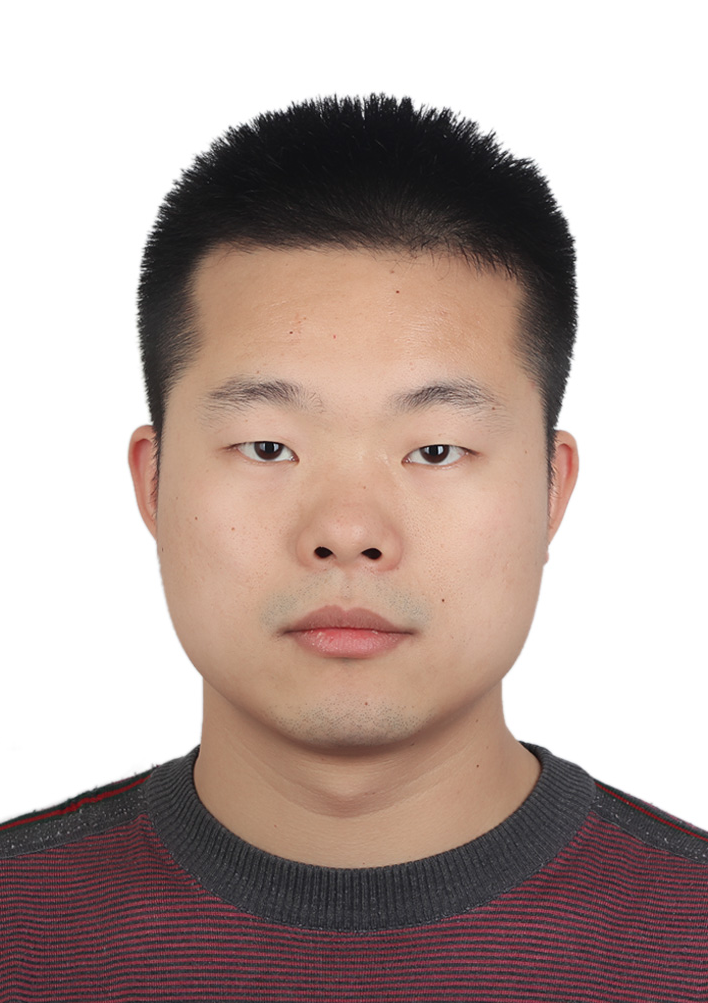 Peng Hu (胡鹏)合作论文数Machine Intelligence Laboratory, College of Computer Science, Sichuan University10
 Yew-Soon Ong合作论文数College of Computing and Data Science, Nanyang Technological University;School of Computer Science and Engineering, Nanyang Technological University;Centre for Frontier Al Research, Agency for Science, Technology and Research10
 Aixin Sun (孙爱欣)合作论文数College of Computing & Data Science, Nanyang Technological University10
 Feng Yang (杨丰)合作论文数南方医科大学生物医学工程学院9
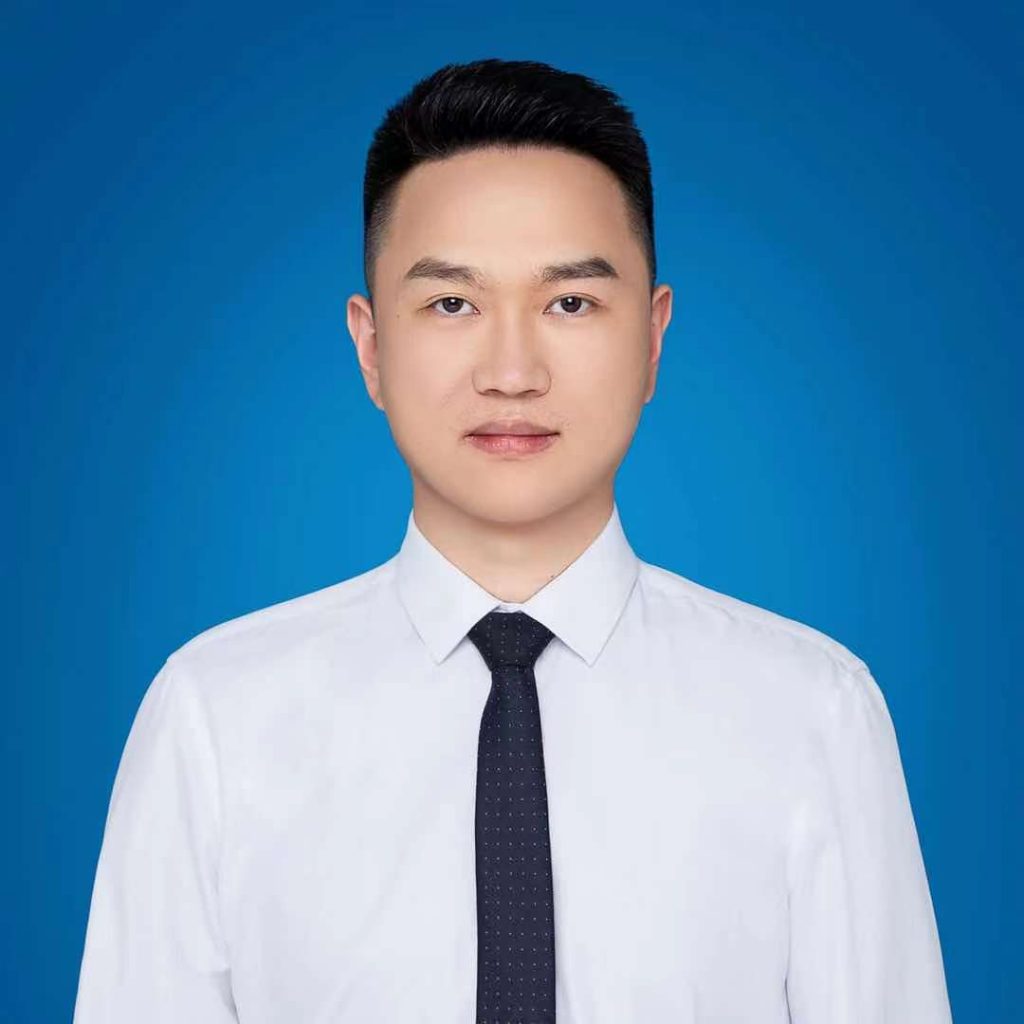 Le Zhang (张乐)合作论文数School of Information and Communication Engineering, University of Electronic Science and Technology of China9
 Yong Liu (刘勇)合作论文数HPC-AI LAB, Department of Computer Science, School of Computing, National University of Singapore9Tao Luo (罗韬)合作论文数State Key Laboratory of Computer Architecture, Institute of Computing Technology, Chinese Academy of Sciences;University of Chinese Academy of Sciences8
 Kenli Li (李肯立)合作论文数College of Computer Science and Electronic Engineering, Hunan University;National Supercomputing Center in Changsha, Hunan University8
 Jin Hao (郝晋)合作论文数Shanghai Jiao Tong University8
 Jiancheng Lv (吕建成)合作论文数College of Computer Science, Sichuan University8
 Sinno Jialin Pan合作论文数Department of Computer Science and Engineering, Faculty of Engineering, The Chinese University of Hong Kong8Tianxiang Hu合作论文数7
 Jianshu Li合作论文数Ant Group7
 Jiaxiang Liu (刘家祥)合作论文数Guangdong Institute of Intelligence Science and Technology7
 Meng Fang合作论文数School of Computer Science and Informatics, Faculty of Science and Engineering, University of Liverpool7
 Junsong Yuan (袁浚菘)合作论文数Visual Computing Lab, Department of Computer Science and Engineering, School of Engineering and Applied Sciences, University at Buffalo7
 Zhijing Jin合作论文数Max Planck Institute for Intelligent Systems6
 Moyun Liu合作论文数School of Mechanical Science and Engineering, Huazhong University of Science and Technology, Wuhan, China6
 Cen Chen (陈岑)合作论文数School of Data Science and Engineering, East China Normal University6
 Yuanwei Liu合作论文数Department of Electrical and Computer Engineering, The University of Hong Kong6
 Chen Gong (宫辰)合作论文数School of Automation and Intelligent Sensing, Shanghai Jiao Tong University6
 Jiashi Feng (冯佳时)合作论文数Tencent6
 Bing Li (李冰)合作论文数School of Information and Communication Engineering, University of Electronic Science and Technology of China6
 Heng Zhao合作论文数5Bo Tan (谭博)合作论文数5
 Ce Zhu (朱策)合作论文数Glasgow College, University of Electronic Science and Technology of China5
 Zhenyu Huang (黄振宇)合作论文数College of Computer Science, Sichuan Univerisity5




