Flavonoid 3MODIFIER LETTER PRIME-hydroxylase (F3MODIFIER LETTER PRIMEH) catalyzes hydroxylation at the 3MODIFIER LETTER PRIME position of the B ring of flavonoids. F3MODIFIER LETTER PRIMEH is associated with the seed coat and pubescence color, antioxidant properties, and chilling stress tolerance of soybean [Glycine max (L.) Merr.]. In this study, we found that soybean F3MODIFIER LETTER PRIMEH increases the calcium (Ca) and magnesium (Mg) contents in pods and reduces the levels of these elements in seeds. Inductively coupled plasma mass spectrometry (ICP-MS) analysis using a near-isogenic line (NIL) derived from Japanese cultivars 'Natto-shoryu' and 'Hyoukei-kuro 3' for F3MODIFIER LETTER PRIMEH (Glyma.06g202300), also known as the T gene, indicated that the contents of Ca and Mg were higher in the pods but lower in the seed coats and cotyledons from soybean with active F3MODIFIER LETTER PRIMEH than from soybean with inactive F3MODIFIER LETTER PRIMEH. No such clear tendency was observed for other inorganic ions measured in this study. These data suggested that the transport of Ca and Mg from the pod to the seed was inhibited by flavonoid produced through F3MODIFIER LETTER PRIMEH activity. The hardness of cooked beans from soybean with active F3MODIFIER LETTER PRIMEH was lower than that from soybean with inactive F3MODIFIER LETTER PRIMEH, which was likely related to the increase in heat-labile pectin caused by fewer cross-linked divalent ions. These results were supported by ICP-MS analysis and the hardness of cooked beans of other NILs for the T gene. Our findings demonstrate a novel and unexpected effect of flavonoids on the processing quality of soybean.
Three versatile QTL for soybean downy mildew resistance in Japan were detected using five RIL populations and confirmed using recombinant fixed pairs or a backcrossed line.
Using progeny of a cross between Japanese soybean Enrei and Chinese soybean Peking, we developed a high-density linkage map and chromosomal segment substitution lines (CSSLs). The map consists of 2,177 markers with polymorphism information for 32 accessions and provides a detailed genetic framework for these markers. The marker order on the linkage map revealed close agreement with that on the chromosome-scale assembly, Wm82.a2.v1. The differences, especially on Chr.5 and Chr.11, in the present map provides information to identify regions in the genome assembly where additional information is required to resolve marker order and assign remaining scaffolds. To cover the entire soybean genome, we used 999 BC3F2 backcross plants and selected 103 CSSLs carrying chromosomal segments from Peking in the genetic background of Enrei. Using these low-genetic-complexity resources, we dissected variation in traits related to flowering, maturity and yield into approximately 50 reproducible quantitative trait loci (QTLs) and evaluated QTLs with small genetic effects as single genetic factors in a uniform genetic background. CSSLs developed in this study may be good starting material for removing the unfavourable characteristics of Peking during pre-breeding and for isolation of genes conferring disease and stress resistance that have not yet been characterized.
BACKGROUND AND AIMS:The timing of flowering has a direct impact on successful seed production in plants. Flowering of soybean (Glycine max) is controlled by several E loci, and previous studies identified the genes responsible for the flowering loci E1, E2, E3 and E4. However, natural variation in these genes has not been fully elucidated. The aims of this study were the identification of new alleles, establishment of allele diagnoses, examination of allelic combinations for adaptability, and analysis of the integrated effect of these loci on flowering.METHODS:The sequences of these genes and their flanking regions were determined for 39 accessions by primer walking. Systematic discrimination among alleles was performed using DNA markers. Genotypes at the E1-E4 loci were determined for 63 accessions covering several ecological types using DNA markers and sequencing, and flowering times of these accessions at three sowing times were recorded.KEY RESULTS:A new allele with an insertion of a long interspersed nuclear element (LINE) at the promoter of the E1 locus (e1-re) was identified. Insertion and deletion of 36 bases in the eighth intron (E2-in and E2-dl) were observed at the E2 locus. Systematic discrimination among the alleles at the E1-E3 loci was achieved using PCR-based markers. Allelic combinations at the E1-E4 loci were found to be associated with ecological types, and about 62-66 % of variation of flowering time could be attributed to these loci.CONCLUSIONS:The study advances understanding of the combined roles of the E1-E4 loci in flowering and geographic adaptation, and suggests the existence of unidentified genes for flowering in soybean.
Boiled seed hardness is an important factor in the processing of soybean food products such as nimame and natto. Little information is available on the genetic basis for boiled seed hardness, despite the wide variation in this trait. DNA markers linked to the gene controlling this trait should be useful in soybean breeding programs because of the difficulty of its evaluation. In this report, quantitative trait locus (QTL) analysis was performed to reveal the genetic factors associated with boiled seed hardness using a recombinant inbred line population developed from a cross between two Japanese cultivars, 'Natto-shoryu' and 'Hyoukei-kuro 3', which differ largely in boiled seed hardness, which in 'Natto-shoryu' is about twice that of 'Hyoukei-kuro 3'. Two significantly stable QTLs, qHbs3-1 and qHbs6-1, were identified on chromosomes 3 and 6, for which the 'Hyoukei-kuro 3' alleles contribute to decrease boiled seed hardness for both QTLs. qHbs3-1 also showed significant effects in progeny of a residual heterozygous line and in a different segregating population. Given its substantial effect on boiled seed hardness, SSR markers closely linked to qHbs3-1, such as BARCSOYSSR_03_0165 and BARCSOYSSR_03_0185, could be useful for marker-assisted selection in soybean breeding.
Background Absence of or low sensitivity to photoperiod is necessary for short-day crops, such as rice and soybean, to adapt to high latitudes. Photoperiod insensitivity in soybeans is controlled by two genetic systems and involves three important maturity genes: E1 , a repressor for two soybean orthologs of Arabidopsis FLOWERING LOCUS T ( GmFT2a and GmFT5a ), and E3 and E4 , which are phytochrome A genes. To elucidate the diverse mechanisms underlying photoperiod insensitivity in soybean, we assessed the genotypes of four maturity genes ( E1 through E4 ) in early-flowering photoperiod-insensitive cultivars and their association with post-flowering responses. Results We found two novel dysfunctional alleles in accessions originally considered to have a dominant E3 allele according to known DNA markers. The E3 locus, together with E1 and E4 , contained multiple dysfunctional alleles. We identified 15 multi-locus genotypes, which we subdivided into 6 genotypic groups by classifying their alleles by function. Of these, the e1-as / e3 / E4 genotypic group required an additional novel gene (different from E1 , E3 , and E4 ) to condition photoperiod insensitivity. Despite their common pre-flowering photoperiod insensitivity, accessions with different multi-locus genotypes responded differently to the post-flowering photoperiod. Cultivars carrying E3 or E4 were sensitive to photoperiod for post-flowering characteristics, such as reproductive period and stem growth after flowering. The phytochrome A–regulated expression of the determinate growth habit gene Dt1 , an ortholog of Arabidopsis TERMINAL FLOWER1 , was involved in the persistence of the vegetative activity at the stem apical meristem of flower-induced plants under long-day conditions. Conclusions Diverse genetic mechanisms underlie photoperiod insensitivity in soybean. At least three multi-locus genotypes consisting of various allelic combinations at E1 , E3 , and E4 conferred pre-flowering photoperiod insensitivity to soybean cultivars but led to different responses to photoperiod during post-flowering vegetative and reproductive development. The phyA genes E3 and E4 are major controllers underlying not only pre-flowering but also post-flowering photoperiod responses. The current findings improve our understanding of genetic diversity in pre-flowering photoperiod insensitivity and mechanisms of post-flowering photoperiod responses in soybean.
Soybean (Glycine max) cultivars adapted to high latitudes have a weakened or absent sensitivity to photoperiod. The purposes of this study were to determine the molecular basis for photoperiod insensitivity in various soybean accessions, focusing on the sequence diversity of the E4 (GmphyA2) gene, which encodes a phytochrome A (phyA) protein, and its homoeolog (GmphyA1), and to disclose the evolutionary consequences of two phyA homoeologs after gene duplication. We detected four new single-base deletions in the exons of E4, all of which result in prematurely truncated proteins. A survey of 191 cultivated accessions sourced from various regions of East Asia with allele-specific molecular markers reliably determined that the accessions with dysfunctional alleles were limited to small geographical regions, suggesting the alleles’ recent and independent origins from functional E4 alleles. Comparison of nucleotide diversity values revealed lower nucleotide diversity at non-synonymous sites in GmphyA1 than in E4, although both have accumulated mutations at almost the same rate in synonymous and non-coding regions. Natural mutations have repeatedly generated loss-of-function alleles at the E4 locus, and these have accumulated in local populations. The E4 locus is a key player in the adaptation of soybean to high-latitude environments under diverse cropping systems.
Soybean [Glycine max (L) Merrill] is one of the most important leguminous crops and ranks fourth after to rice, wheat and maize in terms of world crop production. Soybean contains abundant protein and oil, which makes it a major source of nutritious food, livestock feed and industrial products. In Japan, soybean is also an important source of traditional staples such as tofu, natto, miso and soy sauce. The soybean genome was determined in 2010. With its enormous size, physical mapping and genome sequencing are the most effective approaches towards understanding the structure and function of the soybean genome. We constructed bacterial artificial chromosome (BAC) libraries from the Japanese soybean cultivar, Enrei. The end-sequences of approximately 100,000 BAC clones were analyzed and used for construction of a BAC-based physical map of the genome. BLAST analysis between Enrei BAC-end sequences and the Williams82 genome was carried out to increase the saturation of the map. This physical map will be used to characterize the genome structure of Japanese soybean cultivars, to develop methods for the isolation of agronomically important genes and to facilitate comparative soybean genome research. The current status of physical mapping of the soybean genome and construction of database are presented.
β-Conglycinin, a major seed protein in soybean, is composed of α, α′, and β subunits sharing a high homology among them. Despite its many health benefits, β-conglycinin has a lower amino acid score and lower functional gelling properties compared to glycinin, another major soybean seed protein. In addition, the α, α′, and β subunits also contain major allergens. A wild soybean (Glycine soja Sieb et Zucc.) line, ‘QT2’, lacks all of the β-conglycinin subunits, and the deficiency is controlled by a single dominant gene, Scg-1 (Suppressor of β-conglycinin). This gene was characterized using a soybean cultivar ‘Fukuyutaka’, ‘QY7-25’, (its near-isogenic line carrying the Scg-1 gene), and the F2 population derived from them. The physical map of the Scg-1 region covered by lambda phage genomic clones revealed that the two α-subunit genes, a β-subunit gene, and a pseudo α-subunit gene were closely organized. The two α-subunit genes were arranged in a tail-to-tail orientation, and the genes were separated by 197 bp in Scg-1 compared to 3.3 kb in the normal allele (scg-1). In addition, small RNA was detected in immature seeds of the mutants by northern blot analysis using an RNA probe of the α subunit. These results strongly suggest that β-conglycinin deficiency in QT2 is controlled by post-transcriptional gene silencing through the inverted repeat of the α subunits.
The complex and coordinated regulation of flowering has high ecological and agricultural significance. The maturity locus E1 has a large impact on flowering time in soybean, but the molecular basis for the E1 locus is largely unknown. Through positional cloning, we delimited the E1 locus to a 17.4-kb region containing an intron-free gene (E1). The E1 protein contains a putative bipartite nuclear localization signal and a region distantly related to B3 domain. In the recessive allele, a nonsynonymous substitution occurred in the putative nuclear localization signal, leading to the loss of localization specificity of the E1 protein and earlier flowering. The early-flowering phenotype was consistently observed in three ethylmethanesulfonate-induced mutants and two natural mutations that harbored a premature stop codon or a deletion of the entire E1 gene. E1 expression was significantly suppressed under short-day conditions and showed a bimodal diurnal pattern under long-day conditions, suggesting its response to photoperiod and its dominant effect induced by long day length. When a functional E1 gene was transformed into the early-flowering cultivar Kariyutaka with low E1 expression, transgenic plants carrying exogenous E1 displayed late flowering. Furthermore, the transcript abundance of E1 was negatively correlated with that of GmFT2a and GmFT5a, homologues of FLOWERING LOCUS T that promote flowering. These findings demonstrated the key role of E1 in repressing flowering and delaying maturity in soybean. The molecular identification of the maturity locus E1 will contribute to our understanding of the molecular mechanisms by which a short-day plant regulates flowering time and maturity.
Genetic variation and population structure among 1603 soybean accessions, consisted of 832 Japanese landraces, 109 old and 57 recent Japanese varieties, 341 landrace from 16 Asian countries and 264 wild soybean accessions, were characterized using 191 SNP markers. Although gene diversity of Japanese soybean germplasm was slight lower than that of exotic soybean germplasm, population differentiation and clustering analyses indicated clear genetic differentiation among Japanese cultivated soybeans, exotic cultivated soybeans and wild soybeans. Nine hundred ninety eight Japanese accessions were separated to a certain extent into groups corresponding to their agro-morphologic characteristics such as photosensitivity and seed characteristics rather than their geographical origin. Based on the assessment of the SNP markers and several agro-morphologic traits, accessions that retain gene diversity of the whole collection were selected to develop several soybean sets of different sizes using an heuristic approach; a minimum of 12 accessions can represent the observed gene diversity; a mini-core collection of 96 accession can represent a major proportion of both geographic origin and agro-morphologic trait variation. These selected sets of germplasm will provide an effective platform for enhancing soybean diversity studies and assist in finding novel traits for crop improvement.
In rice, Early heading date 1 (Ehd1) has been found to promote flowering by inducing FT-like gene expression only under SD conditions independently of Hd1 (Doi et al., 2004).There is no Ehd1 ortholog in Arabidopsis.Soybean is a typical SD plant whose photoperiodic sensitivity was discovered by Garner and Allard in 1920.Compared to the model plants, photoperiodic control of flowering in soybean is far less understood.The eight loci, E1 to E8, conditioning flowering has been genetically identified (Bernard, 1971;Buzzel, 1971;Buzzel and Voldeng, 1980; McBlain and Bernard, 1987;Bonato and Vello, 1999;Cober and Voldeng, 2001;Cober et al., 2010).At each of these loci, two alleles have been identified, and except for E6, the recessive alleles at the E loci condition early flowering under both LD and SD conditions.The partially dominant alleles at the E loci delay flowering under LD conditions.Near-isogenic lines (NILs) for E loci have been developed and used for studies to elucidate the flowering in soybean (Saidon et al., 1989a,b; Upadhyay et al., 1994a,b; Cober et al., 1996a).Among these E loci, E1, E3, E4 and E7 are known to be involved in the response to the phtoperiod (Buzzell, 1971; Buzzell and Voldeng, 1980; McBlain et al., 1987; Cober et al., 1996b;Cober and Voldeng, 2001; Abe et al., 2003).The E3 locus was first identified with the use of fluorescent lamps to extend day length.The e3e3 recessive homozygote can initiate flowering under LD conditions where the day length was extended to 20 hr using fluorescent lamps (FLD) with a high red to far-red (R: FR) ratio (Buzzell, 1971).The E4 locus was identified by extending the natural day length to 20 hr with incandescent lamps with a low R: FR ratio (Buzzell and Voldeng, 1980).The insensitivity of e4e4 genotype to LD conditions with a low R: FR ratio is necessary of e3e3 background (Buzzell and Voldeng, 1980;Saindon et al., 1989b; Cober et al. 1996b).The E1 and E7 loci are involved in the control of insensitivity to artificially induced LD conditions in the e3 and e4 backgrounds (Cober et al., 1996b;Cober and Voldeng 2001).Of the known E loci, the E1 locus is considered to have the largest effect on time to flowering under field conditions (Stewart et al., 2003).
Flowering is indicative of the transition from vegetative to reproductive phase, a critical event in the life cycle of plants. In soybean (Glycine max), a flowering quantitative trait locus, FT2, corresponding to the maturity locus E2, was detected in recombinant inbred lines (RILs) derived from the varieties "Misuzudaizu" (ft2/ft2; JP28856) and "Moshidou Gong 503" (FT2/FT2; JP27603). A map-based cloning strategy using the progeny of a residual heterozygous line (RHL) from the RIL was employed to isolate the gene responsible for this quantitative trait locus. A GIGANTEA ortholog, GmGIa (Glyma10g36600), was identified as a candidate gene. A common premature stop codon at the 10th exon was present in the Misuzudaizu allele and in other near isogenic lines (NILs) originating from Harosoy (e2/e2; PI548573). Furthermore, a mutant line harboring another premature stop codon showed an earlier flowering phenotype than the original variety, Bay (E2/E2; PI553043). The e2/e2 genotype exhibited elevated expression of GmFT2a, one of the florigen genes that leads to early flowering. The effects of the E2 allele on flowering time were similar among NILs and constant under high (43°N) and middle (36°N) latitudinal regions in Japan. These results indicate that GmGIa is the gene responsible for the E2 locus and that a null mutation in GmGIa may contribute to the geographic adaptation of soybean.
The number and distribution of branches in soybean plants influence seed yield through effects on the efficiency of light utilization as well as on tolerance to lodging. We have developed recombinant inbred lines (RILs) from a cross between two experimental determinant lines, which differ in branching number. The 172 RILs were divided into four maturity groups according to their alleles for two maturity loci, E1 and E3, and were planted separately to avoid confounding effects of competition. The late-maturity RI L groups with the El genotype were grown in two different locations, whereas the early-maturity RIL groups with the e1 genotype were planted at one location. Analysis of all lines resulted in the identification of five quantitative trait loci (QTLs) for branching number, designated qBr1 to qBr5. Among these QTLs, qBr1 and qBr2 were mapped to the proximal regions of the El and E3 loci, respectively. The other three QTLs were mapped to regions distant from any known maturity loci and were detected only in the presence of the El genotype, indicating that they interact with qBr1. Our results suggest that branching number might be controlled genetically by the identified QTLs, even though the maturity loci substantially affect branching phenotype.
Photosensitivity plays an essential role in the response of plants to their changing environments throughout their life cycle. In soybean [Glycine max (L.) Merrill], several associations between photosensitivity and maturity loci are known, but only limited information at the molecular level is available. The FT3 locus is one of the quantitative trait loci (QTL) for flowering time that corresponds to the maturity locus E3. To identify the gene responsible for this QTL, a map-based cloning strategy was undertaken. One phytochrome A gene (GmPhyA3) was considered a strong candidate for the FT3 locus. Allelism tests and gene sequence comparisons showed that alleles of Misuzudaizu (FT3/FT3; JP28856) and Harosoy (E3/E3; PI548573) were identical. The GmPhyA3 alleles of Moshidou Gong 503 (ft3/ft3; JP27603) and L62-667 (e3/e3; PI547716) showed weak or complete loss of function, respectively. High red/far-red (R/FR) long-day conditions enhanced the effects of the E3/FT3 alleles in various genetic backgrounds. Moreover, a mutant line harboring the nonfunctional GmPhyA3 flowered earlier than the original Bay (E3/E3; PI553043) under similar conditions. These results suggest that the variation in phytochrome A may contribute to the complex systems of soybean flowering response and geographic adaptation.
Soybean [Glycine max (L.) Merrill] is the most important leguminous crop in the world due to its high contents of high-quality protein and oil for human and animal consumption as well as for industrial uses. An accurate and saturated genetic linkage map of soybean is an essential tool for studies on modern soybean genomics. In order to update the linkage map of a F-2 population derived from a cross between Misuzudaizu and Moshidou Gong 503 and to make it more informative and useful to the soybean genome research community, a total of 318 AFLP, 121 SSR, 108 RFLP, and 126 STS markers were newly developed and integrated into the framework of the previously described linkage map. The updated genetic map is composed of 509 RFLP, 318 SSR, 318 AFLP, 97 AFLP-derived STS, 29 BAC-end or EST-derived STS, 1 RAPD, and five morphological markers, covering a map distance of 3080 cM (Kosambi function) in 20 linkage groups (LGs). To our knowledge, this is presently the densest linkage map developed from a single F2 population in soybean. The average intermarker distance was reduced to 2.41 from 5.78 cM in the earlier version of the linkage map. Most SSR and RFLP markers were relatively evenly distributed among different LGs in contrast to the moderately clustered AFLP markers. The number of gaps of more than 25 cM was reduced to 6 from 19 in the earlier version of the linkage map. The coverage of the linkage map was extended since 17 markers were mapped beyond the distal ends of the previous linkage map. In particular, 17 markers were tagged in a 5.7 cM interval between CE47M5a and Satt100 on LG C2, where several important QTLs were clustered. This newly updated soybean linkage map will enable to streamline positional cloning of agronomically important trait locus genes, and promote the development of physical maps, genome sequencing, and other genomic research activities.
To apply genomic information of the model legume Lotus japonicus to soybean, the characteristics of the soybean genome in reference to the genome of L. japonicus were investigated. Macrosynteny between soybean and L. japonicus was analyzed by mapping the same cDNA clones on the maps of both species by the RFLP method, and by identifying the positions of orthologs oil the L. japonicus map for cDNA markets located oil the soybean map. Relatively large synteny blocks were observed between a few linkage groups of L. japonicus and soybean. The major parts of the soybean linkage groups consisted of mosaics of smaller segments syntenic with the L. japonicus genome. The presence of many homoeologous regions on different soybean linkage groups was Suggested from the distribution of paralogs and orthologs. To investigate the microsynteny between soybean and L. japonicus, three soybean BAC clones were selected for the GmNFR1a, GmNFR1b and Nts1 genes mapped oil the macrosyntenic regions of the linkage groups D1b, B2 and H, respectively. We revealed a significantly high level of collinearily between these BAC clones and corresponding homologous genomic regions of L. japonicus. The information of L. japonicus could be used tor the development of DNA markers, map-based cloning and assembling process of genome sequencing in soybean.
A large collection of full-length cDNAs is essential for the correct annotation of genomic sequences and for the functional analysis of genes and their products. We obtained a total of 39 936 soybean cDNA clones (GMFL01 and GMFL02 clone sets) in a full-length-enriched cDNA library which was constructed from soybean plants that were grown under various developmental and environmental conditions. Sequencing from 5′ and 3′ ends of the clones generated 68 661 expressed sequence tags (ESTs). The EST sequences were clustered into 22 674 scaffolds involving 2580 full-length sequences. In addition, we sequenced 4712 full-length cDNAs. After removing overlaps, we obtained 6570 new full-length sequences of soybean cDNAs so far. Our data indicated that 87.7% of the soybean cDNA clones contain complete coding sequences in addition to 5′- and 3′-untranslated regions. All of the obtained data confirmed that our collection of soybean full-length cDNAs covers a wide variety of genes. Comparative analysis between the derived sequences from soybean and Arabidopsis, rice or other legumes data revealed that some specific genes were involved in our collection and a large part of them could be annotated to unknown functions. A large set of soybean full-length cDNA clones reported in this study will serve as a useful resource for gene discovery from soybean and will also aid a precise annotation of the soybean genome.
Seed storage protein P-conglycinin of soybean contains major allergens in its subunits, and displays a lower amino acid score and lower functional gelling properties than glycinin. Therefore, decrease in the content of beta-conglycinin is one of the objectives of soybean breeding programs. A beta-conglycinin-deficient mutant QT2 was identified from a wild soybean in Kumamoto prefecture, and the phenotype was found to be controlled by a single dominant gene Scg-1 (Suppressor of beta-conglycinin). Fukuyutaka and a near-isogenic line of Fukuyutaka, QY7-25 harboring the Scg-1 gene were used for development of DNA markers associated with P-conglycinin deficiency. Ten single nucleotide polymorphisms (SNPs) in the 0 subunit genes were detected between Fukuyutaka and QY7-25. Two beta subunit gene loci were found to cosegregate with beta-conglycinin deficiency with the DNA marker based on SNPs in a F-2 population derived from a cross between Fukuyutaka and QY7-25. The DNA marker also enabled to detect polymorphisms between QY7-25 and major soybean cultivars and could be used as a practical tool for the introduction of Scg-1 gene into soybean. The chromosome region associated with P-conglycinin deficiency was located on linkage group I of a soybean genetic linkage map with the developed marker using a F-2 population from the parents, Misuzudaizu and Moshidou Gong 503.
 Kyuya Harada合作论文数20Satoshi Watanabe合作论文数Faculty of Horticulture, Chiba University11
 Zhengjun Xia (夏正俊)合作论文数Northeast Institute of Geography and Agricultural, Chinese Academy of Sciences10Masao Ishimoto合作论文数National Agricultural Research Center9
 Toyoaki Anai合作论文数Institute of Applied Biochemistry, University of Tsukuba8Katayose Yuichi合作论文数6Makita Hajika合作论文数6
 Shusei Sato (佐藤修正)合作论文数Department of Ecological Developmental Adaptability Life Sciences, Graduate School of Life Sciences, Tohoku University5Akito Kaga合作论文数5
 Naoki Yamanaka合作论文数4Satoshi Tabata合作论文数Kazusa DNA Research Institute4Ryoji Takahashi合作论文数4Hiroyuki Kanamori合作论文数4
 Tetsuya Yamada合作论文数4Hirata Kaori合作论文数3
 Takuji Sasaki合作论文数Rice Genome Research Program3
 Jun Abe合作论文数3
 Koji Takahashi合作论文数Faculty of Engineering, Kyushu University3Takashi Sayama合作论文数3Hideyuki Funatsuki合作论文数3Yoshiaki Nagamura合作论文数3Masaki Hayashi合作论文数3Saho Mizukado合作论文数2
 Atsushi Toyoda合作论文数2
 Motoaki Seki合作论文数Center for Sustainable Resource Science, Institute of Physical and Chemical Research;Plant Epigenome Regulation Laboratory, Institute of Physical and Chemical Research2
 Meilan Xu合作论文数2Yamanaka N合作论文数2
 Tetsuya Sakurai (櫻井鉄也)合作论文数Center for Artificial Intelligence Research, University of Tsukuba;Department of Computer Science, University of Tsukuba;MathDesign Co., Ltd.;RIKEN Center for Computational Science;The Open University of Japan2Yoshiyuki Sakaki (榊佳之)合作论文数The Institute of Medical Science, The University of Tokyo2
 Baohui Liu (刘宝辉)合作论文数University of Chinese Academy of Sciences;Northeast Institute of Geography and Agricultural, Chinese Academy of Sciences2
 Daisuke Todaka合作论文数2Yasushi Totoki (十時泰)合作论文数Osaka University2
 Akiko Enju合作论文数2Ryo Akashi合作论文数2Takehiko Shimizu合作论文数2Hiroko Nakashima合作论文数2Rumiko Hideshima合作论文数2Atsushi Kurotani合作论文数2
 Taishi Umezawa合作论文数RIKEN Plant Science Center (PSC), RIKEN Tsukuba Institute2
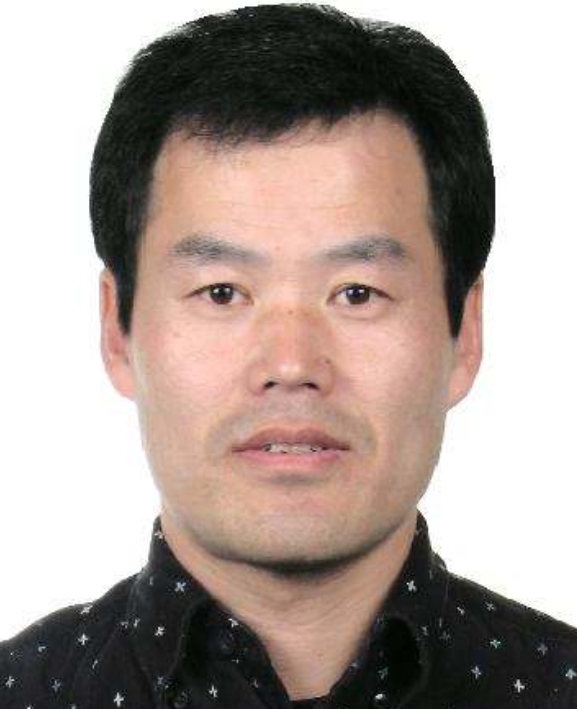 Fanjiang Kong (孔凡江)合作论文数Laboratory of Soybean Molecular Breeding, Northeast Institute of Geography and Agroecology, Chinese Academy of Sciences2Kenji Akiyama合作论文数Plant Sci Ctr, RIKEN2Keiichi Mochida合作论文数2Mie Kasuga合作论文数2
 Takuro Shinano合作论文数Creative Research Initiative;Hokkaido University;Creative Research Initiative, Hokkaido University2Masayoshi Teraishi合作论文数2Atsushi Ishiwata合作论文数2tomoaki miyoshi合作论文数1Masako Hoshi合作论文数1Kyoko Yoshiwara合作论文数1




