Traditional Chinese Medicine (TCM) classifies individuals into constitution types that may influence physiological responses. SARS-CoV-2 vaccines induce spike-specific antibodies and activate B and T cells, including memory subsets. This study investigates whether TCM constitution types are associated with immune responses and adverse events following COVID-19 vaccination. From March 2021 to December 2023, 78 adults received two doses of the COVID-19 vaccine, including AstraZeneca, Moderna, MVC-COV1901, and Pfizer-BioNTech. PBMCs were collected before and after vaccination. Immune parameters-cytokines, antibody titers, dendritic cells (DCs), T cells, B cells, and memory T cell subsets-were measured. TCM constitution scores were determined using the Constitution in Chinese Medicine Questionnaire (CCMQ) before vaccination. Adverse reactions were recorded through structured surveys, and correlations between constitution scores and adverse events were analyzed using the Pearson correlation. Pre-vaccination TNF-α was negatively correlated with the gentleness constitution and positively with the qi-deficiency. DCs increased post-vaccination in individuals with qi-deficiency, phlegm-dampness, qi-depression, yin-deficiency, dampness-heat, and special diathesis constitutions. T cell proportions increased in yin-deficiency, dampness-heat, and special diathesis groups. Dampness-heat scores were negatively correlated with central memory T cell (Tcm) induction. No significant correlations were found between constitution types and antibody levels or neutralization. Adverse reactions were more frequent in individuals with phlegm-dampness, qi-depression, and blood-stasis constitutions, and less frequent in those with a gentleness constitution. TCM constitutions correlate with cellular immune responses and adverse reaction profiles, but not antibody production, after COVID-19 vaccination. This supports integrating TCM constitution frameworks into personalized vaccine prediction.
ETHNOPHARMACOLOGICAL RELEVANCE:Dictamni Cortex (Dictamnus dasycarpus root barks) has been widely applied across Asia for inflammatory dermatological conditions, including eczema, pruritus, allergies, and urticaria. Among the active compounds in Dictamni Cortex, dictamnine exhibits notable anti-inflammatory and antipruritic properties, contributing to its therapeutic effects against skin inflammation. However, dictamnine, a furoquinoline alkaloid, shares a structural framework with linear furanocoumarines such as 8-methoxypsoralen and 5-methoxypsoralen, which are known for their photoactive properties. Similar to psoralens, dictamnine also demonstrates phototoxic characteristics. AIM OF THE STUDY:This research focused on developing safer plant-based medicines derived from Dictamni Cortex by formulating extracts devoid of dictamnine analogues (DDE-A1 and DDE-B1) and evaluating their potential as novel therapeutic agents. The investigation focused on their immunomodulatory and anti-inflammatory effects, as well as their phototoxicities. Correspondingly, alkaloid-rich fractions containing dictamnine (DDE-A2 and DDE-B2) were also prepared to compare their phototoxic effects. MATERIALS AND METHODS:To isolate pure compounds from the potential fraction (DDE) of Dictamni Cortex, column chromatography was performed using silica, C18-reversed phase silica gels, and gel filtration resin as stationary phases. Two novel DDE formulations free from dictamnine alkaloids (DDE-A1 and DDE-B1) were obtained using acid-base extraction and acidic resin (Dowex® 50WX4 hydrogen form) column separation methods. Immunomodulatory effects were assessed using Th17/IL-17 and Th2/IL-4 cell models, while anti-inflammatory effects were evaluated by analyzing TNF-α- or IL-17A-induced IL-6 and IL-8 levels in HaCaT cells. Phototoxicity was tested in HaCaT cells with and without UV exposure. RESULTS:Two novel DDE formulations lacking dictamnine alkaloids (DDE-A1 and DDE-B1) were successfully prepared by aforementioned two methods, respectively. Experimental results indicated that DDE-A1 and DDE-B1 exhibited no phototoxicity while retaining immunomodulatory and anti-inflammatory potential. Conversely, the dictamnine alkaloid-rich fractions (DDE-A2 and DDE-B2) showed significant phototoxicity, exceeding the toxicity of dictamnine alone. These findings suggest that DDE-A1 and DDE-B1 as promising candidates for safe and effective therapeutic agents for dermatitis. CONCLUSIONS:This pilot study successfully developed detoxified and bioactive phytopharmaceuticals (DDE-A1 and DDE-B1) and photosensitive dictamnine-rich alkaloid formulations (DDE-A2 and DDE-B2) from Dictamni Cortex. The DDE-A1 and DDE-B1 formulations demonstrated robust immunomodulatory and anti-inflammatory effects without phototoxicity, paving the way for the development of safer, plant-based dermatological drugs.
ObjectivesThe aim was to determine whether different maturity levels and birth weights could change the risk of long-term ophthalmological complications in preterm infants.DesignThis was a cohort study.SettingThis was a nationwide population-based study.ParticipantsNewborns born between 2009 and 2012 were identified; newborns with congenital deformities, newborns with missing data on urban area, sex, gestational week at birth or birth weight and newborns who died before the age of 8 years were excluded.InterventionsInfants were divided into full-term, preterm and preterm with retinopathy of prematurity (ROP) cohorts based on their basic characteristics at birth.Primary outcome measuresThe primary outcomes were ophthalmological complications, including strabismus, refractive error, amblyopia, cataracts and glaucoma.ResultsUltimately, 735 702 infants were included in the analysis. There were 727 403, 7165 and 1134 newborns in the full term, preterm without ROP and preterm with ROP cohorts, respectively. Premature infants, whether without ROP or with ROP, had an elevated risk of various ophthalmic complications, with adjusted ORs (aORs) ranging from 1.48 to 2.74 and 1.90 to 10.34, respectively. Extremely low birth weight contributes to an increased risk of various ophthalmic complications, with aORs ranging from 2.21 to 6.55. Moreover, a higher number of negative variables, such as preterm birth or low body weight, increased the risk of various ophthalmological complications, with the aOR falling within the range of 1.03–23.86.ConclusionsImmaturity and low body weight were risk factors for ophthalmological complications in preterm infants. The presence of both of these two risk factors increased the risk of ophthalmological complications. Our results are essential for caregivers and health policy-makers to design comprehensive follow-up plans for preterm infants.
Background Coenzyme Q 0 (CoQ 0 ), a novel quinone derivative of Antrodia camphorata , has been utilized as a therapeutic agent (including antioxidant, anti-inflammatory, antiangiogenic, antiatherosclerotic, and anticancer agents); however, its depigmenting efficiency has yet to be studied. Methods We resolved the depigmenting efficiency of CoQ 0 through autophagy induction in melanoma (B16F10) and melanin-feeding keratinocyte (HaCaT) cells and in vivo Zebrafish model. Then, MPLC/HPLC analysis, MTT assay, Western blotting, immunofluorescence staining, LC3 transfection, melanin formation, GFP-LC3 puncta, AVO formation, tyrosinase activity, and TEM were used. Results CoQ 0 -induced autophagy in B16F10 cells was shown by enhanced LC3-II accumulation, ATG7 expression, autophagosome GFP-LC3 puncta, and AVOs formation, and ATG4B downregulation, and Beclin-1/Bcl-2 dysregulation. In α‐MSH-stimulated B16F10 cells, CoQ 0 induced antimelanogenesis by suppressing CREB-MITF pathway, tyrosinase expression/activity, and melanin formation via autophagy. TEM data disclosed that CoQ 0 increased melanosome-engulfing autophagosomes and autolysosomes in α‐MSH-stimulated B16F10 cells. CoQ 0 -inhibited melanogenesis in α‐MSH-stimulated B16F10 cells was reversed by pretreatment with the autophagy inhibitor 3-MA or silencing of LC3. Additionally, CoQ 0 -induced autophagy in HaCaT cells was revealed by enhanced LC3-II accumulation, autophagosome GFP-LC3 puncta and AVO formation, ATG4B downregulation, ATG5/ATG7 expression, and Beclin-1/Bcl-2 dysregulation. In melanin-feeding HaCaT cells, CoQ 0 induced melanin degradation by suppressing melanosome gp100 and melanin formation via autophagy. TEM confirmed that CoQ 0 increased melanosome-engulfing autophagosomes and autolysosomes in melanin-feeding HaCaT cells. Treatment with 3-MA reversed CoQ 0 -mediated melanin degradation in melanin-feeding HaCaT cells. In vivo study showed that CoQ 0 suppressed endogenous body pigmentation by antimelanogenesis and melanin degradation through autophagy induction in a zebrafish model. Conclusions Our results showed that CoQ 0 exerted antimelanogenesis and melanin degradation by inducing autophagy. CoQ 0 could be used in skin-whitening formulations as a topical cosmetic application.
Accumulation of abnormal chondroitin sulfate (CS) chains in breast cancer tissue is correlated with poor prognosis. However, the biological functions of these CS chains in cancer progression remain largely unknown, impeding the development of targeted treatment focused on CS. Previous studies identified chondroitin polymerizing factor (CHPF; also known as chondroitin sulfate synthase 2) is the critical enzyme regulating CS accumulation in breast cancer tissue. We then assessed the association between CHPF‐associated proteoglycans (PGs) and signaling pathways in breast cancer datasets. The regulation between CHPF and syndecan 1 (SDC1) was examined at both the protein and RNA levels. Confocal microscopy and image flow cytometry were employed to quantify macropinocytosis. The effects of the 6‐O‐sulfated CS‐binding peptide (C6S‐p) on blocking CS functions were tested in vitro and in vivo. Results indicated that the expression of CHPF and SDC1 was tightly associated within primary breast cancer tissue, and high expression of both genes exacerbated patient prognosis. Transforming growth factor beta (TGF‐β) signaling was implicated in the regulation of CHPF and SDC1 in breast cancer cells. CHPF supported CS–SDC1 stabilization on the cell surface, modulating macropinocytotic activity in breast cancer cells under nutrient‐deprived conditions. Furthermore, C6S‐p demonstrated the ability to bind CS‐SDC1, increase SDC1 degradation, suppress macropinocytosis of breast cancer cells, and inhibit tumor growth in vivo. Although other PGs may also be involved in CHPF‐regulated breast cancer malignancy, this study provides the first evidence that a CS synthase participates in the regulation of macropinocytosis in cancer cells by supporting SDC1 expression on cancer cells.
Purpose: Obstructive sleep apnea (OSA) is a chronic disease that affects 1%-6% of children. Our study aims to explore the effectiveness and clinical characteristics of integrative Traditional Chinese Medicine (ITCM) for pediatric OSA. Materials and methods: In this retrospective cohort study, we assessed differences of polysomnography (PSG) parameters and clinical characteristics between 2009 and 2020. Children <12 years old diagnosed with OSA (n 1/4 508) were included and were categorized into ITCM cohort, western medicine (WM) cohort ,and surgery cohort. Outcomes were apnea-hypopnea index (AHI), respiratory disturbance index (RDI), and body mass index (BMI). Results: There were 56 (11%), 324 (63.8%), and 128 (25.2%) patients in the ITCM, WM, and surgery cohorts. Among 17, 26, and 33 patients in the ITCM, WM, and surgery cohorts underwent follow-up PSG studies, respectively. In the ITCM follow-up cohort, AHI were significantly reduced (9.59 to 5.71, p < 0.05). BMI significantly increased in the WM follow-up cohort (19.46 to 20.50, p < 0.05) and the surgery follow-up cohort (18.04 to 18.85, p < 0.01). Comparing ITCM to WM cohort, a significant difference was found between the changes in RDI (ITCM: -6.78, WM: 0.51, p < 0.05) after treatment. Among ITCM follow-up cohort, the most prescribed TCM formula was Forsythia and Laminaria Combination. The most prescribed TCM herb was Ephedrae Herba. Conclusions: ITCM therapy can significantly reduce RDI and control BMI. We identified potential TCM treatments for pediatric OSA. Further study of the pharmacological mechanisms and clinical efficacy is warranted. (c) 2023 Center for Food and Biomolecules, National Taiwan University. Production and hosting by Elsevier Taiwan LLC. This is an open access article under the CC BY-NC-ND license (http://creativecommons.org/ licenses/by-nc-nd/4.0/).
Objective To demonstrate that acupuncture is beneficial for decreasing the risk of ischaemic stroke in patients with rheumatoid arthritis (RA).Design A propensity score-matched cohort study.Setting A nationwide population-based study.Participants Patients with RA diagnosed between 1 January 1997 and 31 December 2010, through the National Health Insurance Research Database in Taiwan.Interventions Patients who were administered acupuncture therapy from the initial date of RA diagnosis to 31 December 2010 were included in the acupuncture cohort. Patients who did not receive acupuncture treatment during the same time interval constituted the no-acupuncture cohort.Primary outcome measures A Cox regression model was used to adjust for age, sex, comorbidities, and types of drugs used. We compared the subhazard ratios (SHRs) of ischaemic stroke between these two cohorts through competing-risks regression models.Results After 1:1 propensity score matching, a total of 23 226 patients with newly diagnosed RA were equally subgrouped into acupuncture cohort or no-acupuncture cohort according to their use of acupuncture. The basic characteristics of these patients were similar. A lower cumulative incidence of ischaemic stroke was found in the acupuncture cohort (log-rank test, p<0.001; immortal time (period from initial diagnosis of RA to index date) 1065 days; mean number of acupuncture visits 9.83. In the end, 341 patients in the acupuncture cohort (5.95 per 1000 person-years) and 605 patients in the no-acupuncture cohort (12.4 per 1000 person-years) experienced ischaemic stroke (adjusted SHR 0.57, 95% CI 0.50 to 0.65). The advantage of lowering ischaemic stroke incidence through acupuncture therapy in RA patients was independent of sex, age, types of drugs used, and comorbidities.Conclusions This study showed the beneficial effect of acupuncture in reducing the incidence of ischaemic stroke in patients with RA.
Angiotensin II receptor blockers (ARBs) are one of the standard treatments for diabetic kidney disease (DKD). Some patients may opt for Chinese herbal medicine (CHM) of their own free will. However, there is no real-world evidence regarding the effectiveness and safety of CHM. We aimed to explore the effectiveness of CHM for DKD in comparison to ARBs. We enrolled 732 DKD patients (72 used only CHM and 661 used ARBs) from 2007 to 2016, and all patients were followed until December 2016 at China Medical University Hospital in Taiwan. A total of 355 ARB users and 71 CHM users were analyzed after propensity score matching. The estimated glomerular filtration rate (eGFR) after treatment was 84.9 ± 28.1 ml/min/1.73 m2 in CHM users, which was higher than that (67.8 ± 35.4 ml/min/1.73 m2) in ARB users (p < 0.001). The change in the eGFR was −6.0 ± 21.4 ml/min/1.73 m2 in CHM users and −12.9 ± 24.8 ml/min/1.73 m2 in ARB users (p = 0.029). The blood urea nitrogen (BUN) and creatinine levels of patients taking CHM were 22 ± 16 mg/dl and 0.9 ± 0.4 mg/dl, respectively, and were lower than those (30 ± 28 mg/dl and 1.7 ± 2.0 mg/dl) of patients taking ARBs (p = 0.025 and p = 0.003). Using linear regression with adjustments for age, sex, BMI, baseline eGFR, and HbA1c levels, we found that the declines in the eGFR/baseline eGFR and changes in the urine albumin–creatinine ratio (ACR) were comparable between the two groups (p = 0.86 and 0.73). This study suggests that CHM may have comparable effectiveness to ARBs, which provides insights for further investigations.
Ethnopharmacological relevance: Psoriasis is a chronic inflammatory disease due to immune dysregulation that cannot be cured. The skin conditions of psoriasis negatively impact patients' quality of life worldwide. Qing Dai (Indigo Naturalis), a traditional Chinese medicine (TCM) processed from Strobilanthes cusia is a clinical medicine used for psoriasis patient in Taiwan and the gene overexpression of interleukin (IL)-17A could be notably reduced in skin lesions after using Qing Dai ointment and its alkaloid ingredients. Aim of the study: To develop a potential anti-psoriatic phytopharmaceutical, an alkaloid-rich fraction named INMA was prepared from Qing Dai. The chemical profile and anti-psoriatic activity of INM-A were analyzed and evaluated to define its in vitro mechanism and in vivo efficacy for psoriasis therapy. Materials and methods: Dowex & REG; 50WX4 hydrogen form resin was used for column chromatography to prepare INM-A. To track alkaloids, INM-A was conducted with Dragendorff's, Mayer's, and Wagner's reagents. HPLC and UV-Vis spectrophotometer were applied to analyze the chemical profile and relative total alkaloid content in INM-A. A psoriatic mouse model induced by imiquimod (IMQ) was performed to verify in vivo efficacy of INM-A. IL-17A-dominated cellular oxygen consumption rate, oxidative stress, and cytokines in keratinocytes were measured to clarify in vitro mechanism of INM-A. Results: An alkaloid-rich fraction, INM-A, consisted of seven active alkaloid compounds 1-7 was obtained from Qing Dai. INM-A improved the skin condition severities in IMQ-induced psoriatic mice and decreased IL-17A in not only psoriatic mice but also polarized Th17 cells. In addition, INM-A targeted IL-17A to inhibit inflammation and OXPHOS-driven oxidative stress in human keratinocytes. Conclusion: Accordingly, INM-A manufactured from Qing Dai may be a promising lead phytopharmaceutical for further IL-17A-related inflammatory disease studies such as psoriasis.
This review aims to describe the association of integrating traditional Chinese medicine (TCM) herbs into conventional medicine (CM) in preventing breast cancer and improving survival rates among breast cancer patients of Taiwan. Of 7 relevant studies, spanning 2014–2023, 4 investigated breast cancer risk in women with menopausal symptoms and other comorbidities. All 4 reported that TCM herbal use was associated with lower risks of developing breast cancer. Three studies investigated survival in newly-diagnosed breast cancer patients receiving CM. All reported that adjunctive TCM users had lower mortality rates than CM-only patients. However, the heterogeneity of study designs, populations, and interventions may limit the generalizability and robustness of the findings. TCM herbs may promote breast cancer prevention and survival when used alongside CM. More rigorous observational research and clinical trials in specific patient populations are needed to guide clinical decision-making.
We investigated the anti-EMT and antifibrotic effects of coenzyme Q0 (CoQ0), a quinone derivative from Antrodia camphorata, in TGF-β-stimulated adult retinal pigment epithelial 19 (ARPE-19) cells. Results showed that CoQ0 treatment reversed TGF-β-stimulated morphological changes from an epithelial to a fibroblastic phenotype in ARPE-19 cells. CoQ0 exhibited anti-EMT effects by impeding TGF-β-stimulated migration and invasion in ARPE-19 cells. Notably, CoQ0 triggered the epithelial marker E-cadherin and suppressed the mesenchymal marker N-cadherin expression in nonstimulated or TGF-β-stimulated ARPE-19 cells. Moreover, CoQ0 attenuated EMT and fibrotic Vimentin, MMP-9/-2, Slug, α-SMA, and VEGF expression in nonstimulated or TGF-β-stimulated ARPE-19 cells. Interestingly, CoQ0 inhibited TGF-β-induced intracellular ROS production by activating Nrf2 nuclear translocation and upregulating the HO-1, γ-GCLC, and NQO-1 enzymes in ARPE-19 cells. Moreover, Nrf2 silencing reversed TGF-β-induced ROS-mediated anti-EMT (E-cadherin/N-cadherin/Slug) and antifibrotic (α-SMA) effects in CoQ0-treated ARPE-19 cells. Therefore, CoQ0 could be utilized to treat age-related macular degeneration and proliferative vitreoretinopathy.
We investigated the anti-EMT and antifibrotic effects of coenzyme Q0 (CoQ(0)), a quinone derivative from Antrodia camphorata, in TGF-beta-stimulated adult retinal pigment epithelial 19 (ARPE-19) cells. Results showed that CoQ(0) treatment reversed TGF-beta-stimulated morphological changes from an epithelial to a fibroblastic phenotype in ARPE-19 cells. CoQ(0) exhibited anti-EMT effects by impeding TGF-beta-stimulated migration and invasion in ARPE-19 cells. Notably, CoQ(0) triggered the epithelial marker E-cadherin and suppressed the mesenchymal marker N-cadherin expression in nonstimulated or TGF-beta-stimulated ARPE-19 cells. Moreover, CoQ(0) attenuated EMT and fibrotic Vimentin, MMP-9/-2, Slug, a-SMA, and VEGF expression in nonstimulated or TGF-beta-stimulated ARPE-19 cells. Interestingly, CoQ(0) inhibited TGF-beta-induced intracellular ROS production by activating Nrf2 nuclear translocation and upregulating the HO-1, y-GCLC, and NQO-1 enzymes in ARPE-19 cells. Moreover, Nrf2 silencing reversed TGF-beta-induced ROS-mediated anti-EMT (E-cadherin/N-cadherin/Slug) and antifibrotic (a-SMA) effects in CoQ(0)-treated ARPE-19 cells. Therefore, CoQ(0) could be utilized to treat age-related macular degeneration and proliferative vitreoretinopathy.
Background:Many patients with dysfunctional uterine bleeding (DUB) seek traditional medicine consultations. This study intended to investigate the association of complementary Chinese herbal medicine (CHM) with the surgery rate in patients with DUB in Taiwan. Methods:We enrolled 43,027 patients with newly diagnosed DUB (ICD-9-CM codes 626.8) from the National Health Insurance Research Database in Taiwan during the period of 1997 to 2010. Among them, 38,324 were CHM users, and 4703 did not receive CHM treatment. After performing a 1:1 propensity-score match based on patients' age (per 5 years), comorbidities, conventional drugs, childbirth status, duration from the diagnosis year of DUB and index year, there were an equal number (n=4642) of patients in the CHM cohort and non-CHM cohort. The outcome measurement was the comparison of incidences of surgical events, including hysterectomy and endometrial ablation, in the two cohorts before the end of 2013. Results:CHM users had a lower incidence of surgery than non-CHM users (adjusted HR 0.27, 95% CI: 0.22-0.33). The cumulative incidence of surgery was significantly lower in the CHM cohort during the follow-up period (Log rank test, p < 0.001). A total of 146 patients in the CHM cohort (4.99 per 1000 person-years) and 485 patients in the non-CHM cohort (20.19 per 1000 person-years) received surgery (adjusted HR 0.27, 95% CI: 0.22-0.33). CHM also reduced the risk of surgery in DUB patients with or without comorbidities. Regardless of childbirth status or whether patients took NSAIDs, tranexamic acid or progesterone, fewer patients in the CHM cohort underwent surgery than in the non-CHM cohort. The most commonly prescribed single herb and formula were Yi-Mu-Cao (Herba Leonuri) and Jia-Wei-Xiao-Yao-San, respectively. Conclusion:The real-world data revealed that CHM is associated with a reduced surgery rate in DUB patients. This information may be provided for further clinical investigations and policy-making.
Background The purpose of this study was to understand whether acupuncture can decrease the risk of dementia in patients with rheumatoid arthritis (RA). Methods Using the registry from the National Health Insurance Research Database of Taiwan, we carried out a 1:1 propensity-score matched cohort study to analyze patients with RA diagnosed between 2000 and 2010. The patients who received acupuncture therapy were grouped as acupuncture users (n=9,919), while the others were grouped as non-acupuncture users (n=19,331). After propensity-score matching, the final sample included 9,218 matched participants in both groups, and these participants were followed up until the end of 2011. We used a Cox regression model to adjust for age, sex, comorbidiy, and conventional drugs and compared the hazard ratios (HRs) of developing dementia in the acupuncture and non-acupuncture groups. Results Acupuncture users tended to be more female-dominant and younger than non-acupuncture users. After propensity-score matching, both groups have comparable demographic characteristics. Acupuncture users had a lower risk of dementia than non-acupuncture users (adjusted HR: 0.55, 95% CI: 0.46-0.66). The cumulative incidence of dementia in the acupuncture group was significantly lower than that in the non-acupuncture group (log-rank test, p < 0.001). Patients who received the combinational treatment of conventional drugs and acupuncture had a significantly lower risk of developing dementia (adjusted HR: 0.64, 95% CI: 0.56-0.73) compared to those who only received conventional drugs. Conclusion Acupuncture therapy is associated with a reduced risk of dementia in patients with RA. Further clinical and mechanistic studies are needed.
Purpose:Disability is the comorbidity of dementia for which there is no available preventive measure. The aim of this study was to investigate the association between acupuncture treatment and the risk of disability development in dementia patients.Patients and Methods:A cohort study was performed using a nationwide health database in Taiwan. The included dementia patients were divided into acupuncture and non-acupuncture cohorts based on whether they received acupuncture treatment during the follow-up period. The variables in the two cohorts were controlled by 1:1 propensity-score matching. The difference in disability development in dementia patients between the acupuncture and non-acupuncture cohorts was also analyzed. Subgroup analyses were performed using socioeconomic variables, comorbidities and anti-dementia agents (donepezil, rivastigmine, galantamine and memantine) used for dementia treatment.Results:A total of 9,760 dementia patients met our inclusion criteria, and patients were divided into an equal number (n=2,422) of acupuncture and non-acupuncture groups, respectively, after 1:1 propensity-score matching. The dementia patients had a lower risk of disability development after acupuncture treatment than those who did not receive acupuncture treatment (adjusted hazard ratio 0.65, 95% confidence interval 0.60-0.70, p < 0.001). The results were independent of basic variables or comorbidities in the two cohorts. Patients who did not use anti-dementia agents had a lower risk of developing disability after receiving acupuncture intervention than those who used anti-dementia agents.Conclusion:Our results revealed the relationship between acupuncture intervention and decreased risk of developing disability in dementia patients. The results are useful for dementia treatment, trial design and further planning of care programs.
BACKGROUND/PURPOSE:The high incidence of hip fracture is an important problem among dementia patients because of their higher risk of falls and balance deficits due to a lack of physical activity. The aim of this study was to investigate whether traditional Chinese medicine (TCM) therapy could reduce the risk of hip fracture in dementia patients. METHODS:We identified 38,071 patients who were first diagnosed with dementia from January 1, 2000, to December 31, 2017, from the database of the 2000 Longitudinal Generation Tracking Database (LGTD 2000) provided by the Health and Welfare Data Science Center (HWDC) in Taiwan. Patients who received TCM treatment after the initial diagnosis of dementia were assigned to the TCM group, and patients who never received TCM treatment were assigned to the non-TCM group. After performing 1:1 propensity score matching (1:1) based on age, sex, comorbidities and medication between the TCM and non-TCM groups, there were 902 patients in each group. Patients were followed up to December 31, 2018, and incidences of hip fracture after the initial diagnosis of dementia between the two groups were compared with Cox regression analysis. RESULTS:Ninety-four patients in the non-TCM group (10.42%) and 58 patients in the TCM group (6.43%) suffered from hip fracture during the follow-up period. Patients in the TCM group had a lower incidence of hip fracture than those in the non-TCM group (adjusted hazard ratio = 0.54, 95% confidence interval = 0.38-0.76). CONCLUSION:Integrating TCM health care for dementia patients might reduce the risk of hip fracture.
Abstract As electronic device use increases, concerns about the harmful effects of blue light on eye health have grown. Past studies support the idea that Dendrobium species offer benefits such as reducing inflammation, providing antioxidants, and protecting against cataracts. We aim to investigate the immunomodulatory effect of Dendrobium fimbriatum Hook. extracts (DFs) in blue light-induced ocular damage. DFs decoctions were prepared from the fresh stems of 1-year, 2-year, and 3-year-old DFs. In vitro, cell viability, apoptosis, pro-inflammation cytokines and reactive oxygen species (ROS) were assessed. In vivo, ophthalmological and histological examination, systemic and local immunological changes were evaluated. Results showed that 2-year-old DF (DF-2yD) presents the maximal alleviation of blue light-induced cell death, apoptosis, interleukin (IL)-6 and 8, and ROS in retinal and corneal cells. In blue light-induced ocular damage mouse model, DF-2yD potently attenuated the fundus abnormality and retinal thickness. Furthermore, DF-2yD decreased IL-6 and TNF-alpha production in the draining lymph nodes. Collectively, the results indicate that DF hold promise as potential agents to counteract blue light-induced eye damage through the immunoregulation.
Supplementary Figure 1 from Cyclophosphamide Augments Antitumor Immunity: Studies in an Autochthonous Prostate Cancer Model
Supplementary Figure 2 from Cyclophosphamide Augments Antitumor Immunity: Studies in an Autochthonous Prostate Cancer Model
 Mei-Yao Wu合作论文数36Mao-Feng Sun合作论文数30
 Charles Drake合作论文数Herbert Irving Comprehensive Cancer Center, Columbia University;The Janssen Pharmaceutical Companies of Johnson & Johnson29
 Drew Mark Pardoll合作论文数Department of Oncology, School of Medicine, Johns Hopkins University;Bloomberg~Kimmel Institute for Cancer Immunotherapy, School of Medicine, Johns Hopkins University;Sidney Kimmel Comprehensive Cancer Center, School of Medicine, Johns Hopkins University25Monica V. Goldberg合作论文数25
 Ying-Chyi Song合作论文数National Institute of Infectious Diseases and Vaccinology, National Health Research Institutes24Joseph F. Grosso合作论文数22Derese Getnet合作论文数Department of Oncology;Comprehensive Cancer Center;Department of Oncology, Comprehensive Cancer Center22Chiang Jen-Huai合作论文数21Edward L. Hipkiss合作论文数18Chia-Yu Huang合作论文数15
 Cheng-Li Lin合作论文数Management Office for Health Data, China Medical University Hospital15
 Lee Yu-Chen合作论文数Department of Acupuncture, China Medical University Hospital14Mingcheng Huang (黄明城)合作论文数14Satoshi Wada合作论文数13
 GEORGES J. NETTO合作论文数Department of Pathology, The University of Alabama at Birmingham12Tung-Ti Chang合作论文数12Kiyoshi Yoshimura合作论文数11
 Kai-Li Liang合作论文数11
 Hen-Hong Chang合作论文数Graduate Institute of Traditional Chinese Medicine, Chang Gung University11
 Robert Albert Anders合作论文数Department of Pathology, Johns Hopkins University School of Medicine11
 Angelo De Marzo合作论文数School of Medicine, The Johns Hopkins University10Tim J. Harris合作论文数9Timothy J. Harris合作论文数9
 Chang Ching-Mao (張清貿)合作论文数Center for Traditional Medicine, Taipei Veterans General Hospital9
 Tullia Bruno合作论文数9Chuan-Teng Liu合作论文数9You-Cheng Hseu合作论文数8Hou-Hsun Liao合作论文数8Sio-Ian Tou合作论文数8Hsin-Ling Yang合作论文数Institute of Nutrition, China Medical University8Kristin J. Pyle合作论文数8
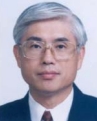 Tzou-Yien Lin (林奏延)合作论文数Department of Pediatrics, Chang Gung Children's Hospital;Medical College, Chang Gung University7Tzu-Ping Huang合作论文数6
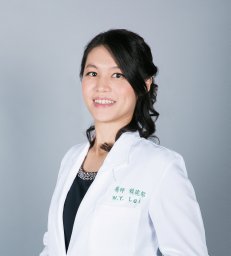 Wan-Yu Lai合作论文数Department of Chinese Medicine, China Medical University Hospital6Wu-Chou Lin合作论文数6Chia-Lin Lee合作论文数6Chen Bor-Chyuan合作论文数6
 Tom Fleischer合作论文数China Med Univ5
 Franck Housseau合作论文数Department of Otolaryngology-Head and Neck Surgery, School of Medicine, Johns Hopkins University5
 Angela Shin-Yu Lien合作论文数5
 Chung-Hsing Wang合作论文数5
 Ching Tai Huang合作论文数5Nicholas M. Durham合作论文数5
 Vedran Radojcic合作论文数Divisions of Hematologic;Cancer Immunology and Hematopoiesis;Comprehensive Cancer Center;Cancer Immunology and Hematopoiesis, Comprehensive Cancer Center5Jhih-Hsuan Hseu合作论文数4
 Charles H Maris合作论文数4Siang-Jyun Chen合作论文数4Xuan-Zao Chen合作论文数4




