INTRODUCTION:Extensive trauma, commonly seen in wounded military Service Members, often leads to a severe sterile inflammation termed systemic inflammatory response syndrome (SIRS), which can progress to multiple organ dysfunction syndrome (MODS) and death. MODS is a serious threat to wounded Service Members, historically causing 10% of all deaths in trauma admissions at a forward deployed combat hospital. The importance of this problem will be exacerbated in large-scale combat operations, in which evacuation will be delayed and care of complex injuries at lower echelons of care may be prolonged. The main goal of this study was to optimize an existing mouse model of lethal SIRS/MODS as a therapeutic screening platform for the evaluation of immunomodulatory drugs. MATERIALS AND METHODS:Male C57BL/6 mice were euthanized, and the bones and muscles were collected and blended into a paste termed tissue-bone matrix (TBX). The TBX at 12.5%-20% relative to body weight of each recipient mouse was implanted into subcutaneous pouches created on the dorsum of anesthetized animals. Mice were observed for clinical scores for up to 48 hours postimplantation and euthanized at the preset point of moribundity. To test effects of anesthetics on TBX-induced mortality, animals received isoflurane or ketamine/xylazine (K/X). In a separate set of studies, mice received TBX followed by intraperitoneal injection with 20 mg/kg or 40 mg/kg Eritoran or a placebo carrier. All Eritoran studies were performed in a blinded fashion. RESULTS:We observed that K/X anesthesia significantly increased the lethality of the implanted TBX in comparison to inhaled anesthetics. Although all the mice anesthetized with isoflurane and implanted with 12.5% TBX survived for 24 hours, 60% of mice anesthetized with K/X were moribund by 24 hours postimplantation. To mimic more closely the timing of lethal SIRS/MODS following polytrauma in human patients, we extended observation to 48 hours. We performed TBX dose-response studies and found that as low as 15%, 17.5%, and 20% TBX caused moribundity/mortality in 50%, 80%, and 100% mice, respectively, over a 48-hour time period. With 17.5% TBX, we tested if moribundity/mortality could be rescued by anti-inflammatory drug Eritoran, a toll-like receptor 4 antagonist. Neither 20 mg/kg nor 40 mg/kg doses of Eritoran were found to be effective in this model. CONCLUSIONS:We optimized a TBX mouse model of SIRS/MODS for the purpose of evaluating novel therapeutic interventions to prevent trauma-related pathophysiologies in wounded Service Members. Negative effects of K/X on lethality of TBX should be further evaluated, particularly in the light of widespread use of ketamine in treatment of pain. By mimicking muscle crush, bone fracture, and necrosis, the TBX model has pleiotropic effects on physiology and immunology that make it uniquely valuable as a screening tool for the evaluation of novel therapeutics against trauma-induced SIRS/MODS.
Hypothermia in combination with infection presents a complex challenge in clinical and battlefield medicine. Multifaceted physiological and immunological consequences of hypothermia drastically change the risk, progression, and treatment of a concomitant infection. Managing hypothermia and infection in extreme cold settings is particularly relevant in an era with increased risk of military operations in Polar climates. Here, we discuss the elevated instance of infection during accidental and therapeutic hypothermia and speculate how a compromised immune system may contribute. We focus on skin and soft tissue infections and sepsis, which are among the serious infectious complications of hypothermia and battlefield injuries. We also present the challenges associated with treating infections under hypothermic conditions. Finally, we advocate for a renewed focus on identifying causal relationships between hypothermia and infection risk and assessing established infection treatment regiments in hypothermic patients to enhance trauma management and survival outcomes in hypothermia-related injuries.
Wound-invasive fungal diseases (WIFDs), especially mucormycosis, have emerged as life-threatening infections during recent military combat operations. Many combat-relevant fungal pathogens are refractory to current antifungal therapy. Therefore, animal models of WIFDs are urgently needed to investigate new therapeutic solutions. Our study establishes combat-relevant murine models of wound mucormycosis using Rhizopus arrhizus and Lichtheimia corymbifera, two Mucorales species that cause wound mucormycosis worldwide. These models recapitulate the characteristics of combat-related wounds from explosions, including blast overpressure exposure, full-thickness skin injury, fascial damage, and muscle crush. The independent inoculation of both pathogens caused sustained infections and enlarged wounds. Histopathological analysis confirmed the presence of necrosis and fungal hyphae in the wound bed and adjacent muscle tissue. Semi-quantification of fungal burden by colony-forming units corroborated the infection. Treatment with liposomal amphotericin B, 30 mg/kg, effectively controlled R. arrhizus growth and significantly reduced residual fungal burden in infected wounds (p < 0.001). This study establishes the first combat-relevant murine model of wound mucormycosis, paving the way for developing and evaluating novel antifungal therapies against combat-associated WIFDs.
Supplementary Figure 1 from Cyclophosphamide Augments Antitumor Immunity: Studies in an Autochthonous Prostate Cancer Model
Supplementary Figure 2 from Cyclophosphamide Augments Antitumor Immunity: Studies in an Autochthonous Prostate Cancer Model
Supplementary Figure 7 from Cyclophosphamide Augments Antitumor Immunity: Studies in an Autochthonous Prostate Cancer Model
Supplementary Figure 4 from Cyclophosphamide Augments Antitumor Immunity: Studies in an Autochthonous Prostate Cancer Model
Supplementary Figure 6 from Cyclophosphamide Augments Antitumor Immunity: Studies in an Autochthonous Prostate Cancer Model
INTRODUCTION:Combat injuries are complex and multimodal. Most injuries to the extremities occur because of explosive devices such as improvised explosive devices. Blast exposure dramatically increases the risk of infection in combat wounds, and there is limited available information on the best antibiotic treatments for these injuries. We previously demonstrated that mice exposed to blast displayed a delayed clearance of cefazolin from the plasma and liver; further semi-mechanistic modeling determined that cefazolin concentrations in the skin of these mice were reduced. Our objective was to investigate the effects of blast on the pharmacokinetics of antibiotics of different types used for the treatment of combat wounds in the rat model.MATERIALS AND METHODS:Male Sprague Dawley rats were exposed to blast overpressure followed by injection of a bolus of animal equivalent doses of an antibiotic (cefazolin, cefepime, ertapenem, or clindamycin) into the tail vein at 1-hour post-blast exposure. Blood was collected at predetermined time points via repeated sampling from the tail vein. Animals were also euthanized at predetermined time points, at which time liver, kidney, skin, and blood via cardiac puncture were collected. Antibiotic concentrations were determined by ultra-performance liquid chromatography-tandem mass spectrometry.RESULTS:Blast-exposed rats exhibited a similar rate of clearance compared to non-blasted rats in the blood, liver, kidney, and skin, which is inconsistent with the data regarding cefazolin in blast-exposed mice.CONCLUSIONS:Our results in rats do not recapitulate our previous observation of delayed cefazolin clearance in mice following the blast overpressure exposure. Although using rats permitted us to collect multiple blood samples from the same animals, rats may not be a suitable model for measuring the pharmacokinetics of antibiotics following blast. The interpretation of the results may be challenging because of variation in data among rat subjects in the same sample groups.
Abstract ESKAPEE pathogens (Enterococcus spp., Staphylococcus aureus, Klebsiella pneumoniae, Acinetobacter baumannii, Pseudomonas aeruginosa, Enterobacter spp., and Escherichia coli), particularly the gram-negative species, are a problematic group of bacteria associated with nosocomial infections in susceptible patients. These infections are often further complicated by multidrug-resistant (MDR) strains and a lack of treatment options. While the pipeline of new antibiotics is nothing short of thin when it comes to gram-negative activity, one promising molecule is SPR206. SPR206 is a novel polymyxin antibiotic, a nonapeptide designed to overcome the nephrotoxicity associated with other members of this drug class. As intended, SPR206 was found to be safe with no severe adverse events in a Phase 1, single ascending dose/multiple ascending dose clinical trial. SPR206 has in vitro activity against almost all gram-negative species, and we confirmed this activity in minimal inhibitory concentration assays against unique diversity sets of bacterial isolates. Additionally, bactericidal activity was observed in time-kill assays, which is expected for polymyxins. Subsequently, we evaluated the safety and efficacy of SPR206 in three separate in vivo models: Galleria mellonella and two murine models, a pulmonary model and a wound model. In G. mellonella and in the mouse pulmonary model, SPR206 provided almost 100% survival in treated animal groups when compared to untreated control groups. With wound infection, SPR206 significantly reduced bacterial burden and decreased time to heal compared to untreated groups. With wound infection, SPR206 significantly reduced bacterial burden and decreased time to heal compared to untreated groups. These results suggest SPR206 is a potent antibiotic with MDR gram-negative activity that could have expanded clinical indications to include skin and soft tissue infection and hospital-acquired pneumonia.
Supplementary Figure Legends 1-7 from Cyclophosphamide Augments Antitumor Immunity: Studies in an Autochthonous Prostate Cancer Model
Supplementary Figure 3 from Cyclophosphamide Augments Antitumor Immunity: Studies in an Autochthonous Prostate Cancer Model
Supplementary Figure 5 from Cyclophosphamide Augments Antitumor Immunity: Studies in an Autochthonous Prostate Cancer Model
Providencia rettgeri is an emerging opportunistic Gram-negative pathogen with reports of increasing antibiotic resistance. Pan-drug resistant (PDR) P. rettgeri infections are a growing concern, demonstrating a need for the development of alternative treatment options which is fueling a renewed interest in bacteriophage (phage) therapy. Here, we identify and characterize phage vB_PreP_EPr2 (EPr2) with lytic activity against PDR P. rettgeri MRSN 845308, a clinical isolate that carries multiple antibiotic resistance genes. EPr2 was isolated from an environmental water sample and belongs to the family Autographiviridae, subfamily Studiervirinae and genus Kayfunavirus, with a genome size of 41,261 base pairs. Additional phenotypic characterization showed an optimal MOI of 1 and a burst size of 12.3 ± 3.4 PFU per bacterium. EPr2 was determined to have a narrow host range against a panel of clinical P. rettgeri strains. Despite this fact, EPr2 is a promising lytic phage with potential for use as an alternative therapeutic for treatment of PDR P. rettgeri infections.
Explosive devices, either conventional or improvised, are common sources of injuries during combat, civil unrest, and terror attacks, resulting in trauma from exposure to blast. A blast wave (BW), a near-instantaneous rise in pressure followed by a negative pressure, propagates through the body in milliseconds and can affect physiology for days/months after exposure. Epidemiological data show that blast-related casualties result in significantly higher susceptibility to wound infections, suggesting long-lasting immune modulatory effects from blast exposure. The mechanisms involved in BW-induced immune changes are poorly understood. We evaluated the effects of BW on the immune system using an established murine model. Animals were exposed to BWs (using an Advanced Blast Simulator), followed by longitudinally sampling for 14 days. Blood, bone marrow, and spleen were analyzed for changes in the 1) complete blood count (CBC), and 2) composition of bone marrow cells (BMC) and splenocytes, and 3) concentrations of systemic cytokines/chemokines. Our data demonstrate that BW results in transient bone marrow failure and long-term changes in the frequency and profile of progenitor cell populations. Viability progressively decreased in hematopoietic stem cells and pluripotent progenitor cells. Significant decrease of CD4+ T cells in the spleen indicates reduced functionality of adaptive immune system. Dynamic changes in the concentrations of several cytokines and chemokines such as IL-1α and IL-17 occurred potentially contributing to dysregulation of immune response after trauma. This work lays the foundation for identifying the potential mechanisms behind BW's immunosuppressive effects to inform the recognition of this compromised status is crucial for the development of therapeutic interventions for infections to reduce recovery time of wounded patients injured by explosive devices.
Antibiotic resistance, when it comes to bacterial infections, is not a problem that is going to disappear anytime soon. With the lack of larger investment in novel antibiotic research and the ever-growing increase of resistant isolates amongst the ESKAPEE pathogens (Enterobacter cloacae, Staphylococcus aureus, Klebsiella pneumoniae, Acinetobacter baumannii, Pseudomonas aeruginosa, Enterococcus sp., and Escherichia coli), it is inevitable that more and more infections caused by extensively drug-resistant (XDR) and pandrug-resistant (PDR) strains will arise. One strategy to counteract the growing threat is to use antibiotic adjuvants, a drug class that on its own lacks significant antibiotic activity, but when mixed with another antibiotic, can potentiate increased killing of bacteria. Antibiotic adjuvants have various mechanisms of action, but polymyxins and polymyxin-like molecules can disrupt the Gram-negative outer membrane and allow other drugs better penetration into the bacterial periplasm and cytoplasm. Previously, we showed that SPR741 had this adjuvant effect with regard to rifampin; however, rifampin is often not used clinically because of easily acquired resistance. To find additional, appropriate clinical partners for SPR741 with respect to pulmonary and wound infections, we investigated tetracyclines and found a previously undocumented synergy with minocycline in vitro and in vivo in murine models of infection.
Introduction: Sepsis is one of the leading causes of death in military and civilian hospitals. Rapid identification of involved pathogens is a key step for appropriate diagnosis, treatment and ultimately survival. Current diagnostics tools are either very bulky and not deployment ready, or require a long time to provide results. Given these obstacles, new solutions are urgently needed. Optomagnetic Imaging Spectroscopy (OMIS) is novel technology successfully used for the detection of cancer cells and viruses. OMIS has high sensitivity due to recording the unpaired and paired electrons of sample material. Furthermore, machine learning that uses the algorithms random forest (RF) classifier and artificial neural network (ANN) is integrated into the technology to enhance detection. Here we evaluated the feasibility of OMIS for the detection of bacteria in blood. Methods: We used commercially available human blood spiked with a defined concentration multidrug resistant Staphylococcus aureus derived from a clinical isolate. Final concentrations of bacteria of 1 × 10⁶, 1 × 10⁵ and 1 × 10⁴ CFU/mL corresponding to High (H), Medium (M) and Low (L) concentrations respectively. A total of 240 samples (60 samples per concentration as well as 60 samples of sterile blood (N)) was imaged, and the data were analyzed using random forest classifier and artificial neural network. Images for the training set and validation sets were separately obtained and used for comparison against true positive values (confirmatory plating on the nutrient agar). Results: The average score of classification samples in the correct category (N, L, M, H) one-by-one was 94% for the ANN algorithm, while for the RF algorithm accuracy was 93% (average means that three times different 40 samples (of 240 samples) were chosen, and each prediction test had different sample mixtures). The closeness of the two values of accuracy strongly indicates that the input data (interaction of light with paired and unpaired electrons) and output data (classification N, L, M, H concentration of bacteria) are correlated.
Here, we describe genome sequences of 17 Pseudomonas aeruginosa phages, including therapeutic candidates. They belong to the families Myoviridae , Podoviridae , and Siphoviridae and six different genera. The genomes ranged in size from 42,788 to 88,805 bp, with G+C contents of 52.5% to 64.3%, and the numbers of coding sequences from 58 to 179.
Cefazolin is a first-line antibiotic to treat infection related to deployment-associated blast injuries. Prior literature demonstrated a 331% increase cefazolin liver area under the curve (AUC) in mice exposed to a survivable blast compared with controls. We repeated the experiment, validated the findings, and established a semimechanistic two-compartment pharmacokinetic (PK) model with effect compartments representing the liver and skin. We found that blast statistically significantly increased the pseudo-partition coefficient to the liver by 326% (95% confidence interval: 76-737%), which corresponds to the observed 331% increase in cefazolin liver AUC described previously. To a lesser extent, plasma AUC in blasted mice increased 14-45% compared with controls. Nevertheless, the effects of blast on cefazolin PK were transient, normalizing by 10 hours after the dose. It is unclear as to how this blast effect t emporally translates to humans; however, given the short-lived effect on PK, there is insufficient evidence to recommend cefazolin dosing changes based on blast overpressure injury alone. Clinicians should be aware that cefazolin may cause drug-induced liver injury with a single dose and the risk may be higher in patients with blast overpressure injury based on our findings. SIGNIFICANCE STATEMENT: Blast exposure significantly, but transiently, alters cefazolin pharmacokinetics in mice. The questions of whether other medications or potential long-term consequences in humans need further exploration.
BACKGROUND:Life science research is moving quickly towards large-scale experimental designs that are comprised of multiple tissues, time points, and samples. Omic time-series experiments offer answers to three big questions: what collective patterns do most analytes follow, which analytes follow an identical pattern or synchronize across multiple cohorts, and how do biological functions evolve over time. Existing tools fall short of robustly answering and visualizing all three questions in a unified interface.RESULTS:Functional Heatmap offers time-series data visualization through a Master Panel page, and Combined page to answer each of the three time-series questions. It dissects the complex multi-omics time-series readouts into patterned clusters with associated biological functions. It allows users to identify a cascade of functional changes over a time variable. Inversely, Functional Heatmap can compare a pattern with specific biology respond to multiple experimental conditions. All analyses are interactive, searchable, and exportable in a form of heatmap, line-chart, or text, and the results are easy to share, maintain, and reproduce on the web platform.CONCLUSIONS:Functional Heatmap is an automated and interactive tool that enables pattern recognition in time-series multi-omics assays. It significantly reduces the manual labour of pattern discovery and comparison by transferring statistical models into visual clues. The new pattern recognition feature will help researchers identify hidden trends driven by functional changes using multi-tissues/conditions on a time-series fashion from omic assays.
 Charles Drake合作论文数Herbert Irving Comprehensive Cancer Center, Columbia University;The Janssen Pharmaceutical Companies of Johnson & Johnson33
 Joseph F. Grosso合作论文数28
 Drew Mark Pardoll合作论文数Department of Oncology, School of Medicine, Johns Hopkins University;Bloomberg~Kimmel Institute for Cancer Immunotherapy, School of Medicine, Johns Hopkins University;Sidney Kimmel Comprehensive Cancer Center, School of Medicine, Johns Hopkins University26Monica V. Goldberg合作论文数24
 Yen Hung-Rong合作论文数Department of Chinese Medicine, China Medical University Hospital;Graduate Institute of Chinese Medicine, College of Chinese Medicine, China Medical University22Edward L. Hipkiss合作论文数22
 Tullia Bruno合作论文数14Timothy J. Harris合作论文数13
 GEORGES J. NETTO合作论文数Department of Pathology, The University of Alabama at Birmingham13
 Akhilesh Pandey合作论文数Systems Biology and Translational Medicine Laboratory, Mayo Clinic;Advanced Diagnostics Laboratory, Mayo Clinic;Department of Laboratory Medicine and Pathology, Mayo Clinic13Kiyoshi Yoshimura合作论文数11
 Angelo De Marzo合作论文数School of Medicine, The Johns Hopkins University11
 Robert Albert Anders合作论文数Department of Pathology, Johns Hopkins University School of Medicine11Tim J. Harris合作论文数9
 Babylakshmi Muthusamy合作论文数Institute of Bioinformatics, International Technology Park9
 Raghothama Chaerkady合作论文数McKusick Nathans Inst Genet Med, Johns Hopkins Univ9
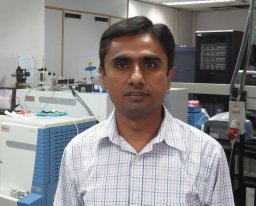 Gowda Harsha合作论文数Institute of Bioinformatics, International Technology Park8
 Nandini Sahasrabuddhe合作论文数Institute of Bioinformatics, International Technology Park8
 T S Keshava Prasad合作论文数7
 Charles H Maris合作论文数7
 Praveen Kumar合作论文数Dept Biochem Mol Biol & Biophys, Univ Minnesota7Swierczewski Brett E合作论文数7
 Vlado Antonic合作论文数1. Combat Wound Initiative Program;2. Diagnostics and Translational Research Center;3. Henry M. Jackson Foundation for the Advancement of Military Medicine;Diagnostics and Translational Research Center, Henry M. Jackson Foundation for the Advancement of Military Medicine7
 Raja Sekhar Nirujogi合作论文数University of Dundee7
 Tai-Chung Huang合作论文数7
 Dhanashree S. Kelkar合作论文数Institute of Bioinformatics and Biotechnology, University of Pune7
 Satoshi Wada (和田智志)合作论文数Graduate Faculty of Interdisciplinary Research Faculty of Engineering Materials Science, University of Yamanashi7
 Sneha M. Pinto合作论文数7
 Rajesh Raju合作论文数Institute of Bioinformatics, International Tech Park7Jun Zhong合作论文数McKusick-Nathans Institute of Genetic Medicine and the Department of Biological Chemistry, Johns Hopkins University7Nicholas M. Durham合作论文数7Alexander G. Bobrov合作论文数Department of Microbiology;Molecular Genetics;University of Kentucky7
 Srinivas M Srikanth合作论文数Inst Bioinformat, Bangalore 560066, Karnataka, India6Xinyan Wu合作论文数6Yonas Alamneh合作论文数6Charles Wang合作论文数5
 Luigi Marchionni合作论文数Pathology and Laboratory Medicine, Weill Cornell Medicine, Cornell University5Marimuthu Arivusudar合作论文数5
 Raina Kumar合作论文数5Patrick G. Shaw合作论文数5
 Lavanya Balakrishnan合作论文数5
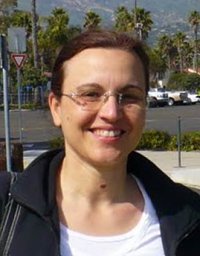 Rasha Hammamieh合作论文数Division of Pathology, Walter Reed Army Institute of Research5
 Marti Jett合作论文数Department of Molecular Pathology, Walter Reed Army Institute of Research5Kristin J. Pyle合作论文数5Christopher J. Mitchell合作论文数4Radmila Pavlovic合作论文数4Jyoti Sharma合作论文数4
 Leslie Cope合作论文数Department of Otolaryngology-Head and Neck Surgery, School of Medicine, Johns Hopkins University4




