Lead exposure is of high prevalence, and over a billion people are chronically exposed to alarming level of lead. Human immune system is highly vulnerable to lead, but the underlying mechanism remains unknown. Using single-cell mass cytometry and mass spectrometry-based proteomics, we performed a panoramic survey of lead targets at both cellular and molecular levels in murine immune system upon chronic lead exposure. We produced a single-cell landscape of lead, thiol metabolism and lead-induced toxicity across all immune cell types. We found that immune cells with extreme thiol metabolism are the most sensitive upon chronic lead exposure. It shows that CD4 + T cells and neutrophils are the most sensitive to lead, which is due respectively to a molecular mechanism rooted in their characteristic thiol metabolic capacity. Meanwhile, we found that lead accumulation by RBC further inflicted secondary toxicity to RBC phagocytes in spleen, e.g. macrophages and neutrophils. Unlike CD4 + T cells, which can be rescued by supplementation with thiol chelator, lead toxicity in these phagocytes cannot be effectively mitigated by thiol chelators. Overall, it forms a multiscale panoramic lead-immune system interactome upon chronic lead exposure, which provides valuable information for proactive prevention, therapy formulation and public health evaluation. Graphical headlights
Cisplatin is a potent chemotherapeutic drug widely used to treat cancers. Unfortunately, its overaccumulation in kidney proximal tubular cell (PTC) results in severe acute kidney injury (AKI). Bismuth drugs have long been used to treat gastrointestinal tract disorder and Helicobacter pylori infection. Interestingly, oral administration of bismuth drugs can also mitigate cisplatin-induced AKI, but the underlying mechanism remains unknown. In this study, we found even low concentrations of bismuth can specifically increase the survival rate of human PTC upon excessive cisplatin exposure. Using multiomics and protein-small molecule interaction techniques, we identified mitochondrial iron-binding protein ALKBH7 as a specific target of bismuth. By gene knockout and silencing, we demonstrated that ALKBH7 depletion indeed greatly increases cell survival rate upon excessive cisplatin exposure. Furthermore, we found bismuth treatment depletes ALKBH7 in mice kidney and prevents cisplatin-induced AKI. Overall, our evidence suggests ALKBH7 is a specific target of bismuth drugs, and ALKBH7 inhibitors are potential drug candidates for mitigation of cisplatin-induced AKI.
Lead is a widespread environmental hazard that can adversely affect multiple biological functions. Blood cells are the initial targets that face lead exposure. However, a systematic assessment of lead dynamics in blood cells at single-cell resolution is still absent. Herein, C57BL/6 mice were fed with lead-contaminated food. Peripheral blood was harvested at different days. Extracted red blood cells and leukocytes were stained with 19 metal-conjugated antibodies and analyzed by mass cytometry. We quantified the time-lapse lead levels in 12 major blood cell subpopulations and established the distribution of lead heterogeneity. Our results show that the lead levels in all major blood cell subtypes follow lognormal distributions but with distinctively individual skewness. The lognormal distribution suggests a multiplicative accumulation of lead with stochastic turnover of cells, which allows us to estimate the lead lifespan of different blood cell populations by calculating the distribution skewness. These findings suggest that lead accumulation by single blood cells follows a stochastic multiplicative process.
BACKGROUND:Raloxifene was approved for the treatment of postmenopausal osteoporosis; however, its safety profile remains inadequately understood. This study aimed to evaluate the safety signals associated with raloxifene. RESEARCH DESIGN AND METHODS:Adverse events (AEs) related to raloxifene, spanning from the first quarter of 2004 to the fourth quarter of 2023, were extracted from the FDA Adverse Event Reporting System (FAERS) database. A disproportionality analysis was conducted using several methods, including the reporting odds ratio (ROR), proportional reporting ratio (PRR), Bayesian Confidence Propagation Neural Network (BCPNN), and Empirical Bayes Geometric Mean (EBGM). RESULTS:The analysis yielded 7 229 reports related to raloxifene across 19 277 AEs. A total of 217 significantly disproportionate signals were identified, including muscle spasms and hot flashes. Notably, the study also uncovered novel AEs, including eye conditions like cataracts and macular degeneration, as well as gynecological issues like uterine polyps and hemorrhage. Additionally, the analysis confirmed that pulmonary embolism and deep vein thrombosis were the two most prevalent thromboembolic AEs. CONCLUSION:Our study reaffirmed some existing safety information regarding raloxifene while also unveiling novel risk signals. The findings provided crucial insights to enhance the rational use of the drug and inform safety regulatory strategies.
Bismuth drugs have long been used against gastrointestinal diseases, especially the gastric infection of Helicobacter pylori. Cisplatin is a widely used anticancer drug that tends to accumulate at renal proximal tubules and causes severe nephrotoxicity. It was found that bismuth pretreatment reduces cisplatin-induced nephrotoxicity, but the mechanism of action remains unclear. To understand bismuth’s effect on renal tubules, we profiled the proteomic changes in human proximal tubular cells (HK-2) upon bismuth treatment. We found that bismuth induced massive glutathione biosynthesis, glutathione S-transferase activity, and vesicular transportation, which compartmentalizes bismuth to the vesicles and forms bismuth–sulfur nanoparticles. The timing of glutathione induction concurs that of bismuth-induced cisplatin toxicity mitigation in HK-2, and bismuth enhanced cisplatin sequestration to vesicles and incorporation into bismuth–sulfur nanoparticles. Finally, we found that bismuth mitigates the toxicity of general soft metal compounds but not hard metal compounds or oxidants. It suggests that instead of through oxidative stress reduction, bismuth reduces cisplatin-induced toxicity by direct sequestration.
AbstractTacrolimus (FK506) and rapamycin (RAPA) are widely used to maintain long‐term immunosuppression after organ transplantation. However, the impact of accumulative drug administration on the recipients’ immune systems remains unclear. We investigated the impact of 3‐year FK506 or RAPA treatment after renal transplantation on the human immune systems. A discovery cohort of 30 patients was first recruited, and we discovered two distinctive T lineage suppressive regulatory patterns induced by chronic treatment of FK506 and RAPA. The increased percentage of senescent CD8+CD57+ T lineages and less responsive T cell receptor (TCR) pathway in the FK506 group indicate better graft acceptance. Meanwhile, percentages of regulatory T cells (Tregs) and expression of CTLA‐4 were both up to two‐fold higher in the RAPA group, suggesting the inconsistent reactivation potential of the FK506 and RAPA groups when an anti‐tumour or anti‐infection immune response is concerned. Additionally, up‐regulation of phosphorylated signaling proteins in T lineages after in vitro CD3/CD28 stimulation suggested more sensitive TCR‐signaling pathways reserved in the RAPA group. An independent validation cohort of 100 renal transplantation patients was further investigated for the hypothesis that long‐term RAPA administration mitigates the development of tumours and infections during long‐term intake of immunosuppressants. Our results indicate that RAPA administration indeed results in less clinical oncogenesis and infection. The deep phenotyping of T‐cell lineages, as educated by the long‐term treatment of different immunosuppressants, provides new evidence for personalized precision medicine after renal transplantations.
Mass cytometry (CyTOF) is a critical cell profiling tool in acquiring multiparameter proteome data at the single-cell level. A major challenge in CyTOF analysis is sample-to-sample variance arising from the pipetting process, staining variation, and instrument sensitivity. To reduce such variations, cell barcoding strategies that enable the combination of individual samples prior to antibody staining and data acquisition on CyTOF are often utilized. The most prevalent barcoding strategy is based on a binary scheme that cross-examines the existence or nonexistence of certain mass signals; however, it is limited by low barcoding efficiency and high cost, especially for large sample size. Herein, we present a novel barcoding method for CyTOF application based on mass ratiometry. Different mass tags with specific fixed ratios are used to label CD45 antibody to achieve sample barcoding. The presented method exponentially increases the number of possible barcoded samples with the same amount of mass tags compared with conventional methods. It also reduces the overall time for the labeling process to 40 min and avoids the need for expensive commercial barcoding buffer reagents. Moreover, unlike the conventional barcoding process, this strategy does not pre-permeabilize cells before the barcoding procedure, which offers additional benefits in preserving surface biomarker signals.
Glutathione and multidrug resistance protein (MRP) play an important role on the metabolism of a variety of drugs. Bismuth drugs have been used to treat gastrointestinal disorder and Helicobacter pylori infection for decades without exerting acute toxicity. They were found to interact with a wide variety of biomolecules, but the major metabolic pathway remains unknown. For the first time (to our knowledge), we systematically and quantitatively studied the metabolism of bismuth in human cells. Our data demonstrated that over 90% of bismuth was passively absorbed, conjugated to glutathione, and transported into vesicles by MRP transporter. Mathematical modeling of the system reveals an interesting phenomenon. Passively absorbed bismuth consumes intracellular glutathione, which therefore activates de novo biosynthesis of glutathione. Reciprocally, sequestration by glutathione facilitates the passive uptake of bismuth and thus completes a self-sustaining positive feedback circle. This mechanism robustly removes bismuth from both intra- and extracellular space, protecting critical systems of human body from acute toxicity. It elucidates the selectivity of bismuth drugs between human and pathogens that lack of glutathione, such as Helicobacter pylori, opening new horizons for further drug development.
 Hui Jiang (蒋慧)合作论文数Shanghai Children's Hospital, School of Medicine, Shanghai Jiao Tong University6
 Boqian Wang合作论文数4
 Yili Yang (杨义力)合作论文数Suzhou Institute of Systems Medicine4
 Xianting Ding (丁显廷)合作论文数School of Biomedical Engineering, Shanghai Jiao Tong University4
 Ting Zhang合作论文数2Edwin Cheung合作论文数1Tianbao Ye合作论文数1
 Kun Liu合作论文数1Ziyang Tan合作论文数Science for Life Laboratory, Karolinska Institutet1
 Lulu Zhang (张璐璐)合作论文数School of Pharmacy, Nanjing Medical University1Hui-Min An合作论文数1Hongxia Li合作论文数1Yingying Gao合作论文数1Chuan Shen (申川)合作论文数1Yau-Tsz Lai合作论文数1
 Lai Jiang (江来)合作论文数Xinhua Hospital Affiliated to Shanghai Jiao Tong University School of Medicine1
 Haiyang Xie (谢海洋)合作论文数Institute for Personalized Medicine, Shanghai Jiao Tong University1
 Xiaoxiang Chen (陈晓翔)合作论文数Rheumatology Department, Renji Hospital, Shanghai Jiao Tong University School of Medicine;Nantong First People's Hospital1
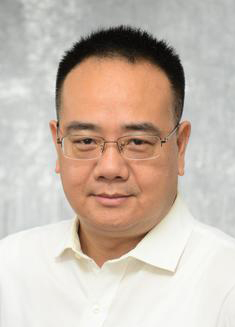 Peijun Zhou (周佩军)合作论文数Ruijin Hospital, Shanghai Jiaotong University School of Medicine1
 Hongzhe Sun (孙红哲)合作论文数Department of Chemistry, The University of Hong Kong;School of Chemistry, Sun Yat-sen University1
 Guangxia Shen合作论文数Shanghai Jiaotong University Institute of Personalized Medicine1
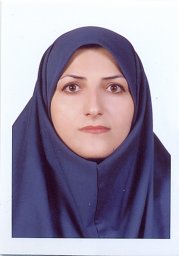 Adeleh Divsalar合作论文数Department of Biological Sciences, Tarbiat Moallem University1Antony R. Warden合作论文数Department of Operations Management, Shanghai Jiao-Tong University1
 Guorong Fan (范国荣)合作论文数Shanghai General Hospital, Shanghai Jiao Tong University School of Medicine;School of Pharmaceutical Sciences, Shanghai Jiao Tong University1
 Godfrey Chi-Fung Chan (陳志峰)合作论文数Department of Paediatrics and Adolescent Medicine, Li Ka Shing Faculty of Medicine, The University of Hong Kong1




