Diabetes mellitus erectile dysfunction (DMED) is frequently accompanied by corpus cavernosum (CC) fibrosis and endothelial dysfunction; however, the cellular drivers and molecular mechanisms underlying these pathological changes remain incompletely understood. Endothelial-to-mesenchymal transition (EndMT), a phenotypic conversion in which endothelial cells lose endothelial characteristics and acquire mesenchymal features, has emerged as a key contributor to tissue fibrosis under inflammatory and metabolic stress conditions. Macrophages (Mφ), the predominant immune cell population in CC tissue in diabetes, are major sources of pro-inflammatory cytokines and may promote fibrosis by driving EndMT. This study investigated the role and mechanisms of Mφ in CC fibrosis during DMED and explored potential therapeutic targets. In a streptozotocin-induced DMED rat model, erectile function was significantly impaired, as evidenced by a marked reduction in the maximum intracavernous pressure-to-mean arterial pressure (ICP-to-MAP) ratio. This functional deterioration resulted from pronounced Mφ infiltration and enhanced fibrotic remodeling in CC. Pharmacological depletion of Mφ using clodronate liposomes significantly restored erectile function and increased the smooth muscle-to-collagen ratio. In vitro, co-culture of corpus cavernosum endothelial cells (CCEC) with Mφ under high-glucose (HG) conditions impaired endothelial tube formation and sprouting capacity, accelerated wound closure, and induced EndMT, characterized by downregulation of endothelial markers (CD34 and VE-cadherin) and upregulation of mesenchymal markers (Vimentin and α-SMA). RNA sequencing identified enrichment of interleukin-1 (IL-1)–related responses and Nuclear factor kappa B (NF-κB) signaling during EndMT. Further analyses demonstrated that HG stimulated Mφ to upregulate and secrete interleukin-1 beta (IL-1β), which in turn induced EndMT in CCEC accompanied by activation of NF-κB signaling, as evidenced by increased phosphorylation of p65 and IκBα. Pharmacological inhibition of the IL-1 receptor or NF-κB signaling effectively attenuated EndMT in vitro. Notably, in vivo administration of the IL-1 receptor antagonist Anakinra significantly improved erectile function and suppressed EndMT-associated molecular changes in DMED rats. Mφ-derived IL-1β promotes cavernosal fibrosis and erectile dysfunction in diabetes by inducing EndMT through activation of the NF-κB pathway. Targeting the IL-1β/NF-κB/EndMT axis represents a promising therapeutic strategy for the treatment of DMED.
Background and objective: The gut microbiota, influenced by age and sex hormones, may correlate with the development and progression of benign prostatic hyperplasia (BPH). This study aims to characterize gut microbiota and metabolite profiles in BPH patients with varying prostate volumes. Methods: Fecal samples from BPH patients were analyzed using 16S rDNA sequencing and untargeted metabolomics. Microbial and metabolic differences were assessed via the Linear discriminant analysis Effect Size, KEGG pathway enrichment, and a mediation analysis. Key findings and limitations: We identified 26 differential amplicon sequence variants (ASVs) and 70 metabolites, with 18 microbes correlating significantly with clinical BPH indicators. The key pathways included unsaturated fatty acid and steroid hormone biosynthesis. Akkermansia (ASV549) may affect prostate volume through the regulation of intestinal amino acid metabolism and may negatively affect prostate-specific antigen levels by inhibiting heat shock protein (HSP) 90 (luminespib). Limitations include sample size and unmeasured confounders. Conclusions and clinical implications: Gut microbiota and metabolite diversity are associated with prostate volume; further studies are warranted to elucidate the potential interventions via microbiome modulation or metabolic targeting for BPH management. Patient summary: In this study, we identified the potential associations between gut and both prostate volume and benign prostatic hyperplasia symptoms. These findings suggest that dietary interventions or fecal microbiota transplantation may represent potential strategies for modulating prostate health in the future.
Cisplatin resistance significantly limits chemotherapy options and leads to a poor prognosis in patients with lung adenocarcinoma (LUAD). Long non-coding RNAs (lncRNAs) are increasingly recognized as critical regulators of drug resistance mechanisms in various tumors. In this study, we investigated the role and underlying molecular mechanism of the focally amplified lncRNA on chromosome 1 (FAL1) in LUAD cisplatin resistance. FAL1 expression levels were measured in blood samples from LUAD patients receiving cisplatin-based chemotherapy and in cisplatin-resistant LUAD cell lines. The functional roles of FAL1 in modulating cisplatin-induced apoptosis and protective autophagy were evaluated using colony formation, flow cytometry, and autophagic flux monitoring assays. Additionally, a xenograft mouse model was employed to assess tumor growth and chemoresistance in vivo. We found that FAL1 levels were significantly elevated in the serum of patients with cisplatin-resistant LUAD and in resistant cell lines. FAL1 knockdown markedly decreased cell proliferation, increased cisplatin-induced apoptosis, and attenuated autophagic flux. Conversely, FAL1 overexpression promoted cell survival and hyperactivated autophagy under cisplatin treatment. Mechanistically, FAL1 stabilized BMI1, leading to the direct transcriptional repression of the pro-apoptotic and autophagy-regulating gene, BCL2-like 11 (BCL2L11/BIM). In vivo experiments confirmed that FAL1 overexpression promoted cisplatin resistance in xenografts via the BMI1/BIM pathway. Taken together, our study demonstrates that FAL1 drives cisplatin resistance in LUAD by shifting the balance between apoptosis and autophagy through the BMI1/BIM axis. These findings highlight FAL1 as a promising therapeutic target to overcome cisplatin resistance in LUAD.
Background Osteonecrosis of the femoral head (ONFH) is characterised by progressive bone death, leading to joint incongruity and eventual osteoarthritis. Various interventions have been explored to forestall disease progression and delay total hip arthroplasty (THA). Free vascularised fibula grafting (FVFG) has shown promise, particularly in the precollapse stages of ONFH. However, the potential benefits of combining synovectomy with FVFG to address synovitis in ONFH have not been systematically studied. This trial seeks to compare outcomes between patients undergoing FVFG with and without synovectomy.Methods and analysis The trial is a randomised, single-centre, parallel-group trial comparing FVFG with synovectomy versus FVFG alone in patients with ONFH and synovitis. 90 participants will be randomised into two groups: synovectomy (n=45) and non-synovectomy (n=45). The primary outcome is the Harris Hip Score (HHS) change at 12 months post surgery. Secondary outcomes include HHS, Numeric Rating Scale (NRS) for pain, Depression Anxiety Stress Scales-21 (DASS-21), and EQ-5D scale assessments at intervals up to 12 months post randomisation.Ethics and dissemination This trial was approved by the Human Research Ethics Committee of Shanghai Sixth People’s Hospital Affiliated to Shanghai Jiao Tong University School of Medicine prior to patient recruitment (approval number: 2023-076). Results from this trial will be published in peer-reviewed journals. Results will also be presented at international conferences.Trial registration number Chinese Clinical Trial Registry (ChiCTR) Identifier: ChiCTR2300073385. Prospectively registered on 10 July 2023.
Abstract Objective This study aimed to systematically analyze the epidemiological characteristics of six major musculoskeletal disorders (MSDs) among postmenopausal women globally from 1990 to 2021, with a focus on the spatiotemporal distribution patterns of disease prevalence and associated disability-adjusted life years (DALYs). Methods Utilizing the 2021 Global Burden of Disease (GBD) database, we examined six MSDs in postmenopausal women: rheumatoid arthritis, osteoarthritis, low back pain, neck pain, gout, and other musculoskeletal disorders. Age-standardized rates (ASRs) were calculated using internationally recognized methods, and estimated annual percentage changes (EAPCs) were employed to assess temporal trends in disease burden. The analysis incorporated considerations of age structure, sociodemographic index (SDI), and various risk factors. Results From 1990 to 2021, the global burden of MSDs among postmenopausal women showed a persistent increase, with marked heterogeneity across disease subtypes and geographical regions. Osteoarthritis represented the predominant disease burden, while gout exhibited the most rapid growth despite its lower baseline prevalence. Notably, low back pain was the only subtype demonstrating a declining trend. The burden of MSDs shifted from high-SDI regions to developing areas, with middle-SDI countries emerging as new priorities for intervention. Older age groups bore a disproportionately high disease burden, and obesity was identified as the leading risk factor driving disease progression, whereas tobacco control measures showed positive effects. Projections indicated that MSD burden will continue to rise with population aging, necessitating tailored prevention and management strategies to address this major public health challenge. Conclusion The prevalence of MSDs among postmenopausal women continues to rise, underscoring its profound impact on global health in aging female populations. To address this challenge, a multidimensional intervention approach is required, including: (1) enhanced early screening and standardized management of MSD-related risk factors; (2) personalized lifestyle interventions based on individual BMI levels; and (3) implementation of differentiated public health policies tailored to population-specific characteristics. The comprehensive adoption of these measures will help improve musculoskeletal health in postmenopausal women and reduce the overall disease burden attributable to MSDs. ### Competing Interest Statement The authors have declared no competing interest. ### Funding Statement This study was supported by the National Natural Science Foundation of China (No. 82402849, to P.Ding; No. 82272474, to Y.Gao) ### Author Declarations I confirm all relevant ethical guidelines have been followed, and any necessary IRB and/or ethics committee approvals have been obtained. Yes The details of the IRB/oversight body that provided approval or exemption for the research described are given below: https://ghdx.healthdata.org/gbd-2021 I confirm that all necessary patient/participant consent has been obtained and the appropriate institutional forms have been archived, and that any patient/participant/sample identifiers included were not known to anyone (e.g., hospital staff, patients or participants themselves) outside the research group so cannot be used to identify individuals. Yes I understand that all clinical trials and any other prospective interventional studies must be registered with an ICMJE-approved registry, such as ClinicalTrials.gov. I confirm that any such study reported in the manuscript has been registered and the trial registration ID is provided (note: if posting a prospective study registered retrospectively, please provide a statement in the trial ID field explaining why the study was not registered in advance). Yes I have followed all appropriate research reporting guidelines, such as any relevant EQUATOR Network research reporting checklist(s) and other pertinent material, if applicable. Yes All data produced in the present study are available upon reasonable request to the authors All data produced in the present work are contained in the manuscript All data produced are available online at https://ghdx.healthdata.org/gbd-2021
Human RIPK4 mutation leads to Bartsocas-Papas syndrome (BPS), characterized by severe skin, craniofacial and limb abnormalities. Currently, our understanding of RIPK4's function has focused on epidermal differentiation and development, whether RIPK4 regulates skeletal homeostasis remains largely elusive. Herein, through global RIPK4 ablation in adult mice, we demonstrate that RIPK4 deficiency leads to osteoporosis, promotes myeloid-biased hematopoiesis and osteolineage RIPK4 plays a crucial role in bone formation and myeloid hematopoiesis. Further detailed investigation pinpoints that RIPK4 interacts with mitochondrial fusion protein MFN2 in a kinase-dependent manner. RIPK4 facilitates the phosphorylation of MFN2, which subsequently undergoes degradation through the proteasome pathway and disrupts the dynamic equilibrium of mitochondrial fission and fusion. Additionally, we also show that osteolineage RIPK4 maintains bone marrow myelopoiesis by MFN2-mediated mitochondrial transfer. More interestingly, while osteocytic RIPK4 could modestly influence the osteogenesis, it is insufficient to sustain bone marrow myelopoiesis owing to the limited amount of mitochondria transfer. These findings decipher the essential role of RIPK4 in maintaining skeletal homeostasis and unveil an unappreciated mechanism of RIPK4-MFN2 axis in regulating osteogenesis and bone marrow myelopoiesis.
PURPOSE:The accurate diagnosis of prostate cancer (PCa) remains challenging, particularly because standard biopsy techniques do not routinely include anterior zone, leading to potential missed diagnoses in this region. This study evaluates the accuracy and safety of biplanar stereotactic biopsy for diagnosing anterior clinically significant PCa (csPCa). MATERIALS AND METHODS:After propensity score matching analysis, data from 256 patients were retrospectively analyzed, including 128 in the biplanar group (transrectal targeted biopsy with transperineal systematic biopsy) and 128 in the monoplanar group (transperineal targeted biopsy with transperineal systematic biopsy). PCa detection rates, lesion locations, csPCa, clinically insignificant PCa (ciPCa), and complication incidences were compared. Univariable and multivariable logistic regression models evaluated factors influencing biopsy outcomes. RESULTS:No significant differences were observed in overall PCa detection, ciPCa, posterior lesions, or postoperative complications between biplanar and monoplanar groups. The biplanar group demonstrated a higher detection rate for anterior csPCa (P=0.025). The overall International Society of Urological Pathology grade group (ISUP GG) distributions for Prostate Imaging Reporting and Data System (PI-RADS) scores 3 to 5 were not significantly different. Logistic regression identified age and PSA levels as independent predictors of higher detection rates, while univariable analysis showed that prostate volume had a significantly smaller effect on PCa detection rates in the biplanar group compared to the monoplanar group. Postoperative complications showed no statistically significant differences. CONCLUSIONS:In conclusion, biplanar stereotactic biopsy was superior to monoplanar biopsy in detecting anterior csPCa. Both methods demonstrated no significant differences in overall PCa detection rates and safety.
Background:The high incidence of Gleason score upgrade (GSU) can lead urologists to underestimate tumor aggressiveness, resulting in suboptimal treatment decisions. This study aimed to develop an interpretable machine learning model to predict the risk of GSU in individuals with prostate cancer (PCa) based on readily available clinical parameters. Methods:A retrospective analysis was conducted on patients who underwent radical prostatectomy (RP) at Shanghai General Hospital and West China Hospital. Data from Shanghai General Hospital were categorized into a training set (80%) and a test set (20%), while data from West China Hospital were used for external validation. Preoperative clinical and pathological data were collected. Nine machine learning models [including random forest (RF) and light gradient boosting machine (LightGBM)], were developed, and the model demonstrating the best predictive performance was selected as the final model. Model performance was evaluated using receiver operating characteristic (ROC) curves, calibration curves, decision curves, and SHapley Additive exPlanations (SHAP) interpretation. Results:The LightGBM model demonstrated strong predictive performance, achieving an area under the ROC curve of 84.53% in the test set and 76.61% in external validation. Significant factors associated with GSU included the International Society of Urological Pathology (ISUP) grade, age, clinical tumor stage (T stage), body mass index, prostate-specific antigen (PSA), free-to-total PSA ratio (f/t PSA), platelet-to-lymphocyte ratio (PLR), and bilateral tumor involvement. An online prediction tool was developed based on this model. Conclusions:A machine learning model and an online prediction tool were developed to accurately predict GSU and identify factors associated with this process. This approach may assist clinicians in identifying individuals at high-risk for GSU and facilitating evidence-based treatment decisions.
Myofibroblast buildup and prostatic fibrosis play a crucial role in the development of benign prostatic hyperplasia (BPH). Treatments specifically targeting myofibroblasts could be a promising approach for treating BPH. Tadalafil, a phosphodiesterase type 5 (PDE5) inhibitor, holds the potential to intervene in this biological process. This study employs prostatic stromal fibroblasts to induce myofibroblast differentiation through TGFβ1 stimulation. As a result, tadalafil significantly inhibited prostatic stromal fibroblast proliferation and fibrosis process, compared to the control group. Furthermore, our transcriptome sequencing results revealed that tadalafil inhibited FGF9 secretion and simultaneously improved miR-3126-3p expression via TGFβ1 suppression. Overall, TGFβ1 can trigger pro-fibrotic signaling through miR-3126-3p in the prostatic stroma, and the use of tadalafil can inhibit this process.
Interactions between osteolineage cells and myeloid cells play important roles in maintaining skeletal homeostasis. Herein, we find that osteolineage cells transfer mitochondria to myeloid cells. Impairment of the transfer of mitochondria by deleting MIRO1 in osteolineage cells leads to increased myeloid cell commitment toward osteoclastic lineage cells and promotes bone resorption. In detail, impaired mitochondrial transfer from osteolineage cells alters glutathione metabolism and protects osteoclastic lineage cells from ferroptosis, thus promoting osteoclast activities. Furthermore, mitochondrial transfer from osteolineage cells to myeloid cells is involved in the regulation of glucocorticoid-induced osteoporosis, and glutathione depletion alleviates the progression of glucocorticoid-induced osteoporosis. These findings reveal an unappreciated mechanism underlying the interaction between osteolineage cells and myeloid cells to regulate skeletal metabolic homeostasis and provide insights into glucocorticoid-induced osteoporosis progression. Bone and blood lineage cells communicate with each other to maintain skeletal homeostasis. Here, the authors show that MIRO1-mediated mitochondrial transfer from osteolineage to myeloid lineage cells regulates bone resorption by altering glutathione metabolism.
PDF file, 994K, Supplementary Table 1.Result for 33 selected SNPs in discovery studies Supplementary Figure 1. Forest plot represent the effect of the five identified marker SNPs on NSCLC overall survival among different subgroups in all subjects. I2 and P values are from heterogeneity tests. Supplementary Figure 2. Forest plots represent the effect of the five identified marker SNPs (rs7629386 at 3p22.1, rs969088 at 5p14.1, rs41997 at 7q31.31, rs12000445 at 9p21.3 and rs3850370 at 14q24.3) on NSCLC overall survival among different subgroups in all Chinese. I2 and P values are from heterogeneity tests; SCC: squamous cell carcinoma; AC: adenocarcinoma. Supplementary Figure 3. Kaplan-Meier plots of survival for NSCLC by rs7629386. (A) Nanjing discovery set ; (B) Beijing discovery set ; (C) Replication I ; (D) Replication II. Supplementary Figure 4. Kaplan-Meier plots of survival for NSCLC by rs3850370. (A) Nanjing discovery set ; (B) Beijing discovery set ; (C) Replication I ; (D) Replication II. Supplementary Figure 5. Regional plots of ra1878022 and rs10937823 in our GWA scan. Results (−log10 P) are shown in the region flanking 1200 kb on either side of the marker SNPs. The marker SNPs were shown in purple diamond and the R2 values of the rest of the SNPs are indicated by different colors. Supplementary Figure 6. Regional plot of the five identified marker SNPs in 535 Han Chinese with GWAS scan. Results (−log10 P) are shown in the region flanking 1200 kb on either side of the marker SNPs (1000 kb around rs2109664). The marker SNPs were shown in purple diamond and the R2 values of the rest of the SNPs are indicated by different colors. (A) Chr3: rs7629386 (C>T); (B) Chr5: rs969088 (G>C); (C) Chr7: rs41997 (A>G); (D) Chr9: rs12000445 (A>G); (E) Chr14: rs3850370 (A>C).
Objective. Recent studies have shown that serine/threonine-protein kinase 24 (STK24) plays an important role in cancer development. However, the significance of STK24 in lung adenocarcinoma (LUAD) remains to be determined. This study is aimed at investigating the significance of STK24 in LUAD. Methods. STK24 was silenced and overexpressed by siRNAs and lentivirus, respectively. Cellular function was assessed by CCK8, colony formation, transwell, apoptosis, and cell cycle. mRNA and protein abundance was checked by qRT-PCR and WB assay, respectively. Luciferase reporter activity was evaluated to examine the regulation of KLF5 on STK24. Various public databases and tools were applied to investigate the immune function and clinical significance of STK24 in LUAD. Results. We found that STK24 was overexpressed in lung adenocarcinoma (LUAD) tissues. High expression of STK24 predicted poor survival of LUAD patients. In vitro, STK24 enhanced the proliferation and colony growth ability of A549 and H1299 cells. STK24 knockdown induced apoptosis and cell cycle arrest at G0/G1 phase. Furthermore, Krüppel-like factor 5 (KLF5) activated STK24 in lung cancer cells and tissues. Enhanced lung cancer cell growth and migration triggered by KLF5 could be reversed by silencing of STK24. Finally, the bioinformatics results showed that STK24 may be involved in the regulation of the immunoregulatory process of LUAD. Conclusion. KLF5 upregulation of STK24 contributes to cell proliferation and migration in LUAD. Moreover, STK24 may participate in the immunomodulatory process of LUAD. Targeting KLF5/STK24 axis may be a potential therapeutic strategy for LUAD.
This brief communication presented a dissertation of PhD thesis on translational research using state-of-the-art methods of multi-disciplinary integrations between basic and clinical research and between dry- (computational) and wet- (experimental and clinical) investigations. The findings showed possible causal association between neural innervation and tumorigenesis of gastric cancer via Wnt signaling and metabolic reprogramming within the tumor microenvironment. Accordingly, selective vagotomy, Botulinum neurotoxin type A (injection into the tumor areas), RAD001 (also known as Everolimus), CPI-613 (devimistat) and ivermectin were found to be potential for treatment of gastric cancer. The assessment showed that this translational research approach guaranteed the efficient development of novel knowledge in fundamental medical sciences, and that the identification of the role of vagal innervation and the possibilities of its modulation during gastric tumorigenesis represented valuable contributions to the fields of gastroenterology and cancer research. Possible roles of angiogenesis vs neurogenesis and brain-gut axis would be worth exploring in further research.
BACKGROUND:There is currently no ideal treatment for osteochondral lesions of the femoral head (OLFH) in young patients. METHODS:We performed a 1-year single-arm study and 2 additional years of follow-up of patients with a large (defined as >3 cm 2 ) OLFH treated with insertion of autologous costal cartilage graft (ACCG) to restore femoral head congruity after lesion debridement. Twenty patients ≤40 years old who had substantial hip pain and/or dysfunction after nonoperative treatment were enrolled at a single center. The primary outcome was the change in Harris hip score (HHS) from baseline to 12 months postoperatively. Secondary outcomes included the EuroQol visual analogue scale (EQ VAS), hip joint space width, subchondral integrity on computed tomography scanning, repair tissue status evaluated with the Magnetic Resonance Observation of Cartilage Repair Tissue (MOCART) score, and evaluation of cartilage biochemistry by delayed gadolinium-enhanced magnetic resonance imaging of cartilage (dGEMRIC) and T2 mapping. RESULTS:All 20 enrolled patients (31.02 ± 7.19 years old, 8 female and 12 male) completed the initial study and the 2 years of additional follow-up. The HHS improved from 61.89 ± 6.47 at baseline to 89.23 ± 2.62 at 12 months and 94.79 ± 2.72 at 36 months. The EQ VAS increased by 17.00 ± 8.77 at 12 months and by 21.70 ± 7.99 at 36 months (p < 0.001 for both). Complete integration of the ACCG with the bone was observed by 12 months in all 20 patients. The median MOCART score was 85 (interquartile range [IQR], 75 to 95) at 12 months and 75 (IQR, 65 to 85) at the last follow-up (range, 24 to 38 months). The ACCG demonstrated magnetic resonance properties very similar to hyaline cartilage; the median ratio between the relaxation times of the ACCG and recipient cartilage was 0.95 (IQR, 0.90 to 0.99) at 12 months and 0.97 (IQR, 0.92 to 1.00) at the last follow-up. CONCLUSIONS:ACCG is a feasible method for improving hip function and quality of life for at least 3 years in young patients who were unsatisfied with nonoperative treatment of an OLFH. Promising long-term outcomes may be possible because of the good integration between the recipient femoral head and the implanted ACCG. LEVEL OF EVIDENCE:Therapeutic Level IV . See Instructions for Authors for a complete description of levels of evidence.
Lung cancer is one of the most common malignancies and the leading cause of cancer-related death in the world. In patients with advanced lung adenocarcinoma who are negative for driver gene mutations, platinum-based chemotherapy represented by cisplatin remain the standard of care. Therefore, studying the mechanism behind inevitable cisplatin resistance in lung adenocarcinoma is still important. In this study, the potentially related differential expression gene for cisplatin resistance in lung adenocarcinoma was screened in the GEO database. The expression level of HEY1 in cell lines of lung adenocarcinoma was detected and HEY1 expression was up-regulated in cisplatin-resistant lung adenocarcinoma tissues and cell lines A549/DDP. Patients with high HEY1 expression have poor prognosis after cisplatin therapy. Gain and loss function assays uncovered that HEY1 could regulate the cisplatin sensitivity of NSCLC cells. In vivo experiments have confirmed that silence of HEY1 expression can induce cisplatin resistance, and epithelial–mesenchymal transition (EMT) changes occur during this process. Mechanically, HEY1 silencing significantly up-regulated E-cadherin expression and down-regulated Vimentin in A549/DDP cells. While up-regulation of HEY1 resulted in down-regulation of E-cadherin and up-regulation of Vimentin in A549 cells. Immunohistochemical experiments confirmed that E-cadherin was significantly decreased, and Vimentin expression was significantly up-regulated in cisplatin-resistant lung adenocarcinoma tissues. HEY1 can mediate the occurrence of cisplatin-acquired resistance in lung adenocarcinoma, and the possible mechanism is to regulate the EMT. The results of this study can provide a new direction and target for clinical research on the reversal of cisplatin resistance in lung adenocarcinoma.
Objectives. Erectile dysfunction is a major comorbidity of diabetes. Stem cell transplantation is a promising method to treat diabetic erectile dysfunction. In this study, we evaluated whether low-intensity pulsed ultrasound (LIPUS) could enhance the efficacy of adipose-derived stem cells (ADSCs) and investigated the underlying molecular mechanism. Materials and methods. Sixty 8-week-old male Sprague–Dawley rats were randomly divided into the normal control (NC) cohort or the streptozocin-induced diabetic ED cohort, which was further subdivided into DM, ADSC, LIPUS, and ADSC+LIPUS groups. Rats in the ADSC or ADSC+LIPUS group received ADSC intracavernosal injection. Rats in the LIPUS or ADSC+LIPUS group were treated with LIPUS. The intracavernous pressure (ICP) and mean arterial pressure (MAP) were recorded at Day 28 after injection. The corpus cavernosum tissues were harvested and subjected to histologic analysis and ELISA. The effects of LIPUS on proliferation and cytokine secretion capacity of ADSCs were assessed in vitro. RNA sequencing and bioinformatic analysis were applied to predict the mechanism involved, and western blotting and ELISA were used for verification. Results. Rats in the ADSC+LIPUS group achieved significantly higher ICP and ICP/MAP ratios than those in the DM, ADSC, and LIPUS groups. In addition, the amount of cavernous endothelium and cGMP level also increased significantly in the ADSC+LIPUS group. In vitro experiments demonstrated that LIPUS promoted proliferation and cell cycle progression in ADSCs. The excretion of cytokines such as CXCL12, FGF2, and VEGF was also enhanced by LIPUS. Bioinformatic analysis based on RNA sequencing indicated that LIPUS stimulation might activate the MAPK pathway. We confirmed that LIPUS enhanced ADSC VEGF secretion through the Piezo-ERK pathway. Conclusion. LIPUS enhanced the curative effects of ADSCs on diabetic erectile dysfunction through the activation of the Piezo-ERK-VEGF pathway. ADSC transplantation combined with LIPUS could be applied as a synergistic treatment for diabetic ED.
Tubulointerstitial fibrosis (TIF) is essential during the development of end-stage kidney disease (ESKD) and is associated with the impairment of fatty acid oxidation (FAO). Kruppel-like factor 14 (KLF14) is an important gene in lipid metabolism, but its role in TIF remains unknown. TGF-β-stimulated HK-2 cells and mouse unilateral ureteral obstruction (UUO) were used as renal fibrosis models. The role of KLF14 in the process of renal fibrosis was verified by gene knockout mice, genetic or pharmacological interference in animal model and cell model respectively. In the current study, we found that KLF14 expression increased after activation of the TGF-β signaling pathway during TIF. In KLF14-/- mice, more severe fibrosis was observed after unilateral ureteral obstruction (UUO) was induced. In human HK2 cells, knockdown of KLF14 led to more severe fibrosis induced by TGF-β1, while overexpression of KLF14 partially attenuated this process. Specifically, KLF14 deficiency decreased mitochondrial FAO activity, resulting in lipid accumulation. Thus, the energy supply to the cells was insufficient, finally resulting in TIF. We further proved that KLF14 could target peroxisome proliferator activated receptor alpha (PPARα) as a transcriptional activator. This study identified the upregulation of KLF14 expression in response to kidney stress during the process of fibrosis. Upon TIF, the activated TGF-β signaling pathway can enhance KLF14 expression, while the upregulation of KLF14 expression can decrease the degree of TIF by improving FAO activity in tubular epithelial cells and recovering the energy supply mediated by PPARα.
Background Overwhelming evidences suggest oxidative stress is a major cause of sperm dysfunction and male infertility. Zinc is an important non-enzymatic antioxidant with a wide range of biological functions and plays a significant role in preserving male fertility. Notably, zinc trafficking through the cellular and intracellular membrane is mediated by specific families of zinc transporters, i.e., SLC39s/ZIPs and SLC30s/ZnTs. However, their expression and function were rarely evaluated in the male germ cells. The aim of this study is to determine and characterize the crucial zinc transporter responsible for the maintenance of spermatogenesis. Methods The expression patterns of all 14 ZIP members were characterized in the mouse testis. qRT-PCR, immunoblot and immunohistochemistry analyses evaluated the ZIP12 gene and protein expression levels. The role of ZIP12 expression was evaluated in suppressing the sperm quality induced by exposure to an oxidative stress in a spermatogonia C18-4 cell line. Zip12 RNAi transfection was performed to determine if its downregulation altered cell viability and apoptosis in this cell line. An obese mouse model fed a high-fat-diet was employed to determine if there is a correlation between changes in the ZIP12 expression level and sperm quality. Results The ZIP12 mRNA and protein expression levels were higher than those of other ZIP family members in both the mouse testis and other tissues. Importantly, the ZIP12 expression levels were very significantly higher in both mice and human spermatogonia and spermatozoa. Moreover, the testicular ZIP12 expression levels significantly decreased in obese mice, which was associated with reduced sperm zinc content, excessive sperm ROS generation, poor sperm quality and male subfertility. Similarly, exposure to an oxidative stress induced significant declines in the ZIP12 expression level in C18-4 cells. Knockdown of ZIP12 expression mediated by transfection of a ZIP12 siRNA reduced both the zinc content and viability whereas apoptotic activity increased in the C18-4 cell line. Conclusions The testicular zinc transporter ZIP12 expression levels especially in spermatogonia and spermatozoa are higher than in other tissues. ZIP12 may play a key role in maintaining intracellular zinc content at levels that reduce the inhibitory effects of rises in oxidative stress on spermatogonia and spermatozoa viability during spermatogenesis which help counteract declines in male fertility.
Background Nowadays, pediatric liver transplantation (PLT) has become an effective strategy for treating various acute or chronic end-stage liver diseases and inherited metabolic diseases. Many experts have already concluded the current challenges and future directions of PLT. However, no detailed analysis of the publication landscape has substantiated these proposed opinions. Methods This study presents a bibliometric review of the articles related to PLT between 1997 and 2020. A total of 3,084 publications were analyzed mainly by CiteSpace and VOSviewer. Results The field of PLT has evolved gradually in the past two decades. Articles increased at an average rate of 97 articles every 4 years. University of Pittsburgh (PITT) is the most prolific institution. The three most productive regions are North America, Europe, and East Asia. Currently, interdisciplinary studies on PLT are scarce. The main goal of PLT has shifted from survival rates to long-term outcome. The quality of life, living donor liver transplantation (LDLT), immunological biomarkers, perioperative hemodynamic management, expanding the indications of PLT, etc. are parts of the emerging research fronts. In the past two decades, articles that contain potentials that may lead to transformative discoveries are scarce, and obvious deficits can be seen in the field of new therapies. Conclusions Long-term outcome and good quality of life represent the principal direction of work concerning PLT. Deficits in new therapies align with the shortage of intellectual milestones, which indicate possible subsequent intellectual milestones may occur as innovations in therapies such as new immunosuppression therapies or liver cell transplantation.
 YanHu Wu (吴延虎)合作论文数45
 Shujie Xia (夏术阶)合作论文数Clinical Medical Center for Urology, Shanghai General Hospital;Institute of Urology, Shanghai Jiao Tong University35
 Hongbing Shen (沈洪兵)合作论文数Department of Epidemiology, School of Public Health, Nanjing Medical University31
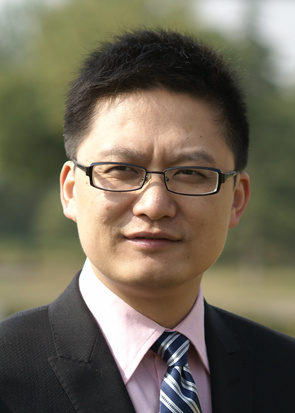 Zhibin Hu (胡志斌)合作论文数Department of Epidemiology, School of Public Health, Nanjing Medical University29
 Bangmin Han (韩邦旻)合作论文数Shanghai General Hospital27GuangMing Chen (陈广明)合作论文数24JianWei Qin (秦建伟)合作论文数23Shao Yongfeng合作论文数21
 Fujun Zhao (赵福军)合作论文数Shanghai General Hospital20
 Hongxia Ma (马红霞)合作论文数Department of Epidemiology, School of Public Health, Nanjing Medical University19
 Guangfu Jin (靳光付)合作论文数Department of Epidemiology, School of Public Health, Nanjing Medical University19FuMin Zhang (张馥敏)合作论文数18
 Hailong Cao (曹海龙)合作论文数Nanjing Drum Tower Hospital17
 Yang Xia (夏旸)合作论文数The Second Affiliated Hospital Zhejiang University School of Medicine17
 Xingjie Wang (王兴杰)合作论文数The First People' s Hospital of Shanghai Affiliated to Shanghai Jiaotong University School of Medicine17
 Lin Xu (许林)合作论文数The Affiliated Cancer Hospital, Nanjing Medical University16Pan Chunfeng合作论文数15Yuan Ruan合作论文数15
 Juncheng Dai (戴俊程)合作论文数Department of Epidemiology, School of Public Health, Nanjing Medical University15Xiaohai Wang合作论文数14
 Yifeng Jing (荆翌峰)合作论文数The First People' s Hospital of Shanghai Affiliated to Shanghai Jiao Tong University School of Medicine14Bin Liu合作论文数13WenZhu Ma (马文珠)合作论文数13ShiJiang Zhang (张石江)合作论文数13Xu Jing合作论文数13
 Yongqian Shu (束永前)合作论文数Nanjing Medical University;Jiangsu Province Hospital13
 Oluf Dimitri Røe合作论文数Department of Cancer Research and Molecular Medicine, Faculty of Medicine and Health Sciences, Norwegian University of Science and Technology;Department of Clinical and Molecular Medicine, Faculty of Medicine and Health Sciences, Norwegian University of Science and Technology;Clinical Cancer Research Center, Department of Clinical Medicine, Aalborg University Hospital12Zhu Yiping合作论文数12
 Xiang Gao (高翔)合作论文数Model Animal Research Center, Nanjing University;Medical School, Nanjing University;GemPharmatech LLC.12
 Haiyong Gu (顾海勇)合作论文数12Ke Wei合作论文数11Wang Xiaowei合作论文数11Chuanfu Li (李传福)合作论文数11Liang Chen (陈亮)合作论文数10Di Cui合作论文数10BingZhi Zhu (朱秉智)合作论文数10Zhao Ruizhe合作论文数10
 Daru Lu (卢大儒)合作论文数School of Life Sciences, Fudan University;Institute of Medical Genetics and Genomics, Fudan University10
 Dongjin Wang (王东进)合作论文数Medical School of Nanjing University10Zhi-Jian Yang合作论文数10Jinfu Zhu (朱锦富)合作论文数10YongNian Liang (梁永年)合作论文数9Jing Dong (董靖)合作论文数The College of Life Sciences, Northwest University9
 Jiaping Chen (陈佳平)合作论文数West China Hospital of Sichuan University9
 Xiaohan Xu合作论文数9
 Hamid Hemmati合作论文数Facebook Inc.9Lei Wei (魏磊)合作论文数8Xu Qingbin合作论文数8




