The Multi-Compartment Hg (mercury) Modeling and Analysis Project (MCHgMAP) is an international multimodel research initiative intended to simulate and analyze the geospatial distributions and temporal trends of environmental Hg to inform effectiveness evaluations of two multilateral environmental agreements (MEAs): the Minamata Convention on Mercury (MC) and the Convention on Long-Range Transboundary Air Pollution (LRTAP). This MCHgMAP overview paper presents its science objectives, background, and rationale; experimental design (multimodel ensemble (MME) architecture, inputs and evaluation data, simulations, and reporting framework); and methodologies for the evaluation and analysis of simulated environmental Hg levels. The primary goals of the project are to facilitate detection and attribution of recent (observed) and future (projected) spatial patterns and temporal trends of global environmental Hg levels and identification of key knowledge gaps in Hg science and modeling to improve future effectiveness evaluation cycles of the MEAs. The current advances and challenges of Hg models, emission inventories, and observational data are examined, and an optimized multimodel experimental design is introduced to address the key policy questions of the MEAs. A common set of emissions, environmental conditions, and observation datasets is proposed (where possible) to enhance the MME comparability. A novel harmonized simulation approach between atmospheric, land, oceanic, and multimedia models is proposed to account for the short- and long-term changes in secondary Hg exchanges and to achieve mechanistic consistency of Hg levels across environmental matrices. A comprehensive set of model experiments is proposed and prioritized to ensure systematic analysis and participation of a variety of models from the scientific community.
Elevated mercury (Hg) emissions since industrialization have created worldwide elevated levels of Hg in environment, causing ecosystem and human health impacts. Addressing these concerns requires across-nation efforts and international cooperation. In cooperation with the United Nations Environment Programme (UNEP), through its implementation of the Minamata Convention (MC), several international and intranational projects have monitored Hg levels in the atmosphere, water, soil and biota for decades. Obviously, these global monitoring projects require substantial resources, such as government funding, human resources, and analytic instruments. Different types of Hg analyzers have been developed and used in these global monitoring projects, however, most of them require inert carrier gas (i.e. Ar, He) supply, especially if detection requires fluorescence spectroscopy. Frequent consumption and replenishment of carrier gas during normal operation incur substantial financial and human resource costs. Therefore, these instruments cannot operate autonomously for long periods of time and require a carrier gas cylinder exchange, a limitation especially in remote regions and on ocean research cruise campaigns where it is challenging to function autonomously for long duration, limiting data collection in these locations. To address this issue, we developed a novel prototype automated Hg analyzer with a new design using a circulated carrier gas system. This development decreases the carrier gas consumption and increases the Hg analyzer operation duration, saving up to 99% on carrier gas consumption compared to the widely used Tekran 2537 and NIC AM-6F atmospheric Hg analyzers instruments. By using the circulated carrier gas design, our Hg analyzer only consumes 1 L per week. Overall, this improvement not only saves carrier gas but also enhances the instrument’s self-operating capability in remote areas and reduces the financial and human resource costs associated with frequent replacement of the carrier gas.
Our understanding of the significance of dimethylmercury (DMHg) to the mercury (Hg) global ocean biogeochemical cycle is unclear because of the lack of detailed DMHg measurements in the water column. To our knowledge, 30 years of published studies have generated no more than 200 DMHg data points in the ocean surface waters and marine boundary layer (MBL). To improve the precision and reduce the uncertainty in determining DMHg in surface seawater, we developed a simple and robust DMHg automatic analyzer (DAA). This DAA system couples the main sampling and analytic steps, including a continuous flow chamber, with dual Carbotrap preconcentration, a gas chromatographic column, a cold vapor atomic fluorescence spectrometry, and a data logger for signal integration. We compared the operation, performance, and reproducibility between our DAA and the traditional manual analytic method. Its advantages include the ease of operation, the high time resolution and precision (30 min sampling and <5% relative variation), and long-term stability (2 weeks). The DAA can determine DMHg in both the MBL and surface seawater. The estimated detection limits for DMHg with the DAA in the atmosphere and in surface seawater are 10 pg/m3 and 0.2 fM, respectively. The successful DAA field measurement in coastal waters indicates that it can help detect the low DMHg concentration in surface seawater, and the time series DMHg data helped our understanding of the DMHg behavior (sources and sinks) and its flux into the MBL. The comparison of DMHg concentration in various oceans also suggests that the coastal region had the lowest averaged DMHg, up to an order of magnitude lower than other ecosystems.
Reactive gaseous mercury (RGHg) over the marine boundary layer (MBL) has been investigated in many oceans, such as the North Atlantic, Arctic and Antarctic using the KCl-coated denuder, as deployed in the Tekran in-strument. Given recent concerns on the suitability of the denuder for capturing RGHg, we initiated a comparison study of RGHg concentrations measured by the KCl-coated denuder and with cation exchange membranes (CEM) during the Pacific GEOTRACES GP15 cruise between Alaska and Tahiti along 152 degrees W from 18 September to November 24, 2018. RGHg concentrations measured by the KCl-coated denuder showed a strong variability along the cruise and ranged from 0.2 to 42.2 pg/m(3) (average 7.2 pg/m(3)), while RGHg collected by the CEM similarly showed a large variability with a range from 10.7 to 143.3 pg/m(3). However, a different pattern spatially and temporally was seen with the two measurement devices. Overall, RGHg concentrations measured by the CEM were, on average, 5 times higher than those measured by the KCl-coated denuder. In addition, the Tekran data suggest that occasional daily peaks of RGHg were associated with ozone depletion providing evidence for the formation of RGHg by reactions with reactive halogen species. A diurnal cycle in the RGHg concentration was observed in the low latitude tropical regions, likely caused by these photochemical reactions. Although the measurements by the denuder have better time resolution, and allow for examination of processes for RGHg formation, their efficiency of capture of RGHg needs to be further considered. This study suggested that using the KCl-coated denuder led to an underestimation of RGHg over the MBL, as found in previous studies. Therefore, further studies should be made to examine the measured RGHg concentrations over the MBL using different quantification approaches to further examine the distribution of RGHg.
Globally, the consumption of coastal fish is the predominant source of human exposure to methylmercury, a potent neurotoxicant that poses health risks to humans. However, the relative importance of riverine inputs and atmospheric deposition of mercury into coastal oceans remains uncertain owing to a lack of riverine mercury observations. Here, we present comprehensive seasonal observations of riverine mercury and methylmercury loads, including dissolved and particulate phases, to East Asia's coastal oceans, which supply nearly half of the world's seafood products. We found that East Asia's rivers annually exported 95 ± 29 megagrams of mercury to adjacent seas, 3-fold greater than the corresponding atmospheric deposition. Three rivers alone accounted for 71% of East Asia's riverine mercury exports, namely: Yangtze, Yellow, and Pearl rivers. We further conducted a metadata analysis to discuss the mercury burden on seawater and found that riverine export, combined with atmospheric deposition and terrestrial nutrients, quantitatively elevated the levels of total, methylated, and dissolved gaseous mercury in seawater by an order of magnitude. Our observations support that massive amounts of riverine mercury are exported to coastal oceans on a continental scale, intensifying their spread from coastal seawater to the atmosphere, marine sediments, and open oceans. We suggest that the impact of mercury transport along the land-ocean aquatic continuum should be considered in human exposure risk assessments.
The Three Gorges Dam (TGD) is the world's largest hydropower construction. It can significantly impact contaminant transport in the Yangtze River-East China Sea Continuum (YR-ECSC). In addition to evaluating the impact of the TGD on the deposition of contaminants in the reservoir, we also address their cycles in the river below the dam and in the coastal East China Sea. A comprehensive study of metal contaminant transport along the YR-ECSC has not been previously attempted. We quantified the fates of mercury (Hg), arsenic (As), lead (Pb), cadmium (Cd) and chromium (Cr) within the YR-ECSC, and the impacts of the TGD, by sampling water and suspended particles along the Yangtze River during spring, summer, fall, and winter and by modeling. We found that the Yangtze River transports substantial amounts of heavy metals into the coastal ocean. In 2016, riverine transport amounted to 48, 5900, 11,000, 230, and 15,000 megagrams (Mg) for Hg, As, Pb, Cd, and Cr, respectively, while other terrestrial contributions were negligible. Metal flux into the coastal ocean was primarily derived from the downstream portion of the river (84-97%), while metals transported from upstream were largely trapped in the Three Gorges Reservoir (TGR, 72%-96%). For example, 34 Mg of Hg accumulated in the TGR owing to river damming, large-scale soil erosion, and anthropogenic point source releases, while 21 Mg of Hg was depleted from the riverbed downstream owing to the altered river hydrology caused by the TGD. Overall the construction of TGD resulted in a 6.9% net decrease in the Hg burden of the East China Sea, compared to the pre-TGD period. (c) 2020 Elsevier Ltd. All rights reserved.
Protecting the environment and enhancing food security are among the world’s greatest challenges. Fish consumption is widely considered to be the single significant dietary source of methylmercury. Nevertheless, by synthesizing data from the past six decades and using a variety of models, we find that rice could be a significant global dietary source of human methylmercury exposure, especially in South and Southeast Asia. In 2013, globalization caused 9.9% of human methylmercury exposure via the international rice trade and significantly aggravated rice-derived exposure in Africa (62%), Central Asia (98%) and Europe (42%). In 2016, 180 metric tons of mercury were generated in rice plants, 14-fold greater than that exported from oceans via global fisheries. We suggest that future research should consider both the joint ingestion of rice with fish and the food trade in methylmercury exposure assessments, and anthropogenic biovectors such as crops should be considered in the global mercury cycle.
Soil erosion, which has been recently shown to significantly perturb carbon cycling, occurs naturally but can be either enhanced or reduced by human activities. However, the impacts of soil erosion on terrestrial contaminant cycles remain unclear. Here, we select eight trace elements, i.e., arsenic, cadmium, chromium, copper, nickel, lead, zinc, and mercury, to examine the erosional impacts of the elements' fate and transport across China. By synthesizing the detailed distribution of soil erosion fluxes, soil element inventories, and diverse modeling methods, we reveal that while human activities have reduced the lateral transport of these elements in the Loess Plateau (Central North China, a 56% decline in the past two decades with a range of 46% to 110%) due to soil conservation projects, they have increased these transport fluxes in China's major karst regions (Southwest China, a 84% increase with a range of 55% to 150%) because of severe rocky desertification. These fluxes have completely overwhelmed the soil conservation efforts in the Loess Plateau. Fluxes of these elements into aquatic environments from Southwest China reached 46% of the total input in China in 2010. These fluxes were higher than the inputs from point sources in the region by a factor of 50 because of impacts of excessive agricultural cultivation and geographical and climatic factors. These findings indicate the enormous perturbation of terrestrial contaminant cycles caused by soil erosion in karst regions and demonstrate the need for long-term sustainable management of soil erosion and contaminant discharge to protect fragile terrestrial ecosystems.
The magnitude of environmental change due to anthropogenic impacts might greatly exceed that of natural disturbances. In this work, we quantitatively examine the impacts of river damming, soil erosion, and point-source release on the transport of methylmercury (MeHg) throughout the Yangtze River, the third longest river in the world. Based on seasonal observations and the subsequent material flow analysis, we found that in 2016, the Yangtze River discharged 470 ± 200 kg MeHg to the coastal and shelf areas, a value at least ten-fold larger than existing observations in other large rivers around the world. The construction of the Three Gorges Dam (TGD), the world's largest hydropower dam, induced a substantial amount of MeHg (at least 250 ± 220 kg) accumulation in the reservoir and a relatively small amount of MeHg (150 ± 37 kg) discharge to the downstream region in 2016. The reservoir itself is not expected to be more contaminated by MeHg than the downstream areas of the river after the TGD, and the TGD has an additive effect on downstream MeHg transport. The riverine MeHg flux in the river mouth was 3-fold that discharged from the TGD mainly due to TGD-induced resuspension of MeHg from the downstream riverbed, as well as MeHg imports to the downstream area from tributaries, soil erosion, municipal wastewater, and in situ production. Our analysis offers new evidence that in future decades, the increase in estuarine MeHg contamination resulting from the increasing construction of large dams might pose a challenge for global coastal fisheries.
Methylmercury (MeHg) poses health risks to humans worldwide. The investigation of a longer chain of biogeochemical MeHg transport from production to consumption than that addressed in previous studies could provide additional scientific foundation for the reduction of risks. The main objective of this study is to identify the impacts of the interregional food trade along with the age, gender and socioeconomic status of people on human MeHg exposure in a developing megacity. Based on a field investigation, sampling and measurements, we provide experimental evidence regarding the substantial displacement of human MeHg exposure from production areas to consumption areas induced by the food trade. In 2018, 20% and 64% of the exposure in Beijing originated from the international and interprovincial food trade, respectively. Meanwhile, the ingestion of fish contributed 79% to the total exposure, followed by rice (4.4%), crab (3.8%) and shrimp (2.7%), and the exposure risk in urban districts was higher than that in rural areas by a factor of 2.2. A significantly higher contribution of imported deep-sea species to exposure among young people than among older people was observed (P < 0.01**), and a larger contribution of the international food trade to the MeHg exposure risk for women of childbearing age (average: 27%) than that among other groups (average: 10%) was found. Overall, our efforts demonstrate the dramatic impact of the food trade on MeHg exposure in a developing megacity, and we suggest that MeHg-susceptible populations in China should choose indigenous fish species (e.g., hairtail, yellow croaker and carp species) rather than imported deep-sea species as their dietary protein source.
Mercury (Hg) emission from natural soil is one of the most important contributors to global Hg cycles. Research on Hg emission from soil to air has been carried out in China. Currently, most of the research focuses on contaminated sites in China, while research in other regions is rare. To provide more accurate information on Hg emissions from soil to air in China and obtain additional laboratory data to verify the role of solar radiation and temperature in this process, we sampled and measured Hg emission fluxes from various natural soils (range, 48–240 ng/g) across mainland China under different solar radiation (0–900 W·m −2 ) and temperature (15–45 °C) conditions in a laboratory. We found that in different places in China, Hg emissions from natural soils occurred more easily when the soil Hg concentration, temperature, and solar radiation were high, but the impacts were different among the regions due to different soil types. Hg emissions from natural soils (0.071–24 ng·m 2 ·h −1 ) were typically lower than those from contaminated sites, suggesting that additional measurements in natural soils are desirable. The results of this study could provide more accurate information on Hg emission from natural soil to air and help establish a nationwide natural soil Hg emission inventory in China.
Terrestrial mercury (Hg) transport, induced by water erosion and exacerbated by human activities, constitutes a major disturbance of the natural Hg cycle, but the processes are still not well understood. In this study, we modeled these processes using detailed information on erosion and Hg in soils and found that vast quantities of total Hg (THg) are being removed from land surfaces in China as a result of water erosion, which were estimated at 420 Mg/yr around 2010. This was significantly higher than the 240 Mg/yr mobilized around 1990. The erosion mechanism excavated substantial soil THg, which contributed to enhanced Hg(0) emissions to the atmosphere (4.9 Mg/yr around 2010) and its transport horizontally into streams (310 Mg/yr). Erosion-induced THg transport was driven by the extent of precipitation but was further enhanced or reduced by vegetation cover and land use changes in some regions. Surface air temperature may exacerbate the horizontal THg release into water. Our analyses quantified the processes of erosion-induced THg transport in terrestrial ecosystems, demonstrated its importance, and discussed how this transport is impacted by anthropogenic inputs and legacy THg in soils. We suggest that policy makers should pay more attention to legacy anthropogenic THg sources buried in soil.
Extremely high mercury (Hg) concentrations have been identified in traditional Tibetan medicine (TTM) products, but the chemical form and bioaccessibility of Hg remain unknown. We conducted experiments to explore whether the Hg contained in TTM is toxic. We determined that HgS is not the exclusive form of Hg in TTM; other compounds could be present in substantial quantities, ranging from 2 to 52% of the total Hg in commonly used TTMs. A substantial amount of Hg could be released from TTM after ingestion. In total, an average of 12 mu g of Hg (mostly inorganic)/g (range of 0.41-25 mu g of Hg/g) in TTMs was released into the liquid phase in simulated human gastro-intestinal environments. However, different from the results from ngestion by fish, the release of Hg from TTM in the intestinal environment is larger than that in the gastric environment by a factor of 2. In the case of joint ingestion with protein-rich products, releases of methyl Hg and inorganic Hg from TTM in gastrointestinal environments could be significantly enhanced by factors of 9 and 6, respectively. Our efforts further highlight that the Hg contained in TTMs could be harmful to human health, and the clinical safety of different TTM products should be thoroughly evaluated.
Highly elevated concentrations of total mercury (THg) and methylmercury (MeHg) were found in the municipal sewage in Tibet. Material flow analysis supports the hypothesis that these elevated concentrations are related to regular ingestion of Hg-containing Traditional Tibetan Medicine (TTM). In Tibet in 2015, a total of 3600 kg of THg was released from human body into the terrestrial environment as a result of TTM ingestion, amounting to 45% of the total THg release into the terrestrial environment in Tibet, hence substantially enhancing the environmental Hg burden. Regular ingestion of TTM leads to chronic exposure of Tibetans to inorganic Hg (IHg) and MeHg, which is 34 to 3000-fold and 0-12-fold higher than from any other known dietary sources, respectively. Application of a human physiology model demonstrated that ingestion of TTM can induce high blood IHg and MeHg levels in the human body. Moreover, 180 days would be required for the MeHg to be cleared out of the human body and return to the initial concentration i.e. prior to the ingestion of 1 TTM pill. Our analysis suggests that high Hg level contained in TTM could be harmful to human health and elevate the environmental Hg burden in Tibet.
Hygroscopic growth and cloud condensation nuclei activation are key processes for accurately modeling the climate impacts of organic particulate matter. Nevertheless, the microphysical mechanisms of these processes remain unresolved. Here we report complex thermodynamic behaviors, including humidity-dependent hygroscopicity, diameter-dependent cloud condensation nuclei activity, and liquid–liquid phase separation in the laboratory for biogenically derived secondary organic material representative of similar atmospheric organic particulate matter. These behaviors can be explained by the non-ideal mixing of water with hydrophobic and hydrophilic organic components. The non-ideality-driven liquid–liquid phase separation further enhances water uptake and induces lowered surface tension at high relative humidity, which result in a lower barrier to cloud condensation nuclei activation. By comparison, secondary organic material representing anthropogenic sources does not exhibit complex thermodynamic behavior. The combined results highlight the importance of detailed thermodynamic representations of the hygroscopicity and cloud condensation nuclei activity in models of the Earth’s climate system.
As a globally transported pollutant, mercury (Hg) released from human activity and methylmercury (MeHg) in the food web are global concerns due to their increasing presence in the environment. In this study, we found that Hg released from municipal sewage into the environment in China is a substantial anthropogenic source based on mass sampling throughout China. In total, 160 Mg (140-190 Mg, from the 20th percentile to the 80th percentile) of Hg (THg) and 280 kg (240-330 kg) of MeHg were released from municipal sewage in China in 2015. The quantities of released THg and MeHg were the most concentrated in the coastal regions, especially in the East, North and South China regions. However, the per capita release of THg and MeHg was the highest in the Tibetan region, which is recognized as the cleanest region in China. THg released into aquatic environments was mitigated from 2001 to 2015 in China, but the amounts released into other sinks increased. This study provides the first picture of the release of Hg from municipal sewage into various sinks in China, and policy makers should pay more attention to the diversity and complexity of the sources and transport of Hg, which can lead to Hg accumulation in the food web and can threaten human health.
The global pollutant mercury (Hg), especially as methylmercury (MeHg), threatens human and ecosystem health. But major contributors of MeHg exposure to people in China remain highly debated. We developed the China Mercury Exposure Assessment (CMEA) model, which incorporates human exposure pathways for MeHg and total Hg (THg), the interregional, including international and interprovincial, food trading as well as human physiology to provide a comprehensive system that can evaluate the pathway of Hg forms to human consumers in China. Based on the CMEA model that employed the most comprehensive and recent data, we have found that the Probable Daily Intake (PDI) of MeHg for the Chinese population was 0.057 (range: 0.036–0.091 as 60% confidence interval) μg·kg−1·day−1, while that of THg was 0.35 (range: 0.22–0.55) μg·kg−1·day−1. MeHg exposure was dominated by fish intake, especially by farm-raised freshwater fish due to higher consumption of these fish. In 2011, fish intake contributed to 56% to the total MeHg exposure, followed by rice (26%). Consumption of farm-raised fish reduced human exposure to MeHg by 33%. On the other hand, interregional food trading increased MeHg exposure of the Chinese population, as a whole, by 7.6%. The international and interprovincial food trades contributed to 5.1% and 22% of MeHg intake, respectively. For the whole China, fish intake related exposure to MeHg was highest for the Eastern and Northeastern populations, while Tibetans were chronically exposed to the highest MeHg from other sources. Our findings highlight the importance of farmed fish and food trade for MeHg exposure.
 Maodian Liu合作论文数Peking Univ, Coll Urban & Environm Sci, Minist Educ, Lab Earth Surface Proc, Beijing 100871, Peoples R China12
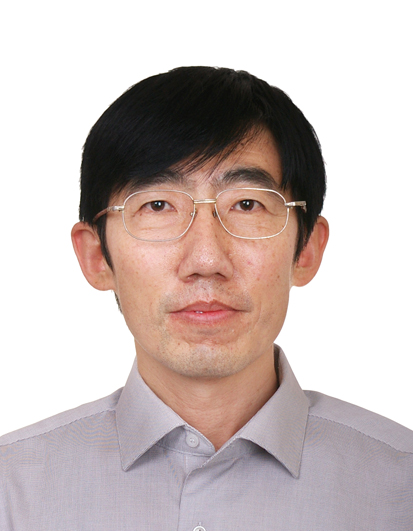 Xuejun Wang (王学军)合作论文数College of Urban and Environmental Sciences, Peking University11
 Chenghao Yu合作论文数9
 Robert Peter Mason (Robert Mason)合作论文数Department of Chemistry, College of Liberal Arts and Sciences, University of Connecticut;Department of Marine Sciences, University of Connecticut9
 Han Xie合作论文数6
 Qianru Zhang (张倩茹)合作论文数Institute of Agricultural Resources and Regional Planning, Chinese Academy of Agricultural Sciences6
 Qianggong Zhang (张强弓)合作论文数Institute of Tibetan Plateau Research, Chinese Academy of Sciences;University of Chinese Academy of Sciences6
 Long Chen (陈龙)合作论文数School of Geographic Sciences, East China Normal University5
 Wei Zhang (张巍)合作论文数School of Ecology & Environment, Renmin University of China5Menghan Cheng合作论文数Peking Univ, Coll Urban & Environm Sci, Minist Educ, Lab Earth Surface Proc, Beijing 100871, Peoples R China4
 Huizhong Shen (沈惠中)合作论文数School of Environment, Southern University of Science and Technology4
 Shidong Ge (葛世栋)合作论文数3Yao Luo合作论文数3
 Zofia Baumann合作论文数School of Marine and Atmospheric Sciences, Stony Brook University3
 Huiming Lin合作论文数3Hanlin Cao合作论文数2
 Xuejun Sun (孙学军)合作论文数School of Environmental & Resource Sciences of Shanxi University2Rina Sa合作论文数2
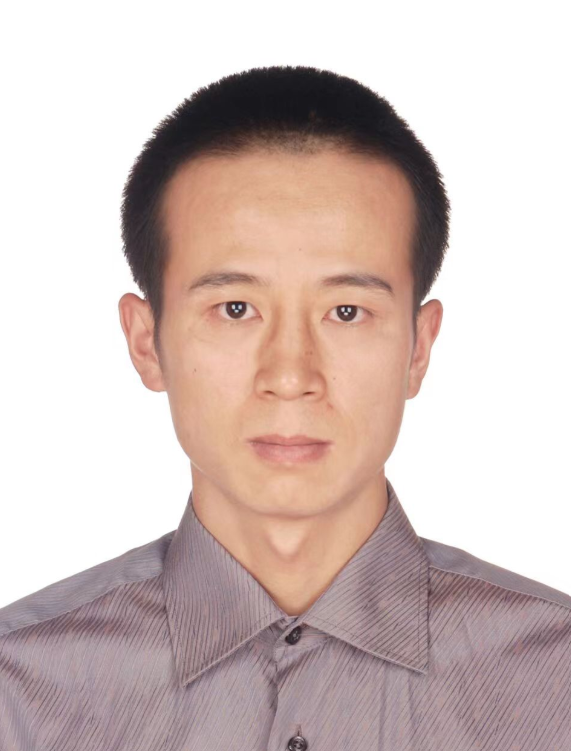 Junming Guo (郭军明)合作论文数Northwest Institute of Eco-Environment and Resources, Chinese Academy of Sciences;University of Chinese Academy of Sciences2Rosa Wu合作论文数1Gunnar Hansen合作论文数1Juliana C. Amorim合作论文数1
 Che-Jen Lin合作论文数1
 Liuliang Yuan合作论文数1
 Haoran Zhang (张浩然)合作论文数Center for Spatial Information Science, University of Tokyo;LocationMind Inc.;Mälardalen University1Eric M Roy合作论文数1
 Benjamin Geyman合作论文数1Wesley W Huffman合作论文数1
 Helene Angot合作论文数Extreme Environm Res Lab, Ecole Polytech Fed Lausanne EPFL1
 Scott Zolkos合作论文数Univ Alberta, Dept Biol Sci, Edmonton, AB T6G 2E3, Canada1
 Tianning Zhao合作论文数Sch Engn & Appl Sci, Harvard Univ1
 Brock A. Edwards合作论文数Dept Environm & Geog, Univ Manitoba1Suhan Ham合作论文数1Chunyan Deng合作论文数1
 Wenjie Xiao合作论文数Dept Ocean Sci & Engn, Southern Univ Sci & Technol1
 Yiming Qin (覃意茗)合作论文数Eastern Institute of Technology, Ningbo1
 Igor Lehnherr合作论文数Department of Geography & Planning, Faculty of Arts & Science, University of Toronto;Department of Geography, University of Toronto Mississauga;Department of Earth and Environmental Sciences, University of Waterloo1
 Xiangming Shi (石向明)合作论文数1
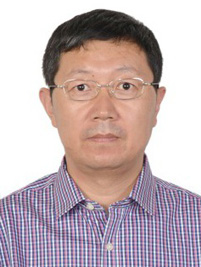 Xinbin Feng (冯新斌)合作论文数State Key Laboratory of Environmental Geochemistry, Institute of Geochemistry, Chinese Academy of Sciences1
 Yindong Tong (童银栋)合作论文数Tianjin University1
 Anne L Soerensen合作论文数National Environmental Research Institute, Aarhus University1
 Scot T. Martin合作论文数Department of Earth and Planetary Sciences, Harvard University;Harvard John A. Paulson School of Engineering and Applied Sciences1
 Xin Jing合作论文数College of Urban and Environmental Sciences, Peking University1
 Feinberg Aryeh合作论文数1
 McLagan David合作论文数1
 M. Muntean合作论文数1




