Decades of research have revealed relationships between the abundance of coral reef taxa and local conditions, especially at small scales. However, a rigorous test of covariation requires a robust dataset collected across wide environmental or experimental gradients. Here, we surveyed spatial variability in the densities of major coral reef functional groups at 122 sites along a 70 km expanse of the leeward, forereef habitat of Curaçao in the southern Caribbean. These data were used to test the degree to which spatial variability in community composition could be predicted based on assumed functional relationships and site-specific anthropogenic, physical, and ecological conditions. In general, models revealed less power to describe the spatial variability of fish biomass than cover of reef builders (R 2 of best-fit models: 0.25 [fish] and 0.64 [reef builders]). The variability in total benthic cover of reef builders was best described by physical (wave exposure and reef relief) and ecological (turf algal height and coral recruit density) predictors. No metric of anthropogenic pressure was related to spatial variation in reef builder cover. In contrast, total fish biomass showed a consistent (albeit weak) association with anthropogenic predictors (fishing and diving pressure). As is typical of most environmental gradients, the spatial patterns of both fish biomass density and reef builder cover were spatially autocorrelated. Residuals from the best-fit model for fish biomass retained a signature of spatial autocorrelation while the best-fit model for reef builder cover removed spatial autocorrelation, thus reinforcing our finding that environmental predictors were better able to describe the spatial variability of reef builders than that of fish biomass. As we seek to understand spatial variability of coral reef communities at the scale of most management units (i.e., at kilometer- to island-scales), distinct and scale-dependent perspectives will be needed when considering different functional groups.
Geographical comparisons suggest that coral reef communities can vary as a function of their environmental context, differing not just in terms of total coral cover but also in terms of relative abundance (or coverage) of coral taxa. While much work has considered how shifts in benthic reef dynamics can shift dominance of stony corals relative to algal and other benthic competitors, the relative performance of coral types under differing patterns of environmental disturbance has received less attention. We construct an empirically-grounded numerical model to simulate coral assemblage dynamics under a spectrum of disturbance regimes, contrasting hydrodynamic disturbances (which cause morphology-specific, whole-colony mortality) with disturbances that cause mortality independently of colony morphology. We demonstrate that the relative representation of morphological types within a coral assemblage shows limited connection to the intensity, and essentially no connection to the frequency, of hydrodynamic disturbances. Morphological types of corals that are more vulnerable to mortality owing to hydrodynamic disturbance tend to grow faster, with rates sufficiently high to recover benthic coverage during inter-disturbance intervals. By contrast, we show that factors causing mortality without linkage to morphology, including those that cause only partial colony loss, more dramatically shift coral assemblage structure, disproportionately favouring fast-growing tabular morphologies. Furthermore, when intensity and likelihood of such disturbances increases, assemblages do not adapt smoothly and instead reveal a heightened level of temporal variance, beyond which reefs demonstrate drastically reduced coral coverage. Our findings highlight that adaptation of coral reef benthic assemblages depends on the nature of disturbances, with hydrodynamic disturbances having little to no effect on the capacity of reef coral communities to resist and recover with sustained coral dominance.
Characterizations of colony-specific fate are necessary to predict trajectories of coral population change accurately, and a research challenge exists to collect more robust data describing coral demographic rates and the factors that influence them. Colonial, reef-building corals present challenges to the study of demography, given that the size of individual colonies can be decoupled from age, and rates of colony growth and shrinkage can be effectively indeterminate. In this study, we use a large-area imaging approach to quantify demographic rates of the coral genus Pocillopora and test for the influence of colony-specific predictors on net change in live tissue area (labeled growth and shrinkage) and whole-colony mortality. We found that a colony's fate was linked to its initial size, with larger colonies experiencing far lower probability of mortality, but higher probability of shrinkage, than smaller colonies. Historical effects also significantly affected colony fate, as colonies with a recent history of tissue loss experienced a higher probability of subsequent shrinkage and mortality the following year. Finally, significant variability in growth and mortality rates was linked to intra-island site differences, which we hypothesize may be driven by differences in food availability and heterotrophic feeding rates. Our work highlights the importance of colony-specific characteristics, including size and historical effects, in influencing demographic fates of corals.
The impacts of sea-level rise (SLR) are likely to be the greatest for ecosystems that exist at the land-sea interface, where small changes in sea-level could result in drastic changes in habitat availability. Rocky intertidal ecosystems possess a number of characteristics which make them highly vulnerable to changes in sea-level, yet our understanding of potential community-scale responses to future SLR scenarios is limited. Combining remote-sensing with in-situ large-area imaging, we quantified habitat extent and characterized the biological community at two rocky intertidal study locations in California, USA. We then used a model-based approach to estimate how a range of SLR scenarios would affect total habitat area, areal extent of dominant benthic space occupiers, and numerical abundance of invertebrates. Our results suggest that SLR will reduce total available rocky intertidal habitat area at our study locations, leading to an overall decrease in areal extent of dominant benthic space occupiers, and a reduction in invertebrate abundances. As large-scale environmental changes, such as SLR, accelerate in the next century, more extensive spatially explicit monitoring at ecologically relevant scales will be needed to visualize and quantify their impacts to biological systems.
Population distributions are affected by a variety of spatial processes, including dispersal, intraspecific dynamics and habitat selection. Within reef‐building coral communities, these processes are especially important during the earliest life stages when reproduction provides mobility among sessile organisms and populations experience the greatest mortality bottlenecks both before and immediately after settlement. Here, we used large‐area imaging to create photomosaics that allowed us to identify and map the location of 4681 juvenile (1–5 cm diameter) and 25 902 adult (>5 cm diameter) coral colonies from eight 100‐m2 plots across the forereef of Palmyra Atoll. Using metrics of density, percent cover and the relative location of each colony within each plot, we examined abundance and spatial relationships between juvenile and adult coral taxa. Within coral taxa, juvenile density was generally positively related to the numerical density and percent cover of adults. Nearest neighbor analyses showed aggregation of juveniles near adults of the same taxon for two of the focal taxa (Pocillopora and Fungiids), while all other taxa showed random spatial patterning relative to adults. Three taxa had clustered distributions of juveniles overall. Additionally, we found that on a colony level, juveniles for five of nine focal taxa (accounting for >98% of all identified juveniles) associated with a specific habitat type, with four of those five taxa favoring unconsolidated (e.g. rubble) over consolidated substrata. The general lack of clustering in juvenile corals contrasts with consistent clustering patterns seen in adult corals, suggesting that adult spatial patterns are largely driven by processes occurring after maturity such as partial colony mortality, including fission and fragmentation. The association of many taxa with unconsolidated habitat also suggests that corals may play an important role in colonizing natural rubble patches that could contribute to reef stabilization over time.
We take advantage of a natural gradient of human exploitation and oceanic primary production across five central Pacific coral reefs to examine foraging patterns in common coral reef fishes. Using stomach content and stable isotope (δ15N and δ13C) analyses, we examined consistency across islands in estimated foraging patterns. Surprisingly, species within the piscivore–invertivore group exhibited the clearest pattern of foraging consistency across all five islands despite there being a considerable difference in mean body mass (14 g–1.4 kg) and prey size (0.03–3.8 g). In contrast, the diets and isotopic values of the grazer–detritivores varied considerably and exhibited no consistent patterns across islands. When examining foraging patterns across environmental contexts, we found that δ15N values of species of piscivore–invertivore and planktivore closely tracked gradients in oceanic primary production; again, no comparable patterns existed for the grazer–detritivores. The inter-island consistency in foraging patterns within the species of piscivore–invertivore and planktivore and the lack of consistency among species of grazer–detritivores suggests a linkage to different sources of primary production among reef fish functional groups. Our findings suggest that piscivore–invertivores and planktivores are likely linked to well-mixed and isotopically constrained allochthonous oceanic primary production, while grazer–detritivores are likely linked to sources of benthic primary production and autochthonous recycling. Further, our findings suggest that species of piscivore–invertivore, independent of body size, converge toward consuming low trophic level prey, with a hypothesized result of reducing the number of steps between trophic levels and increasing the trophic efficiency at a community level.
Few studies have documented the spatial and temporal dynamics of highly invasive species in coral reef benthic communities. Here, we quantified the ecological dynamics of invasion by a corallimorph, Rhodactis howesii , at Palmyra Atoll in the central Pacific. A localized outbreak of this species was first observed following a shipwreck at Palmyra in 1991 and has subsequently spread across hectares, reaching 100% cover in some areas. We examined the spatial and temporal dynamics of this invasion, and its impact on the benthic community, using a combination of permanent photoquadrats and large-scale photomosaic imagery. Our data revealed two distinct patterns in the spatial dynamics of R. howesii on the reef. First, following the removal of the shipwreck in 2013, the cover of the corallimorph in the immediate vicinity of the wreck decreased markedly, with crustose coralline algae (CCA), an important reef-builder, dominating the newly available substrate. However, in contrast to the decline at the epicenter of the invasion, the corallimorph has spread to additional sites around the atoll where increases in abundance have been associated with decreases in hard coral cover. Reductions in percent cover and corallimorph patch size near the epicenter of the outbreak, coupled with increases in cover and patch size and appearance of the corallimorph at other locations around Palmyra, demonstrate the dynamic nature of this “invasion.” Further, we found that the corallimorph settled disproportionately often on patches of turf or CCA cover, but can then overgrow all benthic competitors following establishment. This study provides evidence that R. howesii has the capacity to be highly invasive on coral reefs and highlights the importance of large-scale, long-term monitoring efforts to capture the dynamic nature of such invasions.
Background The metabolic rate of consumers is a key driver of ecosystem dynamics. On coral reefs, herbivorous echinoids consume fleshy algae, facilitating the growth of reef-building calcified organisms; however, little is known about differences among species in their metabolic and functional ecology. Here, we used log-linear (log-log) regression models to examine the allometric scaling of mass and routine metabolic rate for five common herbivorous echinoids on a Hawaiian coral reef: Echinothrix calamaris, E. diadema, Echinometra matthaei, Heterocentrotus mammillatus, and Tripneustes gratilla. Scaling relationships were then contrasted with empirical observations of echinoid ecology and general metabolic theory to broaden our understanding of diversity in the metabolic and functional ecology of tropical herbivorous echinoids. Results Test diameter and species explained 98% of the variation in mass, and mass and species explained 92.4% and 87.5% of the variation in individual (I) and mass-specific (B) metabolic rates, respectively. Scaling exponents did not differ for mass or metabolism; however, normalizing constants differed significantly among species. Mass varied as the cube of test diameter (b = 2.9), with HM exhibiting a significantly higher normalizing constant than other species, likely due to its heavily-calcified spines and skeleton. Individual metabolic rate varied approximately as the 2/5 power of mass (γ = 0.44); significantly smaller than the 3/4 universal scaling coefficient, but inclusive of 2/3 scaling. E. calamaris and H. mammillatus exhibited the lowest normalizing constants, corresponding with their slow-moving, cryptic, rock-boring life-history. In contrast, E. calamaris, E. diadema, and T. gratilla, exhibited higher metabolic rates, likely reflecting their higher levels of activity and ability to freely browse for preferred algae due to chemical anti-predator defenses. Thus, differences in metabolic scaling appeared to correspond with differences in phylogeny, behavior, and ecological function. Such comparative metabolic assessments are central to informing theory, ecological models, and the effective management of ecosystems.
The relative rates of carbon fixed by primary producers vs. consumption by primary consumers shape the community of organisms in ecosystems. On coral reefs, it is important to understand the demography of algae, given known competitive dynamics with reef-building corals. Numerous studies have shown that fleshy algal abundance is enhanced in the absence of top-down control by herbivores on coral reefs. However, fewer studies have quantified and compared rates of production by the benthic fleshy algal community and consumption by herbivores. Here, we estimate a budget for fleshy algal growth and herbivorous fish consumption on a Hawaiian coral reef based upon integration of field-measured and taxonomically specific variables. Data were collected at Kahekili Herbivore Fisheries Management Area, Maui, established in 2009, in which taking of herbivorous fish and urchins is prohibited. Daily algal production was determined by quantifying benthic community composition, standing stock of algal biomass, and growth rates of common algal components. Consumption was determined using distributions of biomass and size classes of herbivorous fish species, consumption rates of herbivores on different algal species, and herbivore bite sizes. Our results show that throughout the first five years of herbivore protection, algal production consistently exceeded the grazing capacity of the herbivorous fish assemblage, but by a diminishing margin since 2010 (consumption 20.8% of production) to the end of the study in 2014 (consumption 67.0% of production). Further, larger size classes of herbivorous fishes in the scraper/excavator herbivore guild contributed more to consumption in later years, which could have additional feedbacks that promote reef-building taxa. Projecting the budget using data from a neighboring decades-long protected herbivorous fish assemblage indicated that the production and consumption budget for Kahekili could become balanced in future with continued management.
For sessile organisms such as reef-building corals, differences in the degree of dispersion of individuals across a landscape may result from important differences in life-history strategies or may reflect patterns of habitat availability. Descriptions of spatial patterns can thus be useful not only for the identification of key biological and physical mechanisms structuring an ecosystem, but also by providing the data necessary to generate and test ecological theory. Here, we used an in situ imaging technique to create large-area photomosaics of 16 plots at Palmyra Atoll, central Pacific, each covering 100 m 2 of benthic habitat. We mapped the location of 44,008 coral colonies and identified each to the lowest taxonomic level possible. Using metrics of spatial dispersion, we tested for departures from spatial randomness. We also used targeted model fitting to explore candidate processes leading to differences in spatial patterns among taxa. Most taxa were clustered and the degree of clustering varied by taxon. A small number of taxa did not significantly depart from randomness and none revealed evidence of spatial uniformity. Importantly, taxa that readily fragment or tolerate stress through partial mortality were more clustered. With little exception, clustering patterns were consistent with models of fragmentation and dispersal limitation. In some taxa, dispersion was linearly related to abundance, suggesting density dependence of spatial patterning. The spatial patterns of stony corals are non-random and reflect fundamental life-history characteristics of the taxa, suggesting that the reef landscape may, in many cases, have important elements of spatial predictability.
Patterns of species resource use provide insight into the functional roles of species and thus their ecological significance within a community. The functional role of herbivorous fishes on coral reefs has been defined through a variety of methods, but from a grazing perspective, less is known about the species-specific preferences of herbivores on different groups of reef algae and the extent of dietary overlap across an herbivore community. Here, we quantified patterns of redundancy and complementarity in a highly diverse community of herbivores at a reef on Maui, Hawaii, USA. First, we tracked fish foraging behavior in situ to record bite rate and type of substrate bitten. Second, we examined gut contents of select herbivorous fishes to determine consumption at a finer scale. Finally, we placed foraging behavior in the context of resource availability to determine how fish selected substrate type. All species predominantly (73–100 %) foraged on turf algae, though there were differences among the types of macroalgae and other substrates bitten. Increased resolution via gut content analysis showed the composition of turf algae consumed by fishes differed across herbivore species. Consideration of foraging behavior by substrate availability revealed 50 % of herbivores selected for turf as opposed to other substrate types, but overall, there were variable foraging portfolios across all species. Through these three methods of investigation, we found higher complementarity among herbivorous fishes than would be revealed using a single metric. These results suggest differences across species in the herbivore “rain of bites” that graze and shape benthic community composition.
Herbivores play an important role in marine communities. On coral reefs, the diversity and unique feeding behaviours found within this functional group can have a comparably diverse set of impacts in structuring the benthic community. Here, using a spatially explicit model of herbivore foraging, we explore how the spatial pattern of grazing behaviours impacts the recovery of a reef ecosystem, considering movements at two temporal scales—short term (e.g. daily foraging patterns) and longer term (e.g. monthly movements across the landscape). Model simulations suggest that more spatially constrained herbivores are more effective at conferring recovery capability by providing a favourable environment to coral recruitment and growth. Results also show that the composition of food available to the herbivore community is linked directly to the pattern of space use by herbivores. To date, most studies of variability among the impacts of herbivore species have considered the diversity of feeding modes and mouthparts. Our work provides a complementary view of spatial patterns of foraging, revealing that variation in movement behaviours alone can affect patterns of benthic change, and thus broadens our view of realized links between herbivore diversity and reef recovery.
Human impacts can homogenize and simplify ecosystems, favoring communities that are no longer naturally coupled with (or reflective of) the background environmental regimes in which they are found. Such a process of biophysical decoupling has been explored little in the marine environment due to a lack of replication across the intact‐to‐degraded ecosystem spectrum. Coral reefs lacking local human impacts provide critical baseline scenarios in which to explore natural biophysical relationships, and provide a template against which to test for their human‐induced decoupling. Using 39 Pacific islands, 24 unpopulated (relatively free from local human impacts) and 15 populated (with local human impacts present), spanning 45° of latitude and 65° of longitude, we ask, what are ‘natural’ biophysical relationships on coral reefs and do we see evidence for their human‐induced decoupling? Estimates of the percent cover of benthic groups were related to multiple physical environmental drivers (sea surface temperature, irradiance, chlorophyll‐a, and wave energy) using mixed‐effects models and island mean condition as the unit of replication. Models across unpopulated islands had high explanatory power, identifying key physical environmental drivers of variations in benthic cover in the absence of local human impacts. These same models performed poorly and lost explanatory power when fitted anew to populated (human impacted) islands; biophysical decoupling was clearly evident. Furthermore, key biophysical relationships at populated islands (i.e. those relationships driving benthic variation across space in conjunction with chronic human impact) bore little resemblance to the baseline scenarios identified from unpopulated islands. Our results highlight the ability of local human impacts to decouple biophysical relationships in the marine environment and fundamentally restructure the natural rules of nature.
shift from coral to macroalgae dominance of reef systems affected by volcanically acidified waters around Maug (Mariana Islands, North Pacific Ocean) increases fears that reef corals will be displaced by algae as a result of ocean acidification.
Over-parametrization in modelling is a well-known issue that makes it hard to identify which part of a model is responsible for a given behaviour. In line with that ascertainment, this work presents the outline of an empirical method to simplify models by decreasing the number of parameters. By using regression trees to classify outputs according to related input parameters, the method provides the modeller with an objective tool to reduce the range of the used parameters and, under certain conditions, to establish relations between them. Thereby, the complexity of the model is reduced on the basis of mathematical arguments. As an example, a dynamic energy budget-based model of a mesopelagic bacterial ecosystem is simplified using the presented method. The main benefits of such a method are thus highlighted: (i) more robust parameter estimations; (ii) less complex formulations; and (iii) fewer modelling assumptions. To conclude, the difficulties encountered are discussed, and several solutions are proposed to deal with them.
Marine ecosystems are characterized by a strong influence of hydrodynamics on biological processes. The associated models involve the coupling of physical to biological models and therefore require a large number of state variables. The consequent high complexity limits our capacity to perform a complete and detailed study and even prevents any complete mathematical study of these models. It is also difficult to disentangle among all the processes involved, which ones actually drive the system at any moment. Hydrodynamics, among other consequences, affect the way under which the nutrients are supplied to marine ecosystems. The variability of nutrient input rate in marine systems generally results from runs-off in coastal systems and from physical processes (wind forcing and hydrodynamics) in open ocean. This paper is devoted to the study of the effects of the nutrient input rate variability on the dynamics and the functioning of trophic chains. In this context, we aim to provide an understandable study, based on simplified system models. We consider a periodic nutrient input rate and analyze how this variability modifies some system properties: its dynamics, its functioning and its structure. The dynamics is obtained by numerical simulations and when possible, enlighten by already published mathematical results. The functioning is measured by the time averaged state variables during the simulation period, and their variability. The structure concerns the number of surviving populations, a proxy of specific biodiversity. We show how these properties can be affected and provide some conditions under which the modifications can occur. We also highlight that, even if the physical process is the main driving force in the global dynamics, the choice of the biological model is important to understand the biological response of the system to physical forcing.
La modelisation en ecologie est aujourd'hui une pratique scientifique de premier plan. Portee par l'avancement technologique, les modeles utilises en sciences de l'environnement presentent une complexite grandissante. La complexification des modeles est une necessite pour une variete d'etudes, mais elle peut etre une source d'incomprehension, voire d'erreurs. Savoir gerer son implementation apparait donc necessaire. Fort de ce constat, deux approches complementaires se sont distinguees et furent etudiees dans ce travail de these. D'une part, il est possible de gerer la complexite a priori, en contraignant directement les hypotheses de construction et le formalisme du modele par l'utilisation d'un cadre theorique. Une illustration de l'utilisation d'un schema theorique, la theorie des Budgets Dynamiques d'Energie, presente comment une description precise de l'effet des ultraviolets fut adjointe a un modele de l'endosymbiose corallienne. Cette etude met en lumiere leur possible role dans le blanchiment des coraux scleractiniaires. La gestion de la complexite pouvant aussi s'operer a posteriori, c'est a dire une fois l'etape de construction passee. Ainsi, une methodologie d'analyse statistique des sorties de modeles ayant pour but de permettre leur simplification fut etablie. A titre d'exemple, cette methode a ete appliquee sur un modele a micro-echelle de l'ecosysteme mesopelagique. Ne plus avoir la possibilite d'entreprendre une approche analytique de son modele n'est donc pas une fatalite pour qui veut maitriser son outil, car une multitude d'approches permettent d'obtenir des informations toutes aussi interessantes.
Using dynamic energy budget (DEB) theory, this paper explores the potential of excess and harmful radiation, notably UV, to cause changes in performance and, ultimately, bleaching in scleractinian corals for a range of ambient nitrogen and (beneficial) photosynthetically active radiation levels. Two negative impacts of radiation are considered: a reduction in the capacity of the symbiont to generate energy through photosynthesis (defined in this paper as photoinhibition); an increase in the costs for the symbiont to remain viable due to repair of damage (defined in this paper as photodamage). Model predictions indicate that although both types of impact reduce the growth potential of host and symbiont, photoinhibition predominantly affects host features, except at very low ambient nitrogen levels, under which conditions the severity of nitrogen limitation is so strong that a reduction in photosynthetic rates due to photoinhibition has minimal impact. In steady state, photoinhibition leads to a reduction in host biomass, and an increase in symbiont density, implying that photoinhibition (as defined in this paper) is unlikely to cause bleaching. In contrast, the impact of photodamage is mostly affecting symbiont features, including a decline in symbiont density. Thus, photodamage may contribute to coral bleaching. Furthermore, the model predicts that, with both photoinhibition and photodamage, an increasing ratio of harmful to beneficial radiation accelerates the suppression of growth rates of symbiont and host, implying that coral health deteriorates progressively faster with increasing harmful radiation, such as UVb. Published by Elsevier B.V.
 Stuart Sandin合作论文数Scripps Institution of Oceanography, University of California, San Diego10
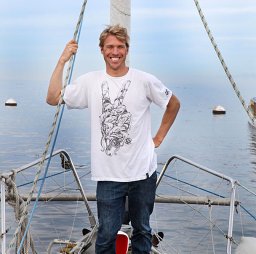 Clinton B. Edwards合作论文数UC San Diego8
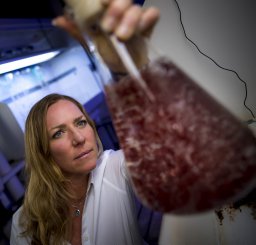 Jennifer E. Smith合作论文数Deparment of Botany;University of Hawai;Deparment of Botany, University of Hawai8
 Gareth J Williams合作论文数4
 Brian J. Zgliczynski合作论文数Scripps Institution of Oceanography, University of California4
 Nicole E. Pedersen合作论文数Scripps Inst Oceanog, UCSD3Dylan E. Mcnamara合作论文数Center for Marine Science, University of North Carolina3
 Michael G. Fox合作论文数Trent University3Russell T. Sparks合作论文数2
 Emily L A Kelly合作论文数Center for Marine Biodiversity and Conservation, Scripps Institution of Oceanography, University of California San Diego, 9500 Gilman Drive, La Jolla, CA, 92093, USA. elkelly@ucsd.edu.2
 Scott L. Hamilton合作论文数Marine Science Institute, University of California2
 Jean-Christophe Poggiale合作论文数Laboratoire d'océanographie et de biogéochimie, Centre d'océanologie de Marseille2
 Ivor Williams合作论文数2
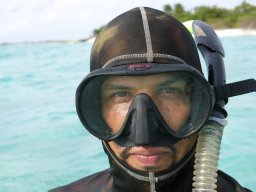 Levi Steele Lewis合作论文数Interdisciplinary Center for Plasma Mass Spectrometry, University of California, Davis2Melika Baklouti合作论文数2Arthur C. R. Gleason合作论文数2Scott D. Miller合作论文数1D. Nerini合作论文数1Corinne G. Amir合作论文数1Randy Clark合作论文数1Ramon de León合作论文数1Steven Johnson合作论文数1Andrew J Estep合作论文数1Gisette Seferina合作论文数1Esmeralda Alcantar合作论文数1
 Samantha M Clements合作论文数Scripps Institution of Oceanography, University of California San Diego1
 Renee Carlton合作论文数Khaled bin Sultan Living Oceans Fdn1
 Sho M Kodera合作论文数Scripps Inst Oceanog, Univ Calif San Diego1
 Nikolas J. Kaplanis合作论文数Dept Ecol & Evolutionary Biol, Univ Calif Santa Cruz1Ty N F Roach合作论文数San Diego State Univ, Dept Biol, San Diego, CA 92182 USA1
 Amanda L. Carter合作论文数Scripps Institution of Oceanography, University of California San Diego1Charles Young合作论文数1Les Kaufman合作论文数1
 Emily M. Donham合作论文数Department of Ecology and Evolutionary Biology, University of California, Santa Cruz1
 Graham Kolodziej合作论文数1
 Marhaver Kristen L合作论文数CARMABI Foundation, Piscaderabaai z/n1
 Roger Nisbet合作论文数Department of Ecology, Evolution and Marine Biology, University of California1
 Erik Muller合作论文数1
 Lauren Valentino合作论文数1Iguel John合作论文数1Benavente David合作论文数1
 Johnson Maggie D合作论文数Department of Biology, California State University1
 French Beverly合作论文数1
 Nichole N Price合作论文数Bigelow Lab Ocean Sci, East Boothbay, ME 04544 USA1
 Lyza Johnston合作论文数Division of Marine Biology and Fisheries, University of Miami Rosenstiel School of Marine and Atmospheric Science1
 Derek Manzello合作论文数Satellite Oceanography & Climatology Division, Center for Satellite Applications and Research, National Oceanic and Atmospheric Administration;Marine Ecosystems & Coastal Branch, National Oceanic and Atmospheric Administration1
 Falko Kuester合作论文数Departments of Structural Engineering and Computer Science and Engineering, Jacobs School of Engineering, University of California San Diego;Qualcomm Institute, University of California San Diego1Meghan L. Dailer合作论文数1Robert Michener合作论文数1




