The rapid advancement of large-scale generative models has accelerated the spread of highly deceptive AI-generated images, making generalized synthetic image detection a critical imperative. Existing forensic networks often struggle with cross-model generalization and realworld degradations due to their reliance on single-domain representations and conventional binary classification optimization. To overcome these limitations, we propose RNSIDNet, a novel forensic framework that achieves robust detection through enhanced RGB-Noise representation learning. Specifically, our method employs a dual-branch architecture where global RGB semantics, extracted by an attention-refined CLIP backbone, dynamically modulate highfrequency noise artifacts captured by Bayar convolutions via a Feature-wise Linear Modulation (FiLM) module. To further enhance the learned representations, we design a Hard Sample-aware Contrastive Learning (HSCL) strategy. By explicitly penalizing challenging training samples, HSCL reshapes the latent feature space to maximize the discriminative margin between pristine and synthetic domains. Extensive experiments across eight public benchmark datasets verify that our model achieves state-of-the-art performance, delivering superior generalization ability, robustness, and computational efficiency. Code and dataset will be publicly available on https://github.com/multimediaFor/RNSIDNet.
Existing deep learning based steganalysis methods typically adopt fixed high-pass filters at the beginning to learn effective noise residuals and help the network converge. However, fixed high-pass filters cannot flexibly adapt to diverse steganography methods under various payloads. To this end, this paper presents an end-to-end trainable preprocessing, namely three parallel central difference convolution (CDC)-dominated paths (PCDCD-Ps) with a multi-scale kernel structure followed by adaptive spectral attention (ASA) and 1 & times; 1 pointwise convolution, to adaptively and flexibly extract noise residuals and enhance the signal-to-noise ratio of the stego signal. With the guidance of CDC, utilizing the multi-scale kernel structure enables three PCDCD-Ps to extract multi-scale noise residuals containing gradient-level detailed information sensitive to steganographic embedding changes. ASA works as a supplement to three PCDCD-Ps to further refine noise residuals from frequency spectrum analysis and enriches the expression of steganographic features by adaptive weight allocation along spatial and channel dimensions. The feature extraction stage contains two residual blocks and three sub-stages, each sub-stage consisting of a downsampling layer and a lightweight dual-branch feature extraction module (DBFEM). DBFEM, as the pivotal component of each sub-stage, is proposed to aggregate local intensity information and gradient-level detailed information by jointly utilizing CDC and standard convolutions, thereby enhancing the steganographic features. Combining the structures above, we design a lightweight and high-precision image steganalysis network called PADNet. The experimental results also demonstrate that our proposed PADNet outperforms several advanced state-of-the-art methods in the following aspects: the detection accuracy, the number of parameters, and floating-point operations.
Existing image watermarking methods perform well in resisting small-intensity geometric attacks, but their performance considerably degrades when faced with high-intensity geometric attacks commonly seen in real-world applications. To address this, a keypoint-dominated global watermarking framework, dubbed KDGW-frame, is proposed in this paper, with the aim of improving the resilience against various attacks without need of any additional information. The primary task of KDGW-frame is to construct a keypoint-dominated mask comprising watermarked and non-watermarked regions, which has the properties of non-centrosymmetry and uniform distribution to strongly guarantee its robustness in geometric attacks. During watermark embedding, this mask guides the encoder to diffuse the watermark throughout the entire watermarked region in the end-to-end training. Relying on the non-watermarked region unmodified, KDGW-frame can rectify the attacked image even under high-intensity geometric attacks to achieve high-precision extraction of the embedded watermark without any additional information. To realize this, we design a serial dual predictor network to acquire the distribution of the non-watermarked region using a watermark residual predictor, and then yield the precise heatmap of keypoints using a heatmap predictor, which substantially reduces the difficulty of directly recovering the keypoints. After that, we devise a dual-filtering strategy to eliminate the interference of invalid keypoints caused by various attacks, and simultaneously construct a universal keypoint matching algorithm to establish the mapping relationship between the extracted keypoints and the original keypoints under varying types of geometric attacks, thereby enabling precise geometric rectification. Experimental results demonstrate that KDGW-frame significantly outperforms existing related methods in robustness and visual quality under various attacks (even high-intensity geometric attacks).
Recent AI-generated image (AIGI) detectors achieve impressive accuracy under clean condition. In view of antiforensics, it is significant to develop advanced adversarial attacks for evaluating the security of such detectors, which remains unexplored sufficiently. This letter proposes a Dual-domain Feature Importance Attack (DuFIA) scheme to invalidate AIGI detectors to some extent. Forensically important features are captured by the spatially interpolated gradient and frequency-aware perturbation. The adversarial transferability is enhanced by jointly modeling spatial and frequency-domain feature importances, which are fused to guide the optimization-based adversarial example generation. Extensive experiments across various AIGI detectors verify the cross-model transferability, transparency and robustness of DuFIA.
Anaerobic ammonium oxidation (Anammox) or partial nitrification and denitrification (PND) are energy efficient biological nitrogen removal processes for the mainstream wastewater. However, their application is limited by unstable nitrite supply due to the difficulty of suppressing nitrite-oxidizing bacteria (NOB). To this end, this study proposed a new strategy that utilized flow regime in a novel type of airlift dual transverse-internal loop (ADTL) reactor to rapidly transfer nitrite from the aerobic zone to the anoxic zone, thereby naturally washing out NOB in this process. Nitrogen removal performance, microbial activities, enzymatic activities, mass balance and microbial community structure were investigated. The results showed that the total nitrogen (TN) removal efficiency of the ADTL was 84.32 +/- 2.45% and the effluent TN concentration was reduced to 6.36 +/- 0.99 mg/L under the sludge retention time (SRT) of 15 days with the addition of partial nitrification/Anammox (PN/A)-K1. Additionally, the mass balance indicated that rapid transfer provided 51% of nitrogen removal by PN/A (30%) and PND (21%), while only 9% and 7% were contributed by partial denitrification/Anammox and full nitrification and denitrification, respectively. Furthermore, the microbial community revealed that the overall abundance of NOB in ADTL reactor was relatively low (0.06%-0.63%). This study may provide valuable insights for the implementation of novel biological nitrogen removal processes in mainstream wastewater treatment.
A key challenge for mainstream partial nitritation/anammox (PN/A) is maintaining stable performance under seasonal temperature fluctuations and changing wastewater characteristics. This study investigated the adaptability of PN/A system established previously at low temperature (10 degrees C) to cope with increasing temperature and water quality fluctuations of actual wastewater. Results showed that as the temperature increased from 10 degrees C to 25 degrees C, nitrite oxidizing bacteria (NOB) activity slowly recovered (with NXR activity increasing by 114%), causing a slight decline in nitrogen removal. Nevertheless, the average total nitrogen removal efficiency reached 75.41%, with effluent total nitrogen of 10.25 f 1.32 mg/L, because enhanced anammox and denitrification pathways compensated for the NOB recovery. Mechanistically, rising temperatures induced the selective enrichment of DNB in the biofilm, effectively counterbalancing the increased nitrite consumption by NOB. Furthermore, when the influent transitioned from synthetic to actual wastewater (stage III to IV), the relative abundance of NOB (Nitrospira) in the sludge system increased significantly (from 0.11% to 0.59%) due to NOB immigration from the actual wastewater influent. However, this immigration had no significant impact on the nitrite utilization rate (NUR), indicating that the NOB activity remained constrained. This study demonstrates that a low-temperature start-up strategy can establish a robust PN/A system capable of adapting to seasonal warming and actual sewage conditions, which may provide new insights into the operational application of mainstream anammox in northern regions of China.
Recently, researchers have shifted focus to reversible data hiding (RDH) schemes for JPEG images. The reinforcement learning (RL) is a solution for RDH to automatically acquire the optimal two-dimensional (2D) mapping for 2D histograms of non-zero quantized alternating current coefficients. However, merely utilizing the payload-distortion reward mechanism (PDRM) in RL cannot inject the payload guidance to the 2D mapping generation process. To tackle this issue, we propose a payload supplementary reward mechanism (PSRM) and incorporate PDRM and PSRM into RL to construct DR-2DNet, a dual-reward guided 2D mapping generation network with considering additional payload guidance. DR-2DNet generates two candidate 2D mappings, one with low distortion generated by merely utilizing PDRM and the other with low distortion and high payload obtained by jointly using PDRM and PSRM. Finally, according to the required payload, the one with the lower distortion selected from two acquired 2D mappings is used for achieving data embedding. To priorly select the frequency bands with low costs for data embedding, a frequency selection strategy combining the smoothness and embedding performance of the frequency band is designed to evaluate the cost of each frequency band, reducing image distortion and preserving the file size. Extensive experiments are conducted on the Kodak dataset and 100 images randomly chosen from the BOSSBase dataset, and the results demonstrate that the proposed method is superior to several related state-of-the-art RDH schemes for JPEG images.
Copy-move forgery detection (CMFD) is a technique tailored to detect the existence of copy-move regions in a query image. In this paper, a dual-view CMFD network named DV-Net is proposed, which integrates the combination of the similarity information and tampered features from shallow features conducive to copy-move region localization by using dual-view self-correlation calculation (DV-SCC) and the shallow similarity attention module (SSAM), and strengthens the ability of distinguishing source/target regions by making deep features pass through three serial multiple serial adaptive receptive field selection modules (ARFSMs). The SCC plays an irreplaceable role in identifying copy-move regions. However, single-view SCC, such as the cosine similarity or the Euclidean distance, can solely capture the similarly information from a single perspective. DV-SCC, a combination of Euclidean distance and cosine similarity, provides more comprehensive similarity information from numerical and directional perspectives. In addition, different from previous CMFD networks that only utilize the similarity information to locate similar regions while neglecting tampered features contained in the shallow features, which are of vital importance to CMFD, we innovatively convert the similarity information into the SSAM and apply SSAM on the shallow features to emphasize the similarity information while preserving tampered features, significantly enhancing the localization accuracy of source/target regions. Multiple serial ARFSMs, each containing two parallel branches controlled by a soft attention, can adaptively select appropriate receptive fields according to the scales of tampered regions, improving the classification accuracy of source/target regions. The experimental results show that DV-Net outperforms several advanced algorithms in source/target region localization and discrimination on three publicly available datasets.
In general, the cross-generator generalization and robustness against attacks are two main challenges in AI-generated image detection. To address this, we put forward a synthetic image detector (DTBF), a two-branch architecture followed by a jointly-optimized concatenation (JOC), aiming at capturing low-level artifacts and high-level semantics and dynamically fusing them to enhance the generalization and robustness. In the artifact-extracted branch (AE-branch), the local multi-direction binary-encoding patterns (LMBP) are customized to extract and encode the relationships among pixels within each sliding window, resulting in the LMBP distribution serving as a universal fingerprint to distinguish real/fake images. The dual-alignment guided semantic branch (DAS-branch), working as a supplement to AE-branch, designs global context-unrelated prompts and semantic-enhanced prompts to capture global semantic inconsistency and local patch anomalies, strengthening the generalization and robustness of DTBF. Finally, JOC dynamically fuses the two branches through concatenation to amplify the effectiveness of each branch, achieving better generalization and robustness. With the assistance of two complementary branches and JOC, our proposed DTBF significantly outperforms 12 state-of-the-art detectors on two publicly available datasets in terms of detection accuracy and robustness.
The two most important properties of image watermarking techniques are to ensure high imperceptibility of watermarked images, and to enhance the extraction accuracy of the embedded watermark when facing varying attacks. Actually, striking a satisfactory balance between the two properties under various attacks remains a great challenge to image watermarking. To address this challenge, a local-global collaborative encoder-noiselayer-decoder (END) framework, named LGC-END, is proposed in this paper to achieve comprehensive integration of the watermark and the cover image from local-global and spatial-frequency perspectives. The encoder/decoder adopt similar local-global collaborative architecture to realize high-quality watermark embedding and high-accuracy watermark extraction under various attacks. In the encoder, the local branch utilizes a set of parallel depth-wise separable convolutions to grasp multi-scale contextual information. A multi-frequency channel attention (MFCA) module is proposed to first transform one channel of each scale feature map into multiple frequency components, and then model the importance of channels based on the weighted frequency energy of each channel, highlighting the channels suitable for watermark embedding while suppressing other channels. Subsequently, a multi-scale interactive spatial attention (MSISA) module is designed to capture the spatial commonality among three scale feature maps and strengthen the spatial positions of each scale feature map, which are suitable for watermark embedding, using the extracted commonality. The three-stage global branch is introduced to model the long-range dependencies of the input features stage by stage, allowing each bit of the watermark to diffuse a wider range of image regions and improving the capability of resisting the geometric attacks. A large number of experimental results have shown that the proposed LGC-END is significantly superior to existing advanced methods in various distortion scenarios, and has superior robustness while maintaining high visual quality of images.
New generators for producing fake images are always coming up, which poses a serious challenge for developing a detector with strong generalization ability. This paper notices this challenge and presents a dual-branch cross-stage interactive detector, called DCNet, which is comprised of preprocessing, two parallel three-stage branches, and two cross-branch agent attention fusion (CBAF) modules placed between the two branches. The primary purpose of DCNet is to enhance the generalization ability by utilizing the two branches to grasp and refine periodic patterns exhibited by upsampling artifacts as well as the local details of upampling artifacts, respectively. A multi-dilation similarity extraction module (MSEM) is placed at the beginning of the upper branch to capture the periodic grid-like patterns of different sizes exhibited by upsampling artifacts by innovatively incorporating the cosine similarity at varying dilation rates. Simultaneously, under the guidance of MSEM, a similarity-guided spatial artifact attention module (SSAM) is deployed at the beginning of the bottom branch to extract local contextual features related to upsampling artifacts using standard convolutions. Each CBAF is tailored to collect global contextual information from both branches at low computational cost, guide them to learn from each other to filter out the discriminative features, and provide the feedback to each branch to facilitate their respective feature refinement. The local-global-guided convolution (LGConv) in the 2nd and 3rd stage is designed to generate adaptive convolutional kernel weights and position weights for each spatial position of the input feature map by means of local multi-scale features from the previous stage and the global contextual features from CBAF, thereby enhancing key information related to artifacts in deep layers of DCNet. Extensive experimental results demonstrate that the proposed DCNet significantly outperforms existing detectors in terms of generalization capability across various unseen generation models.
It is imperative to precisely estimate the expandability of non-zero alternating current (AC) coefficients for joint photographic experts group (JPEG) reversible data hiding (RDH). To address this, a block and frequency-band expandability guided U-Net-Net (EGUNet) is proposed, featuring a dual-granularity expandability feature construction (DGE) module, a block and frequency-band expandability fusion (BFEF) module, and a frequency channel guidance (FCG) module. DGE constructs block and frequency-band expandability features to provide dual-granularity priors. BFEF weights the frequency-band expandable probability using block expandable probability to generate the weighted features integrating the block and frequency-band expandability, and then fuses the weighted features across multiple scales to strengthen the expandability representation of AC coefficients. FCG adaptively fuses the encoder and decoder features via a channel attention mechanism to highlight frequency bands with high embedding efficiency. Extensive experiments demonstrate that EGUNet outperforms state-of-the-art JPEG RDH methods in the visual quality and achieves the lowest file size increments.
Partial nitritation-anammox (PN/A) is a promising process for treating landfill leachate. Nevertheless, its application was hindered by challenges such as long start-up times for partial nitritation and instability in nitrite supply. In this study, an integrated fixed-film activated sludge (IFAS) PN/A system, which was rapidly built-up (2 days) through thermal treatment, was adopted to treat mature landfill leachate. The system operated for 240 days with a long sludge retention time (30-35 days) under 22-28 °C conditions, achieving a nitrogen removal rate of 0.683 kg N/(m3·d) and a total inorganic nitrogen removal efficiency of 96.89 %. Nitrite-Oxidizing Bacteria (NOB) were rapidly washed out from the reactor due to the synergistic effects of thermal treatment, biological toxicity, and microbial antagonism. Anaerobic Ammonium-Oxidizing Bacteria (AnAOB) were enriched in the biofilm (17.83 %), with the dominant genus shifted from Candidatus Brocadia to Candidatus Kuenenia, accounting for 17.12 % (day 231). Ammonia-Oxidizing Bacteria (AOB) in the flocs were the primary contributor (83.74 ± 3.34 %) to nitritation and were effectively retained. High concentration of activated sludge ensured a sufficient nitrite supply to AnAOB and enhanced the synergy among functional microbes. These results demonstrated that the IFAS-PN/A system, rapidly established via the thermal treatment, is a highly effective and feasible nitrogen removal process for landfill leachate.
In general, modifying the latent diffusion model (LDM) decoder to achieve in-generation watermarking cannot introduce tremendous computational burden, which easily leads to non-convergence. This necessarily increases the difficulty of embedding the watermark into the LDM decoder due to the need to strike a balance among imperceptibility, robustness and computational cost. We realize the difficulty and design two lightweight watermarking modules, namely a low-cost watermark redundancy enhancement module (WREM) and a latent-guided watermark enhancement module (LWEM), aiming at reducing the modifications to the LDM decoder as much as possible while maintaining the generation quality and enhancing the robustness. Specifically, WREM, specially designed for shallow layers, utilizes a small number of repetition operations to strengthen the robustness of the watermark, and adopts a low-cost sub-pixel convolution layer to achieve dimension consistency between the watermark residual and the input latent, greatly reducing the computational cost while enhancing the integration of watermark features and the latent feature. LWEM, tailored for deep layers, innovatively exploits a simple bilinear interpolation to strengthen the robustness of the watermark, and fuses watermark features and the latent feature using a cheap convolution layer so as to generate the watermark residual with relatively low impact on the input latent. Combining WREM and LWEM, we construct a lightweight encoder-noiselayer-decoder in-generation watermarking method dubbed WL-WEM pursuing a satisfactory balance among three metrics including computational cost, generation quality and robustness. Experimental results also demonstrate that the proposed WL-WEM outperforms several related works in balancing three metrics.
Essentially, directly introducing any object detection network to perform copy-move forgery detection (CMFD) inevitably leads to low detection accuracy. Therefore, DCM-Net, an object detection network dominated by diffusion model that incorporates the characteristics of copy-move forgery, is proposed in this paper for obviously enhancing CMFD performance. DCMNet, as the first diffusion model-based CMFD network, has the following three improvements. Firstly, the high-similarity box padding strategy pads high-similarity boxes, rather than random boxes used in diffusion model, to ground truth boxes, better guiding subsequent dual-attention detection heads (DDHs) to focus more on high-similarity regions. Secondly, different from previous deep learning based CMFD networks that utilize selfcorrelation calculation to indiscriminately transform all classification features extracted from feature extraction into highsimilarly features, an adaptive feature combination strategy is proposed to obtain the optimal feature transformation capable of achieving the best detection performance, enabling DDHs to more effectively distinguish source and target regions. Finally, to make detection heads have more accurate source/target localization and distinguishment, DDHs equipped with efficient multi-scale attention and contextual transformer, are proposed to generate tampered features fusing the entire precise spatial position information and rich contextual global information. The experimental results carried out on three publicly available datasets including USC-ISI, CoMoFoD, and COVERAGE, demonstrate that DCM-Net outperforms several advanced algorithms in terms of similarity detection ability and source/target differentiation ability.
When the target images to be detected and the source images used to train the steganalyzer come from different distributions, the cover-source mismatch (CSM) occurs, which often leads to a sharp decrease in detection accuracy. To alleviate the problem, this letter proposes a four-stage steganalyzer, named ICSNet. The first three stages concentrate on generating a labeled intermediate domain to build a bridge between source/target domains. To be specific, the labeled intermediate domain is constructed by first adding the noise to target samples using a noise adding module to generate intermediate samples following the source domain distribution, and subsequently performing data embedding to these intermediate samples to generate the stego intermediate samples. The last stage focuses on strengthening the fusion of channel-wise and spatial correlations between source/target domains by presenting a coarse-to-fine two-domain channel-wise correlation fusion (CCF) module and a source-guided two-domain spatial correlation fusion (SCF) module. In CCF, the labeled intermediate domain works as a supplementary to the target domain, so that source/target domains can guide each other to reinforce the fusion of channel-wise correlations. In SCF, the labeled source domain guides the target domain to consolidate the fusion of spatial correlations. The four stages work together to reduce the distribution shift between source/target domains, thereby bringing performance improvement. Experimental results demonstrate that ICSNet significantly outperforms existing methods across various CSM scenarios.
Combining winery wastewater (WW) with sewage sludge (SS) in anaerobic co-digestion (AcoD) presents a promising approach for effective waste management and enhanced energy recovery. This study aimed to evaluate the efficiency and changes in microbial communities during the AcoD of WW with SS at 35 degrees C, using a mix of batch and semi-continuous testing methods. In the batch experiments, the highest hydrolysis rate (0.19 day(-1)) and methane production (285.61 +/- 4.83 mL/g VS) were achieved at a WW:SS ratio of 3:2, exceeding those of SS mono-digestion by 126 % and 113 %, respectively. Furthermore, the semi-continuous experiments revealed a significant 30.0 % boost in the electron transport system activity and a notable 25.8 % increase in coenzyme F420 activity within the AcoD of WW with SS. Microbial analysis illustrated that AcoD of WW with SS significantly enriched the prevalence of potential genera associated with direct interspecies electron transfer (DIET), such as Longilinea, Bellilinea (genus of Chloroflexi), Syntrophomonas, Pseudomonas, Methanosarcina, and Methanobacterium species. Additionally, semi-continuous experiments demonstrated that AcoD facilitated interspecies hydrogen transfer between syntrophic bacteria and hydrogenotrophic methanogens, resulting in increased methane yield. Co-digestion of WW with SS is a more economical strategy that significantly enhances the stability of microbial communities through the use of complementary feedstocks. These results may offer valuable guidance for the efficient resource utilization of co-digestion processes involving WW and SS.
For the prediction unit partition modes (PUPM)-based steganography, a mainstream branch of high efficiency video coding (HEVC) video steganography, striking a balance between embedding performance and security is very challenging. Including the $2\mathcal {N} \times 2\mathcal {N}$ PUPMs having the maximum number of PUPMs into data embedding is indeed an effective way of enlarging the embedding capacity, but it necessarily causes a significant decline in security. Therefore, a multi-factor-involved cost function (MFICF) is proposed in this paper to evaluate the embedding cost for modifying each PUPM by comprehensively considering four different aspects affecting the embedding performance and security. With the assistance of MFICF, the 7-ary notational system is combined to use all the 7 types of PUPMs containing $2\mathcal {N} \times 2\mathcal {N}$ for data embedding, thus enlarging the embedding capacity as well as enhancing the embedding efficiency. The syndrome-trellis code driven by MFICF, named CFSTC, is designed to preferentially select PUPMs with low embedding costs for data embedding, so that the embedding efficiency is largely enhanced. The security is effectively guaranteed by allocating a large embedding cost for modifying $2\mathcal {N} \times 2\mathcal {N}$ to another type of PUPM. Finally, a lightweight convolutional neural network in combination with gated channel transformation, called GSCNet, is proposed to replace the in-loop filter in HEVC, further optimizing the visual distortion and bitrate increase caused by data embedding. Combining these components above, we design a PUPM-based steganography algorithm, GSAPM. Experimental results show that GSAPM effectively enhances the embedding performance while maintaining high security.
The existing deep learning based reversible data hiding (RDH) predictors typically adopt standard convolutions for extracting features, which inherently fails to capture contextual information across different scales, making the model have difficulty to fully understand the image content. To this end, a gated multi-scale module (GMM) is proposed to enrich and strengthen feature representations by collecting multi-scale features with less computational cost using a set of parallel depthwise convolutions, and customizing the gated convolution (GConv) for RDH to weight the importance of features in channel and spatial dimensions. Considering that directly utilizing the addition or concatenation operations cannot better fuse two types of features with different receptive fields, a gated feature fusion and refinement module (GFFRM) is tailored to employ the standard convolutions of different sizes to shorten the receptive field differences between deep and shallow features. GFFRM also constructs depthwise separable convolution followed by GConv to enrich and refine the expression of features at low computational cost and enhance the information exchange across channel and spatial dimensions, thereby improving the fusion effect of features at different levels. A two-path multi-dimensional feature interaction module (MFIM) is designed, where one branch utilizes a pointwise convolution to obtain low-dimensional representations of features, whereas the other branch fuse two linearly transformed features through element- wise multiplication constructs to generate implicit high-dimensional features. GFFRM and MFIM are complementary for each other to enhance the prediction performance. Three modules, namely GMM, GFFRM and MFIM, are embedded in U -shaped encoder-decoder architecture to establish a novel RDH predictor GURNet. Extensive experiments implemented on four publicly available datasets demonstrate the superiority of GURNet, compared with state-of-the-art RDH predictors.
The Partial Denitrification/Anammox (PD/A) process is an environmentally friendly approach to remove nitrogen, but its implementation in wastewater treatment plants (WWTPs) presents significant challenges, primarily due to the complexity and fluctuation of actual sewage. In this study, an integrated fixed-film activated sludge (IFAS) coupled with PD/A process (IFAS-PD/A) was developed to simultaneously treat raw sewage and secondary effluent from the 9th WWTP in Xi'an. The preliminary batch tests identified an optimal mixing ratio of 1:5, with corresponding NO3-/NH4+ and COD/TN ratios of 1.24 and 2.54, respectively. This mixing ratio was subsequently applied in a 90 days long-term operation. The IFAS-PD/A system demonstrated stable nitrogen removal performance, achieving an effluent total nitrogen concentration (TNeff) of 3.16 +/- 0.92 mg.L-1 with 85.14 +/- 2.24 % removal efficiency. Microbial community analysis showed that the IFAS-PD/A system was dominated by heterotrophic denitrifiers (Saprospiraceae and Thauera) and Candidatus Brocadia. SPSS statistical analysis indicated that when TNeff value was 2.85-3.46 mg & sdot;L-1 (95 % confidence interval), the corresponding influent NO3-/NH4+ and COD/TN ratios were 1.2-1.4 and 2.6-3.0, respectively. Based on these results, a specific flow partitioning strategy for the application of the PD/A process in WWTPs was proposed. The strategy provid a novel insight into the practical application of the PD/A process to achieve a more efficient and energy-saving nitrogen removal in real WWTPs.
 Dang-Cong Peng (彭党聪)合作论文数31
 Gang Cao (曹刚)合作论文数School of Computer and Cyber Sciences, Communication University of China15
 Ren Li合作论文数12
 Rongrong Ni (倪蓉蓉)合作论文数School of Computer and Information Technology, Beijing Jiaotong University11
 Yao Zhao (赵耀)合作论文数School of Computer and Information Technology, Beijing Jiaotong University;Institute of Information Science of Beijing Jiaotong University10
 Shaowei Weng (翁韶伟)合作论文数School of Electronic, Electrical Engineering and Physics, Fujian University of Technology10
 Huawei Tian (田华伟)合作论文数People's Publie Secutity University of China8Si-si HUA (滑思思)合作论文数7
 Xiuling Yang合作论文数5Liuping Feng合作论文数4Ru Zhang合作论文数4Peng Cao合作论文数4QIAO Bingchuang (乔冰闯)合作论文数4Xing-Xiu Zhang合作论文数4
 Binbin Wang (王彬斌)合作论文数College of Environment, Zhejiang University of Technology4LanXiang Zheng (郑兰香)合作论文数4
 Zhenzhen Zhang合作论文数4Pei Li-Ying合作论文数4
 Xianglin Huang (黄祥林)合作论文数School of Computer and Cyber Sciences, Communication University of China4
 Zhaohong Li (李赵红)合作论文数School of Electronic and Information Engineering, Beijing Jiaotong University4Qiong Wan合作论文数3Ze Wang合作论文数3LIU Yexing (刘烨星)合作论文数3Pengcheng Mo (莫鹏程)合作论文数3
 Xin Tian合作论文数3
 Yongbin Wang (王永滨)合作论文数Department of Computer Science and Technology, School of Computer and Cyber Sciences, Communication University of China;State Key Laboratory of Media Convergence and Communication, Communication University of China3
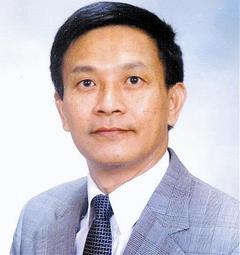 Yun Q Shi合作论文数Department of Electrical and Computer Engineering;New Jersey Institute of Technology (NJIT)3Haochen Zhu合作论文数2Jing Wang合作论文数2Huanma Yan合作论文数2Mengfei Chen合作论文数2Qian-Qian Du (杜倩倩)合作论文数2Xuetao FU (傅学焘)合作论文数2Zijie Lou合作论文数2Muming Li合作论文数2WANG Yu (汪宇)合作论文数2GAO Yu (高宇)合作论文数2Qiong Zhang (张琼)合作论文数2Yun-tang FENG (冯云堂)合作论文数2Ping Fang合作论文数2Wenjiang Li合作论文数2Jianbo Chen合作论文数2Yu GUO (郭瑜)合作论文数2Lv Kai合作论文数2
 Yun Han (韩芸)合作论文数西安建筑科技大学2Hou Yin-Ping合作论文数2Ruiling Pan合作论文数2
 Xiaoxiao Dong (董晓晓)合作论文数School of Computer and Cyber Sciences, Communication University of China2




